Trust M E
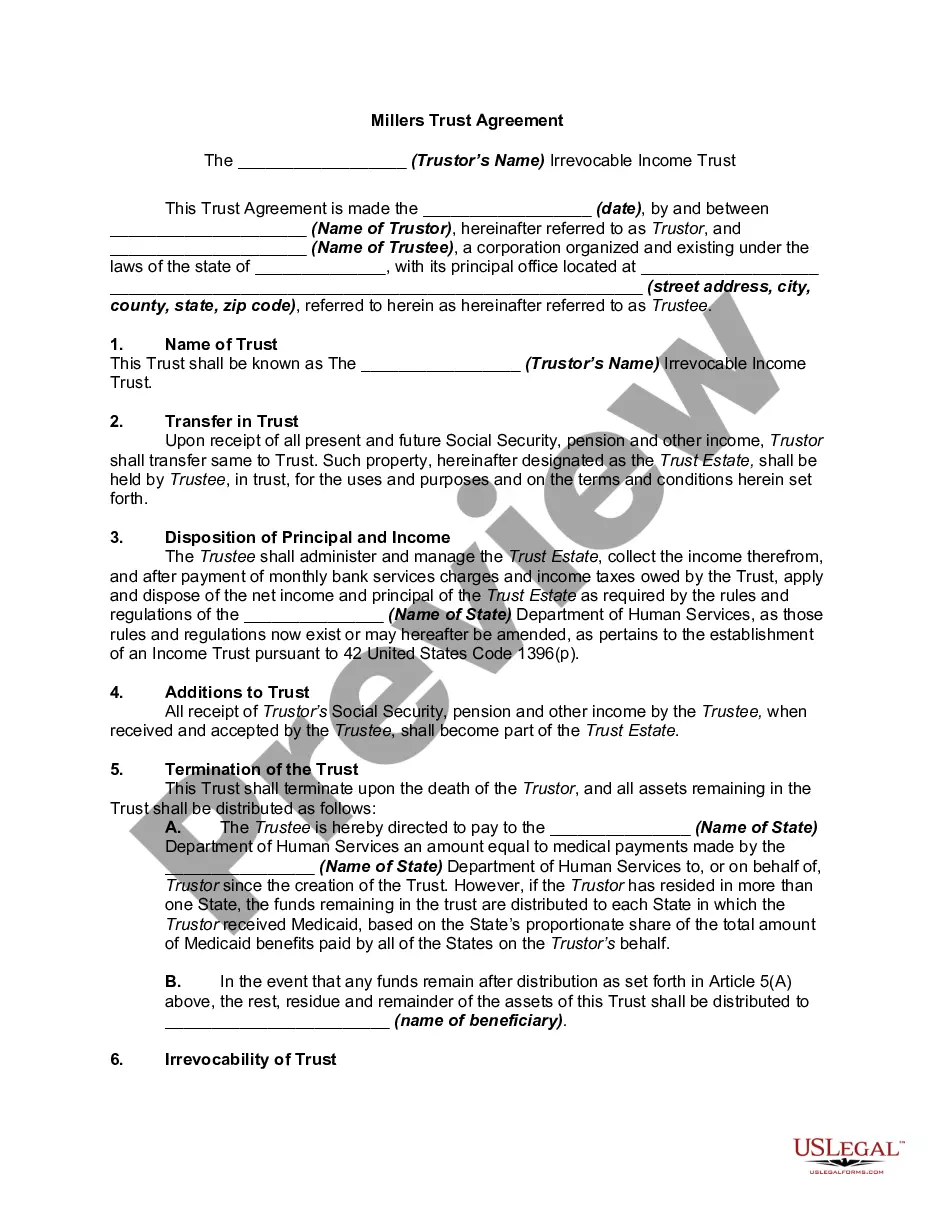
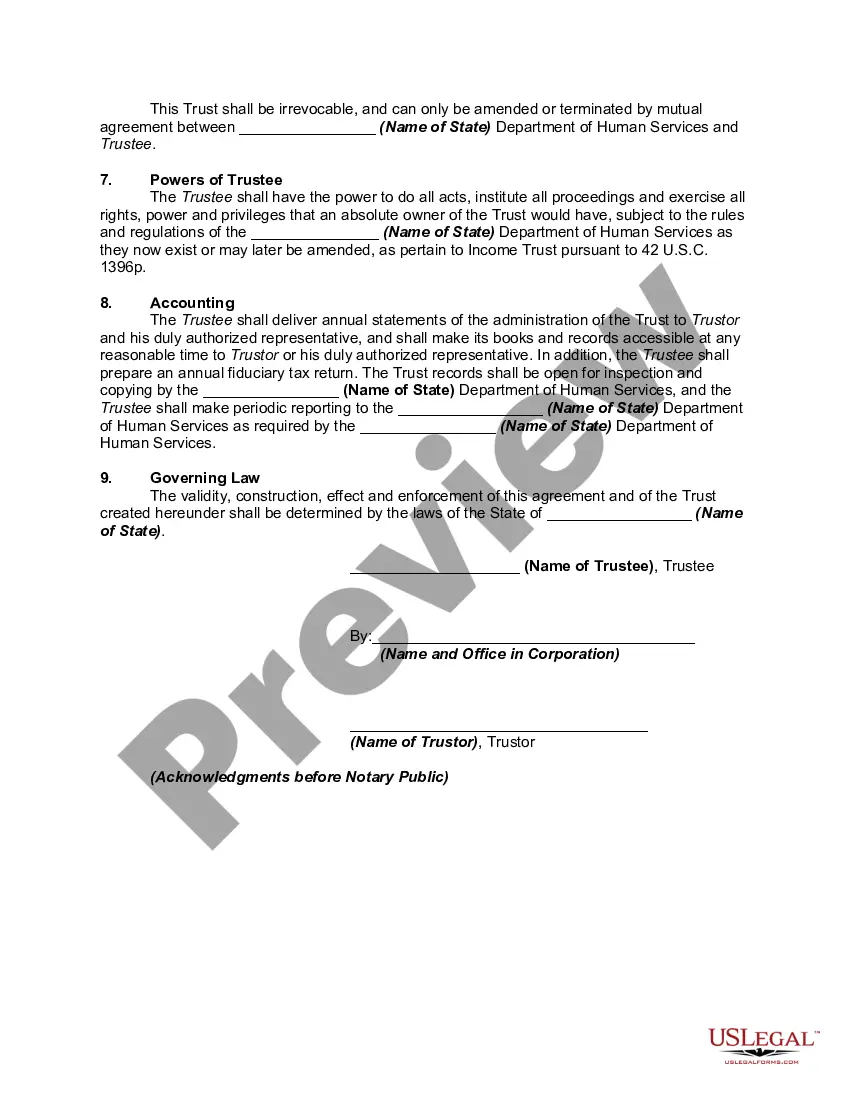
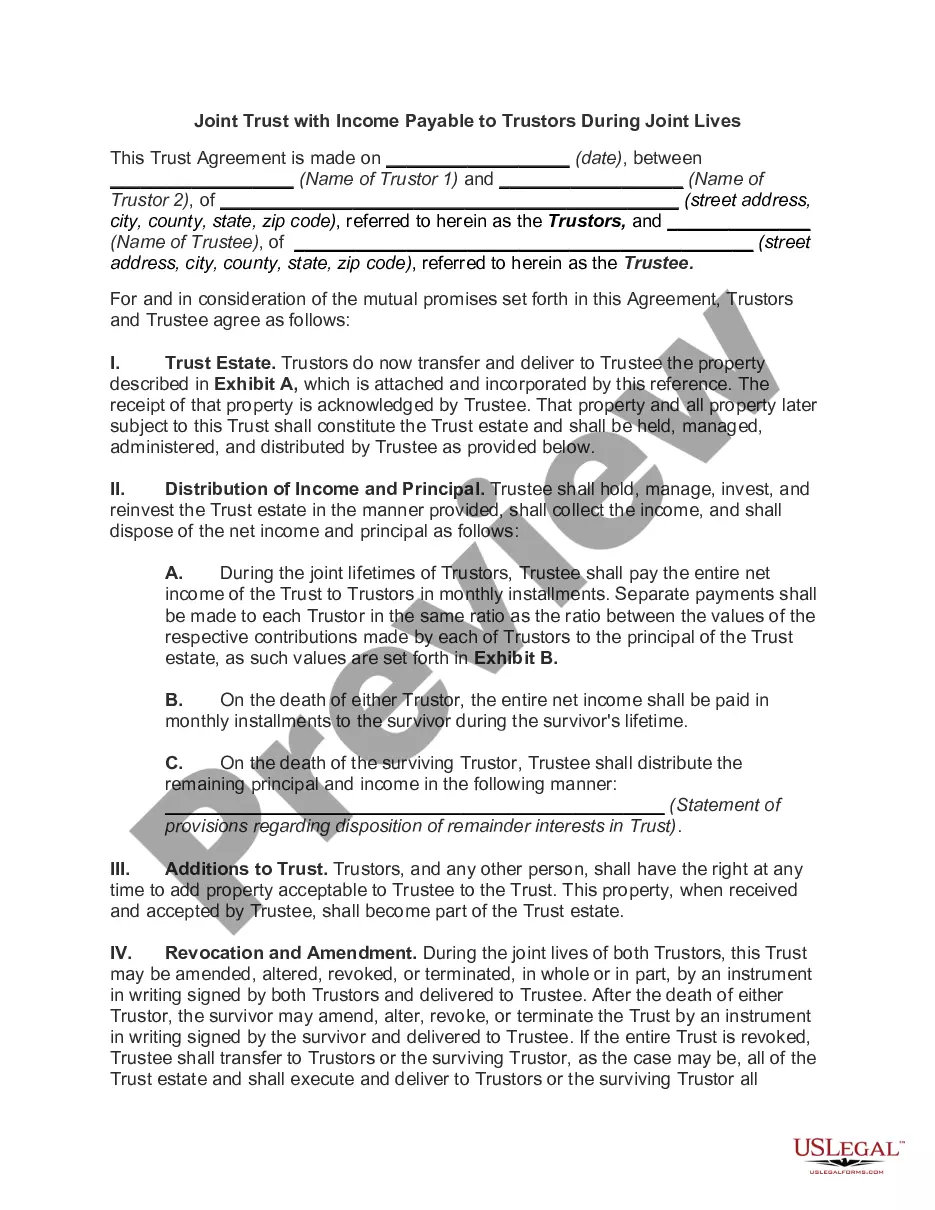
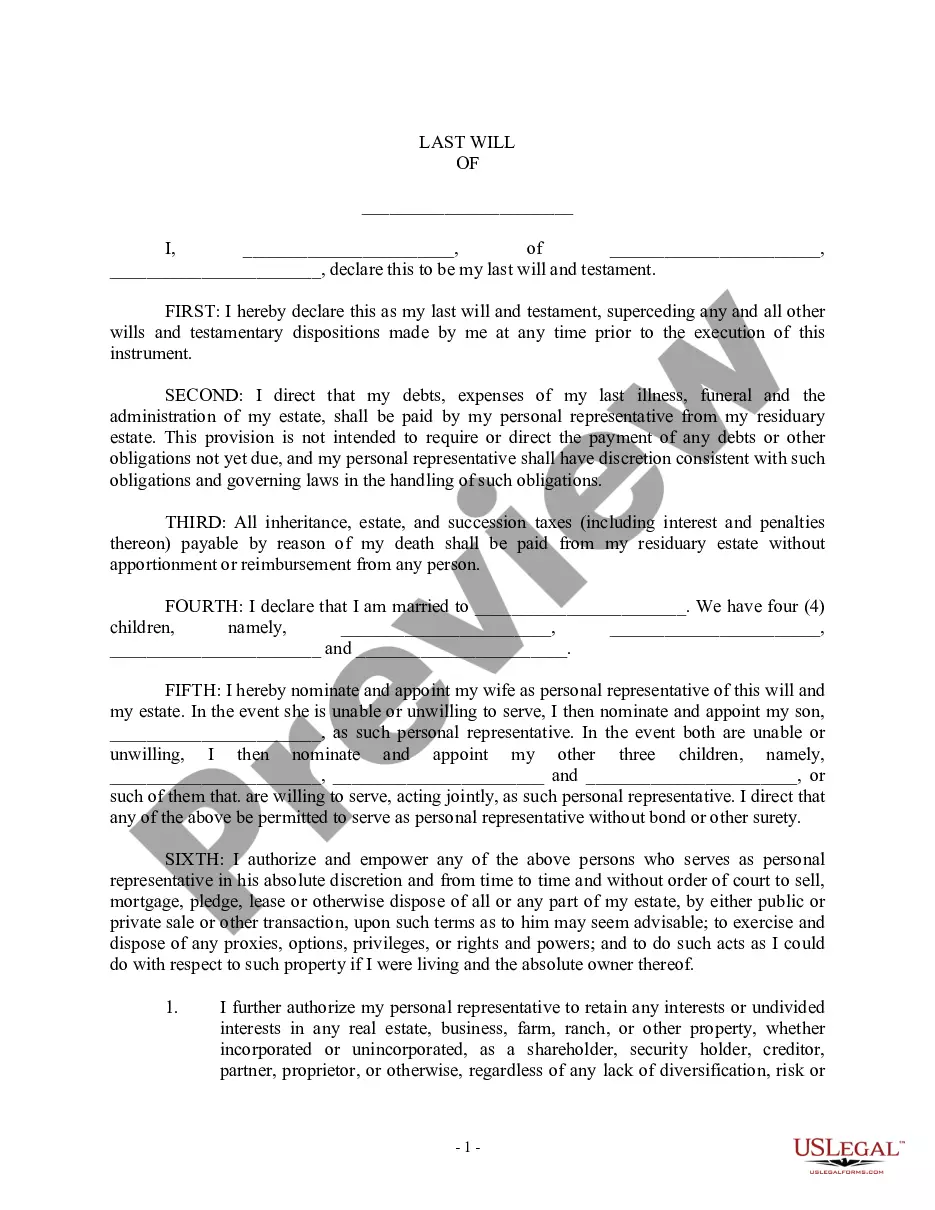
Description
Get your form ready online
Our built-in tools help you complete, sign, share, and store your documents in one place.
Make edits, fill in missing information, and update formatting in US Legal Forms—just like you would in MS Word.
Download a copy, print it, send it by email, or mail it via USPS—whatever works best for your next step.
Sign and collect signatures with our SignNow integration. Send to multiple recipients, set reminders, and more. Go Premium to unlock E-Sign.
If this form requires notarization, complete it online through a secure video call—no need to meet a notary in person or wait for an appointment.
We protect your documents and personal data by following strict security and privacy standards.

Make edits, fill in missing information, and update formatting in US Legal Forms—just like you would in MS Word.

Download a copy, print it, send it by email, or mail it via USPS—whatever works best for your next step.

Sign and collect signatures with our SignNow integration. Send to multiple recipients, set reminders, and more. Go Premium to unlock E-Sign.

If this form requires notarization, complete it online through a secure video call—no need to meet a notary in person or wait for an appointment.

We protect your documents and personal data by following strict security and privacy standards.
Looking for another form?
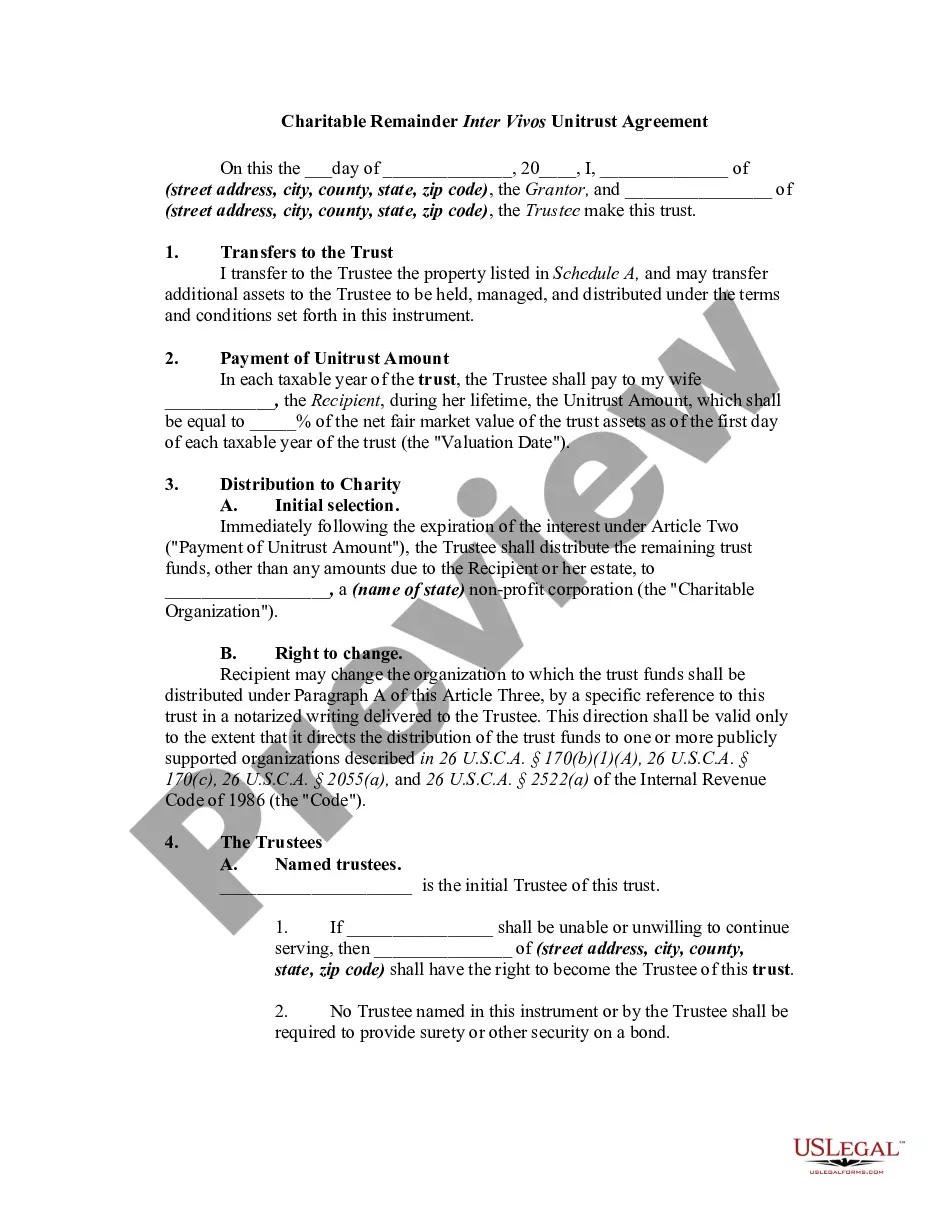
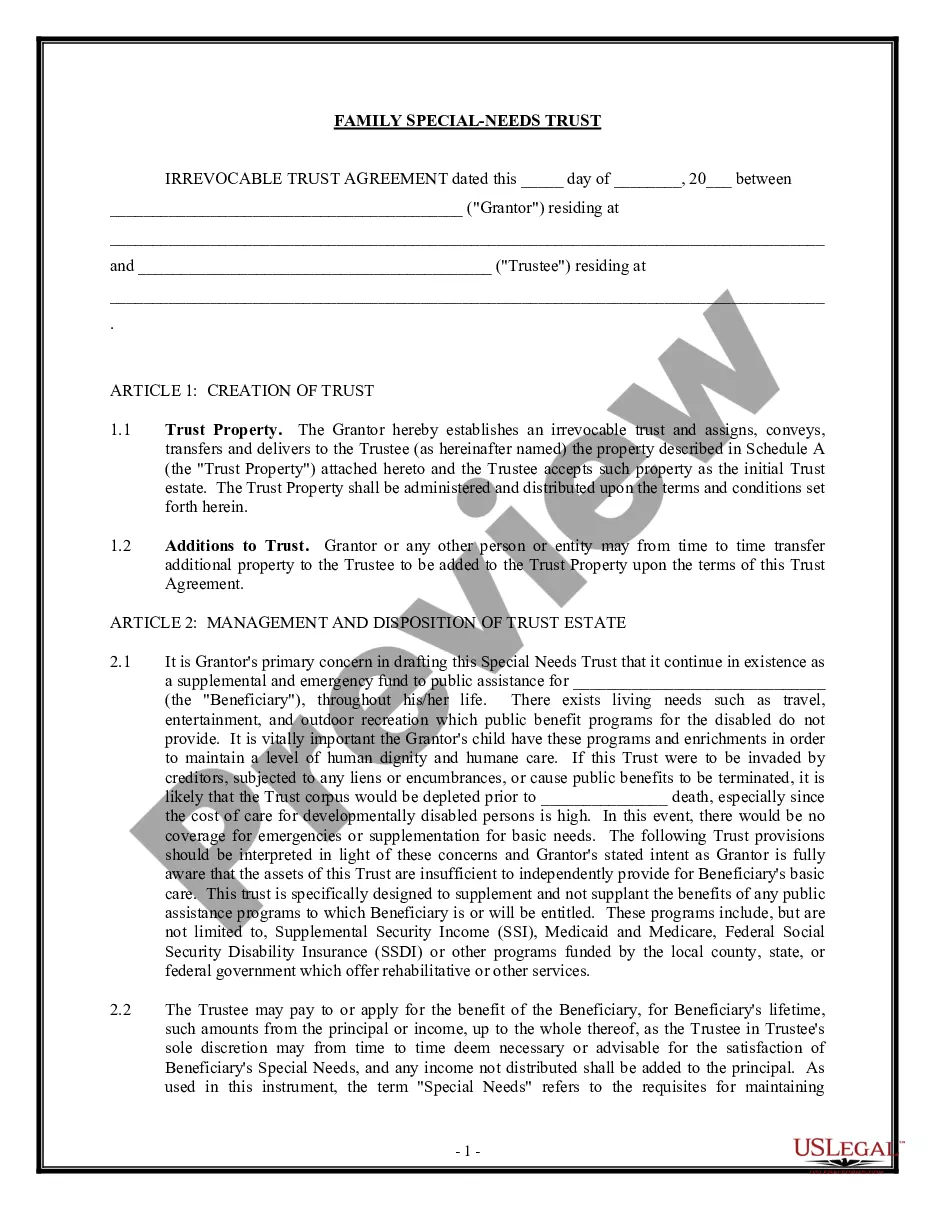
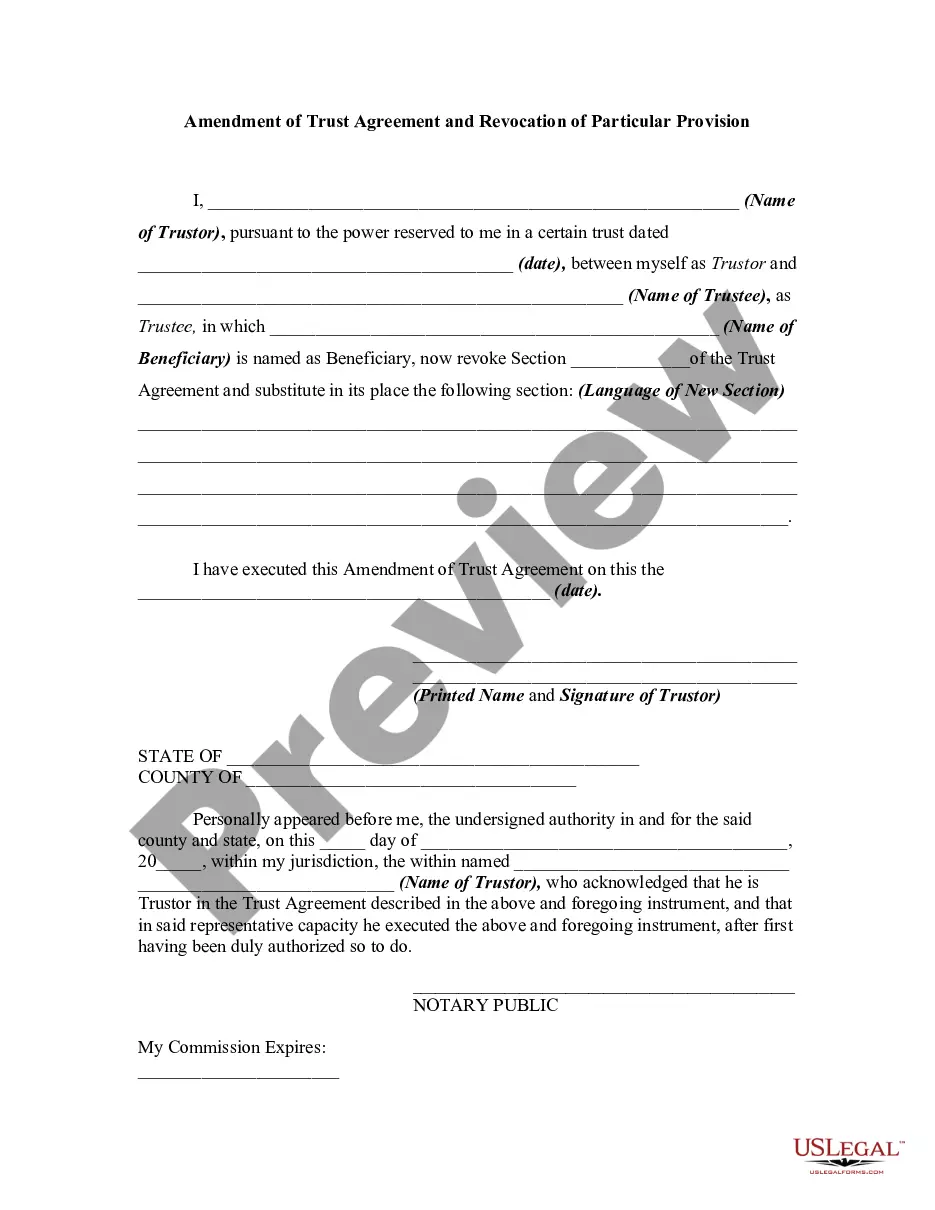
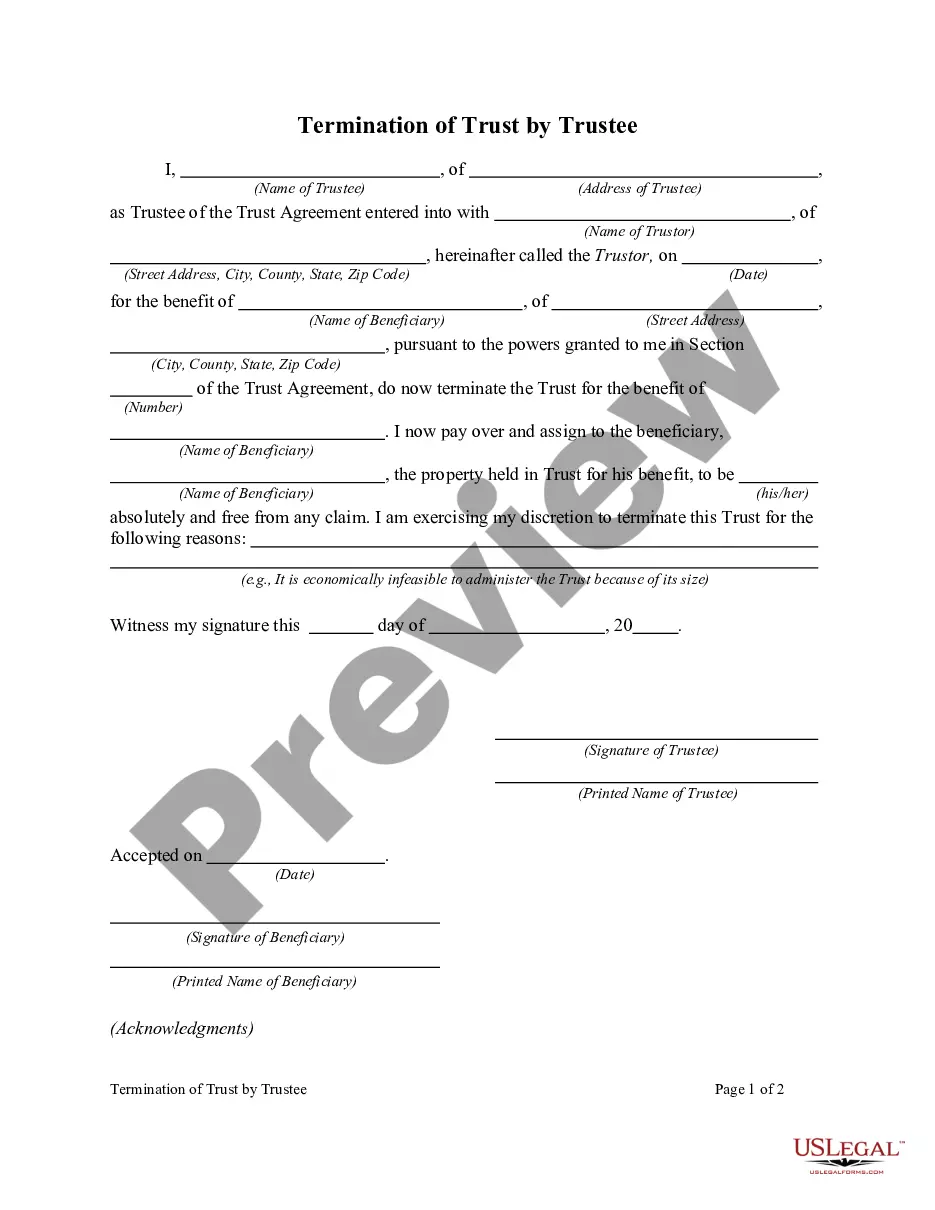
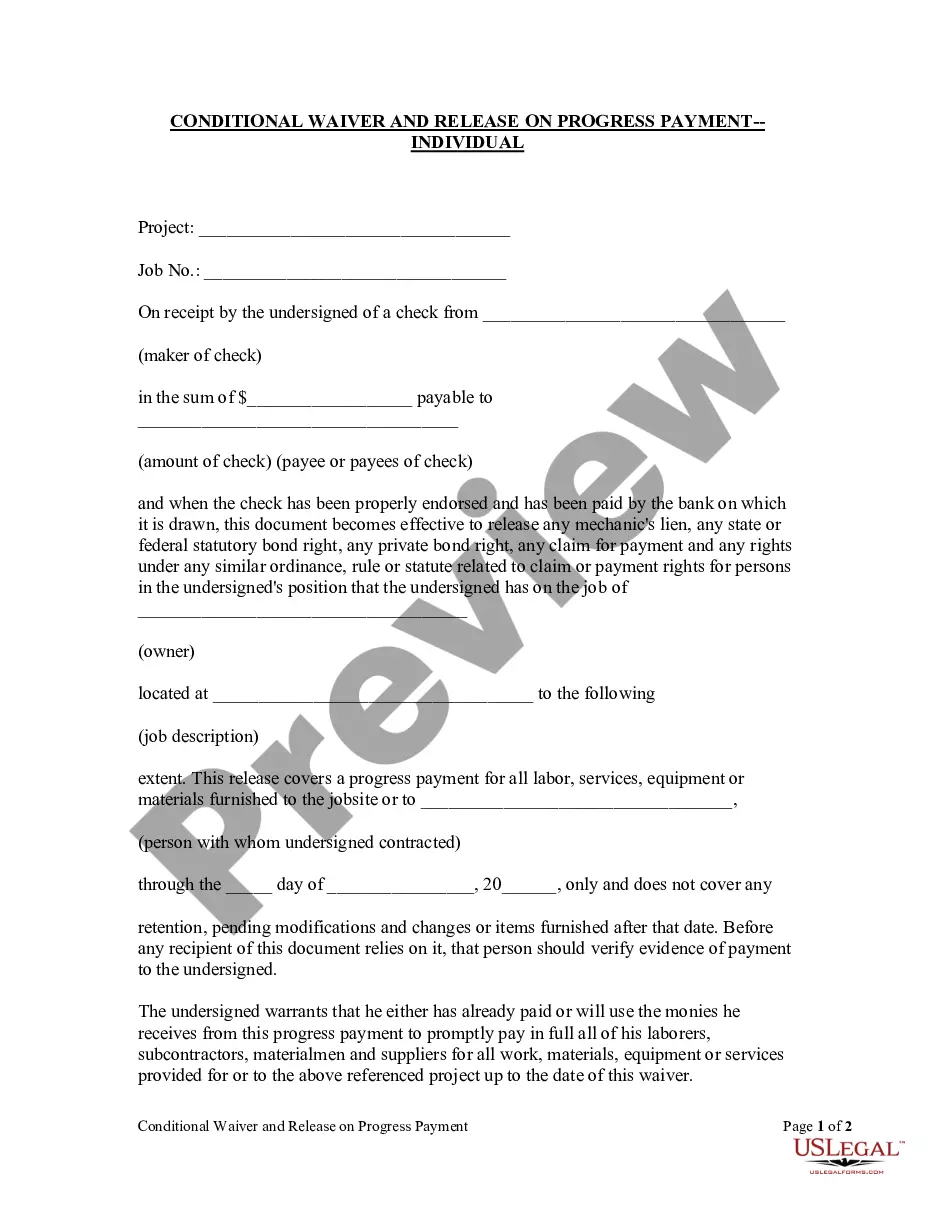
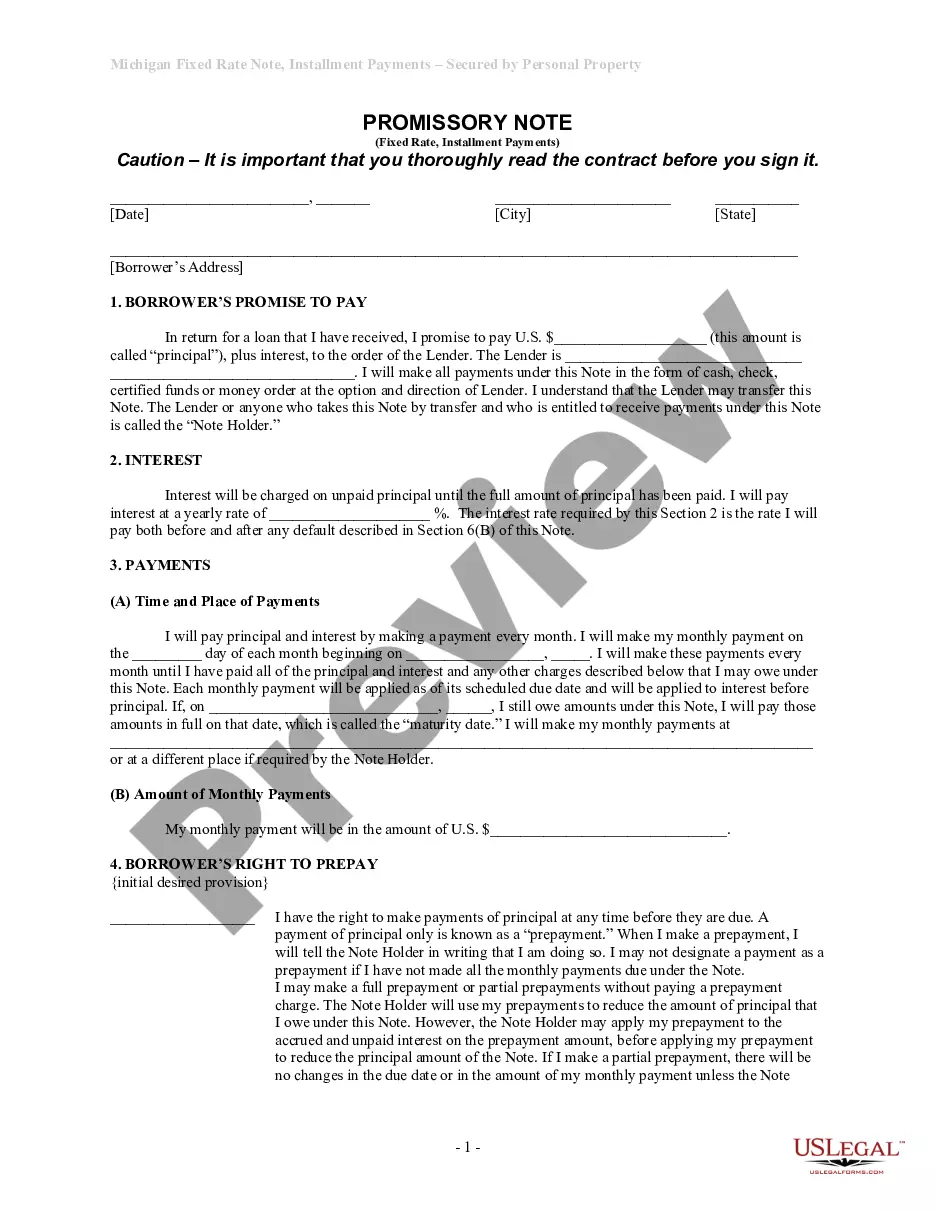




How to fill out Qualified Income Miller Trust?
- If you're a returning user, simply log in to your account, ensure your subscription is active, and click the Download button to save your needed form template.
- For first-time users, begin by browsing through the Preview mode and form description to find the right document that meets your specific needs and complies with your jurisdiction.
- If the form isn't a perfect fit, utilize the Search tab to locate another template that suits your requirements.
- Once you've found the right document, click the Buy Now button and select your preferred subscription plan. You'll need to create an account to access the full library of resources.
- Proceed to payment by entering your credit card details or selecting PayPal as your payment option.
- Finally, download your form and save it on your device. You can access it anytime through the My Forms section of your profile.
With its robust collection and access to premium experts for guidance, US Legal Forms ensures that you're never alone in your legal document preparation.
Don't wait any longer—start your hassle-free legal process today by exploring US Legal Forms!
Form popularity
FAQ
Some assets are typically not suitable for a trust, such as retirement accounts and life insurance policies that name a beneficiary. Additionally, assets that need to stay liquid for immediate needs should also be excluded. Careful planning is essential to decide what to include or exclude for optimal management and tax implications. Trust m e can help you navigate these decisions effectively.
In Illinois, any estate or trust that has taxable income over a specific amount must file IL Form 1041. This includes trusts created during life and those formed after death. Filing this form accurately is crucial for state tax obligations. Trust m e can assist in determining your filing requirements based on your trust's situation.
For most trusts, you will need to file IRS Form 1041. However, if a trust has a unique structure or needs specific reporting, additional forms might apply. Understanding which forms to file can be essential for proper compliance and tax planning. Trust m e can help clarify which forms you need to file based on your trust type.
Filing a private trust involves creating a trust document, signing it in front of a notary, and transferring assets into the trust. Depending on your state, you may also need to file specific forms with the local court or tax authorities. Trust m e can provide templates and step-by-step guidance to ensure that your private trust is set up correctly.
Form 10B is used for reporting the information required under the Uniform Trust Code. It addresses how a trust operates, the powers held by trustees, and the rights of the beneficiaries. Understanding this form can enhance transparency and trust administration. Trust m e offers insights on whether this form applies to your situation.
Yes, if your trust generates income, you typically need to file IRS Form 1041, also known as the U.S. Income Tax Return for Estates and Trusts. This form reports the income received by the trust and distributes it to the beneficiaries. Remember, filing this form correctly can ensure compliance and avoid penalties. Trust m e provides resources to help simplify this process.
To create a trust, you generally need to use a Trust Agreement form. This document outlines the terms of the trust, including who will manage it and how the assets will be distributed. It's essential to customize it according to your specific needs. Trust m e can guide you through selecting the appropriate forms that suit your circumstances.
Struggling to trust can be a result of various factors, including past betrayals or fear of vulnerability. Recognizing these barriers is the first step toward overcoming them. Trust m e offers valuable insights and practical advice to help you work through these feelings and embrace trust in your relationships.
To inspire my trust, focus on being consistent and transparent in your actions. Regularly communicate openly, and show that you value my opinions and feelings. Resources from Trust m e can guide you in establishing trust through effective interpersonal skills.
When someone does not trust you, it's essential to approach the situation with patience. Open a dialogue to understand their perspective and clarify any misunderstandings. Trust m e provides tools that can help you address these issues by emphasizing clear communication and trust-building practices.