Trust Creation Forms With The Same Field
Description
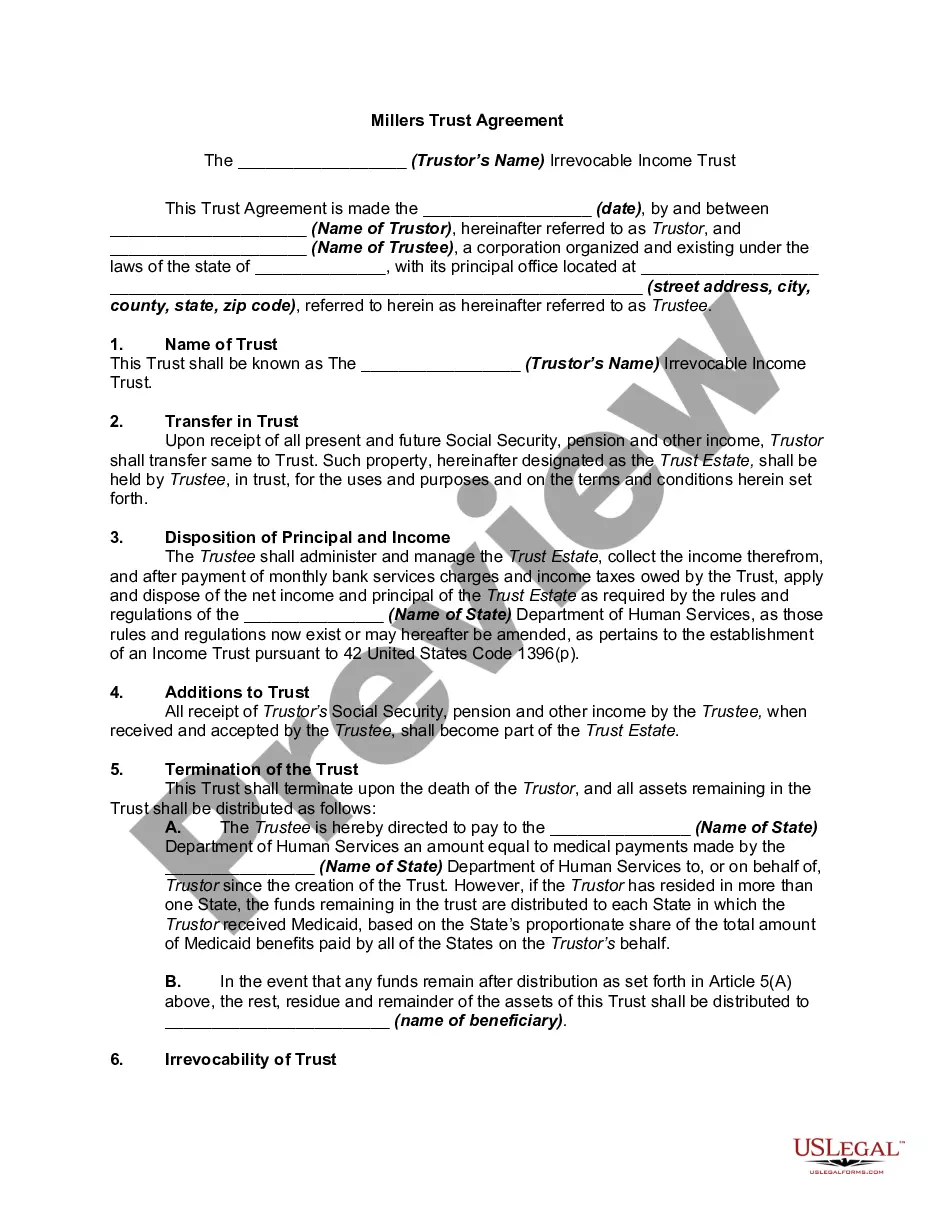
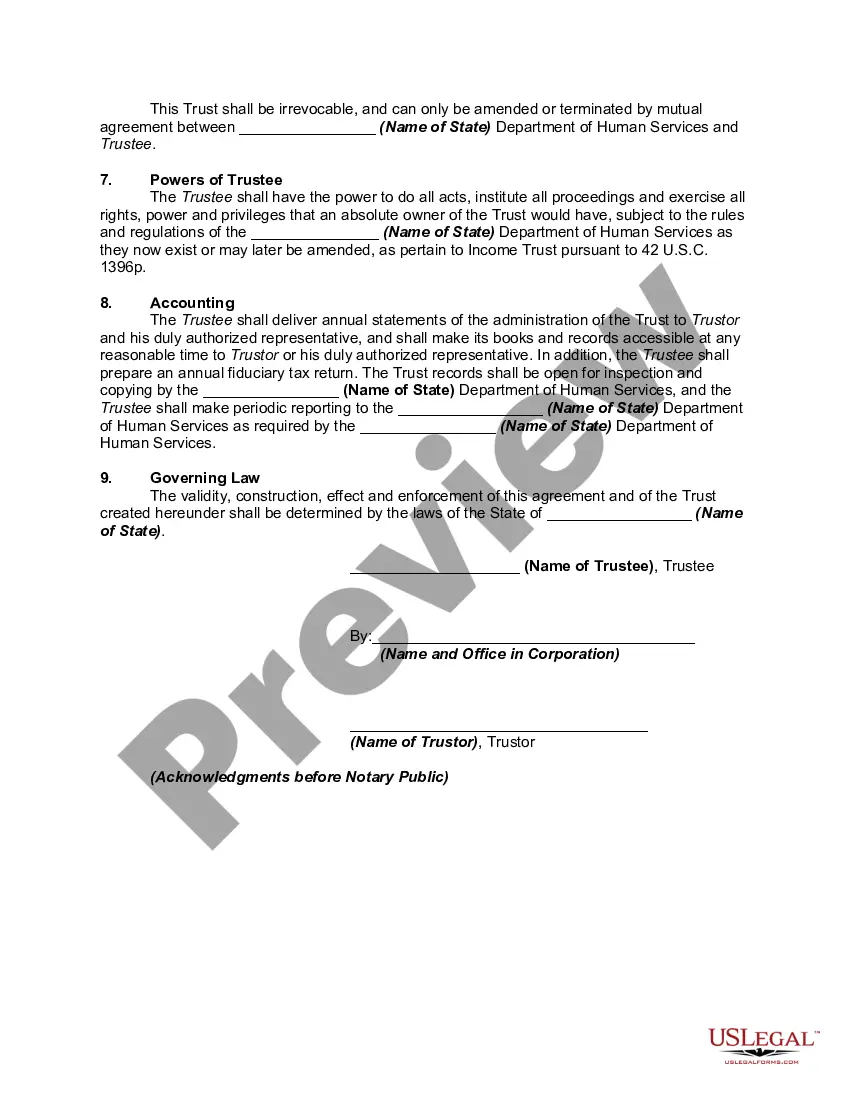
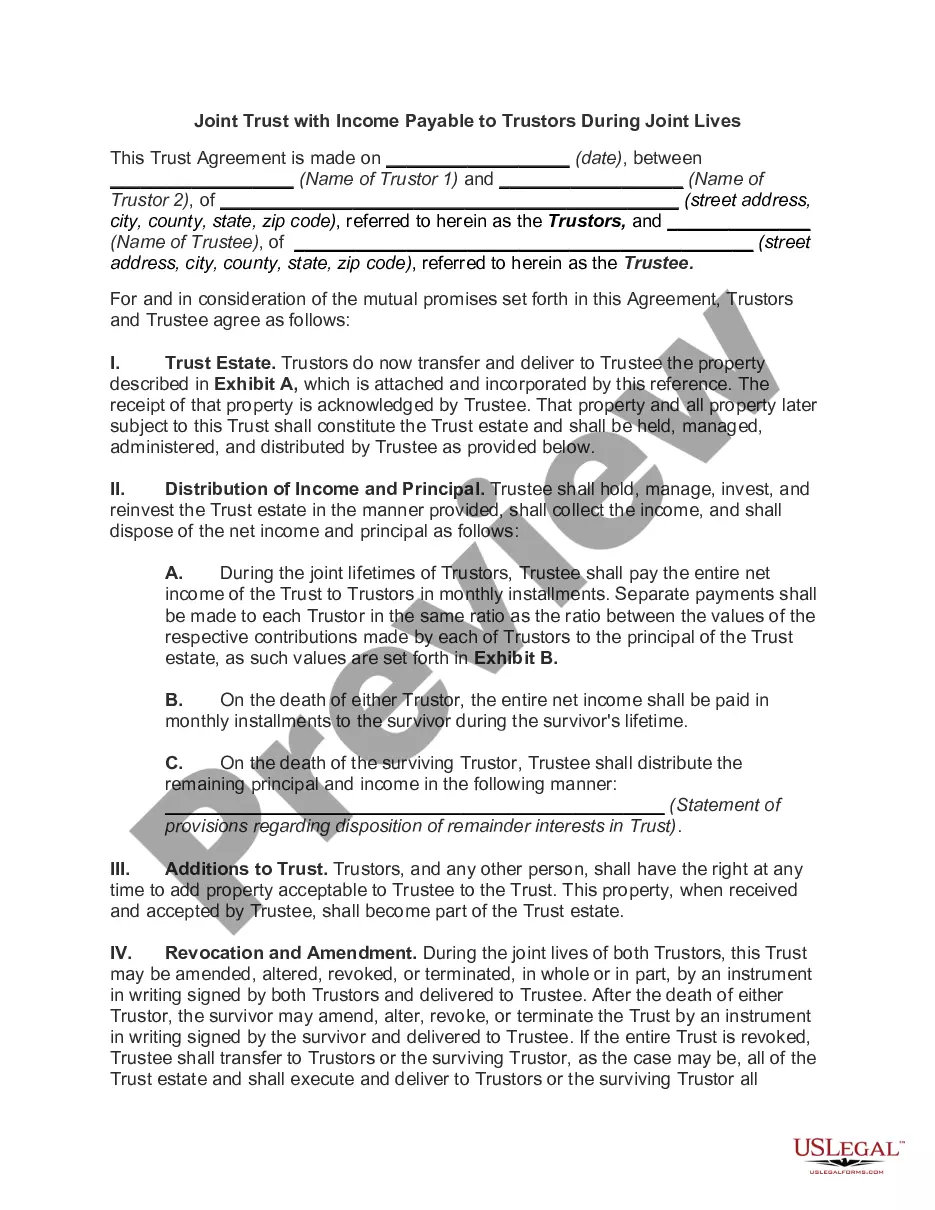

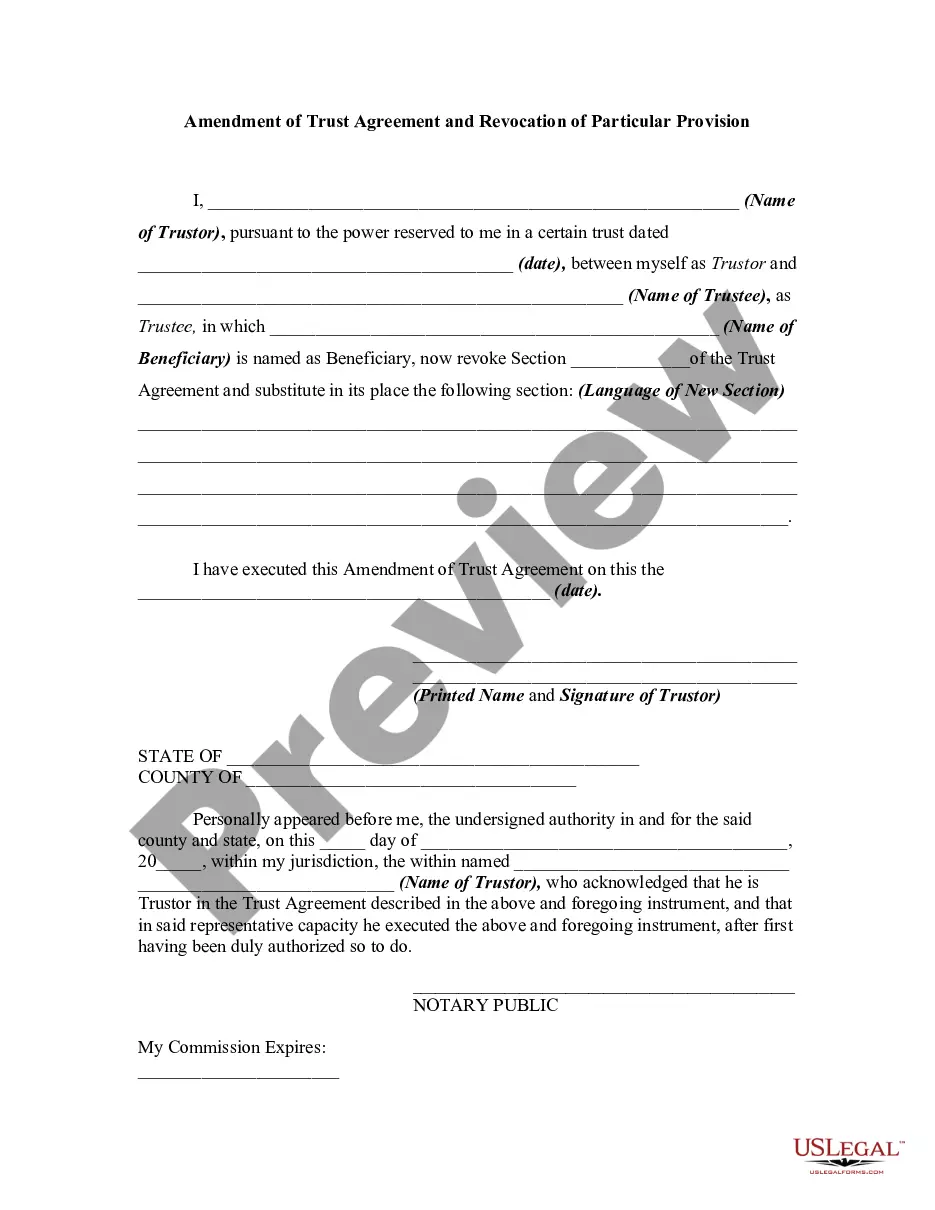
Get your form ready online
Our built-in tools help you complete, sign, share, and store your documents in one place.
Make edits, fill in missing information, and update formatting in US Legal Forms—just like you would in MS Word.
Download a copy, print it, send it by email, or mail it via USPS—whatever works best for your next step.
Sign and collect signatures with our SignNow integration. Send to multiple recipients, set reminders, and more. Go Premium to unlock E-Sign.
If this form requires notarization, complete it online through a secure video call—no need to meet a notary in person or wait for an appointment.
We protect your documents and personal data by following strict security and privacy standards.

Make edits, fill in missing information, and update formatting in US Legal Forms—just like you would in MS Word.

Download a copy, print it, send it by email, or mail it via USPS—whatever works best for your next step.

Sign and collect signatures with our SignNow integration. Send to multiple recipients, set reminders, and more. Go Premium to unlock E-Sign.

If this form requires notarization, complete it online through a secure video call—no need to meet a notary in person or wait for an appointment.

We protect your documents and personal data by following strict security and privacy standards.
Looking for another form?



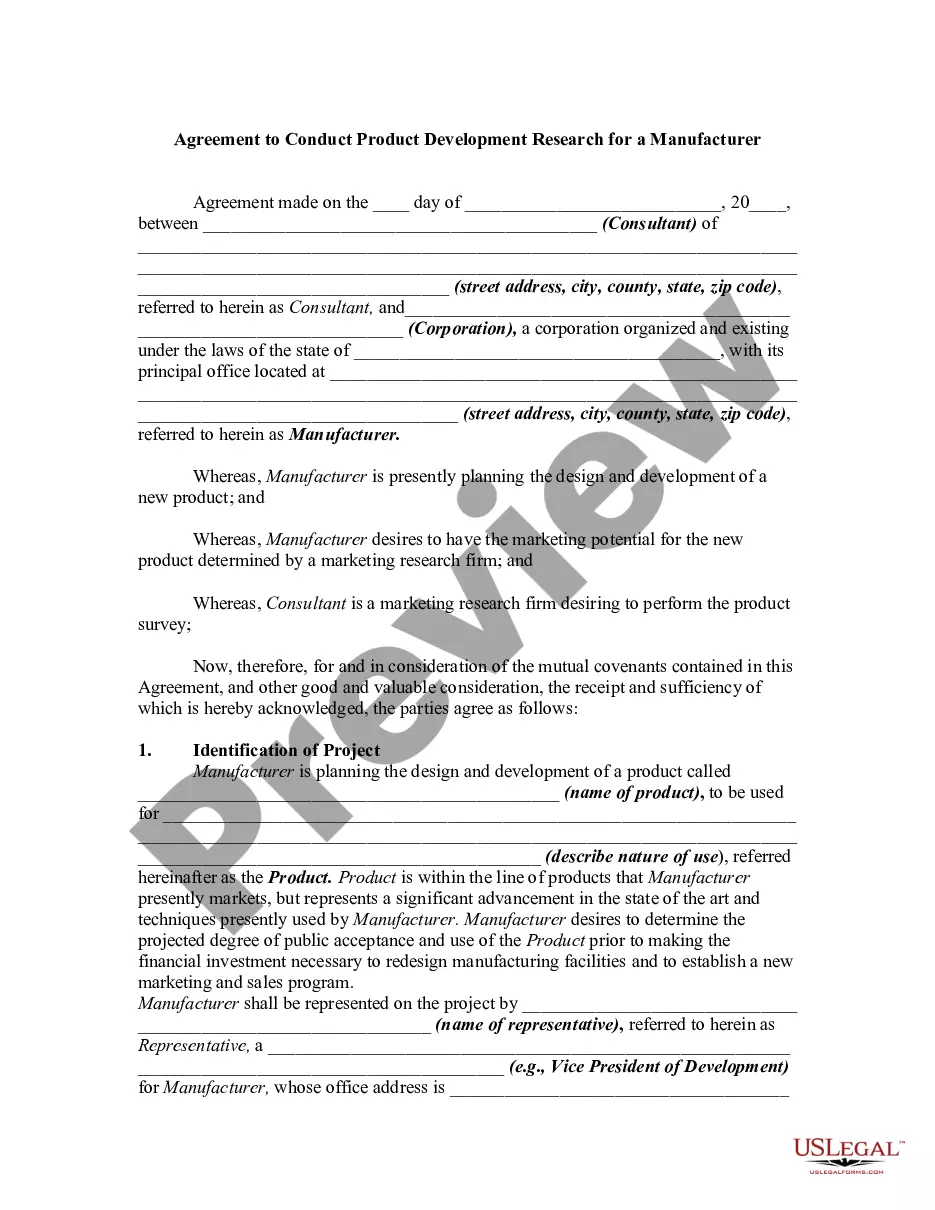

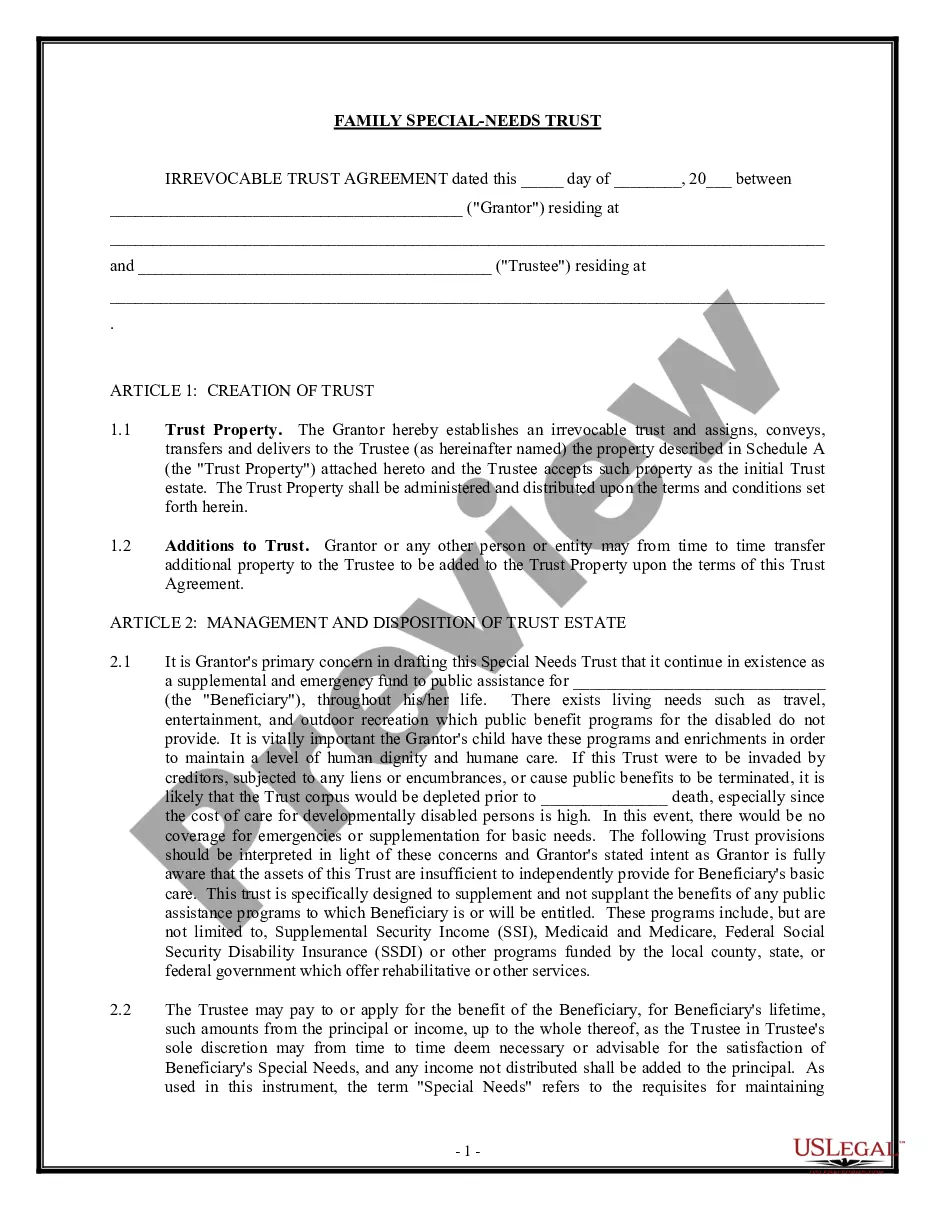

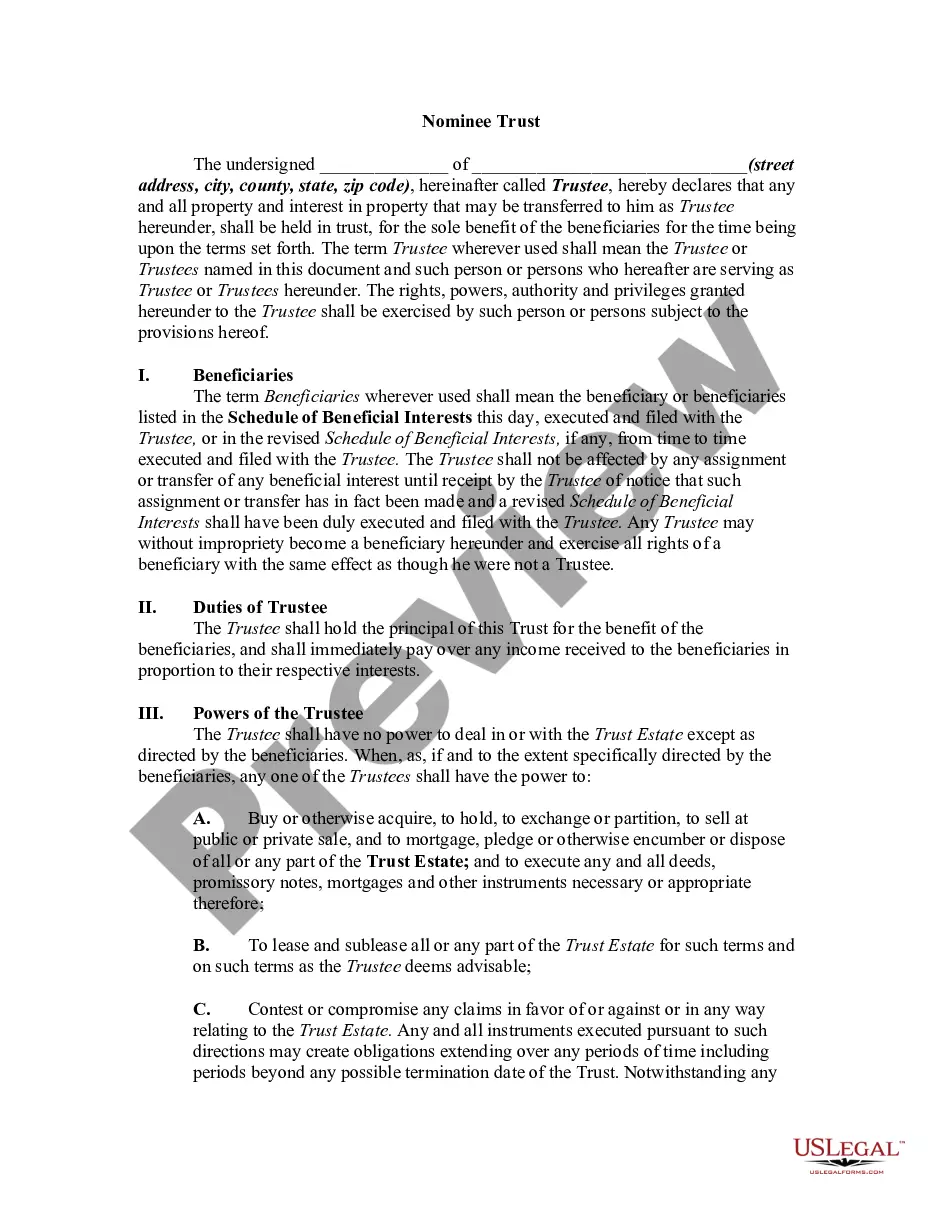
How to fill out Qualified Income Miller Trust?
- If you're a returning user, log in to your account and download your required form template by clicking the Download button. Ensure your subscription is active; if it's not, renew it according to your chosen payment plan.
- For first-time users, start by previewing the form descriptions to ensure the form you select aligns with your needs and local regulations.
- Use the Search tab to locate alternative templates if necessary, ensuring you find the right form to match your requirements.
- After selecting the correct document, hit the Buy Now button and choose your preferred subscription plan, while also registering an account for access to the full resource library.
- Complete your purchase by entering your payment information—this can be done via credit card or PayPal.
- Download your completed form and save it on your device. You can find it anytime under My Forms in your profile.
US Legal Forms not only provides a robust collection of over 85,000 easily fillable legal documents but also allows users to access premium expert assistance, ensuring your legal forms are precise and reliable.
Get started today with US Legal Forms and simplify your document creation process. Empower yourself with valuable tools for legal documentation!
Form popularity
FAQ
A family trust can offer many advantages, but one disadvantage is the lack of liquidity for beneficiaries. Assets held in the trust may be illiquid, limiting immediate access to funds during emergencies. Additionally, managing a family trust can require ongoing diligence and legal oversight, leading to potential expenses. Understanding these factors is key to navigating trust creation forms with the same field effectively.
Whether your parents should place their assets in a trust largely depends on their financial situation and estate planning goals. A trust can help avoid probate, provide for minors, and protect assets from creditors. If they are considering this route, they should gather information about trust creation forms with the same field to make informed decisions. Consulting a financial advisor could add significant value in determining the best approach.
Having a trust can be beneficial, but one downfall is that it can complicate the estate planning process if not managed correctly. Misunderstanding the terms or failing to update the trust could lead to family disputes or unintentional consequences. It’s essential to regularly revise your trust to align with your changing wishes and to effectively use trust creation forms with the same field.
A potential downside of placing assets in a trust is the loss of direct control over those assets. Once assets are transferred, they are managed according to the trust's terms, which may not align with your future intentions. Also, there may be initial costs associated with setting up the trust and ongoing administrative expenses. Therefore, it is vital to carefully consider the implications of trust creation forms with the same field.
Certain assets may not be suitable for placement in a trust, such as retirement accounts like IRAs or 401(k)s. Transferring these assets could trigger tax liabilities or complications upon distribution. Additionally, some personal property may be better handled outside of a trust. Understanding these considerations is crucial when dealing with trust creation forms with the same field to manage your estate effectively.
One common mistake parents make when setting up a trust fund is failing to properly fund the trust. Many assume that simply creating a trust is enough, but without transferring assets into it, the trust serves no purpose. To avoid this pitfall, educate yourself on the process of trust creation forms with the same field and engage professionals if necessary. Taking these steps ensures your trust works as intended.
Whether you need to file Form 3520 every year depends on specific circumstances related to your trust. Generally, if your trust receives gifts from foreign donors or has foreign accounts, you may be required to file this form. It's important to consult with a tax professional who understands trust creation forms with the same field to ensure compliance. Regular filing helps you avoid potential penalties.
There is essentially no limit to how many trusts you can own. Different individuals may create varying numbers of trusts based on their estate planning objectives. Utilizing Trust creation forms with the same field allows for easy management and organization of your numerous trusts. However, it's always advised to consult with a legal professional to ensure you are complying with any specific regulations.
Absolutely, you can have more than one trust. Many people choose to establish multiple trusts for distinct purposes, such as protecting family assets or ensuring specific distributions to heirs. By using Trust creation forms with the same field, you can easily manage the complexities of multiple trusts in one organized platform. This approach provides clarity and efficiency in your estate planning.
Certainly, you can have more than one type of trust, depending on your unique financial and estate planning needs. For instance, you might create a revocable living trust for managing your assets during your lifetime and an irrevocable trust for tax benefits after your passing. Trust creation forms with the same field can help streamline setting up these different trusts, making the process more efficient. Engaging with a financial advisor can guide you in choosing the right types of trusts.