Trust Creation For The Future
Description
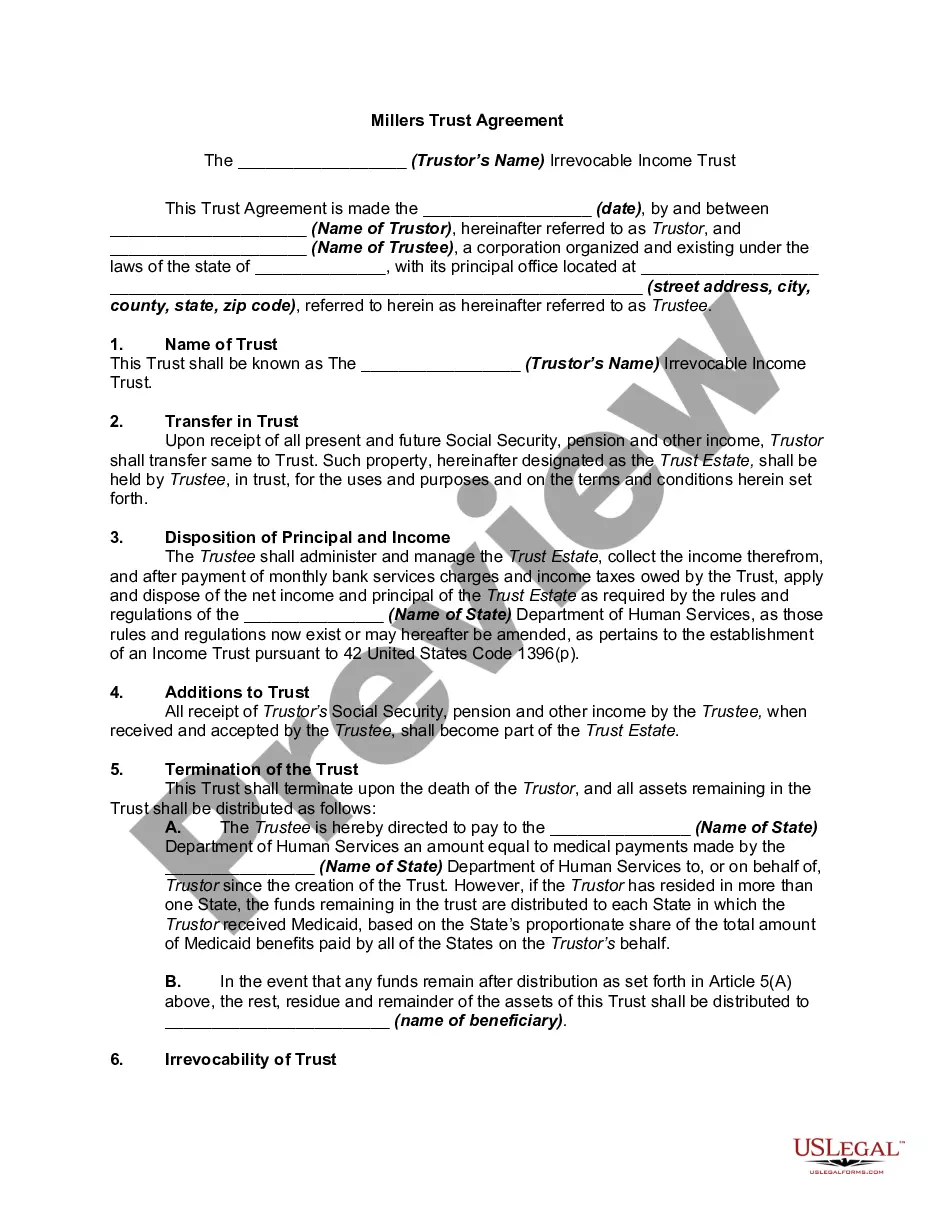
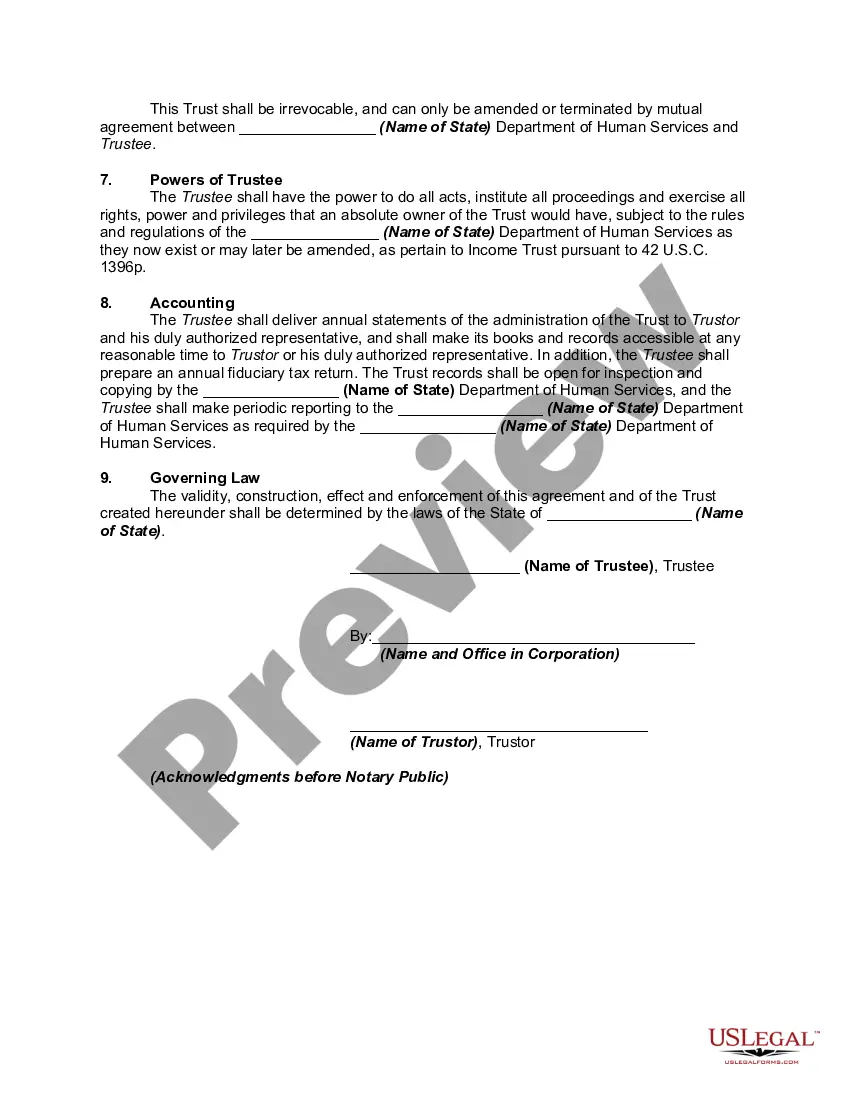
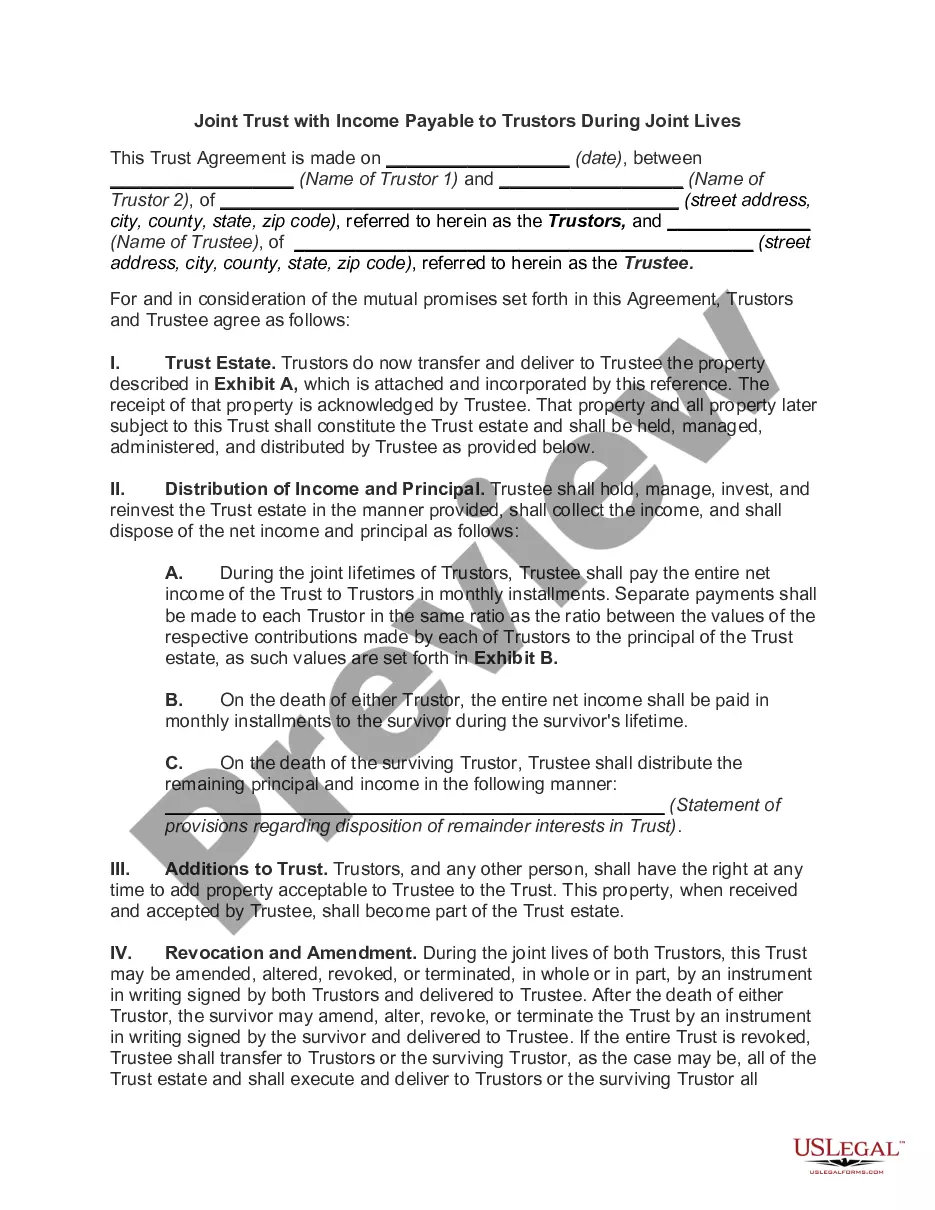

Get your form ready online
Our built-in tools help you complete, sign, share, and store your documents in one place.
Make edits, fill in missing information, and update formatting in US Legal Forms—just like you would in MS Word.
Download a copy, print it, send it by email, or mail it via USPS—whatever works best for your next step.
Sign and collect signatures with our SignNow integration. Send to multiple recipients, set reminders, and more. Go Premium to unlock E-Sign.
If this form requires notarization, complete it online through a secure video call—no need to meet a notary in person or wait for an appointment.
We protect your documents and personal data by following strict security and privacy standards.

Make edits, fill in missing information, and update formatting in US Legal Forms—just like you would in MS Word.

Download a copy, print it, send it by email, or mail it via USPS—whatever works best for your next step.

Sign and collect signatures with our SignNow integration. Send to multiple recipients, set reminders, and more. Go Premium to unlock E-Sign.

If this form requires notarization, complete it online through a secure video call—no need to meet a notary in person or wait for an appointment.

We protect your documents and personal data by following strict security and privacy standards.
Looking for another form?







How to fill out Qualified Income Miller Trust?
- Log in to your existing account at US Legal Forms. Ensure your subscription is active, or renew it as needed to access the resources.
- Browse the extensive library, checking the Preview mode and form descriptions to select the document that aligns with your jurisdiction and requirements.
- If the initial template is not suitable, utilize the Search feature to find alternative forms that better fit your legal needs.
- Once you identify the appropriate document, click on the Buy Now button and choose your preferred subscription plan, which requires account registration.
- Complete your purchase by entering your payment details, either through credit card or PayPal.
- Finally, download the chosen form to your device, allowing you to fill it out at your convenience. You can also access it later from the 'My Forms' section of your account.
In conclusion, US Legal Forms offers a robust solution for creating trust for the future through its extensive library of legal templates and expert assistance. Explore your options today and experience the ease of managing your legal documents with confidence.
Start your journey with US Legal Forms now to ensure you're prepared for all legal needs ahead.
Form popularity
FAQ
An effective example of trust creation for the future is a revocable living trust. In this setup, the creator maintains control of their assets during their lifetime, deciding how these assets are distributed upon their passing. This not only simplifies the transfer of assets for heirs but also avoids probate, ensuring a more efficient process. Utilizing a platform like USLegalForms can streamline the trust creation journey, making it easier for you to establish your trust with confidence.
Despite the many advantages of trust creation for the future, there are some downsides worth noting. Trusts can limit access to assets, making it challenging for beneficiaries to access funds in emergencies. Additionally, trusts require careful planning and ongoing administration, which can create a burden for some families. Understanding these negative aspects allows for better decision-making when creating a trust.
Trust creation for the future comes with certain risks that individuals should consider. For instance, if not properly funded or managed, a trust may lack the necessary assets to fulfill its intended purpose. Moreover, miscommunication among beneficiaries can lead to disputes, emphasizing the importance of clear instructions and communication during the trust creation process.
While trust creation for the future can offer great benefits, it is important to recognize some disadvantages. Trusts might require complicated management and ongoing financial commitments. Additionally, they may involve legal fees for establishment and maintenance, which can add up over time. It's beneficial to understand these factors before proceeding with trust creation, ensuring you can navigate them effectively.
The five essential elements necessary to form a trust include the trustor (the person creating the trust), the trust property (assets to be placed in the trust), the trustee (person or entity managing the trust), a clear beneficiary, and the purpose of the trust. Each of these components plays a crucial role in effective trust creation for the future. Properly addressing each element can prevent legal complications down the line. Platforms like US Legal Forms simplify this process with user-friendly tools and resources.
A trust gets created by drafting a trust document that outlines the terms, intentions, and specifics of the trust. The creator, or grantor, must clearly indicate their wishes regarding the trust's management and beneficiaries. This formalizes the trust and ensures proper trust creation for the future. Utilizing services like US Legal Forms can streamline this process, providing templates and guidance.
To create a valid trust, you need a clear intention to create the trust, a lawful purpose, identifiable beneficiaries, a designated trustee, and appropriate property to fund the trust. Each of these elements ensures that your trust is legitimate and will serve its purpose effectively. Fulfilling these requirements is essential for successful trust creation for the future. Resources available on US Legal Forms can assist you in meeting these criteria.
The 5 5 trust rule allows beneficiaries to withdraw up to a certain amount from a trust each year without incurring tax issues. Specifically, it permits withdrawals of up to the greater of $5,000 or 5% of the trust's assets. Understanding this rule is vital for effective trust creation for the future, as it helps in tax planning and beneficiary management. When creating a trust, consider incorporating this rule for greater flexibility.
To determine if a trust is valid, you should first ensure that it was created in accordance with state laws. Check if the trust document is properly signed and dated by the creator. Additionally, confirm that there is a clear beneficiary named, as this is crucial for trust creation for the future. Using platforms like US Legal Forms can help you navigate these requirements.
The process of creating a trust involves several key steps. First, determine the type of trust that best fits your needs. Then, seek professional guidance to draft the trust document and outline your assets. Finally, fund the trust by transferring your assets into it, ensuring your intentions are clearly outlined, which is essential for successful trust creation for the future.