Trust Accounting Form For Trustees
Description
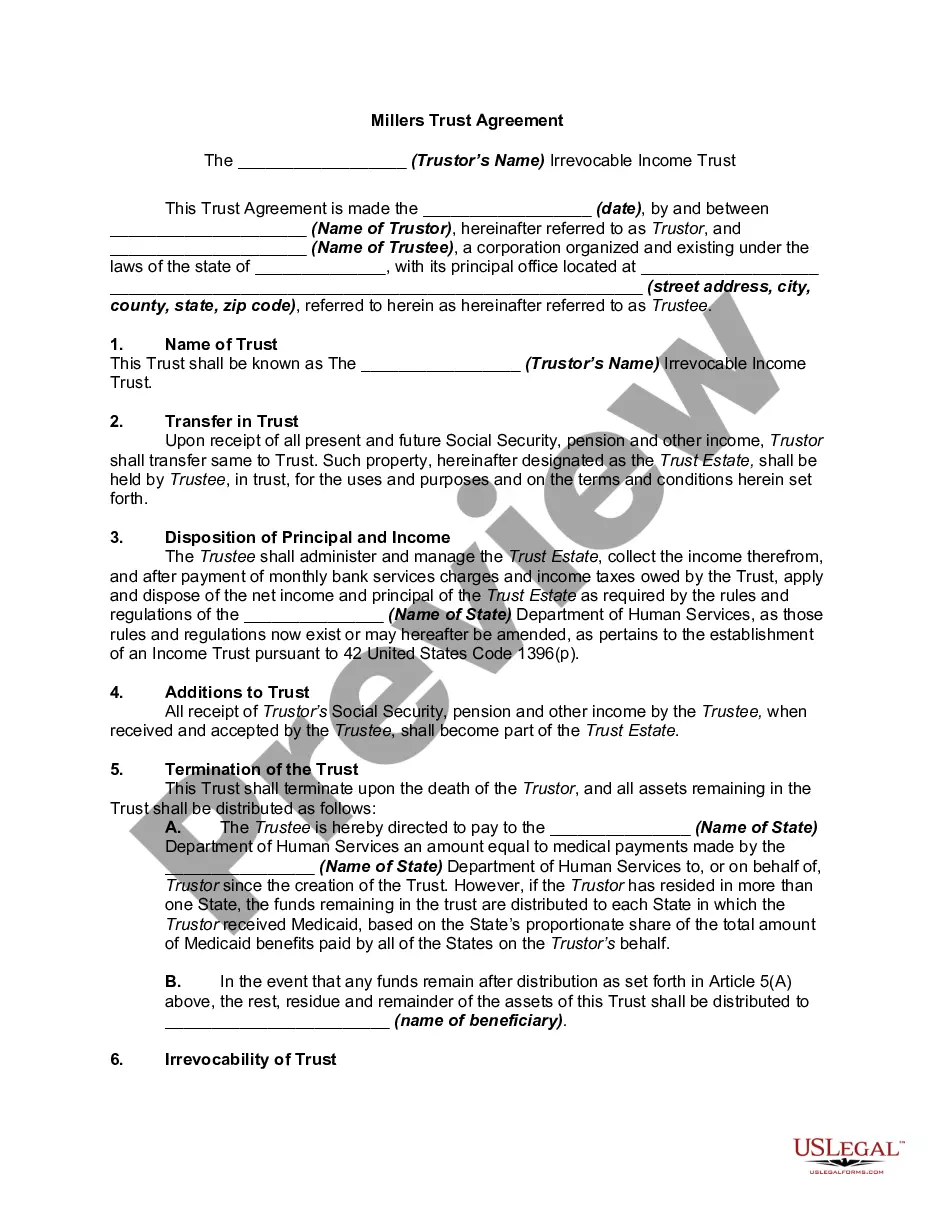
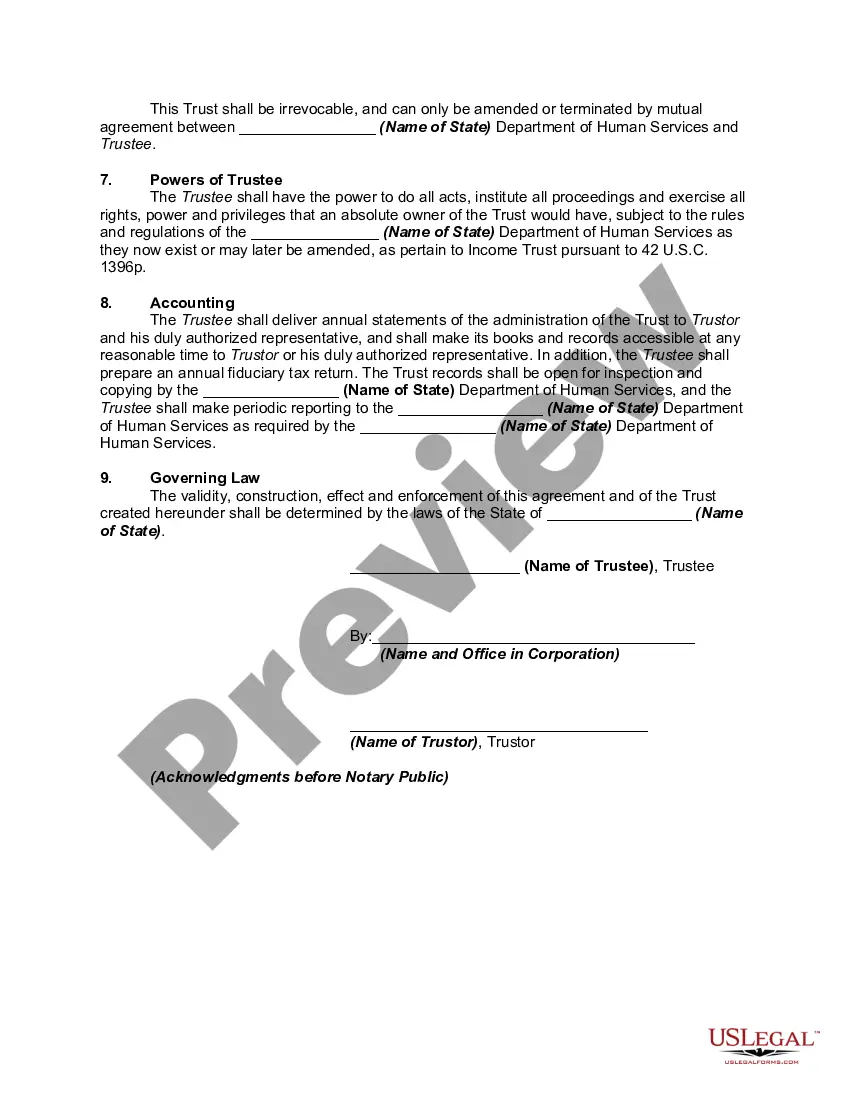
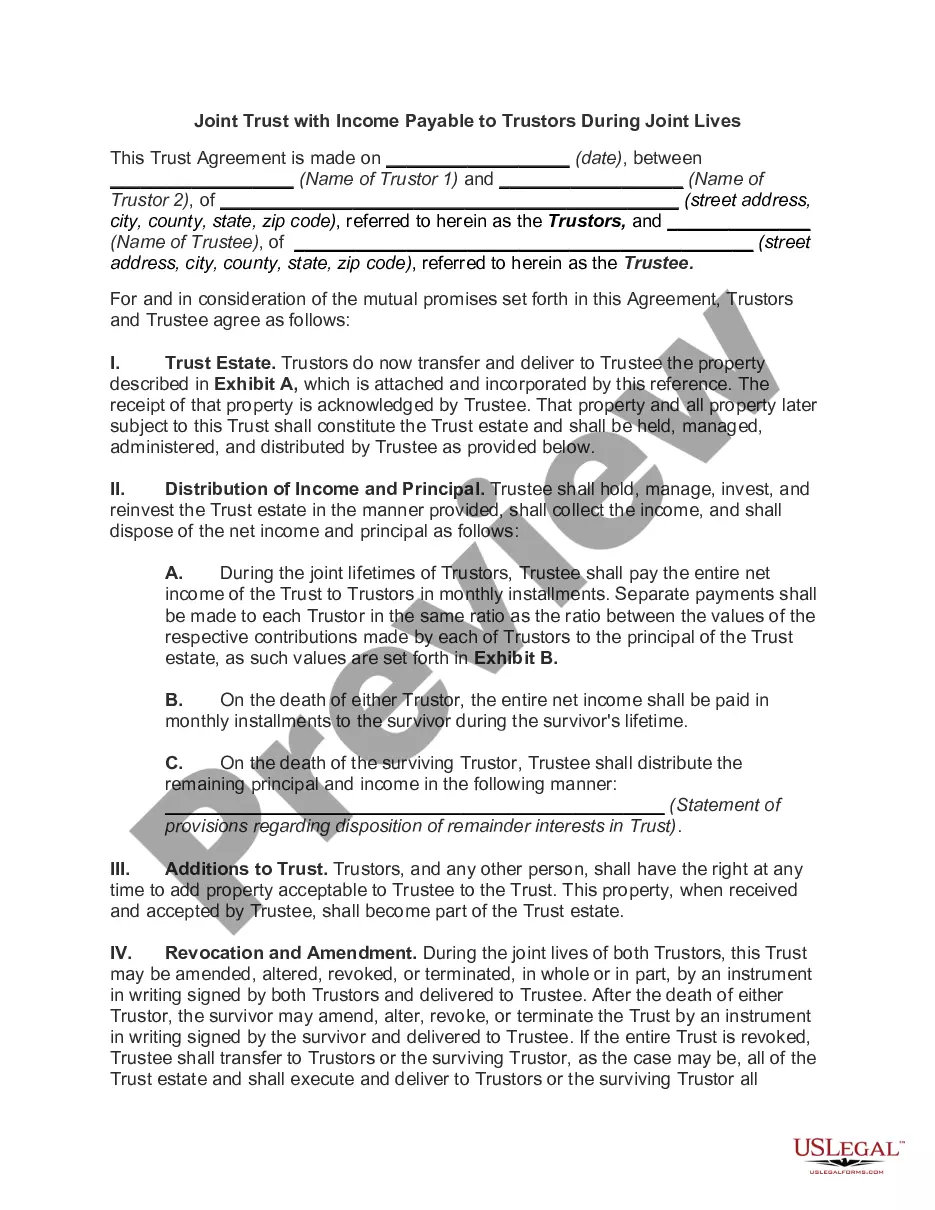

Get your form ready online
Our built-in tools help you complete, sign, share, and store your documents in one place.
Make edits, fill in missing information, and update formatting in US Legal Forms—just like you would in MS Word.
Download a copy, print it, send it by email, or mail it via USPS—whatever works best for your next step.
Sign and collect signatures with our SignNow integration. Send to multiple recipients, set reminders, and more. Go Premium to unlock E-Sign.
If this form requires notarization, complete it online through a secure video call—no need to meet a notary in person or wait for an appointment.
We protect your documents and personal data by following strict security and privacy standards.

Make edits, fill in missing information, and update formatting in US Legal Forms—just like you would in MS Word.

Download a copy, print it, send it by email, or mail it via USPS—whatever works best for your next step.

Sign and collect signatures with our SignNow integration. Send to multiple recipients, set reminders, and more. Go Premium to unlock E-Sign.

If this form requires notarization, complete it online through a secure video call—no need to meet a notary in person or wait for an appointment.

We protect your documents and personal data by following strict security and privacy standards.
Looking for another form?



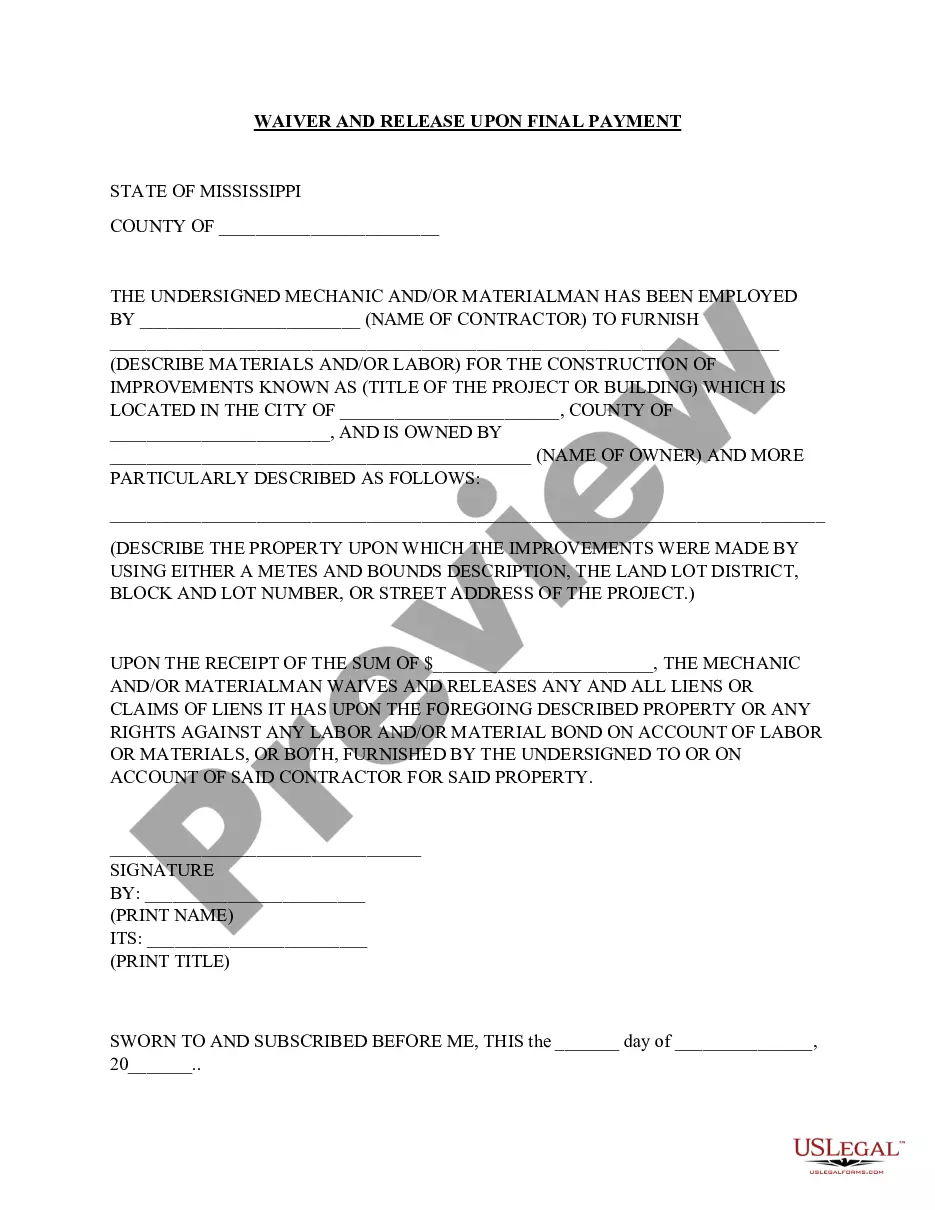





How to fill out Qualified Income Miller Trust?
- Log in to your existing US Legal Forms account and ensure your subscription is active. If needed, renew your plan to maintain access.
- Browse the Preview mode and review the form descriptions to confirm you select a trust accounting form that meets your legal requirements.
- Utilize the Search tab if you need to find a different template that fits your criteria better.
- Click on the Buy Now button to purchase the document and select the subscription plan that best suits your needs. Create an account if you haven't already.
- Complete your purchase by entering your credit card information or logging into your PayPal account to finalize your subscription.
- Download the completed form to your device for easy access. You can also find it anytime in the My Forms section of your profile.
By following these steps, you can easily acquire the forms necessary for effective trust management. The extensive library at US Legal Forms empowers both individuals and attorneys with a variety of legal document options.
Don't hesitate—start streamlining your trust accounting today by visiting US Legal Forms and accessing your required documents with ease!
Form popularity
FAQ
To conduct an accounting for a trust, start by compiling all financial transactions related to the trust. This includes income, expenses, and distributions. Utilizing a trust accounting form for trustees will guide you through this process, ensuring nothing is overlooked. Proper documentation creates a transparent overview of the trust's financial status, benefiting both trustees and beneficiaries.
Accounting standards for a trust require adherence to principles that ensure accuracy and accountability. These standards include maintaining detailed records of all transactions, serving beneficiaries' best interests, and complying with relevant laws. Utilizing a trust accounting form for trustees can help you adhere to these standards. It creates a structured approach to managing trust finances efficiently.
On a balance sheet, a trust account typically appears under the assets section. This is because the trust holds assets for the benefit of the beneficiaries. Accurately documenting this on a trust accounting form for trustees can provide a clear financial picture. This clarity is essential for transparency and compliance with fiduciary duties.
The trust accounting process includes recording income, expenses, and distributions related to trust assets. This process is crucial for maintaining financial integrity and meeting legal obligations. By completing a trust accounting form for trustees, you can streamline this process and ensure all necessary information is captured accurately. This creates clarity for both trustees and beneficiaries.
Reporting trustee income involves tracking all earnings generated from trust assets. This income must be reported to the IRS on the appropriate tax forms. Utilizing a trust accounting form for trustees can help you organize this financial data properly. This ensures timely and accurate reporting, minimizing potential issues with the IRS.
Yes, QuickBooks can effectively handle trust accounting tasks. Many trustees find it useful for tracking income, expenses, and other financial activities. However, to ensure compliance with legal standards, a specific trust accounting form for trustees may be necessary. This combination can enhance accuracy and efficiency in managing trust finances.
Yes, a trustee is generally required to provide an accounting to beneficiaries. This ensures transparency regarding the management of trust assets. By using a trust accounting form for trustees, you can simplify this process and keep accurate records. Being accountable helps maintain trust and clarity among all parties involved.
A trust accounting includes a detailed statement of all trust assets, debts, income, expenses, and distributions to beneficiaries. It serves as a financial report that reflects the trust's performance and compliance with the governing document. Using a trust accounting form for trustees helps to present this information in a clear and organized manner, making it easier for beneficiaries and trustees to understand the financial standing.
To prepare trust accounting effectively, gather all records of income, expenses, and distributions first. Use a trust accounting form for trustees to ensure you include every transaction accurately. Maintain systematic records throughout the trust's duration to make this process smoother and more accurate. Regular updates also prevent confusion when the accounting period comes around.
Trust accounting income typically includes all earnings generated from the trust's assets, such as dividends, interest, and rental income. Additionally, any realized capital gains on asset sales should be documented. By utilizing a trust accounting form for trustees, you can systematically categorize this income, making it easier for all parties involved to understand the trust’s financial health.