Trust Accounting Form For Lawyers
Description
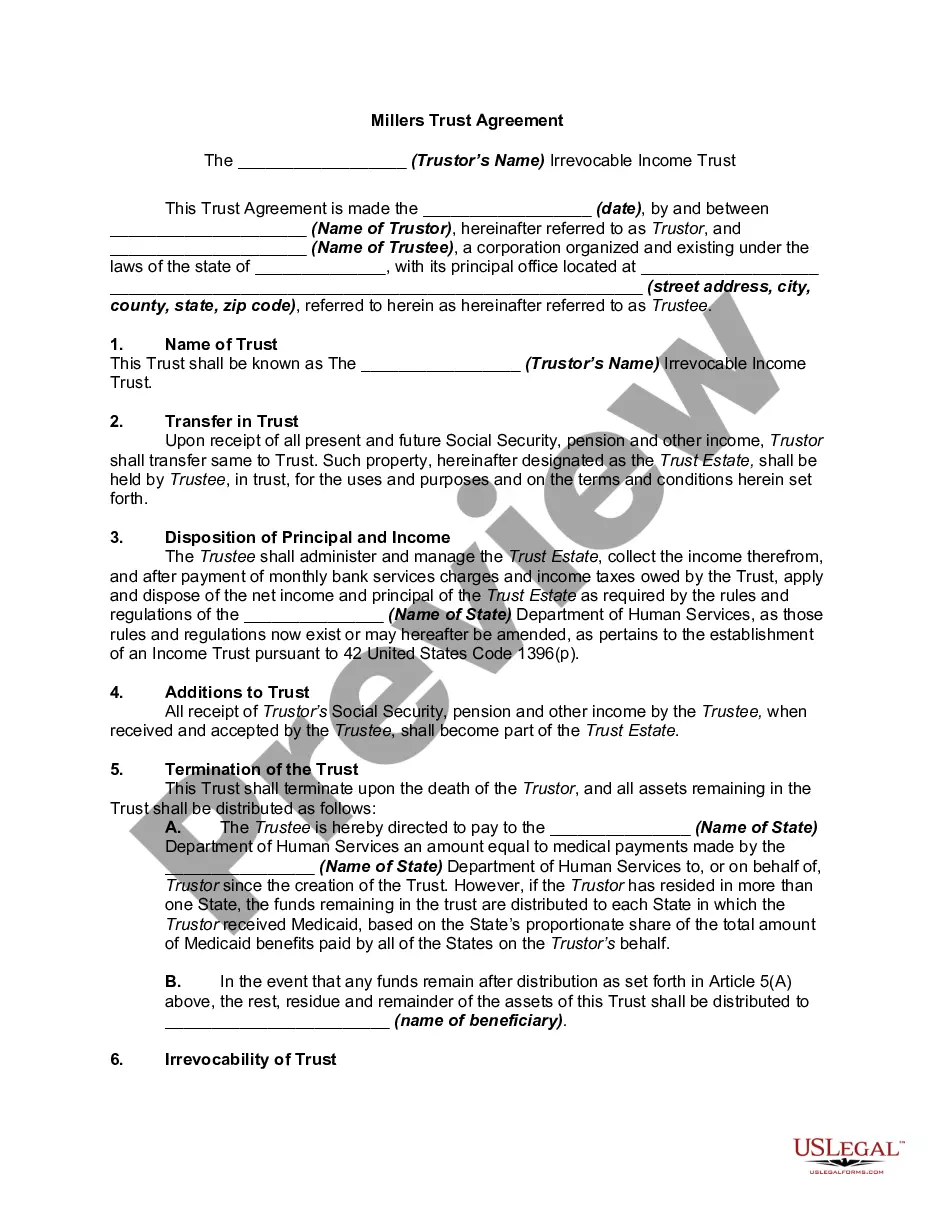
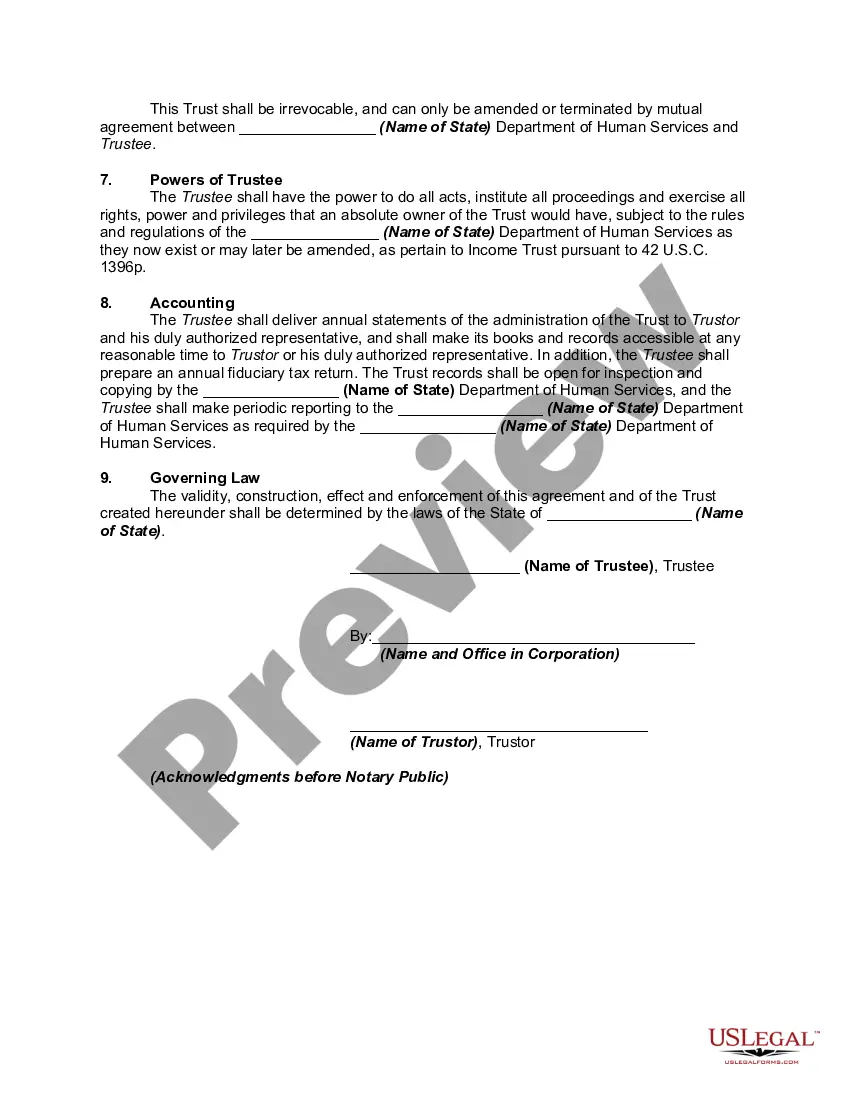
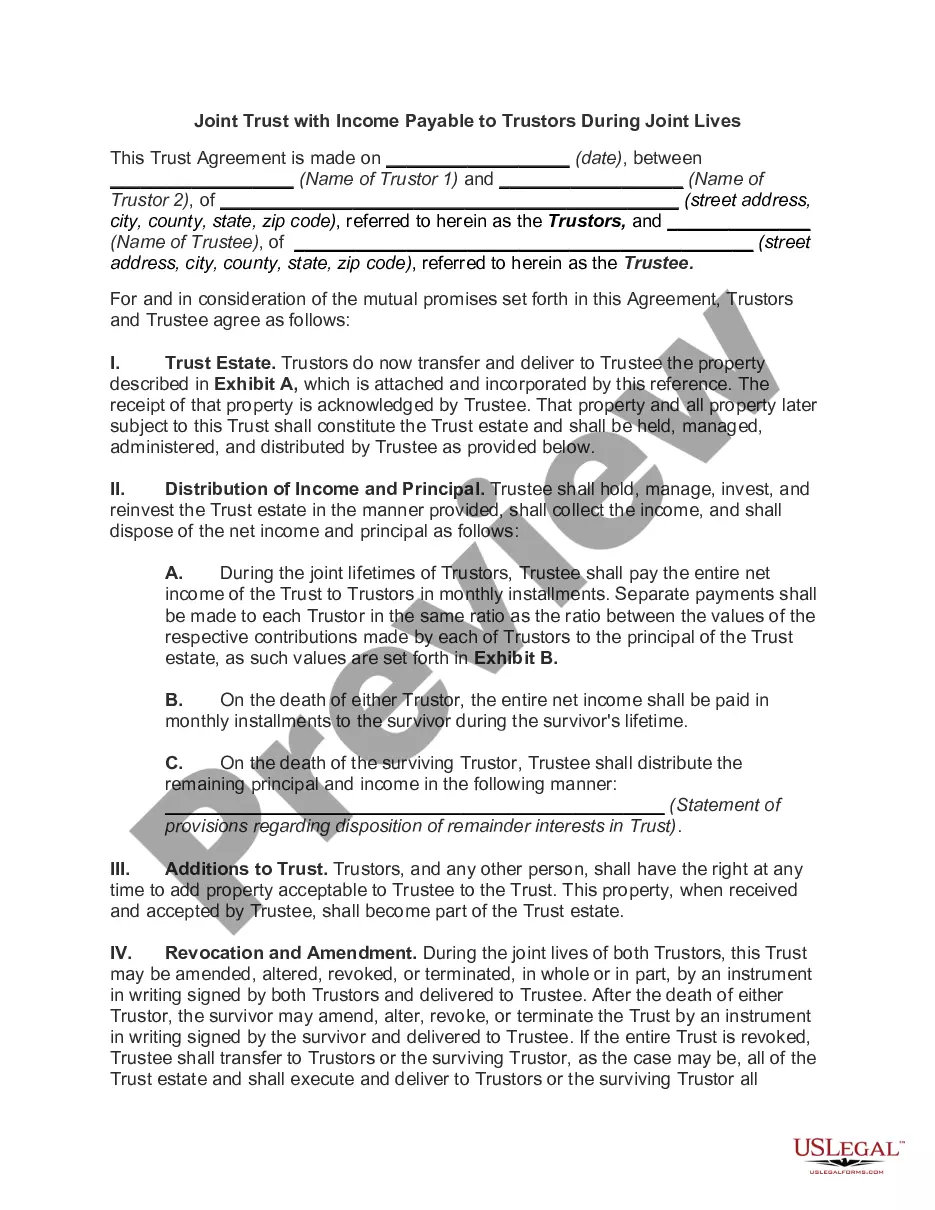

Get your form ready online
Our built-in tools help you complete, sign, share, and store your documents in one place.
Make edits, fill in missing information, and update formatting in US Legal Forms—just like you would in MS Word.
Download a copy, print it, send it by email, or mail it via USPS—whatever works best for your next step.
Sign and collect signatures with our SignNow integration. Send to multiple recipients, set reminders, and more. Go Premium to unlock E-Sign.
If this form requires notarization, complete it online through a secure video call—no need to meet a notary in person or wait for an appointment.
We protect your documents and personal data by following strict security and privacy standards.

Make edits, fill in missing information, and update formatting in US Legal Forms—just like you would in MS Word.

Download a copy, print it, send it by email, or mail it via USPS—whatever works best for your next step.

Sign and collect signatures with our SignNow integration. Send to multiple recipients, set reminders, and more. Go Premium to unlock E-Sign.

If this form requires notarization, complete it online through a secure video call—no need to meet a notary in person or wait for an appointment.

We protect your documents and personal data by following strict security and privacy standards.
Looking for another form?


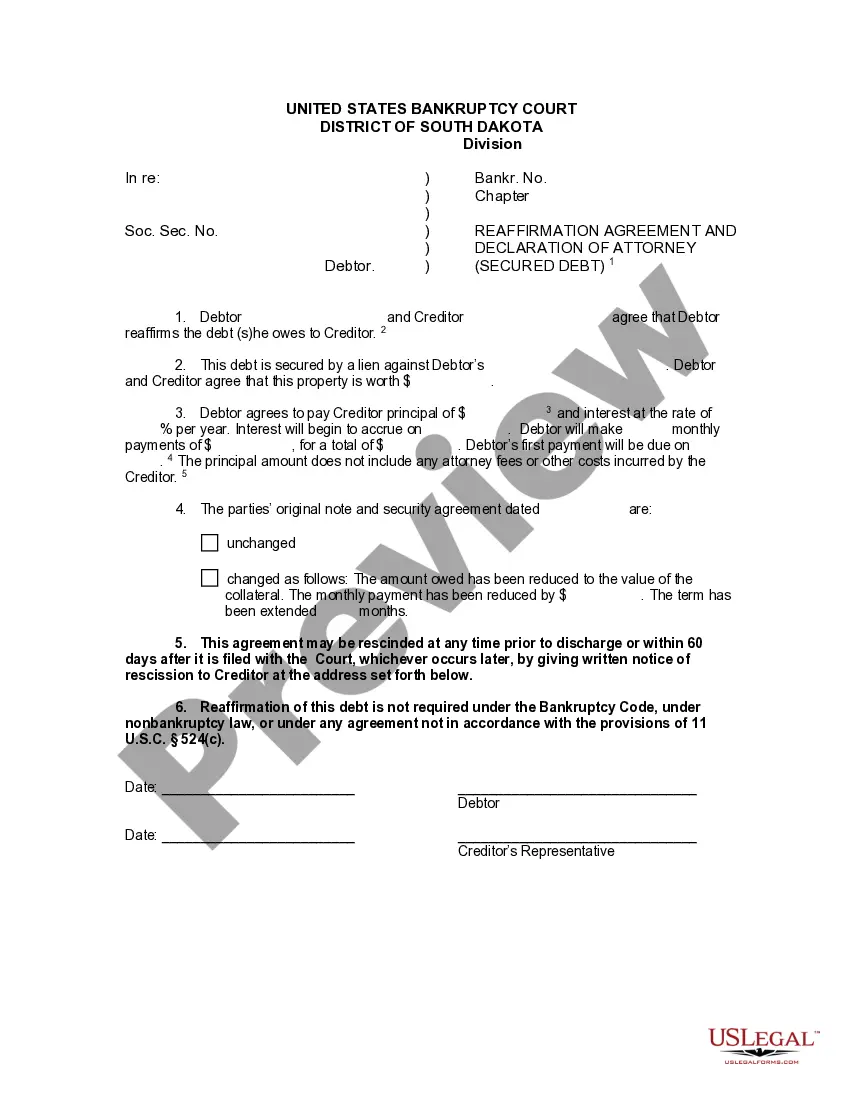
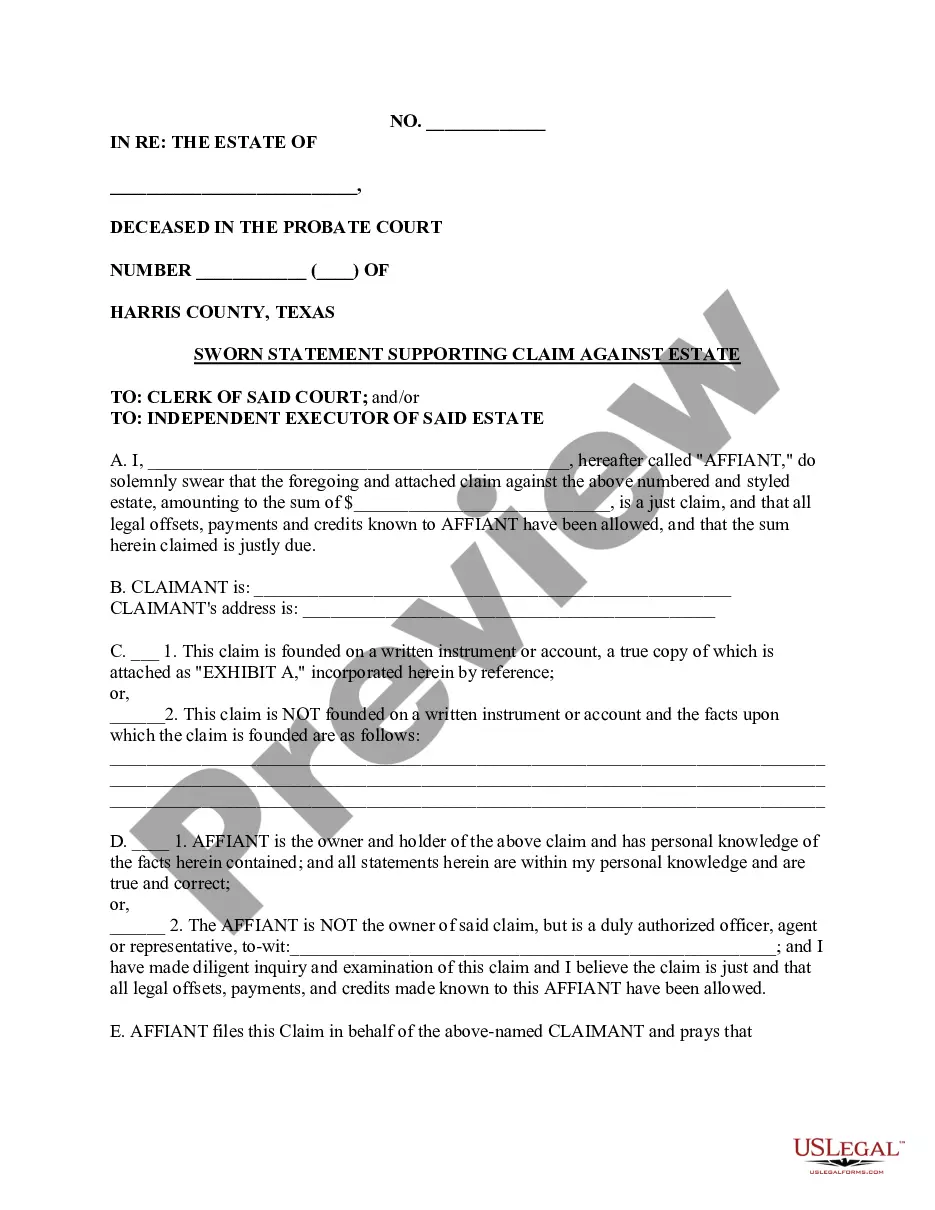

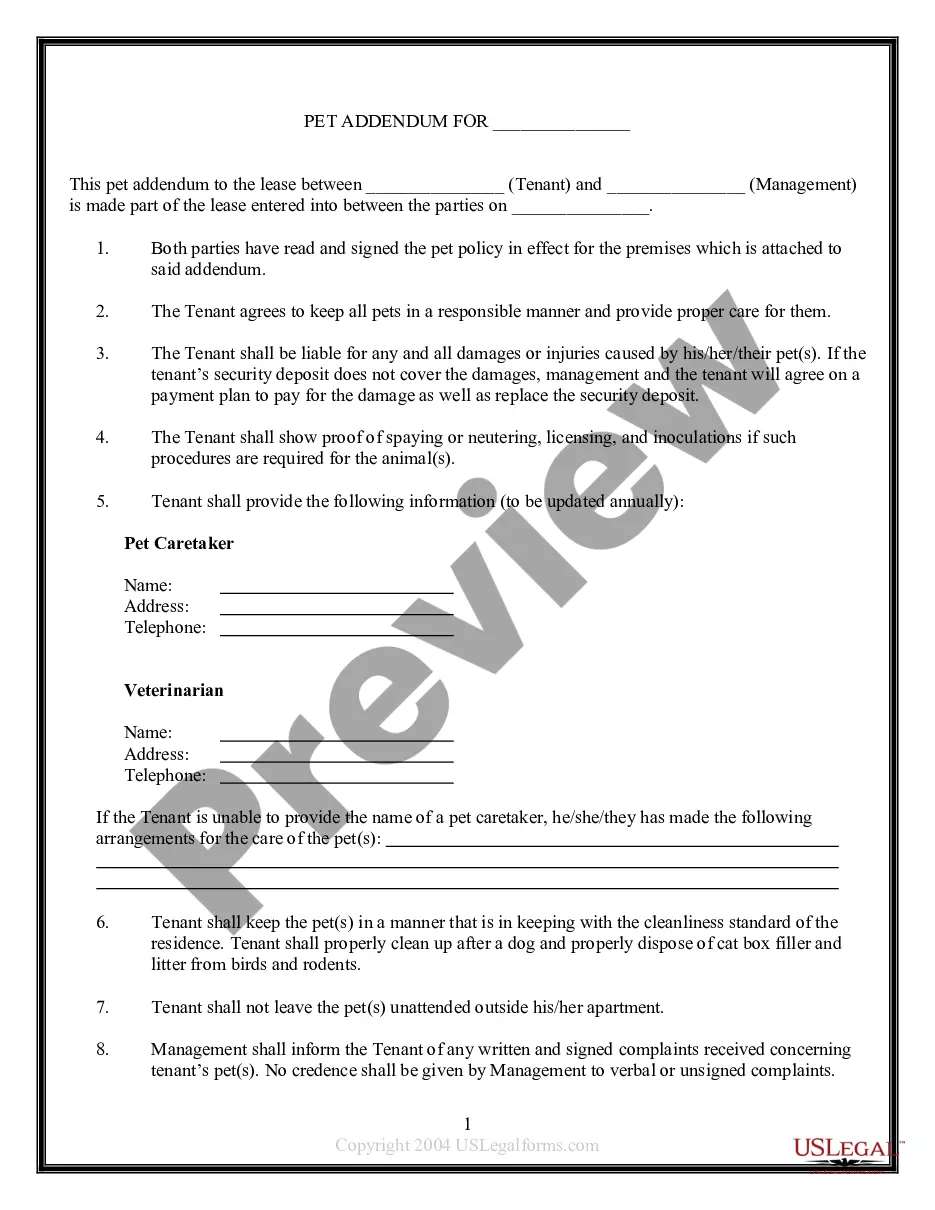
How to fill out Qualified Income Miller Trust?
- Log in to your US Legal Forms account if you have used the service before. Ensure your subscription is active and download the form template you require by clicking the Download button.
- If you are a new user, start by browsing the Preview mode and reading the form description. Confirm that the chosen form aligns with your needs and complies with local jurisdiction regulations.
- Should you need a different template, utilize the Search tab to find a suitable option. If you locate the right form, proceed to the next step.
- Select your desired document by clicking the Buy Now button, and choose an appropriate subscription plan. You will need to create an account to access the extensive library of resources.
- Complete your purchase by entering your payment information, either through credit card or PayPal.
- Finally, download your form to your device and access it anytime through the My Forms menu in your account for easy completion.
US Legal Forms empowers attorneys with a robust and diverse collection of legal forms, surpassing competitors in quantity and value. With over 85,000 editable forms at your fingertips, you are well-equipped to tackle trust accounting needs with confidence.
Streamline your legal documentation today by visiting US Legal Forms. Get started now and experience the efficiency of our legal form library!
Form popularity
FAQ
Bookkeeping for a trust involves tracking all deposits and withdrawals meticulously. You should maintain separate records for each client and use a trust accounting form for lawyers to document all transactions accurately. This approach not only aids in compliance but also provides clarity in managing client funds and helps prevent any potential issues during audits.
A trust account appears on the balance sheet as a liability because the funds belong to clients, not to the lawyer or the law firm. It is essential to accurately reflect these accounts to maintain compliance and transparency. Using a trust accounting form for lawyers can help record these transactions properly, ensuring that your financial records remain organized and clear.
To compel an accounting from a reluctant trustee, you may need to formally address the issue in writing, stating your request clearly and referencing applicable laws. If the trustee continues to resist, consider seeking legal advice or filing a formal legal motion. Trust accounting forms for lawyers can provide structure to your communication and help ensure your request is properly documented, strengthening your position.
If a trustee does not provide an accounting when requested, beneficiaries have several options. They may seek legal counsel to understand their rights or consider filing a petition with the court to compel the trustee to comply. Using a trust accounting form for lawyers can assist in documenting the request and establishing a timeline, which can be useful if further action is necessary.
Yes, a trustee is typically required to provide an accounting to the beneficiaries at designated intervals or upon request. This obligation helps foster trust and accountability in the management of the trust's assets. It's advisable for beneficiaries to know their rights and consider using a trust accounting form for lawyers to ensure their requests are taken seriously.
To request a trust accounting, you should prepare a formal letter to the trustee detailing your request. Include relevant information, such as your relationship to the trust and specific documentation needed. Employing a trust accounting form for lawyers can give you a structured approach to this request, increasing the likelihood of a timely and thorough response.
Yes, a beneficiary has the right to request an accounting of the trust. They should do so in writing, specifying their status as a beneficiary and outlining the particulars of their request. Using a trust accounting form for lawyers can streamline this process and help properly document your inquiry to the trustee.
To ask for an accounting of a trust, you should contact the trustee directly. It's important to clearly express your request, referencing the trust agreement if possible. You can utilize a trust accounting form for lawyers to document your request formally, which can help ensure clarity and provide a record of your communication.
To record trust accounts effectively, maintain detailed and accurate logs of all transactions related to client funds. This includes documenting deposits, withdrawals, and any interest accrued. Utilizing a trust accounting form for lawyers simplifies this task by providing a structured approach to recordkeeping, which ultimately aids in compliance and reporting.
The primary difference between a trust account and a regular account lies in the ownership and purpose of the funds. A trust account holds funds belonging to clients, while a regular account holds personal or business funds of the lawyer or law firm. A trust accounting form for lawyers especially highlights these distinctions by facilitating clear tracking of client-related transactions.