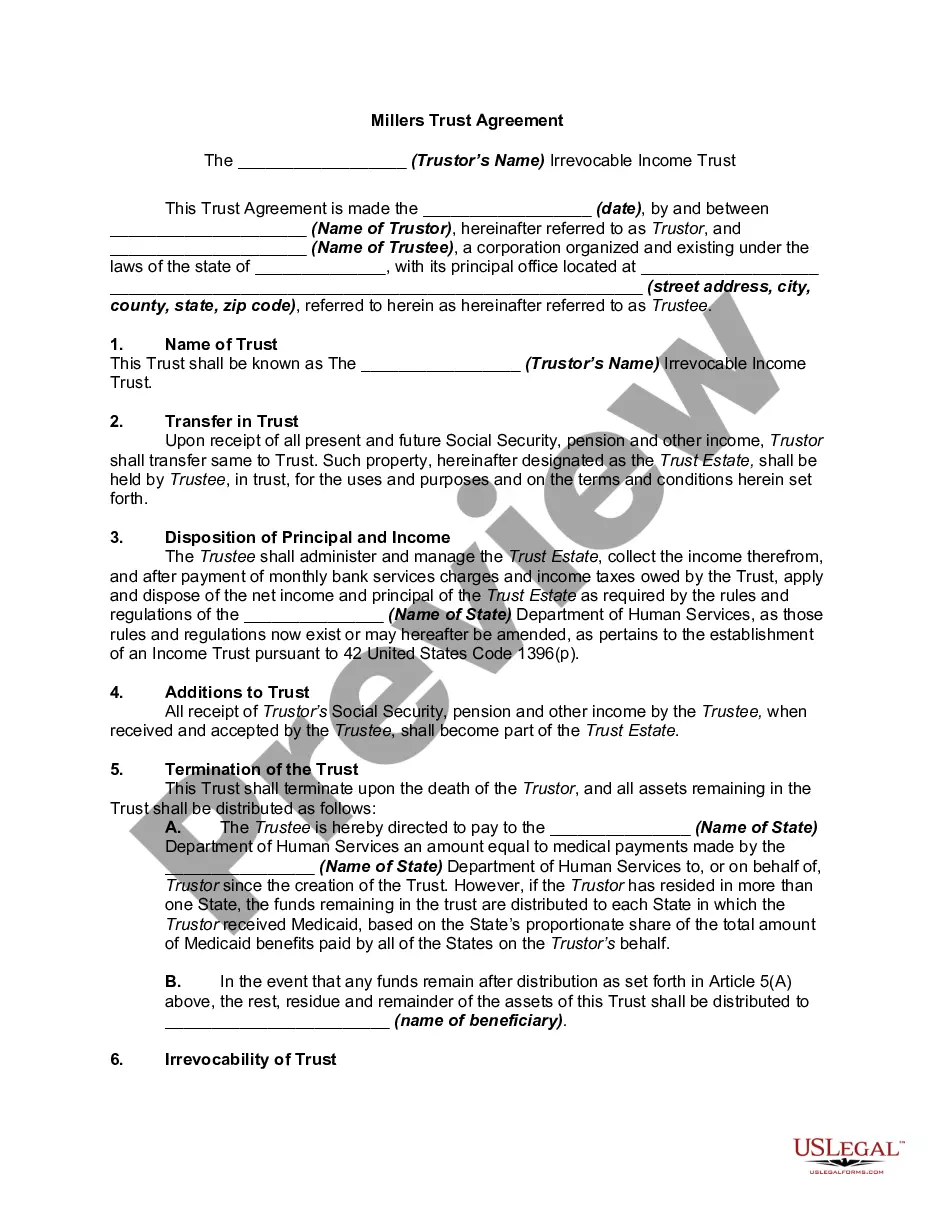
Qualified Trust Caps Buy For The Future
Description

Get your form ready online
Our built-in tools help you complete, sign, share, and store your documents in one place.
Make edits, fill in missing information, and update formatting in US Legal Forms—just like you would in MS Word.
Download a copy, print it, send it by email, or mail it via USPS—whatever works best for your next step.
Sign and collect signatures with our SignNow integration. Send to multiple recipients, set reminders, and more. Go Premium to unlock E-Sign.
If this form requires notarization, complete it online through a secure video call—no need to meet a notary in person or wait for an appointment.
We protect your documents and personal data by following strict security and privacy standards.

Make edits, fill in missing information, and update formatting in US Legal Forms—just like you would in MS Word.

Download a copy, print it, send it by email, or mail it via USPS—whatever works best for your next step.

Sign and collect signatures with our SignNow integration. Send to multiple recipients, set reminders, and more. Go Premium to unlock E-Sign.

If this form requires notarization, complete it online through a secure video call—no need to meet a notary in person or wait for an appointment.

We protect your documents and personal data by following strict security and privacy standards.
Looking for another form?







How to fill out Qualified Income Miller Trust?
- Log in to your existing US Legal Forms account. Ensure your subscription is active; if it isn't, renew it promptly according to your payment plan.
- In the Preview mode, verify that the selected form aligns with your requirements and complies with your local jurisdiction.
- If the form doesn’t meet your needs, use the Search tab to find the appropriate template that does.
- Click on the Buy Now button and select your preferred subscription plan. You will need to create an account for full access to the document library.
- Complete your purchase by entering your credit card details or opting for PayPal for a secure transaction.
- Finally, download the form to your device. You can access and manage your downloaded documents anytime in the My Forms section of your profile.
US Legal Forms offers a robust collection of over 85,000 editable legal documents, making it easier for individuals and attorneys to fulfill their legal needs efficiently. With access to premium experts, you can ensure your documents are completed accurately.
Start your journey today by logging into US Legal Forms and take control of your legal needs. Empower yourself for the future!
Form popularity
FAQ
Qualified income trust (QIT) funds can be used for various essential expenses. These include medical bills, living expenses, and other costs associated with care. Utilizing QIT funds wisely ensures compliance with regulations while benefiting from the qualified trust caps buy for the future. Exploring the options available through platforms like US Legal Forms can help you manage and track these funds effectively.
When the creator of a qualified income trust passes away, the trust typically becomes part of the deceased's estate. The funds within the qualified trust caps buy for the future can be subject to estate taxes, depending on the overall value of the estate. It's important for beneficiaries to be aware of any potential tax implications. Consulting with a knowledgeable estate planner can provide clarity on how to manage these assets effectively.
The 5 year rule for trusts refers to a guideline impacting tax regulations and benefits associated with qualified trusts. When establishing a qualified trust, it is essential to consider how this rule can affect your overall financial strategy. Specifically, this rule influences how income distributions are taxed and can have implications on how qualified trust caps buy for the future. Understanding the 5 year rule helps you better manage your trust and secure financial stability.
Deciding whether your parents should put their assets in a trust depends on their specific financial situation and objectives. Trusts can be a powerful tool for estate planning and can help avoid probate. However, qualified trust caps buy for the future must be weighed against the costs and administrative efforts required. Consulting with financial or legal experts can provide clarity and guide them in making the best choice.
A family trust can create discord among family members if not handled properly, often leading to disputes over asset distribution. Furthermore, while qualified trust caps buy for the future offer financial security, they come with administrative responsibilities that can be burdensome. It's essential to have open communication within the family to mitigate misunderstandings.
The trust fund loophole allows some trusts to avoid significant capital gains taxes when assets appreciate. By utilizing specific tax regulations, beneficiaries can manage their tax liabilities more effectively. However, it is crucial to navigate these strategies carefully, as qualified trust caps buy for the future should align with your overall financial goals. Using platforms like uslegalforms can help you understand these complexities.
QTIP trusts, or Qualified Terminable Interest Property trusts, can have downsides such as potential tax implications for the surviving spouse. While these trusts ensure that a spouse receives income, they may not be ideal for everyone. Furthermore, qualified trust caps buy for the future can complicate the distribution of assets after the surviving spouse passes. It's important to consult with a professional to weigh the pros and cons.
One downside of placing assets in a trust is that it can restrict access to those assets during your lifetime, which may not suit everyone's needs. Depending on the kind of trust, you might face limitations on how you can use or withdraw funds. Although qualified trust caps buy for the future can provide benefits for estate planning, consider your personal financial situation before making decisions.
The main downfall of having a trust often relates to the complexity involved in its setup and maintenance. Trusts require careful administration, and failing to properly manage them can lead to unintended consequences. Additionally, while qualified trust caps buy for the future can shield assets from certain risks, they may also incur higher upfront costs and ongoing fees. Understanding the nuances is essential to avoid pitfalls.
One of the biggest mistakes parents make when setting up a trust fund is failing to properly communicate their intentions to their beneficiaries. Without clear guidance, heirs may misunderstand their roles or the trust's purpose, potentially leading to disputes. Ensuring that everyone understands the trust can make a significant difference in its effectiveness and functionality. Utilizing platforms like US Legal Forms can help clarify these details and support smooth family discussions about the future.