Qualified Income Trust Caps Complete With Ohio
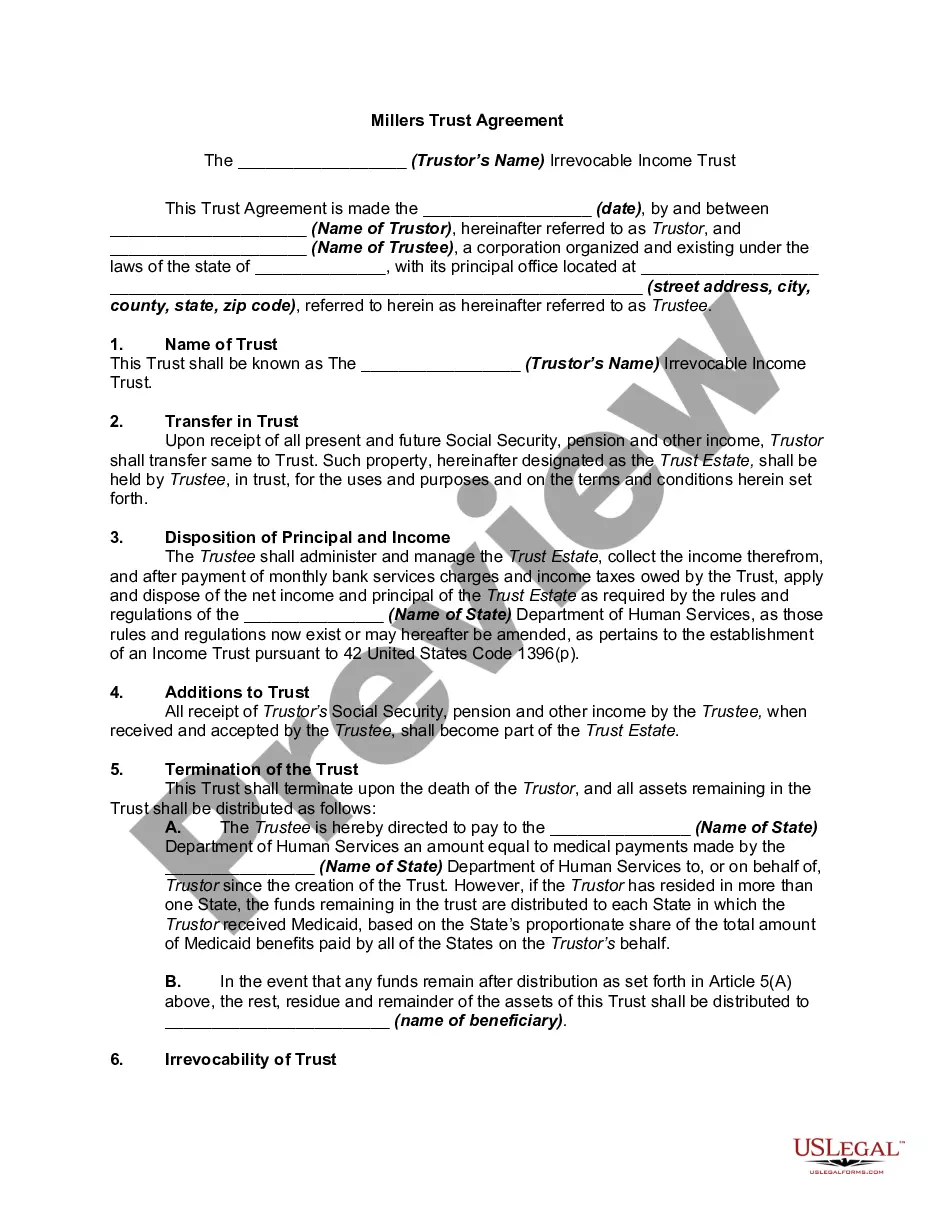
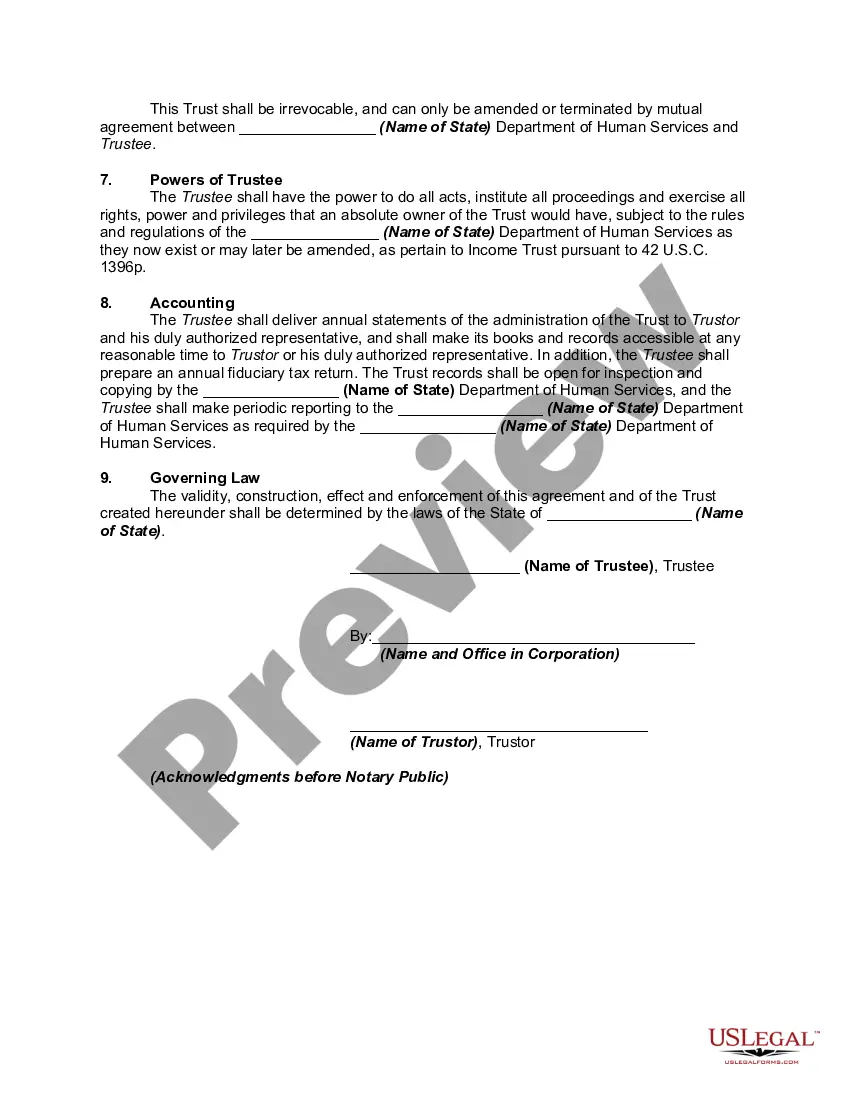
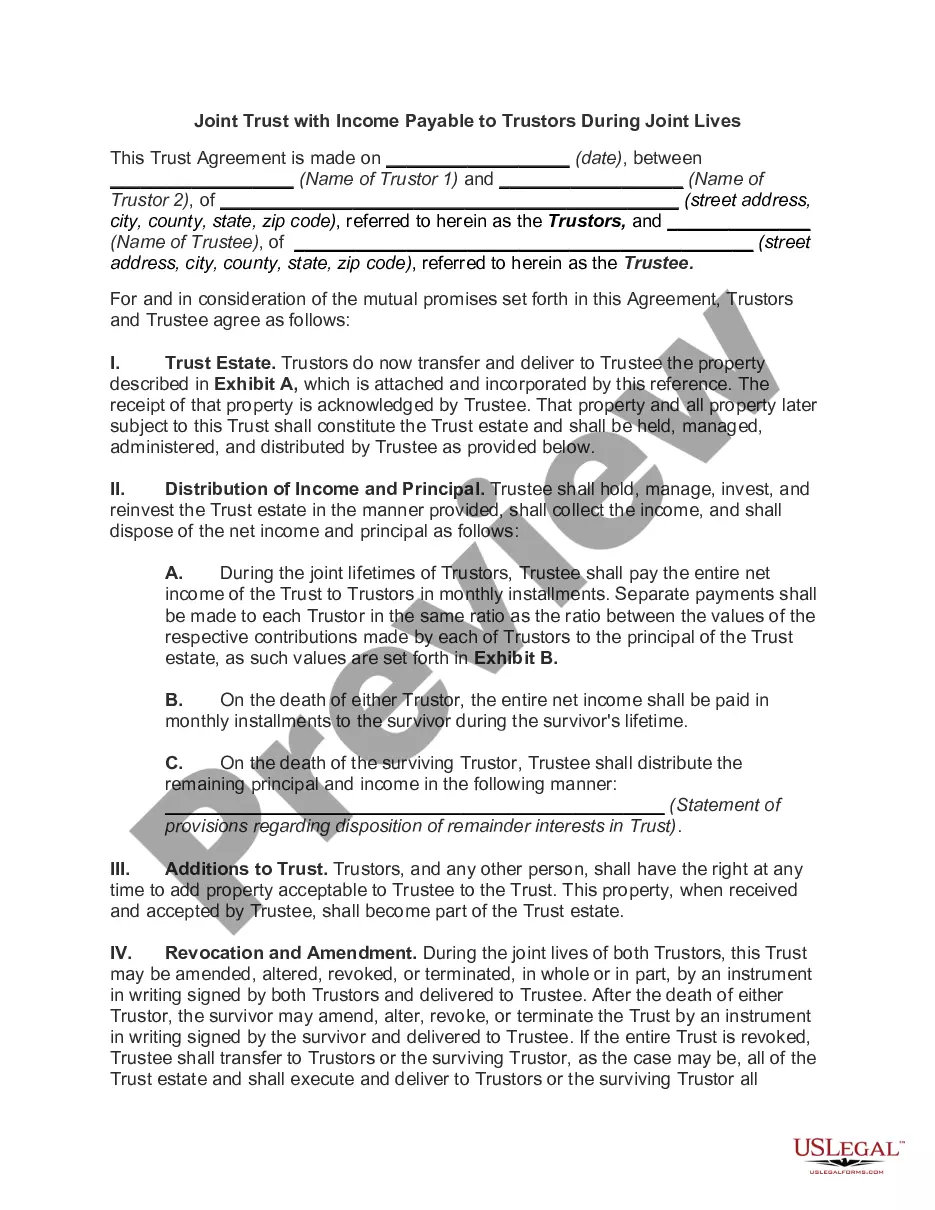
Description

Get your form ready online
Our built-in tools help you complete, sign, share, and store your documents in one place.
Make edits, fill in missing information, and update formatting in US Legal Forms—just like you would in MS Word.
Download a copy, print it, send it by email, or mail it via USPS—whatever works best for your next step.
Sign and collect signatures with our SignNow integration. Send to multiple recipients, set reminders, and more. Go Premium to unlock E-Sign.
If this form requires notarization, complete it online through a secure video call—no need to meet a notary in person or wait for an appointment.
We protect your documents and personal data by following strict security and privacy standards.

Make edits, fill in missing information, and update formatting in US Legal Forms—just like you would in MS Word.

Download a copy, print it, send it by email, or mail it via USPS—whatever works best for your next step.

Sign and collect signatures with our SignNow integration. Send to multiple recipients, set reminders, and more. Go Premium to unlock E-Sign.

If this form requires notarization, complete it online through a secure video call—no need to meet a notary in person or wait for an appointment.

We protect your documents and personal data by following strict security and privacy standards.
Looking for another form?








How to fill out Qualified Income Miller Trust?
- If you're a returning user, log in to your account and download your required form template by clicking the Download button. Verify your subscription's validity before proceeding.
- For first-time users, start by reviewing the form preview and description to confirm it meets your needs and local jurisdiction criteria.
- If necessary, use the Search tab to find alternative templates that better fit your requirements.
- Select the document you wish to purchase by clicking the Buy Now button and choose a subscription plan that suits you. You'll need to register for an account to access the library.
- Proceed to make your purchase by entering your credit card information or opting for PayPal.
- Finally, download your selected form and save it on your device. You can access it anytime through the My Forms section in your profile.
By providing an extensive library of over 85,000 fillable forms, US Legal Forms empowers users to efficiently execute legal documents. Their collection is not only robust but also more comprehensive than competitors at similar costs.
For additional assistance, users can connect with qualified experts who can guide them in completing forms accurately. Start your journey with US Legal Forms today and ensure your legal documents are in perfect order.
Form popularity
FAQ
To set up a qualified income trust, you must first gather necessary documents, including proof of income and expenses. Next, you need to create a legal document that outlines the trust's terms and conditions, ensuring it meets the requirements specified under Ohio laws. It's important to designate a trustee to manage the trust and contribute your income exceeding the state's Medicaid limits into the trust. By doing this, you can effectively manage qualified income trust caps complete with Ohio, maintaining eligibility for Medicaid services.
The Ohio Medicaid income limit for 2025 will be comparable to the federal income limits, which are periodically updated. This limit defines the maximum monthly income you can have to qualify for coverage. If you're approaching or exceeding this limit, consider utilizing a qualified income trust to navigate your options. Having knowledge of qualified income trust caps complete with Ohio can greatly assist you in maintaining Medicaid eligibility.
Qualified Income Trust funds can be used for essential living expenses such as housing, food, and medical costs. These funds allow beneficiaries to maintain their eligibility for Medicaid while still covering necessary bills and expenses. It's important to understand the rules governing the use of these funds, especially in relation to qualified income trust caps complete with Ohio. This approach ensures you're maximizing your benefits without jeopardizing your Medicaid status.
Yes, Ohio Medicaid uses adjusted gross income as part of its eligibility determination process. This method accounts for various deductions to provide a more accurate assessment of your financial situation. It's essential to know how this affects your eligibility, especially when considering qualified income trust caps complete with Ohio. Using a qualified income trust can help you align with these requirements effectively.
The highest income to qualify for Medicaid varies, but it generally falls within a specific percentage of the federal poverty level. For individuals, this means maintaining income under that threshold is crucial for eligibility. By establishing a qualified income trust, you can effectively manage your income, ensuring you remain eligible for necessary Medicaid services. Qualified income trust caps complete with Ohio provide a reliable framework for this process.
In 2025, the income limit for Medicaid in Ohio is expected to remain aligned with federal guidelines. Typically, individuals must earn below a certain monthly threshold to qualify. This is where a qualified income trust comes into play, as it helps individuals meet the Medicaid income requirements. Understanding qualified income trust caps complete with Ohio can significantly aid in your planning.
In Ohio, a qualified income trust works by holding excess income that exceeds Medicaid's income limits. The trust allows individuals to maintain eligibility for Medicaid without losing essential funds. It operates under strict guidelines which, when adhered to, protect the beneficiary's assets. Using US Legal Forms can help streamline the creation of a qualified income trust in accordance with Ohio regulations.
Funds from a qualified income trust can be utilized for various essential expenses such as housing, medical care, and other qualified expenses. However, it’s important to adhere to Medicaid guidelines while using these funds. Avoiding misuse ensures compliance and protects your Medicaid eligibility. Familiarizing yourself with how qualified income trust caps complete with Ohio designations function can simplify this process.
Yes, a properly structured trust can help protect assets from Medicaid in Ohio. A qualified income trust serves as a vehicle that allows individuals to retain their income while qualifying for Medicaid benefits. It’s crucial to ensure that the trust meets Ohio’s specific requirements. Therefore, consulting with resources like US Legal Forms can guide you in setting up a qualified income trust correctly.
To close your qualified income trust account in Ohio, you should first review the terms of the trust agreement and ensure all obligations are fulfilled. Then, consult with a legal professional or a resource like US Legal Forms to guide you through the closing process. This step is vital to maintain compliance with the qualified income trust caps complete with Ohio and avoid any legal complications.