Printable Trust Forms For Irrevocable
Description
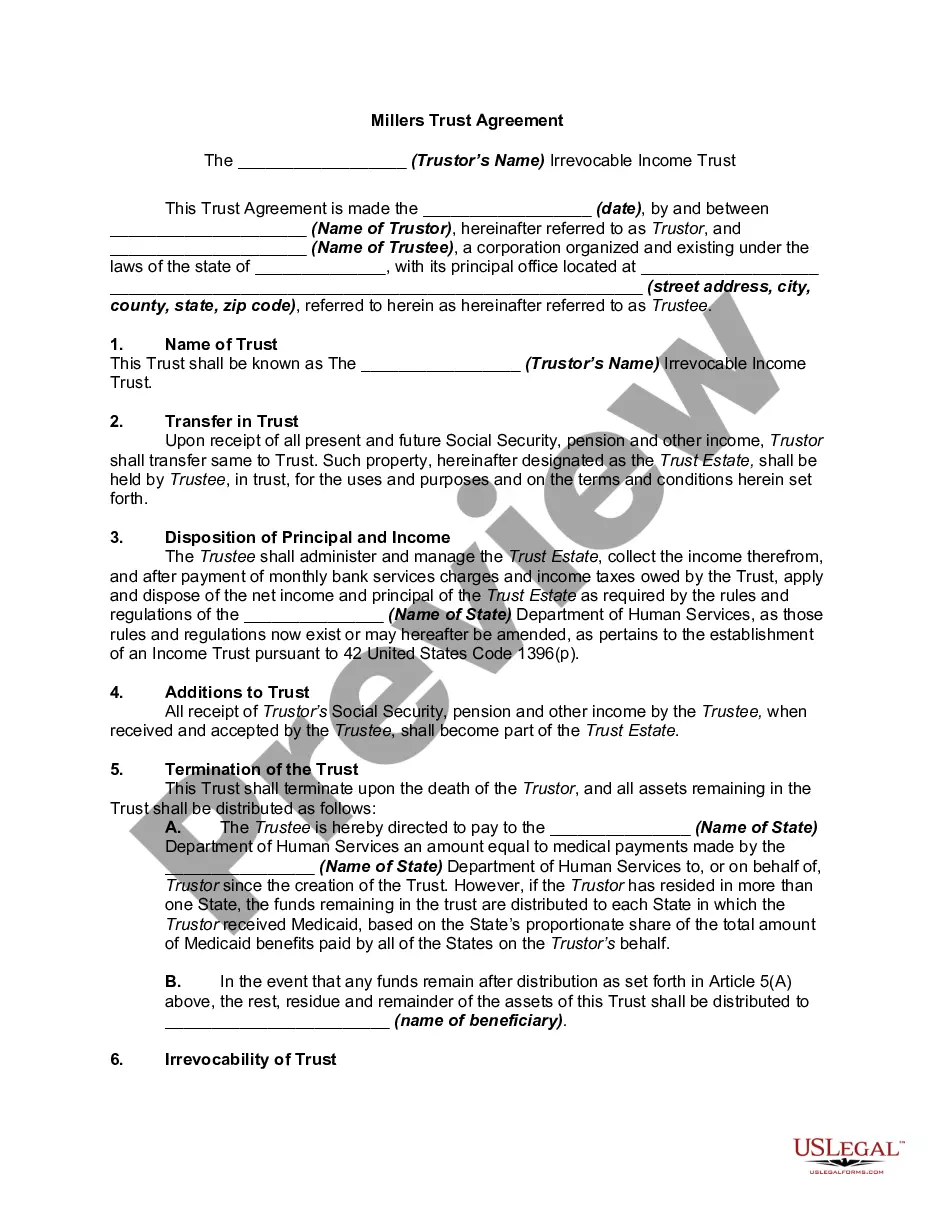
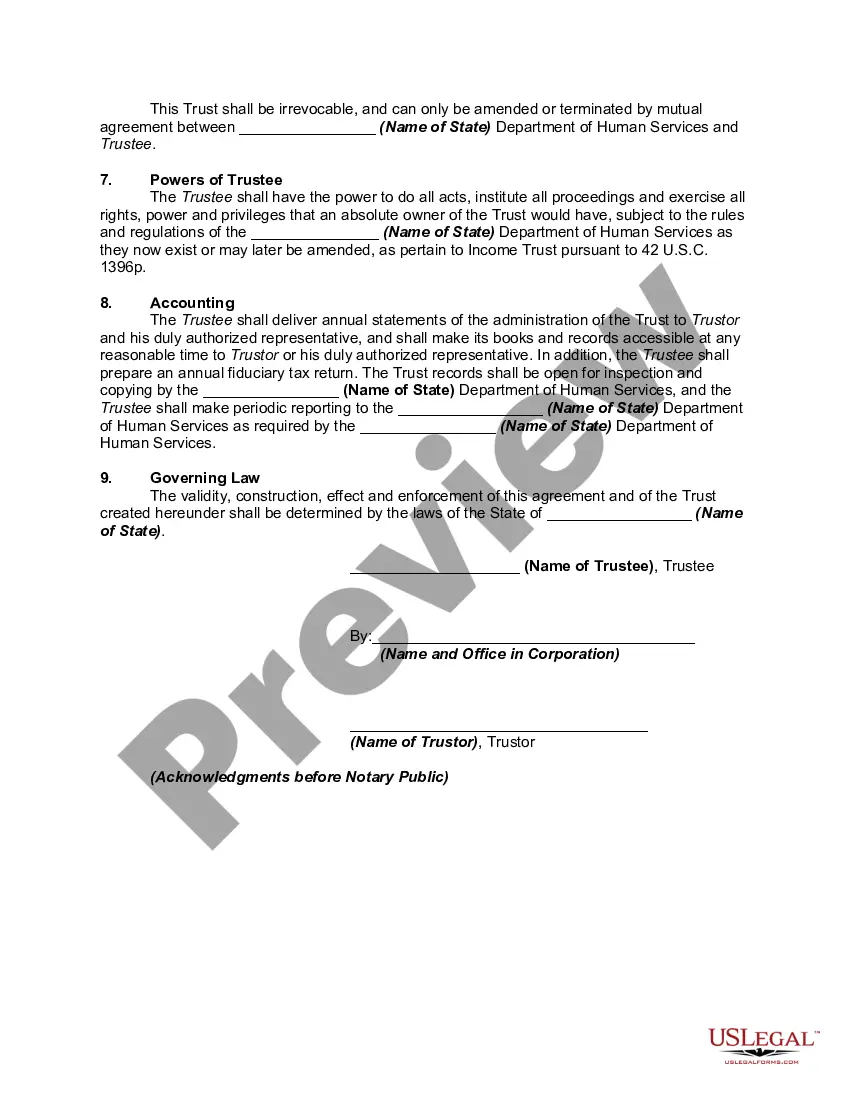
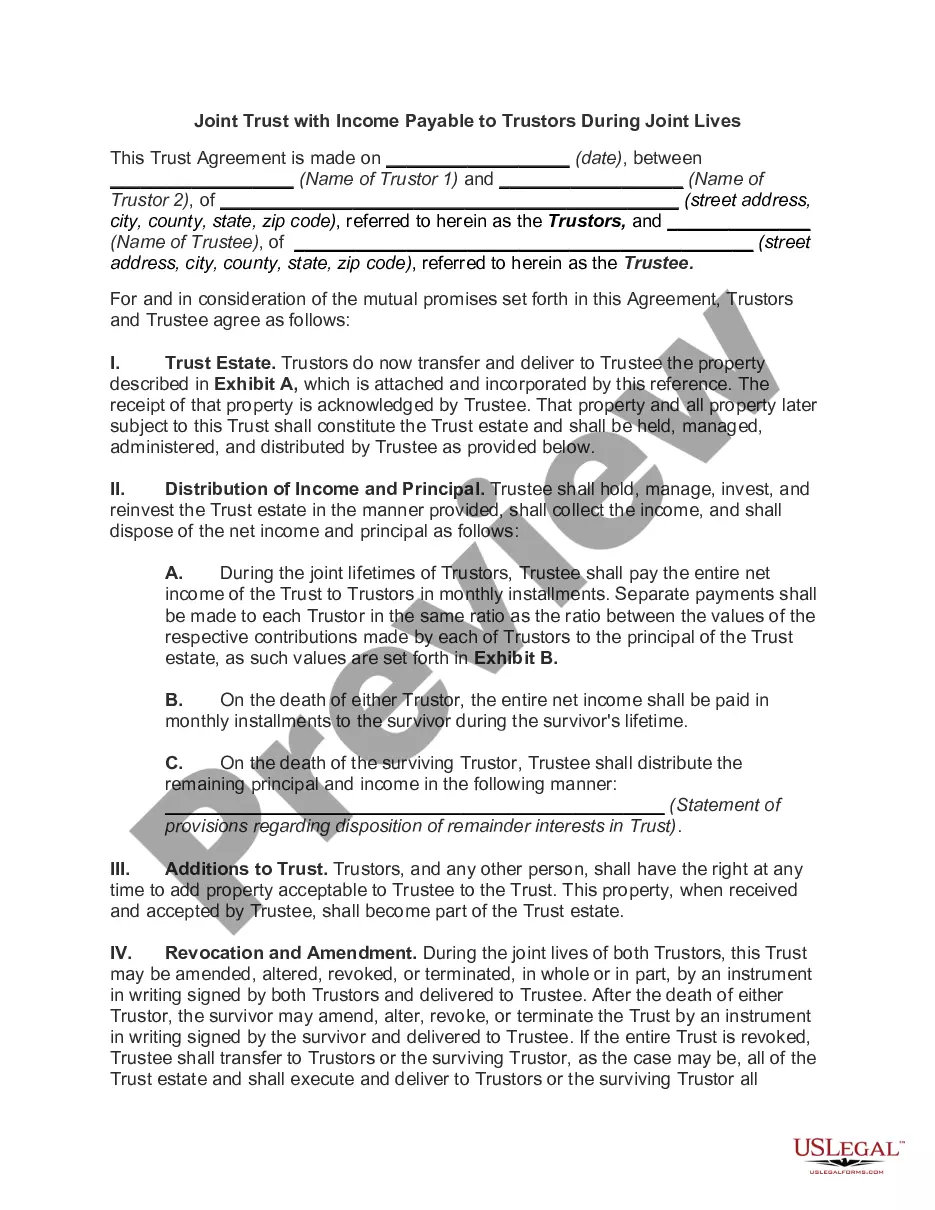

Get your form ready online
Our built-in tools help you complete, sign, share, and store your documents in one place.
Make edits, fill in missing information, and update formatting in US Legal Forms—just like you would in MS Word.
Download a copy, print it, send it by email, or mail it via USPS—whatever works best for your next step.
Sign and collect signatures with our SignNow integration. Send to multiple recipients, set reminders, and more. Go Premium to unlock E-Sign.
If this form requires notarization, complete it online through a secure video call—no need to meet a notary in person or wait for an appointment.
We protect your documents and personal data by following strict security and privacy standards.

Make edits, fill in missing information, and update formatting in US Legal Forms—just like you would in MS Word.

Download a copy, print it, send it by email, or mail it via USPS—whatever works best for your next step.

Sign and collect signatures with our SignNow integration. Send to multiple recipients, set reminders, and more. Go Premium to unlock E-Sign.

If this form requires notarization, complete it online through a secure video call—no need to meet a notary in person or wait for an appointment.

We protect your documents and personal data by following strict security and privacy standards.
Looking for another form?
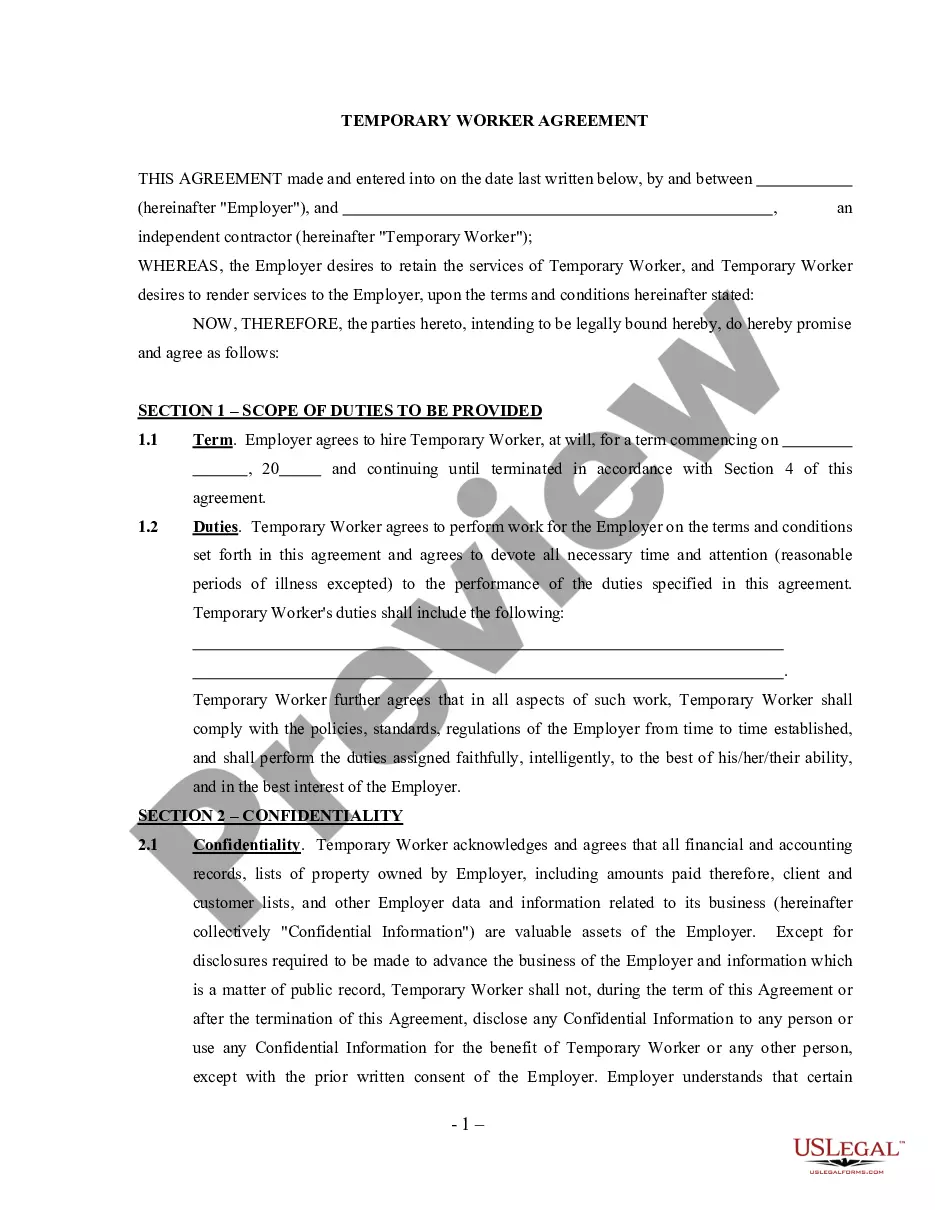





How to fill out Qualified Income Miller Trust?
Creating legal documents from the ground up can frequently be intimidating.
Some situations may entail extensive research and substantial financial investment.
If you're looking for a simpler and more cost-effective method of preparing Printable Trust Forms For Irrevocable or any other paperwork without unnecessary obstacles, US Legal Forms is always available for you.
Our digital repository of over 85,000 current legal documents covers nearly every aspect of your financial, legal, and personal affairs. With just a few clicks, you can quickly access state- and county-specific forms meticulously crafted for you by our legal experts.
Ensure the form you choose meets the standards of your state and county. Select the appropriate subscription option to acquire the Printable Trust Forms For Irrevocable. Download the file, then complete, certify, and print it. US Legal Forms has an excellent reputation and over 25 years of experience. Join us today and make form completion straightforward and efficient!
- Utilize our website whenever you need dependable and trustworthy services through which you can effortlessly find and download the Printable Trust Forms For Irrevocable.
- If you're already a member and have set up an account with us before, simply Log In, choose the template, and download it instantly or re-download it anytime in the My documents section.
- Not registered yet? No worries. It takes minimal time to create an account and explore the catalog.
- But before you proceed to download Printable Trust Forms For Irrevocable, follow these suggestions.
- Review the form preview and descriptions to confirm that you are selecting the document you need.
Form popularity
FAQ
A parent or grandparent establishes and contributes assets to an irrevocable trust, either during their life or at their death. The beneficiary of the trust cannot establish the trust, nor can he or she contribute their own assets to the trust.
Upon the grantor's death, the trustee continues managing the irrevocable trust or distributes the assets ing to the trust's terms. Unlike a will, an irrevocable trust avoids probate, often expediting the asset distribution process and making it an appealing option for some families.
Can A Trustee Be A Beneficiary? Yes ? although in the interests of the trust, it's good practice to ensure: There's no conflict of interest between someone's role as a trustee and their position as beneficiary. At least one trustee is a non-beneficiary.
A revocable trust can be changed at any time by the grantor during their lifetime, as long as they are competent. An irrevocable trust usually can't be changed without a court order or the approval of all the trust's beneficiaries. This makes an irrevocable trust less flexible.
To transfer cash or securities, the trustee will open an account in the trust's name, and the grantor will instruct his or her bank or broker to move the funds from his or her account to the trust's account. For real estate, a deed is used to transfer legal title of the property from the grantor to the trust.