How Does A Trust Work
Description
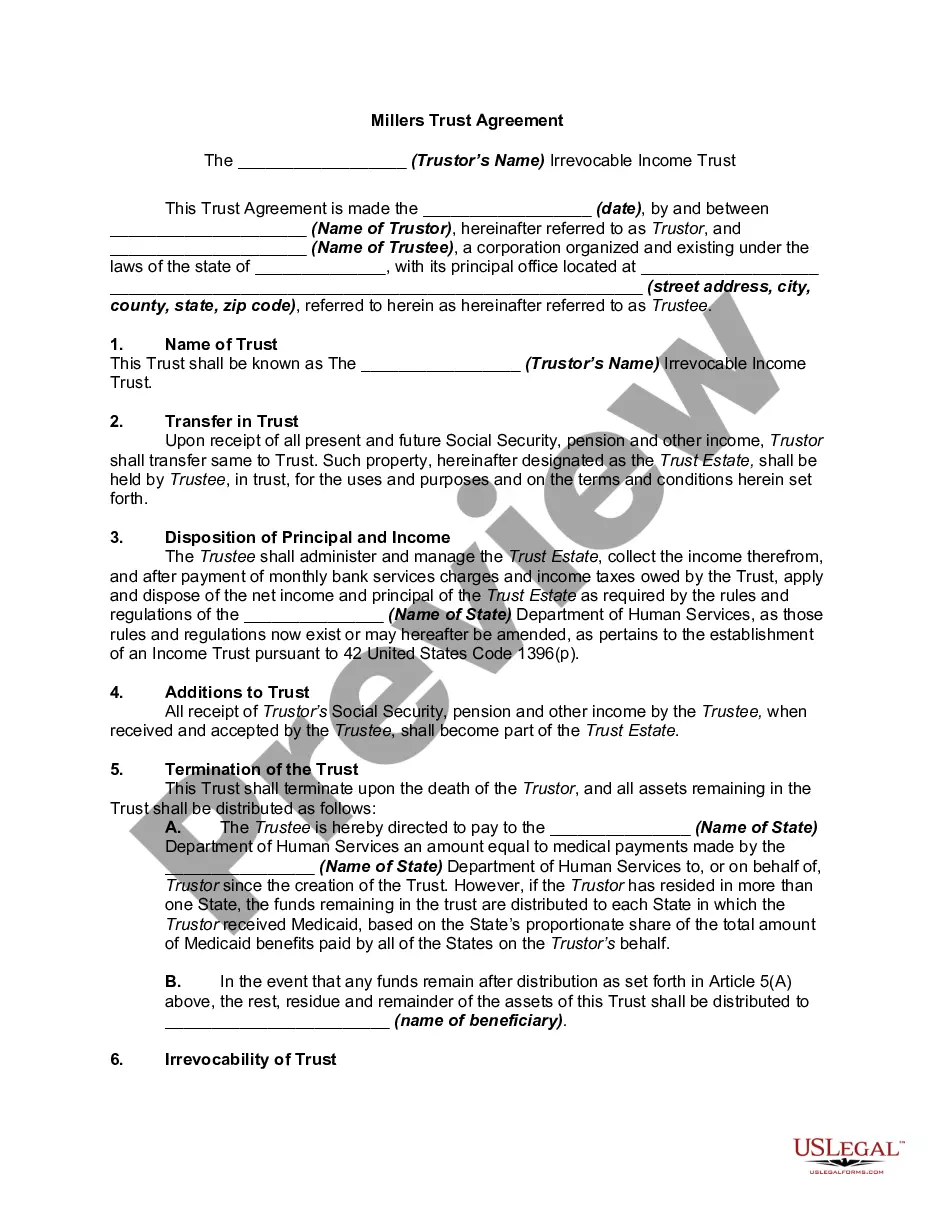
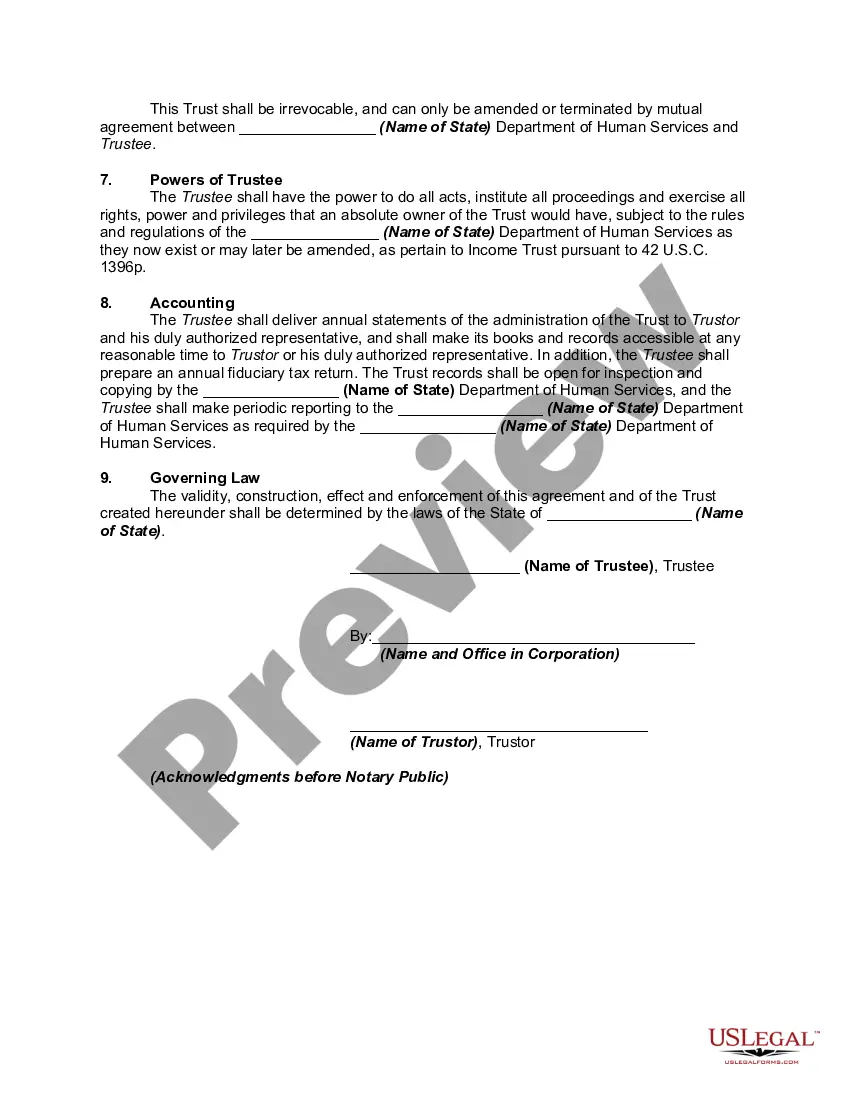
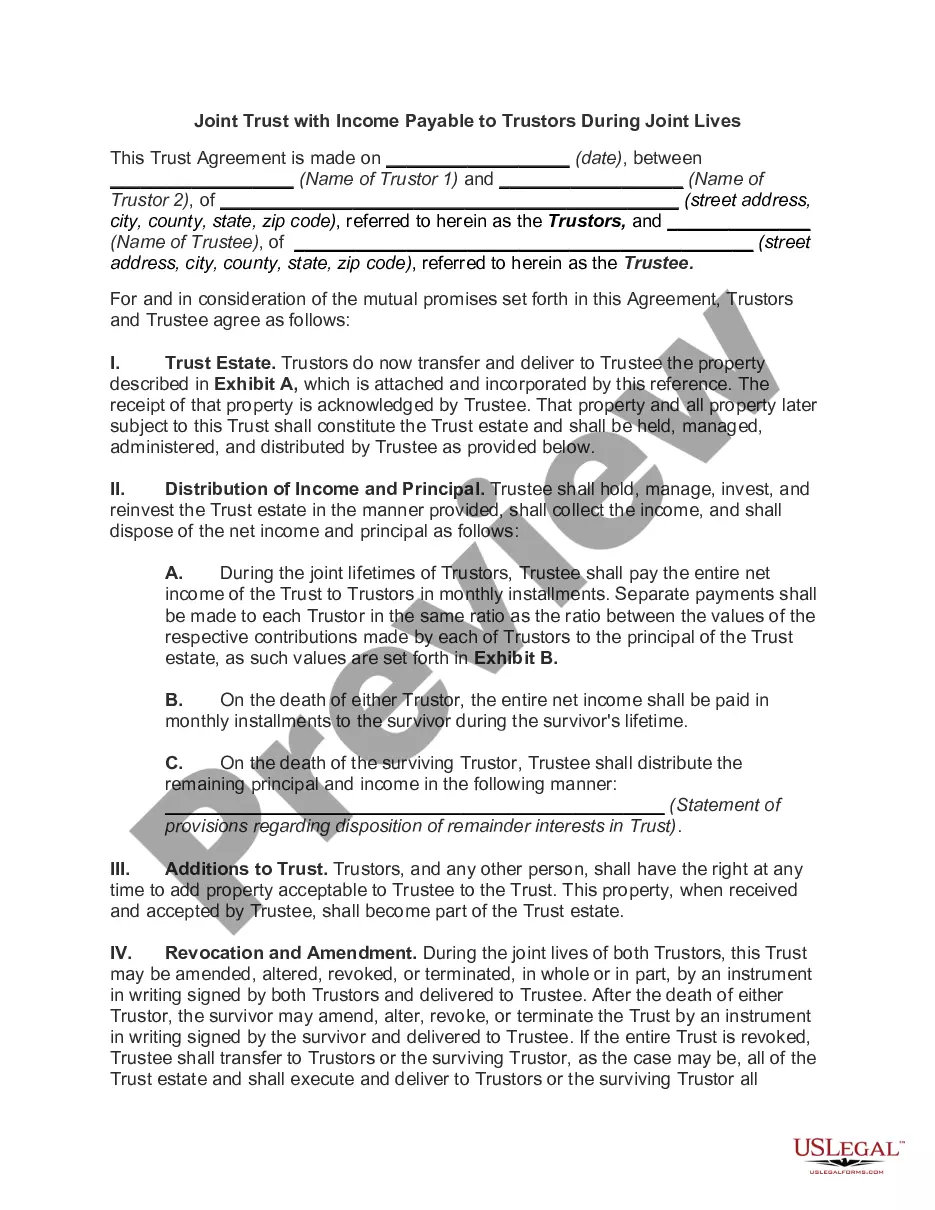

Get your form ready online
Our built-in tools help you complete, sign, share, and store your documents in one place.
Make edits, fill in missing information, and update formatting in US Legal Forms—just like you would in MS Word.
Download a copy, print it, send it by email, or mail it via USPS—whatever works best for your next step.
Sign and collect signatures with our SignNow integration. Send to multiple recipients, set reminders, and more. Go Premium to unlock E-Sign.
If this form requires notarization, complete it online through a secure video call—no need to meet a notary in person or wait for an appointment.
We protect your documents and personal data by following strict security and privacy standards.

Make edits, fill in missing information, and update formatting in US Legal Forms—just like you would in MS Word.

Download a copy, print it, send it by email, or mail it via USPS—whatever works best for your next step.

Sign and collect signatures with our SignNow integration. Send to multiple recipients, set reminders, and more. Go Premium to unlock E-Sign.

If this form requires notarization, complete it online through a secure video call—no need to meet a notary in person or wait for an appointment.

We protect your documents and personal data by following strict security and privacy standards.
Looking for another form?


How to fill out Qualified Income Miller Trust?
- If you’re a returning user, please log in to your account and select the desired template from your library. Ensure your subscription is active, or renew it if necessary.
- For first-time users, start by reviewing the preview mode and form descriptions to select the correct template that meets your legal requirements.
- If the current template does not suit your needs, use the Search function to find additional options relevant to your jurisdiction.
- Once you locate the right form, proceed to purchase by clicking the Buy Now button and selecting your subscription plan. Registration is required to access the full library.
- Complete your transaction by entering your payment details, whether through credit card or PayPal, to finalize your subscription.
- After your purchase, download the template to your device so you can fill it out. You can always retrieve it later from the My Forms section of your account.
US Legal Forms offers a robust collection of over 85,000 editable legal forms, ensuring that you can find almost any document you need. With access to premium experts for guidance, you can confidently complete your forms.
Unlock the benefits of a well-structured trust by using US Legal Forms today. Streamline your legal processes and ensure your estate is handled according to your preferences.
Form popularity
FAQ
A trust works as a legal arrangement where one party holds property or assets for the benefit of another. Essentially, the person who creates the trust, known as the grantor, appoints a trustee to manage the assets for the beneficiaries. To understand how does a trust work, think of it as a way to ensure that your assets are distributed according to your wishes, even after you're gone. Utilizing platforms like US Legal Forms can simplify setting up a trust by providing the necessary documents and guidance you need.
Suze Orman emphasizes the importance of understanding 'How does a trust work?' in her financial advice. She believes that trusts can offer significant benefits for estate planning, especially in managing complex family situations. Orman often highlights that using a trust can help avoid probate and provide privacy, which is invaluable in ensuring your wishes are respected after your death. Considering her insights might encourage you to explore trusts further, especially through trusted resources like UsLegalForms.
Understanding 'How does a trust work?' leads us to its primary purpose, which is to manage your assets. A trust allows you to specify how and when your assets are distributed, providing peace of mind to individuals. This legal arrangement can also help in avoiding probate, ensuring that your estate transitions smoothly to your beneficiaries. Many people use trusts as a tool to maintain control over their assets, even after they pass.
Many people wonder, 'How does a trust work?' and often overlook the potential downsides. One notable downside is the complexity involved; trusts can be more complicated than wills, requiring more detailed attention to their structure. Furthermore, in some cases, a trust may not provide the desired level of asset protection against creditors. Hence, it's essential to weigh the pros and cons before deciding.
In simple terms, a trust is a legal arrangement where one party holds assets for the benefit of another. When you establish a trust, you assign a trustee to manage the assets according to your instructions. Essentially, a trust works by allowing you to control how and when your assets are distributed, offering peace of mind for both you and your beneficiaries. For anyone looking to understand how a trust works, it's a practical way to protect your assets and ensure they go to your loved ones as intended.
While trusts offer many benefits, there can be downsides. One significant downside is the potentially high legal and maintenance costs involved in setting up and managing a trust. Additionally, some people may feel that trusts complicate their estate planning compared to a simple will. Overall, it's essential to weigh these factors and consider how a trust works to determine if it suits your needs.
One of the biggest mistakes parents make when setting up a trust fund is failing to fund the trust properly. After establishing the trust, it is essential to transfer assets into it; otherwise, the trust may not achieve its intended benefits. Many parents underestimate this step and assume just creating the trust is enough. Understanding how does a trust work can help prevent such pitfalls and ensure a smooth setup process.
Deciding whether to put assets in a trust requires careful consideration of your parents' financial situation and goals. A trust can protect assets from probate, reduce tax burdens, and provide clear directives for future distribution. However, it's crucial to understand how does a trust work to ensure it aligns with their needs. Consulting with an expert can provide useful insights into making the right choice.
One potential downfall of having a trust is the complexity it introduces to your estate planning. A trust may complicate the distribution process for your heirs, especially if they are unfamiliar with the trust's terms. Moreover, if not adequately funded, the trust might not fulfill its intended purpose. Learning how does a trust work can help simplify these complexities and prepare you for effective estate management.
Putting assets in a trust can limit your control over those assets during your lifetime. Once assets are transferred to a trust, you may no longer directly manage them without the trustee's involvement. This shift can sometimes lead to feelings of loss or frustration. It's essential to fully grasp how does a trust work to navigate these changes effectively.