How Do You Set Up A Qualified Income Trust
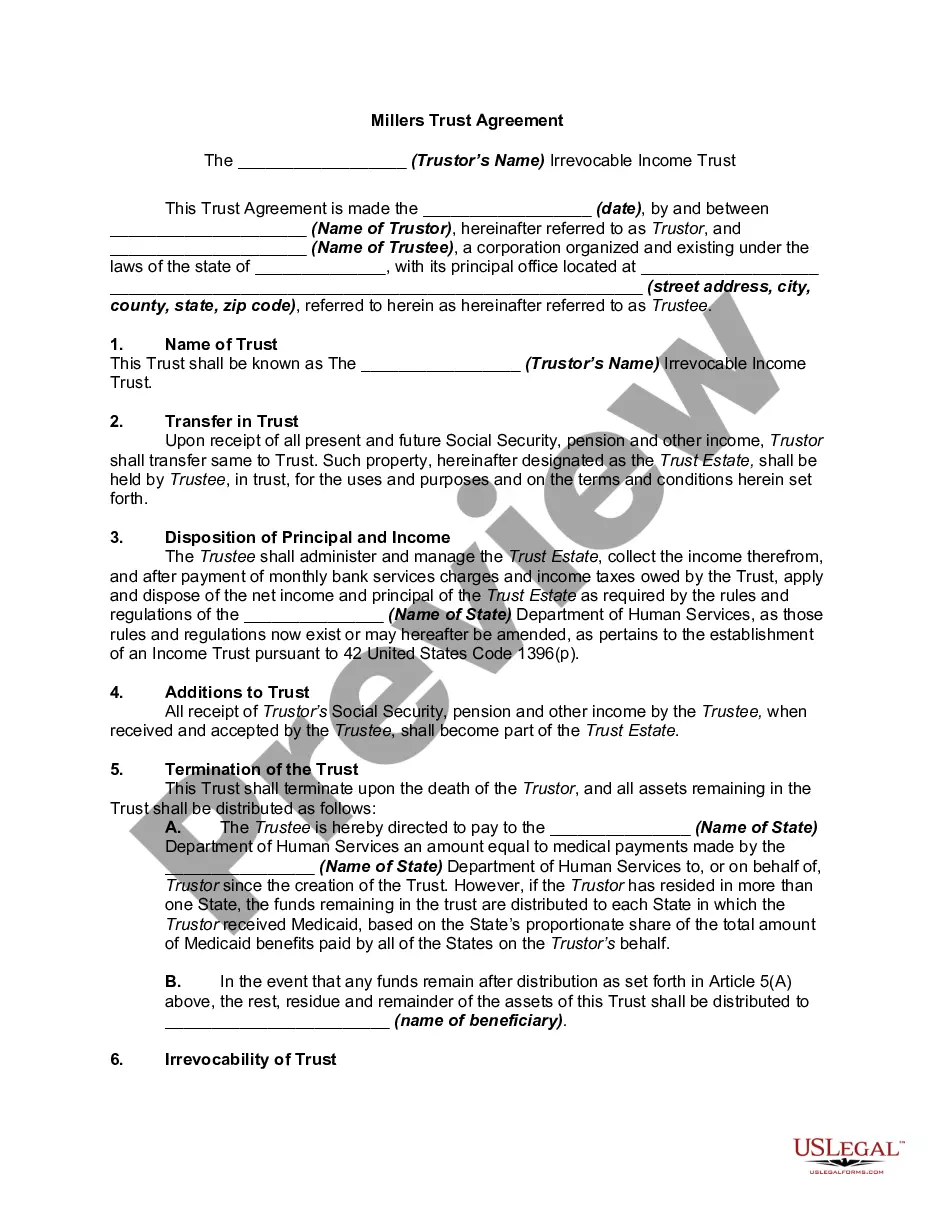
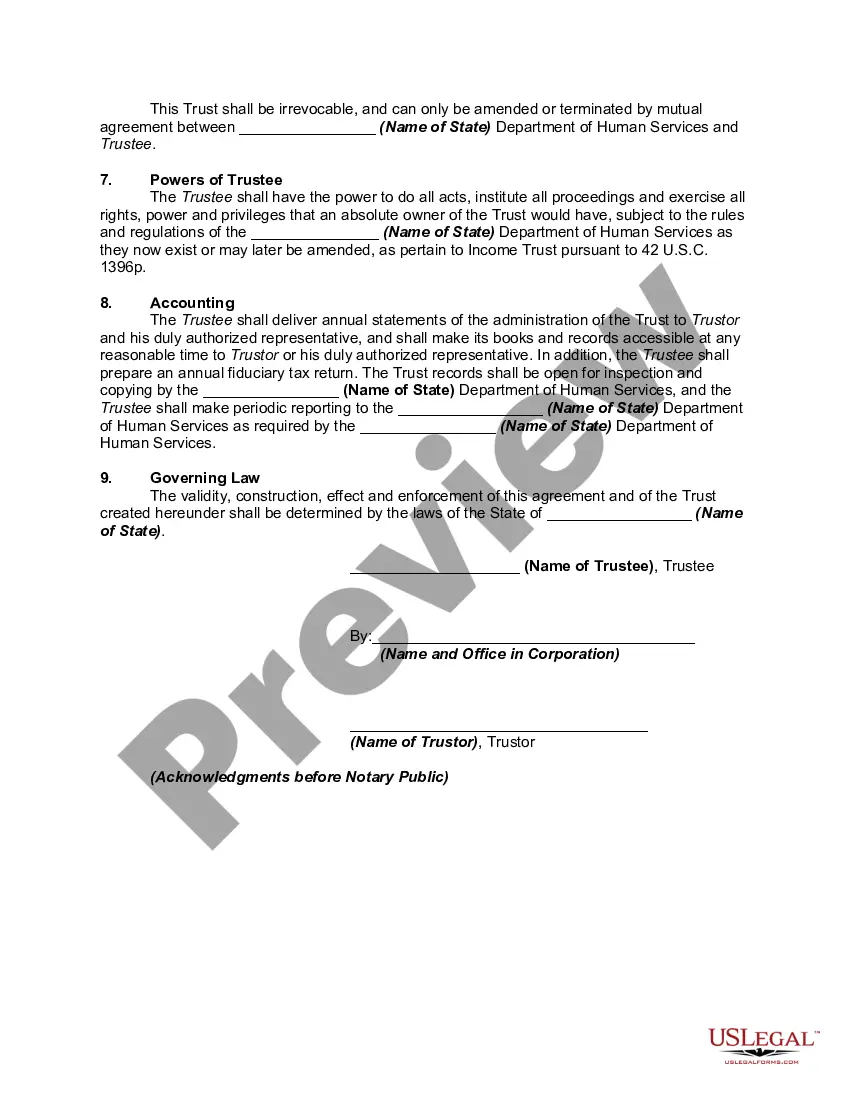
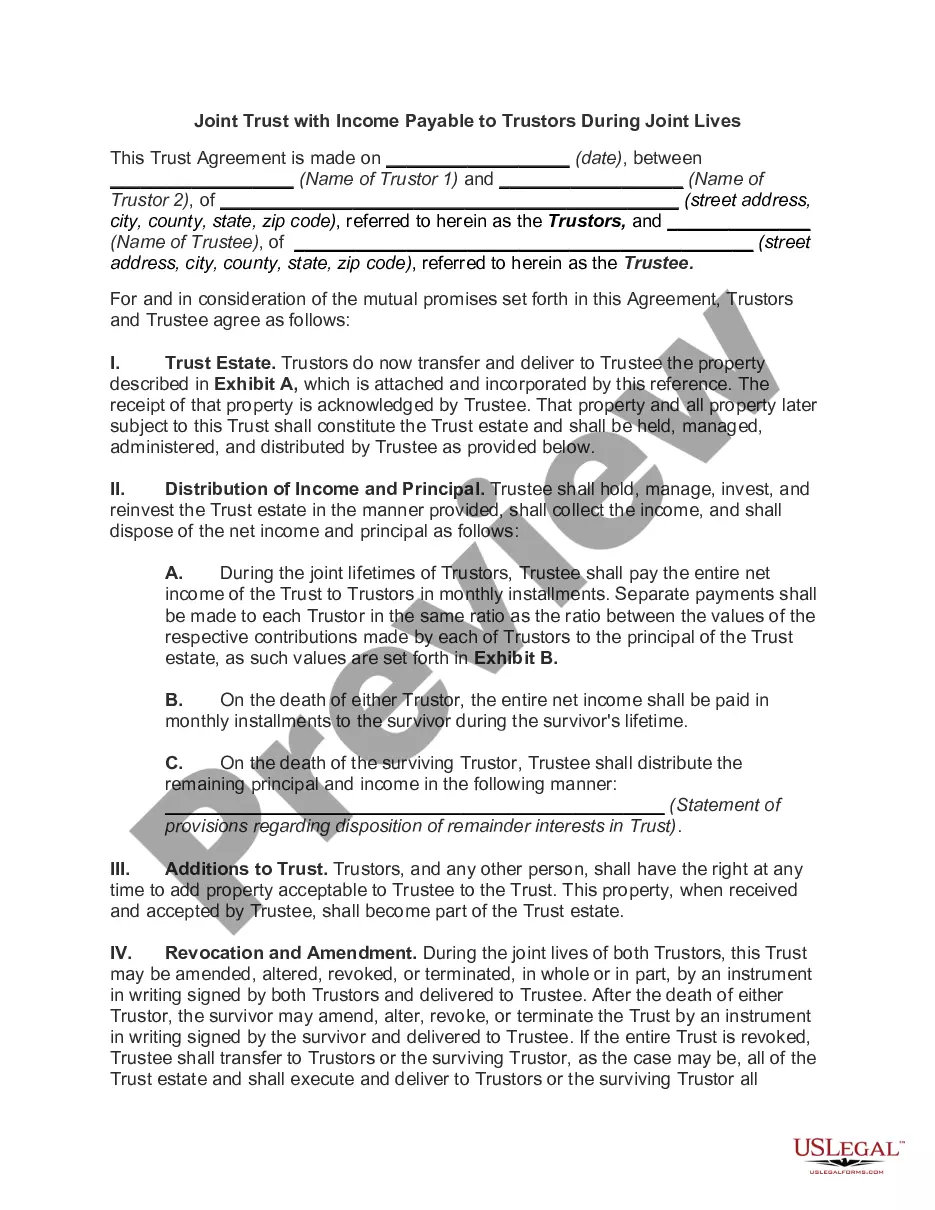
Description

Get your form ready online
Our built-in tools help you complete, sign, share, and store your documents in one place.
Make edits, fill in missing information, and update formatting in US Legal Forms—just like you would in MS Word.
Download a copy, print it, send it by email, or mail it via USPS—whatever works best for your next step.
Sign and collect signatures with our SignNow integration. Send to multiple recipients, set reminders, and more. Go Premium to unlock E-Sign.
If this form requires notarization, complete it online through a secure video call—no need to meet a notary in person or wait for an appointment.
We protect your documents and personal data by following strict security and privacy standards.

Make edits, fill in missing information, and update formatting in US Legal Forms—just like you would in MS Word.

Download a copy, print it, send it by email, or mail it via USPS—whatever works best for your next step.

Sign and collect signatures with our SignNow integration. Send to multiple recipients, set reminders, and more. Go Premium to unlock E-Sign.

If this form requires notarization, complete it online through a secure video call—no need to meet a notary in person or wait for an appointment.

We protect your documents and personal data by following strict security and privacy standards.
Looking for another form?
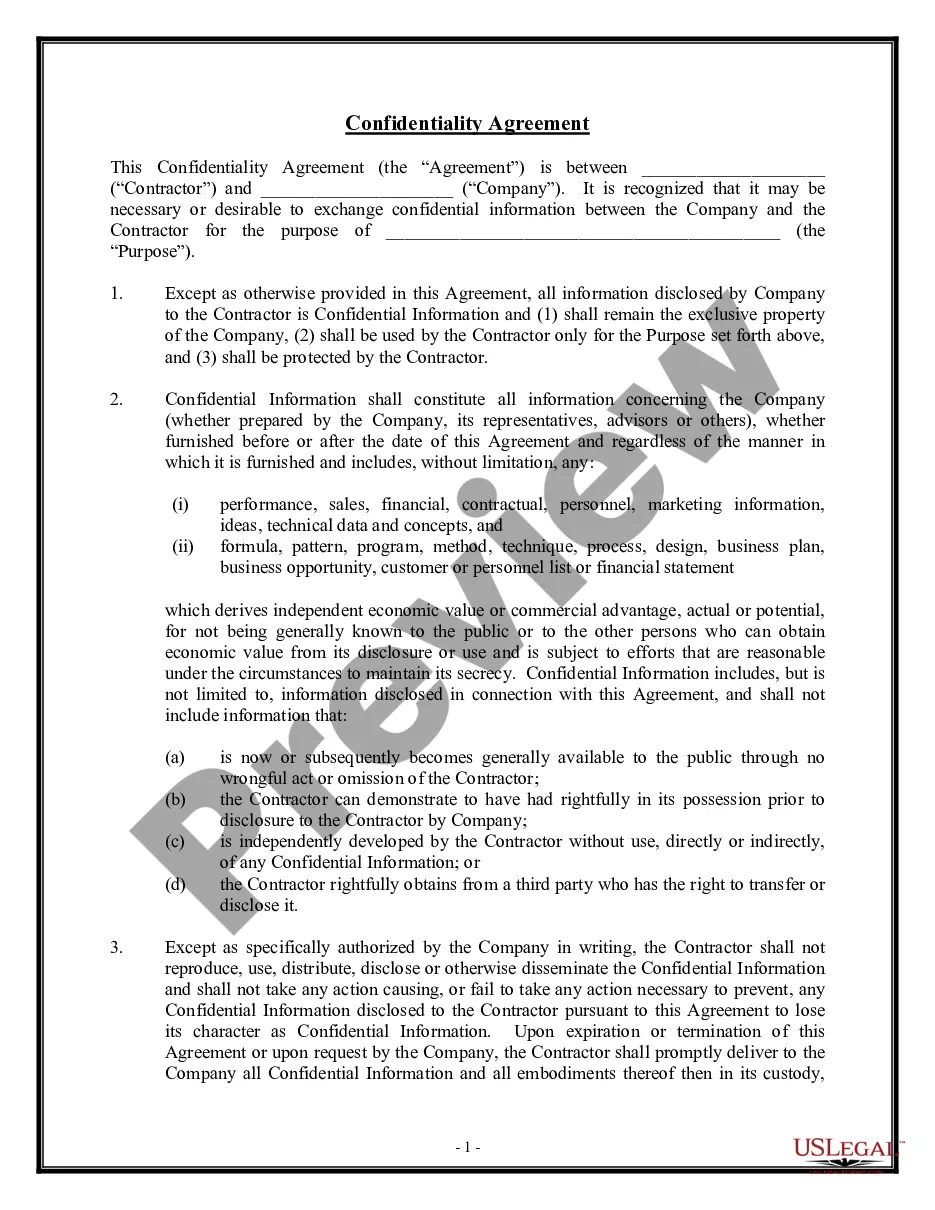






How to fill out Qualified Income Miller Trust?
- If you are a returning user, log into your account to download the needed trust template directly. Ensure your subscription is active; if it has expired, renew it according to your plan.
- For first-time users, start by browsing the Preview mode to review the form description. Make sure you select the correct template that complies with your local laws.
- If the selected document does not fit your requirements, utilize the Search tab to find an appropriate template.
- Once you identify the right document, click the Buy Now button and choose your desired subscription plan. You’ll need to create an account for access.
- Proceed with your purchase by entering your credit card information or using your PayPal account for seamless payment.
- After your transaction is complete, download the document to your device. You can access it anytime through the My Forms section of your profile.
US Legal Forms empowers both individuals and legal professionals by offering an easy-to-navigate library filled with over 85,000 fillable and editable forms. This extensive collection exceeds that of competitors, providing better value for users.
In conclusion, establishing a Qualified Income Trust can be simplified using US Legal Forms. For comprehensive legal assistance and precise document preparation, consider utilizing their services. Explore the benefits today!
Form popularity
FAQ
When exploring how to set up a qualified income trust, it’s important to know that QIT funds can cover various expenses. Typically, these funds can be used for medical care, housing, utilities, and other necessary living costs. However, they cannot be used for non-essential expenses or anything that would make the trust ineligible. Understanding these details can help you maximize the benefits of your qualified income trust.
To understand how to set up a qualified income trust, you must first know the requirements. A qualified trust must be established in writing and must specify the income distribution method. Additionally, the trust must comply with state and federal regulations. It is crucial to include a designated beneficiary who meets eligibility criteria, often ensuring that the trust serves its intended purpose effectively.
The purpose of an income trust is to hold and manage income-producing assets for individuals who might qualify for government assistance programs. By setting up a qualified income trust, you can ensure that excess income does not disqualify you from receiving benefits. It allows you to protect your eligibility while still accessing necessary resources. If you are wondering how do you set up a qualified income trust, seeking guidance through platforms like US Legal Forms can simplify the process.
While you are not legally required to have a lawyer to set up a Miller trust, consulting one is often advisable. A lawyer can provide clarity on the process and help you navigate any complex legal requirements. If you're asking how do you set up a qualified income trust, a legal professional can also assist in ensuring your trust complies with state and federal regulations, potentially saving you time and hassle.
To effectively set up a qualified income trust, start by identifying the income of the individual to ensure it meets state requirements. You will need to create a written trust document that specifies the beneficiaries and the trust's purpose. Moreover, consider working with resources like US Legal Forms to find templates and guidance, making the process smoother and ensuring compliance with all necessary legal standards.
When you consider how to set up a qualified income trust, it's essential to understand the rules governing them. A qualified trust must be established exclusively for the benefit of a disabled individual. Additionally, the trust must adhere to specific state requirements and ensure that the income limits are respected. Familiarizing yourself with these rules will guide you in creating a compliant qualified income trust.
Yes, a qualified income trust generally requires an Employer Identification Number (EIN) for tax purposes. This number helps the IRS identify the trust when filing taxes. If you are wondering how do you set up a qualified income trust, consulting with a tax professional can provide clarity on obtaining your EIN and fulfilling other necessary requirements.
To set up a trust for income, first assess your financial goals and the beneficiaries you intend to support. Following this, find a knowledgeable attorney to help draft a trust agreement that aligns with your objectives. Knowing how do you set up a qualified income trust can streamline this process and help ensure compliance with relevant laws.
To set up a trust for income, start by determining your income needs and the assets you plan to include in the trust. Next, consult with a legal expert to draft the trust document, specifying all terms and conditions. Understanding how do you set up a qualified income trust will help ensure you meet the necessary legal requirements and maximize your financial benefits.