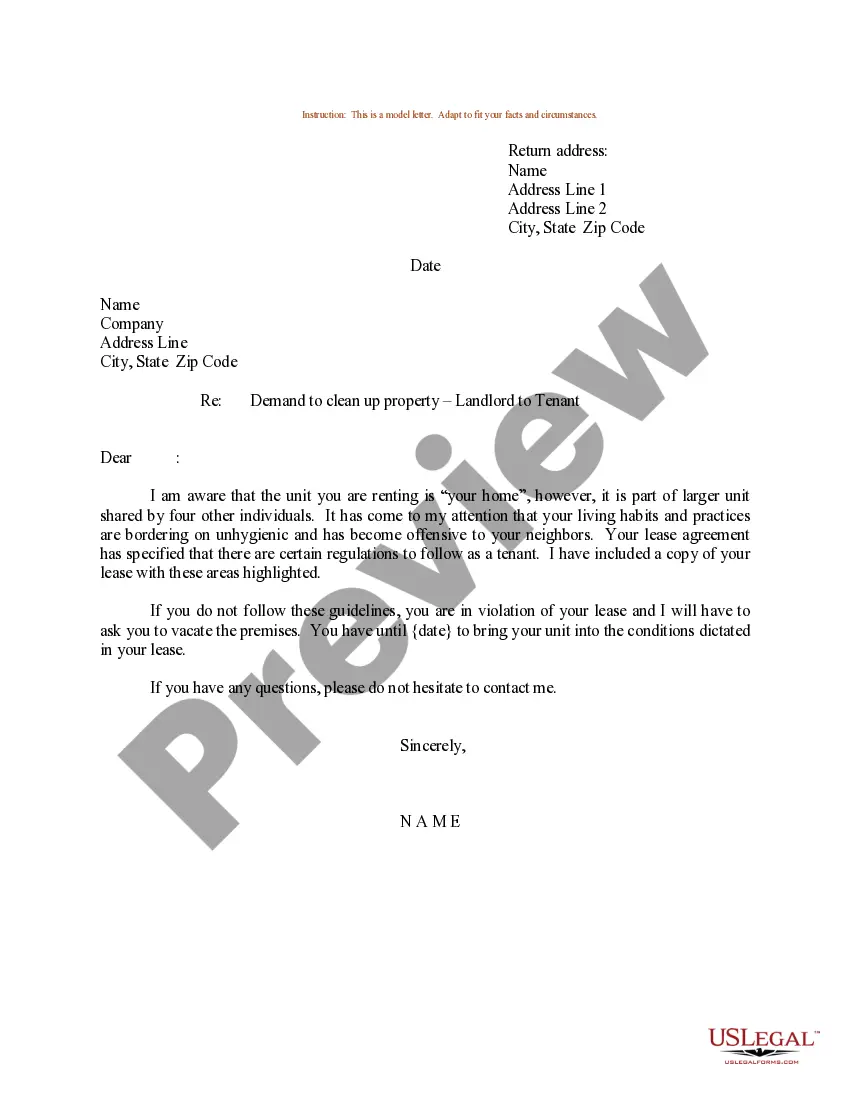
Sample Letter Of Property Ownership
Description
Get your form ready online
Our built-in tools help you complete, sign, share, and store your documents in one place.
Make edits, fill in missing information, and update formatting in US Legal Forms—just like you would in MS Word.
Download a copy, print it, send it by email, or mail it via USPS—whatever works best for your next step.
Sign and collect signatures with our SignNow integration. Send to multiple recipients, set reminders, and more. Go Premium to unlock E-Sign.
If this form requires notarization, complete it online through a secure video call—no need to meet a notary in person or wait for an appointment.
We protect your documents and personal data by following strict security and privacy standards.

Make edits, fill in missing information, and update formatting in US Legal Forms—just like you would in MS Word.

Download a copy, print it, send it by email, or mail it via USPS—whatever works best for your next step.

Sign and collect signatures with our SignNow integration. Send to multiple recipients, set reminders, and more. Go Premium to unlock E-Sign.

If this form requires notarization, complete it online through a secure video call—no need to meet a notary in person or wait for an appointment.

We protect your documents and personal data by following strict security and privacy standards.
Looking for another form?
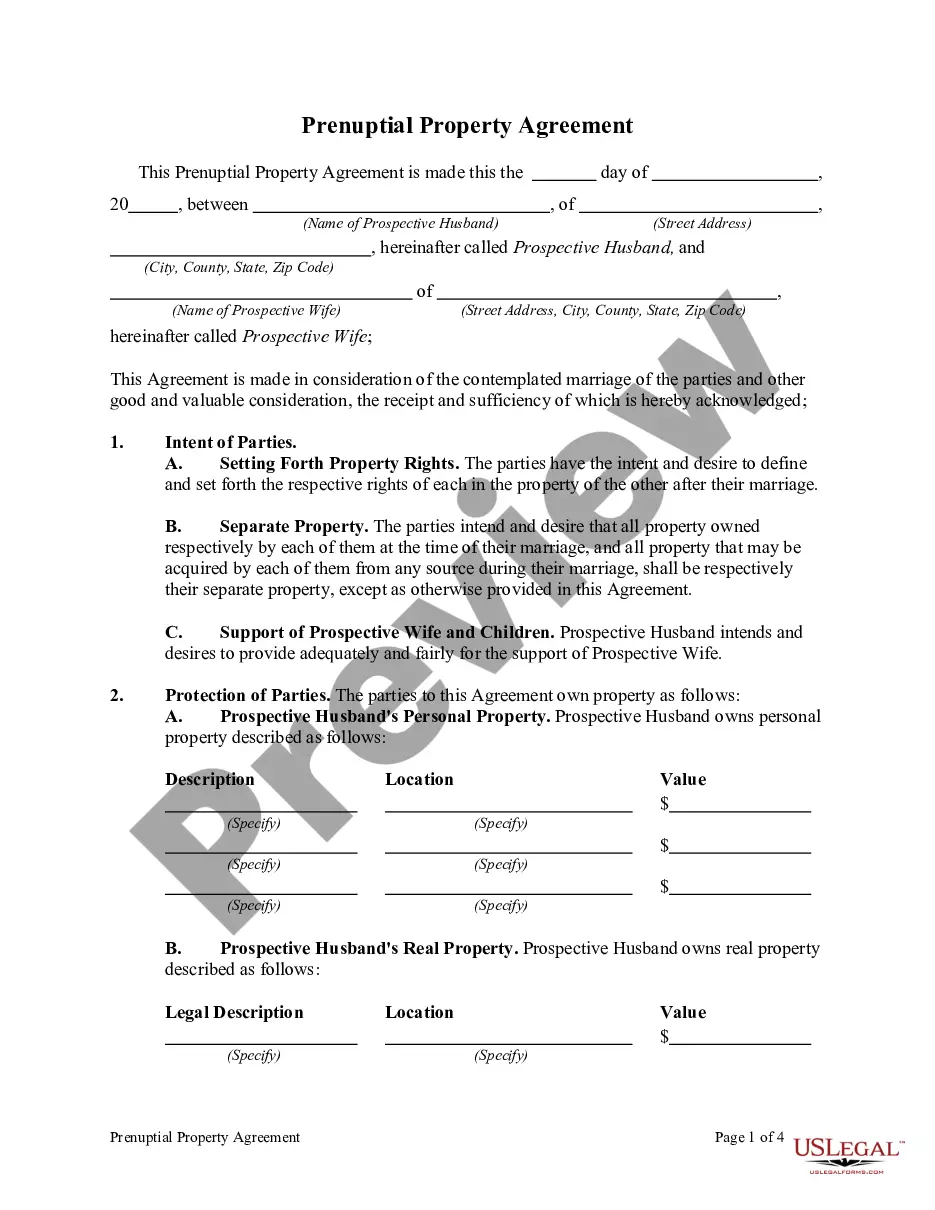

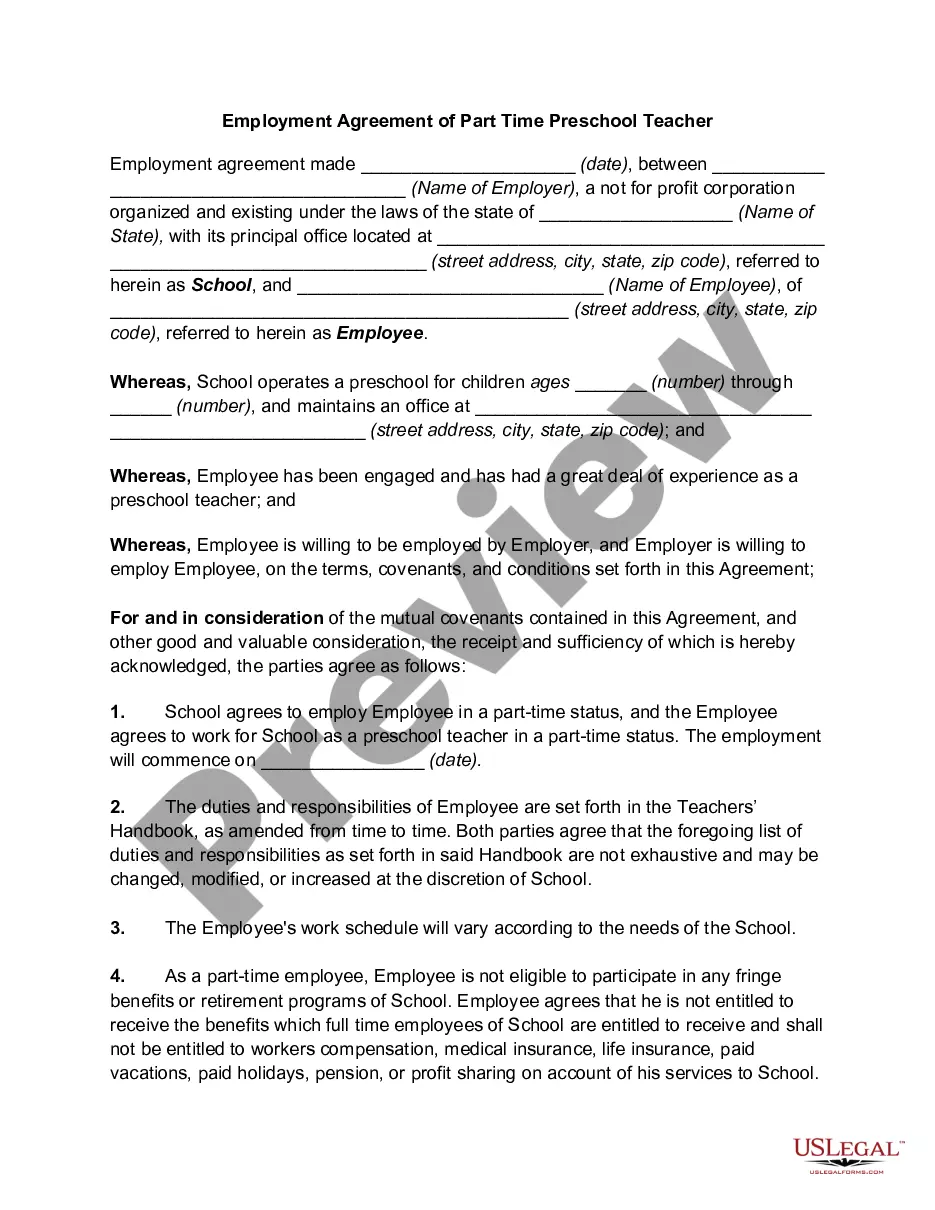
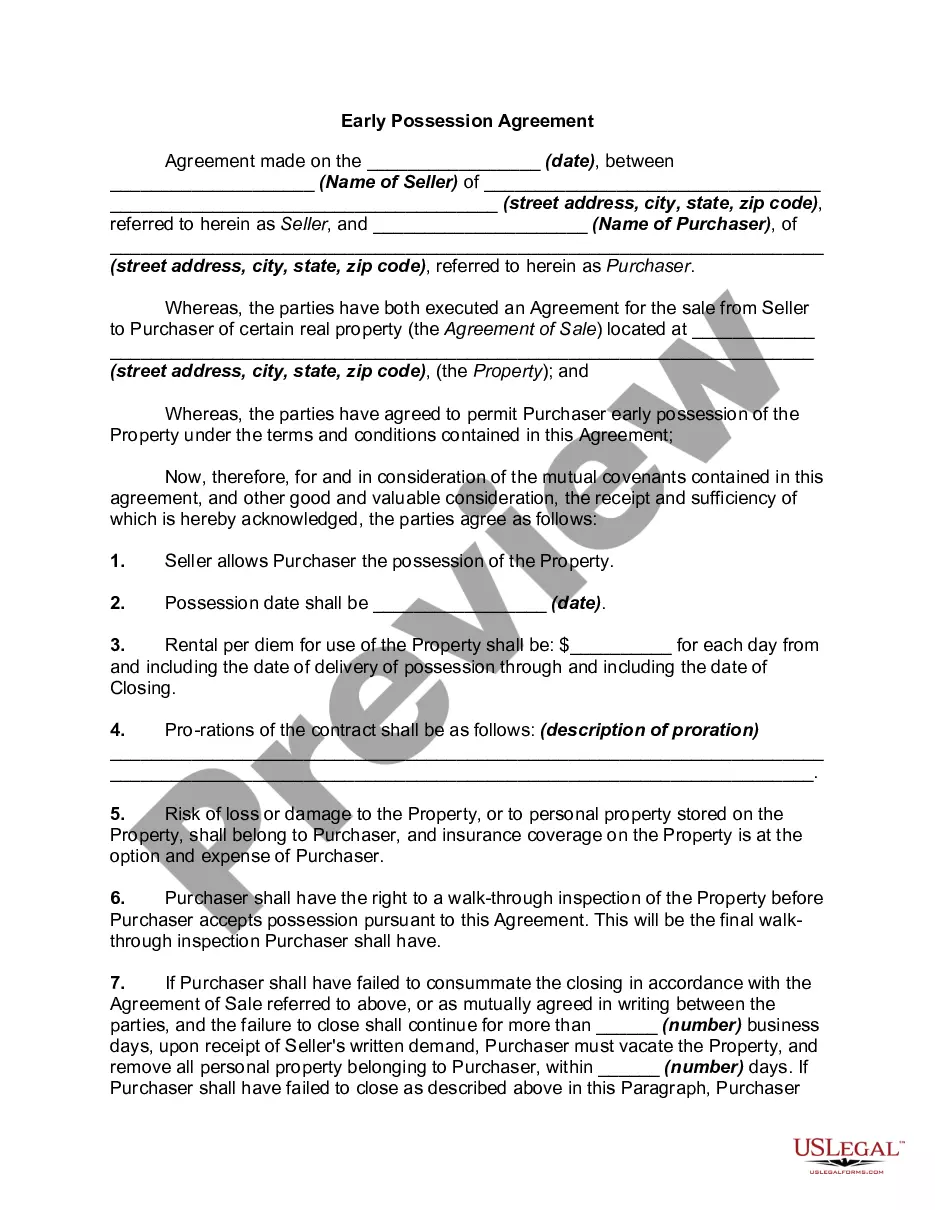
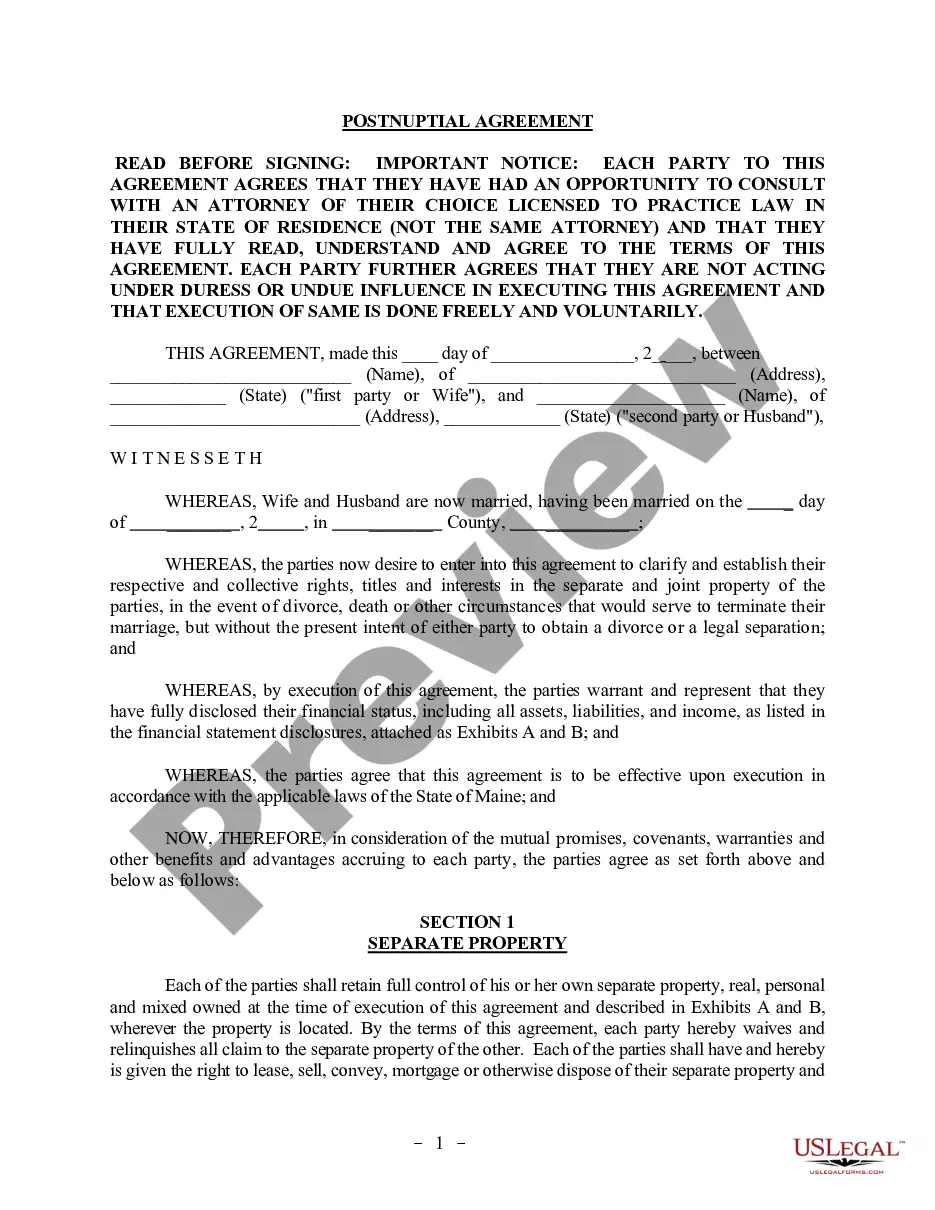

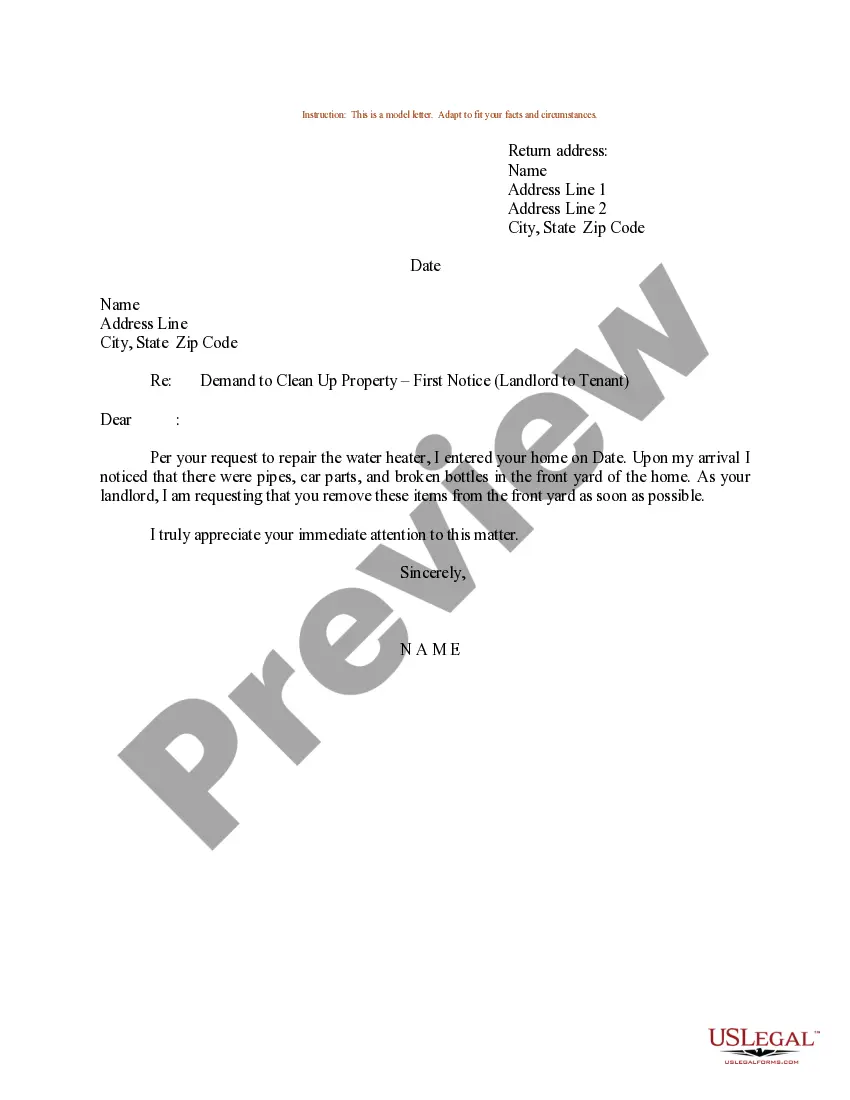
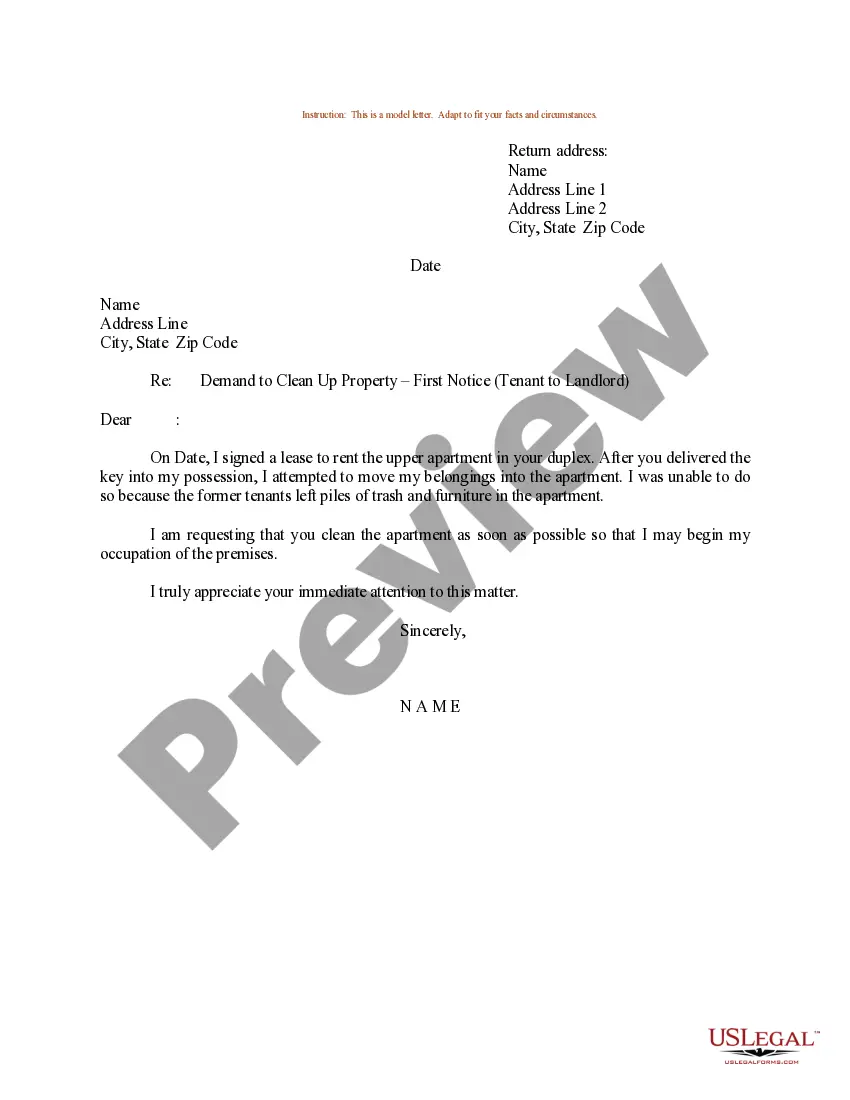
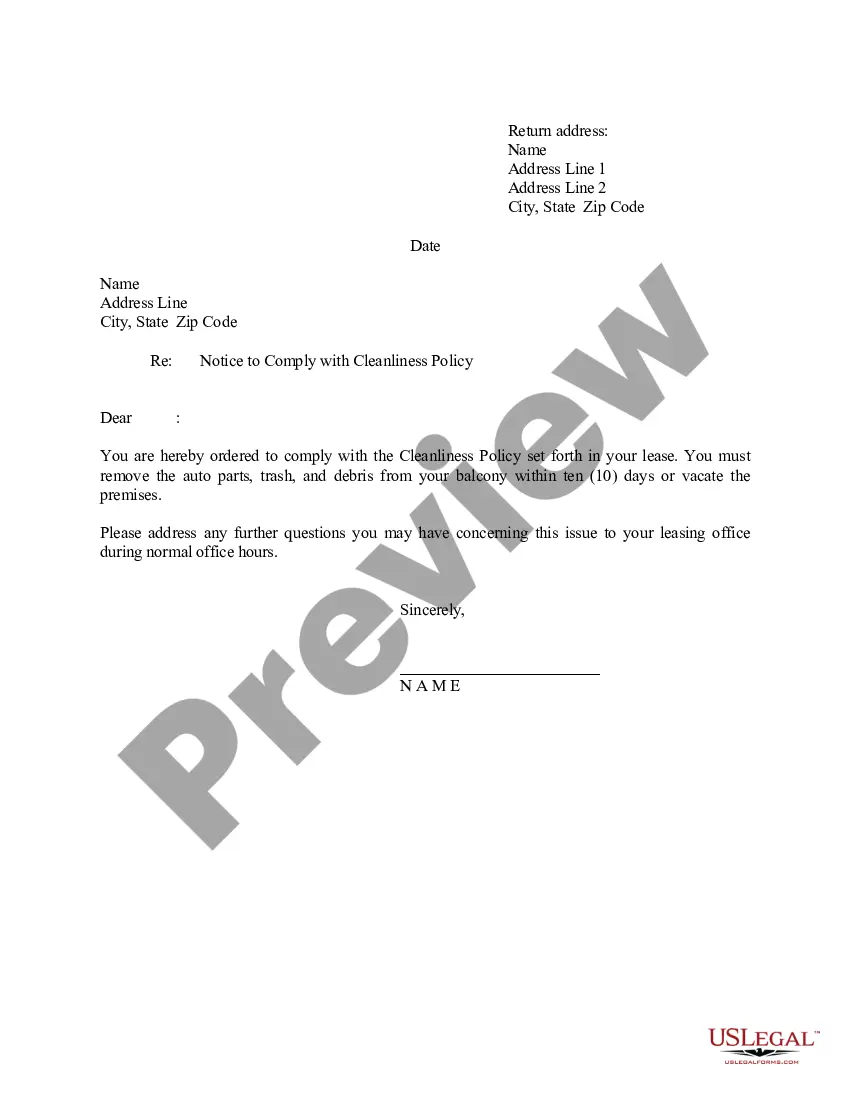
How to fill out Sample Letter For Demand To Clean Property Transmitting Lease From Landlord To Tenant?
Locating a reliable source to obtain the most up-to-date and pertinent legal templates is a significant part of managing bureaucracy.
Identifying the proper legal documents requires precision and meticulousness, which is why it is essential to obtain samples of Sample Letter Of Property Ownership solely from trustworthy sources, such as US Legal Forms.
Once you have the form on your device, you can modify it using the editor or print it out to fill it in manually. Eliminate the stress associated with your legal documents by exploring the comprehensive US Legal Forms collection, where you can find legal templates, assess their applicability to your situation, and download them instantly.
- Utilize the library navigation or search bar to locate your template.
- Examine the description of the form to verify its compatibility with the requirements of your state and region.
- Preview the form, if available, to ensure it is indeed the document you are interested in.
- Return to the search and find the appropriate template if the Sample Letter Of Property Ownership does not meet your criteria.
- Once you are confident about the form’s relevance, download it.
- If you are a registered user, click Log in to verify your identity and access your chosen forms in My documents.
- If you do not have an account yet, click Buy now to acquire the template.
- Choose the pricing plan that aligns with your preferences.
- Proceed with the registration to finalize your purchase.
- Conclude your transaction by selecting a payment option (credit card or PayPal).
- Choose the file format for downloading Sample Letter Of Property Ownership.
Form popularity
FAQ
Filing your claim through the search website is the fastest way to get your claim processed. If you did not locate property on the NJ Property Search website but believe you have unclaimed property at our office, you can request UPA staff execute a manual search through the 'Request a Property Search' link below.
If you're attempting to look for unclaimed property please refer to our web search application. Submitting Unclaimed Property Holder Reports: If you need to submit an Unclaimed Property Holder Report use e-mail address unclaimedreports@treas.nj.gov and refer to the instructions on page 44 of the current Holder packet.
2A:18-72): The personal property is considered abandoned and must be removed from the premises or from the place of safekeeping (if landlord has stored the personal property) not less than 30 days after delivery of the notice or not less than 33 days after the date of mailing, whichever comes first.
Filing your claim through the search website is the fastest way to get your claim processed. If you did not locate property on the NJ Property Search website but believe you have unclaimed property at our office, you can request UPA staff execute a manual search through the 'Request a Property Search' link below.
NJ Treasury Unclaimed property is a mechanism for the State of New Jersey to safeguard property that has been abandoned or lost for three years. It can include bank accounts, utility deposits, insurance payouts, and even real physical property.
In New Jersey, a law called the Abandoned Tenant Property Statute requires landlords to give written notice to former tenants if the landlord wants to dispose of property left by the tenants after they have moved out. The notice must state that the landlord considers the property left behind abandoned.
New Jersey property is generally presumed abandoned if it has remained unclaimed by the owner, or if there has been no activity other than automatic activity (interest posting on a bank account is considered automatic activity) for more than three years.
Unclaimed property consists of many types of intangible and tangible properties that have remained unclaimed by its rightful owner for a specific period of time. The abandonment period for each type of property is defined by New Jersey's Unclaimed Property Statute, N.J.S.A. B 1-109, et.