Nonprofit Tradução
Description
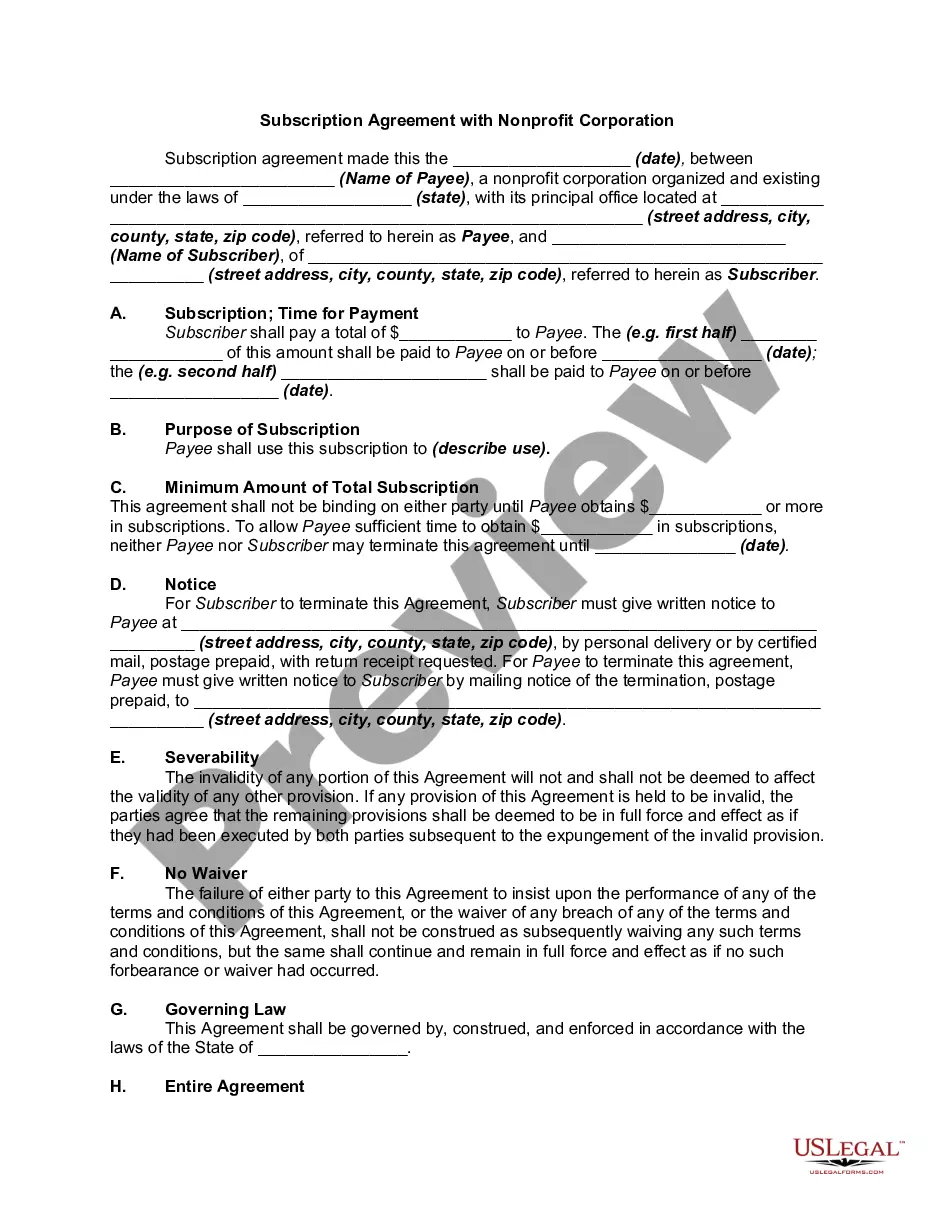
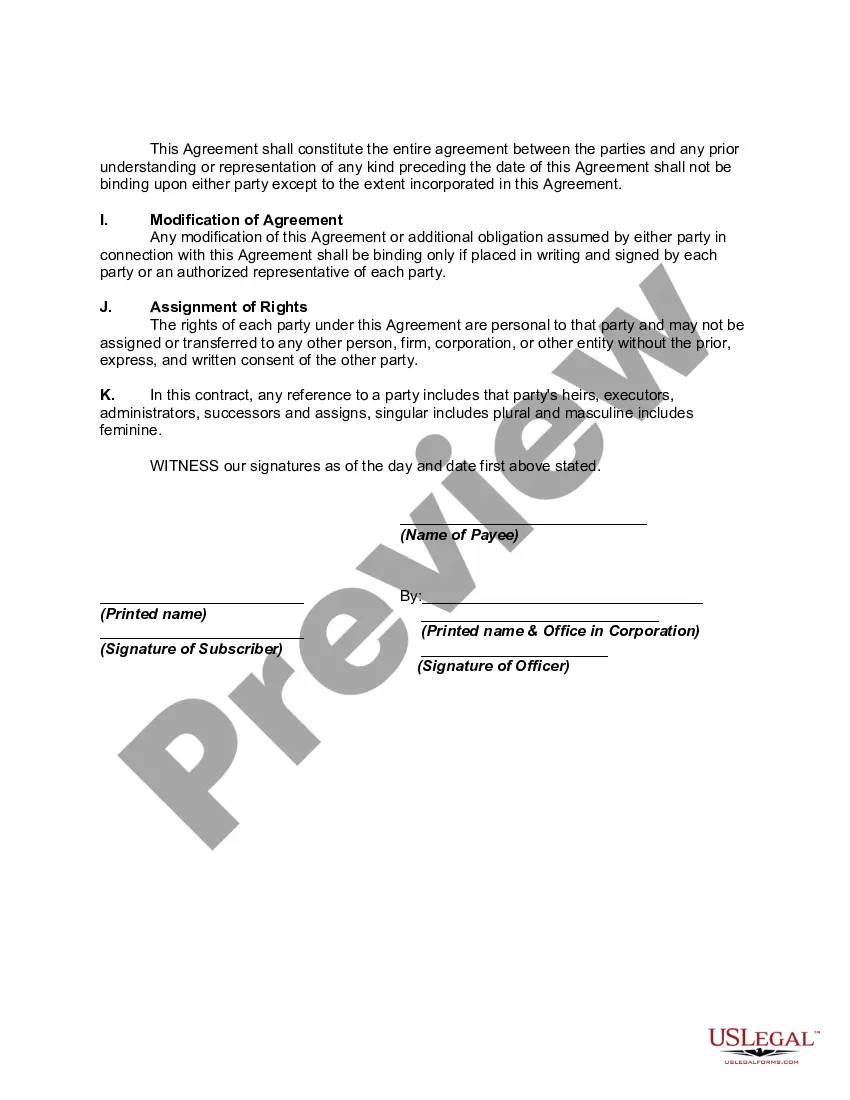
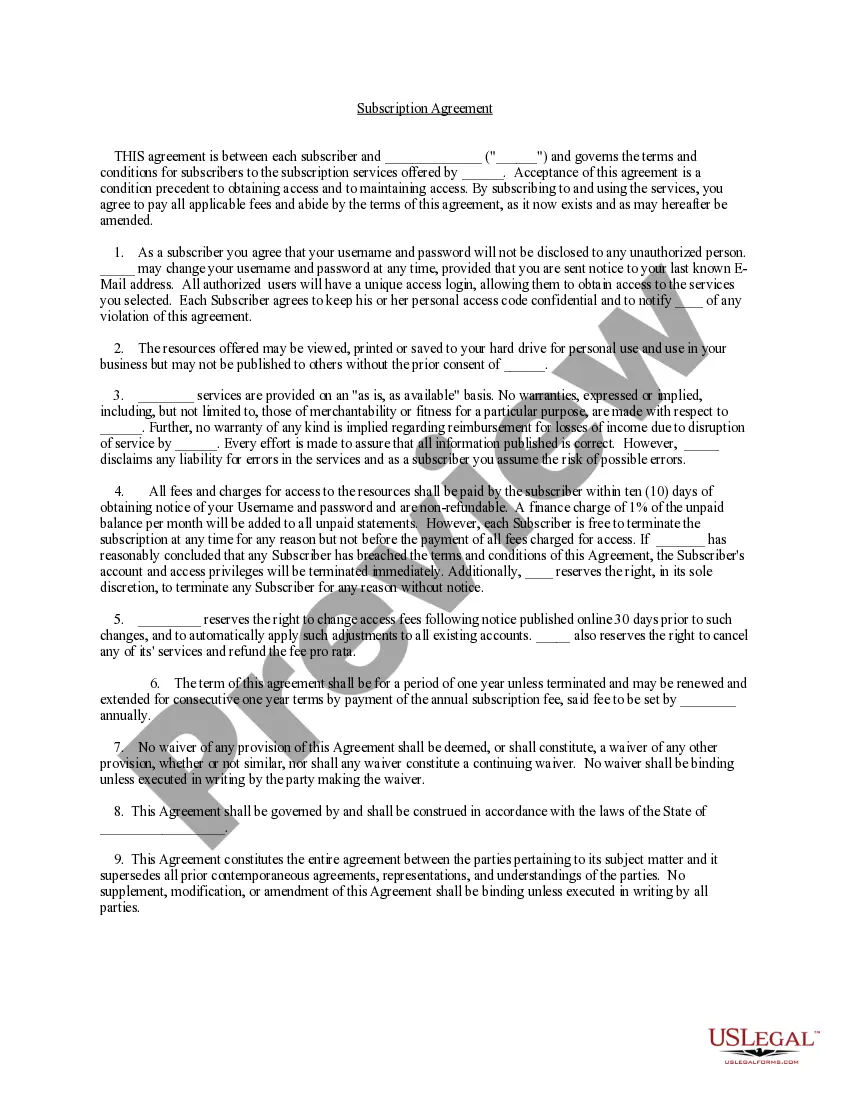
Get your form ready online
Our built-in tools help you complete, sign, share, and store your documents in one place.
Make edits, fill in missing information, and update formatting in US Legal Forms—just like you would in MS Word.
Download a copy, print it, send it by email, or mail it via USPS—whatever works best for your next step.
Sign and collect signatures with our SignNow integration. Send to multiple recipients, set reminders, and more. Go Premium to unlock E-Sign.
If this form requires notarization, complete it online through a secure video call—no need to meet a notary in person or wait for an appointment.
We protect your documents and personal data by following strict security and privacy standards.

Make edits, fill in missing information, and update formatting in US Legal Forms—just like you would in MS Word.

Download a copy, print it, send it by email, or mail it via USPS—whatever works best for your next step.

Sign and collect signatures with our SignNow integration. Send to multiple recipients, set reminders, and more. Go Premium to unlock E-Sign.

If this form requires notarization, complete it online through a secure video call—no need to meet a notary in person or wait for an appointment.

We protect your documents and personal data by following strict security and privacy standards.
Looking for another form?

How to fill out Subscription Agreement With Nonprofit Corporation?
- Log in to your US Legal Forms account if you are a returning user, ensuring your subscription is active. If it needs renewing, update it as per your payment plan.
- Explore the library by entering relevant keywords. Check the Preview mode and form descriptions to verify their suitability for your nonprofit's needs.
- If you don't find what you need, utilize the Search feature to locate alternative templates matching your requirements before proceeding.
- Select the appropriate form and click on the Buy Now button. Choose a subscription plan that fits your needs and register for an account to access the library.
- Complete your purchase by entering your payment details through credit card or PayPal to secure your subscription.
- Once purchased, download the form to your device. You can also revisit it later through the My Forms section for future needs.
Using US Legal Forms not only streamlines your document acquisition process but also ensures you have access to a vast library of over 85,000 editable legal forms. With the ability to seek expert assistance, your nonprofit can achieve precise documentation effortlessly.
Don't hesitate; visit US Legal Forms today to simplify your legal documentation!
Form popularity
FAQ
501c7 organizations have specific limitations, including restrictions on the fundraising capabilities and the need to maintain a social club purpose. Unlike 501c3 entities, they cannot receive tax-deductible donations for their fundraising efforts. Understanding these limitations is vital for effective planning and compliance. For professional advice on navigating these rules, consider uslegalforms.
A 501c3 identification number, often referred to as an Employer Identification Number (EIN), is essential for tax purposes and organizational identification. This number is assigned by the IRS and serves as your business's unique identifier for reporting and compliance. Securing an EIN is a crucial step in establishing your nonprofit, and uslegalforms can simplify this process for you.
A 501c7 organization can make donations, but it typically cannot offer tax-deductible contributions to donors. Instead, donations generally support the club's mission and activities. It's vital to understand these limitations when planning your budget or fundraising strategies. For detailed guidance on financial matters, check out uslegalforms.
The proper way to write 501c3 is to use lowercase letters for 'c' followed by the number '3,' as in '501(c)(3).' This notation indicates the specific section of the Internal Revenue Code that grants tax-exempt status to qualifying nonprofits. Correctly identifying your organization can help in applications and official documentation. For assistance in forming a 501c3, visit uslegalforms.
The primary difference lies in the purpose and structure of the organizations. A 501c3 serves charitable needs and allows for tax-deductible donations, while a 501c7 focuses on social and recreational activities with no tax deductions for contributions. Both serve unique roles in the nonprofit landscape, creating diverse offerings for communities. For more insights on classifications, uslegalforms can assist you.
Being a 501c7 provides several benefits, including tax-exempt status on earnings related to your social club activities. This designation allows members to enjoy fundraising opportunities without tax implications. However, this status limits eligibility for tax-deductible donations, so it's important to weigh these pros and cons. For help with nonprofit structures, you can explore uslegalforms.
A 501c3 nonprofit primarily focuses on charitable, educational, or religious activities, while a 501c7 organization is designed for social clubs and recreational purposes. This distinction affects tax treatment and eligibility for donations. If you're considering starting one of these organizations, understanding their differences is essential. Uslegalforms can provide guidance on the setup process.
The 33% rule for nonprofits generally refers to the guideline that requires organizations to spend at least one-third of their income on charitable activities. This rule helps ensure that funds support the mission and community impact of the nonprofit. Understanding this concept is crucial for compliance and transparency. For more details on nonprofit regulations, consider exploring our resources on uslegalforms.
To get a copy of your 501(c)(3) determination letter, you can contact the IRS or check your organization’s records if you are part of the nonprofit. For convenience, consider utilizing resources like USLegalForms, where you can find templates and guidance on how to request this document. Keeping your organization’s records organized can save time when retrieving important documents.
Finding out if a nonprofit is credible involves looking at its track record and how it communicates with stakeholders. Review its financial reports, board members, and how it allocates donations. Seeking out external evaluations from trusted watchdog organizations can also help gauge credibility.