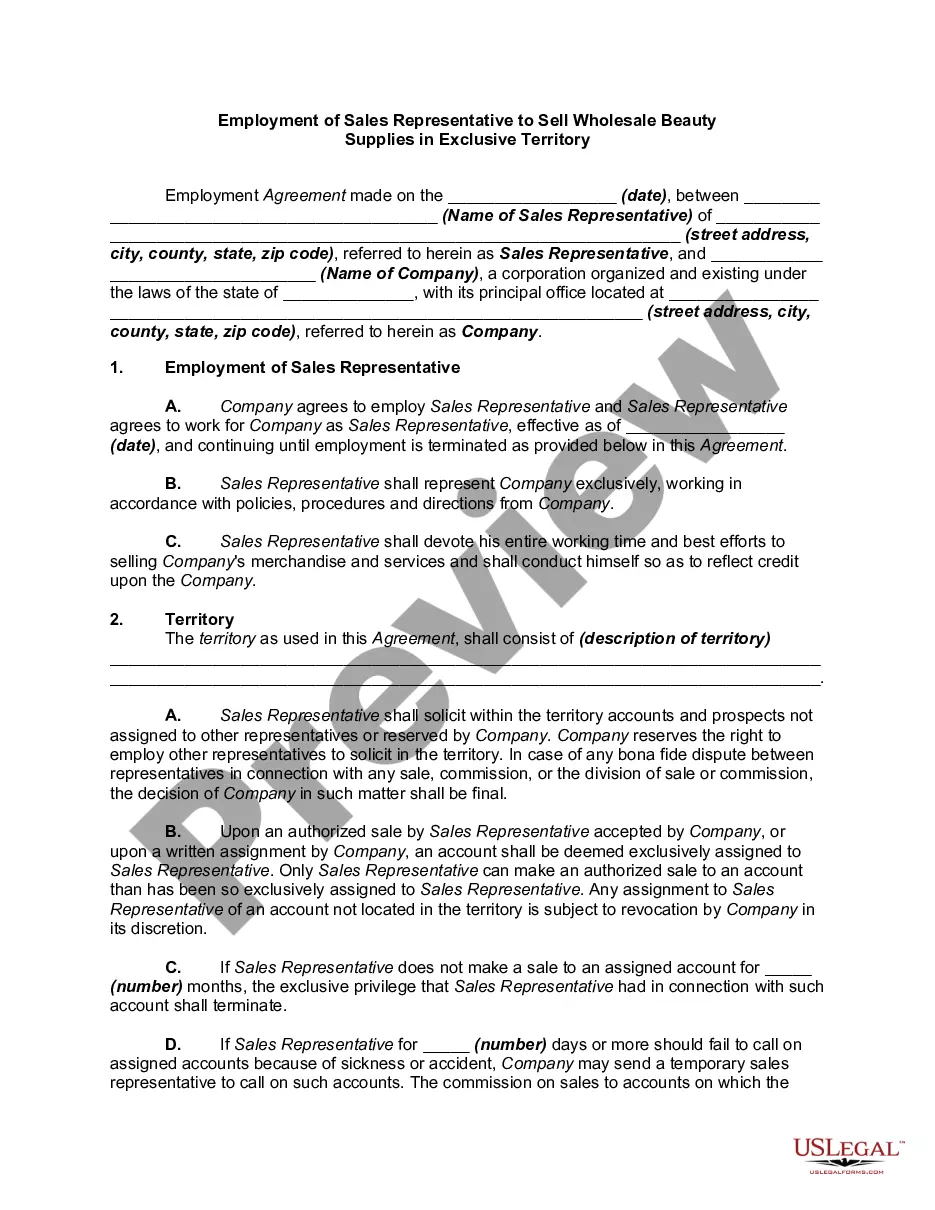
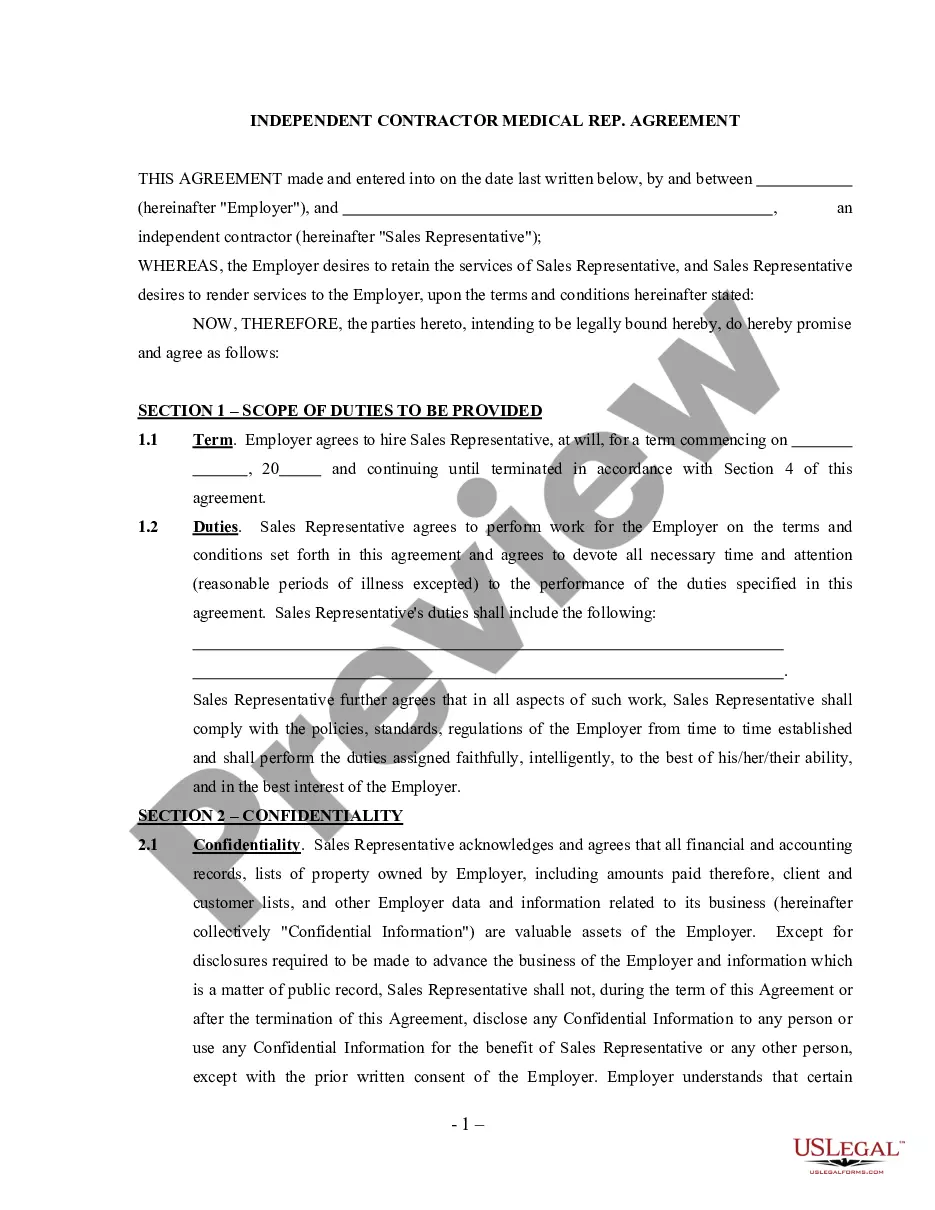
Employment Exclusive Contract Without Start Date
Description
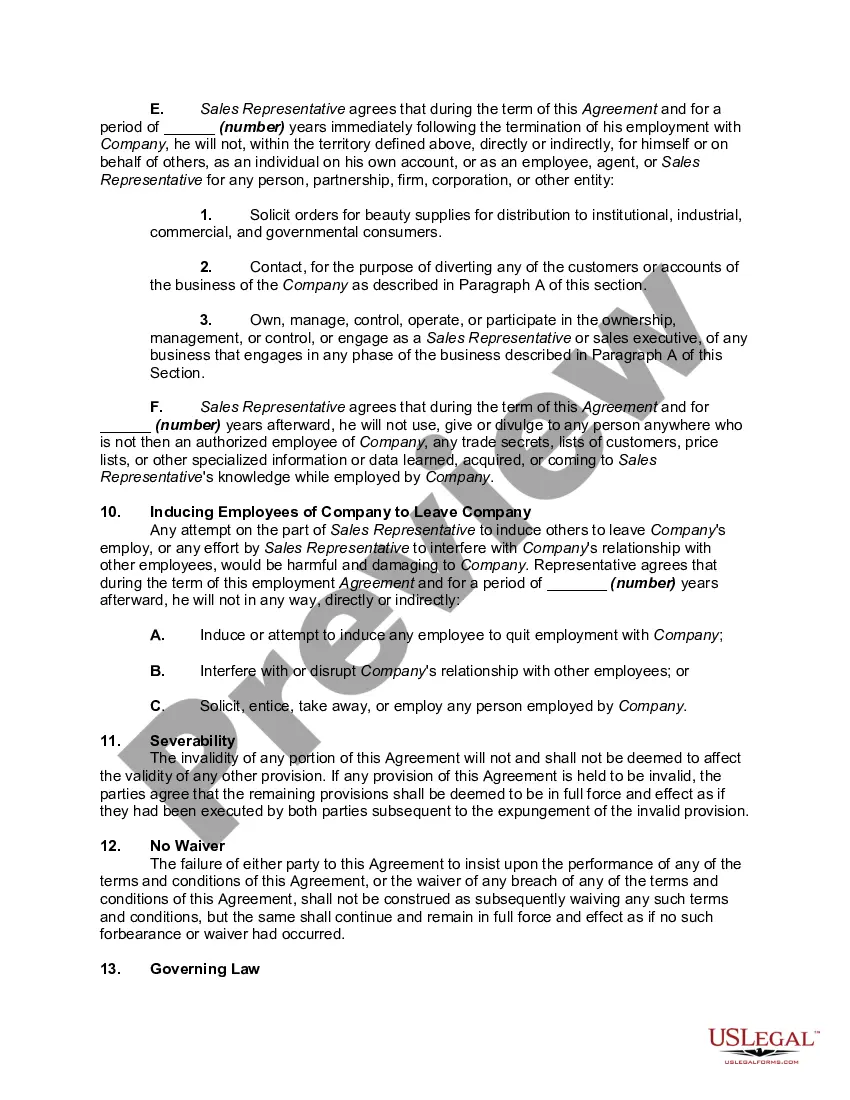
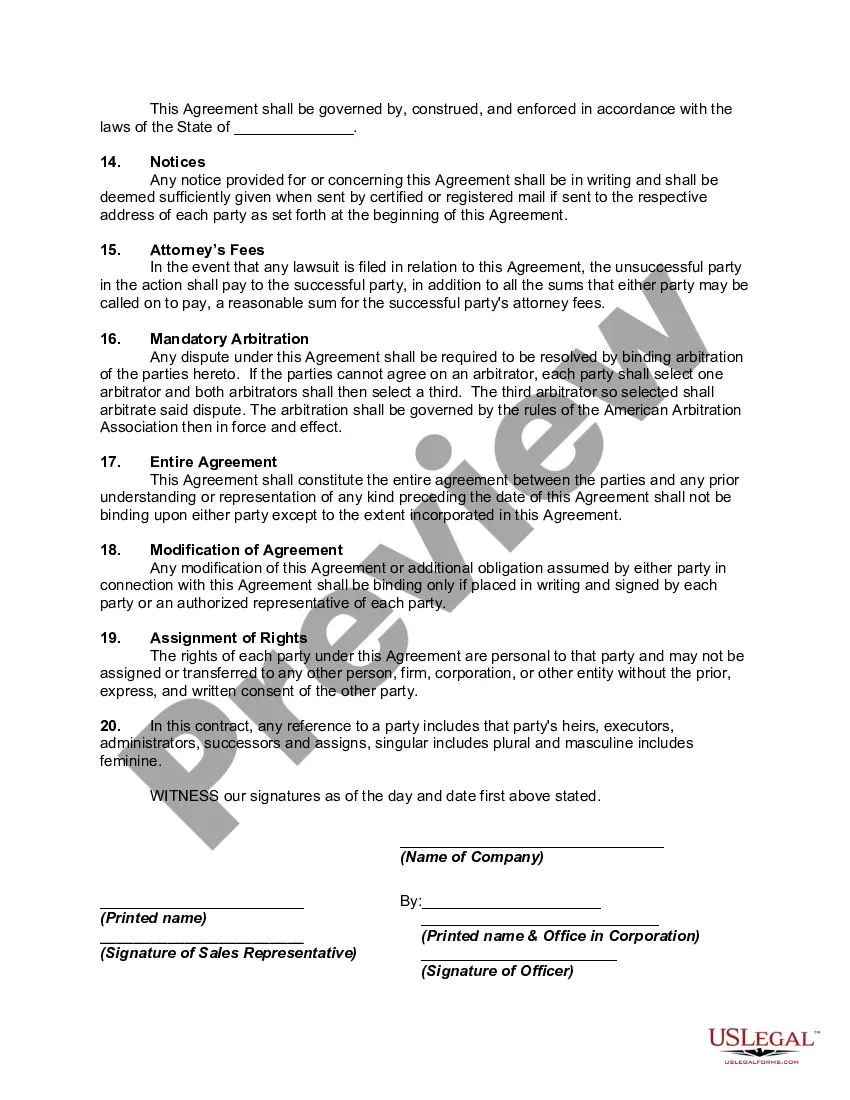
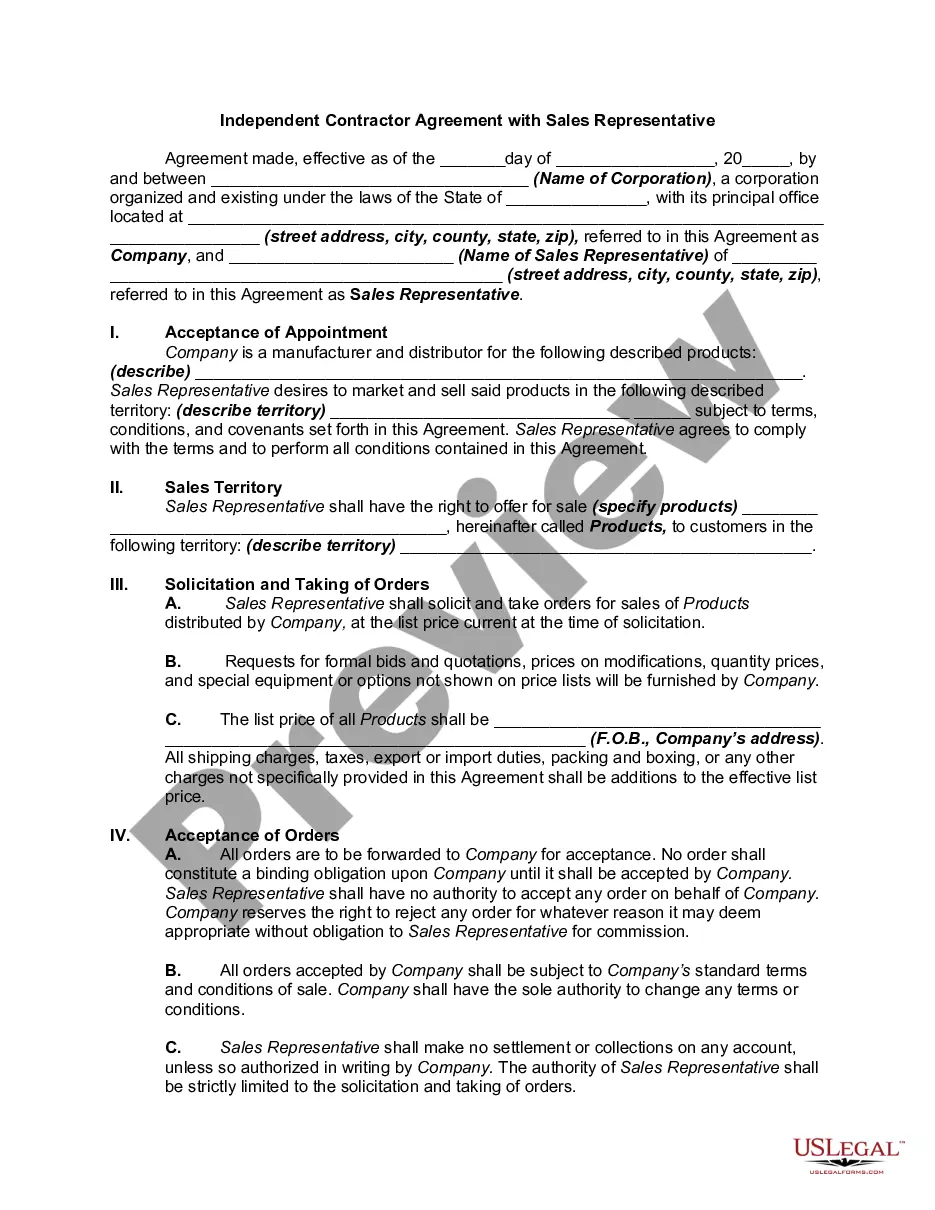
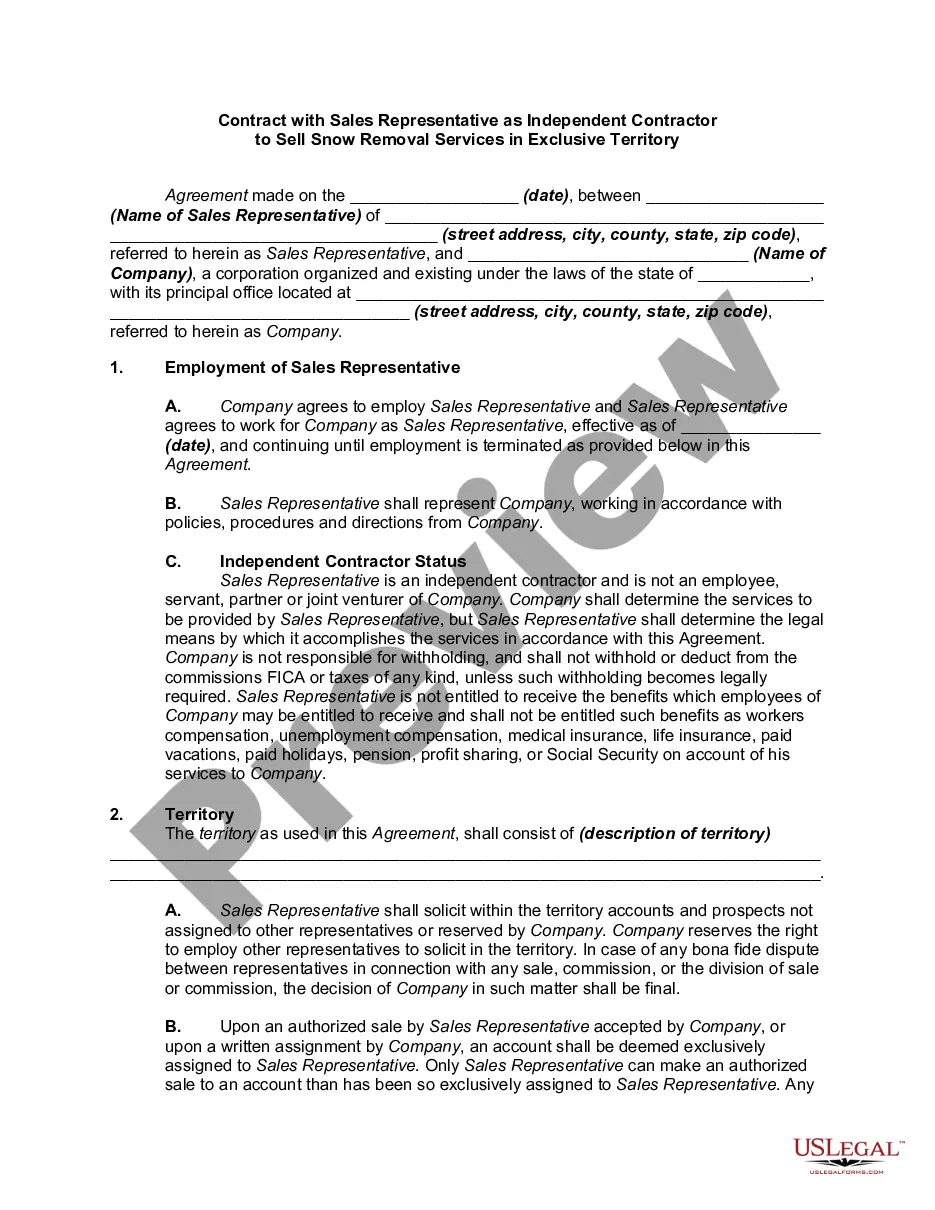
Get your form ready online
Our built-in tools help you complete, sign, share, and store your documents in one place.
Make edits, fill in missing information, and update formatting in US Legal Forms—just like you would in MS Word.
Download a copy, print it, send it by email, or mail it via USPS—whatever works best for your next step.
Sign and collect signatures with our SignNow integration. Send to multiple recipients, set reminders, and more. Go Premium to unlock E-Sign.
If this form requires notarization, complete it online through a secure video call—no need to meet a notary in person or wait for an appointment.
We protect your documents and personal data by following strict security and privacy standards.

Make edits, fill in missing information, and update formatting in US Legal Forms—just like you would in MS Word.

Download a copy, print it, send it by email, or mail it via USPS—whatever works best for your next step.

Sign and collect signatures with our SignNow integration. Send to multiple recipients, set reminders, and more. Go Premium to unlock E-Sign.

If this form requires notarization, complete it online through a secure video call—no need to meet a notary in person or wait for an appointment.

We protect your documents and personal data by following strict security and privacy standards.
Looking for another form?









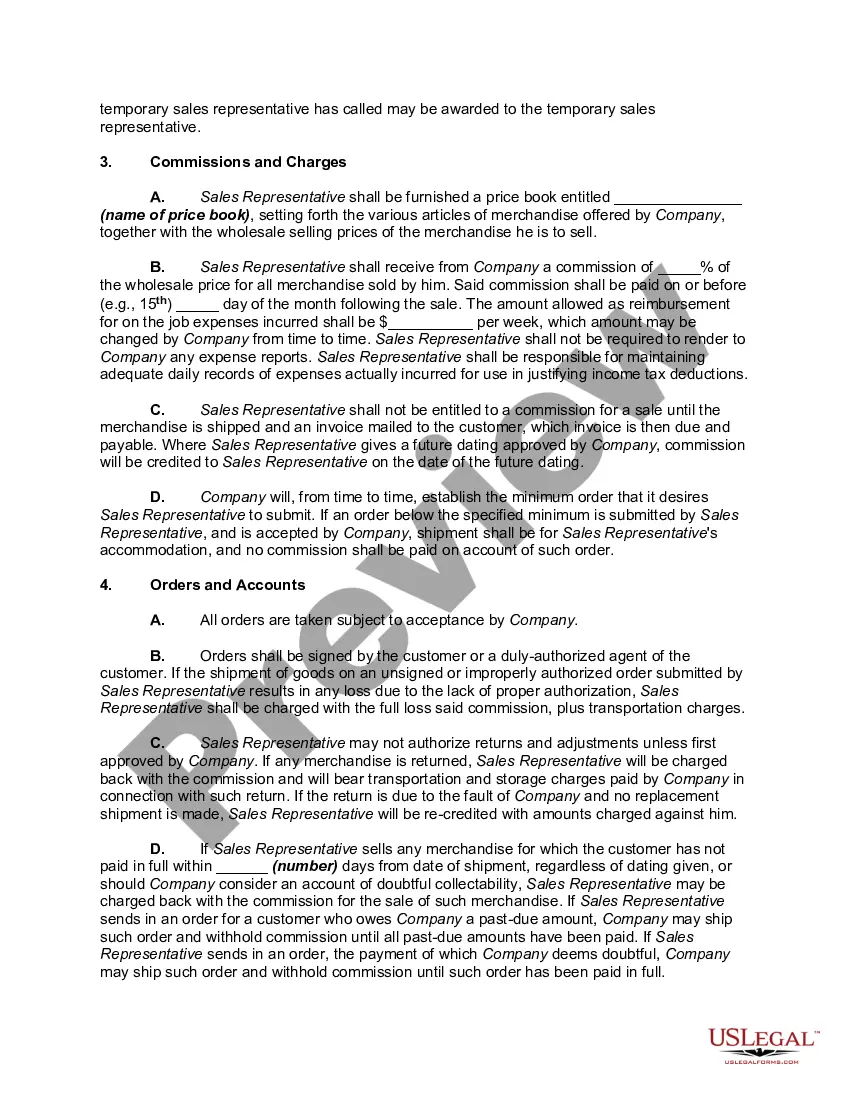
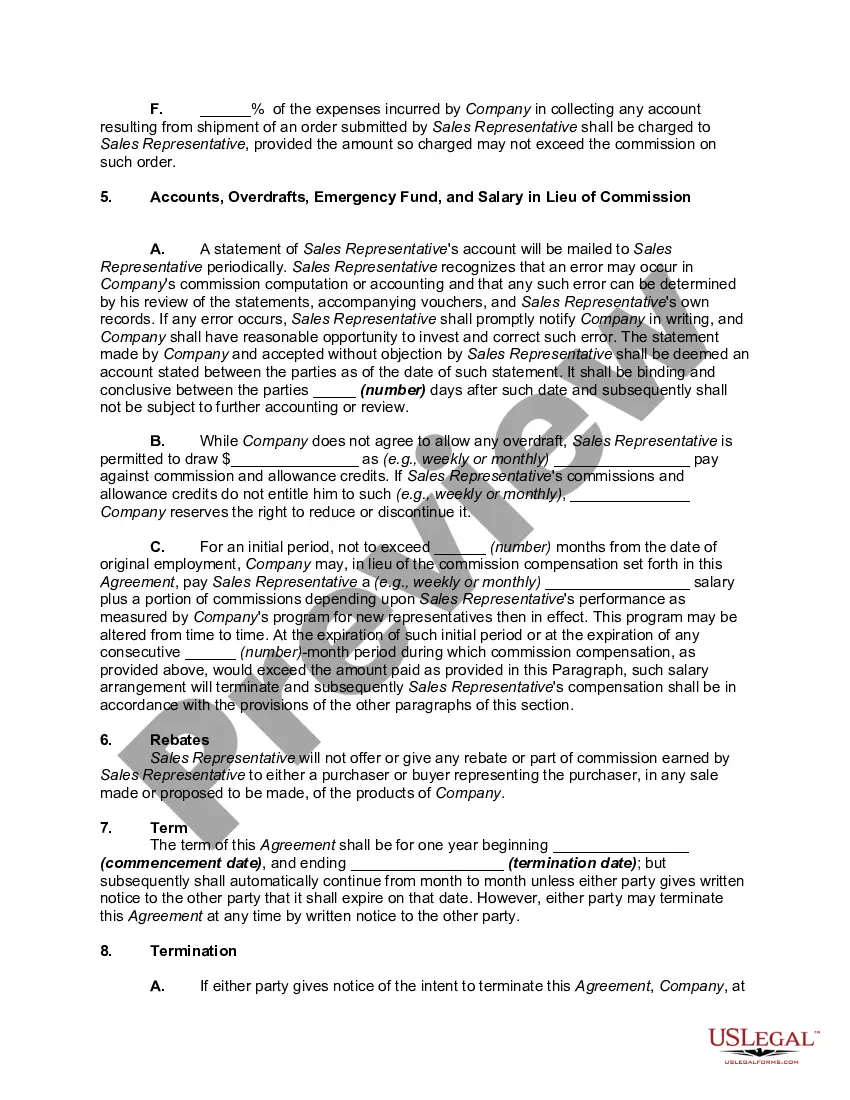
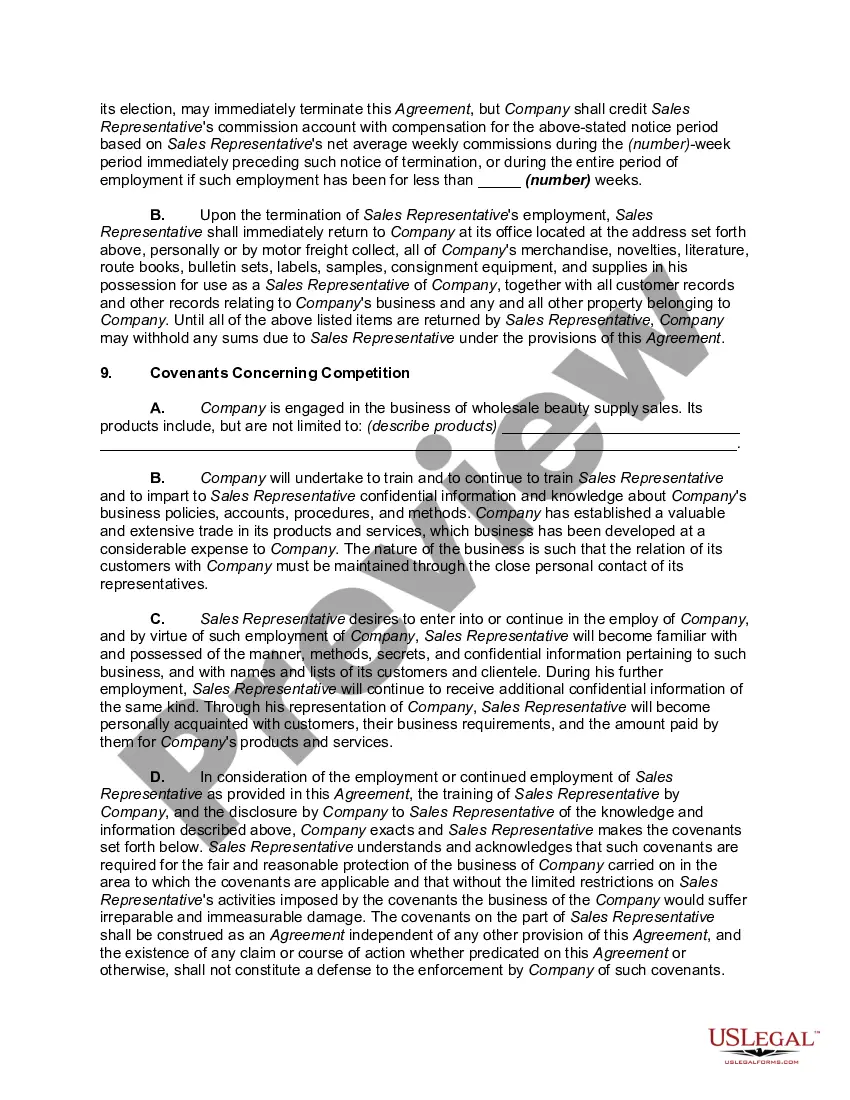
How to fill out Employment Of Sales Representative To Sell Wholesale Beauty Supplies In Exclusive Territory - Self-Employed?
When you have to present Employment Exclusive Contract Without Start Date according to your surrounding state's regulations, there may be several alternatives available.
There's no need to scrutinize each form to make sure it satisfies all the legal standards if you are a member of US Legal Forms.
It is a reliable source that can assist you in acquiring a repeatable and current template on any subject.
Acquiring expertly prepared formal documents becomes easy with US Legal Forms. Furthermore, Premium members can also benefit from the robust integrated solutions for online PDF editing and signing. Give it a test today!
- US Legal Forms is the most extensive online directory with a collection of over 85,000 ready-to-use documents for business and personal legal matters.
- All templates are verified to comply with each state's laws and regulations.
- Therefore, when downloading Employment Exclusive Contract Without Start Date from our platform, you can be assured that you possess a legitimate and updated document.
- Retrieving the required sample from our platform is remarkably easy.
- If you already have an account, simply sign in to the system, confirm that your subscription is active, and save the preferred file.
- Afterward, you can access the My documents tab in your account and access the Employment Exclusive Contract Without Start Date whenever necessary.
- If this is your first interaction with our library, please follow the guide below.
- Browse the suggested page and check it for alignment with your needs.
Form popularity
FAQ
Exclusivity Clause Defined Exclusivity clauses, also called non-compete provisions, prevent one party from soliciting offers or negotiating with a third party within a specific period. They are often located within a confidentiality agreement. Speak with lawyers if you need an alternative to exclusivity clauses.
An exclusivity period is a length of time (usually 30 to 60 days) during which a seller is prohibited from carrying out or furthering activities that relate to the sale of a firm with parties other than the prospective buyer with whom they have signed a letter of intent.
An exclusivity provision defines a length of time, typically 1-2 months, where a seller cannot deal with any party other than the prospective buyer regarding the sale of the business.
If an employer wants to withdraw a job offer because an employee cannot start on a certain date, as originally planned, they cannot do this without breaching the contract unless the date was an agreed term and condition of the employee's employment, not just a suggested start date.
The duration of an exclusivity clause depends on what is written in the contract. It can be as short as a few months or as long as several years. Most do not extend beyond 5-10 years, but it depends on the parties involved.
