Rent Past Due Withholding
Description
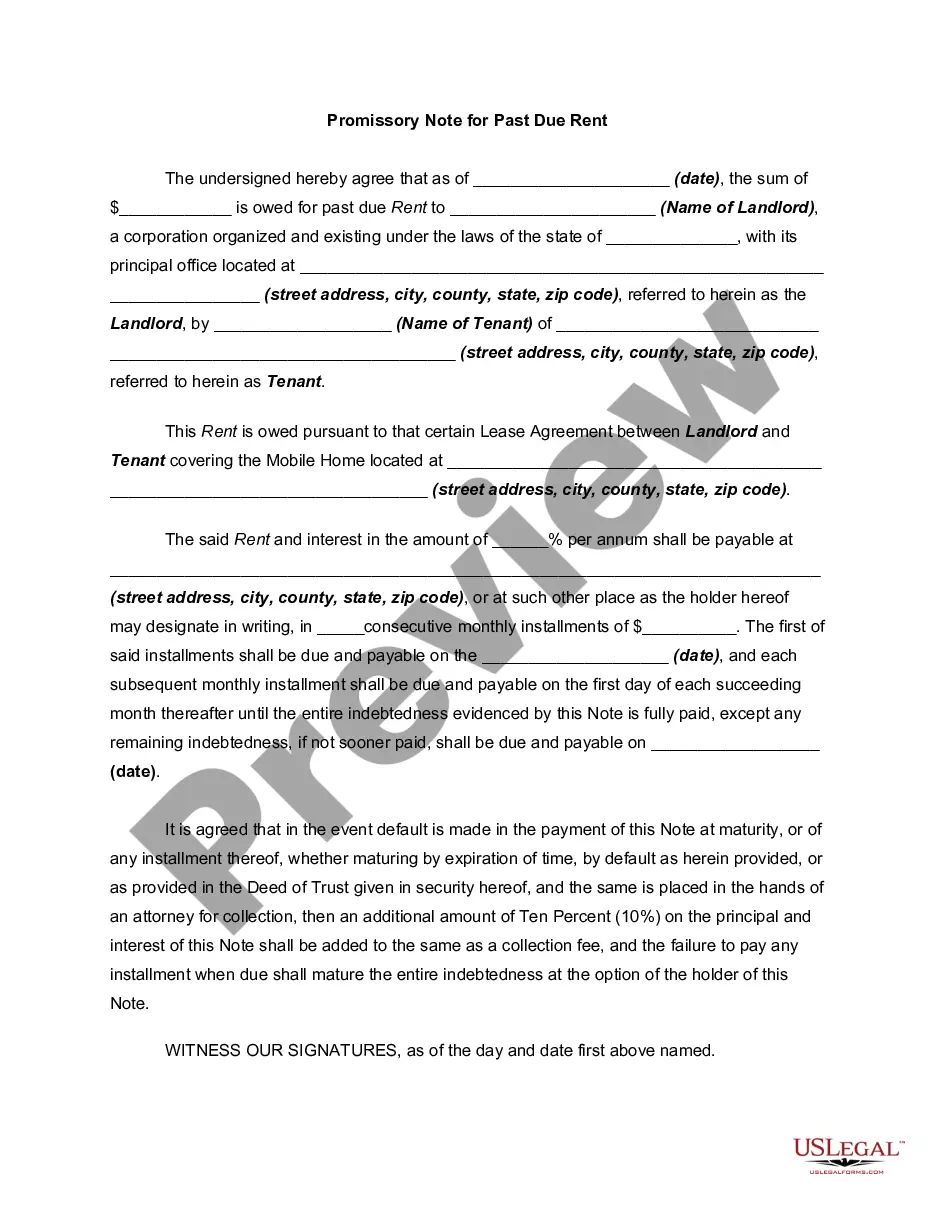


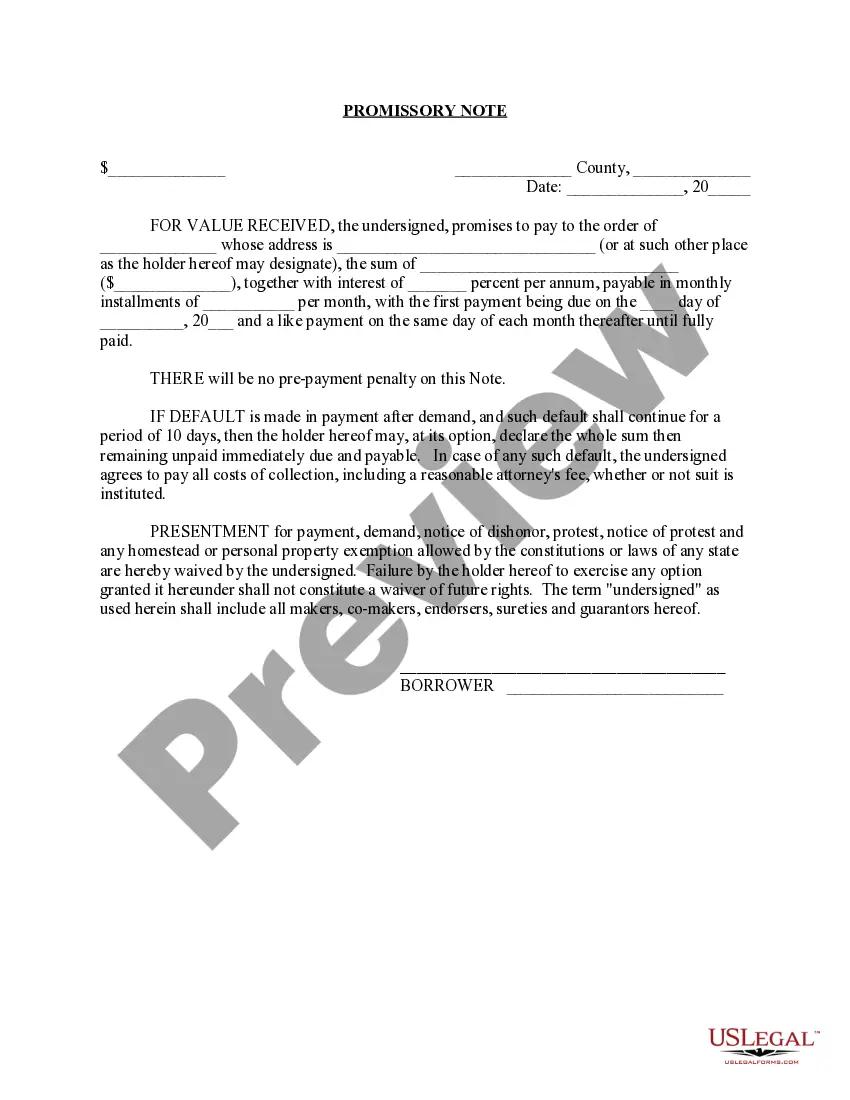
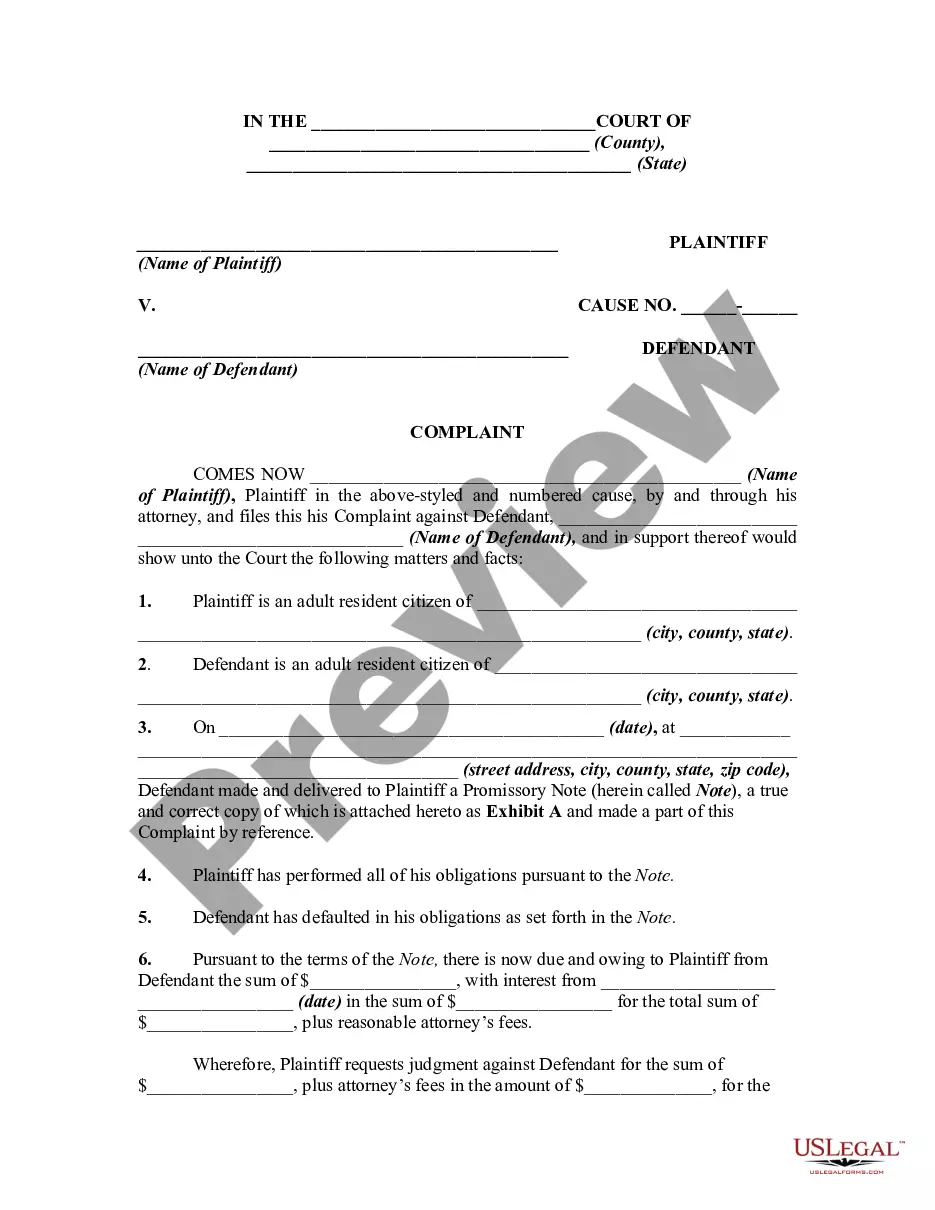

How to fill out Promissory Note For Past Due Rent?
Engaging with legal paperwork and processes can be a tedious addition to your entire day.
Rent Past Due Withholding and similar documents frequently necessitate that you search for them and comprehend how to fill them out correctly.
As a result, if you are managing financial, legal, or personal issues, having a comprehensive and practical online directory of forms readily available will be very beneficial.
US Legal Forms is the premier online resource for legal templates, offering more than 85,000 state-specific forms along with a variety of resources to assist you in completing your documents swiftly.
Simply Log In to your account, find Rent Past Due Withholding, and download it immediately from the My documents section. You can also access forms you have previously saved.
- Browse the collection of pertinent documents available with just a single click.
- US Legal Forms supplies you with state- and county-specific forms accessible at any time for download.
- Protect your document management processes with a superior service that enables you to compile any form within minutes without any additional or concealed fees.
Form popularity
FAQ
A rent to own is still a lease agreement with a landlord/tenant relationship, while contract for deed allows you to purchase the property and enjoy all the benefits of home ownership. In fact, contract for deed is the only alternative home financing option available to buyers who still want to own their home.
In order to cancel a contract for deed, a seller needs to complete a form called a notice of cancellation of contract for deed, and have the notice personally served on the buyer.
A Minnesota Quitclaim Deed does not provide any of the statutory covenants of title which are provided by a Minnesota Warranty Deed. In addition, the interest conveyed by the grantor in a Minnesota Quitclaim Deed: is limited to that which the grantor held at the time of execution of the deed, and.
Filing required. All contracts for deed executed on or after January 1, 1984, shall be recorded by the vendee within four months in the office of the county recorder or registrar of titles in the county in which the land is located. Any other person may record the contract.
Under a contract for deed, the grantor retains the legal title to the real property until the purchase price is paid in full and the other terms of the contract are completed. Before a contract is paid off, the grantor (vendor) may choose to assign its contract rights to a third party.
Legal descriptions appear in deeds, mortgages, and other documents that affect the property. Most legal descriptions include the name of the county in which the property is located. Each legal description identifies one and only one piece of property in the county in which it is used.
Each Minnesota county has a county recorder's office that maintains the county's land records. Deeds and other documents that require recording are filed with the county recorder for the county where the property is located. Some counties call the office the recorder of titles.
(6) Within four months of signing the contract for deed, you must "record" it in the office of the county recorder or registrar of titles in the county in which the property is located.