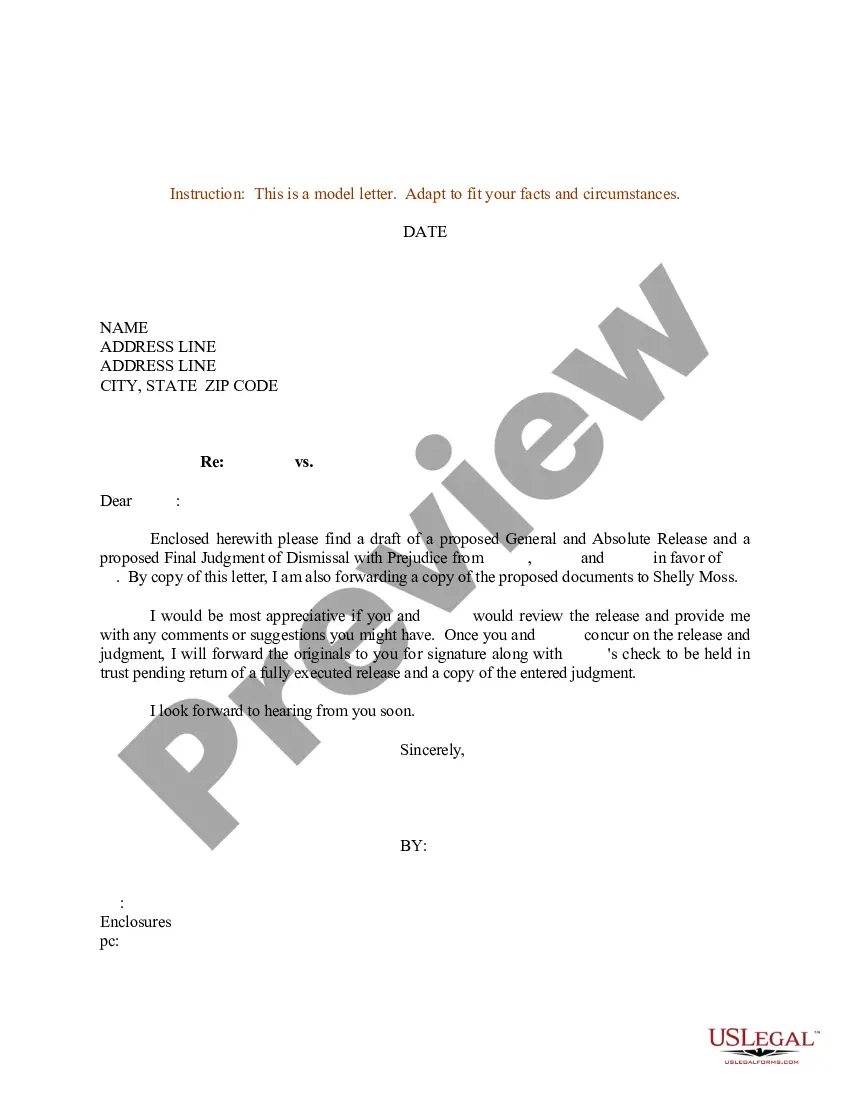
Summary Judgment Dismissal With Prejudice
Description
Get your form ready online
Our built-in tools help you complete, sign, share, and store your documents in one place.
Make edits, fill in missing information, and update formatting in US Legal Forms—just like you would in MS Word.
Download a copy, print it, send it by email, or mail it via USPS—whatever works best for your next step.
Sign and collect signatures with our SignNow integration. Send to multiple recipients, set reminders, and more. Go Premium to unlock E-Sign.
If this form requires notarization, complete it online through a secure video call—no need to meet a notary in person or wait for an appointment.
We protect your documents and personal data by following strict security and privacy standards.
Make edits, fill in missing information, and update formatting in US Legal Forms—just like you would in MS Word.
Download a copy, print it, send it by email, or mail it via USPS—whatever works best for your next step.
Sign and collect signatures with our SignNow integration. Send to multiple recipients, set reminders, and more. Go Premium to unlock E-Sign.

If this form requires notarization, complete it online through a secure video call—no need to meet a notary in person or wait for an appointment.
We protect your documents and personal data by following strict security and privacy standards.
Looking for another form?
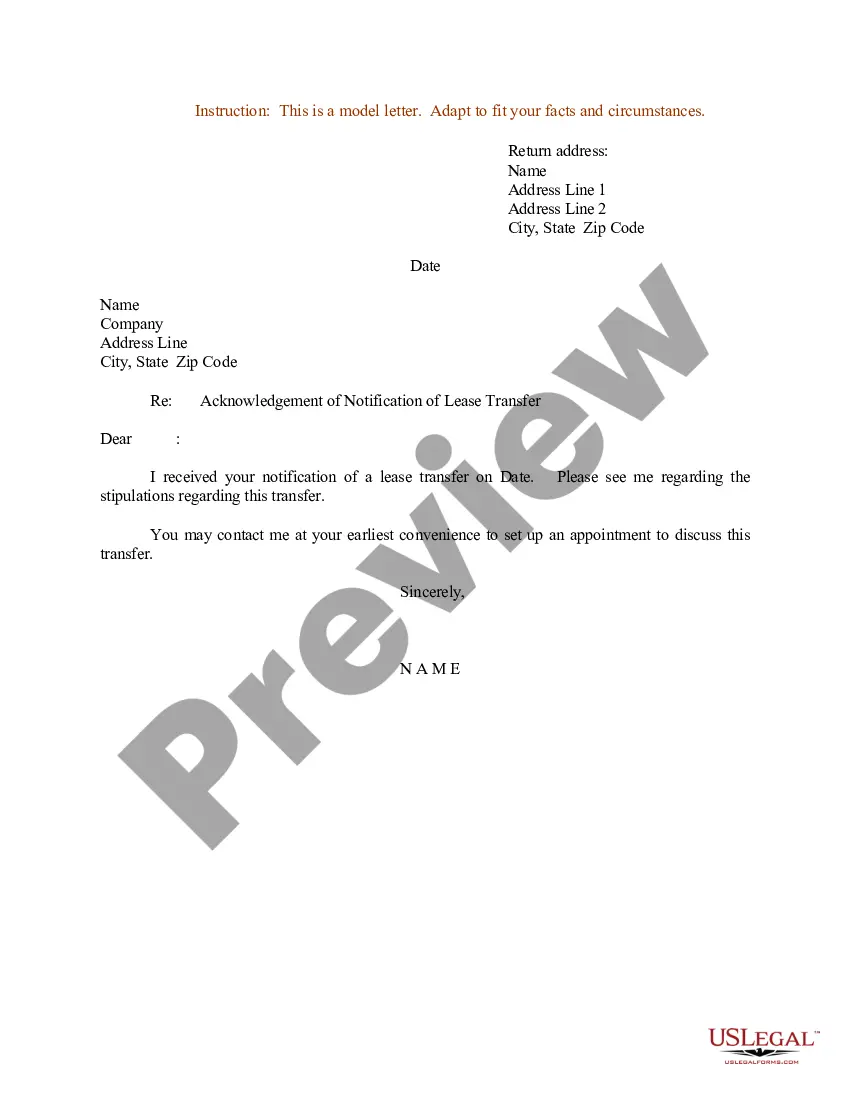

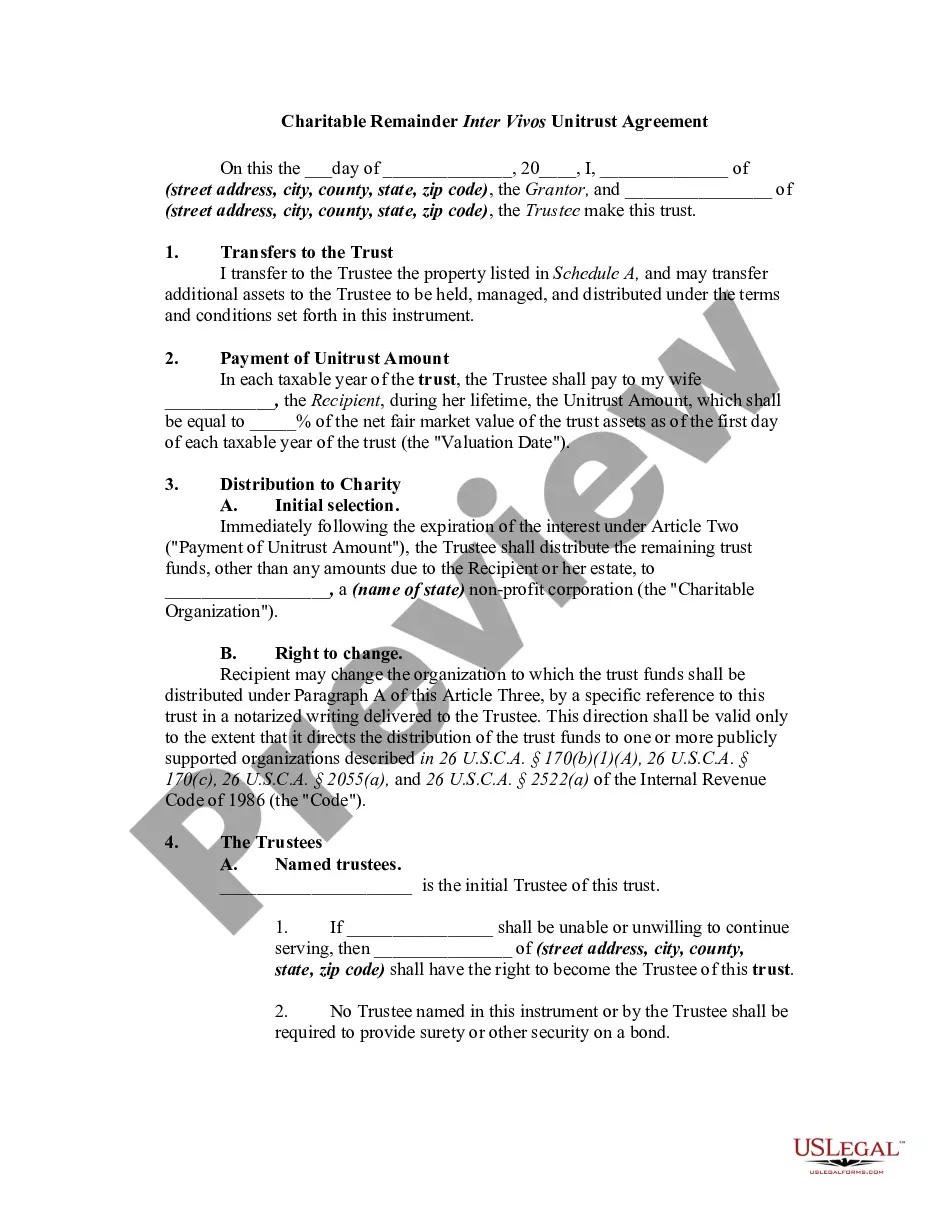

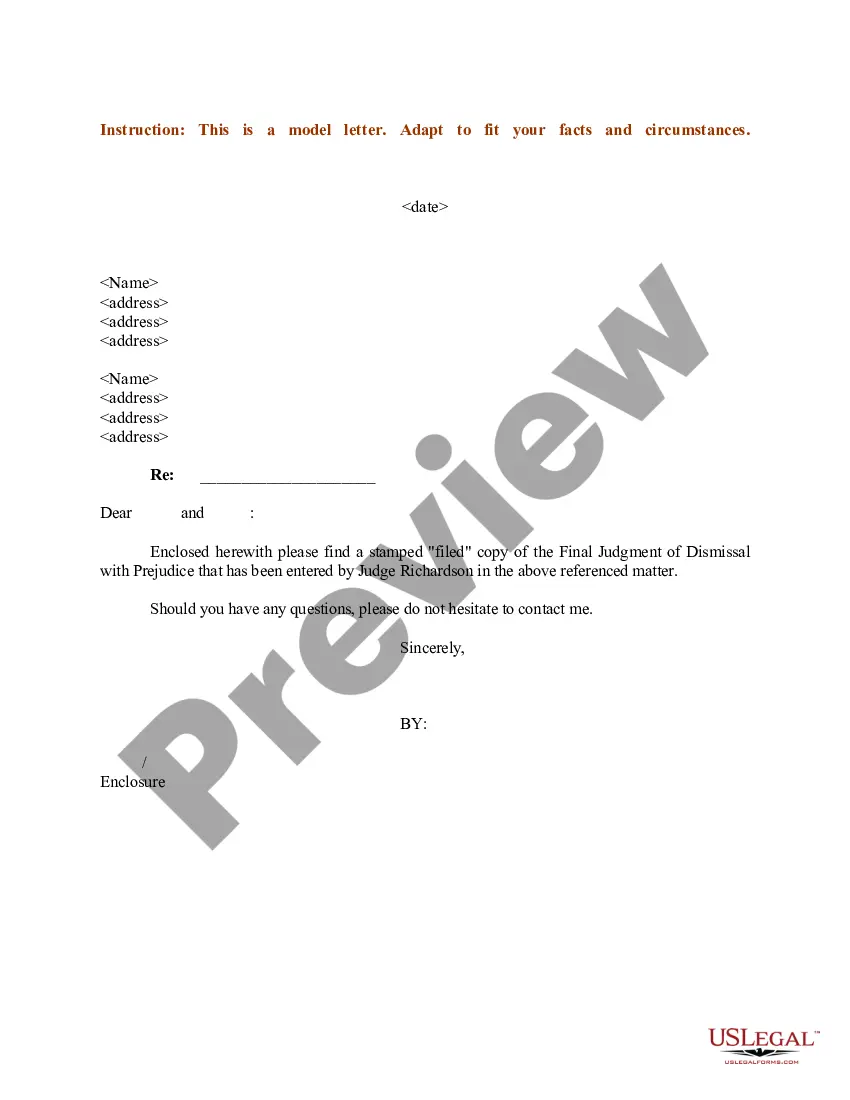
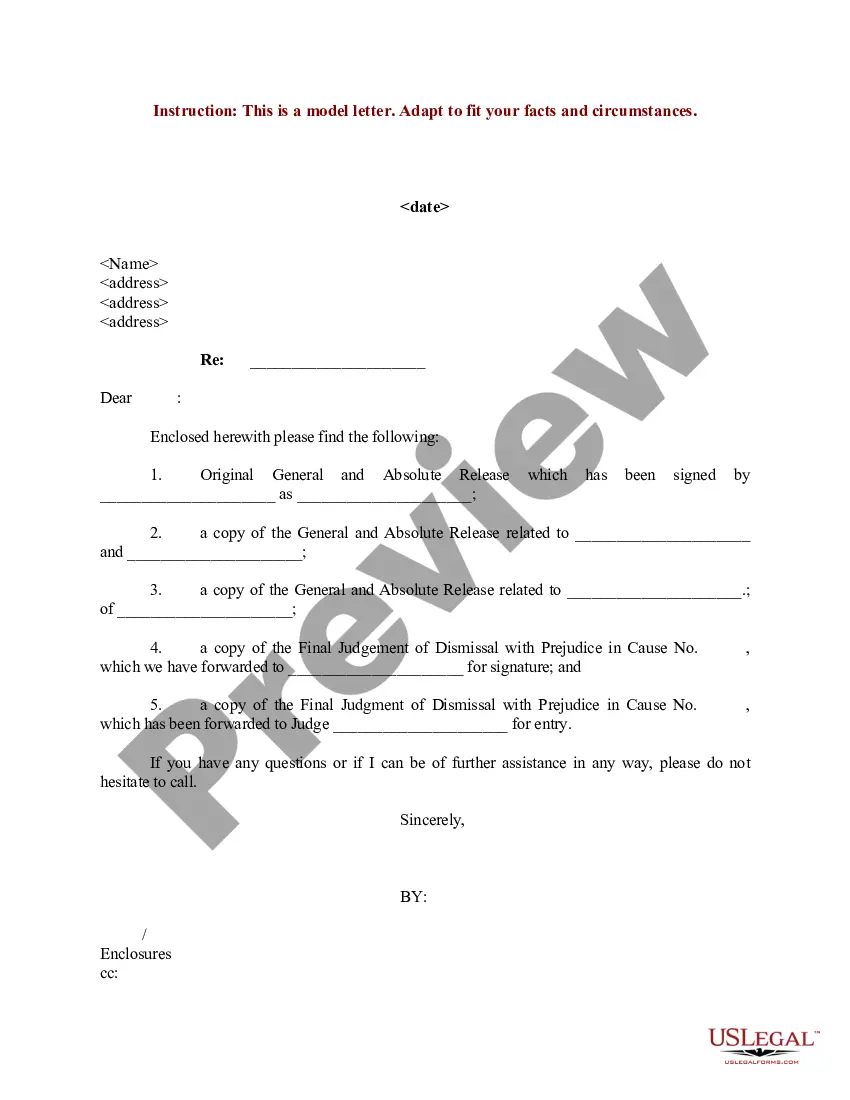
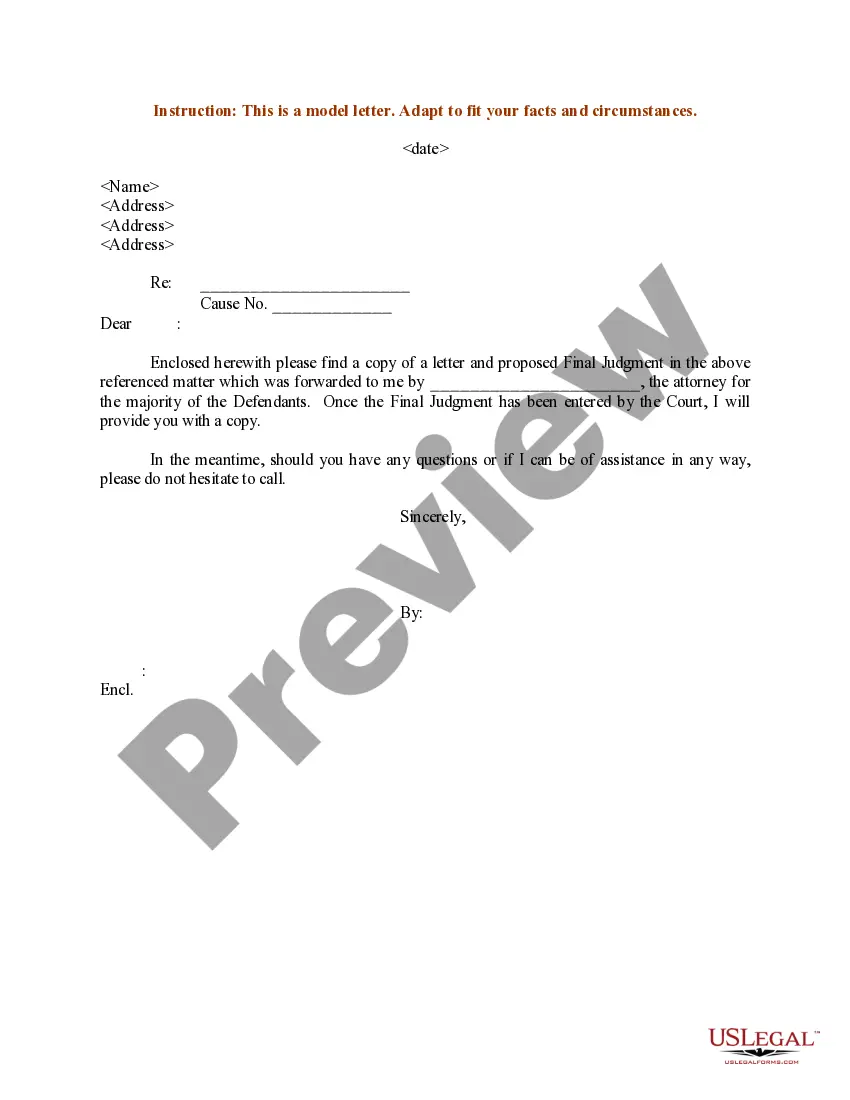
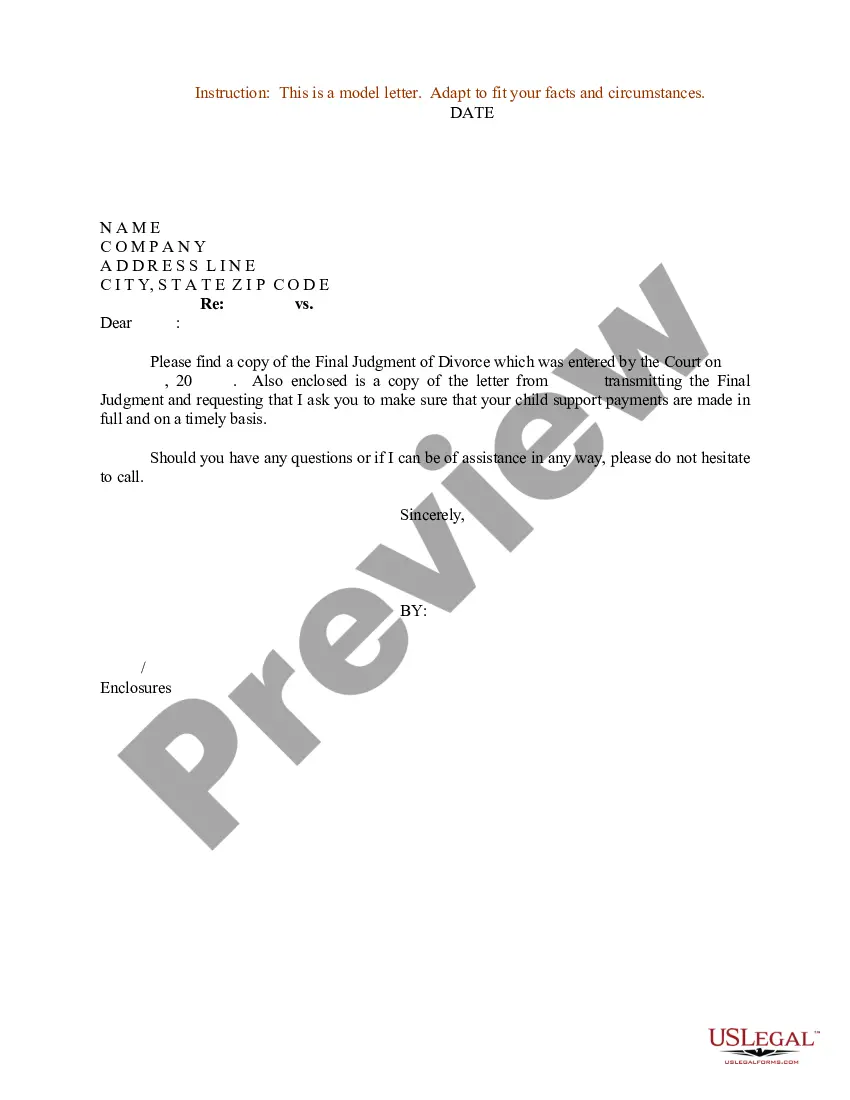
How to fill out Sample Letter For Final Judgment Of Dismissal With Prejudice?
The Summary Judgment Dismissal With Prejudice presented on this page is a versatile legal template crafted by experienced attorneys in accordance with federal and state legislation and guidelines.
For over 25 years, US Legal Forms has supplied individuals, organizations, and lawyers with more than 85,000 confirmed, state-specific documents for any business and personal need. It’s the fastest, simplest, and most reliable method to acquire the paperwork you require, as the service ensures the utmost level of data protection and anti-virus security.
Select the format you desire for your Summary Judgment Dismissal With Prejudice (PDF, Word, RTF) and download the document onto your device.
- Search for the document you require and verify it.
- Browse the sample you searched and view it or examine the form description to confirm it meets your requirements. If it doesn’t, use the search tool to find the right one. Click Buy Now when you’ve found the template you need.
- Register and Log In.
- Choose the payment plan that fits you and create an account. Use PayPal or a credit card for a quick payment. If you already possess an account, Log In and check your subscription to proceed.
- Obtain the fillable template.
Form popularity
FAQ
Stated differently, to successfully defend against summary judgment the non-moving party (you) should seek to demonstrate that indeed there are material facts in dispute. Alternatively, the non-moving party (you) can argue that the undisputed facts support a judgment as a matter of law in your favor.
The chance of success in these cases is less than 10% [1]. Another study found that summary judgment is mostly granted in Title VII cases, for example, cases involving equal pay or employment discrimination [2]. When it comes to federal cases, summary judgments are filed in 17% of total cases.
For example, an arrest without probable cause, violation of the right to a speedy trial, or an illegal search can lead to a case being dismissed with prejudice. Other errors in a case also may lead a court to dismiss a case with prejudice.
For example, if someone was subject to an illegal search or arrested without probable cause, that could be considered a violation of the defendant's constitutional rights. Another situation that can lead to dismissal with prejudice is if the person charged with the crime successfully completes a diversion program.
In order to survive a Rule 12(b)(6) motion, a plaintiff must provide the grounds of his entitlement to relief. This requires more than labels and conclusions, and a formulaic recitation of the elements of a cause of action will not do.