Custodial Parent Under For Transportation
Description
Get your form ready online
Our built-in tools help you complete, sign, share, and store your documents in one place.
Make edits, fill in missing information, and update formatting in US Legal Forms—just like you would in MS Word.
Download a copy, print it, send it by email, or mail it via USPS—whatever works best for your next step.
Sign and collect signatures with our SignNow integration. Send to multiple recipients, set reminders, and more. Go Premium to unlock E-Sign.
If this form requires notarization, complete it online through a secure video call—no need to meet a notary in person or wait for an appointment.
We protect your documents and personal data by following strict security and privacy standards.

Make edits, fill in missing information, and update formatting in US Legal Forms—just like you would in MS Word.

Download a copy, print it, send it by email, or mail it via USPS—whatever works best for your next step.

Sign and collect signatures with our SignNow integration. Send to multiple recipients, set reminders, and more. Go Premium to unlock E-Sign.

If this form requires notarization, complete it online through a secure video call—no need to meet a notary in person or wait for an appointment.

We protect your documents and personal data by following strict security and privacy standards.
Looking for another form?



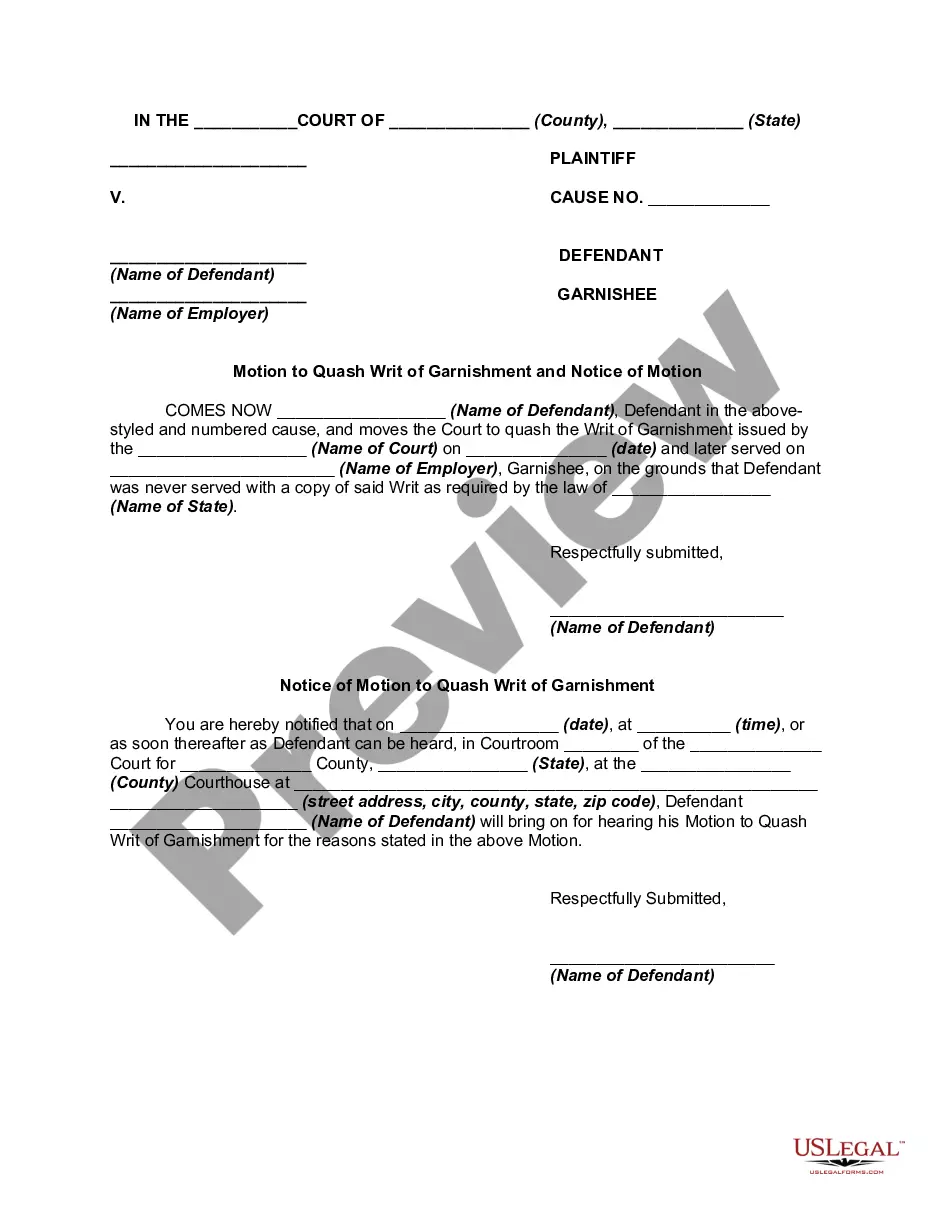




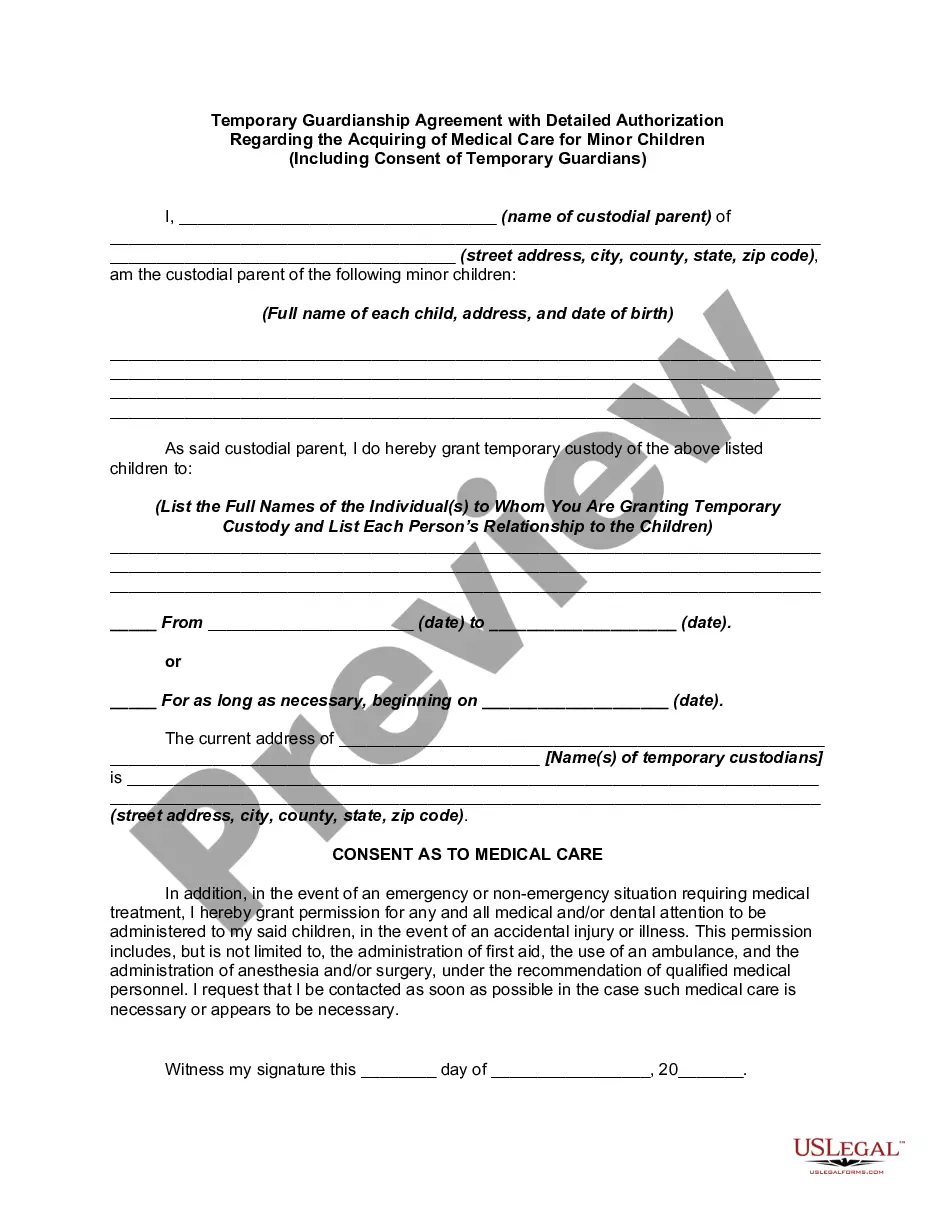
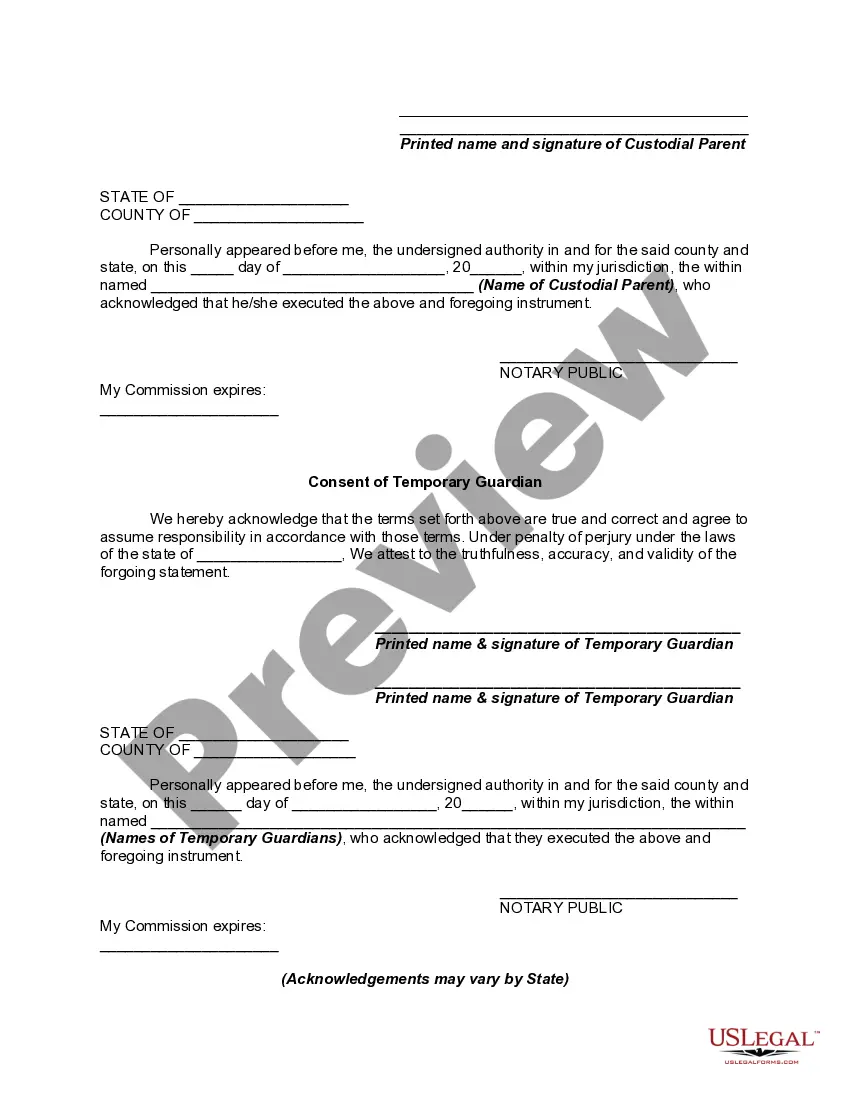
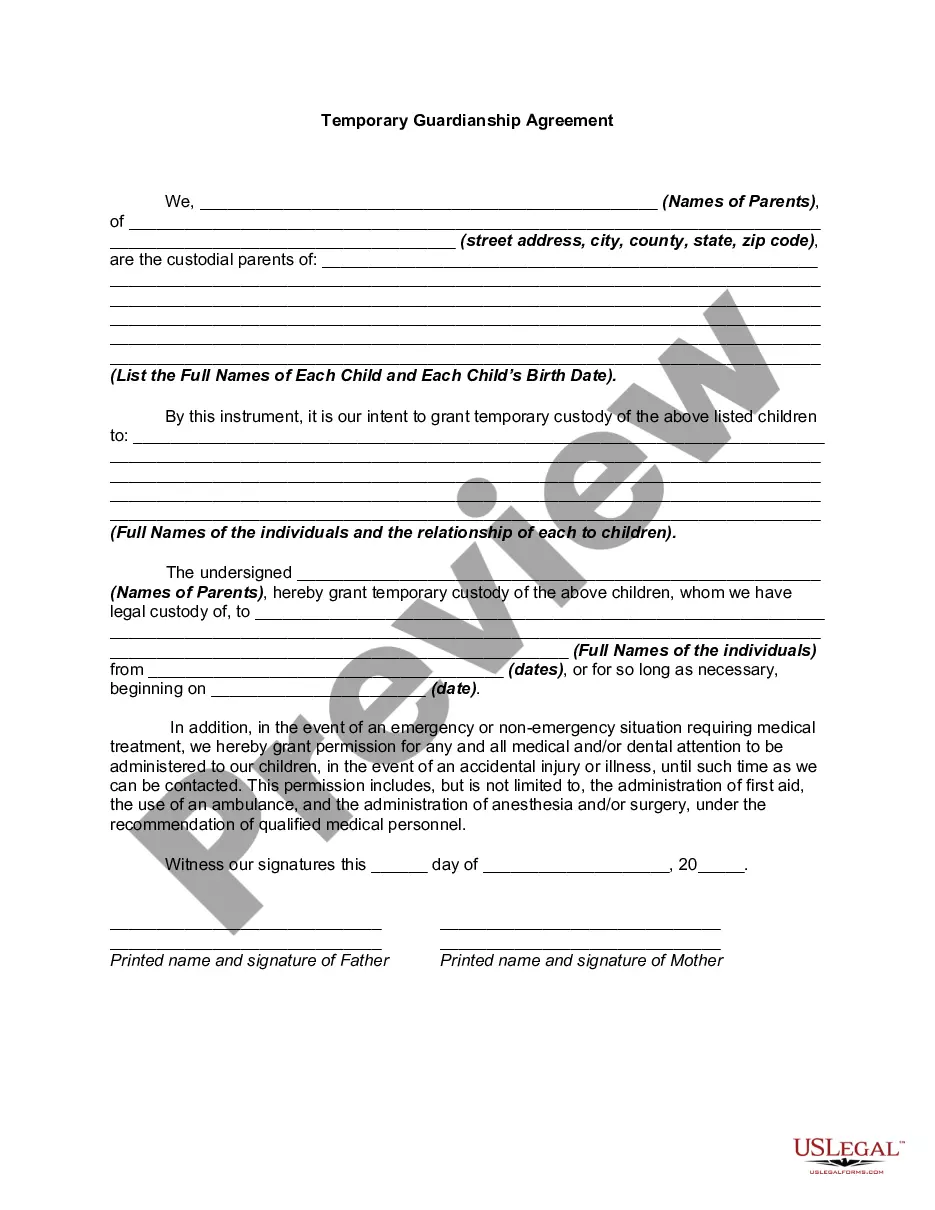
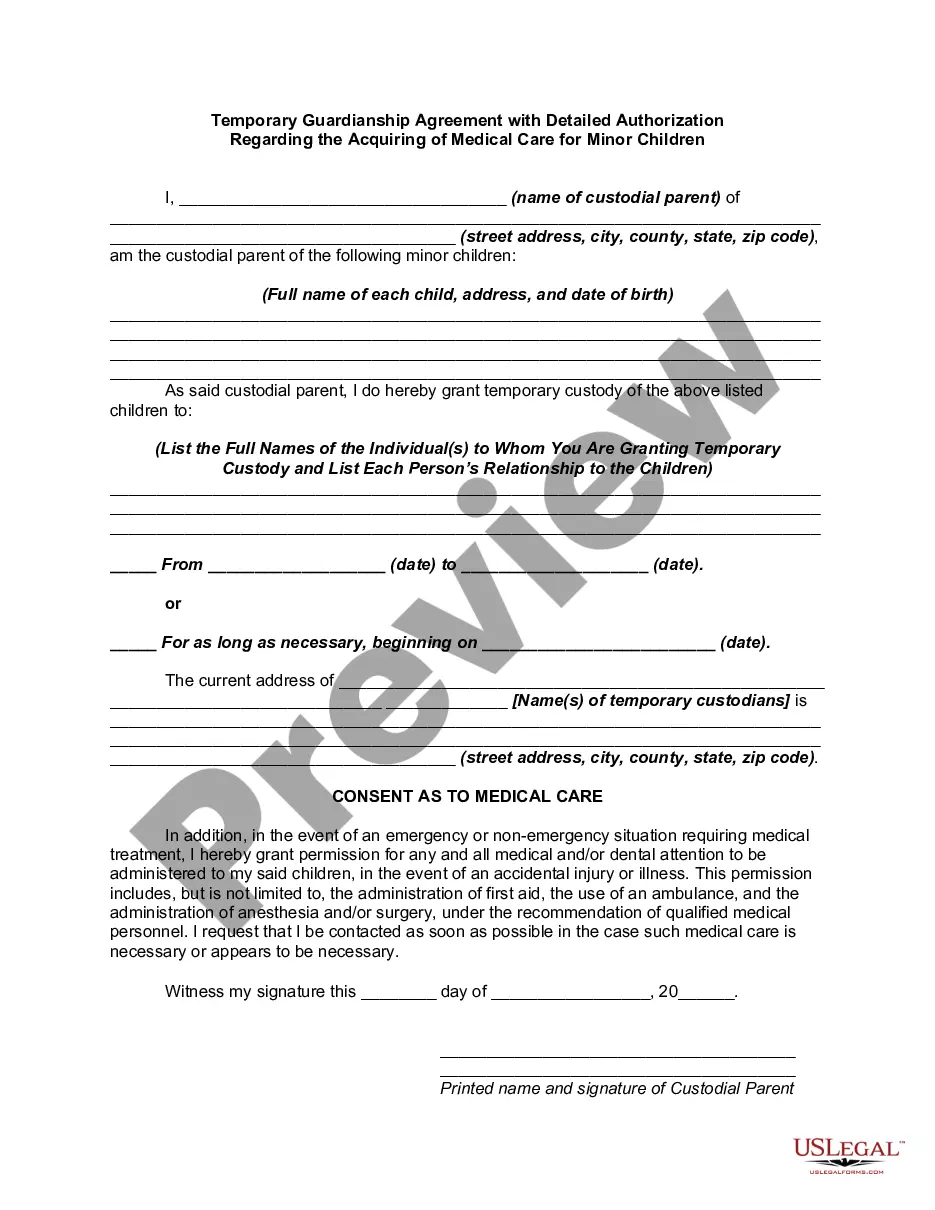
How to fill out Temporary Guardianship Agreement With Detailed Authorization Regarding The Acquiring Of Medical Care For Minor Children - Including Consent Of Temporary Guardians?
It’s clear that you can’t transform into a legal expert instantly, nor can you learn how to swiftly create Custodial Parent Under For Transportation without possessing a specific expertise.
Assembling legal documents is a lengthy endeavor necessitating specialized education and abilities. So why not entrust the preparation of the Custodial Parent Under For Transportation to the experts.
With US Legal Forms, which boasts one of the largest legal document collections, you can find everything from court papers to templates for internal communication.
You can access your documents again from the My documents section at any time. If you’re already a client, simply Log In, and find and download the template from the same section.
Regardless of the aim of your paperwork—whether financial, legal, or personal—our website has you covered. Experience US Legal Forms today!
- Identify the document you need using the search bar at the top of the page.
- View it (if this option is available) and review the accompanying description to ascertain whether Custodial Parent Under For Transportation meets your requirements.
- If you require a different template, restart your search.
- Create a free account and select a subscription plan to acquire the form.
- Click Buy now. Once the payment is completed, you can download the Custodial Parent Under For Transportation, complete it, print it, and send or mail it to the necessary parties or organizations.
Form popularity
FAQ
The court may resolve the motion in one of the following ways: Fines and attorney's fees paid by the parent in violation of the order. If the non-custodial parent missed visitation through no fault of their own, they might be awarded additional visitations to make up for the missed time.
Unless otherwise agreed or ordered by the court, the parent who is exer- cising parenting time should be responsible for all transportation. Trans- portation can be provided by the parent or by a member of the parent's immediate family.
In Georgia, the noncustodial parent is typically responsible for paying for visitation and scheduled parenting time-related travel. If either parent moves a significant distance away from the other with the court's permission, the noncustodial parent is usually still responsible for the expense.
Within the responsible fatherhood arena, fathers who are not living with their children are often referred to as non-residential or non-custodial fathers. Non-custodial fathers are fathers who do not have legal or physical custody of children, even if they live with them.
When a relationship breaks down and parents do not live together, the child will usually live with either the mother or the father. The parent who has the child live with them most of the time is called the resident parent and the other parent is called the non-resident parent.