Website Terms Privacy Without
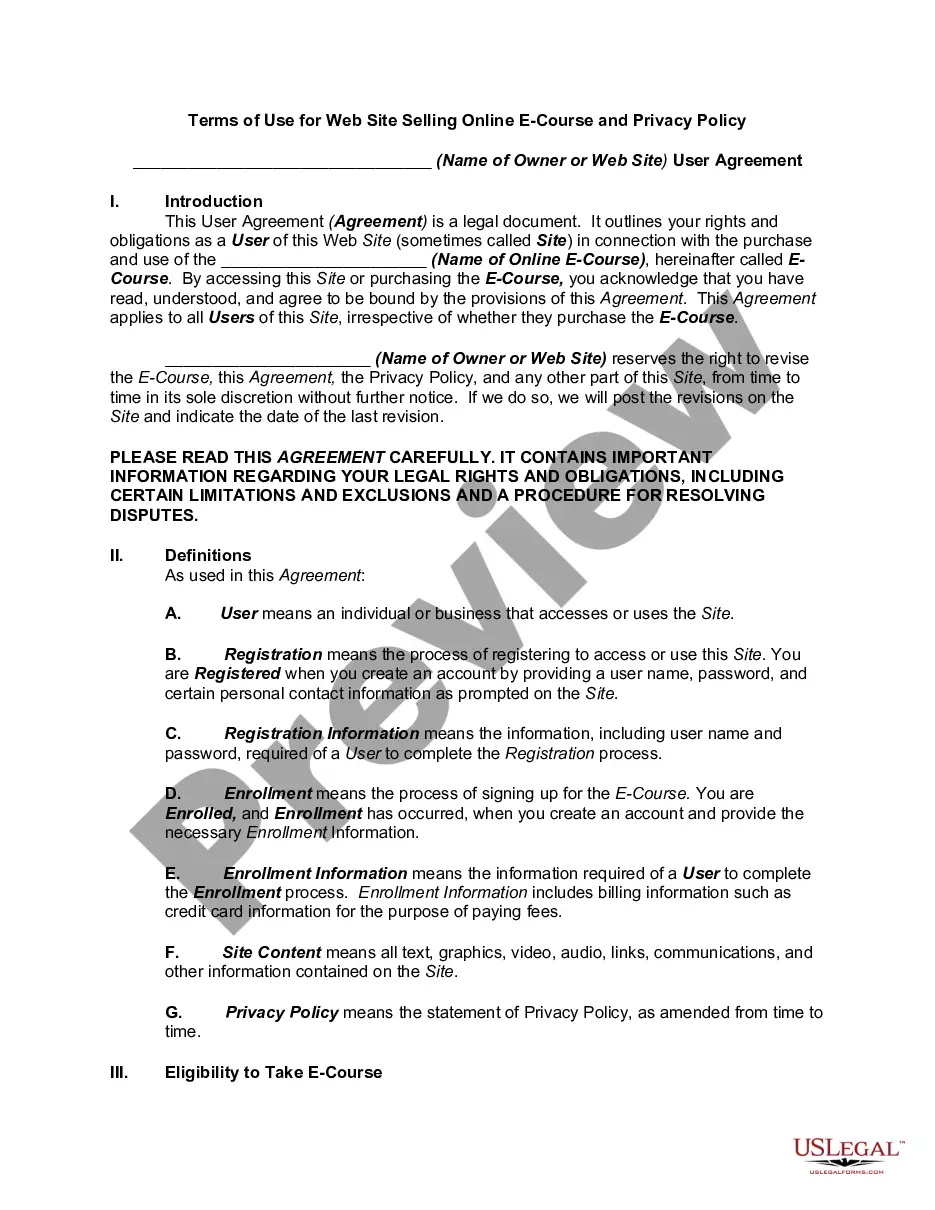
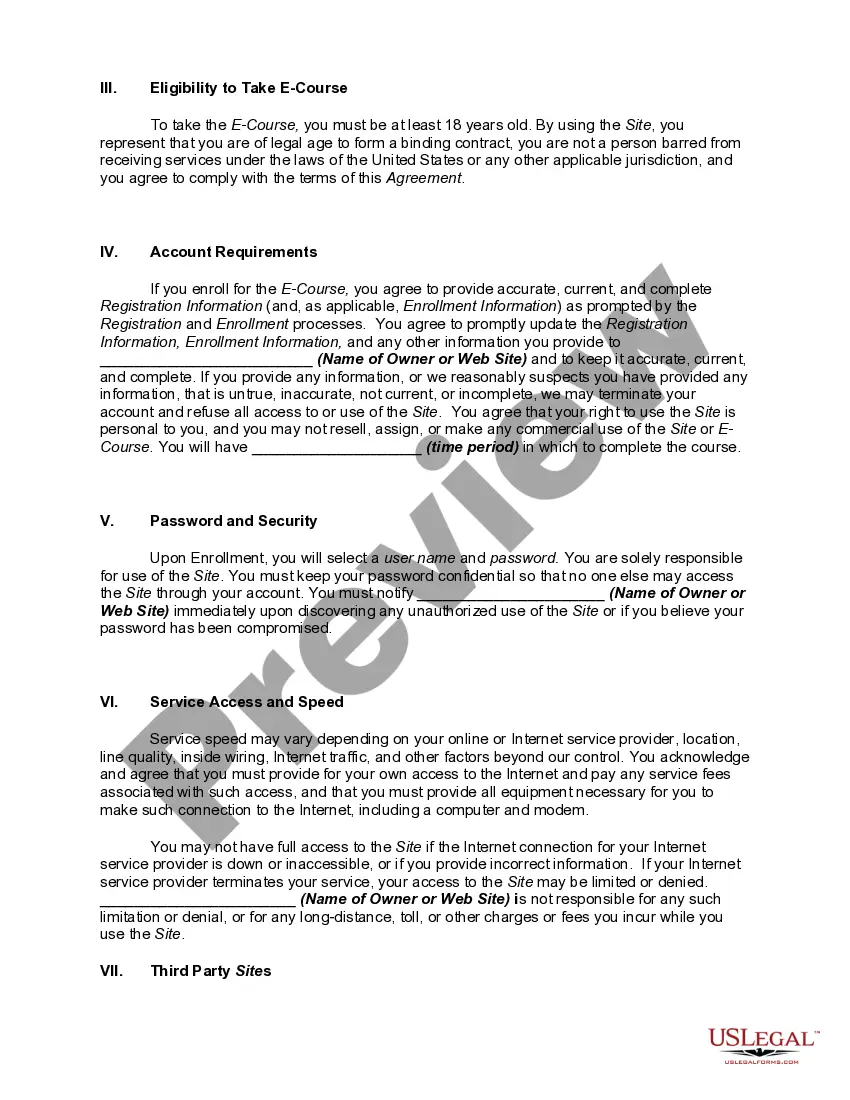
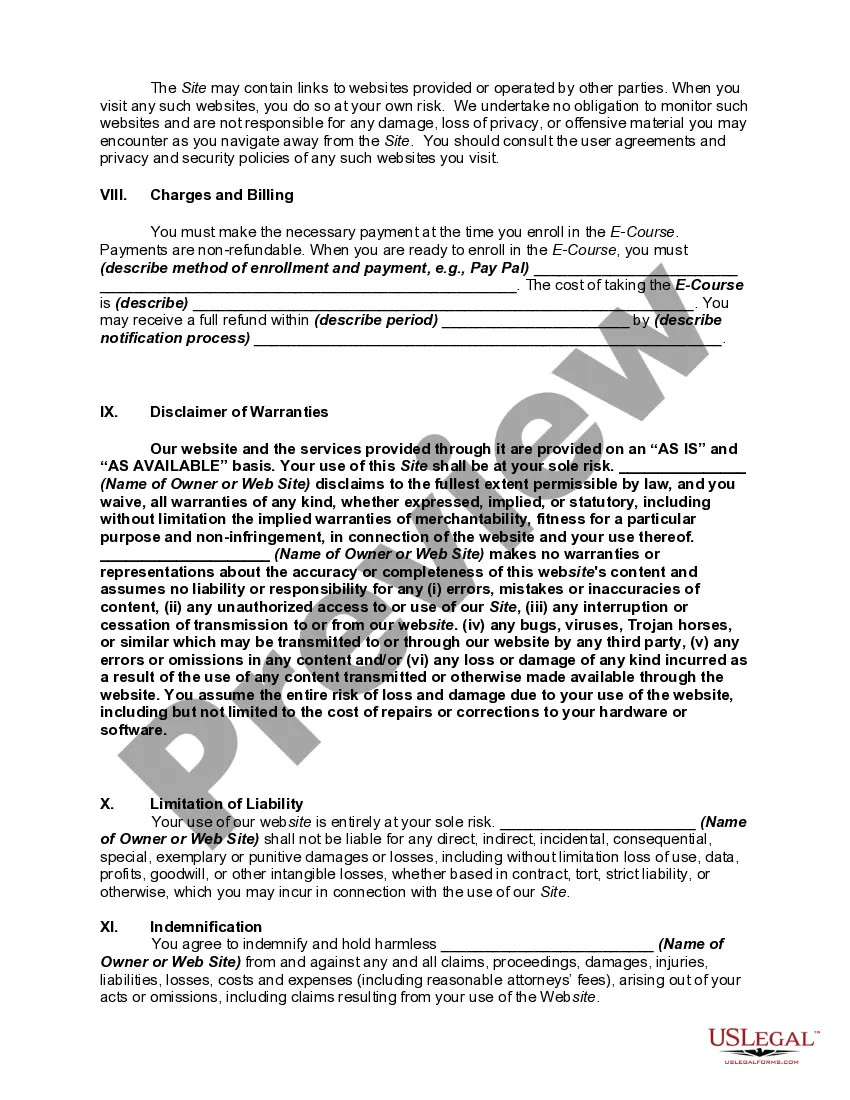
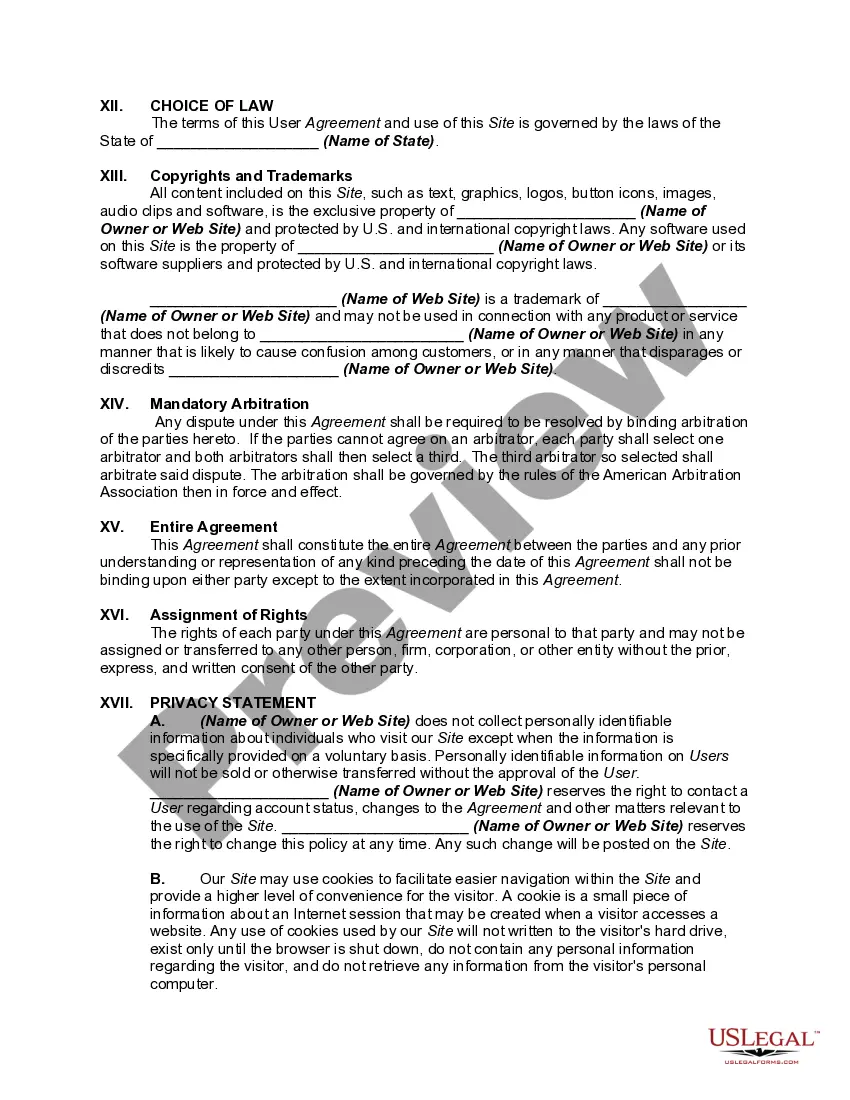
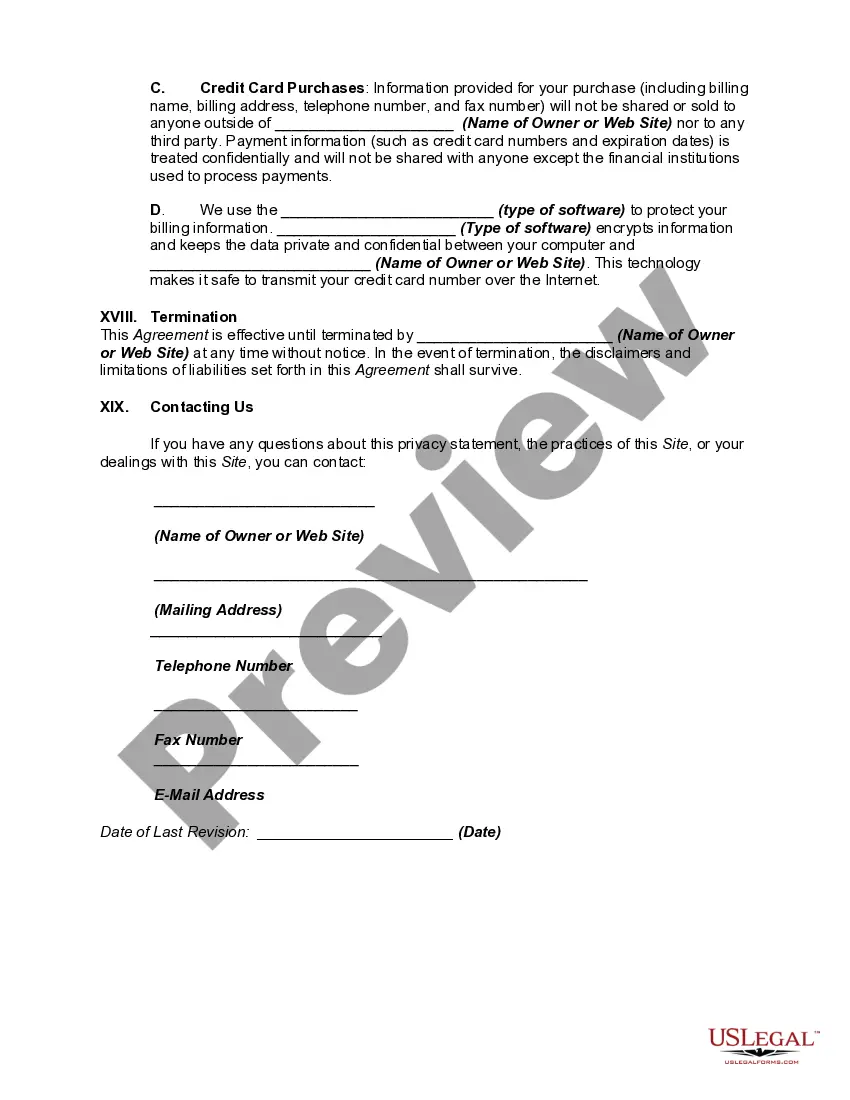
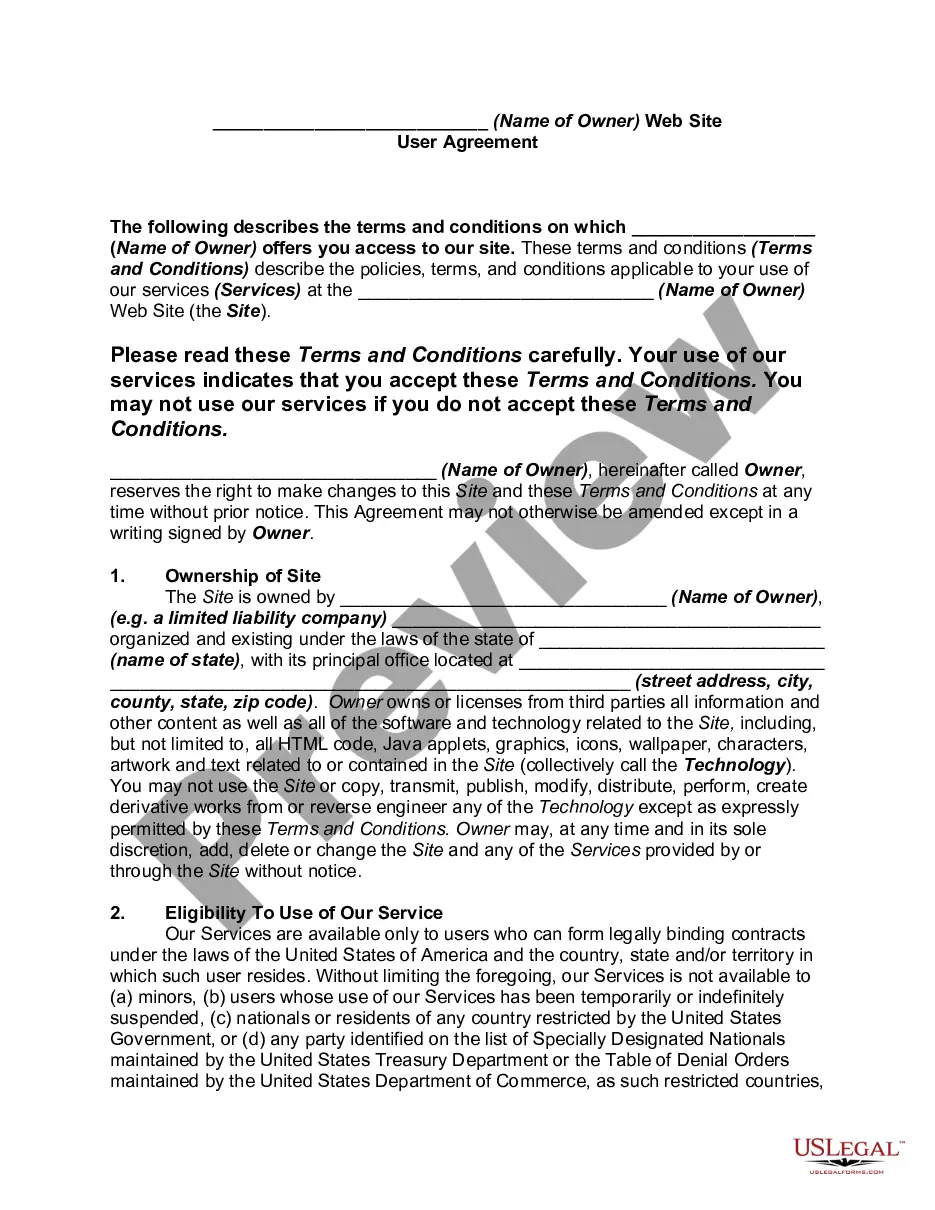
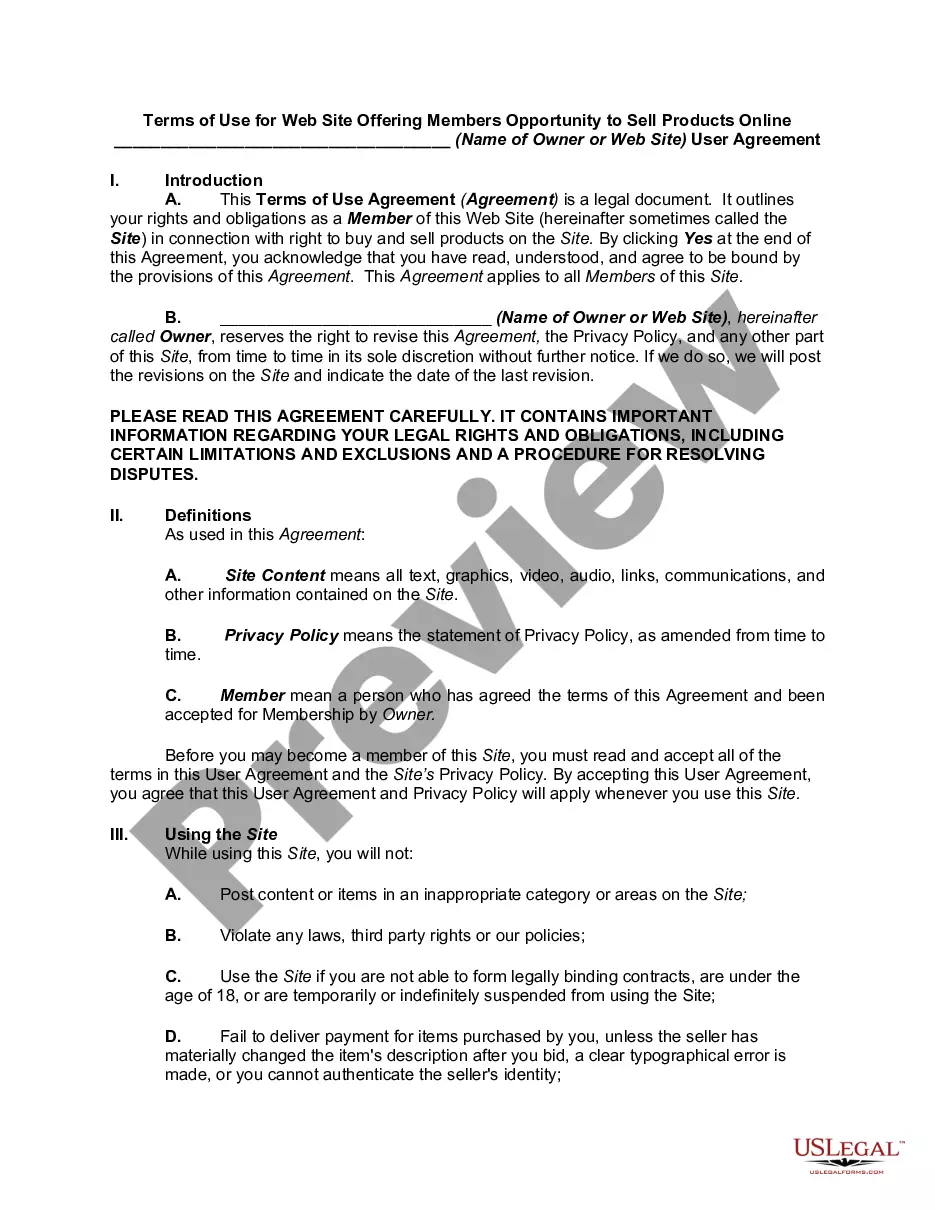
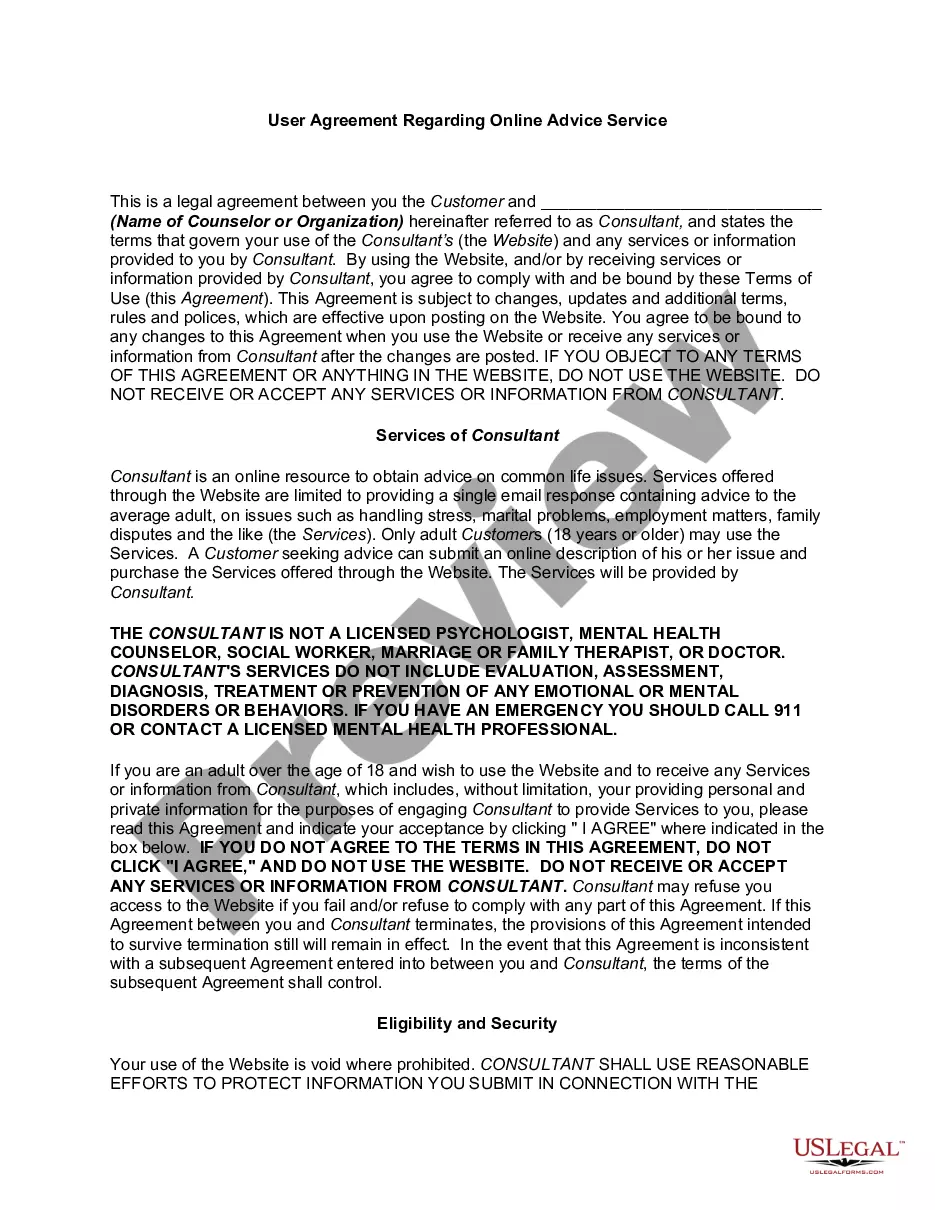
Description
Get your form ready online
Our built-in tools help you complete, sign, share, and store your documents in one place.
Make edits, fill in missing information, and update formatting in US Legal Forms—just like you would in MS Word.
Download a copy, print it, send it by email, or mail it via USPS—whatever works best for your next step.
Sign and collect signatures with our SignNow integration. Send to multiple recipients, set reminders, and more. Go Premium to unlock E-Sign.
If this form requires notarization, complete it online through a secure video call—no need to meet a notary in person or wait for an appointment.
We protect your documents and personal data by following strict security and privacy standards.

Make edits, fill in missing information, and update formatting in US Legal Forms—just like you would in MS Word.

Download a copy, print it, send it by email, or mail it via USPS—whatever works best for your next step.

Sign and collect signatures with our SignNow integration. Send to multiple recipients, set reminders, and more. Go Premium to unlock E-Sign.

If this form requires notarization, complete it online through a secure video call—no need to meet a notary in person or wait for an appointment.

We protect your documents and personal data by following strict security and privacy standards.
Looking for another form?







How to fill out Website Subscription User Agreement - Terms Of Use For Website Selling Online E-Course Privacy Policy?
Creating legal documents from the ground up can frequently be intimidating.
Certain situations may require extensive research and significant financial resources.
If you’re looking for a simpler and more budget-friendly method of generating Website Terms Privacy Without or any other documents without unnecessary obstacles, US Legal Forms is always accessible to you.
Our digital repository of over 85,000 current legal forms encompasses nearly every facet of your financial, legal, and personal affairs.
However, before you proceed directly to downloading Website Terms Privacy Without, consider these suggestions: Review the form preview and descriptions to confirm that you are viewing the correct document. Ensure the selected form meets your state and county’s requirements. Choose the most appropriate subscription plan to obtain the Website Terms Privacy Without. Download the file, then fill it out, verify it, and print it. US Legal Forms has an impeccable reputation and over 25 years of industry experience. Join us today and make document handling seamless and straightforward!
- With just a few clicks, you can promptly access forms specific to your state and county that have been meticulously crafted by our legal experts.
- Utilize our website whenever you need reliable and trusted services to swiftly find and download the Website Terms Privacy Without.
- If you’re a returning user and have set up an account with us in the past, simply Log In to your account, choose the template, and download it, or retrieve it any time from the My documents section.
- No account? No worries. It only takes a few minutes to create one and browse the collection.
Form popularity
FAQ
If a consumer finds that you're breaching their data privacy rights by failing to have a privacy policy, they can file a lawsuit against you. This can be a long process, which can cost you a lot of time and money in legal fees even if you win.
Clauses of a Privacy Policy Use of Information. This section should explain to your users how and why you use the information that you collect from them. ... Third Party Disclosure. ... Information Protection. ... Cookies. ... Notification of Changes. ... Contact Information.
If a business does not have a Privacy Policy, it may be constantly asked to prove that it doesn't collect data. A business that doesn't require a Privacy Policy may require one in the future and it is far easier to update an existing policy than to draft a whole new one.
How to write a privacy policy? Include your business name and contact information. Mention what type of information you collect. Explain how and why you collect data. Describe how users can opt-out. Mention if user data is shared with third-parties. Specify how long you will retain user data.
You can clarify this kind of situation in your Privacy Policy by stating that while the tool you're developing doesn't collect any other personal information directly, it needs to store the email addresses of users for the purpose of identifying accounts when logging or process payments in your name (if it's a paid ...