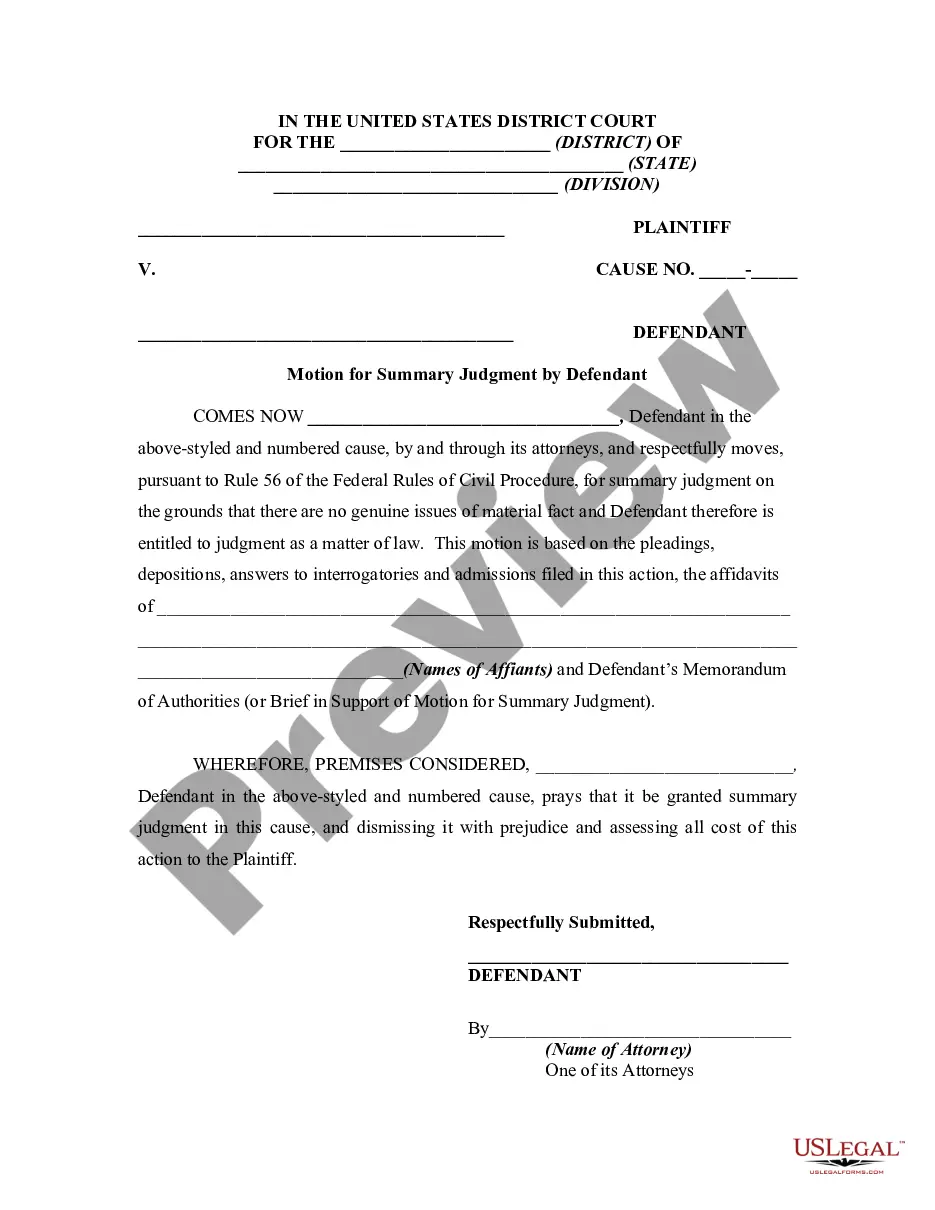
Summary Judgment For Defendant
Description
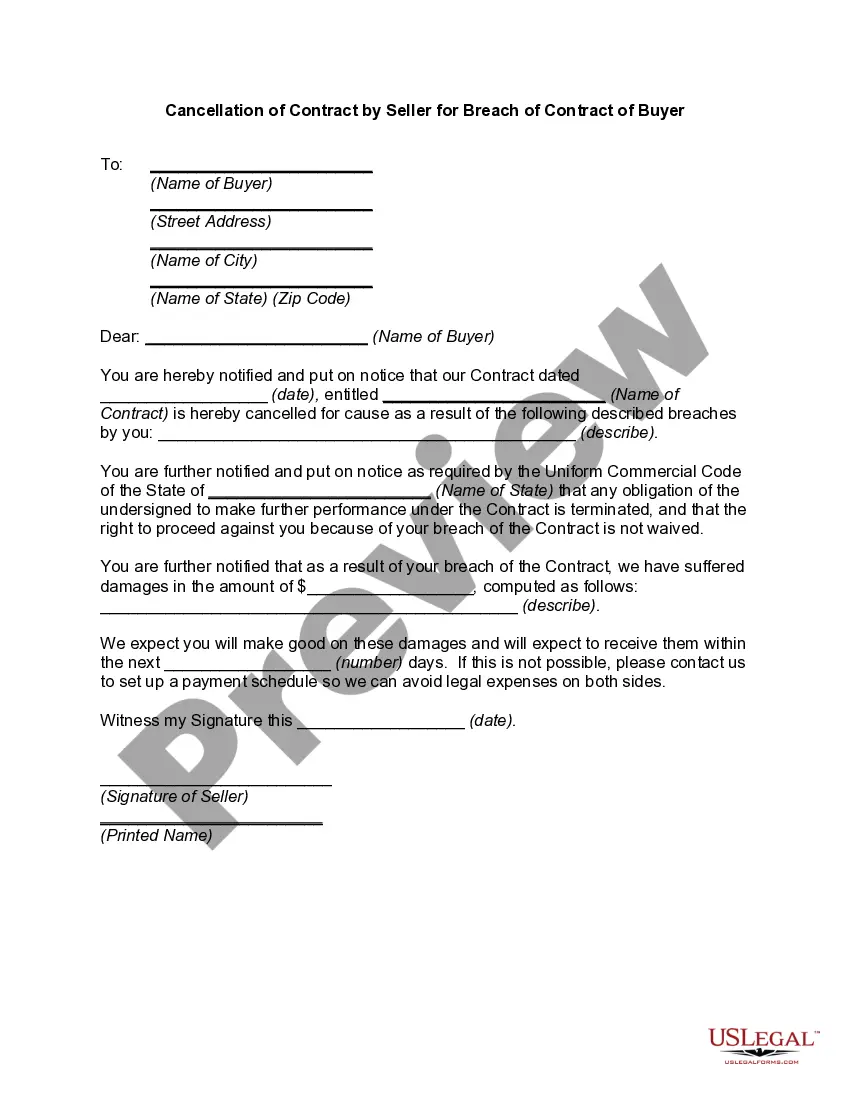
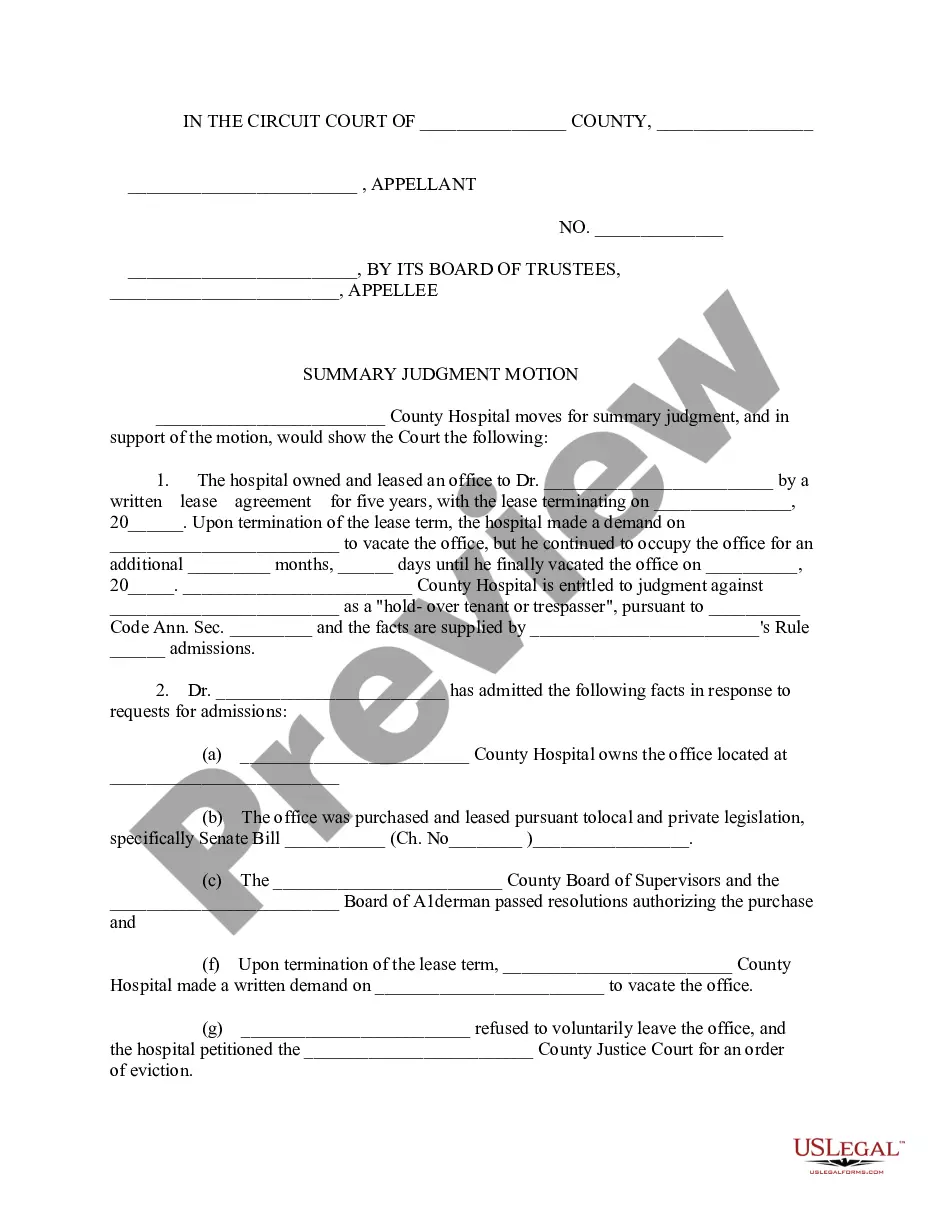
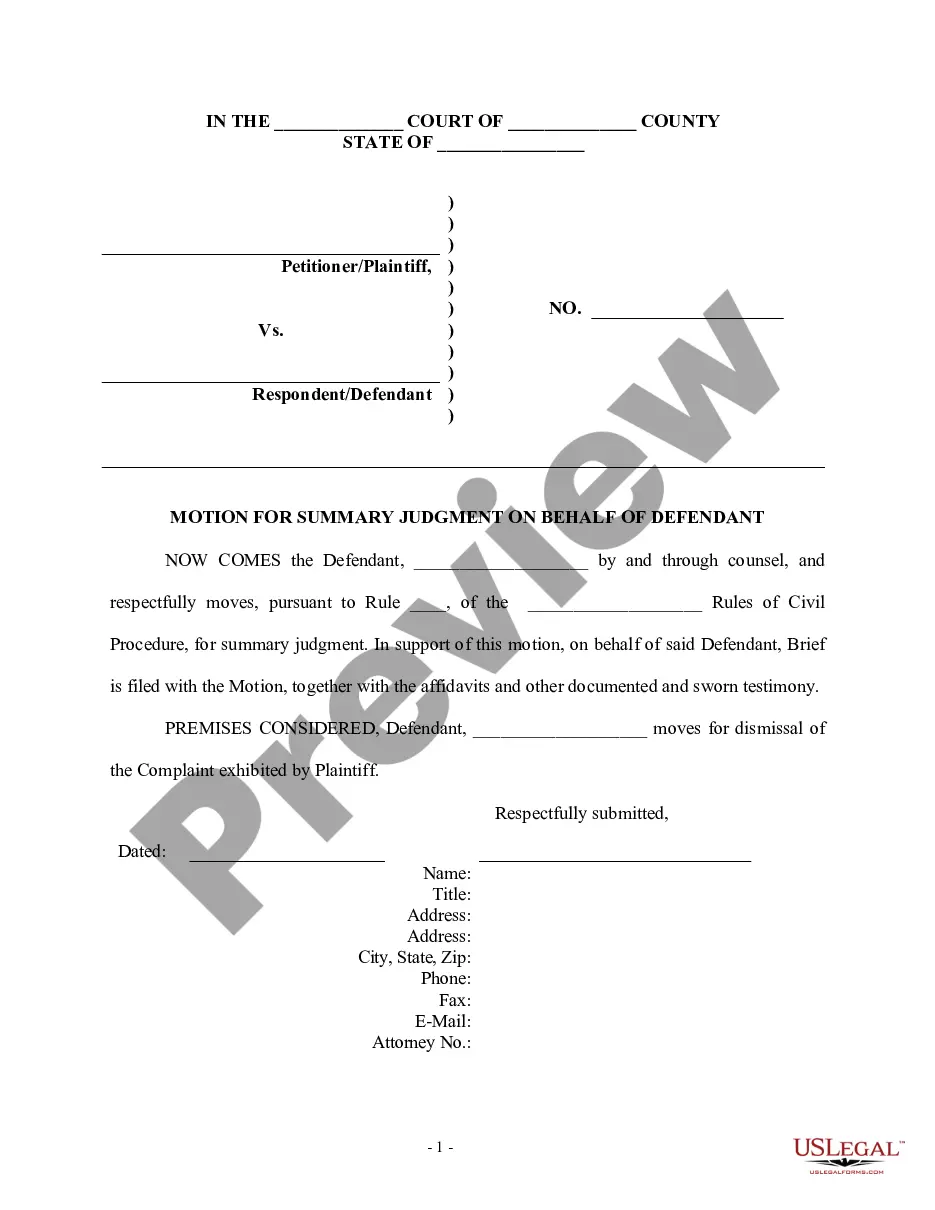
Get your form ready online
Our built-in tools help you complete, sign, share, and store your documents in one place.
Make edits, fill in missing information, and update formatting in US Legal Forms—just like you would in MS Word.
Download a copy, print it, send it by email, or mail it via USPS—whatever works best for your next step.
Sign and collect signatures with our SignNow integration. Send to multiple recipients, set reminders, and more. Go Premium to unlock E-Sign.
If this form requires notarization, complete it online through a secure video call—no need to meet a notary in person or wait for an appointment.
We protect your documents and personal data by following strict security and privacy standards.

Make edits, fill in missing information, and update formatting in US Legal Forms—just like you would in MS Word.

Download a copy, print it, send it by email, or mail it via USPS—whatever works best for your next step.

Sign and collect signatures with our SignNow integration. Send to multiple recipients, set reminders, and more. Go Premium to unlock E-Sign.

If this form requires notarization, complete it online through a secure video call—no need to meet a notary in person or wait for an appointment.

We protect your documents and personal data by following strict security and privacy standards.
Looking for another form?
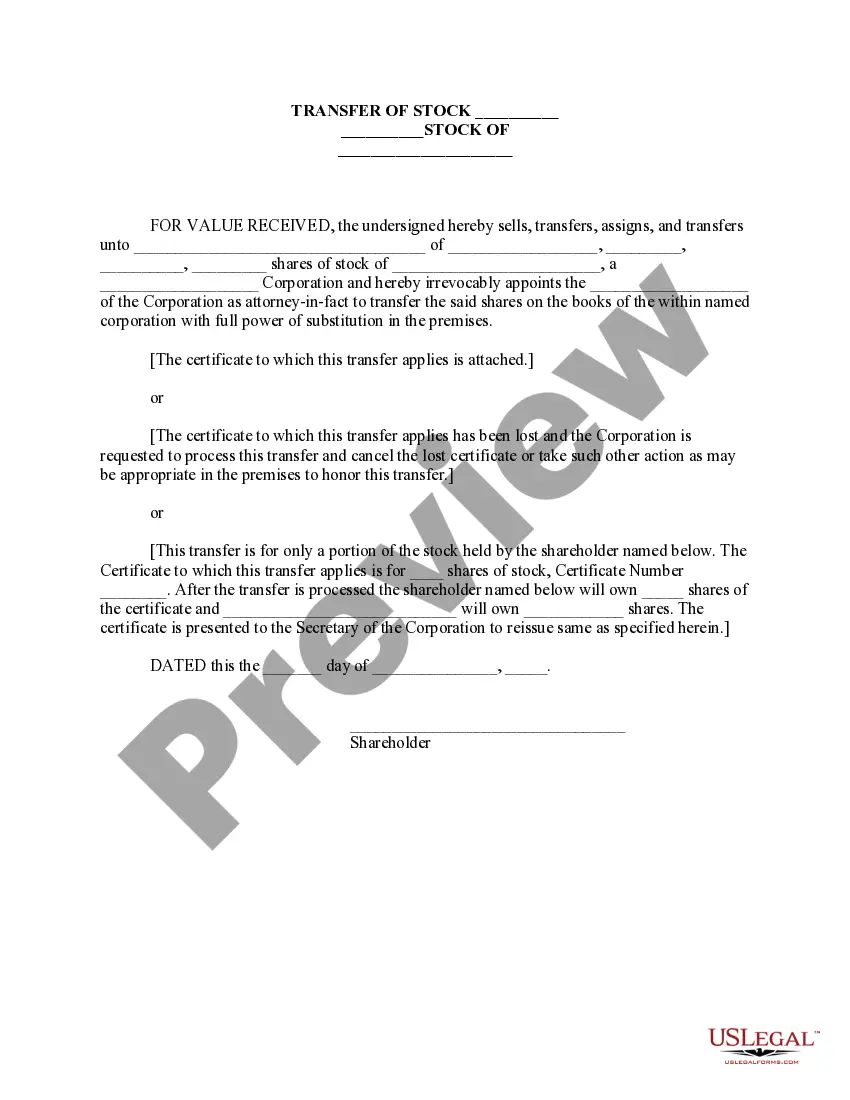



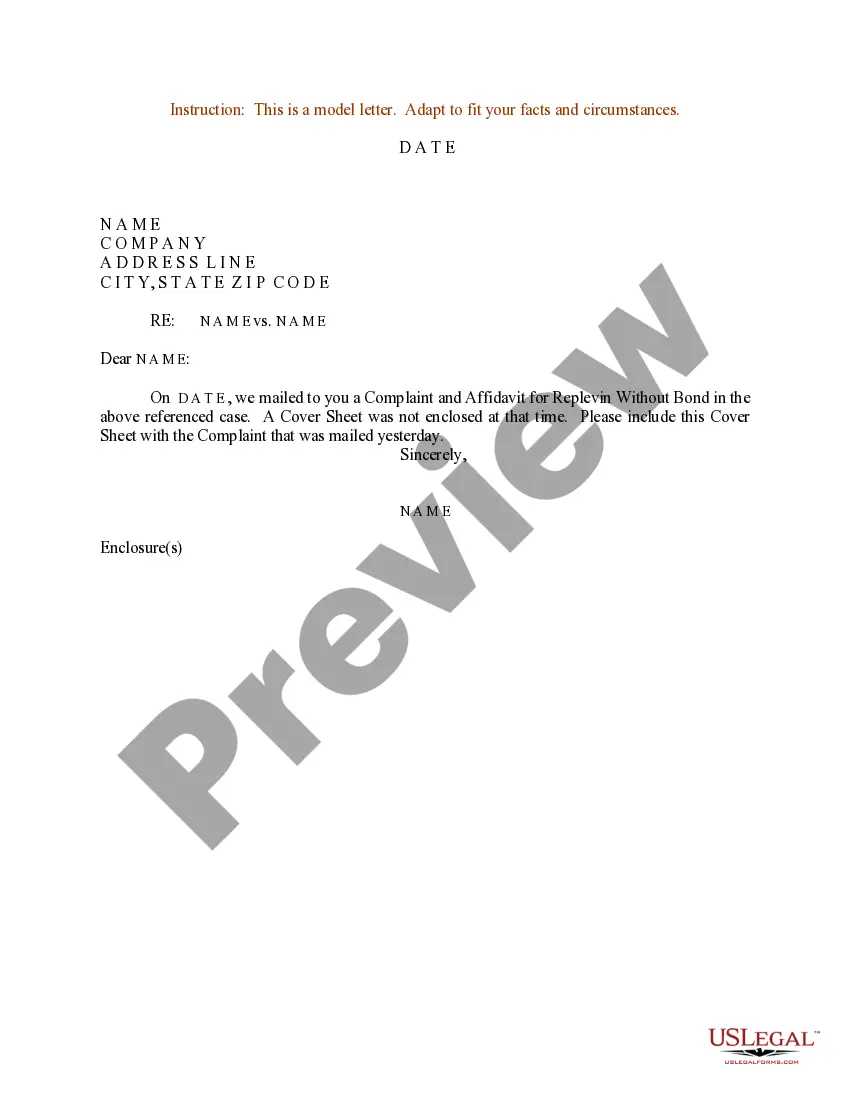





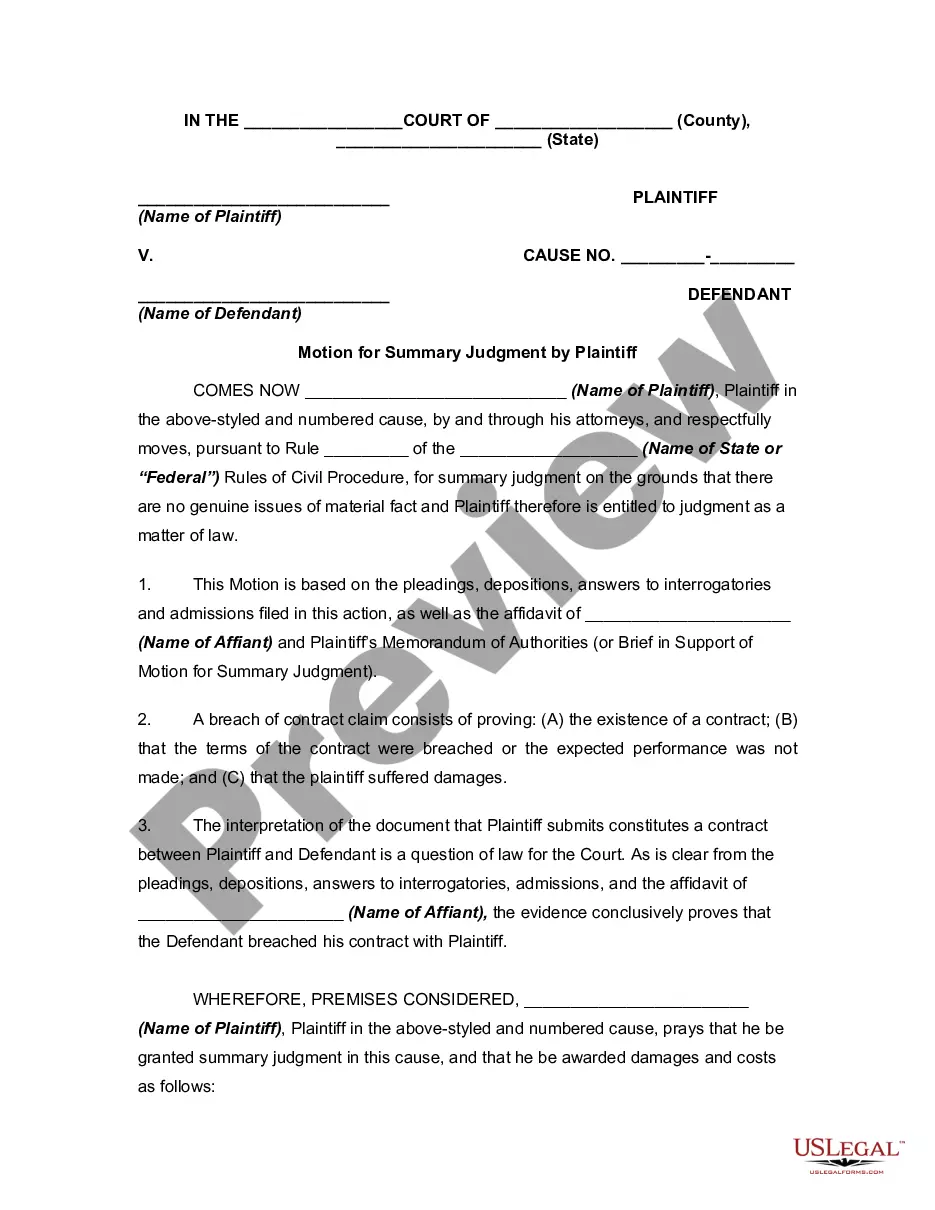
How to fill out Motion For Summary Judgment By Plaintiff For Breach Of Contract?
- Log into your US Legal Forms account. If you haven't registered yet, create an account to access the services.
- Browse the library using the Search feature to find the 'Summary judgment for defendant' form. Ensure it aligns with your jurisdiction's requirements.
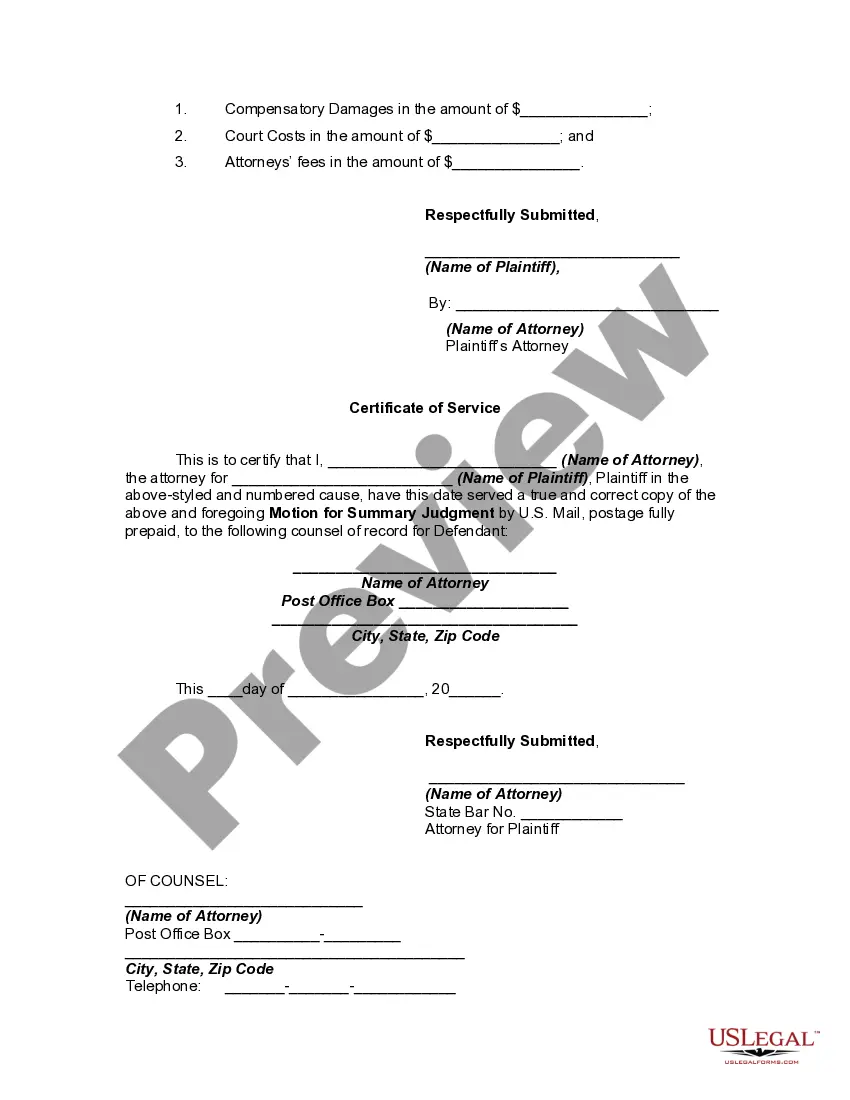
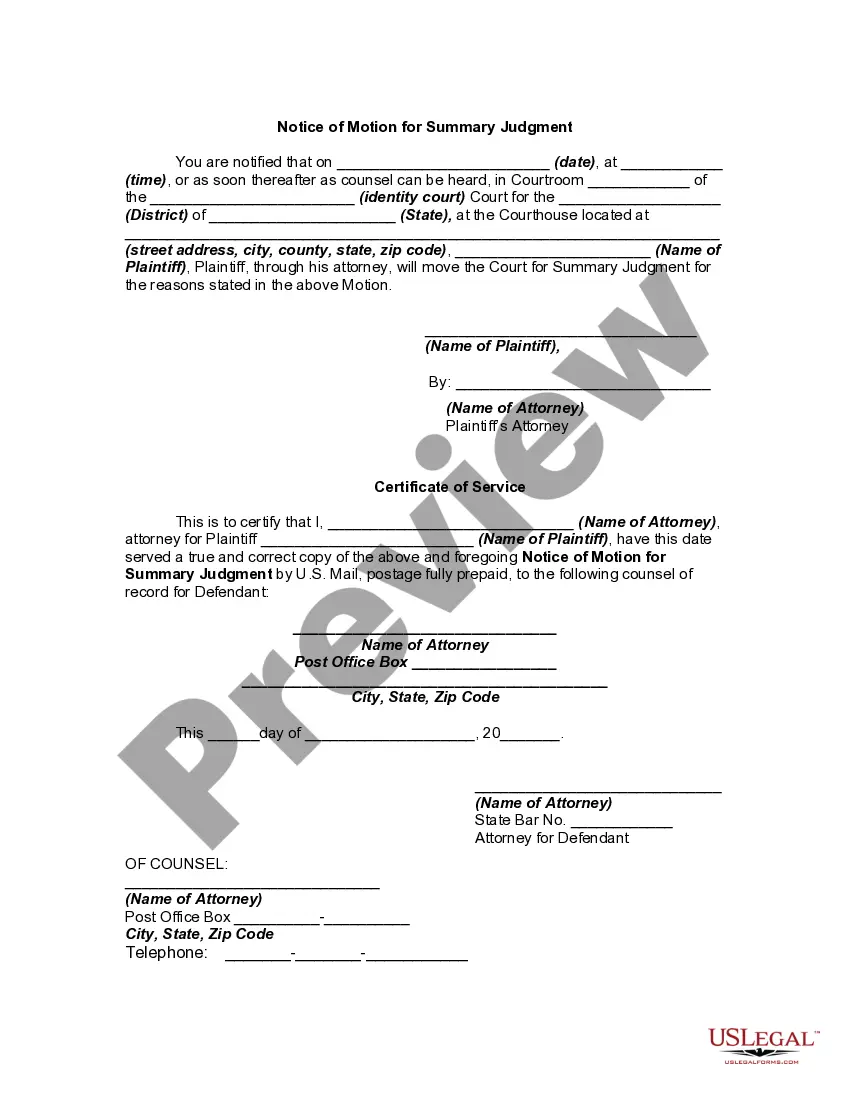
- Review the form's preview and description, confirming it meets your needs before proceeding.
- Select the Buy Now button next to your chosen document and choose your subscription plan.
- Complete your purchase by entering your payment information, either through credit card or PayPal.
- Download the completed form to your device and access it anytime through the 'My Forms' section of your account.
With US Legal Forms, you can be assured of accessing a robust collection of documents that not only meets your legal needs but also provides support from premium experts for assistance. This makes the process efficient and legally sound.
Start your journey to easily accessing legal documentation today. Visit US Legal Forms and experience the benefits for yourself!
Form popularity
FAQ
The percentage of summary judgments granted varies widely based on the jurisdiction and the nature of the case. On average, studies suggest that around 10-20% of summary judgment motions succeed. This percentage highlights the challenges defendants face in opposing such motions. Understanding the strengths of your case is essential, and using platforms like uslegalforms can empower you in navigating the complexities of summary judgment for defendant situations.
When a plaintiff wins summary judgment, the court effectively rules in their favor without a trial, resolving the case based on the evidence presented. This decision can lead to a quick resolution and may include the awarding of damages. However, the defendant often has the option to appeal the decision, particularly if there are valid grounds for contesting the summary judgment for defendant. It is crucial to be prepared for any subsequent legal developments.
In a summary judgment motion, both parties can use various forms of evidence, such as affidavits, statements, deposition transcripts, and documents. The key is showing that, based on this evidence, there is no genuine dispute about any material fact. Properly presenting this information can strongly influence the outcome of the motion. Utilizing resources like uslegalforms can help you gather and organize evidence effectively for your summary judgment for defendant needs.
Summary judgments are overturned quite frequently, depending on the jurisdiction and specific case circumstances. Generally, appellate courts are cautious and tend to reverse such decisions if they find that a genuine issue of material fact exists. The overturning rate can vary, but understanding the nuances of your case can make a significant difference. Consulting professionals familiar with summary judgment for defendant scenarios can clarify these dynamics.
To effectively defeat a summary judgment motion, a defendant must demonstrate that there are genuine disputes over material facts. Presenting compelling evidence and counterarguments is essential in showing that the case should proceed to trial. Engaging with a skilled attorney can provide necessary insights and strategies tailored to your situation. Remember, your goal is to convince the court that the summary judgment for defendant should be denied.
A material fact for summary judgment is a fact that could affect the outcome of the case. When determining summary judgment for defendant, courts focus on information that is essential to proving or disproving a central element of the case. If a fact is deemed material, it must be resolved in the plaintiff's favor to deny summary judgment, highlighting the importance of clear and compelling evidence.
In the context of summary judgment for defendant, the burden of proof lies with the party seeking the judgment. They must provide sufficient evidence to establish that there are no genuine disputes over material facts. In doing so, they need to present documents, affidavits, or testimonies that reliably support their claims, effectively shifting the burden back to the opposing party to present counter-evidence.
To obtain a summary judgment for defendant, the party must demonstrate that no genuine issues of material fact exist. This involves submitting evidence that clearly supports their position, making it evident that they are entitled to judgment as a matter of law. Additionally, effective legal arguments must show that even if all evidence is viewed in the light most favorable to the other party, the outcome would remain unchanged.
After summary judgment is granted for a defendant, the case concludes unless the plaintiff appeals the decision. This ruling typically means the court found in favor of the defendant on all relevant issues, thereby dismissing the case. With this resolution, the defendant may focus on other matters without ongoing litigation concerns. For further clarity on this process, UsLegalForms provides resources to help navigate post-judgment considerations.
Yes, a summary judgment for a defendant can be a final order if it resolves all issues in a case. This means that the case is effectively closed unless further appeal is pursued by the opposing party. It is essential to recognize that such judgments can have significant implications for litigation strategy. To understand the specifics of your situation, resources like UsLegalForms offer valuable guidance.