File Injunction Against Landlord Without Notice
Description
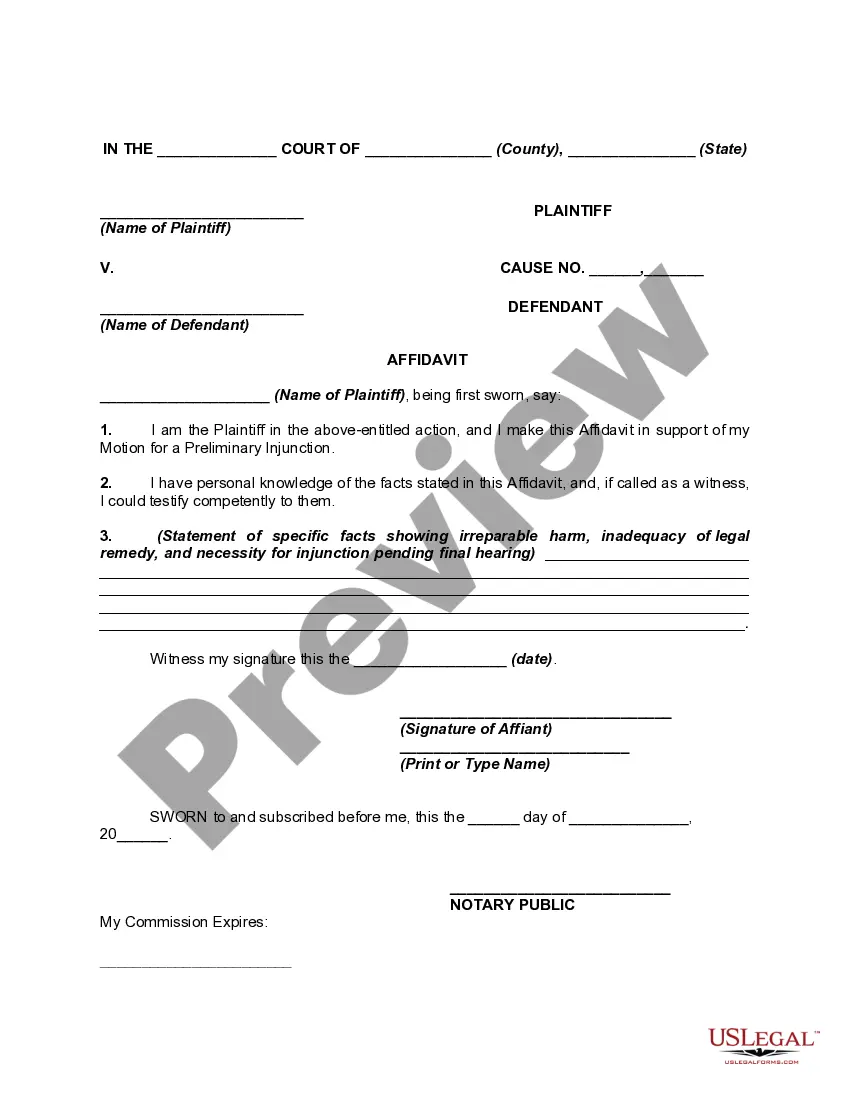

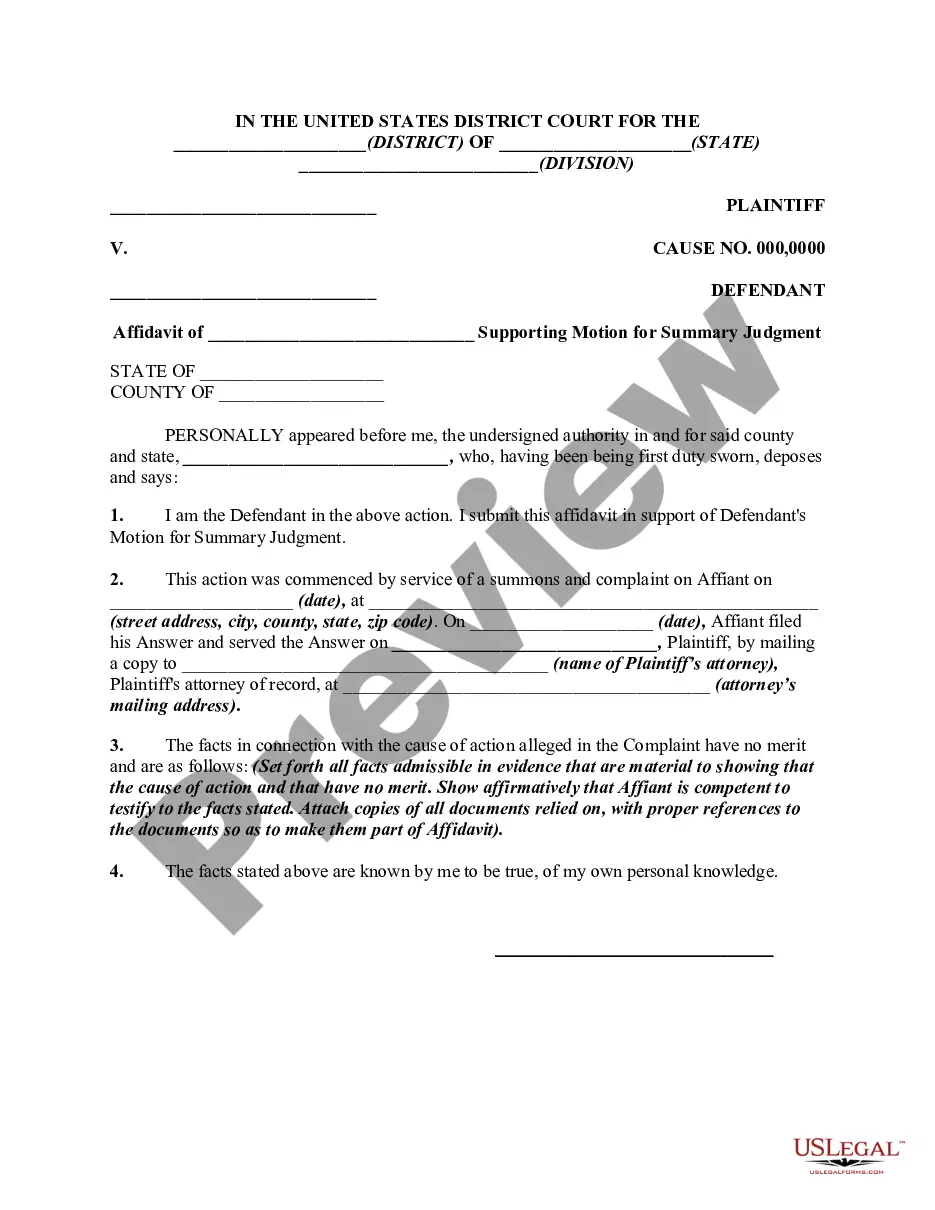
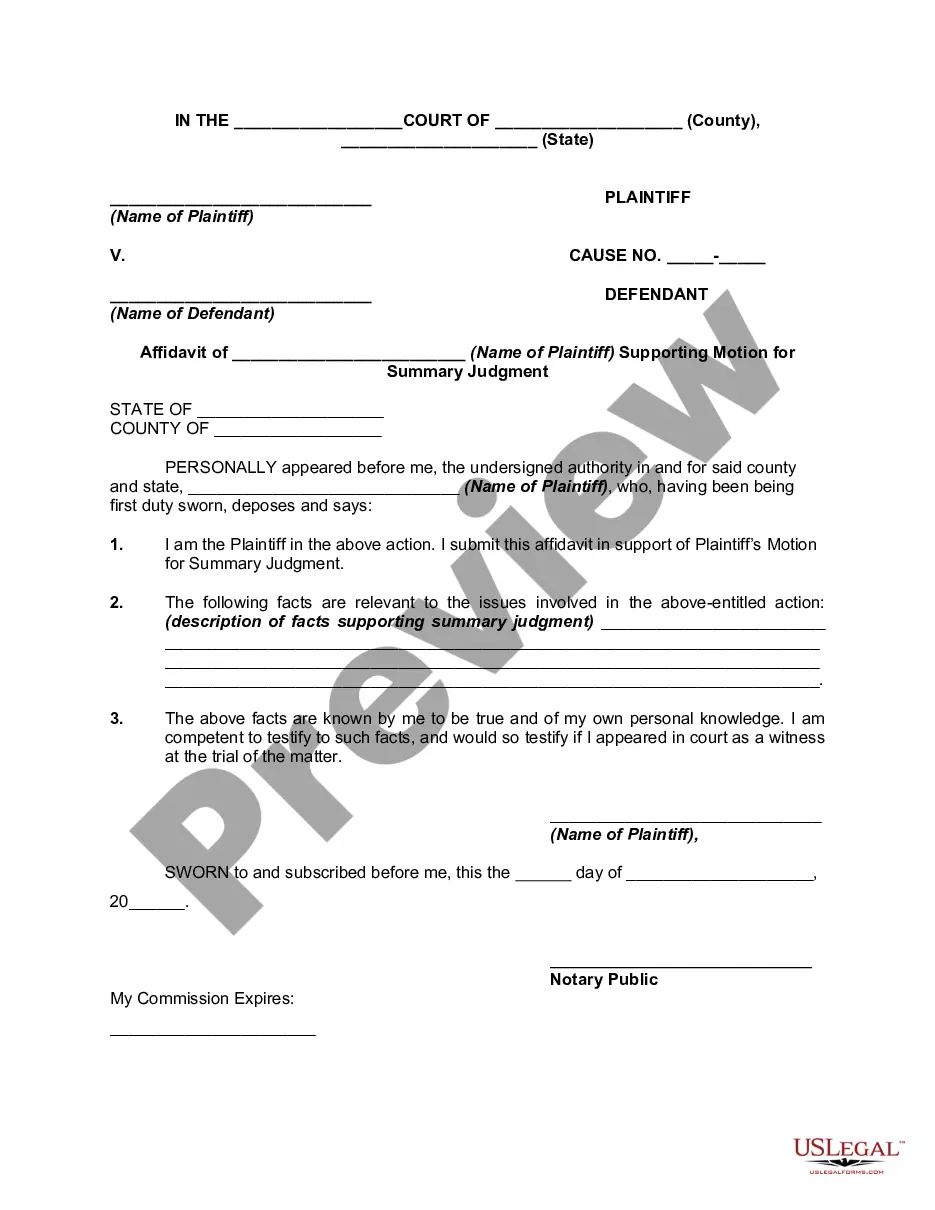
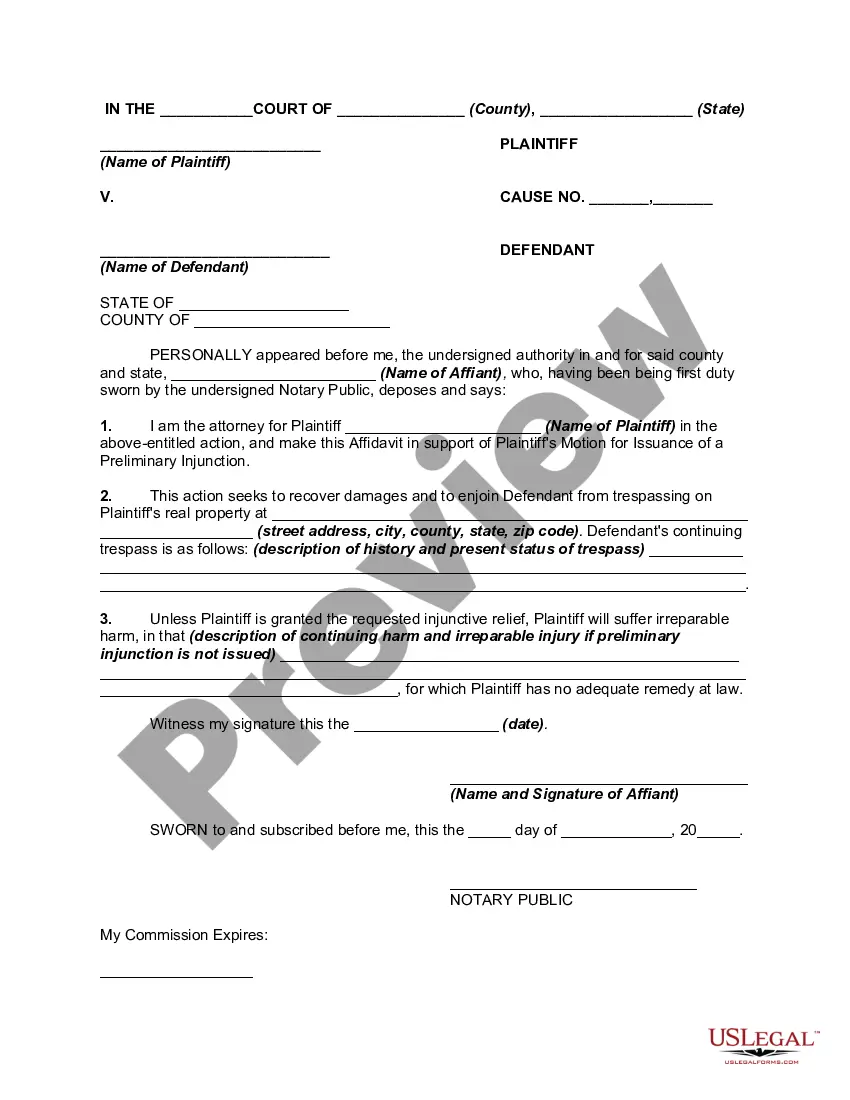
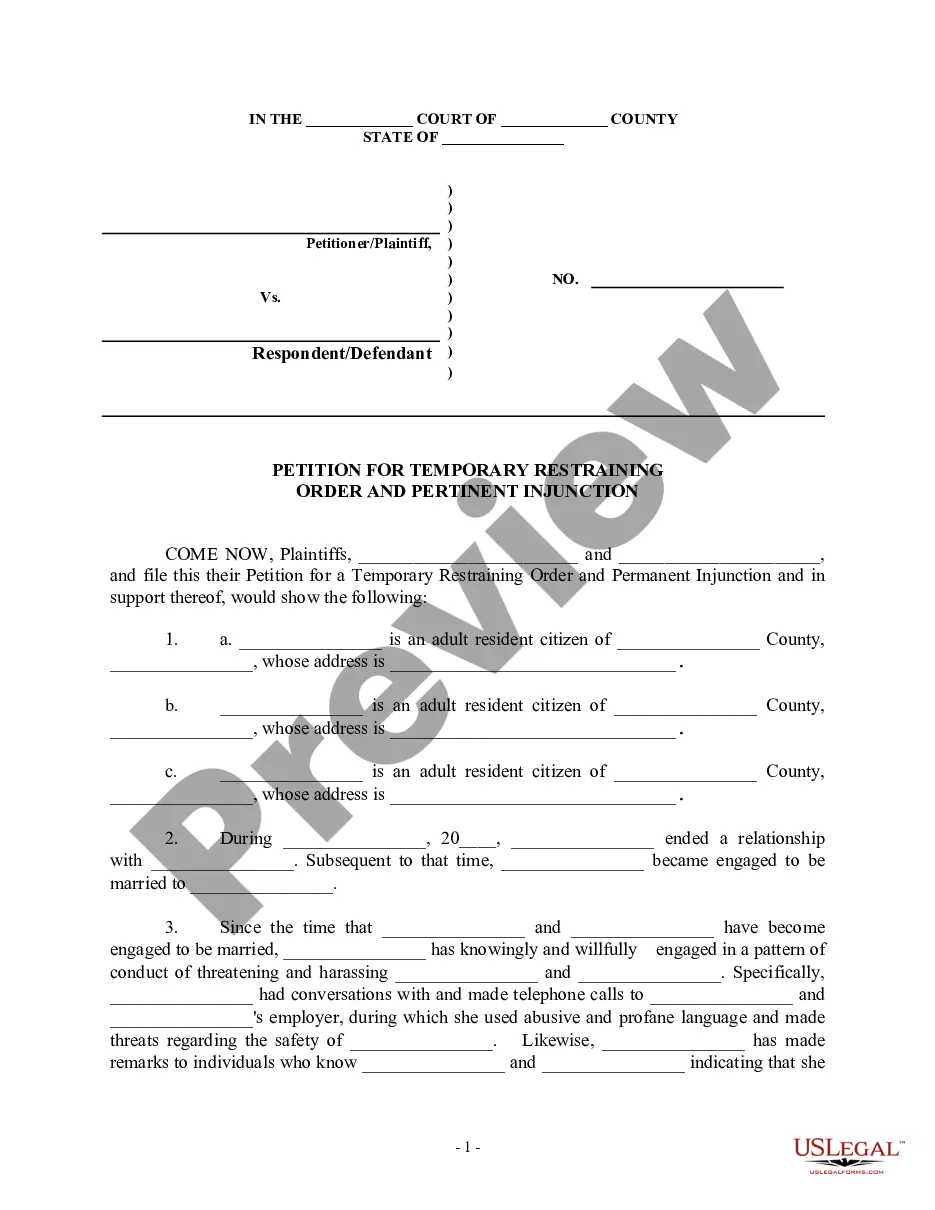
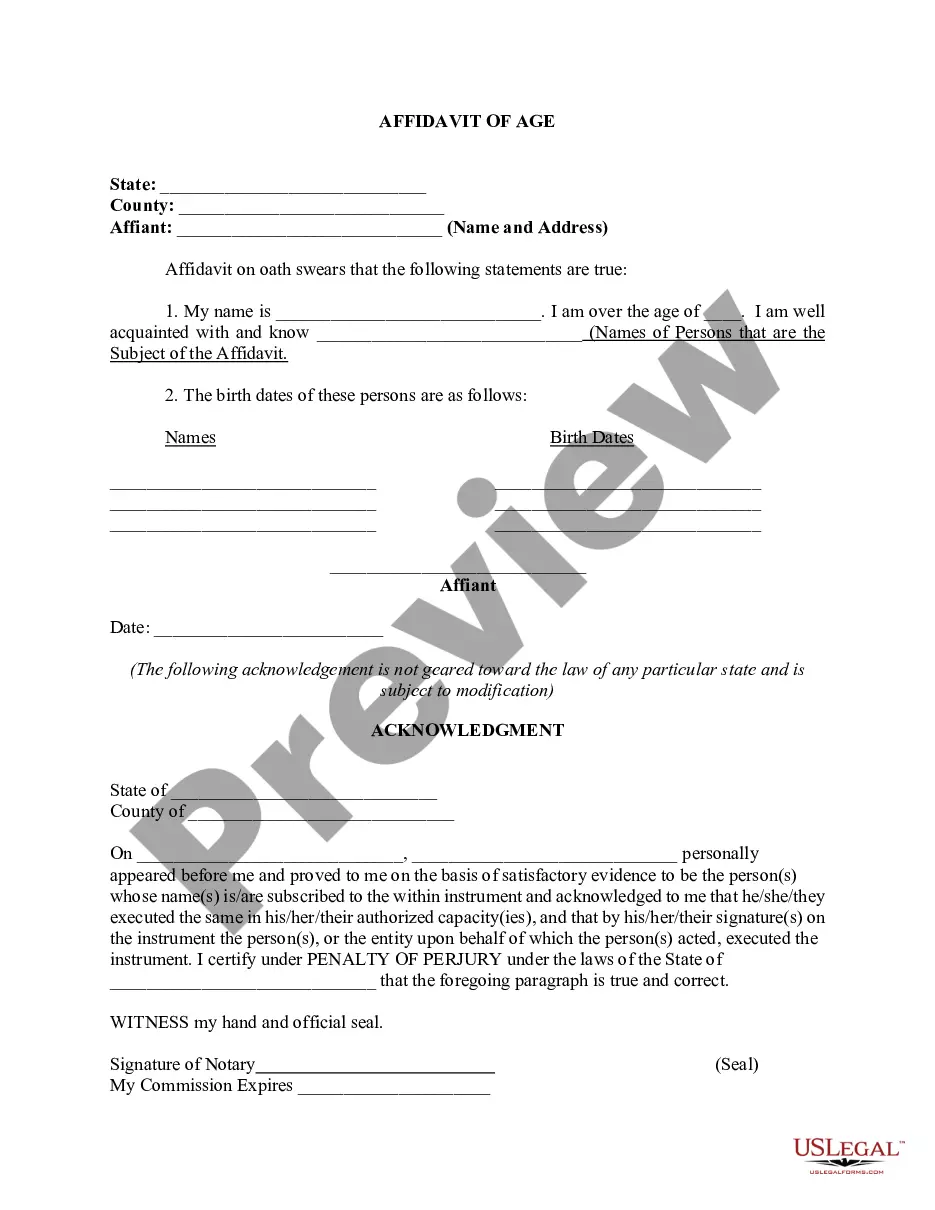
Get your form ready online
Our built-in tools help you complete, sign, share, and store your documents in one place.
Make edits, fill in missing information, and update formatting in US Legal Forms—just like you would in MS Word.
Download a copy, print it, send it by email, or mail it via USPS—whatever works best for your next step.
Sign and collect signatures with our SignNow integration. Send to multiple recipients, set reminders, and more. Go Premium to unlock E-Sign.
If this form requires notarization, complete it online through a secure video call—no need to meet a notary in person or wait for an appointment.
We protect your documents and personal data by following strict security and privacy standards.

Make edits, fill in missing information, and update formatting in US Legal Forms—just like you would in MS Word.

Download a copy, print it, send it by email, or mail it via USPS—whatever works best for your next step.

Sign and collect signatures with our SignNow integration. Send to multiple recipients, set reminders, and more. Go Premium to unlock E-Sign.

If this form requires notarization, complete it online through a secure video call—no need to meet a notary in person or wait for an appointment.

We protect your documents and personal data by following strict security and privacy standards.
Looking for another form?

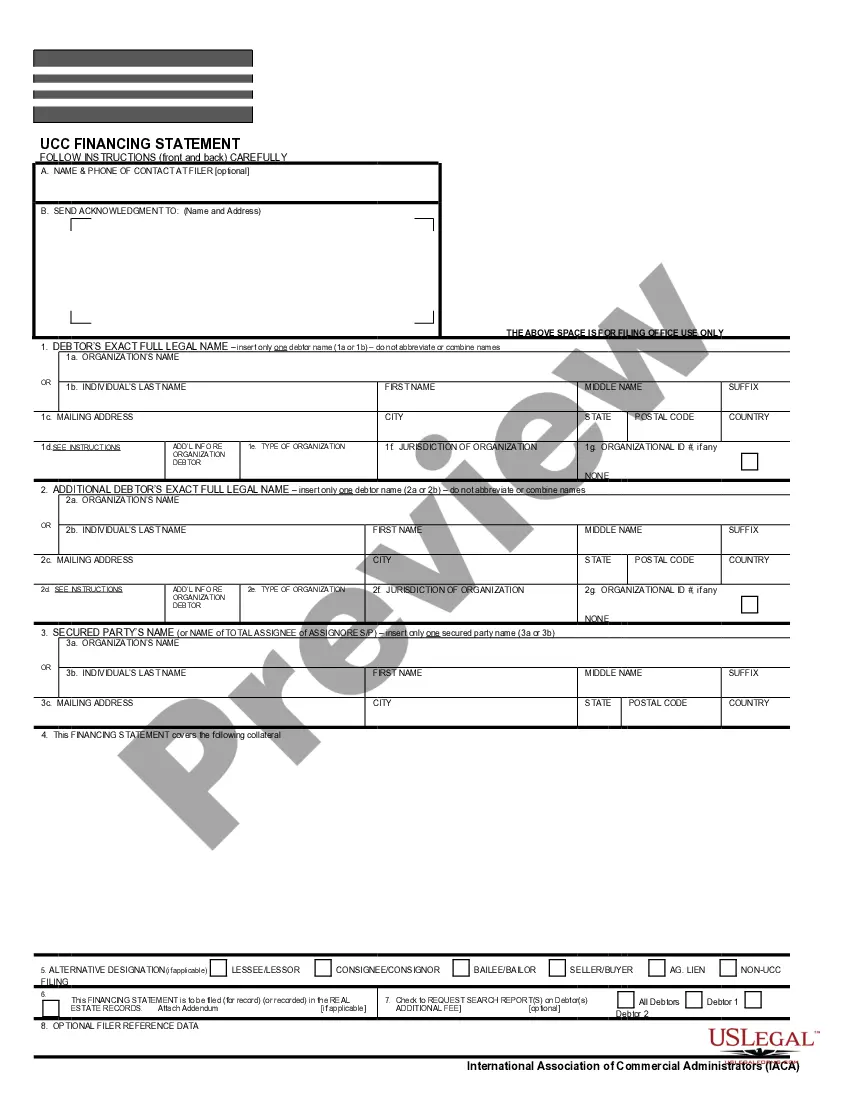
How to fill out Affidavit In Support Of Motion For Preliminary Injunction?
It’s clear that you cannot transform into a legal expert instantly, nor can you understand how to swiftly prepare a File Injunction Against Landlord Without Notice without possessing a specific skill set.
Drafting legal documents is a lengthy endeavor that demands specialized training and expertise. So why not entrust the development of the File Injunction Against Landlord Without Notice to the professionals.
With US Legal Forms, one of the most extensive legal template repositories, you can find everything from court documents to templates for internal communication.
If you need a different template, restart your search.
Create a free account and choose a subscription plan to acquire the template. Click Buy now. Once the transaction is completed, you can download the File Injunction Against Landlord Without Notice, complete it, print it, and send or mail it to the designated recipients or organizations.
- We understand how crucial compliance and adherence to federal and local regulations are.
- That’s why, on our platform, all forms are location-specific and current.
- Here’s how you can begin using our website to obtain the document you require in just a few minutes.
- Identify the form you need using the search bar at the top of the page.
- Preview it (if this feature is available) and read the accompanying description to ascertain if File Injunction Against Landlord Without Notice is what you’re looking for.
Form popularity
FAQ
The party asking for an injunctive relief must prove three things: 1) that there is a cause of action against the defendant; 2) that the party seeking the injunction has a right to the property in question; and 3) that the objects in question are in danger of ?probable, imminent, and irreparable injury.? In the Strube ...
Although injunction applications are often prepared with little time and few instructions, care must be taken to offer the court as much information as possible. A witness statement will almost always be required.
A preliminary injunction is temporary relief that preserves the status quo until the courts decide on the merits of the case. The relief sought often involves asking a court to prevent an opposing party from taking specific action or continuing a current course of action.
State as briefly as possible the facts showing that each plaintiff is entitled to the injunction or other relief sought. State how each defendant was involved and what each defendant did that caused the plaintiff harm or violated the plaintiff's rights, including the dates and places of that involvement or conduct.
You could also sue if your landlord negligently or intentionally injured you. Or if you have been unlawfully discriminated against, 9 V.S.A. § 4506, or if your landlord has violated the Attorney General's Consumer Protection regulations.