Affidavit For Petition
Description

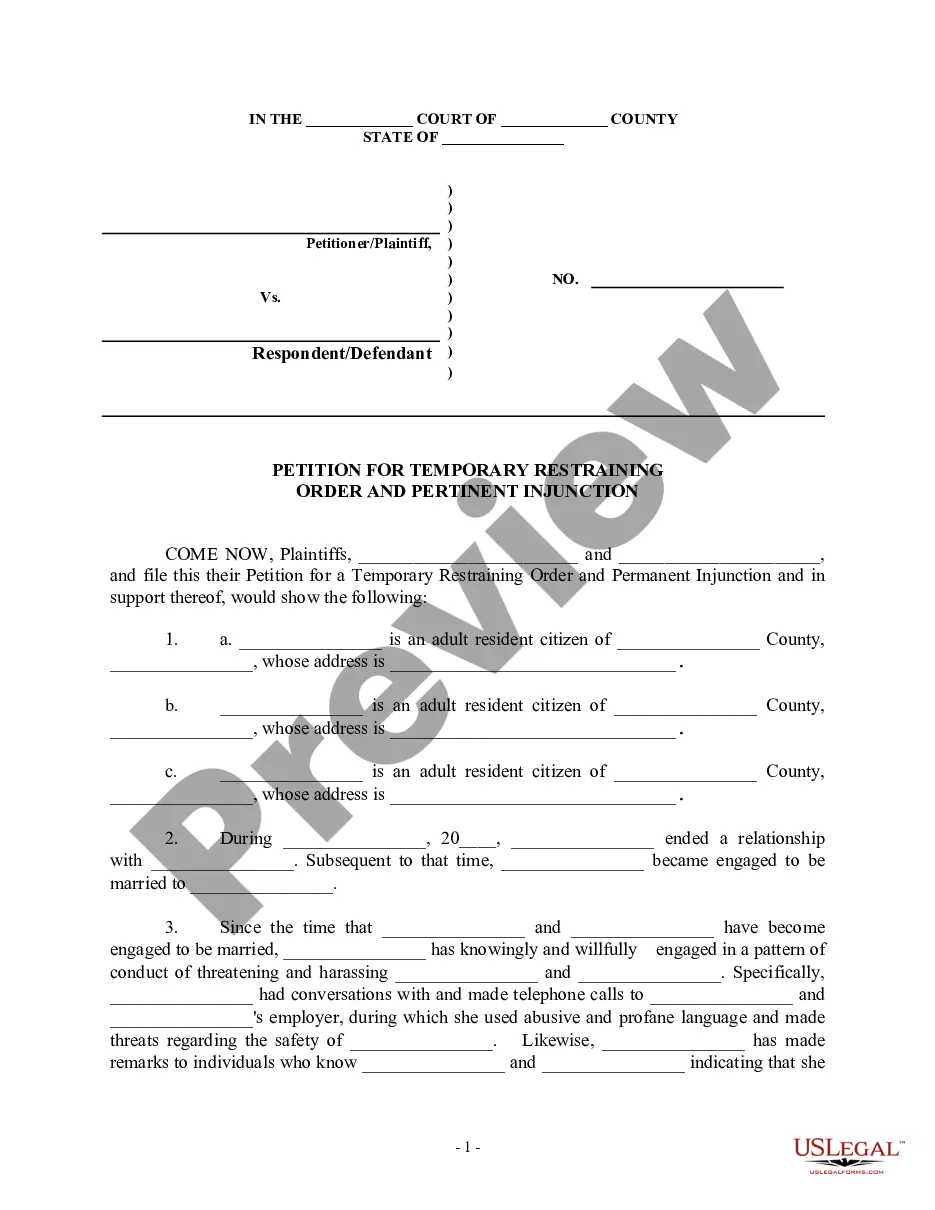
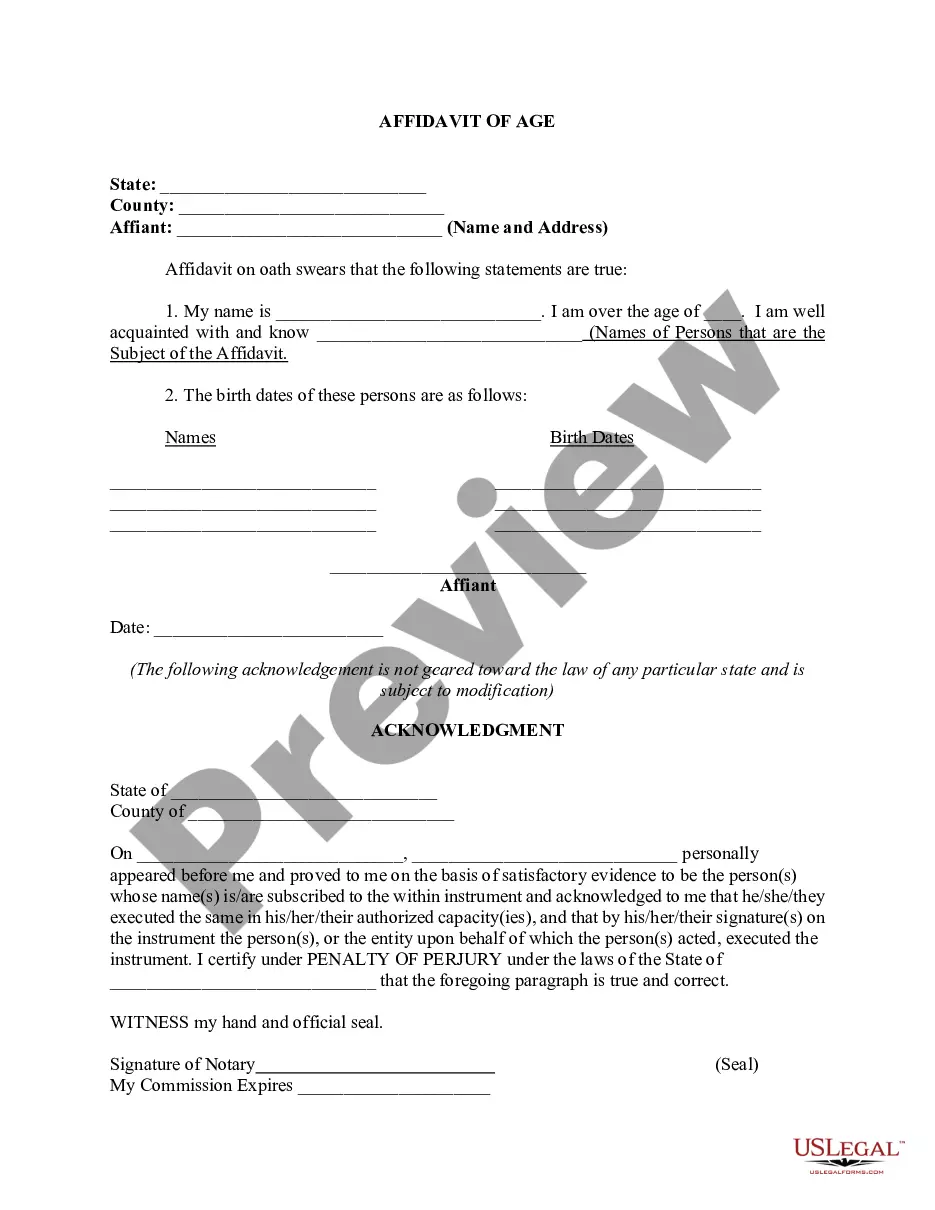
Get your form ready online
Our built-in tools help you complete, sign, share, and store your documents in one place.
Make edits, fill in missing information, and update formatting in US Legal Forms—just like you would in MS Word.
Download a copy, print it, send it by email, or mail it via USPS—whatever works best for your next step.
Sign and collect signatures with our SignNow integration. Send to multiple recipients, set reminders, and more. Go Premium to unlock E-Sign.
If this form requires notarization, complete it online through a secure video call—no need to meet a notary in person or wait for an appointment.
We protect your documents and personal data by following strict security and privacy standards.

Make edits, fill in missing information, and update formatting in US Legal Forms—just like you would in MS Word.

Download a copy, print it, send it by email, or mail it via USPS—whatever works best for your next step.

Sign and collect signatures with our SignNow integration. Send to multiple recipients, set reminders, and more. Go Premium to unlock E-Sign.

If this form requires notarization, complete it online through a secure video call—no need to meet a notary in person or wait for an appointment.

We protect your documents and personal data by following strict security and privacy standards.
Looking for another form?
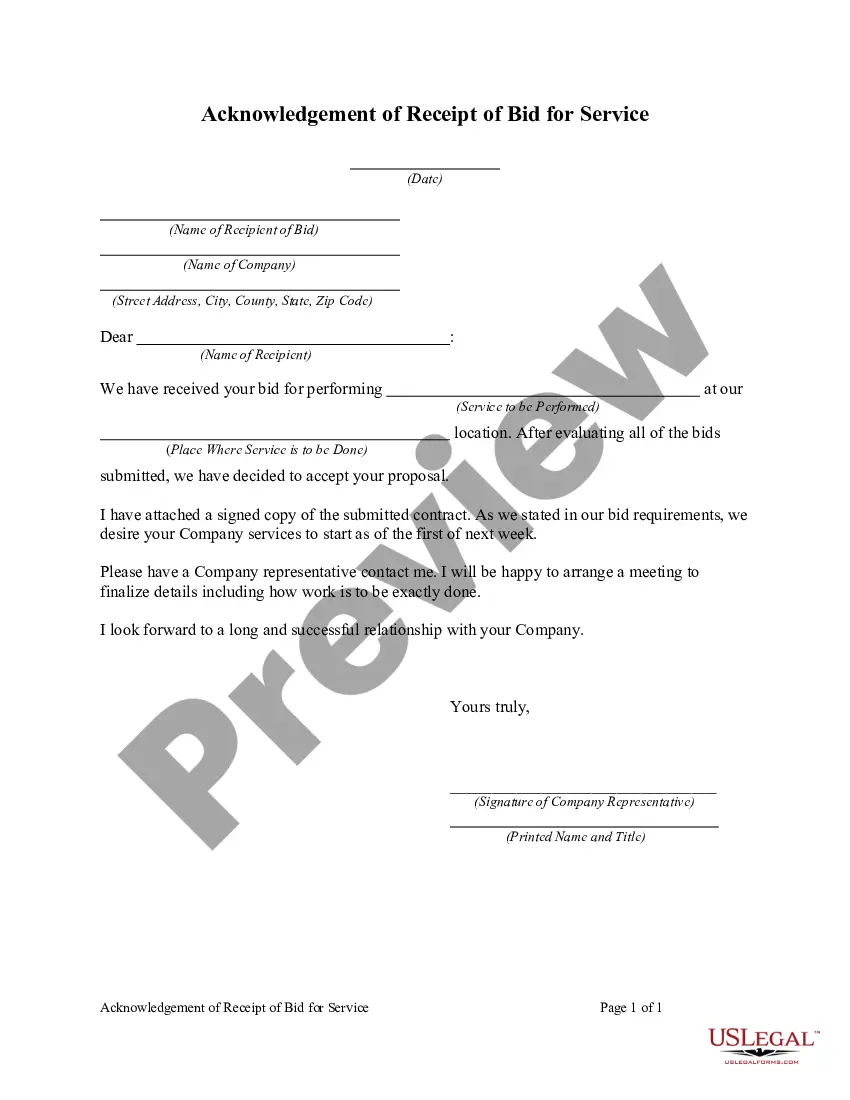
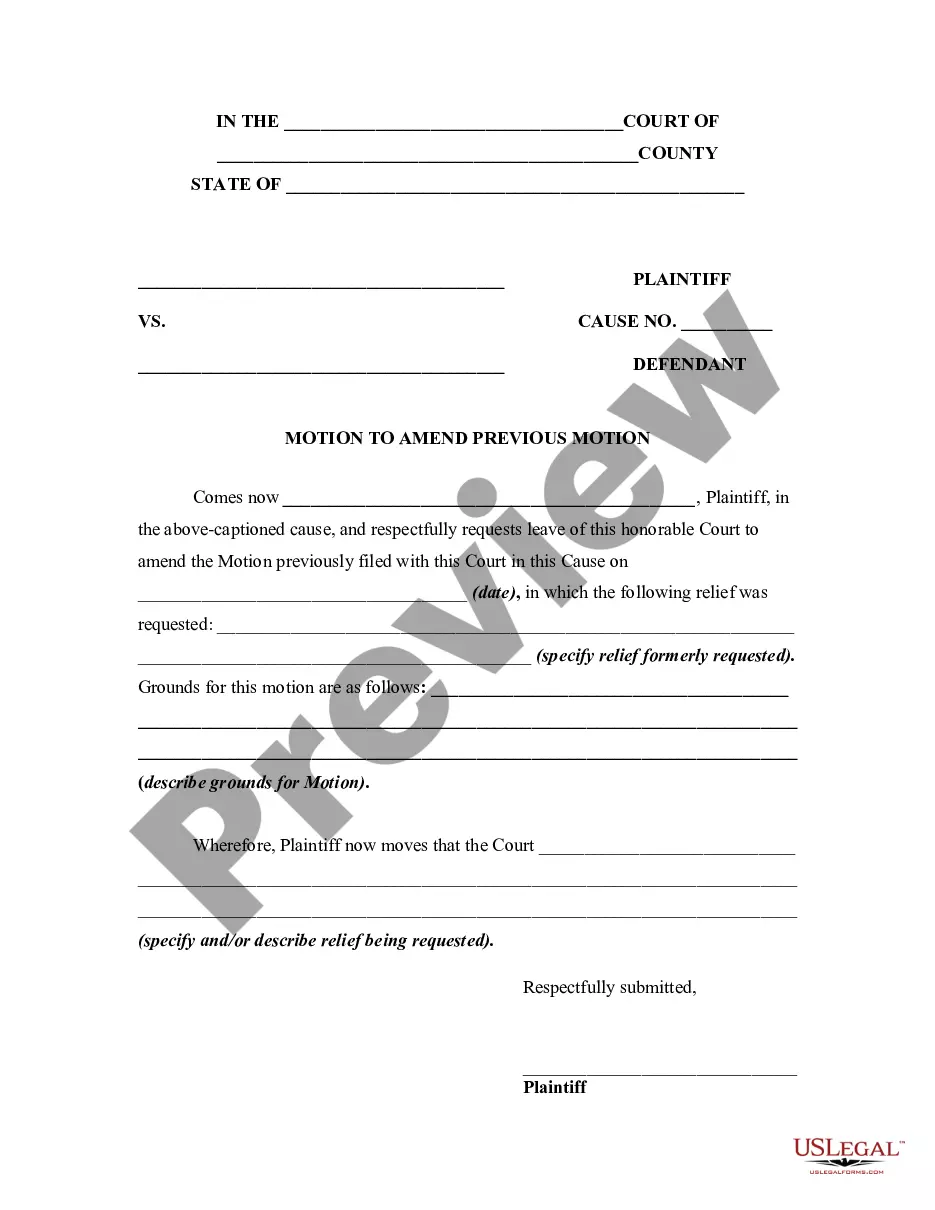

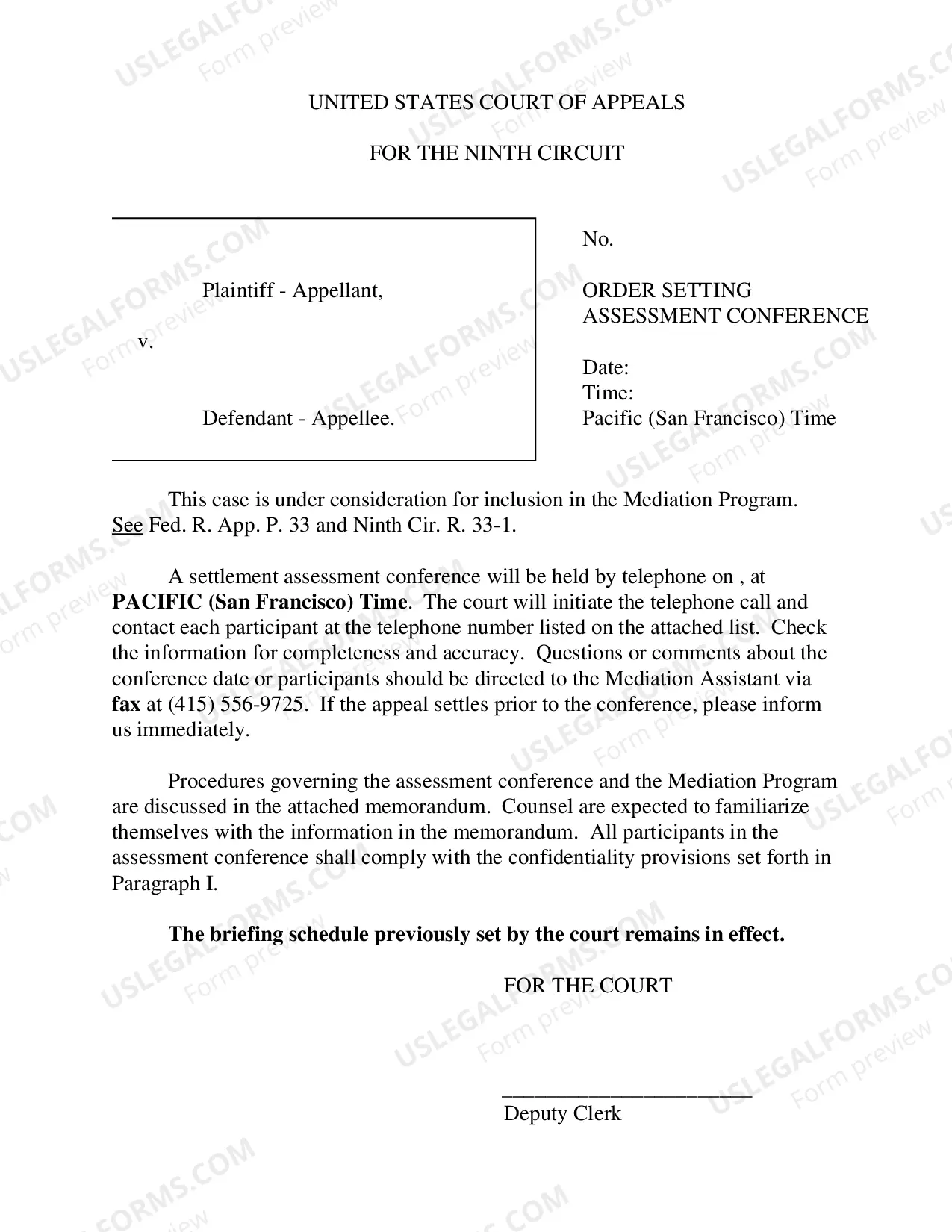
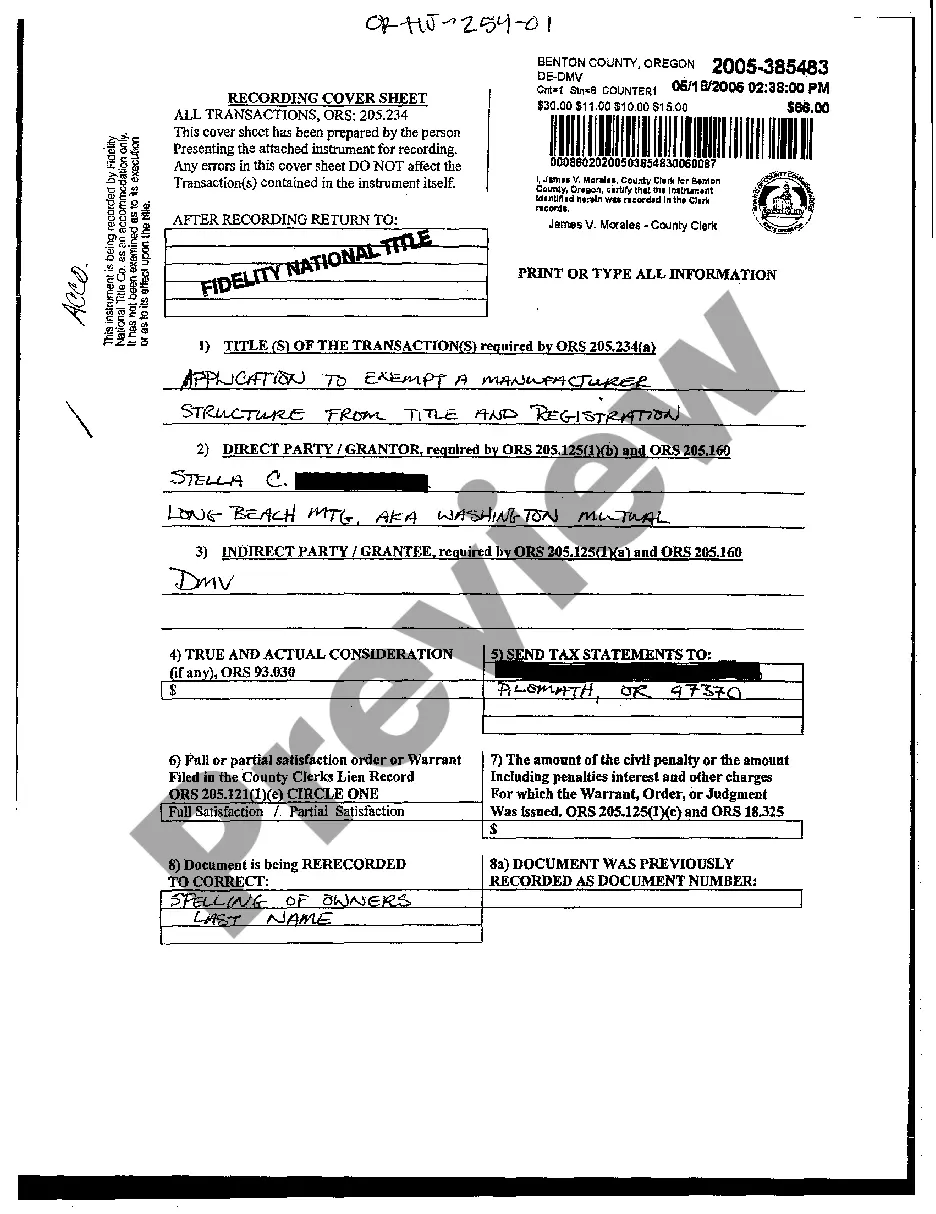

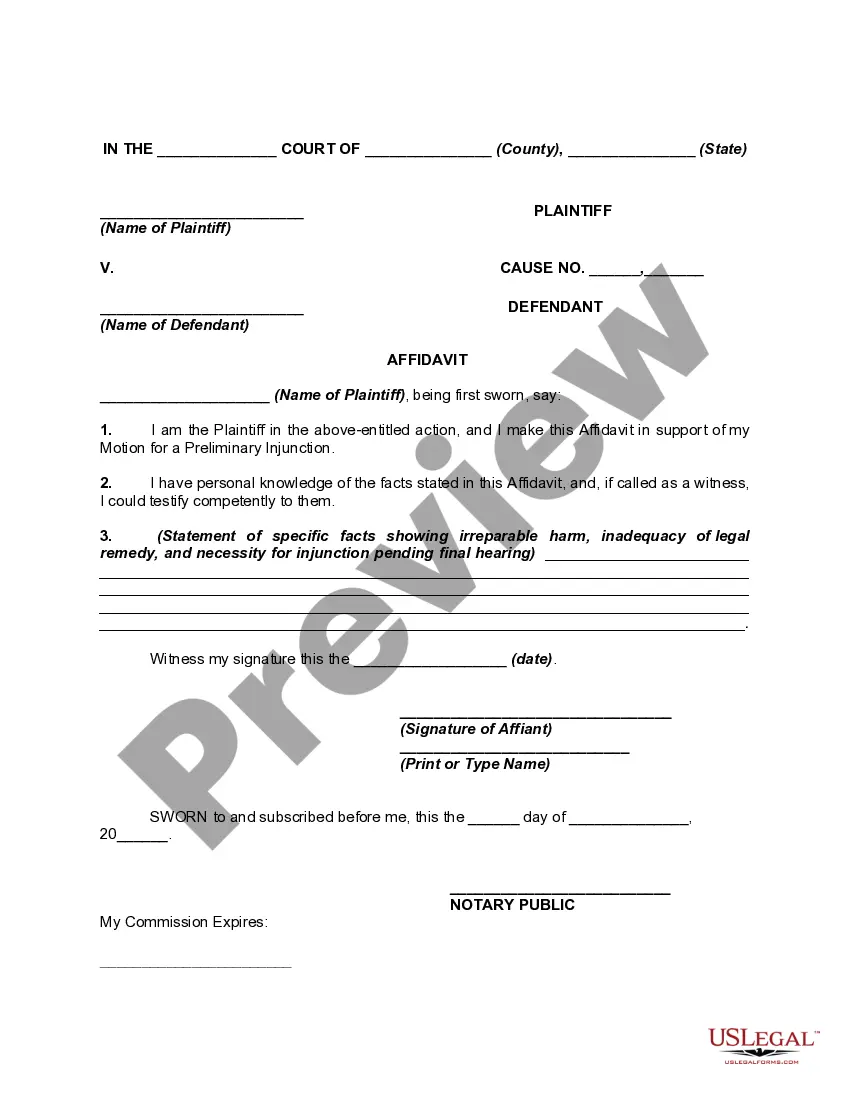
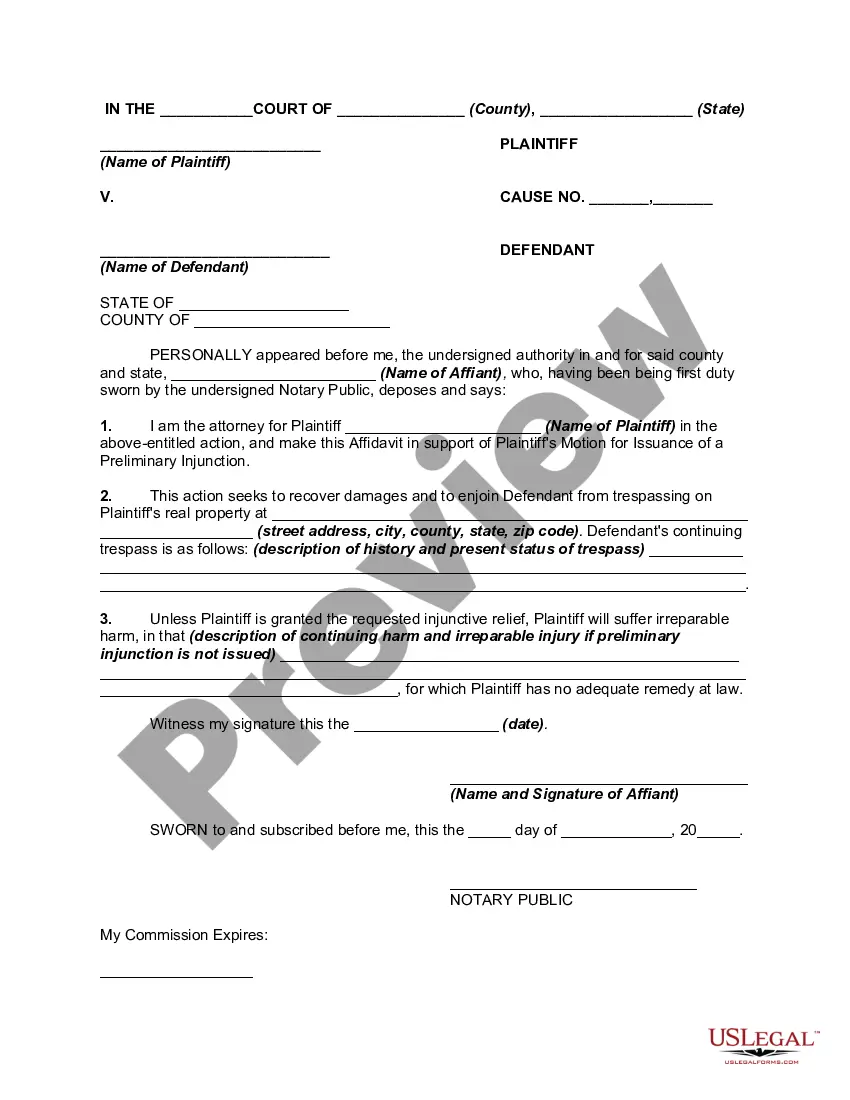
How to fill out Affidavit In Support Of Motion For Preliminary Injunction?
It’s apparent that you cannot instantly become a legal expert, nor can you swiftly master how to prepare an Affidavit for Petition without possessing a specialized skill set.
Drafting legal documents is a labor-intensive process that demands specific education and expertise. So, why not entrust the creation of the Affidavit for Petition to the professionals.
With US Legal Forms, one of the most extensive libraries of legal templates, you can find everything from court papers to templates for internal corporate communications.
Start your search again if you require any additional forms.
Create a free account and choose a subscription plan to acquire the form. Click Buy now. Once the transaction is finalized, you can access the Affidavit for Petition, fill it out, print it, and send it or mail it to the required individuals or organizations.
- We understand the importance of compliance and adherence to both federal and state regulations.
- Therefore, all templates on our platform are location-specific and updated.
- To begin utilizing our website and obtain the form you need in just a few minutes.
- Locate the document you want by utilizing the search feature at the top of the page.
- Preview it (if this option is available) and review the accompanying description to confirm whether the Affidavit for Petition meets your needs.
Form popularity
FAQ
How to Write an I-130 Affidavit Full name and address of affiant. Date and place of birth. Relationship to I-130 petitioner and spouse. An account of your relationship explaining: How you met the couple. Time frame you have known the couple. Give a sense of the frequency (i.e. frequently socialize) ... Date and signature.
Most of the time, a green card visa applicant will need an affidavit of support if they're applying for: An Immediate Relative Immigrant Visa. An Employment-Based Immigrant Visa. A Family-Based Immigrant Visa.
Affidavits If an applicant has demonstrated unavailability of both a required primary and secondary document, the applicant must submit at least two affidavits, or sworn written statements, pertaining to the facts at issue. Such affidavits must be given by: Persons who are not parties to the underlying petition; and.
An Affidavit of Support should include the sponsor's personal details (name, address, date of birth, place of birth), their relationship to the immigrant, information about their employment and income, and their promise to support the immigrant.
Personal Details: Provide detailed personal information about the affiant, including their full name, address, contact information, date of birth, and relationship to the person(s) in question. 3. Relationship History: Clearly describe the relationship between the affiant and the individual(s) in question.