Agreement And Disagreement
Description
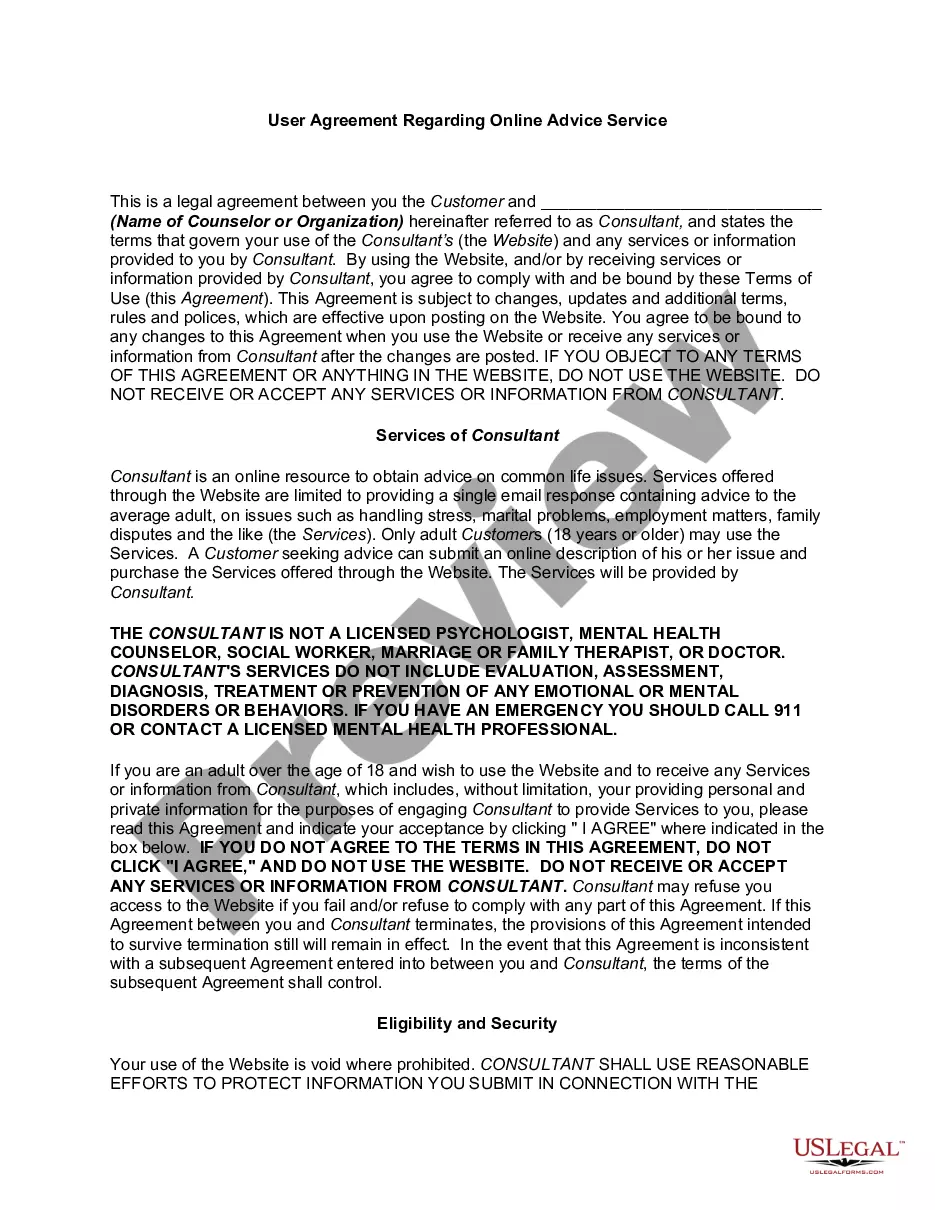
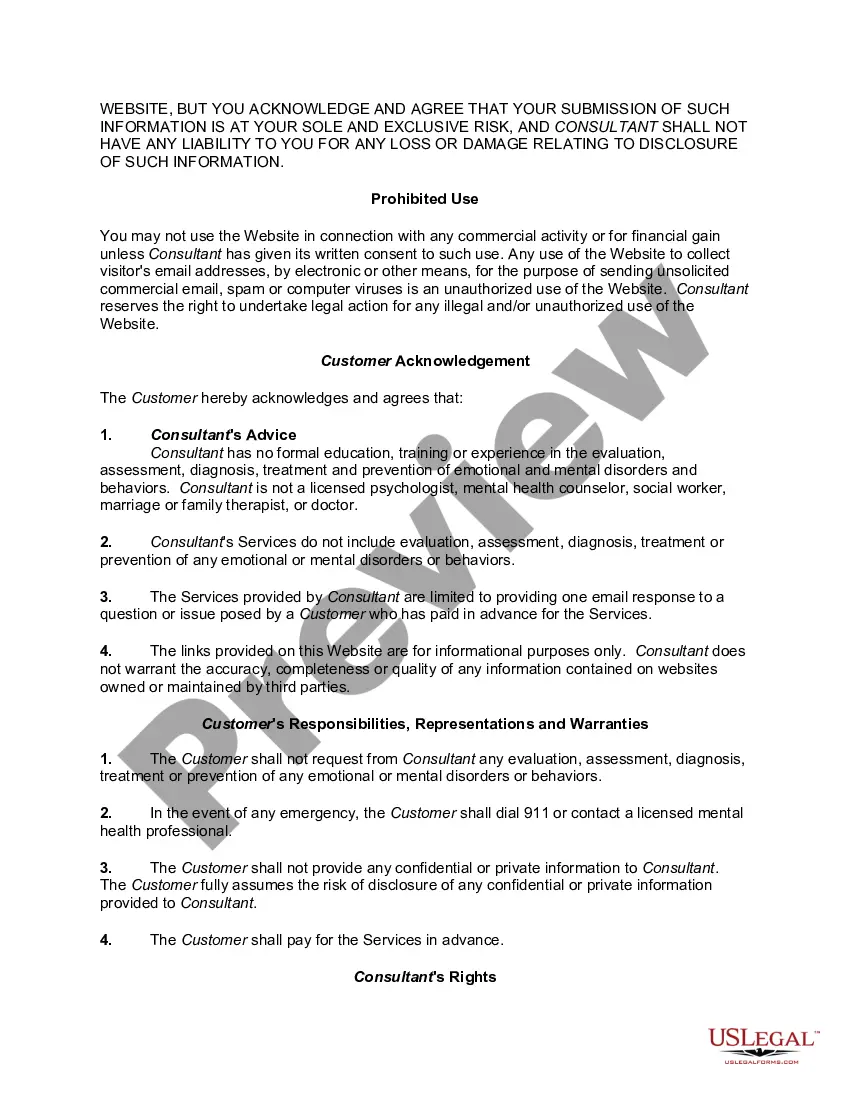
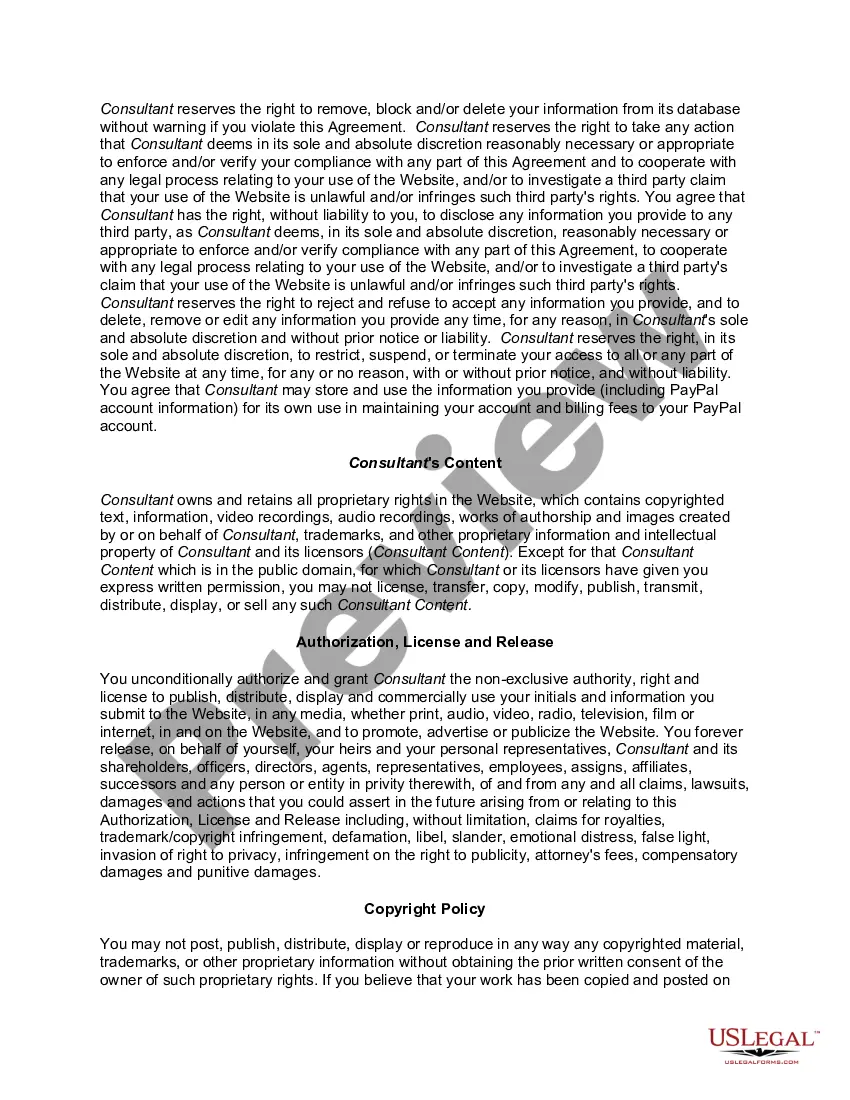
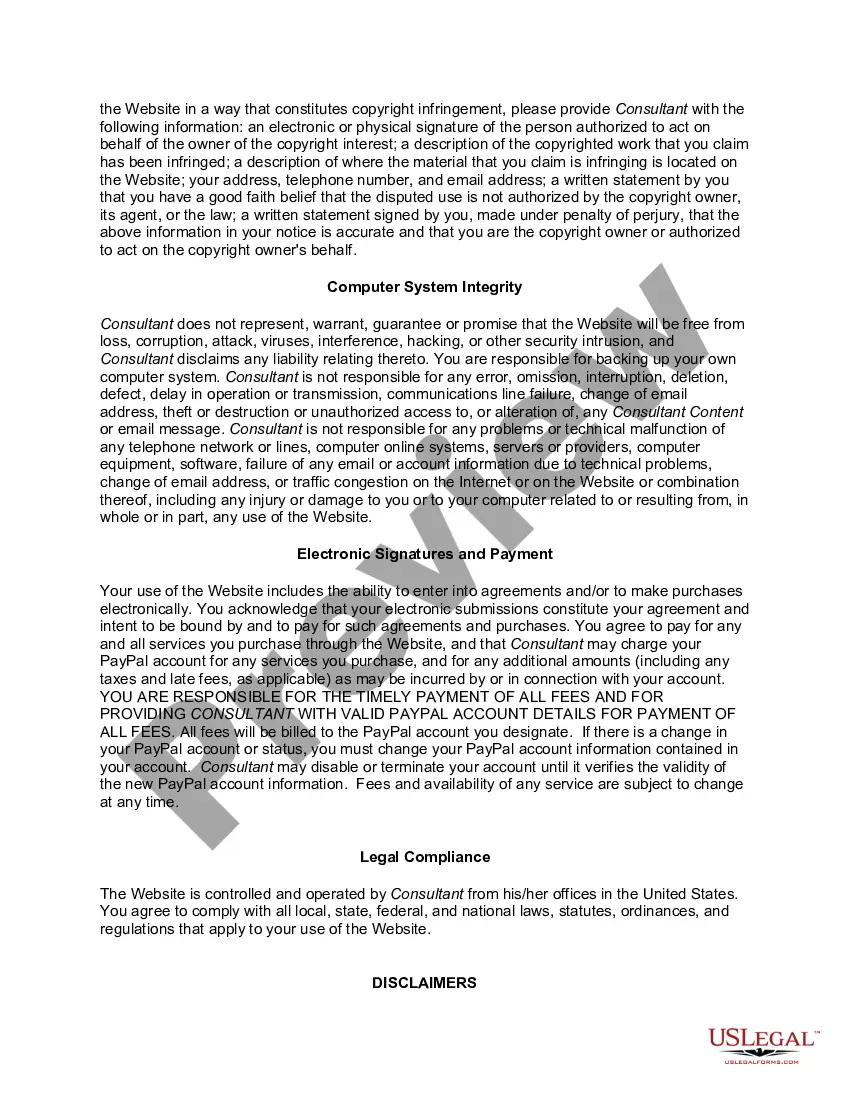
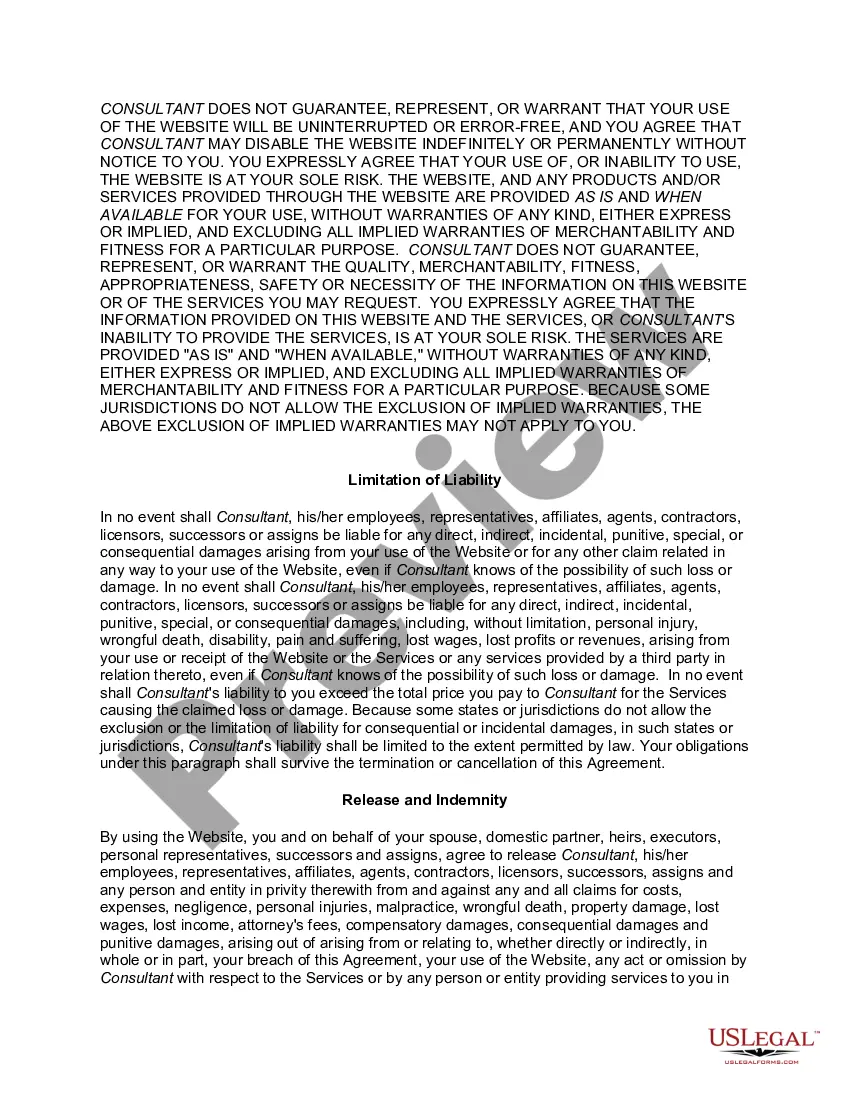
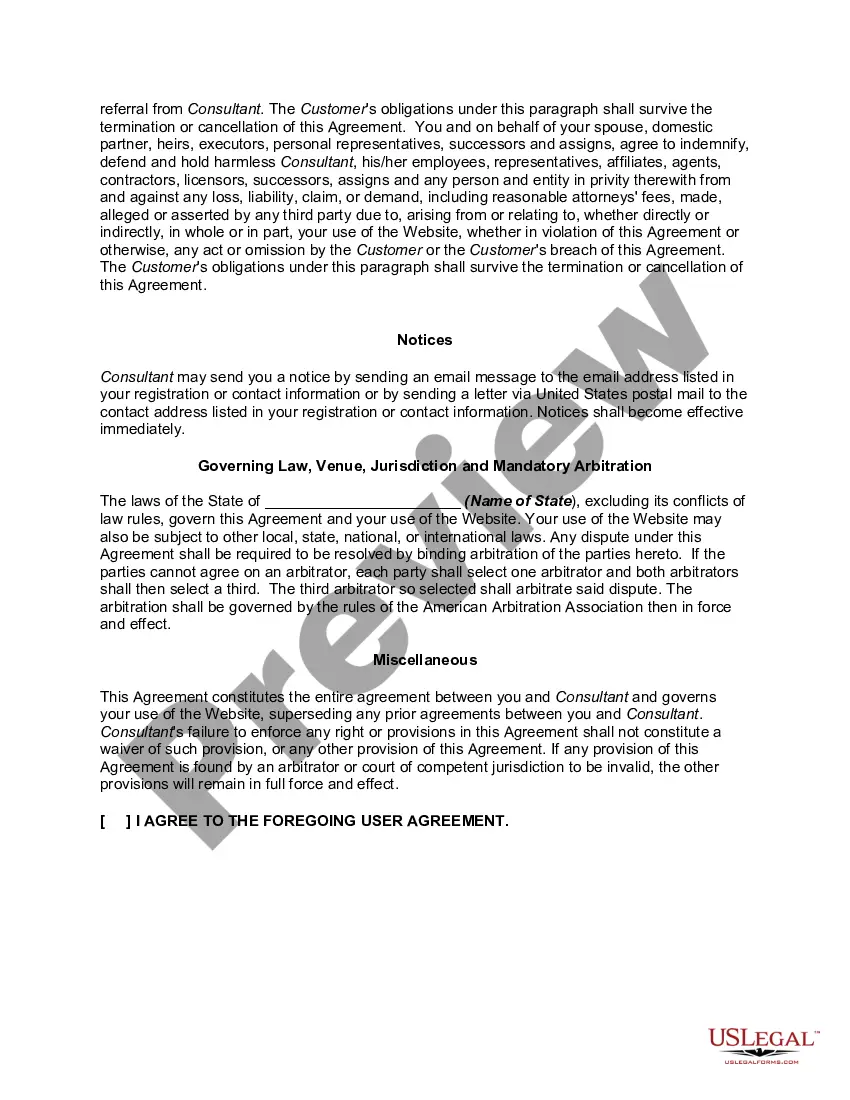
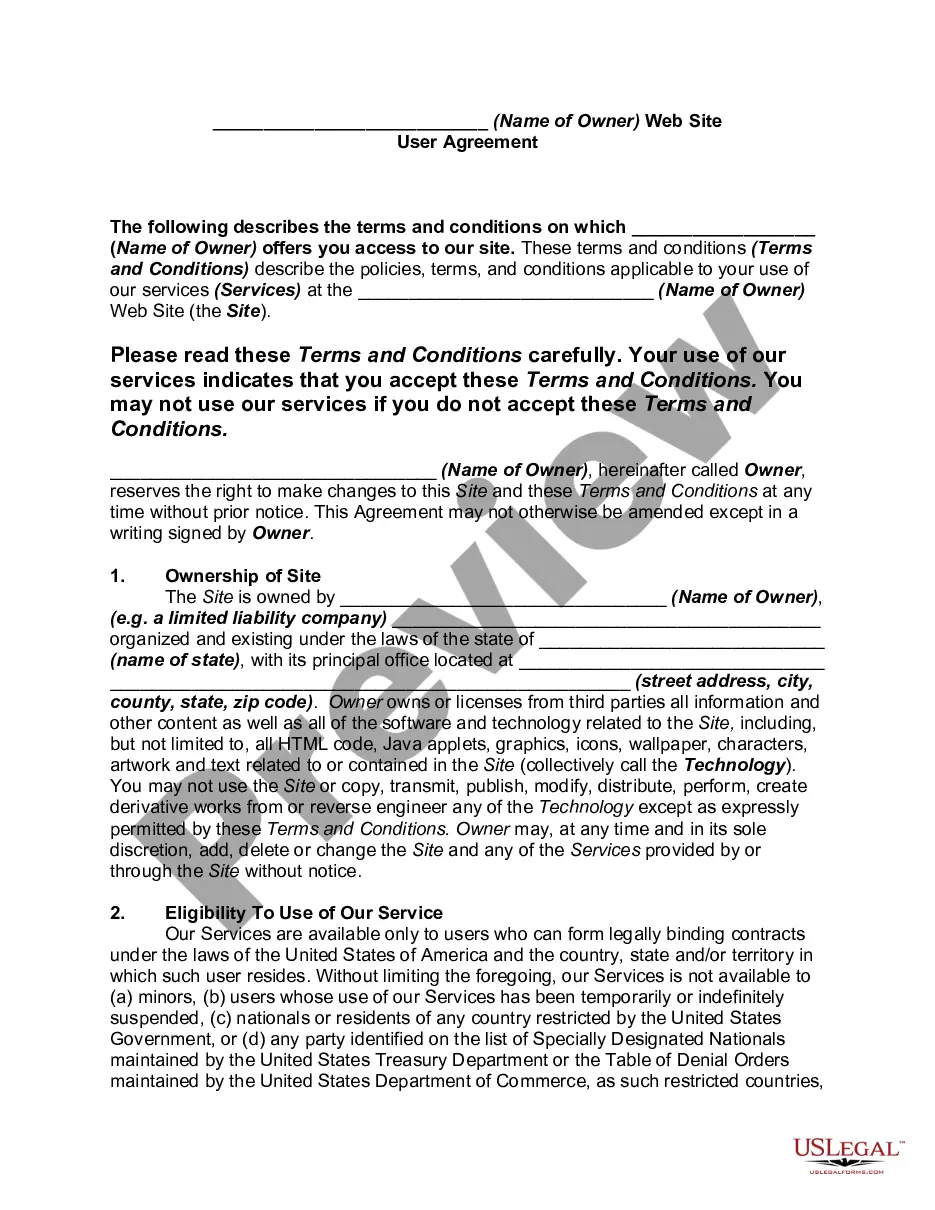
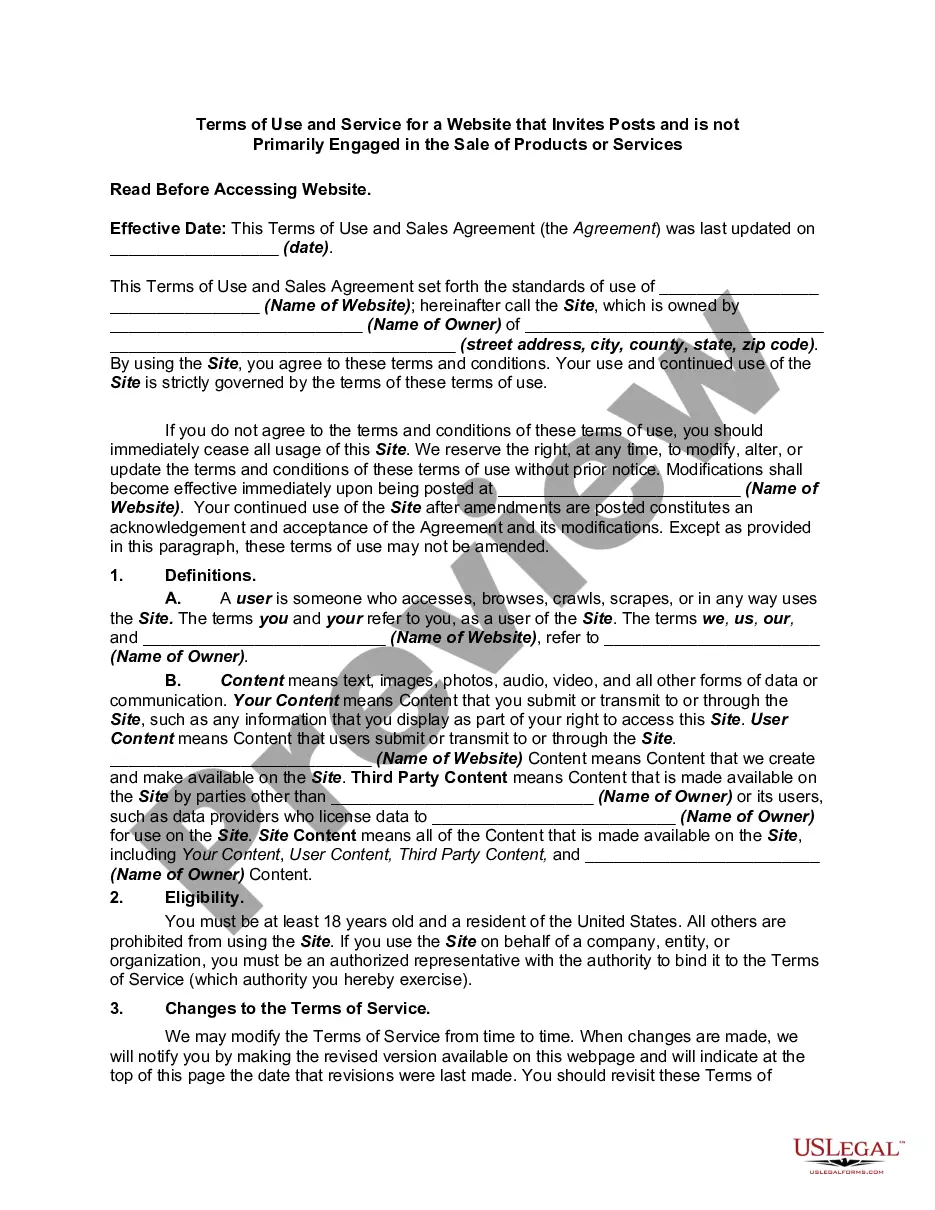
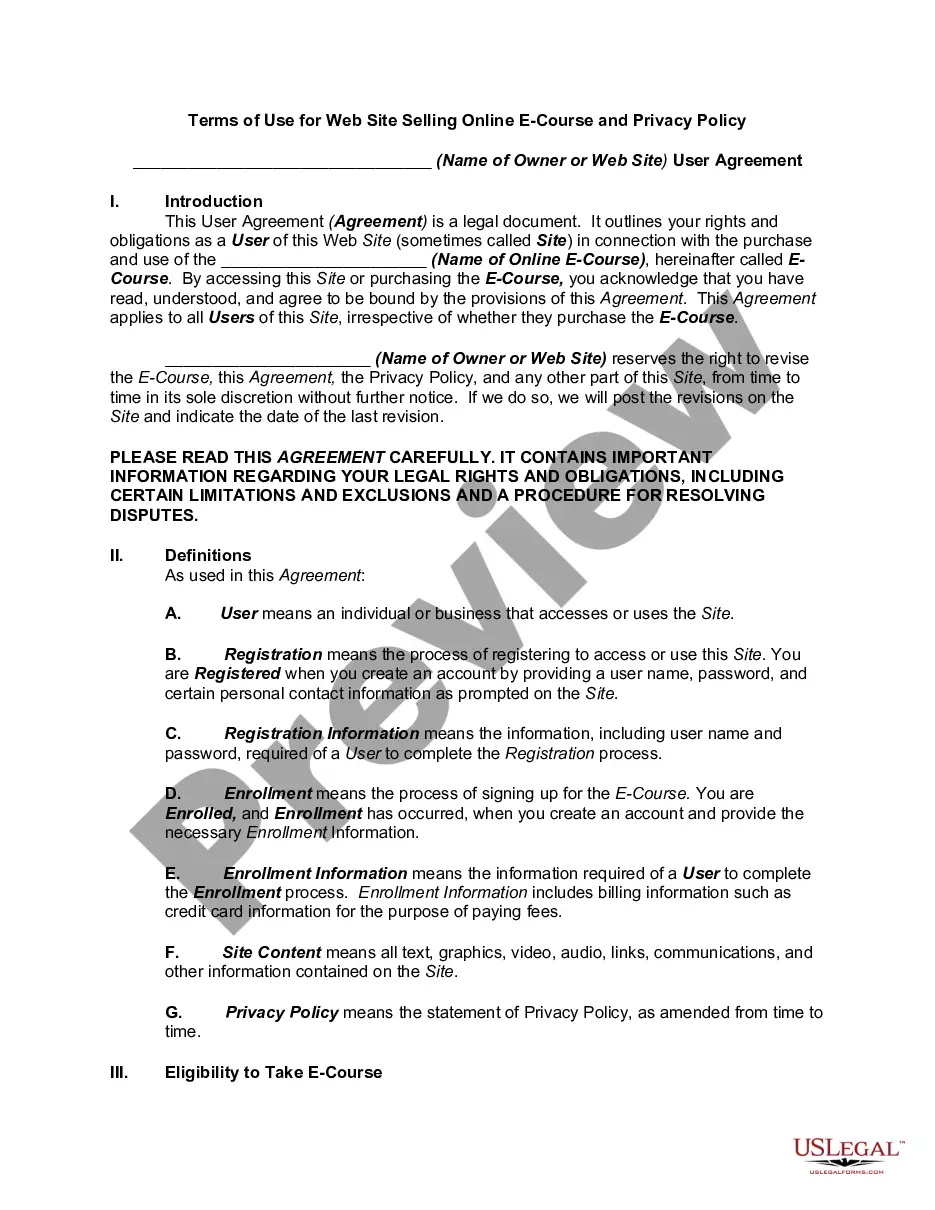
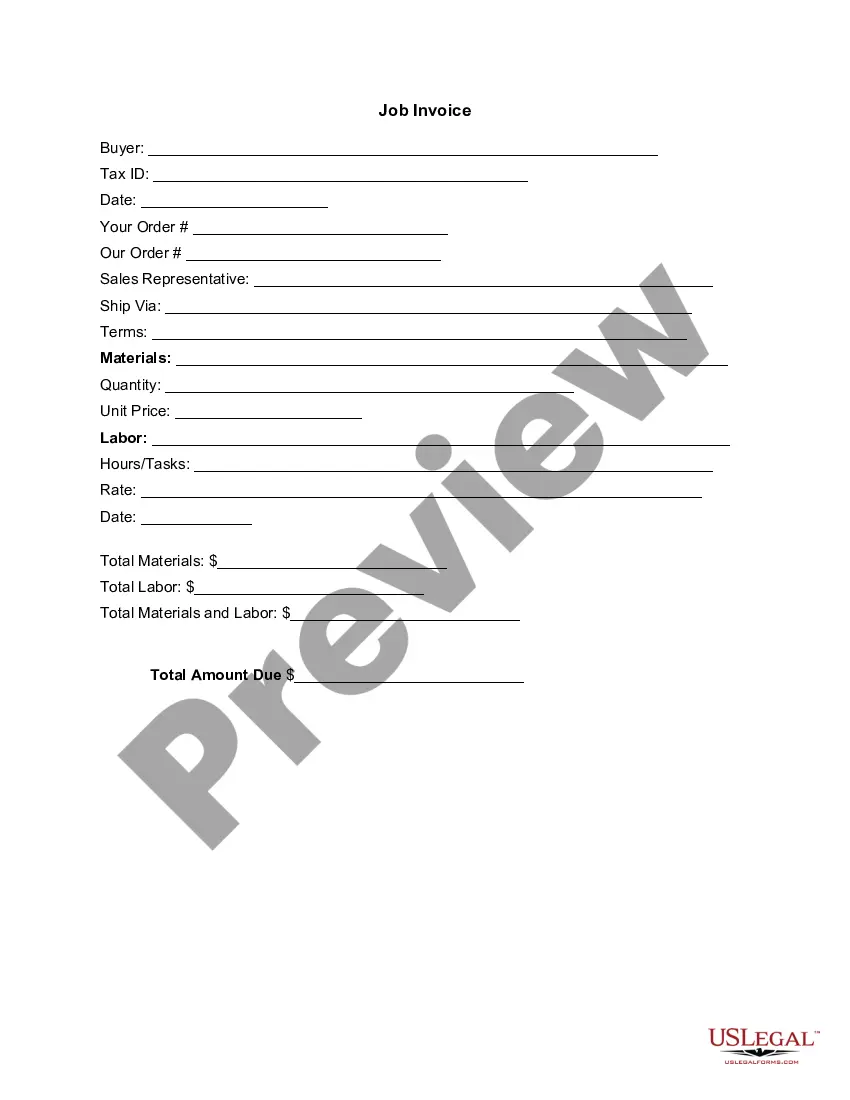
How to fill out Website Subscription User Agreement For Online Advice Service?
- If you're a returning user, log in to your account and check your subscription status. Make sure it’s active before downloading your chosen form by clicking the Download button.
- For new users, start by exploring the Preview mode and description of the form you need. Confirm that it meets your requirements and adheres to local jurisdiction laws.
- If you need a different template, use the Search tab to find an appropriate form that aligns with your needs.
- Once you’ve found the right document, click on the Buy Now button and select your preferred subscription plan. You will need to create an account to access the library.
- Complete your purchase by entering your payment information, either via credit card or PayPal.
- After payment, download your form to your device and you can also access it anytime from the My Forms section of your profile.
In conclusion, US Legal Forms offers a unique, user-friendly experience for anyone needing legal documents. With its extensive form collection and expert assistance, you can confidently manage your legal requirements.
Don’t wait—start simplifying your legal document processes today!
Form popularity
FAQ
To enhance your vocabulary, you might choose to say, 'I respectfully differ with your assessment.' This phrasing adds a layer of sophistication to your disagreement without diminishing the other person's viewpoint. Such language can elevate discussions about agreement and disagreement.
Disagreeing professionally requires a careful choice of words and tone. Use statements like, 'I appreciate your insights, but my analysis leads me to a different conclusion.' This method not only maintains professionalism but also enriches conversations regarding agreement and disagreement.
To express disagreement thoughtfully, try saying, 'I understand where you are coming from, but I see it differently.' This phrasing shows empathy and opens the door for dialogue. Such expressions are critical when discussing agreement and disagreement, as they encourage constructive communication.
When you face a disagreement that seems insurmountable, consider taking a break to reflect on the discussion. You can return with a clearer mind, ready to explore new ideas or solutions. Remember that finding common ground often requires patience and understanding in negotiations around agreement and disagreement.
If you find yourself unable to agree, it is vital to recognize and respect the differences. Focus on areas of potential compromise, and if necessary, agree to disagree respectfully. This strategy allows you to preserve relationships while navigating the complexities of agreement and disagreement.
Expressing agreement and disagreement effectively involves active listening and clear communication. Use phrases like, 'I see your point, but I believe...' to articulate your stance while acknowledging the other person's views. This balanced approach enriches discussions around agreement and disagreement.
In a formal setting, you might say, 'I have a different perspective on this matter.' This expression maintains professionalism while clearly conveying your disagreement. The key is to keep the conversation focused on facts to facilitate a productive dialogue around agreement and disagreement.
When you want to express disagreement effectively, consider framing your response respectfully. Begin by acknowledging the other person's perspective, then clearly state your differing viewpoint. This approach fosters a constructive conversation about agreement and disagreement, rather than creating animosity.
To show agreement, you might use phrases such as, 'I agree with your assessment' or 'Your suggestion aligns with my views.' Conversely, to demonstrate disagreement, you could say, 'I appreciate your thoughts, but I think differently.' Whether in conversation or writing, being direct yet respectful ensures that both agreement and disagreement are communicated clearly. Consider using tools from US Legal Forms to formalize any agreements or disagreements when necessary.
When showing disagreement in writing, clarity is key. Start by clearly stating your position, followed by reasoning that explains your perspective. You might say something like, 'While I respect your opinion, I have to disagree because...' This approach allows you to convey disagreement effectively while maintaining a polite and professional tone, essential in discussions surrounding agreement and disagreement.