Lease Back Tributação
Description
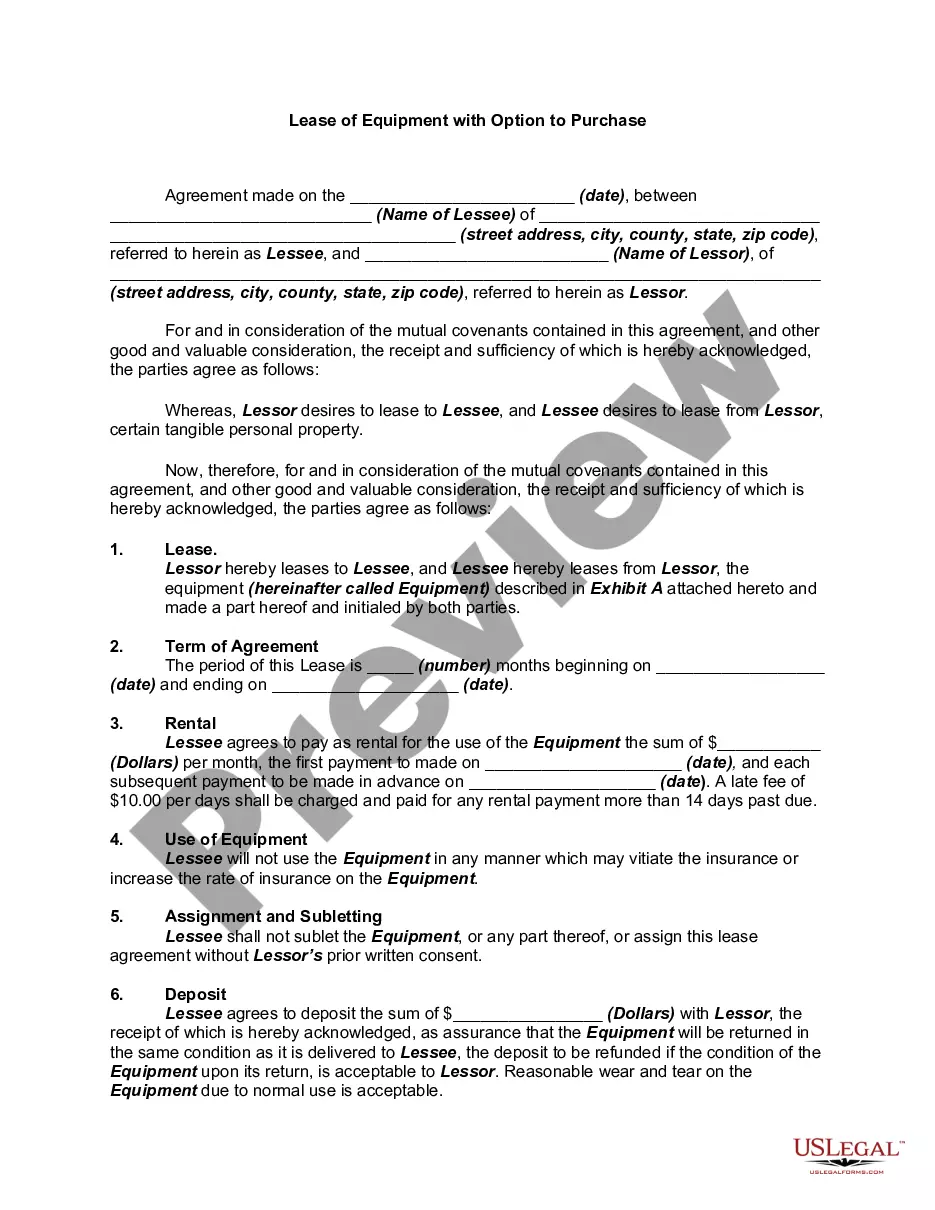
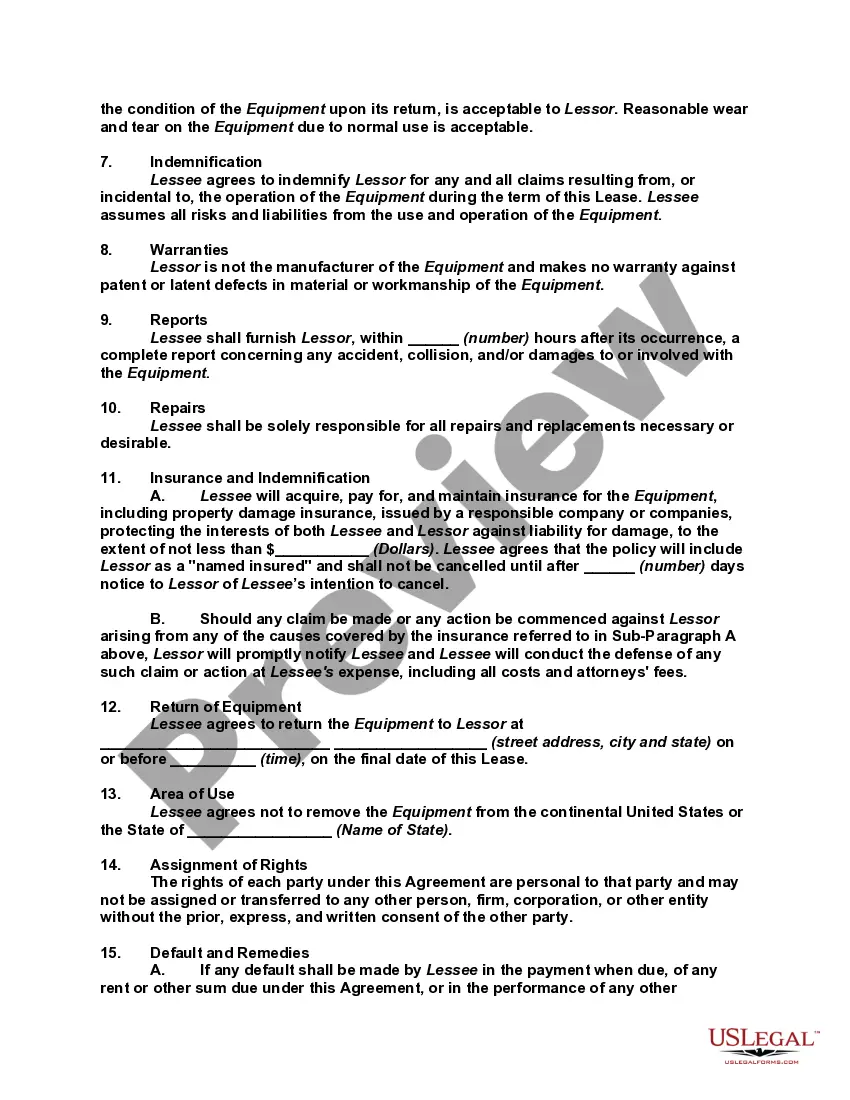
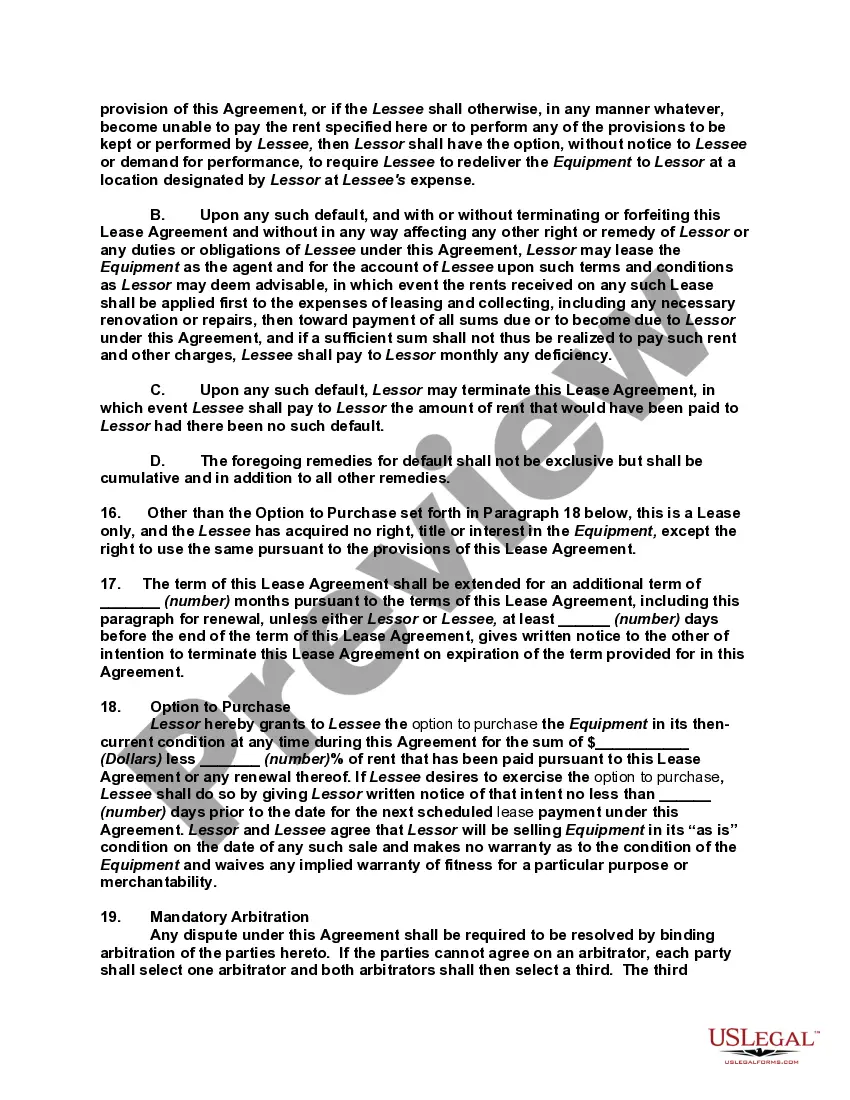
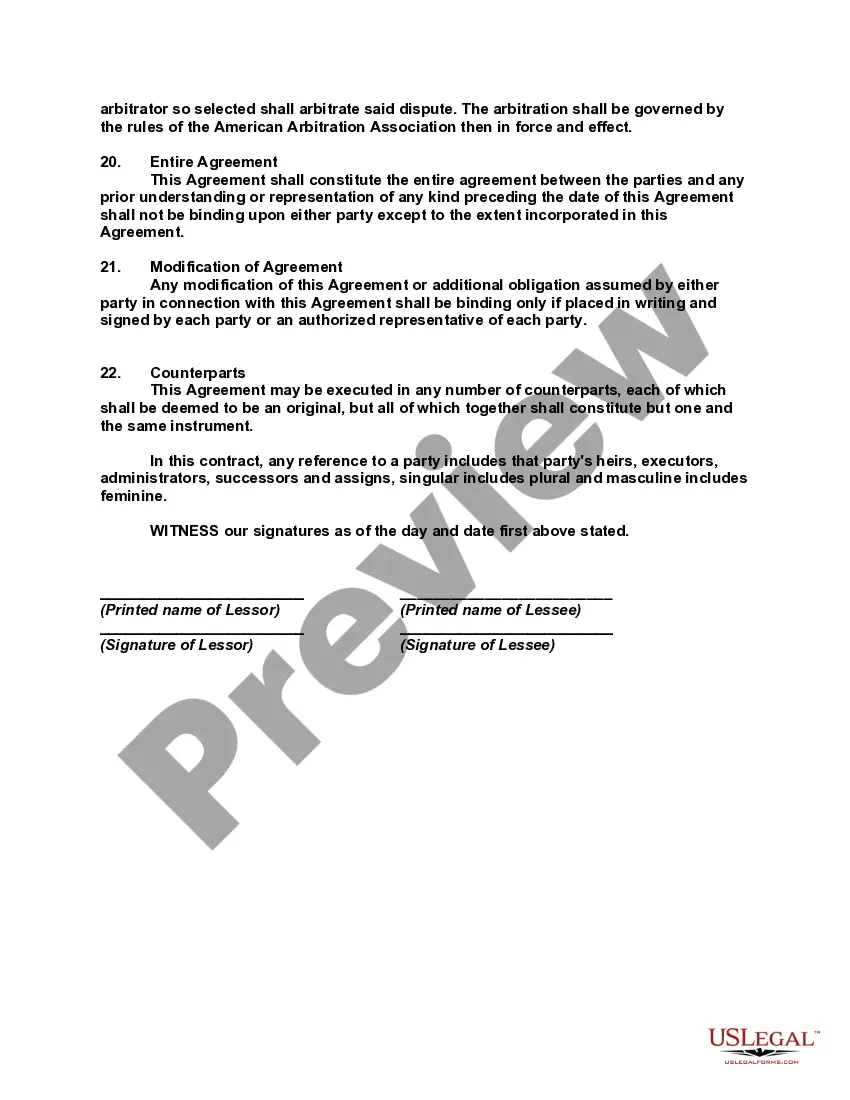
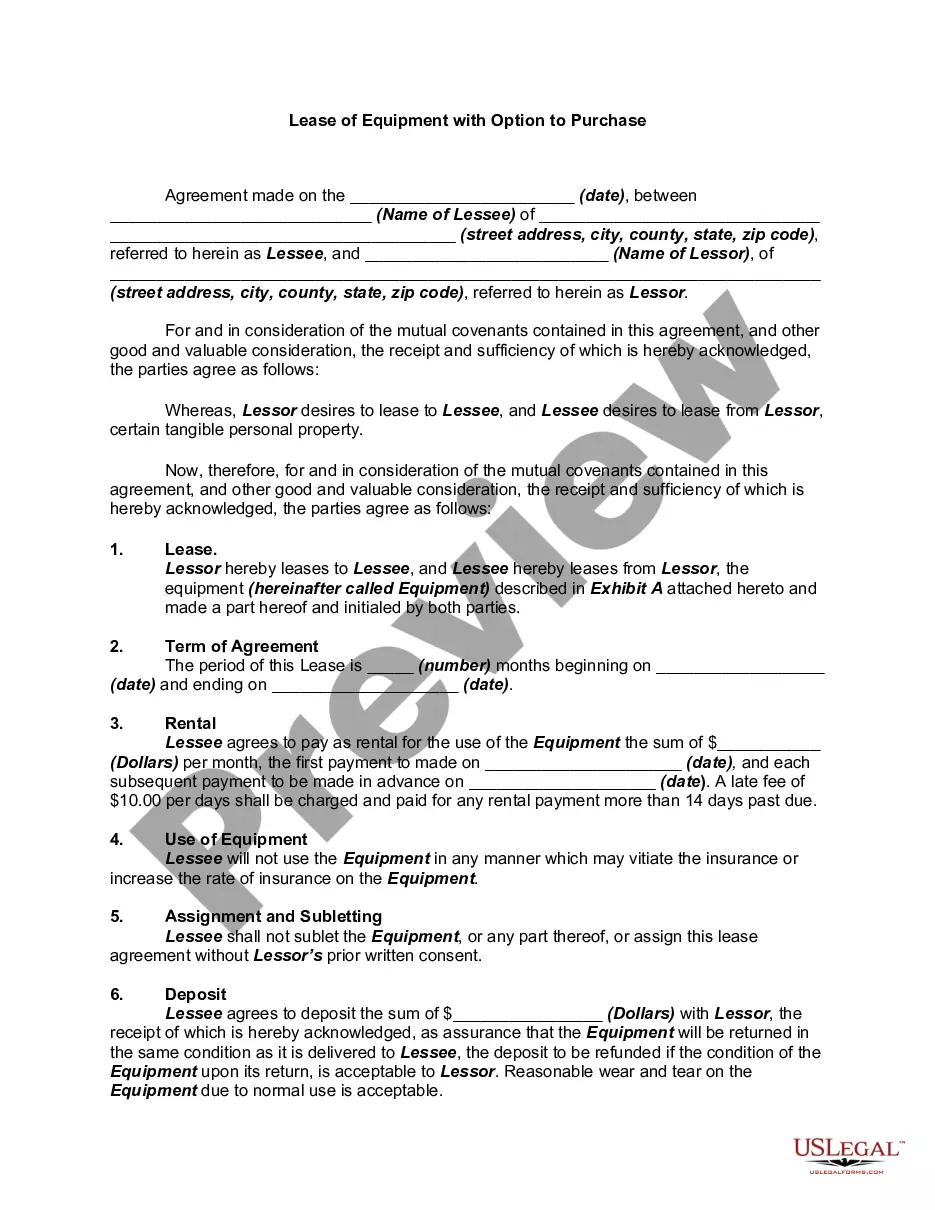
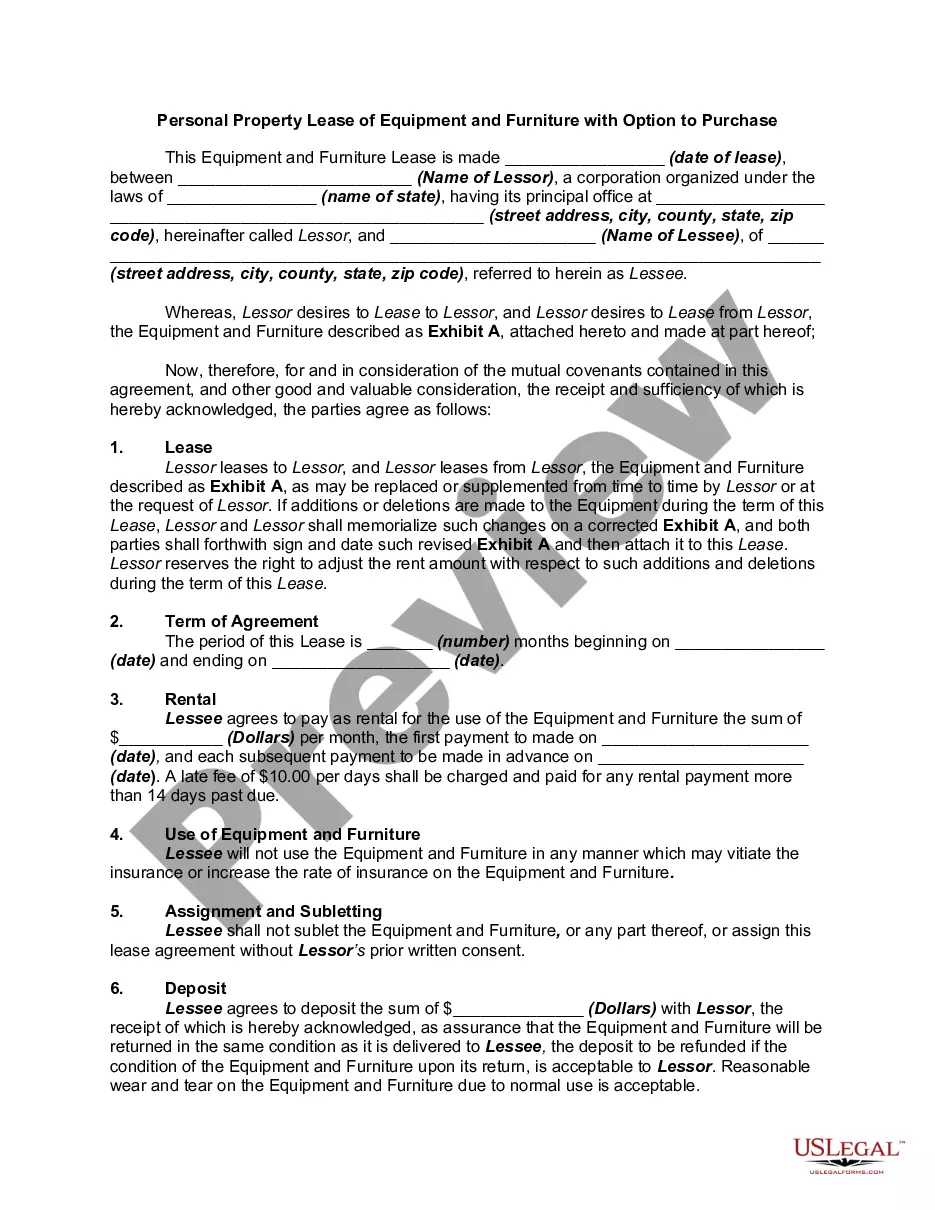
How to fill out Lease Or Rental Agreement Of Equipment With Option To Purchase And Own - Lease Or Rent To Own?
- Log in to your US Legal Forms account if you are a returning user, ensuring your subscription is up-to-date. Click the Download button for the needed form.
- If you are a new user, start by reviewing the form descriptions in Preview mode to choose the appropriate form that meets your jurisdiction’s requirements.
- Conduct an additional search for alternate templates if your chosen form does not suit your needs; utilize the Search tab for assistance.
- Once you have found your preferred form, click on 'Buy Now' and select a subscription plan. You will need to register before proceeding.
- Enter your payment details using a credit card or PayPal to complete your subscription purchase.
- Download the form and save it directly to your device. You can always access your documents later in the My Forms section of your profile.
With US Legal Forms, you benefit from an extensive library of over 85,000 legal templates, ensuring you find exactly what you need. This service not only saves time but also provides access to professional assistance for completing forms correctly.
Ready to simplify your legal documentation process? Visit US Legal Forms today and get started!
Form popularity
FAQ
A lease buyback allows a business to repurchase an asset after selling it in a leaseback transaction. Initially, the business sells the asset to gain capital, then leases it from the new owner. After a period, the company may choose to buy back the asset, regaining full ownership. This process can be influenced by lease back tributação, making it necessary to understand tax implications.
Leasebacks can indeed be a solid investment for buyers seeking stable long-term tenants and predictable income. The potential for favorable lease back tributação can enhance returns, making these investments appealing. However, it's vital to evaluate the creditworthiness of the tenant and the property's location. By doing your due diligence, you can make informed choices that align with your investment goals.
Many businesses engage in a sale/leaseback to unlock capital tied up in real estate, allowing for investment in other areas like expansion or debt reduction. This strategy can also result in favorable lease back tributação conditions that reduce overall tax burdens. Essentially, sellers can gain liquidity without losing operational control of their property. Such arrangements offer a strategic pathway for managing finances effectively.
The 90-day rule for sale-leaseback transactions generally stipulates that the seller must continue to operate in the property for at least 90 days after the sale. This guideline helps ensure that the transaction is genuine rather than a scheme for immediate financial benefit. Understanding the implications of lease back tributação in light of this rule is essential for both buyers and sellers to maintain compliance. Always seek expert advice to navigate these regulations effectively.
A lease back occurs when a property owner sells their asset and then leases it back from the buyer. For instance, a business might sell its office building to an investor and continue occupying it under a lease agreement. This arrangement allows the seller to unlock capital while retaining operational control. It's important to consider how lease back tributação can impact your financial planning in such scenarios.
A lease buyback is a strategic arrangement where a property owner sells the asset and simultaneously leases it back from the new owner. This enables the seller to retain operational control while eliminating the burden of ownership. It can enhance liquidity and optimize tax positions. Familiarizing yourself with lease back tributação is crucial in maximizing the benefits of this strategy.