Federal Consumer Credit Laws
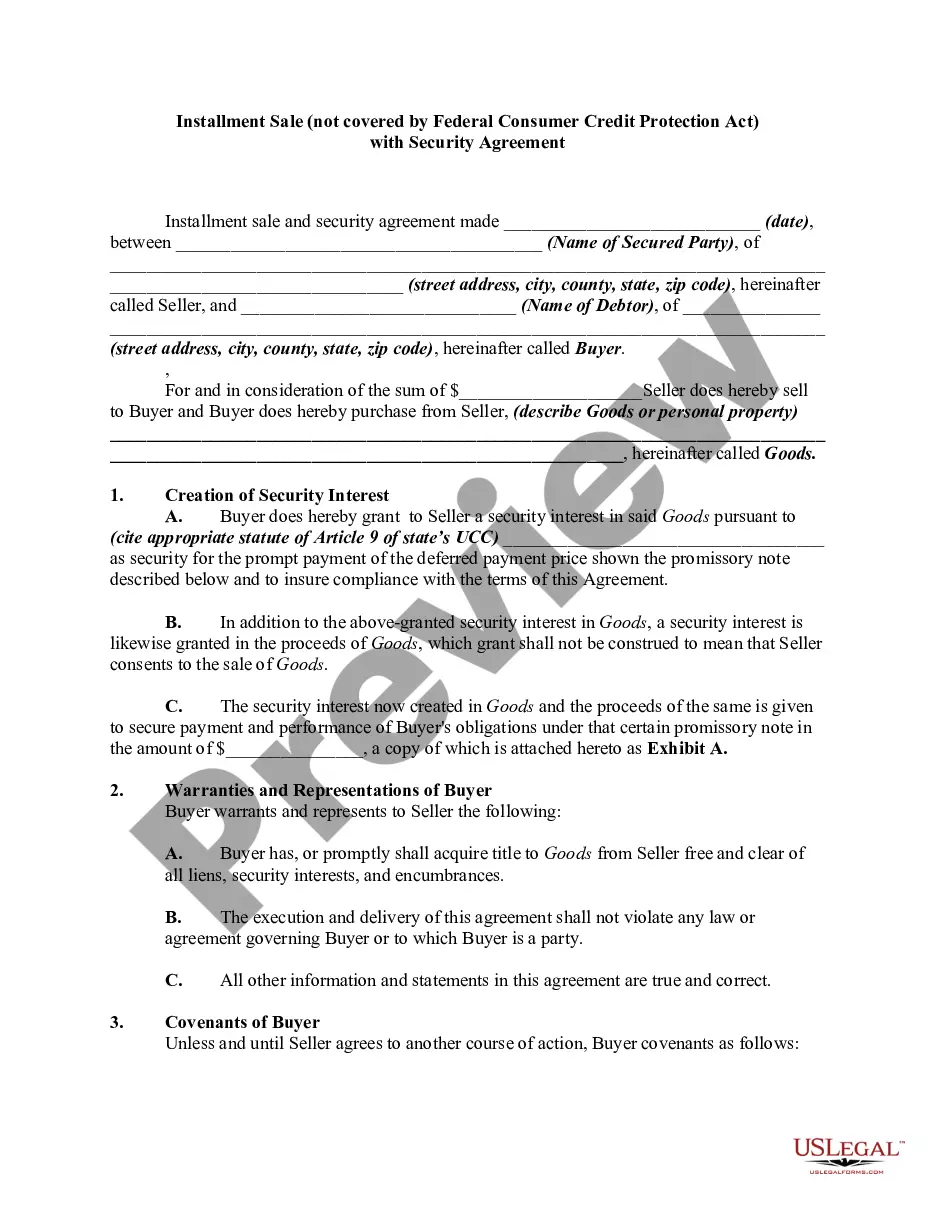
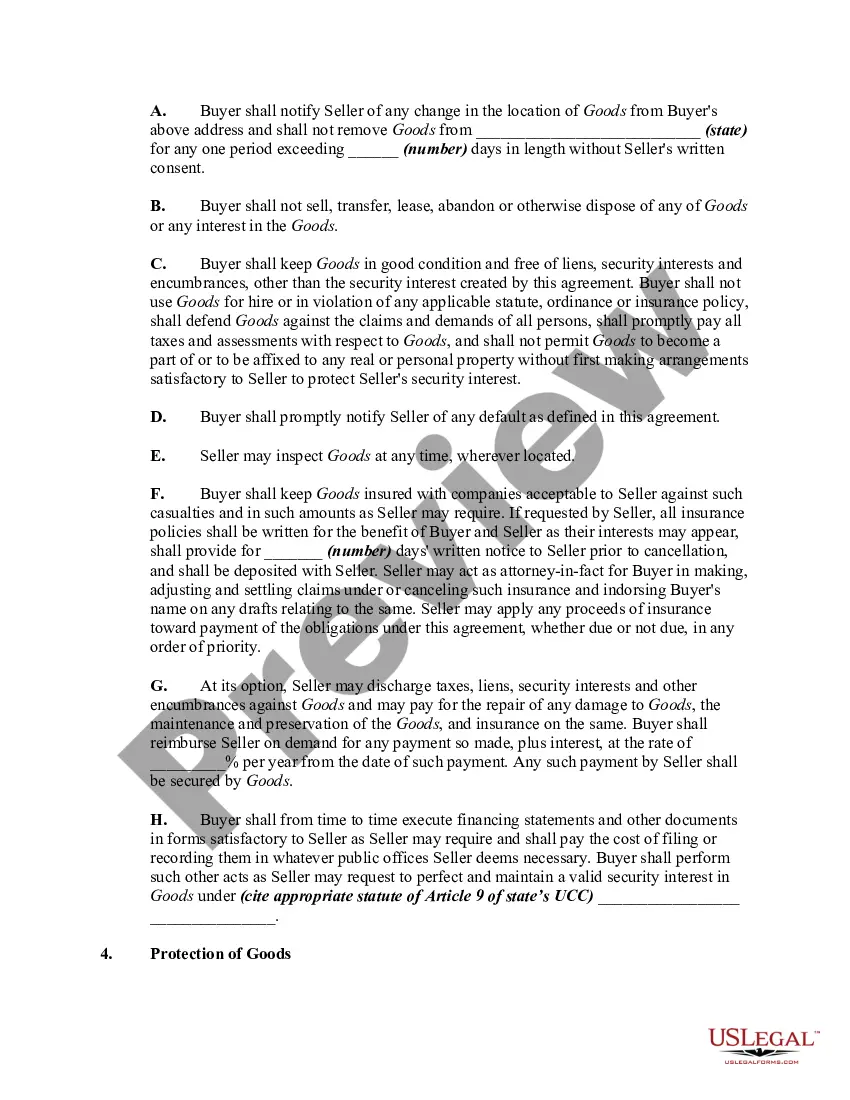
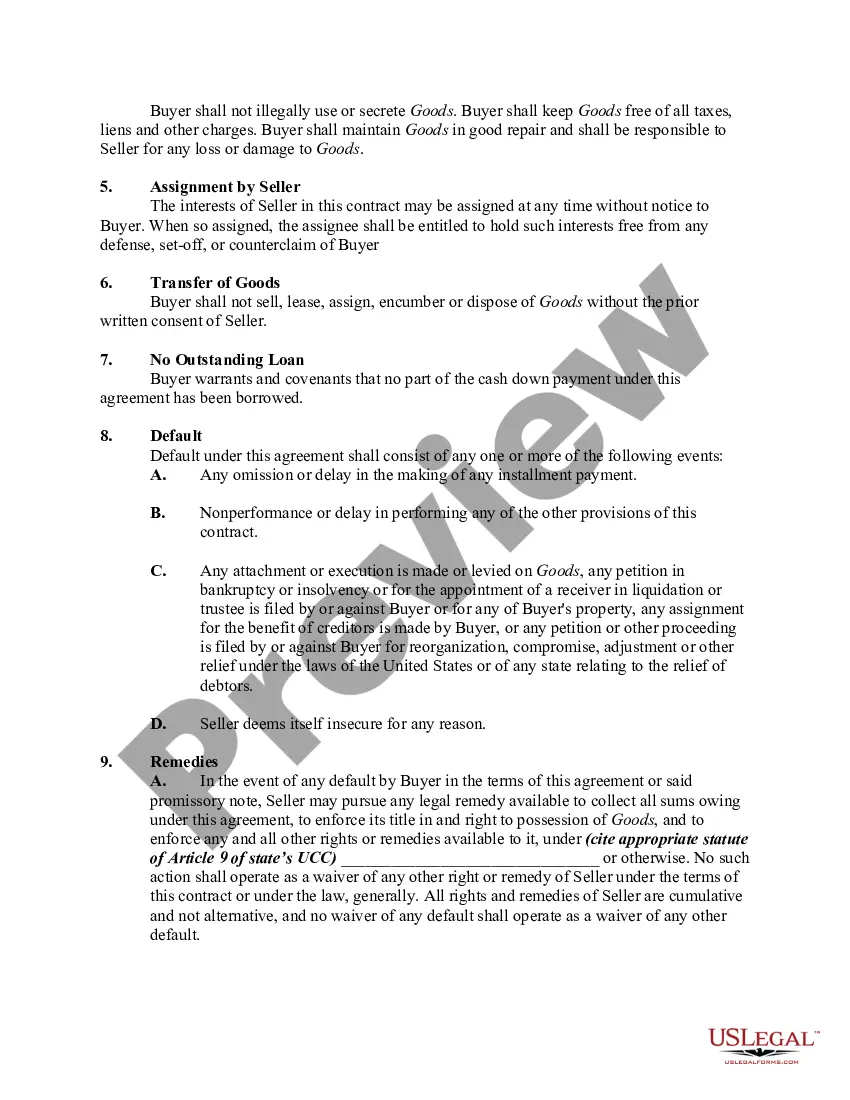
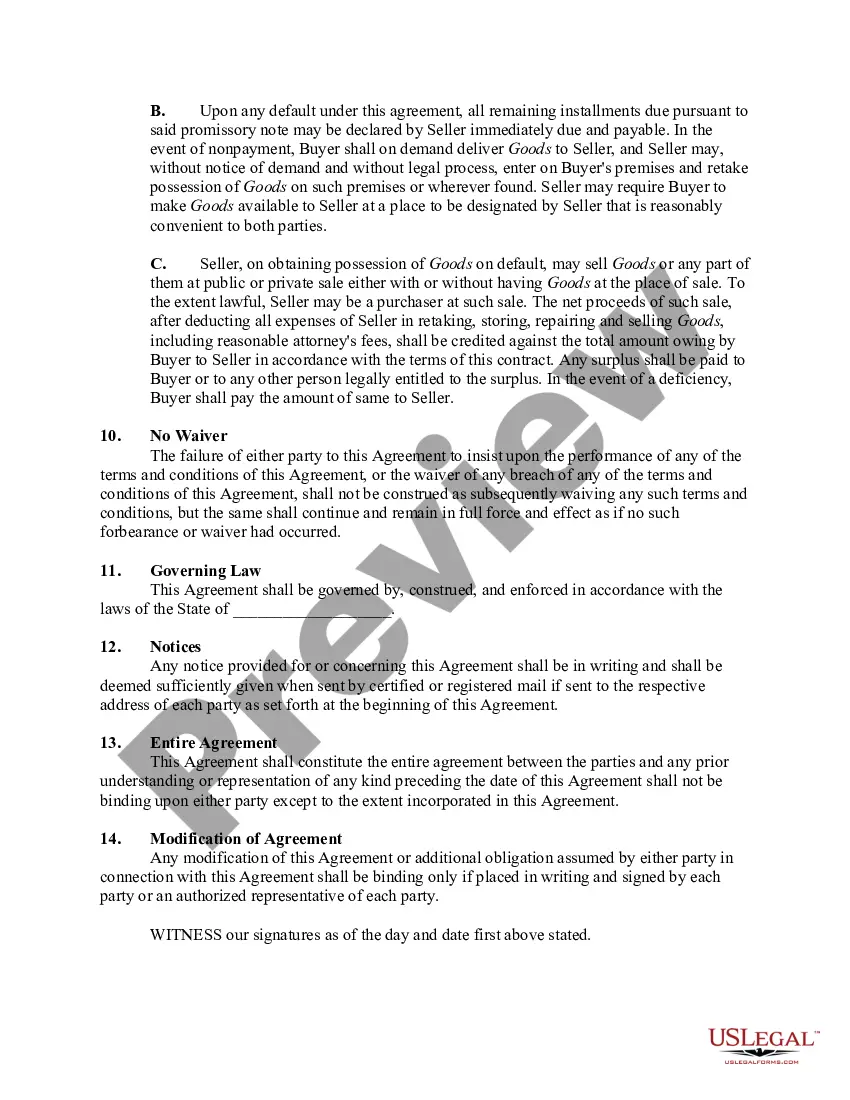
Description
Get your form ready online
Our built-in tools help you complete, sign, share, and store your documents in one place.
Make edits, fill in missing information, and update formatting in US Legal Forms—just like you would in MS Word.
Download a copy, print it, send it by email, or mail it via USPS—whatever works best for your next step.
Sign and collect signatures with our SignNow integration. Send to multiple recipients, set reminders, and more. Go Premium to unlock E-Sign.
If this form requires notarization, complete it online through a secure video call—no need to meet a notary in person or wait for an appointment.
We protect your documents and personal data by following strict security and privacy standards.

Make edits, fill in missing information, and update formatting in US Legal Forms—just like you would in MS Word.

Download a copy, print it, send it by email, or mail it via USPS—whatever works best for your next step.

Sign and collect signatures with our SignNow integration. Send to multiple recipients, set reminders, and more. Go Premium to unlock E-Sign.

If this form requires notarization, complete it online through a secure video call—no need to meet a notary in person or wait for an appointment.

We protect your documents and personal data by following strict security and privacy standards.
Looking for another form?
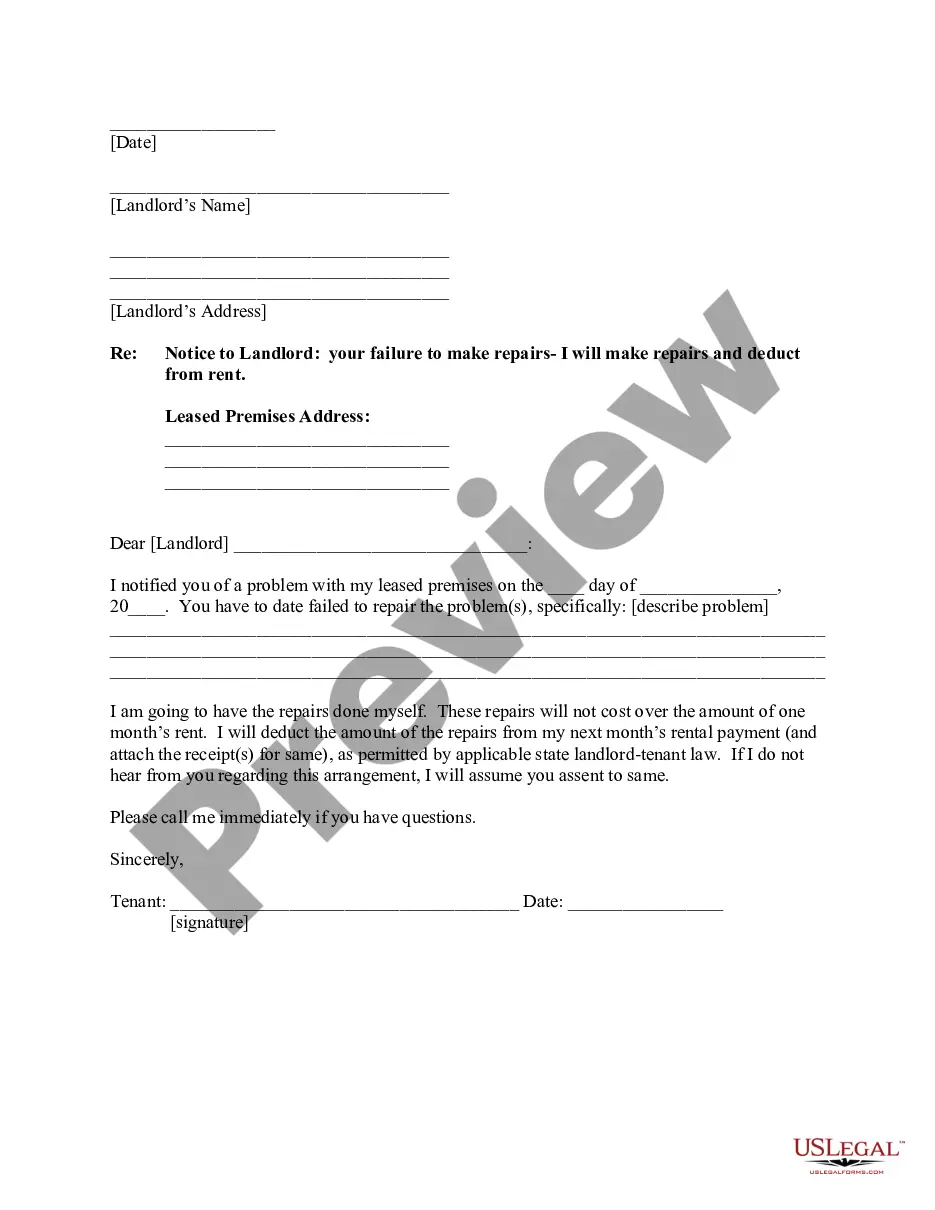
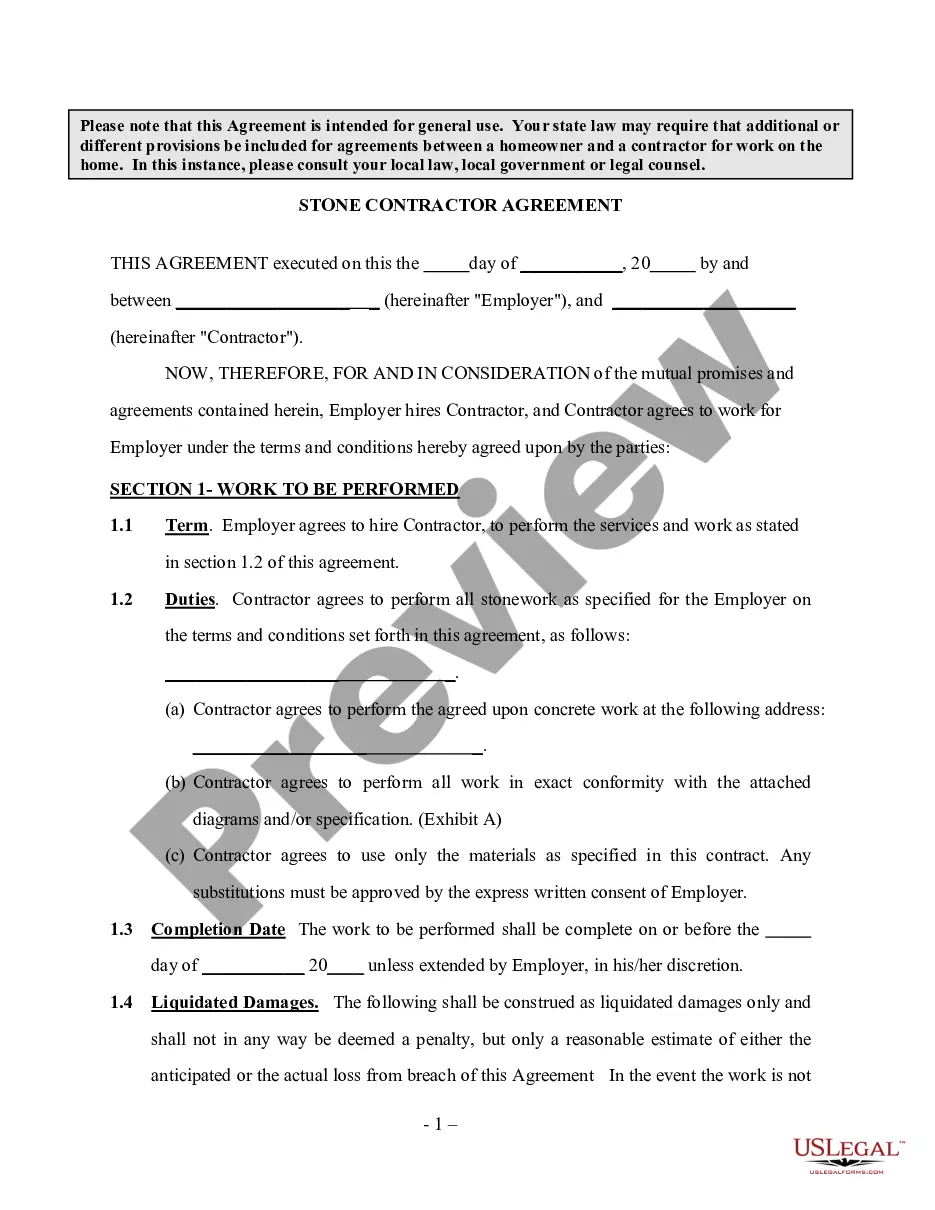
How to fill out Installment Sale Not Covered By Federal Consumer Credit Protection Act With Security Agreement?
Legal administration may be daunting, even for experienced experts.
When you are looking for Federal Consumer Credit Laws and lack the time to dedicate to finding the correct and updated version, the process can be anxiety-inducing.
US Legal Forms caters to any requirements you may have, from personal to business documents, all in one location.
Utilize cutting-edge tools to fill out and manage your Federal Consumer Credit Laws.
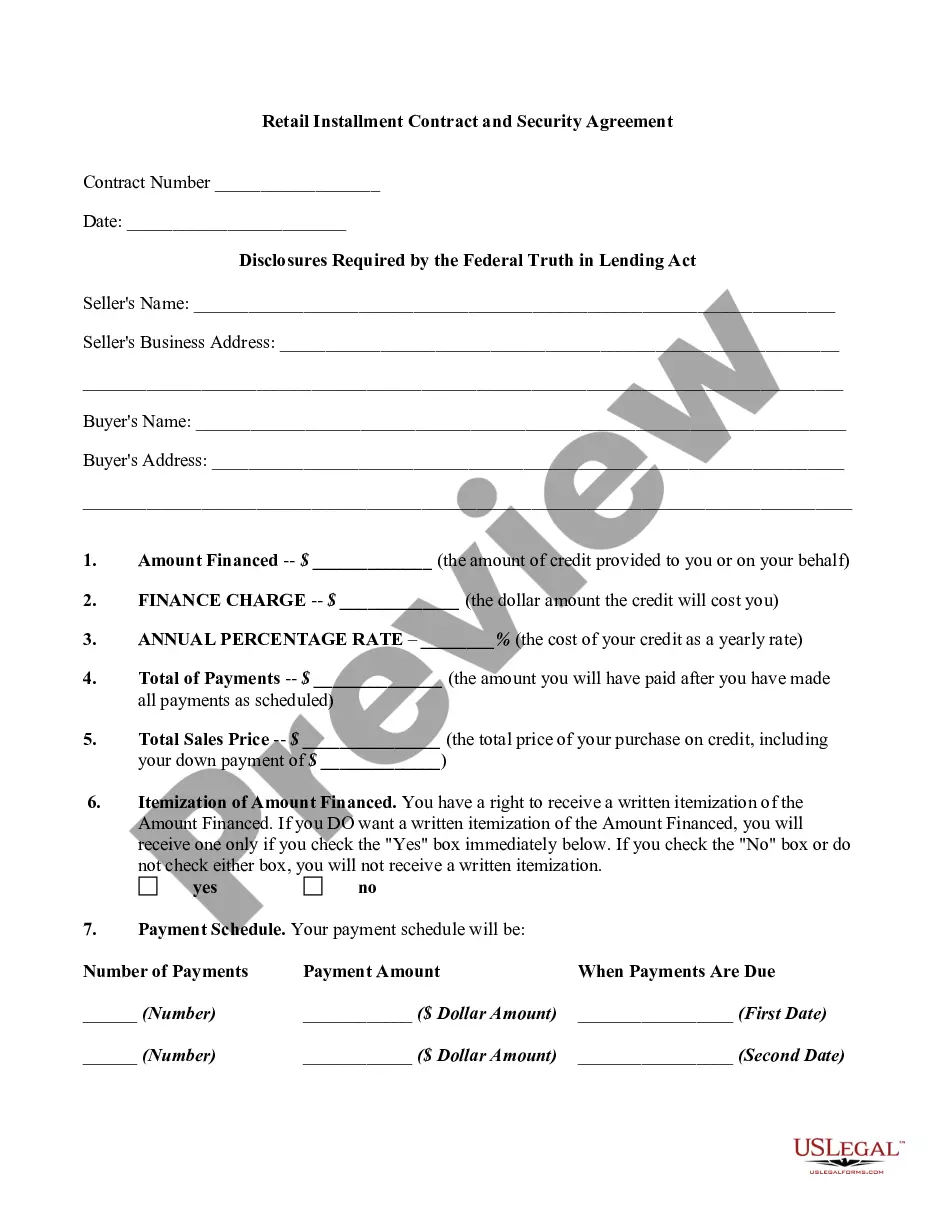
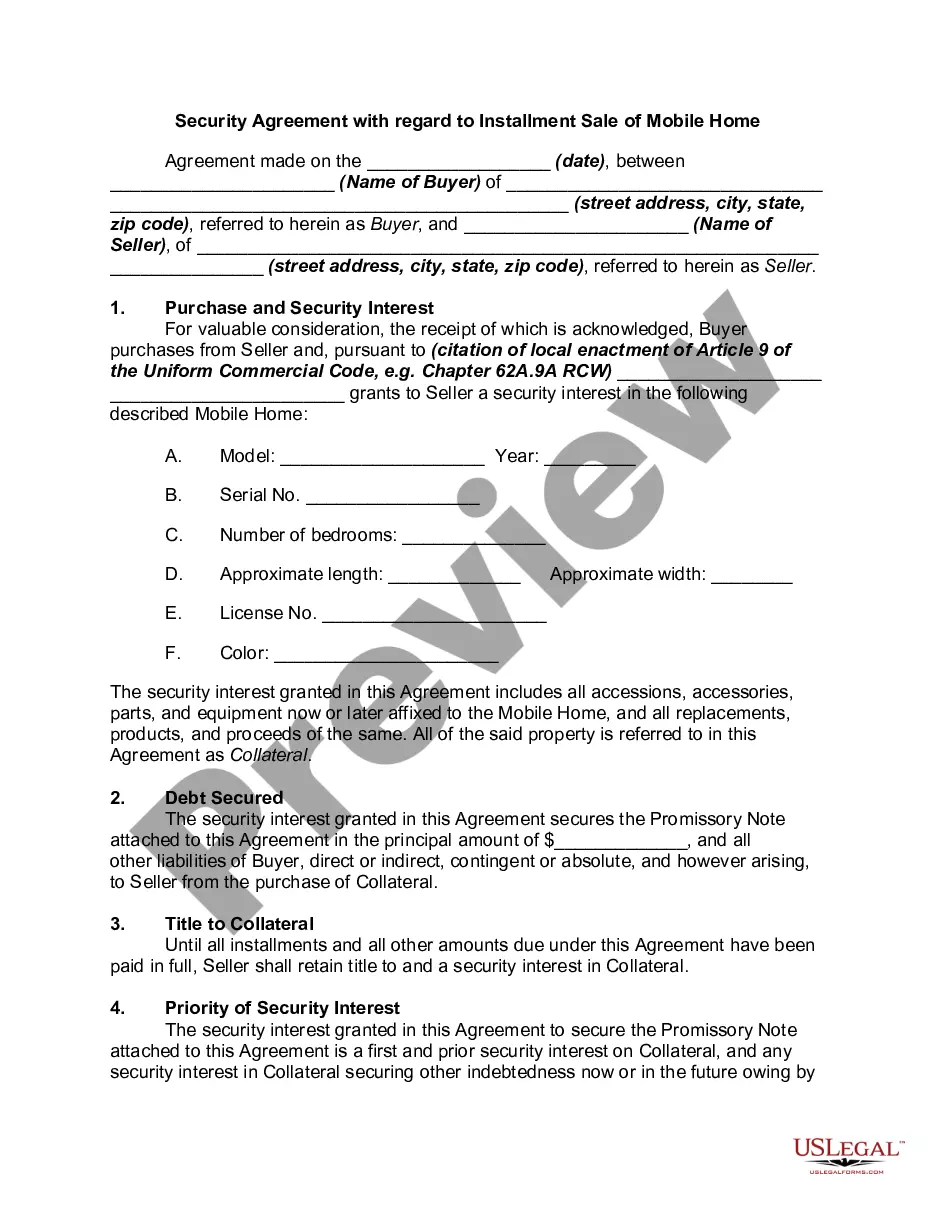
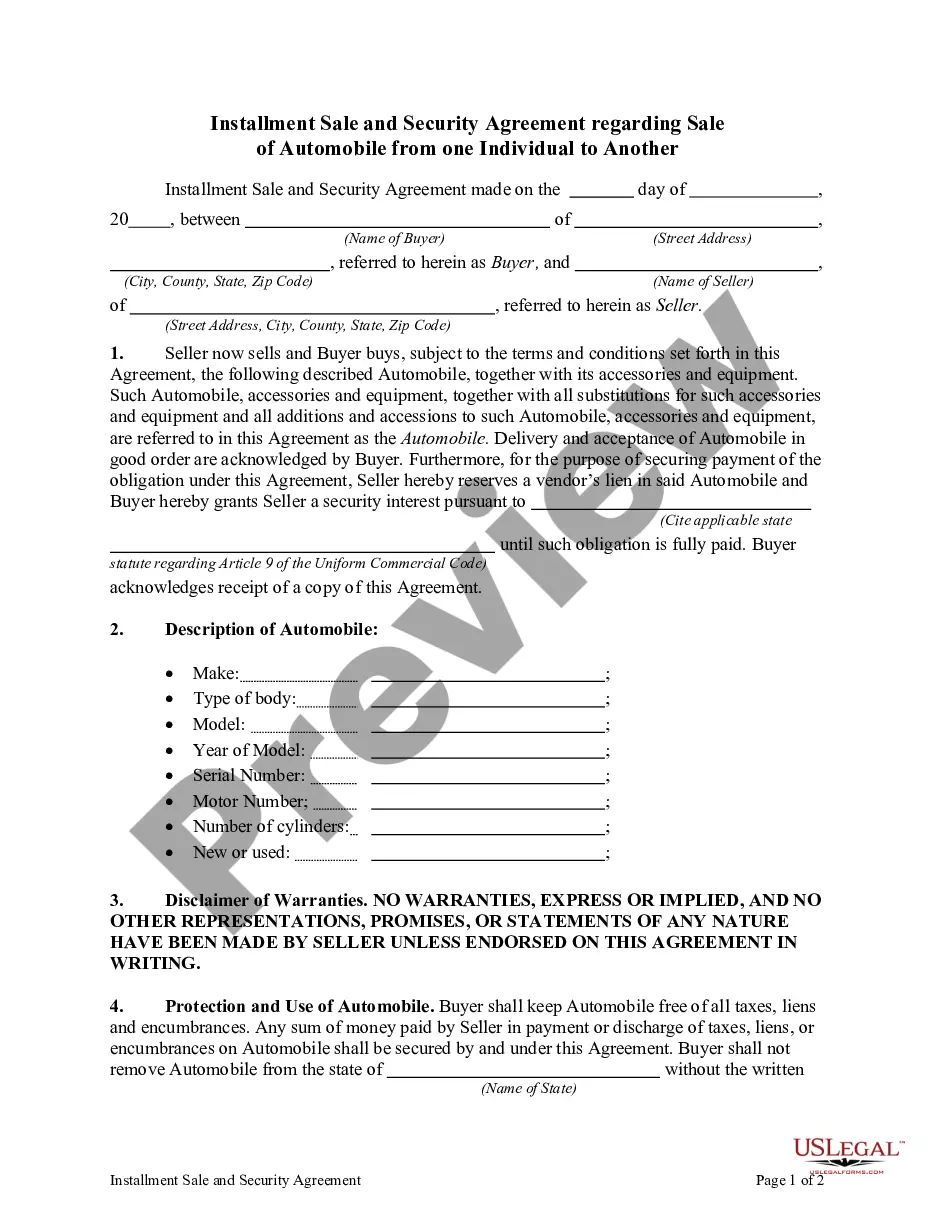
Here are the steps to follow after downloading the required form: Validate that it is the correct form by previewing it and reviewing its details. Ensure that the template is accepted in your state or county. Select Buy Now when you are ready. Choose a subscription plan. Find the format you need, and Download, complete, sign, print, and submit your documents. Take advantage of the US Legal Forms online library, backed by 25 years of experience and reliability. Streamline your daily document management into a simple and user-friendly process today.
- Access a repository of articles, guides, and handbooks related to your circumstances and needs.
- Conserve time and effort searching for the documents you require, and leverage US Legal Forms' advanced search and Review tool to locate Federal Consumer Credit Laws and obtain it.
- If you possess a membership, Log In to your US Legal Forms account, search for the form, and download it.
- Check the My documents tab to view the documents you have previously saved and organize your folders as needed.
- If this is your initial experience with US Legal Forms, establish a free account and gain unlimited access to all the platform’s benefits.
- A robust online form repository could be transformative for anyone aiming to handle these matters effectively.
- US Legal Forms is a frontrunner in online legal documentation, offering over 85,000 state-specific legal forms accessible to you at any time.
- With US Legal Forms, you can access legal and business forms specific to your state or county.
Form popularity
FAQ
The 7 7 7 rule for debt collectors refers to the time frame in which a debt collector must cease communication after a debtor requests it. According to federal consumer credit laws, debt collectors must stop contacting you for seven days after receiving your written request. This rule helps protect your rights and ensures that you have the space needed to manage your financial situation. If you need assistance navigating these laws, US Legal Forms offers resources and templates to help you draft effective communication with debt collectors.
The best way to file a consumer complaint is to clearly document your issue and provide all necessary details. You can choose to file your complaint directly with the FTC or the CFPB, both of which handle violations of federal consumer credit laws. Online submission is often the most efficient method, as it allows for quick processing and tracking. To simplify this process, USLegalForms provides templates and guidance that help you articulate your complaint effectively.
To file a complaint under the Fair Credit Reporting Act (FCRA), you should first gather all relevant information regarding your credit report issue. Then, visit the official website of the Consumer Financial Protection Bureau (CFPB), where you can submit your complaint online. This process helps ensure your rights under federal consumer credit laws are upheld. Additionally, platforms like USLegalForms offer resources to guide you through the complaint process effectively.
Filing a complaint with the Federal Trade Commission (FTC) is important for enforcing federal consumer credit laws. By submitting your complaint, you help the FTC identify patterns of unfair practices and take necessary actions against violators. Your complaint can contribute to broader investigations that protect consumers like you. Therefore, if you believe your rights under federal consumer credit laws have been violated, it is definitely worth taking this step.
The Consumer Credit Protection Act grants you various rights aimed at ensuring fair treatment in credit transactions. You are entitled to clear and concise information about the terms and costs of credit, which helps you compare options effectively. Additionally, the Act protects you from unfair practices, allowing you to report any violations. Recognizing these rights is vital for navigating the complexities of federal consumer credit laws and ensuring equitable access to financial resources.
The new Fair Credit Reporting Act (FCRA) law passed in 2025 enhances your rights regarding credit reporting and consumer information. This legislation focuses on increasing transparency in credit reporting practices and improving consumer access to their credit files. It also mandates that credit reporting agencies provide clearer information about your credit history and dispute processes. By understanding these updates, you can better manage your financial future under federal consumer credit laws.
Under the Consumer Protection Act, consumers enjoy a range of rights designed to protect them from unfair practices. This includes the right to protection against hazardous goods, the right to information about products, and the right to choose freely among various options. Additionally, consumers have the right to seek compensation for any harm caused by faulty products. Understanding these rights is crucial, as they provide you with the tools to navigate the complexities of federal consumer credit laws effectively.
As a consumer, you have five essential rights that protect you in the marketplace. First, you have the right to safety, ensuring that products do not pose any danger to your health. Second, you have the right to be informed, meaning businesses must provide truthful information about their products. Third, you have the right to choose, allowing you to select from a variety of products and services. Fourth, you have the right to be heard, ensuring your complaints and opinions are recognized. Lastly, you have the right to seek redress, enabling you to pursue remedies for any grievances under federal consumer credit laws.