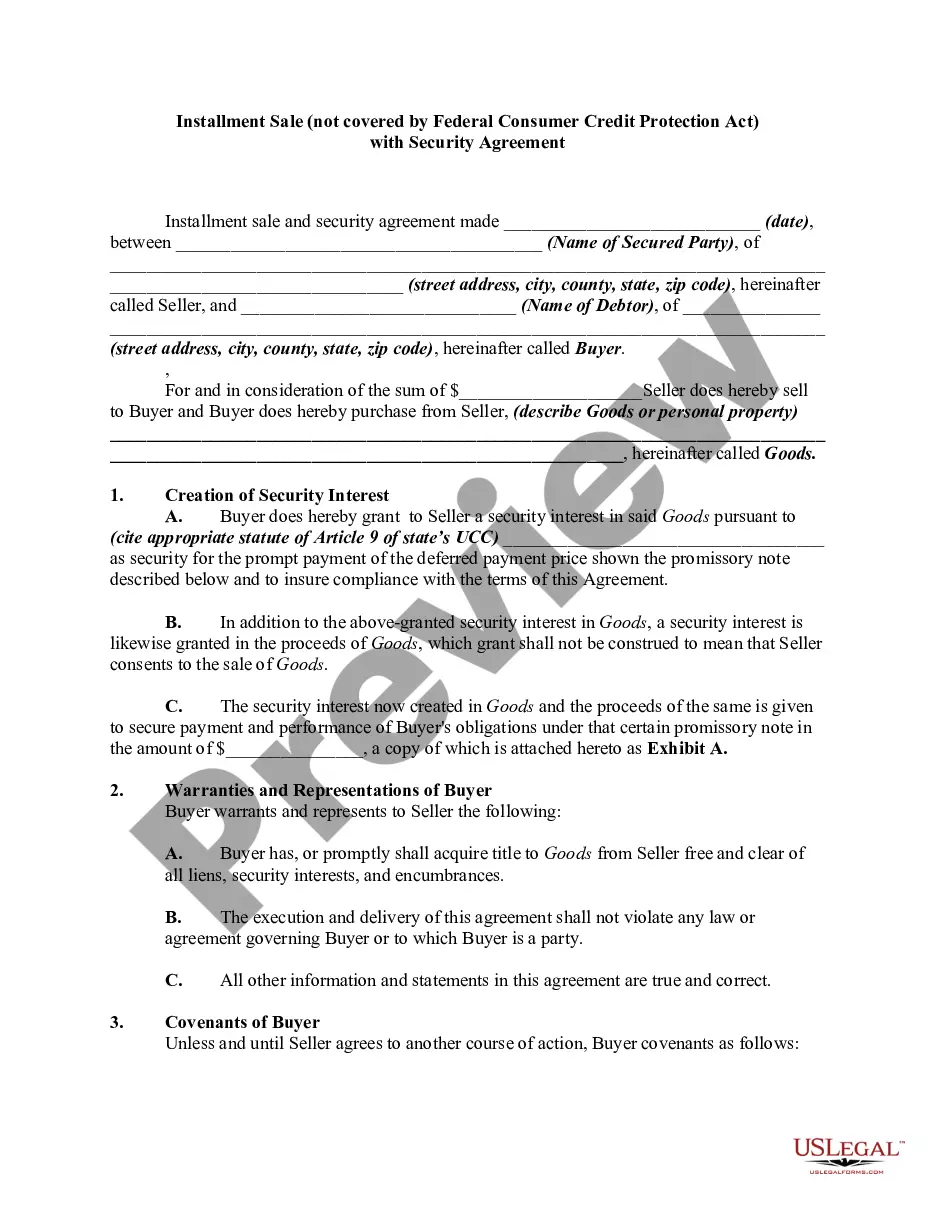
Federal Consumer Credit Act For Dummies
Description

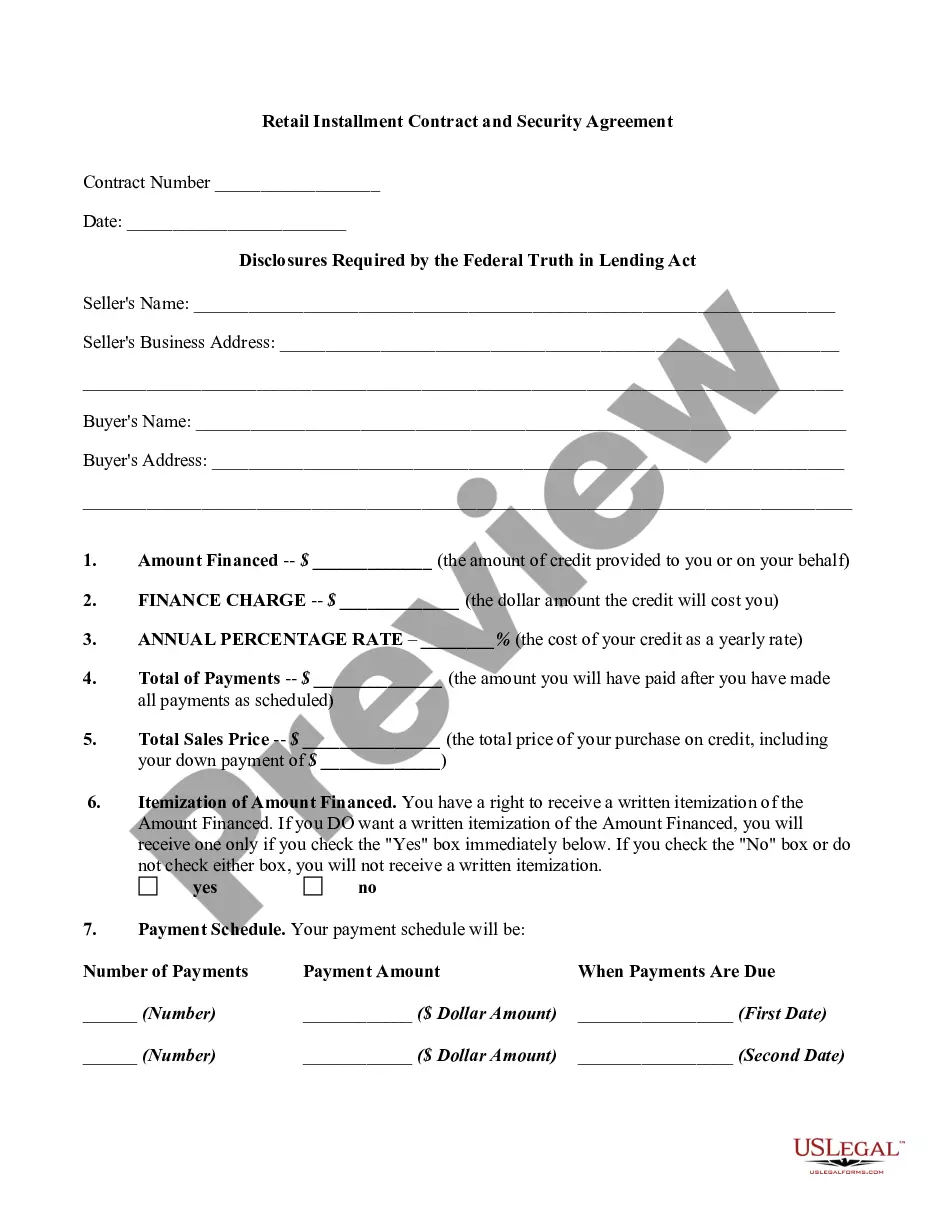
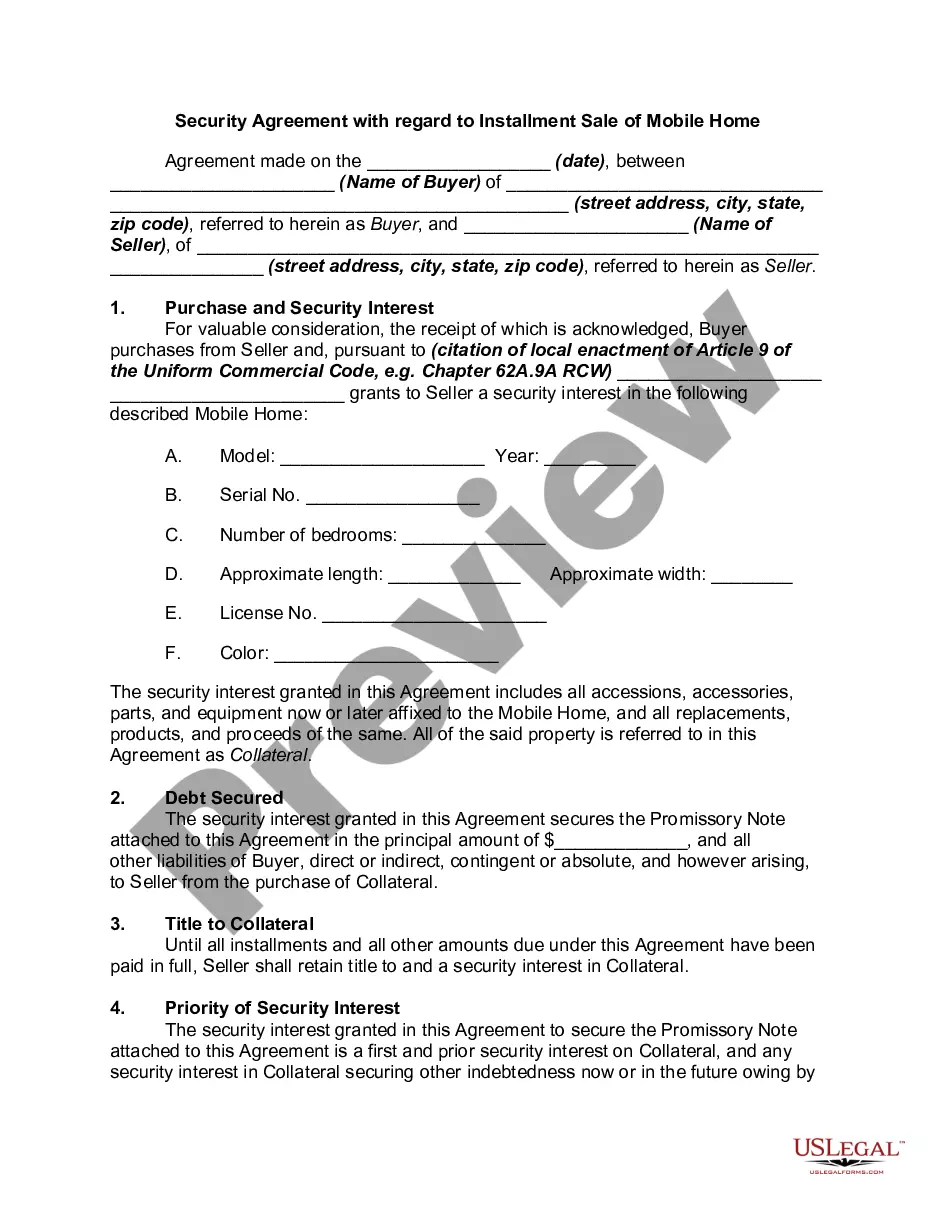
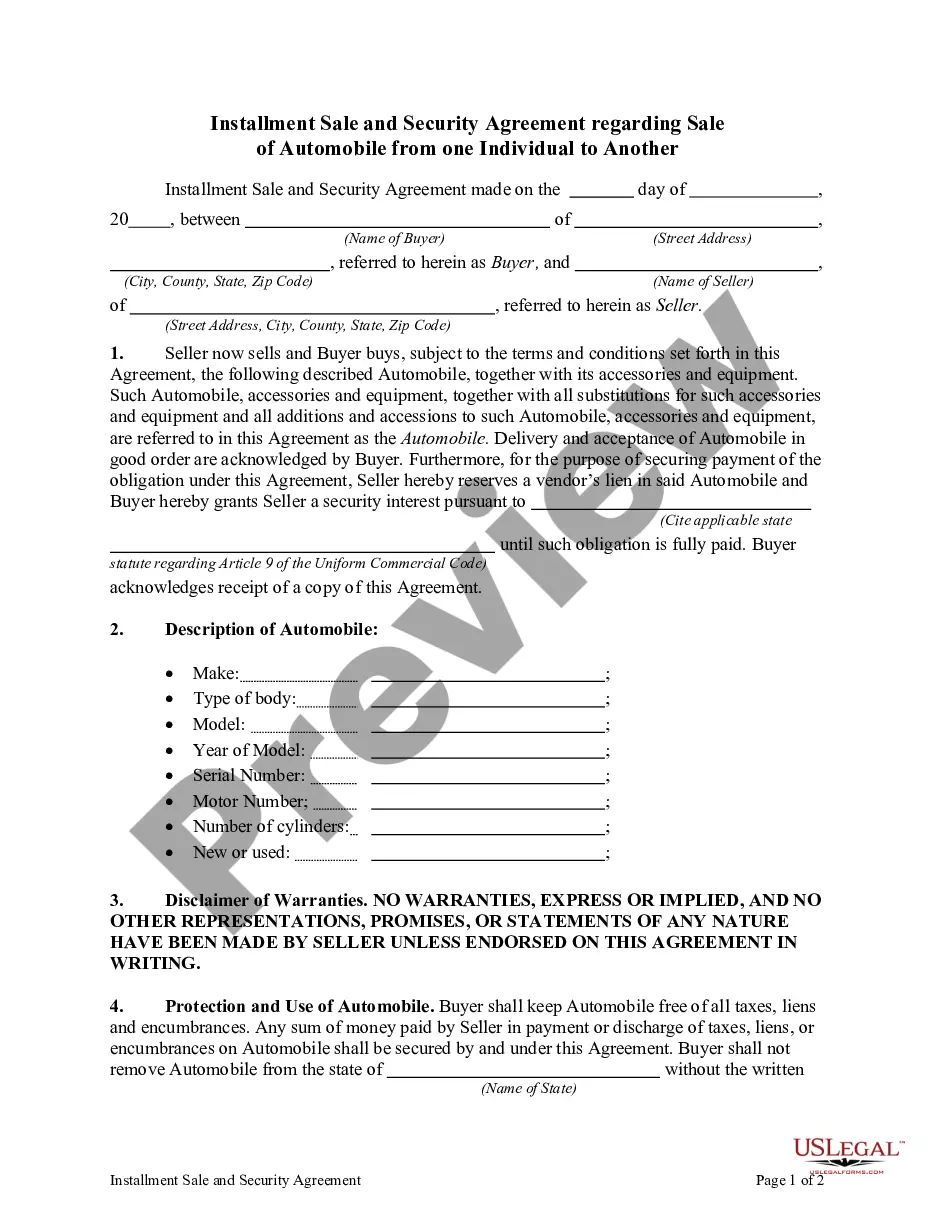
Get your form ready online
Our built-in tools help you complete, sign, share, and store your documents in one place.
Make edits, fill in missing information, and update formatting in US Legal Forms—just like you would in MS Word.
Download a copy, print it, send it by email, or mail it via USPS—whatever works best for your next step.
Sign and collect signatures with our SignNow integration. Send to multiple recipients, set reminders, and more. Go Premium to unlock E-Sign.
If this form requires notarization, complete it online through a secure video call—no need to meet a notary in person or wait for an appointment.
We protect your documents and personal data by following strict security and privacy standards.

Make edits, fill in missing information, and update formatting in US Legal Forms—just like you would in MS Word.

Download a copy, print it, send it by email, or mail it via USPS—whatever works best for your next step.

Sign and collect signatures with our SignNow integration. Send to multiple recipients, set reminders, and more. Go Premium to unlock E-Sign.

If this form requires notarization, complete it online through a secure video call—no need to meet a notary in person or wait for an appointment.

We protect your documents and personal data by following strict security and privacy standards.
Looking for another form?






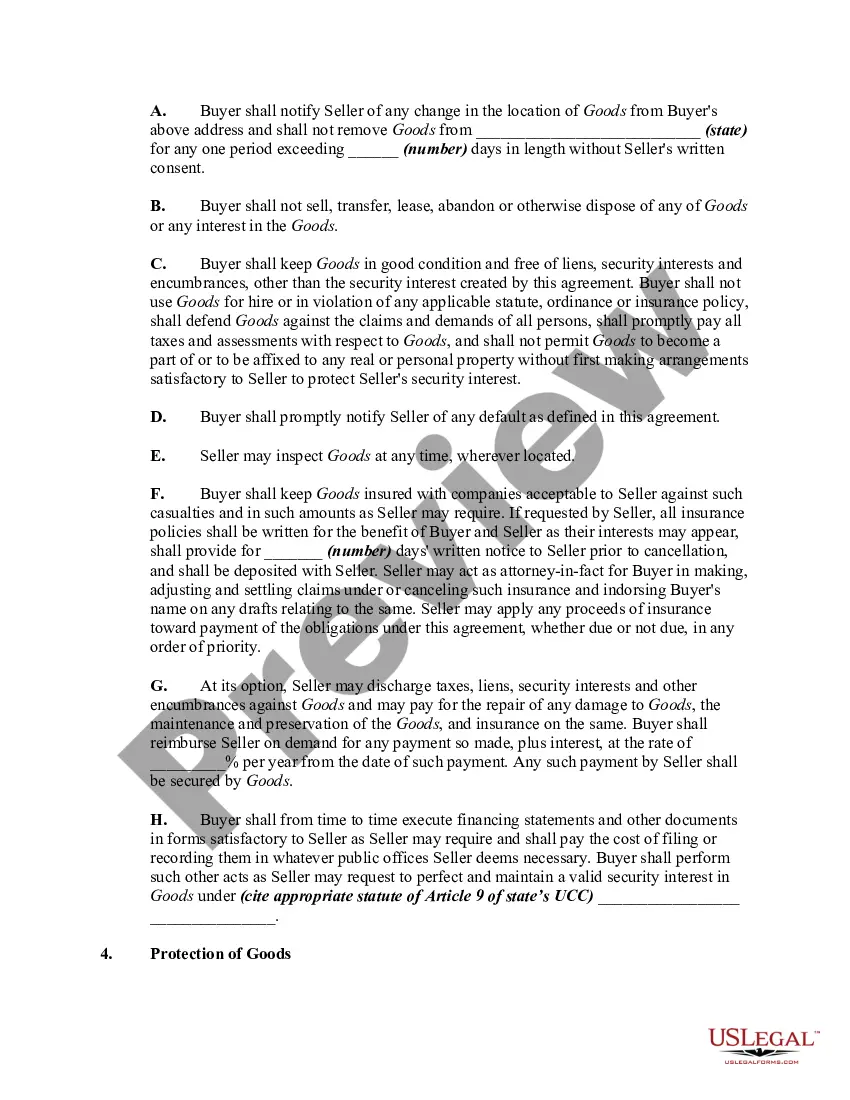
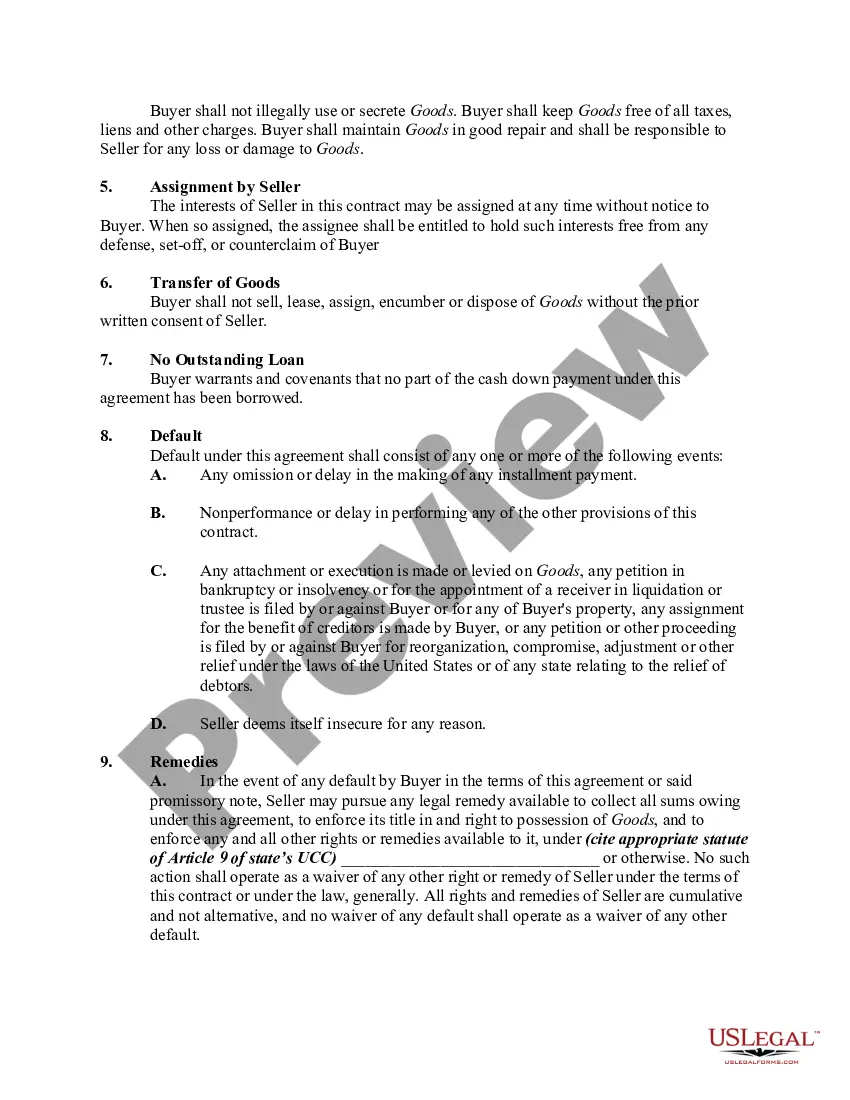
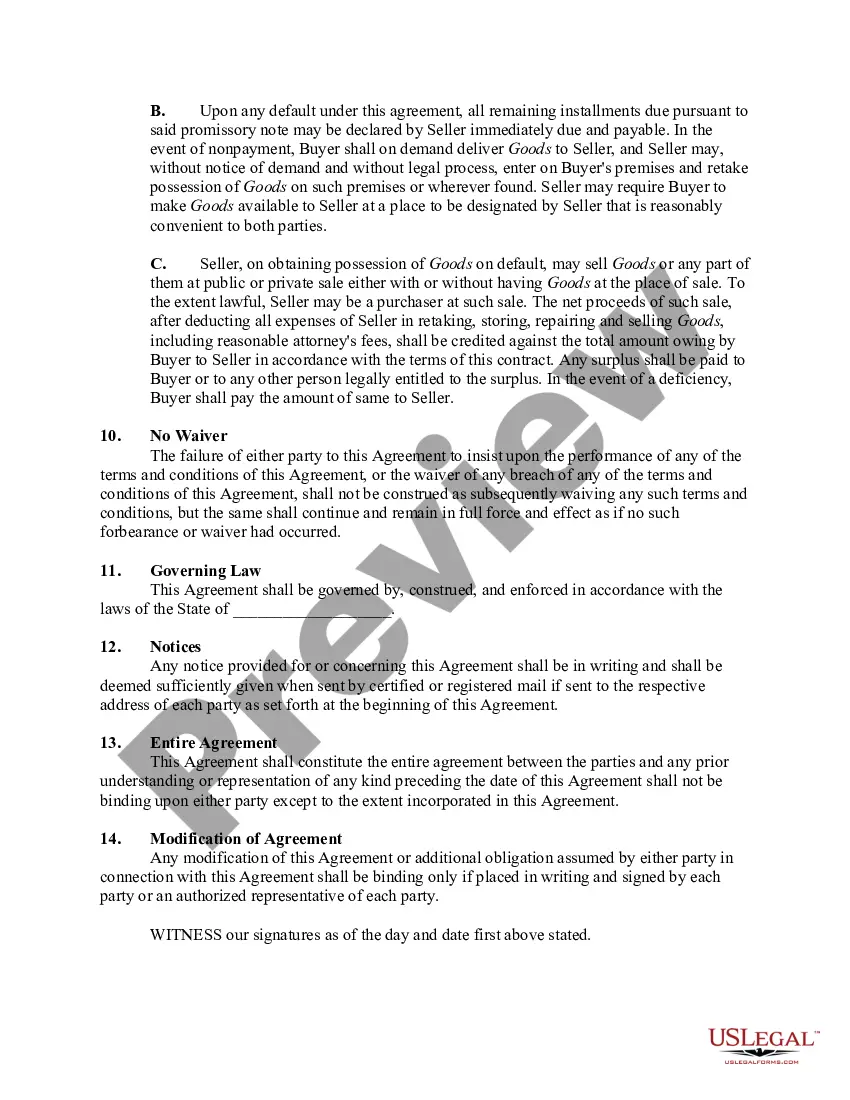
How to fill out Installment Sale Not Covered By Federal Consumer Credit Protection Act With Security Agreement?
Creating legal documents from the ground up can frequently be overwhelming.
Certain situations may require extensive research and significant financial investment.
If you seek a more straightforward and cost-effective method of producing Federal Consumer Credit Act For Dummies or any other documents without unnecessary complications, US Legal Forms is always available to assist you.
Our online repository of over 85,000 current legal forms covers nearly every aspect of your financial, legal, and personal matters.
Examine the form preview and descriptions to confirm that you are on the correct document you are seeking. Ensure the form you select aligns with the regulations and laws of your state and county. Choose the appropriate subscription option to purchase the Federal Consumer Credit Act For Dummies. Download the file. Then complete, certify, and print it. US Legal Forms boasts an impeccable reputation and over 25 years of experience. Join us today and make document completion a simple and efficient process!
- With just a few clicks, you can swiftly access state- and county-specific templates meticulously crafted for you by our legal experts.
- Utilize our platform whenever you require trustworthy and dependable services to quickly locate and download the Federal Consumer Credit Act For Dummies.
- If you are familiar with our services and have previously established an account with us, simply Log In to your account, choose the form, and download it or re-download it anytime later in the My documents section.
- Not registered yet? No worries. It requires minimal time to set up and browse the catalog.
- However, before proceeding to download Federal Consumer Credit Act For Dummies, adhere to these suggestions.
Form popularity
FAQ
To use the Federal Consumer Credit Act for dummies effectively for removing collections, start by requesting a copy of your credit report. Review it for any inaccuracies or outdated information. If you find errors, you can dispute them directly with the credit reporting agency, citing the FCRA. For additional support, consider using platforms like US Legal Forms, which provide resources and templates to guide you through the dispute process.
The Federal Consumer Credit Act for dummies is a simplified explanation of the FCRA, which governs the credit reporting process in the United States. This act allows consumers to understand their rights regarding credit reports, including how to dispute errors and the circumstances under which their information can be shared. By demystifying the FCRA, you can better navigate your financial landscape and make informed credit decisions.
The main purpose of the Federal Consumer Credit Act for dummies, often referred to as the FCRA, is to promote fairness and accuracy in consumer credit reporting. This law ensures that consumers can access and correct their credit information, aiding in the prevention of identity theft and inaccuracies. Additionally, the FCRA regulates how credit reporting agencies collect, share, and use consumer data, enhancing consumer protection.
The Federal Consumer Credit Act is a federal law that governs how credit is extended to consumers in the United States. It ensures transparency and fairness in lending practices. Essentially, this act aims to prevent unfair credit practices and protect consumers from deceptive lending. If you want a straightforward explanation, refer to the Federal Consumer Credit Act for dummies to grasp its importance in safeguarding your financial interests.
The Federal Consumer Credit Act applies primarily to lenders and creditors who provide consumer credit. This includes banks, credit unions, and finance companies that offer loans or credit cards to individuals. Additionally, the Act protects consumers by ensuring they receive clear information about credit terms and their rights. Understanding this act can help you navigate your financial responsibilities, and resources like USLegalForms can guide you through the details in a straightforward manner.
The CCPA requires that the total cost of a loan or credit product be disclosed, including how interest is calculated and any fees involved. It also prohibits discrimination when considering a loan applicant and bans misleading advertising practices.
Most Frequent Violations of the Fair Credit Reporting Act A user of your information fails to notify you about a negative decision based on your credit report. Failure to notify you of your right to obtain a free credit report. Failure to notify you of the results of an investigation into a debt dispute.
The Fair Credit Reporting Act (FCRA) is a federal law that regulates the collection of consumers' credit information and access to their credit reports. It was passed in 1970 to address the fairness, accuracy, and privacy of the personal information contained in the files of the credit reporting agencies.
Personal information, credit accounts, collection items, public records, and inquiries are some of the items included in a credit report. The FICO score is based on payment history, credit utilization, amounts owed, length of credit history, credit mix, and new credit.
The Fair Credit Reporting Act limits who can access your credit report and for what purpose. Potential employers must get your written permission before accessing your credit reports. Credit bureaus must remove your name from marketing lists if you ask.