Consumer Protection Act For Class 10
Description
Get your form ready online
Our built-in tools help you complete, sign, share, and store your documents in one place.
Make edits, fill in missing information, and update formatting in US Legal Forms—just like you would in MS Word.
Download a copy, print it, send it by email, or mail it via USPS—whatever works best for your next step.
Sign and collect signatures with our SignNow integration. Send to multiple recipients, set reminders, and more. Go Premium to unlock E-Sign.
If this form requires notarization, complete it online through a secure video call—no need to meet a notary in person or wait for an appointment.
We protect your documents and personal data by following strict security and privacy standards.

Make edits, fill in missing information, and update formatting in US Legal Forms—just like you would in MS Word.

Download a copy, print it, send it by email, or mail it via USPS—whatever works best for your next step.

Sign and collect signatures with our SignNow integration. Send to multiple recipients, set reminders, and more. Go Premium to unlock E-Sign.

If this form requires notarization, complete it online through a secure video call—no need to meet a notary in person or wait for an appointment.

We protect your documents and personal data by following strict security and privacy standards.
Looking for another form?










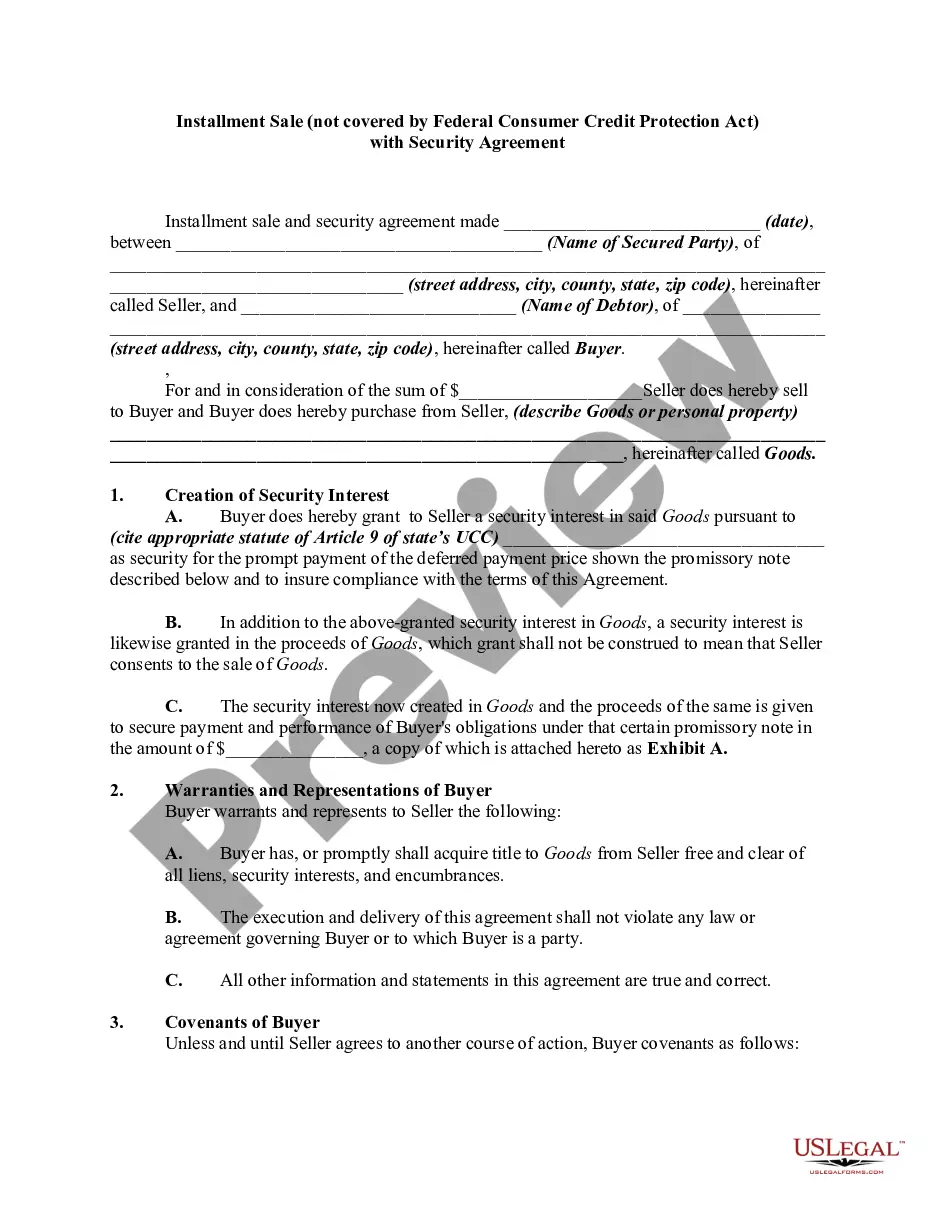
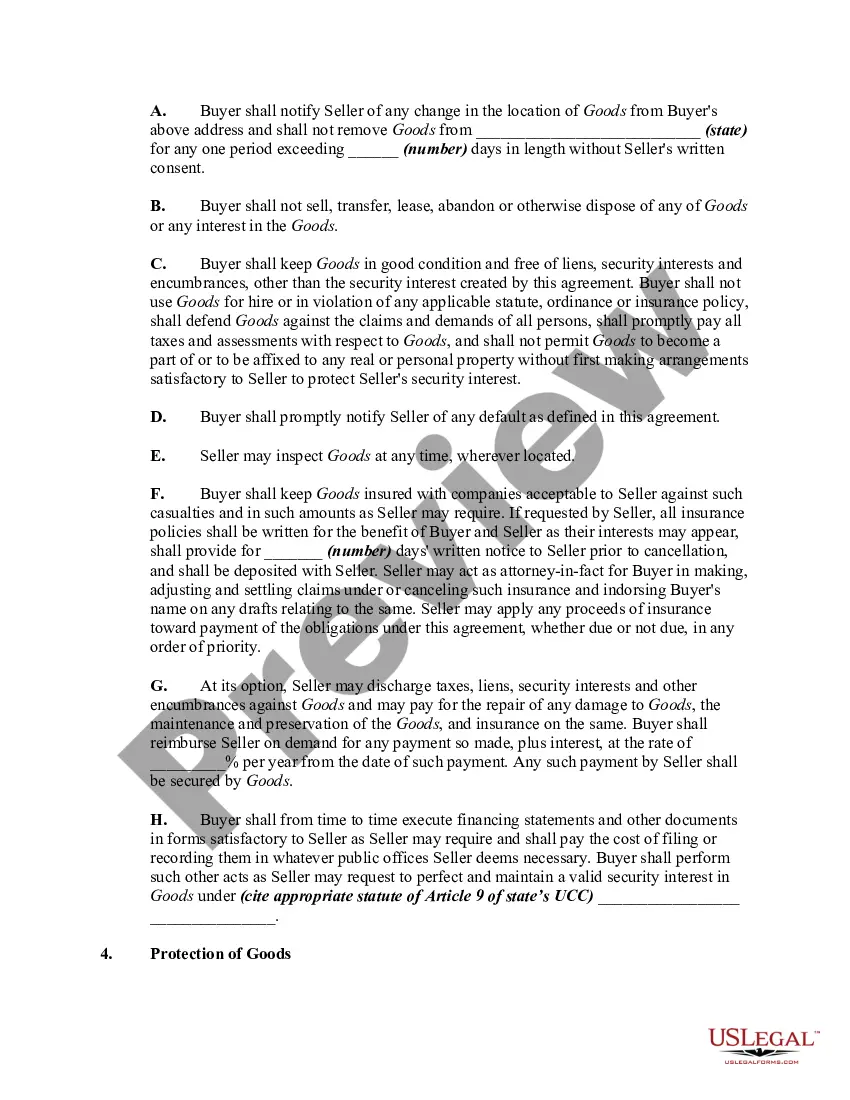
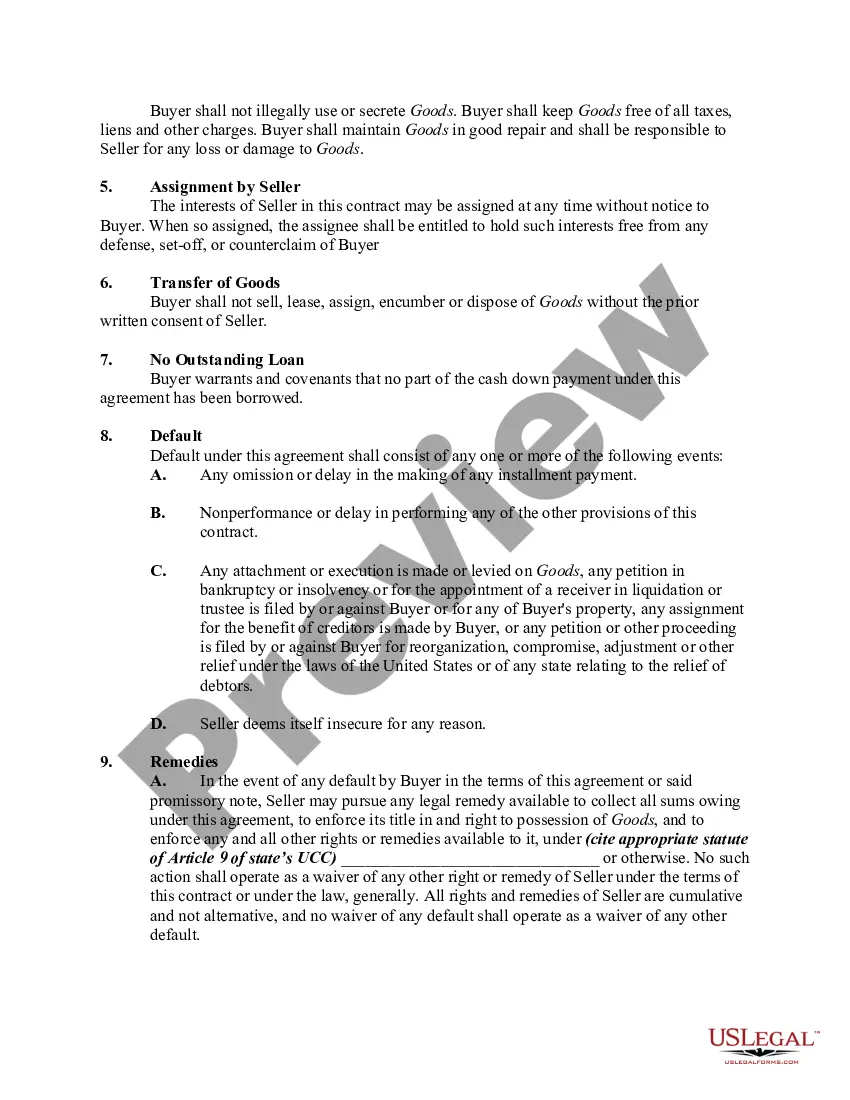
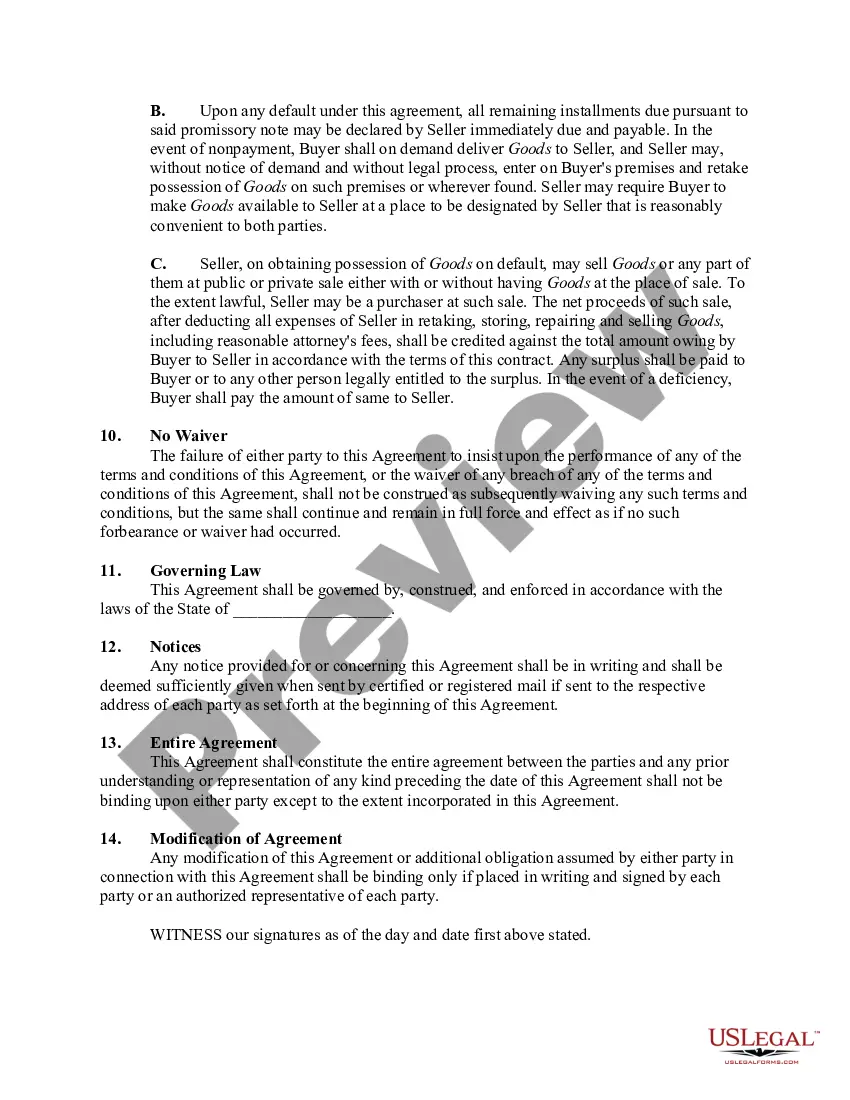
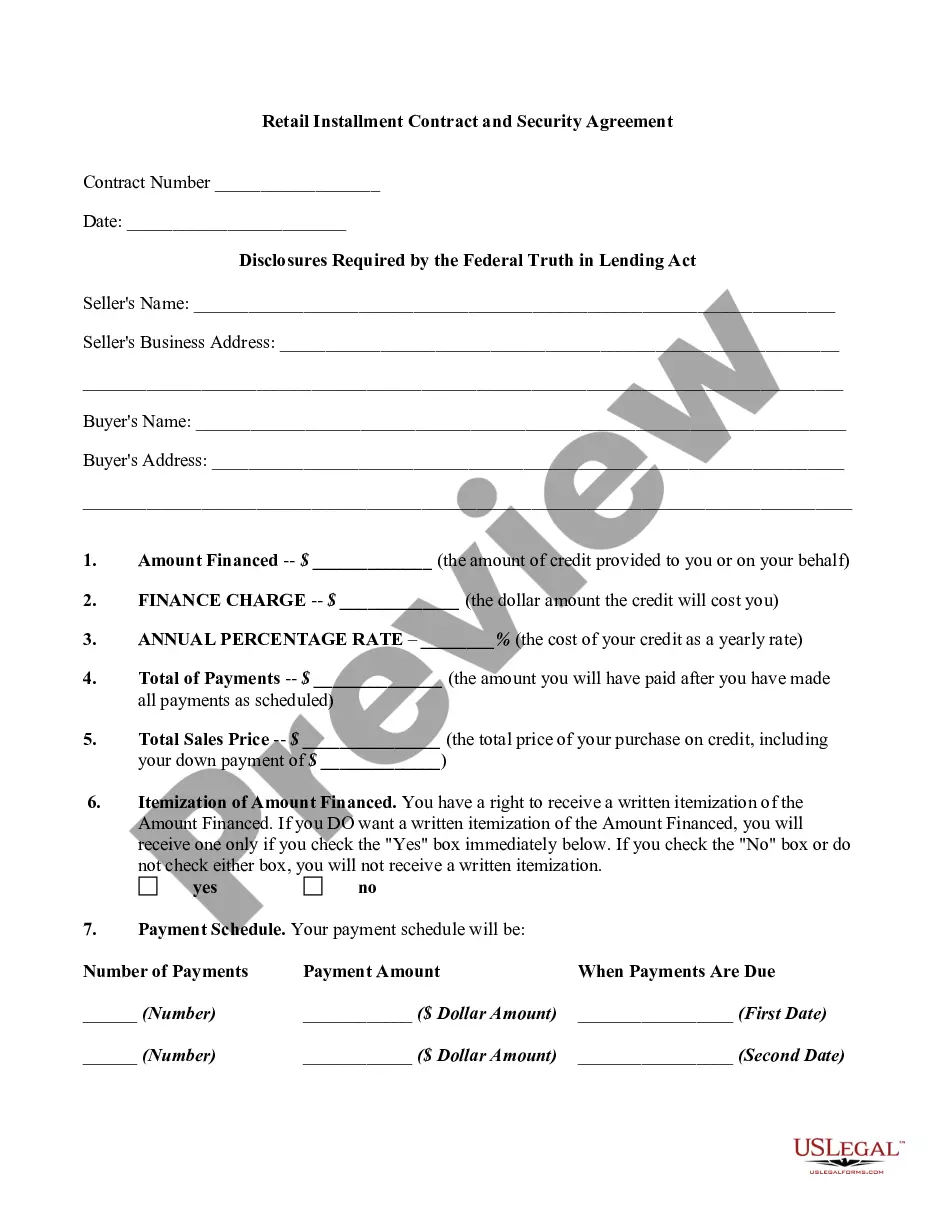
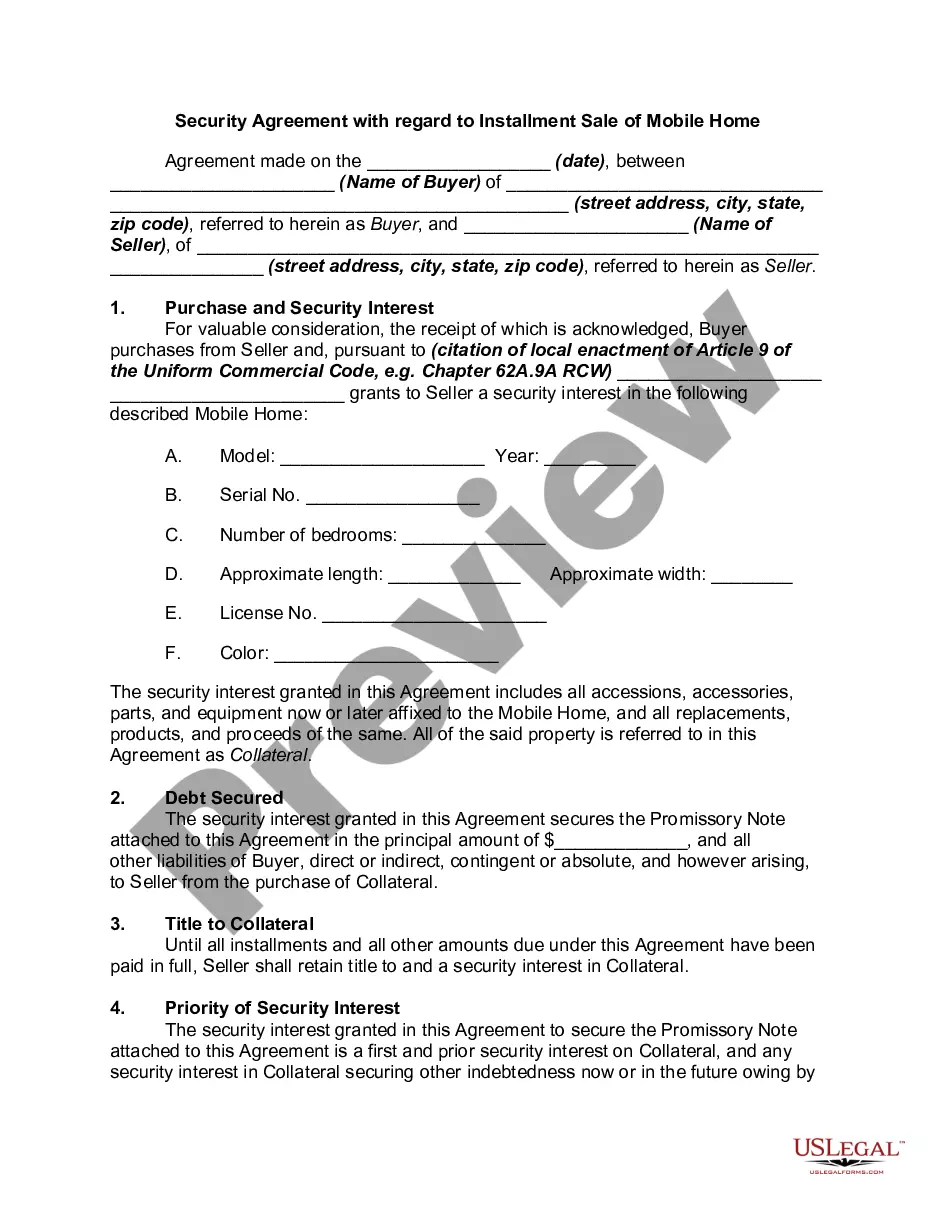
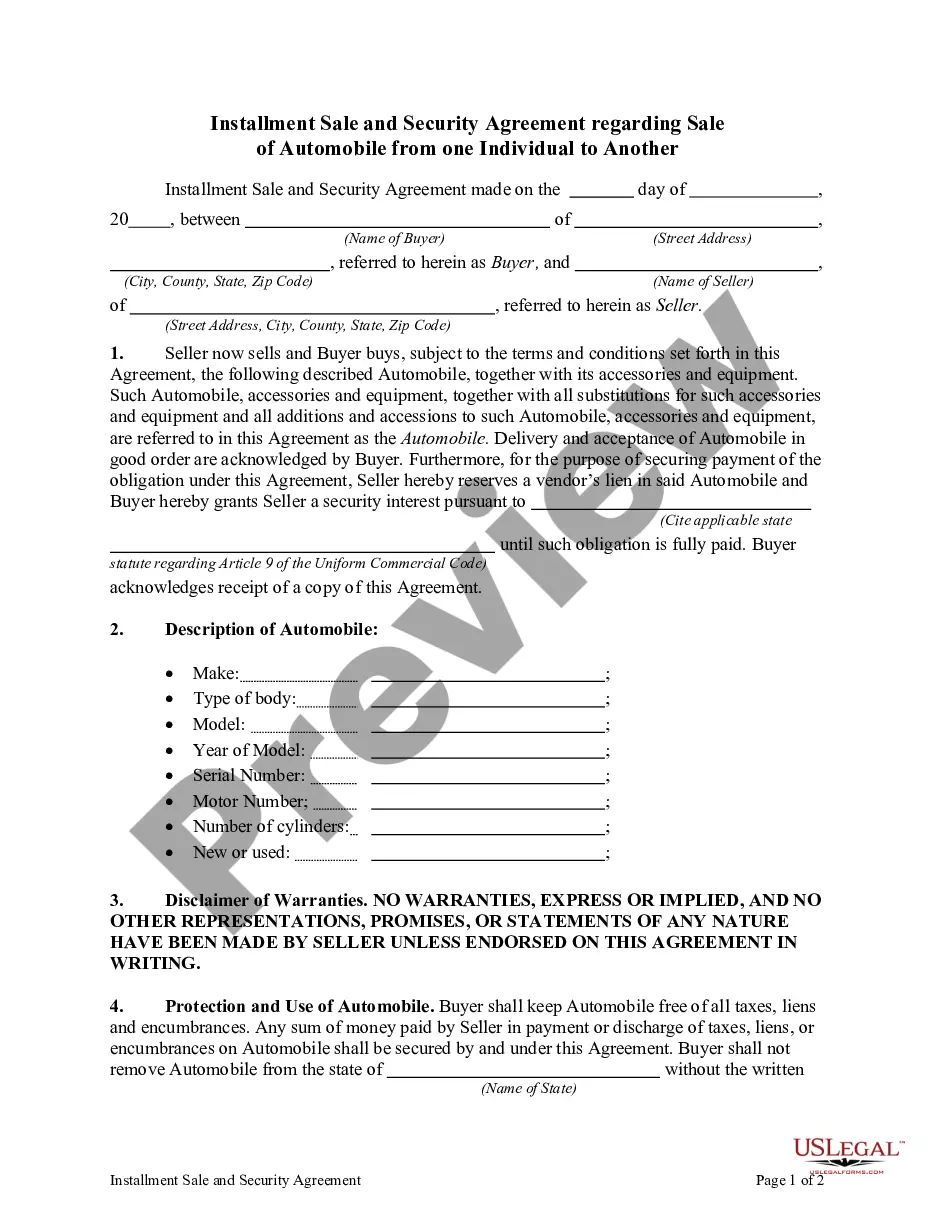
How to fill out Installment Sale Not Covered By Federal Consumer Credit Protection Act With Security Agreement?
The Consumer Safeguard Law For Class 10 you see on this page is a reusable formal framework drafted by expert attorneys in accordance with national and local regulations.
For over 25 years, US Legal Forms has supplied individuals, entities, and legal professionals with more than 85,000 validated, state-specific documents for any corporate and personal situation. It’s the quickest, simplest, and most dependable method to acquire the paperwork you require, as the service assures bank-standard data protection and malware security.
Register for US Legal Forms to have authenticated legal templates for all of life’s situations at your fingertips.
- Locate the document you require and review it.
- Browse through the file you searched and preview it or examine the form description to confirm it meets your criteria. If it doesn’t, utilize the search bar to find the suitable one. Click Buy Now once you have identified the template you need.
- Choose and sign in.
- Pick a pricing plan that fits you and set up an account. Use PayPal or a debit/credit card for a swift payment. If you already have an account, Log In and check your subscription to proceed.
- Acquire the fillable template.
- Select the format you desire for your Consumer Safeguard Law For Class 10 (PDF, DOCX, RTF) and download the sample onto your device.
Form popularity
FAQ
First, consumer protection promotes fair trade practices, ensuring businesses compete on a level playing field. Second, it encourages informed choices by educating consumers about their rights, thus enhancing their purchasing experiences. Lastly, the Consumer Protection Act for Class 10 aims to foster trust between consumers and sellers, which is essential for a healthy economy. Overall, effective consumer protection benefits everyone.
Obtaining consumer protection involves familiarizing yourself with the Consumer Protection Act for Class 10. Consumers should keep documentation related to purchases and be ready to report any discrepancies to relevant authorities. Utilizing services like USLegalForms can streamline the process of understanding and asserting your rights. This approach empowers you to navigate consumer issues more confidently.
Consumer protection operates by establishing laws that safeguard consumers from unfair practices. The Consumer Protection Act for Class 10 outlines the rights of consumers, ensuring they can seek redress for grievances. This act fosters a safer marketplace by holding businesses accountable for their actions. Understanding these principles allows consumers to leverage their rights effectively.
To gain protection under the Consumer Protection Act for Class 10, consumers must understand their rights and how to exercise them. This involves being aware of local consumer laws, knowing how to file complaints, and keeping relevant receipts. Engaging with consumer advocacy groups can also provide valuable resources and support. Additionally, platforms like USLegalForms offer guidance on how to use the law effectively.
The Consumer Protection Act for Class 10 outlines essential rights that protect consumers in various transactions. These rights include the right to safety, the right to be informed, the right to choose, and the right to be heard. Understanding these rights is crucial for students, as it empowers them to identify unfair practices and seek redress if necessary. Educators can leverage resources from uslegalforms to help students grasp these concepts effectively.
A consumer called in class 10 refers to individuals who utilize products or services primarily for personal, family, or household purposes. This designation is specified in the Consumer Protection Act for class 10, which aims to safeguard consumers from unfair trade practices. Recognizing oneself as a consumer is important for students, as it places them within the legal framework that protects their interests.
In short, a consumer is a person who buys goods or services for personal use. Under the Consumer Protection Act for class 10, consumers are entitled to fair treatment and protection from fraudulent practices. This definition is crucial for students as they learn about their rights and obligations while engaging in the marketplace.
The consumer class 10 project on Wikipedia provides valuable information about the rights and responsibilities of consumers under the Consumer Protection Act for class 10. It covers various topics, including consumer rights, protection laws, and significant case studies that highlight consumer issues. This resource is beneficial for students looking to deepen their understanding of consumer legislation and its practical applications.
A person who is a consumer is anyone who uses goods or services for personal, family, or household purposes. This definition is central to the Consumer Protection Act for class 10. It reinforces the idea that consumers have rights, such as access to accurate information and resolution of disputes with sellers or service providers. Understanding this concept helps students recognize their role and the importance of consumer rights.
To report a business for unfair practices, you can file a complaint with your local consumer protection agency. This process usually involves filling out a complaint form with details about the incident. It’s vital to keep a record of your transaction and any communication with the business. Resources like USLegalForms can guide you through the steps, ensuring your complaint is submitted correctly under the Consumer Protection Act for class 10.