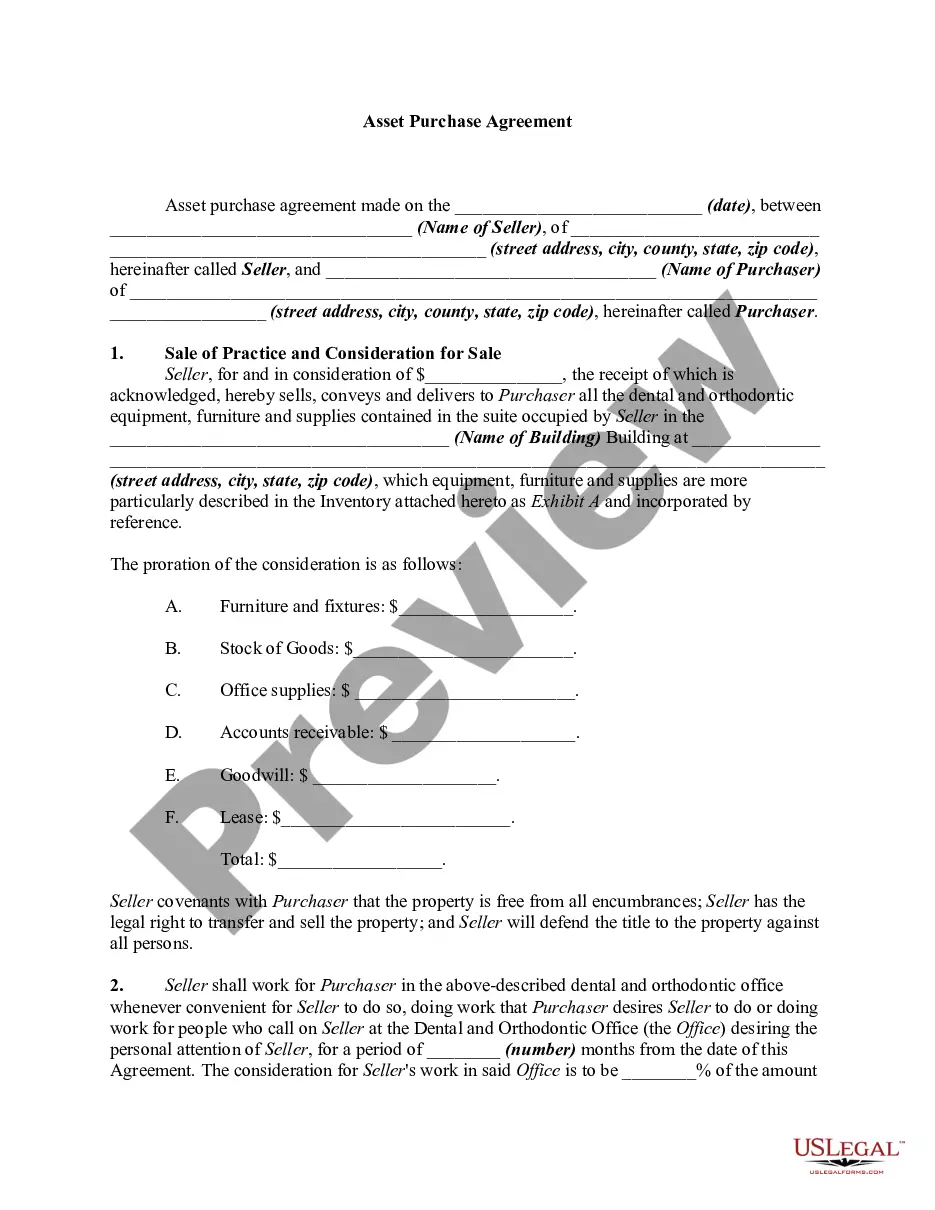
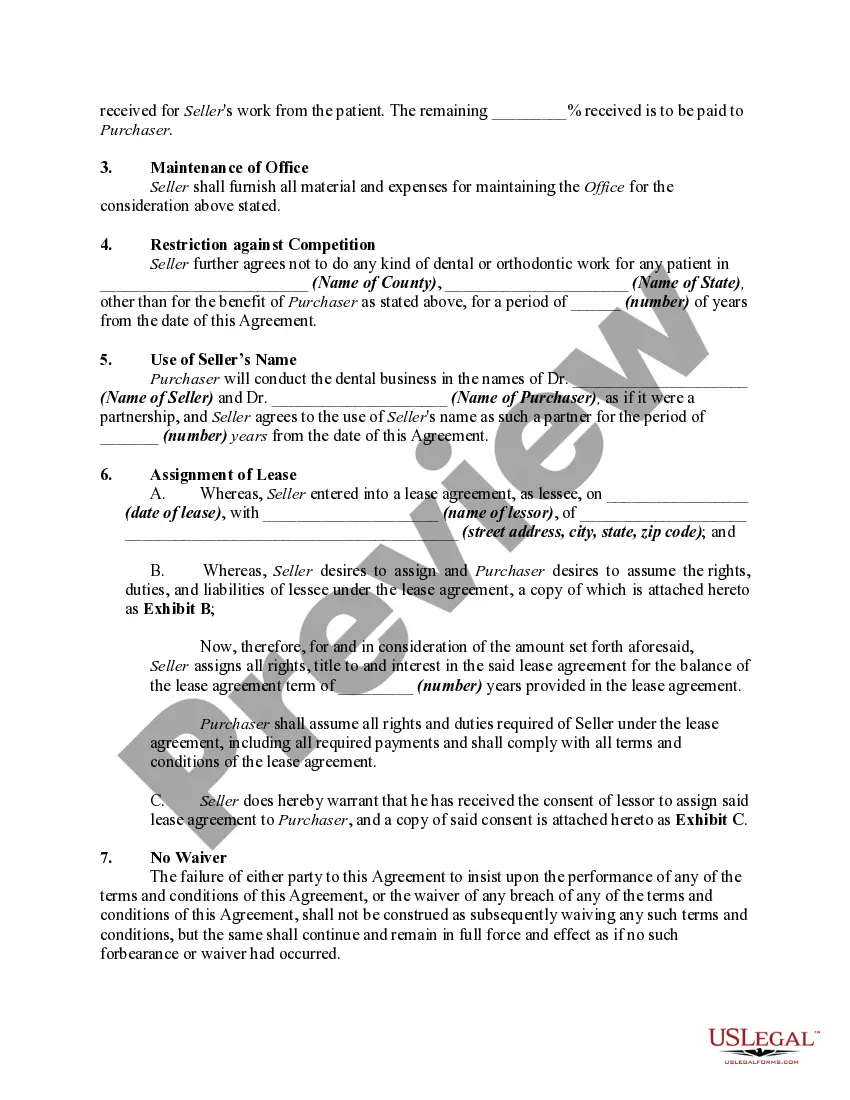
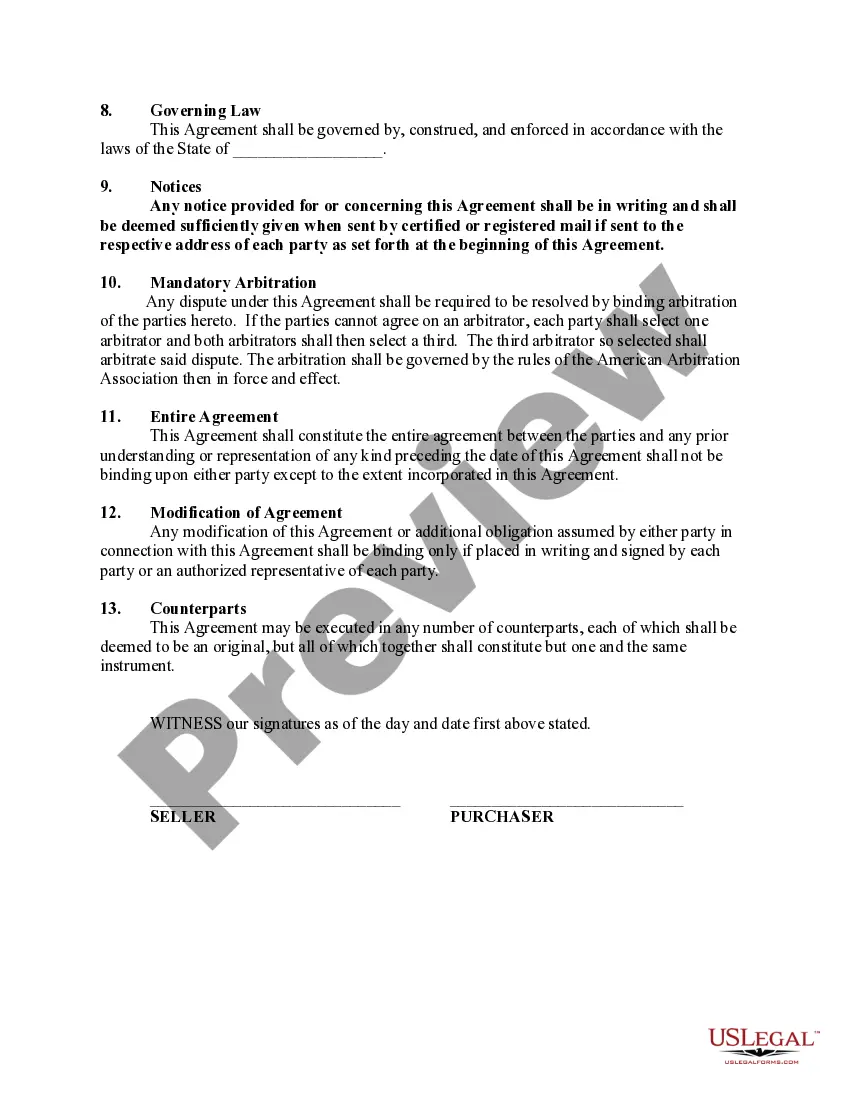
Financial Agreement For Dental Office
Description
Get your form ready online
Our built-in tools help you complete, sign, share, and store your documents in one place.
Make edits, fill in missing information, and update formatting in US Legal Forms—just like you would in MS Word.
Download a copy, print it, send it by email, or mail it via USPS—whatever works best for your next step.
Sign and collect signatures with our SignNow integration. Send to multiple recipients, set reminders, and more. Go Premium to unlock E-Sign.
If this form requires notarization, complete it online through a secure video call—no need to meet a notary in person or wait for an appointment.
We protect your documents and personal data by following strict security and privacy standards.

Make edits, fill in missing information, and update formatting in US Legal Forms—just like you would in MS Word.

Download a copy, print it, send it by email, or mail it via USPS—whatever works best for your next step.

Sign and collect signatures with our SignNow integration. Send to multiple recipients, set reminders, and more. Go Premium to unlock E-Sign.

If this form requires notarization, complete it online through a secure video call—no need to meet a notary in person or wait for an appointment.

We protect your documents and personal data by following strict security and privacy standards.
Looking for another form?
How to fill out Agreement For Sale Of Dental And Orthodontic Practice?
It’s clear that you cannot instantly become a legal expert, nor can you swiftly learn how to prepare a Financial Agreement For Dental Office without possessing specific expertise.
Assembling legal documents is a labor-intensive endeavor that demands a certain level of education and proficiency. So why not entrust the creation of the Financial Agreement For Dental Office to the professionals.
With US Legal Forms, which features one of the most comprehensive collections of legal templates, you can discover anything from court documents to formats for internal business communication.
You can re-access your documents from the My documents tab at any moment. If you’re an existing client, you can simply Log In, and locate and download the template from the same tab.
Regardless of the intention of your documents—whether financial and legal or personal—our platform is prepared to assist you. Experience US Legal Forms today!
- Identify the document you require using the search bar located at the top of the webpage.
- Preview it (if this choice is available) and review the accompanying description to determine if Financial Agreement For Dental Office is what you’re looking for.
- Initiate your search again if you seek a different template.
- Sign up for a complimentary account and select a subscription package to acquire the form.
- Click Buy now. After the purchase is finalized, you can download the Financial Agreement For Dental Office, complete it, print it, and dispatch it or send it by mail to the relevant individuals or organizations.
Form popularity
FAQ
Rule 11 - Confidentiality (a) All information disclosed in the course of a mediation, including oral, documentary, or electronic information, shall be deemed confidential and shall not be divulged by anyone in attendance at the mediation except as permitted under this Rule or by statute.
Rule 23(a) catalogues four prerequisites. The class must be so numerous as to preclude joinder. Common questions of law or fact must be present. The claims or defenses of the representatives must be typical of the contentions of Page 4 the class.
On motion and upon such terms as are just, the court may relieve a party or a party's legal representative from a final judgment, order, or proceeding for the following reasons: (1) mistake, inadvertence, surprise, or excusable neglect; (2) newly discovered evidence which by due diligence could not have been discovered ...
Rule 11 - Incompetency and mental examinations Rule 11.1 - Definition of incompetency. Rule 11.2 - Examination of defendant's mental condition; demand for jury. Rule 11.3 - Appointment of experts; commitment for examination; reports; costs. Rule 11.4 - Examination at defense's expense.
This rule states the underlying concept upon which Rule 11 is based, i.e., that no defendant should be prosecuted or sentenced if, because of mental incompetence, he or she lacks the present ability to consult with counsel with a reasonable degree of rational comprehension or is unable to understand the nature of the ...
Rule 65(b) does provide for injunctive relief without notice to the adverse party. This relief, known as a temporary restraining order, can be ed without notice provided that the verified facts of the complaint clearly justify plaintiff's apprehension about the threat of irreparable injury.
Under Rule 11.6, a person charged with a crime may be committed for treatment and therapy for at most a six-month period.
Federal Rule of Civil Procedure 11 provides that a district court may sanction attorneys or parties who submit pleadings for an improper purpose or that contain frivolous arguments or arguments that have no evidentiary support.