Estate Order Pay Withdrawal
Description
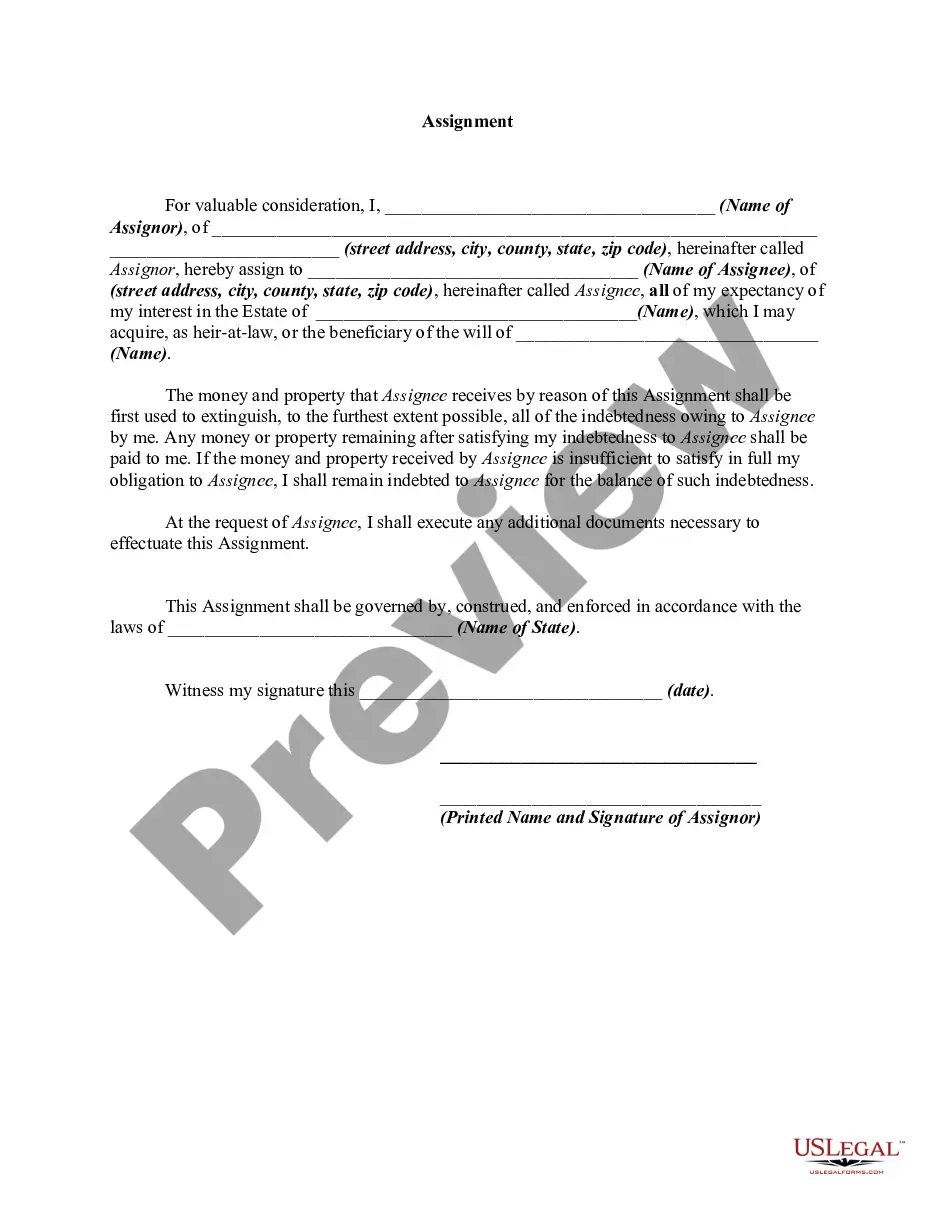
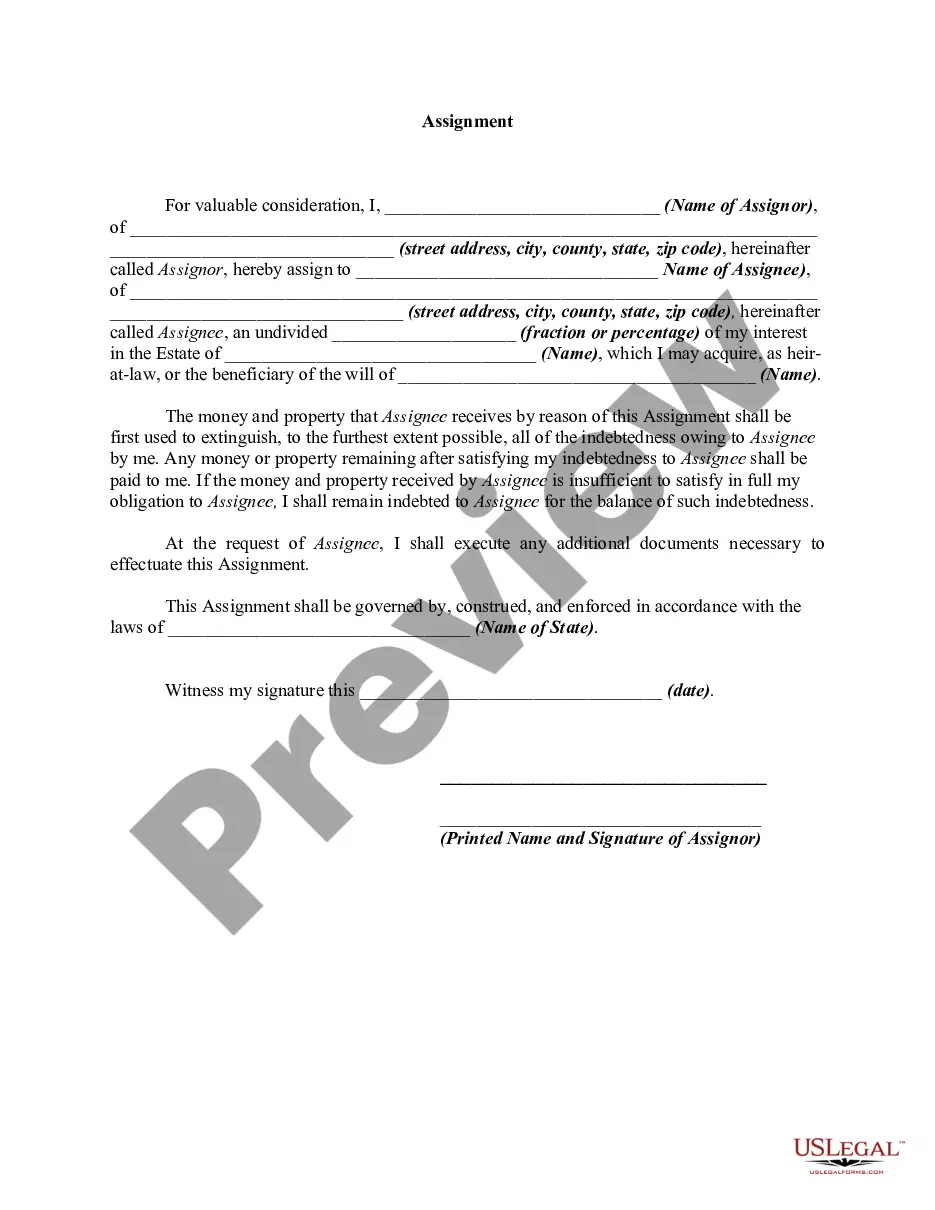
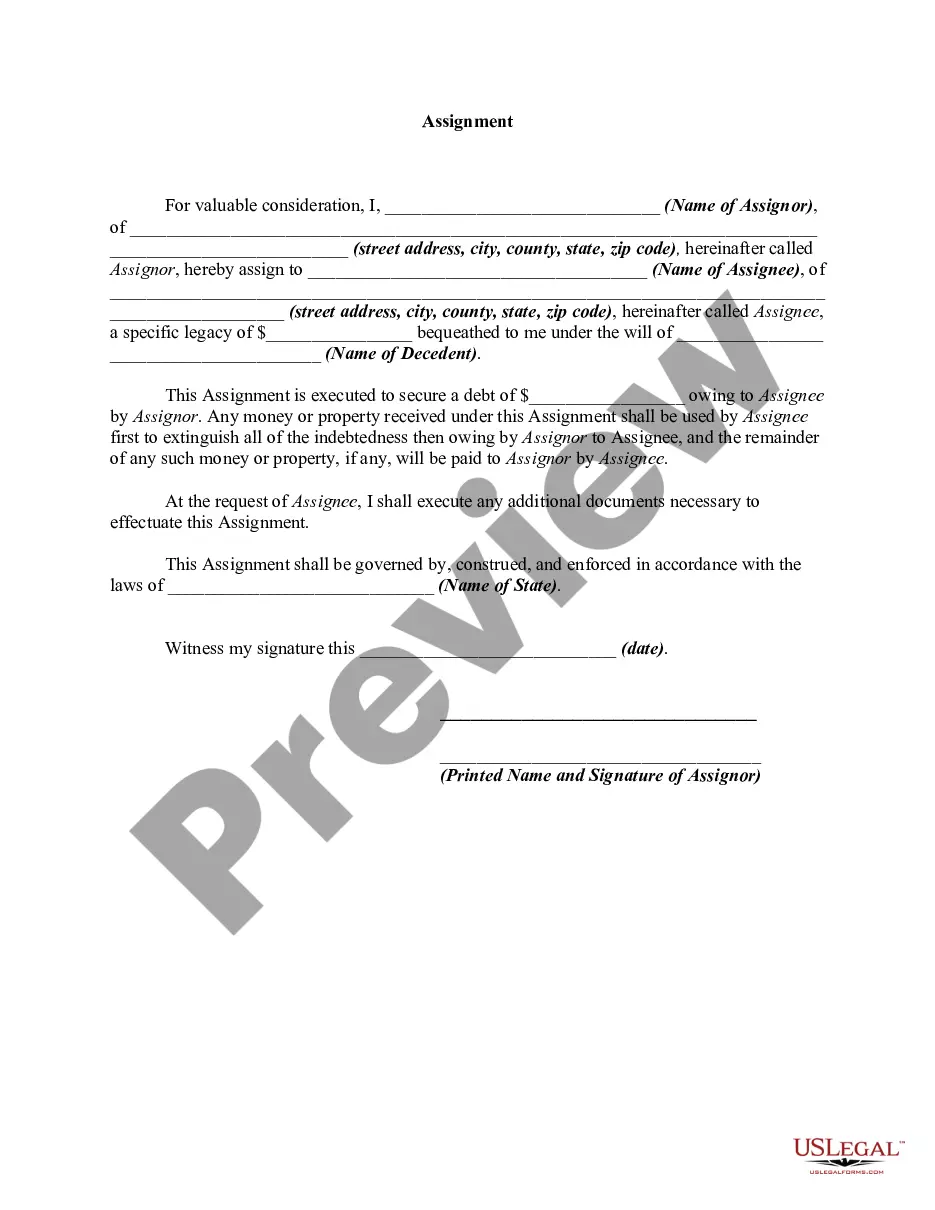
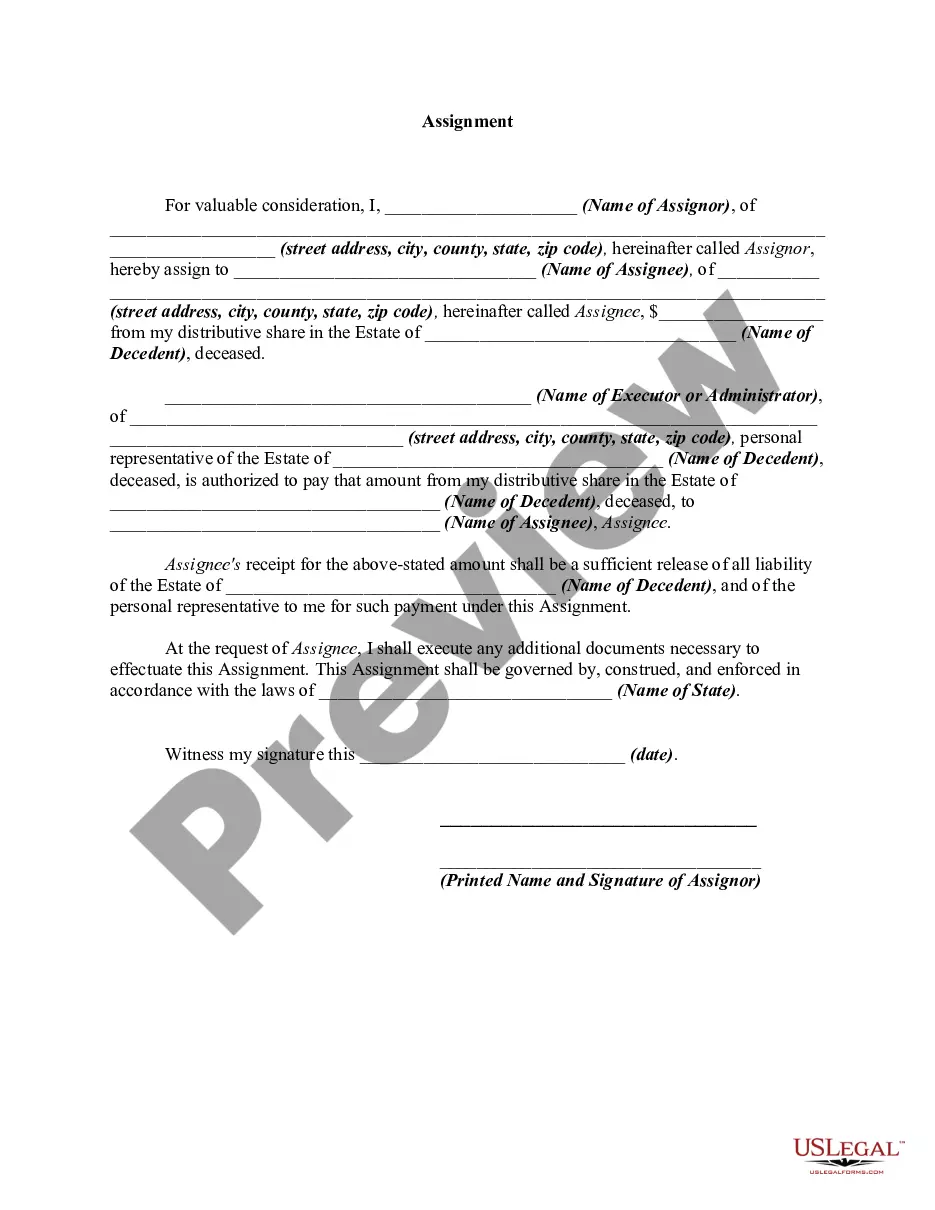
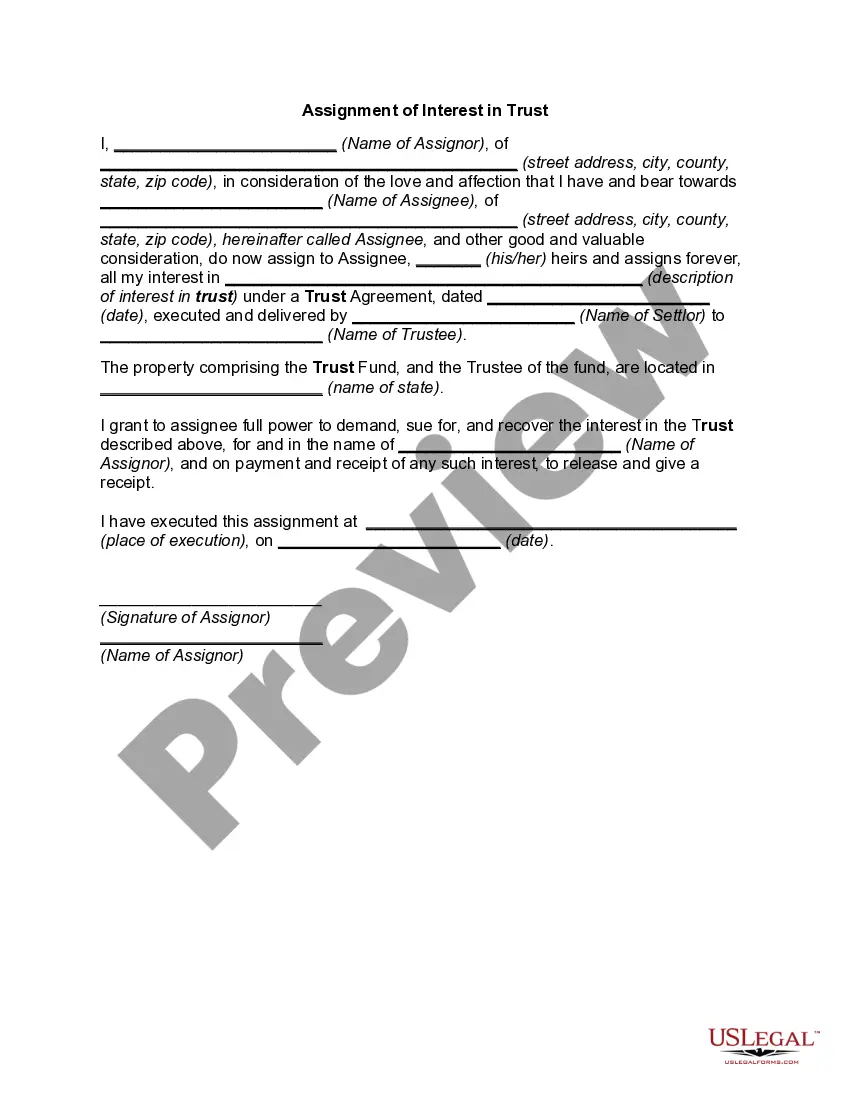
Get your form ready online
Our built-in tools help you complete, sign, share, and store your documents in one place.
Make edits, fill in missing information, and update formatting in US Legal Forms—just like you would in MS Word.
Download a copy, print it, send it by email, or mail it via USPS—whatever works best for your next step.
Sign and collect signatures with our SignNow integration. Send to multiple recipients, set reminders, and more. Go Premium to unlock E-Sign.
If this form requires notarization, complete it online through a secure video call—no need to meet a notary in person or wait for an appointment.
We protect your documents and personal data by following strict security and privacy standards.

Make edits, fill in missing information, and update formatting in US Legal Forms—just like you would in MS Word.

Download a copy, print it, send it by email, or mail it via USPS—whatever works best for your next step.

Sign and collect signatures with our SignNow integration. Send to multiple recipients, set reminders, and more. Go Premium to unlock E-Sign.

If this form requires notarization, complete it online through a secure video call—no need to meet a notary in person or wait for an appointment.

We protect your documents and personal data by following strict security and privacy standards.
Looking for another form?




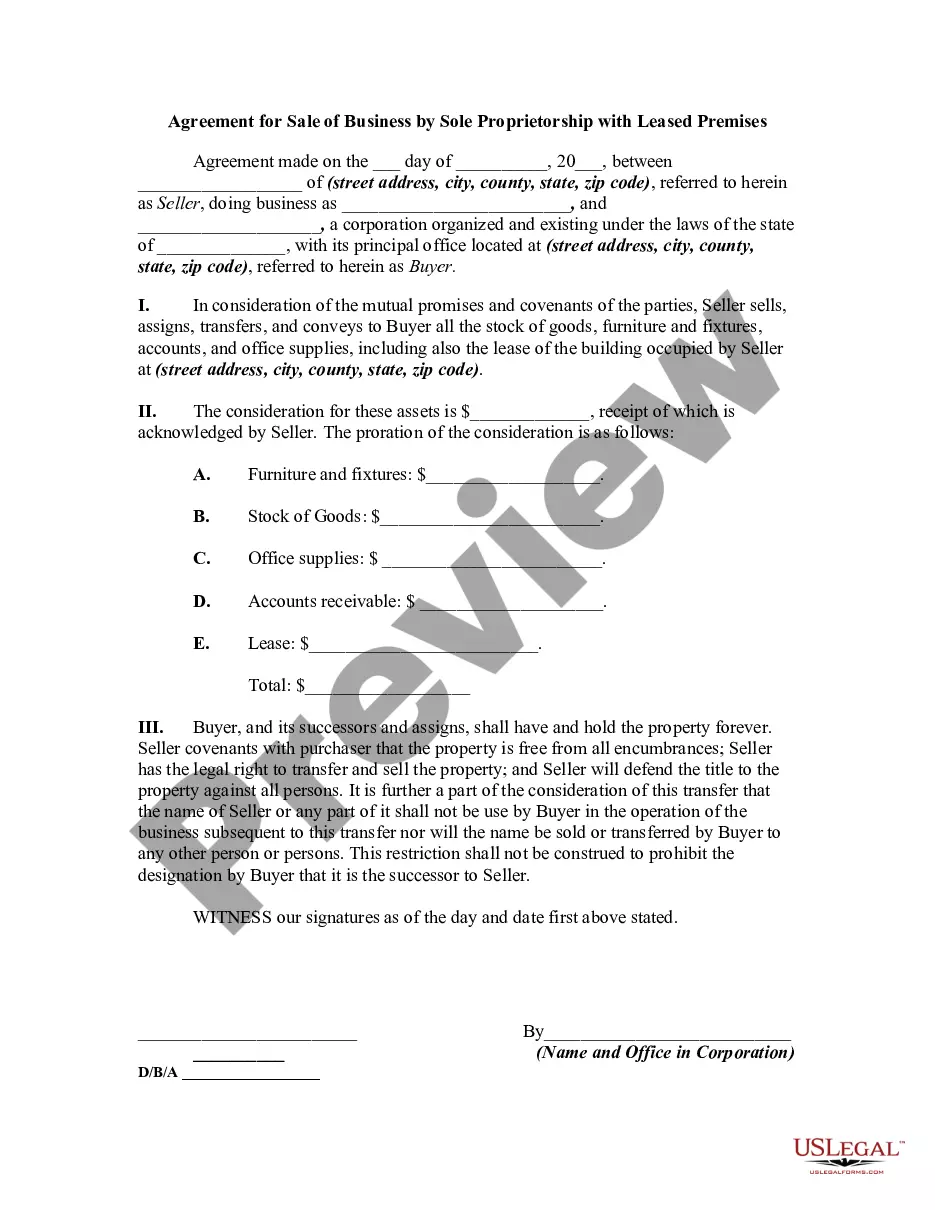
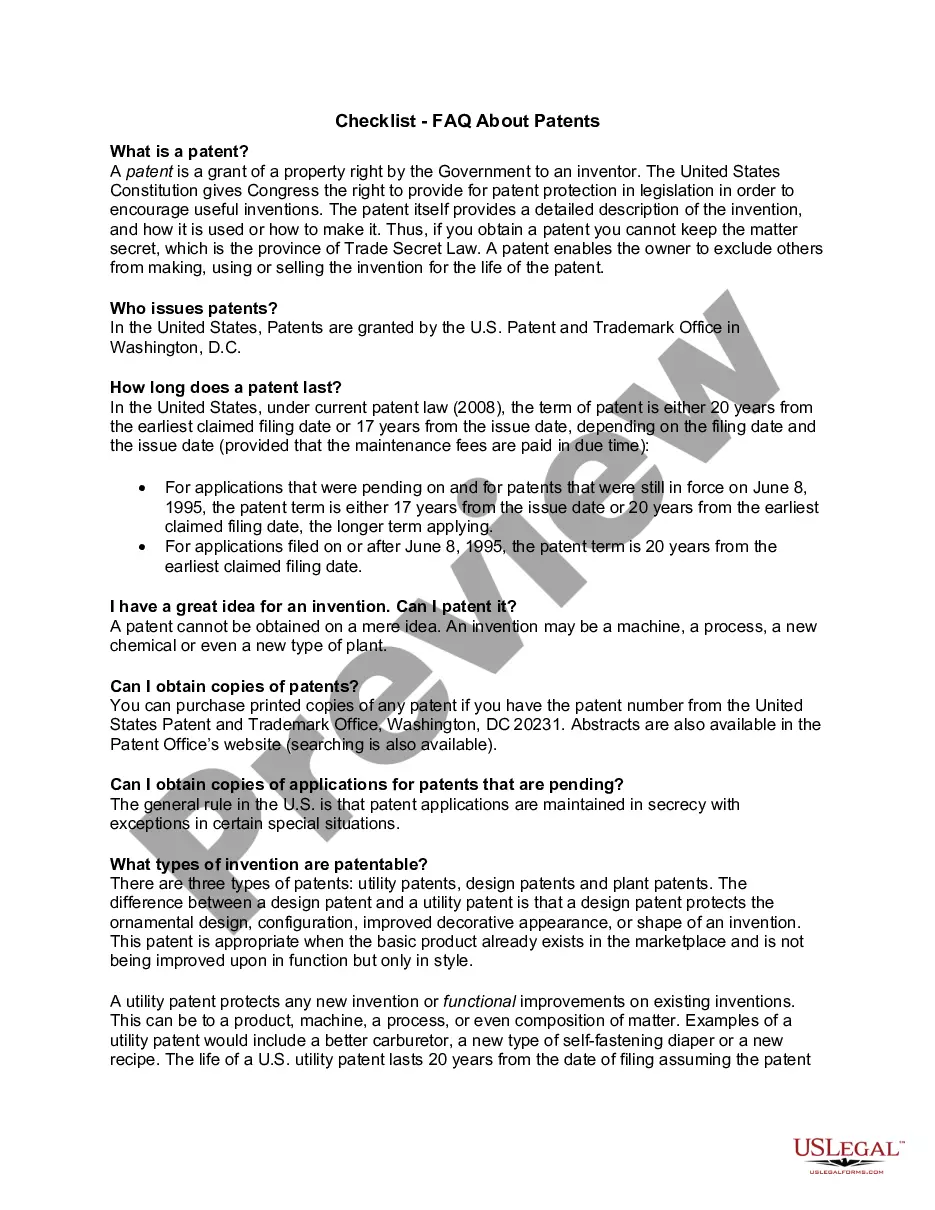


How to fill out Assignment Of All Of Expected Interest In Estate In Order To Pay Indebtedness?
Creating legal documents from the ground up can often be intimidating.
Certain situations may require hours of investigation and significant financial investment.
If you’re looking for a simpler and more economical method of generating Estate Order Pay Withdrawal or any other documents without the hassle of navigating obstacles, US Legal Forms is always accessible.
Our online collection of over 85,000 current legal forms encompasses nearly every facet of your financial, legal, and personal affairs.
Review the document preview and details to ensure you have located the document you are seeking. Confirm that the template you select aligns with the rules and laws of your state and county. Choose the most appropriate subscription plan to acquire the Estate Order Pay Withdrawal. Download the form, then complete, validate, and print it. US Legal Forms holds a strong reputation and boasts over 25 years of expertise. Join us today and make document completion an effortless and seamless process!
- With just a few clicks, you can swiftly obtain state- and county-specific forms carefully assembled for you by our legal experts.
- Utilize our website whenever you require a dependable and trustworthy service through which you can easily find and download the Estate Order Pay Withdrawal.
- If you’re already familiar with our website and have previously created an account, simply Log In to your account, find the form, and download it or re-download it any time later in the My documents section.
- Not signed up yet? No problem. It requires very little time to create an account and browse the library.
- However, before you proceed to download the Estate Order Pay Withdrawal, adhere to these suggestions.
Form popularity
FAQ
If the personal administrator decides to pay creditors from an insolvent estate, they must do so in the following order. Secured creditors. Reasonable funeral, administration and testamentary expenses. ... Preferred and preferential debts. ... Unsecured creditors. Interest due on unsecured loans.
A court must grant you the power to withdraw money from the account if you're neither a joint owner or an account beneficiary. For example, an executor must produce proof of executor status and a certified copy of the death certificate to collect funds and place them in an estate account.
Before the estate has been divided out among beneficiaries, any debts and expenses left by the deceased must be settled. After this takes place, any beneficiary of a Will who has been left a certain percentage of the estate then receives what's left over, which is known as the ?residue of the estate?.
To withdraw money from the deceased's account, the administrator will need to obtain letters of administration. This will need to be shown to the bank along with a death certificate before you are able to gain access to the account.
If you received checks for someone who died, you'll need to go through the probate process in order to deposit them into an account or cash them. This may require being named as the executor or administrator of the estate, or getting the check signed by someone who is authorized to do so on behalf of the estate.