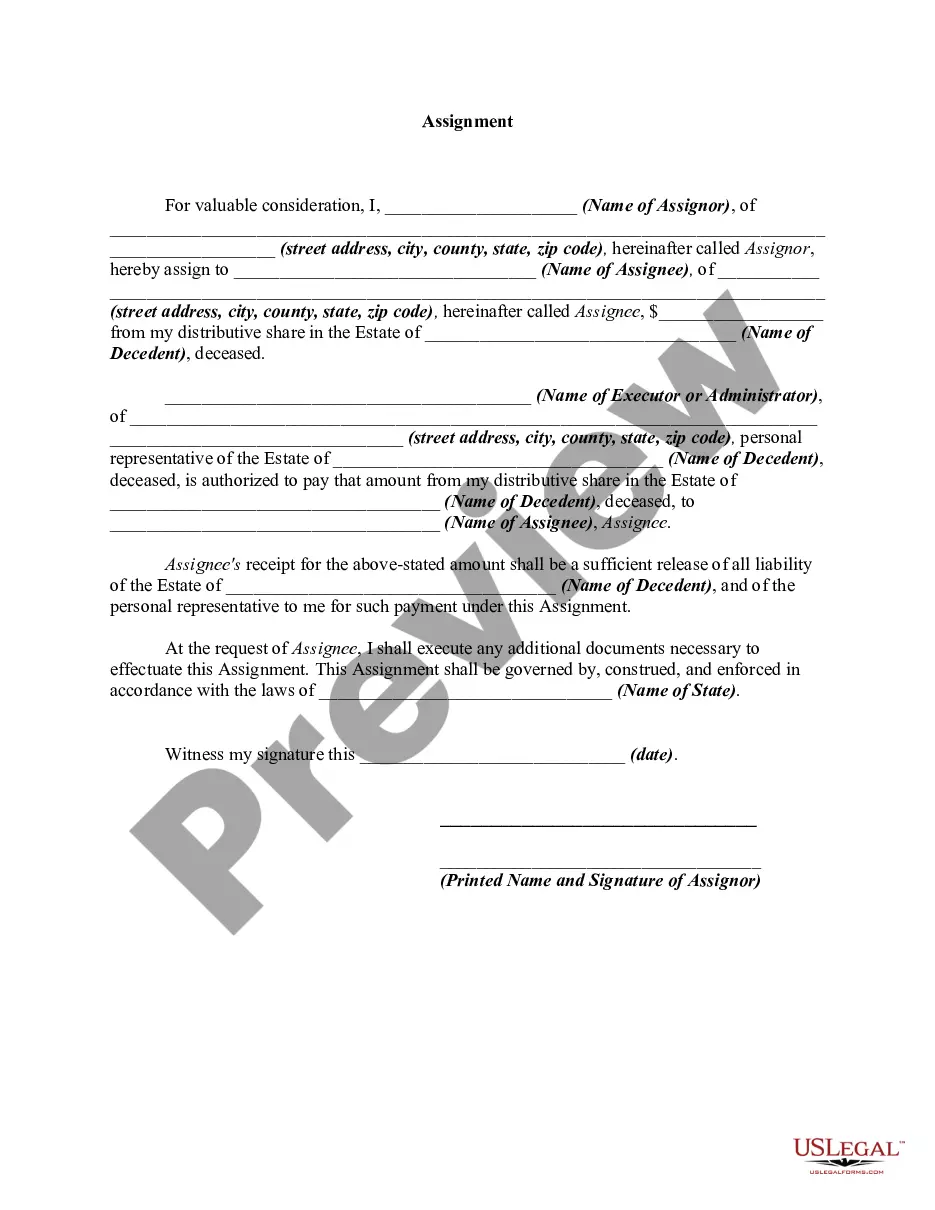
Estate Order Pay Format
Description
Get your form ready online
Our built-in tools help you complete, sign, share, and store your documents in one place.
Make edits, fill in missing information, and update formatting in US Legal Forms—just like you would in MS Word.
Download a copy, print it, send it by email, or mail it via USPS—whatever works best for your next step.
Sign and collect signatures with our SignNow integration. Send to multiple recipients, set reminders, and more. Go Premium to unlock E-Sign.
If this form requires notarization, complete it online through a secure video call—no need to meet a notary in person or wait for an appointment.
We protect your documents and personal data by following strict security and privacy standards.

Make edits, fill in missing information, and update formatting in US Legal Forms—just like you would in MS Word.

Download a copy, print it, send it by email, or mail it via USPS—whatever works best for your next step.

Sign and collect signatures with our SignNow integration. Send to multiple recipients, set reminders, and more. Go Premium to unlock E-Sign.

If this form requires notarization, complete it online through a secure video call—no need to meet a notary in person or wait for an appointment.

We protect your documents and personal data by following strict security and privacy standards.
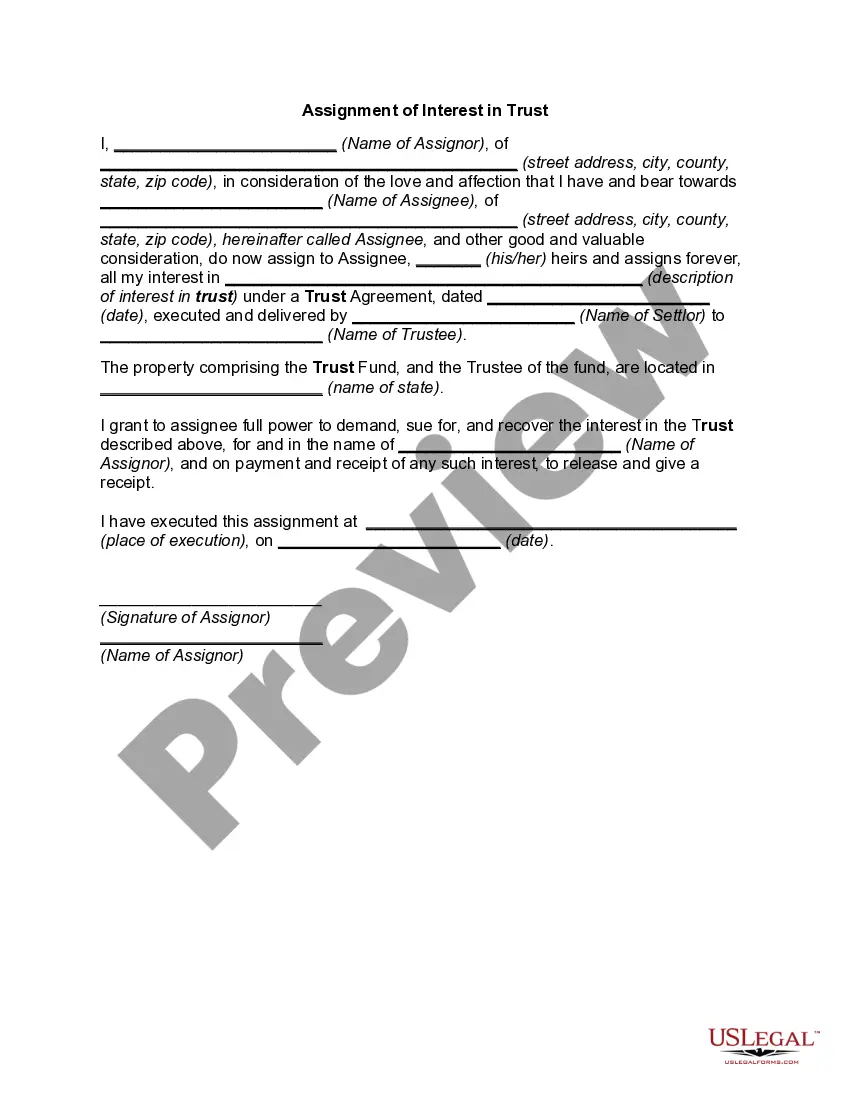
Looking for another form?
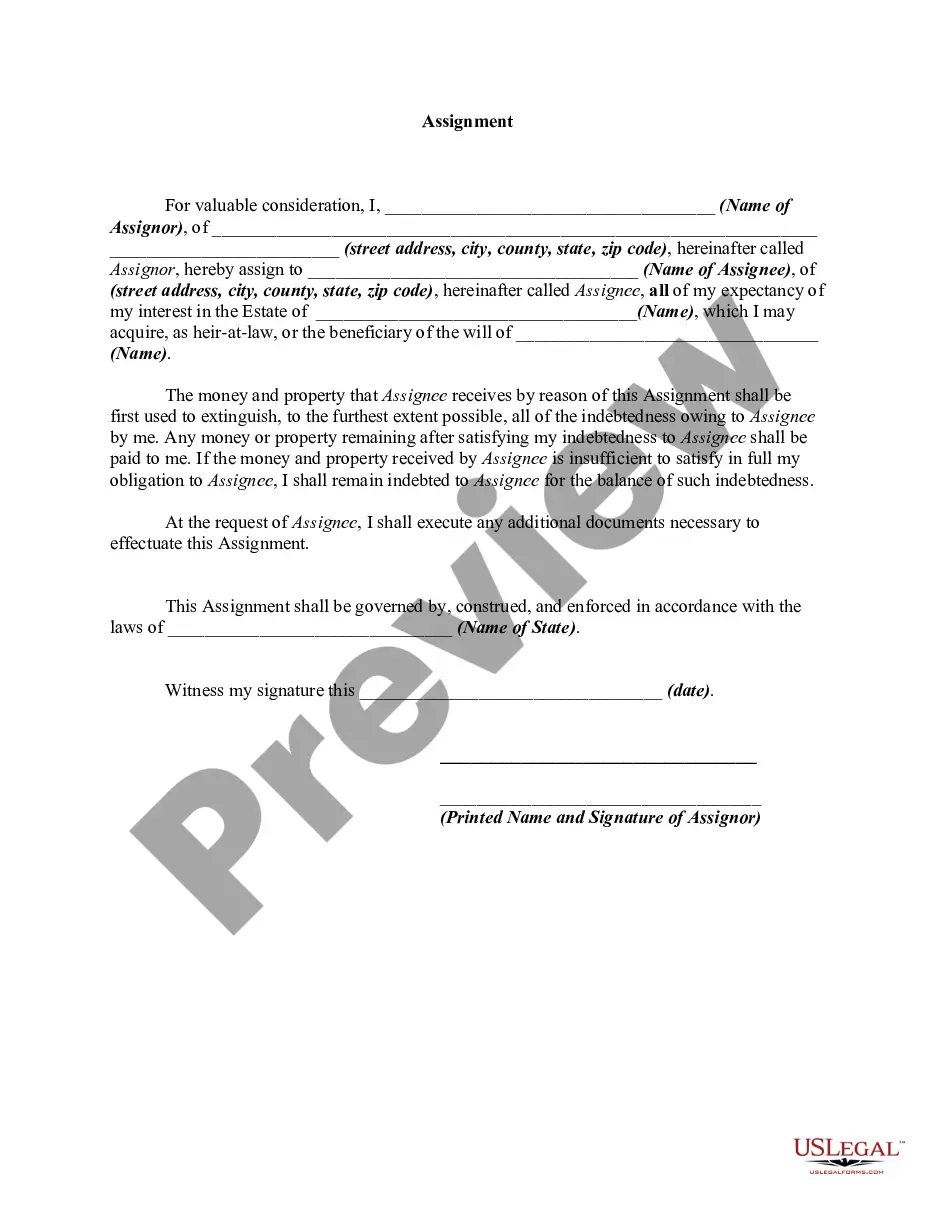
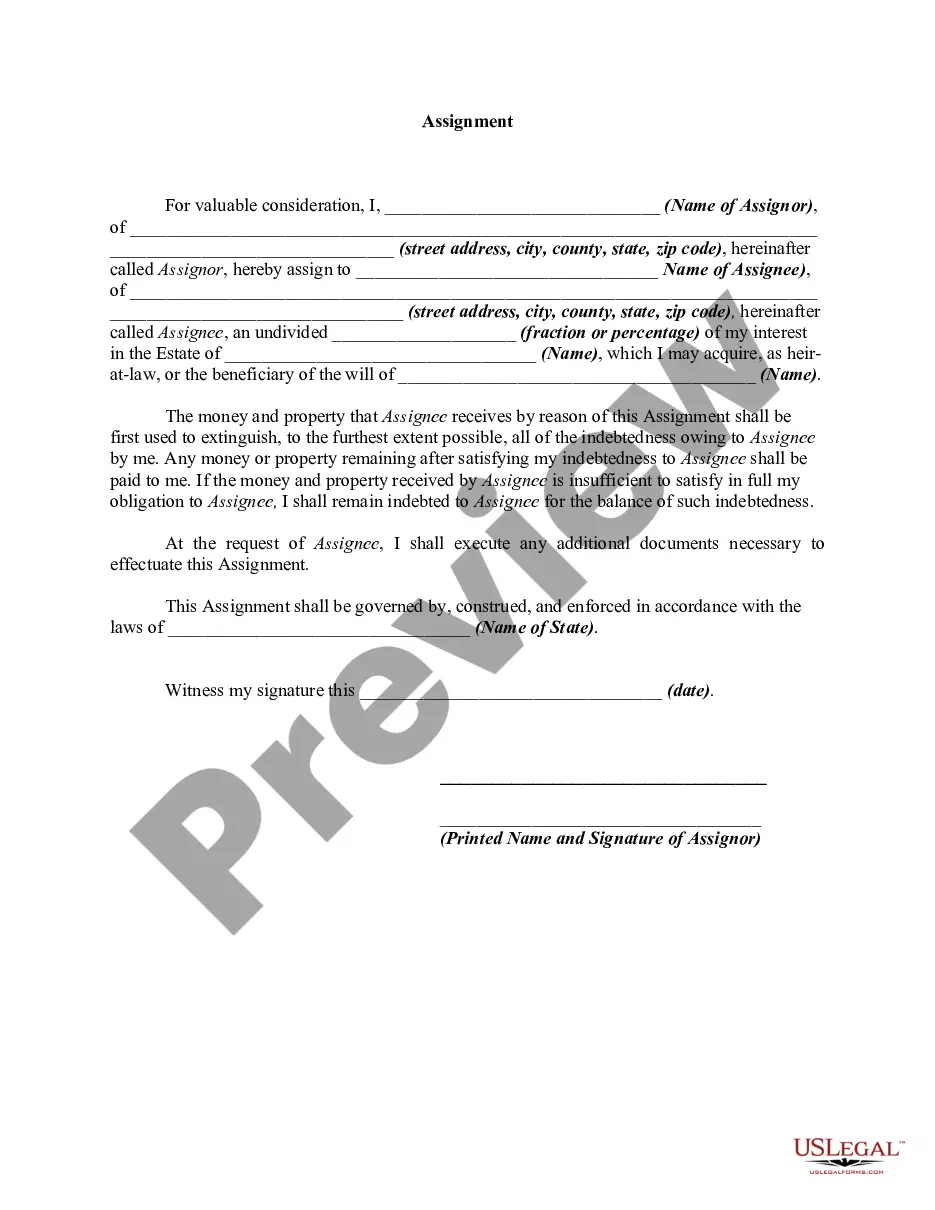
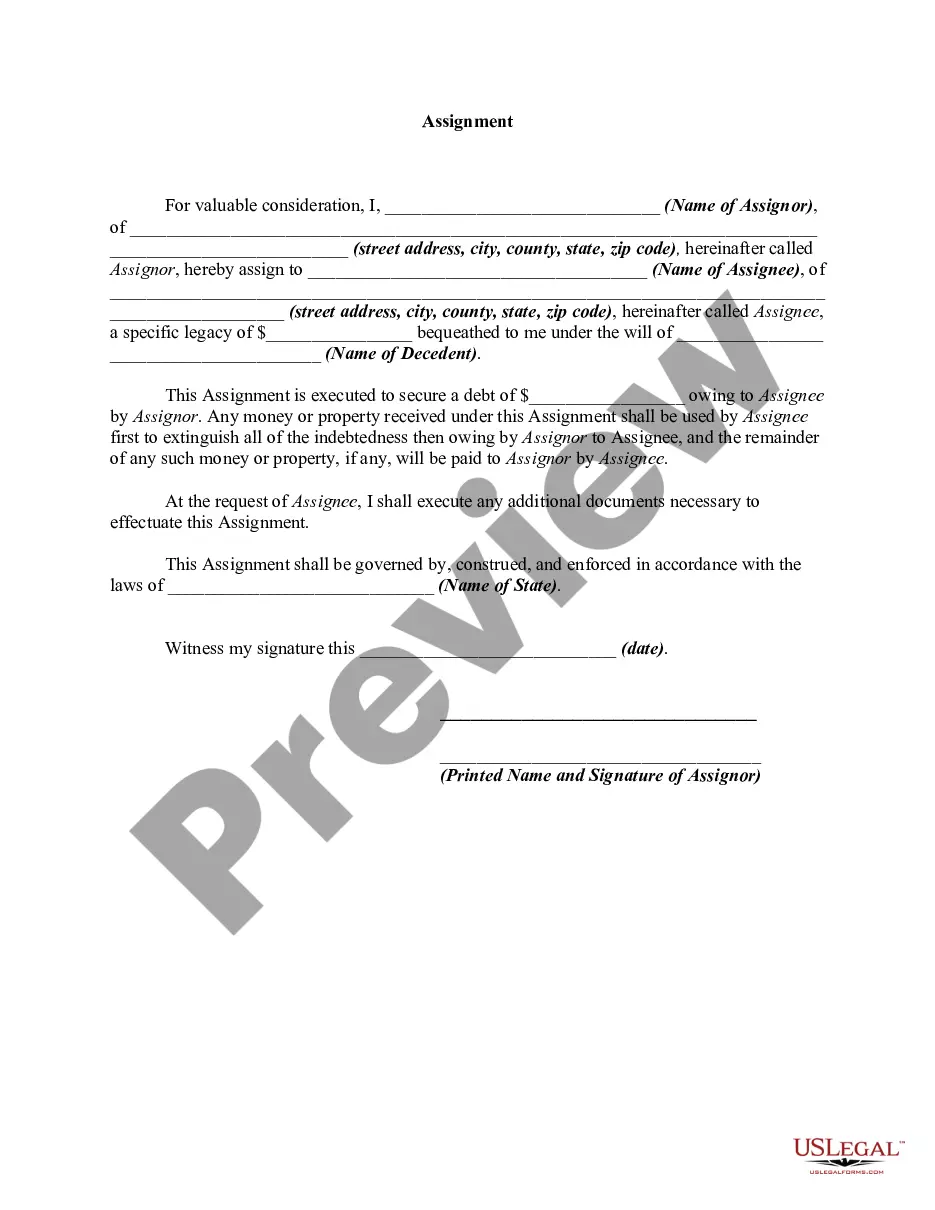
How to fill out Assignment Of All Of Expected Interest In Estate In Order To Pay Indebtedness?
The Estate Order Pay Template you observe on this page is a reusable legal document crafted by expert attorneys in accordance with federal and local laws and regulations.
For over 25 years, US Legal Forms has supplied individuals, organizations, and legal experts with more than 85,000 verified, state-specific documents for any business and personal situation. It’s the quickest, easiest, and most dependable method to acquire the documents you require, as the service assures bank-level data protection and anti-malware safeguards.
Register for US Legal Forms to have verified legal templates for all of life’s situations at your fingertips.
- Search for the document you require and examine it.
- Sign up and Log In.
- Obtain the editable template.
- Complete and sign the documents.
- Download your documents one more time.
Form popularity
FAQ
Typically, you need to make it known that you are the executor of the estate and are not taking responsibility for the transaction yourself. You can do this by simply signing your name and putting your title of executor of the estate afterward.
Bank accounts, retirement accounts, and life insurance will automatically transfer an inheritance if beneficiaries are designated. Listing beneficiaries on these accounts can be the easiest and quickest way to transfer those assets outside probate court.
To begin the inheritance distribution process, you must submit the will through probate. After the probate court reviews the will, it's authorized to an executor, and the executor then legally transfers all assets?again, after settling taxes and debts.
Every state sets the priority ing to which claims must be paid. The estate's beneficiaries only get paid once all the creditor claims have been satisfied. Usually, estate administration fees, funeral expenses, support payments, and taxes have priority over other claims.
The first thing to understand is that the check belongs to the decedent's estate, not to you. As such, you'll need legal authority to cash or deposit the check. Typically, this requires being named as the executor or administrator of the estate via the probate process.