Option Purchase Real Estate Formula
Description
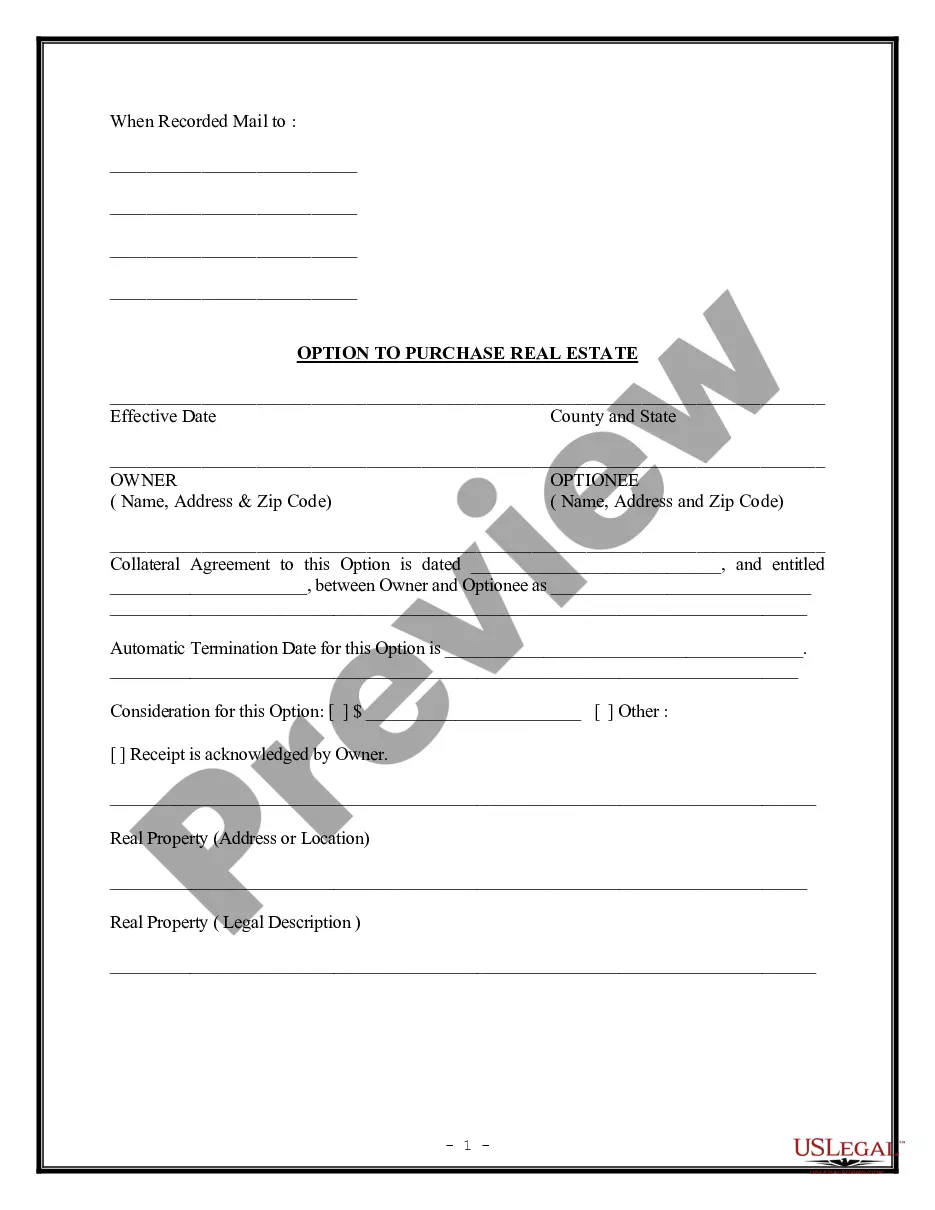
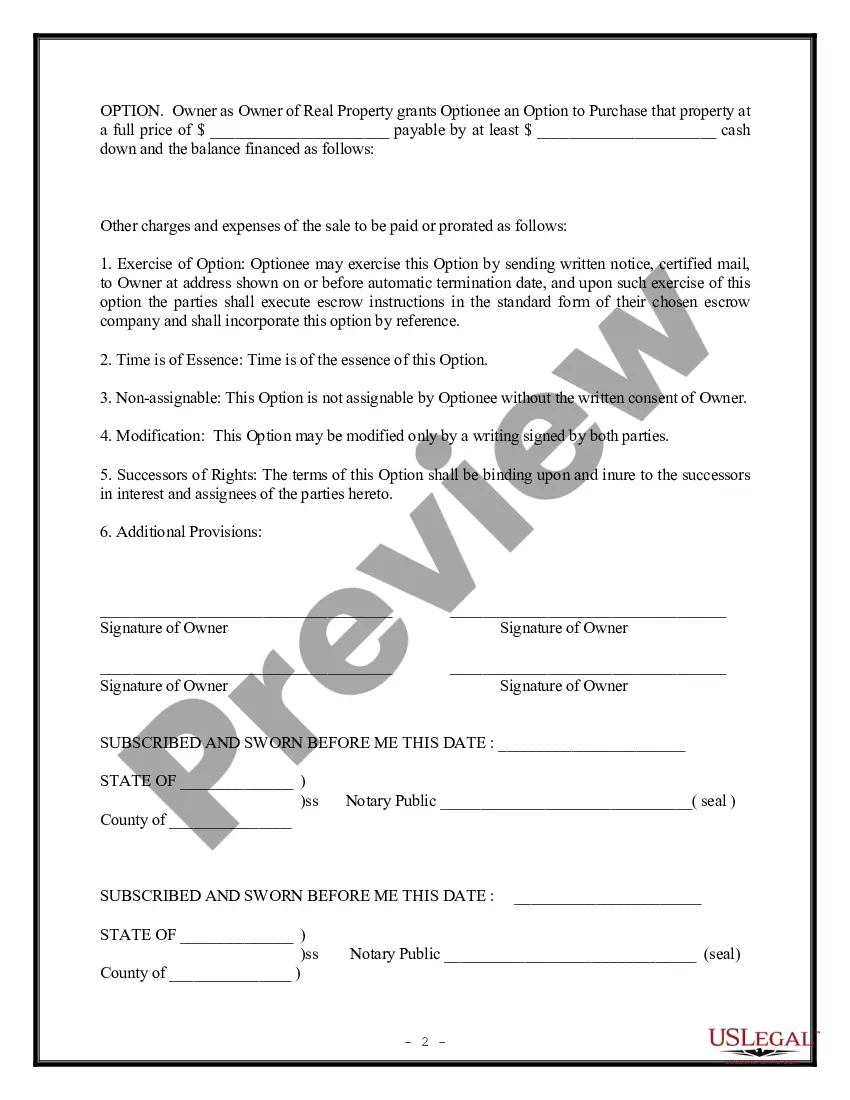
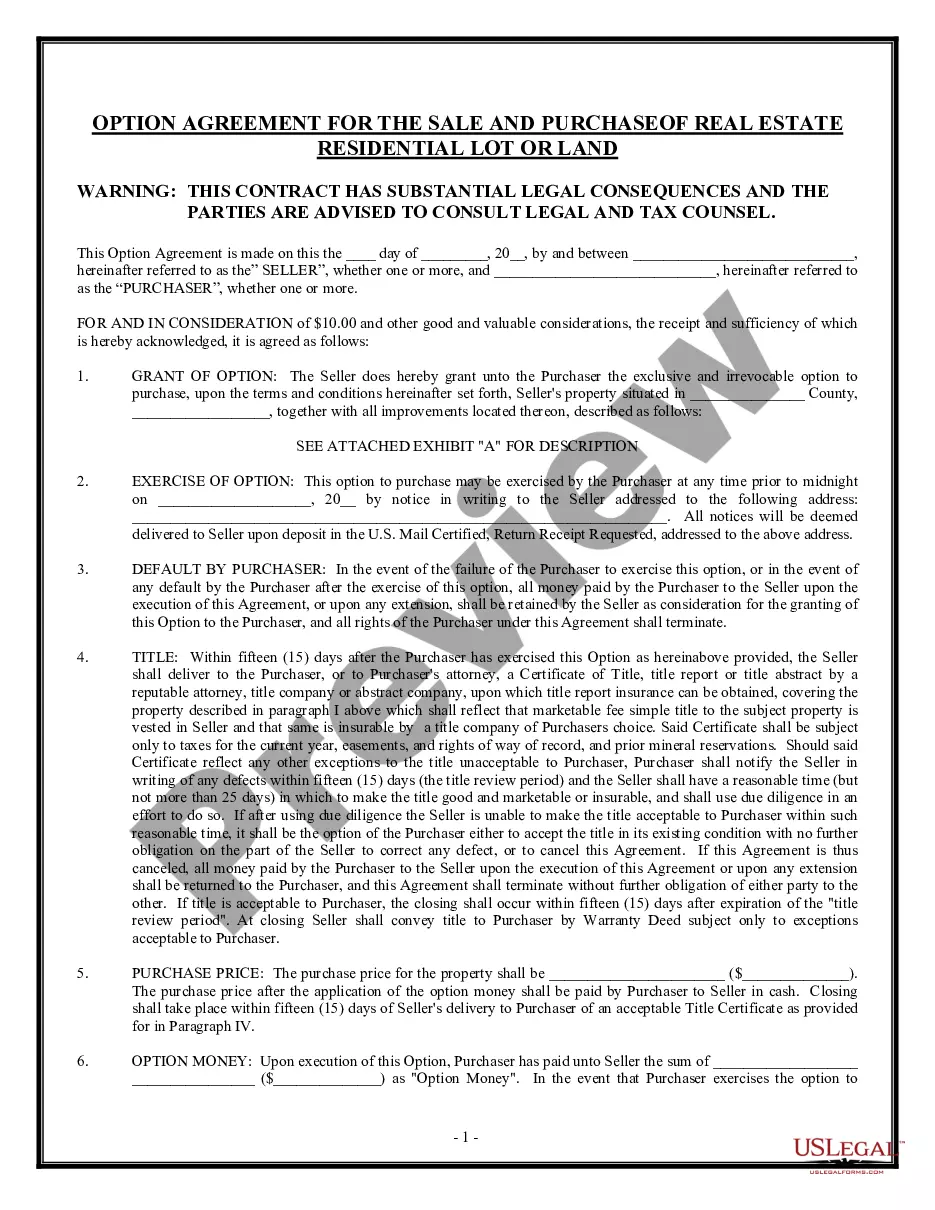
Get your form ready online
Our built-in tools help you complete, sign, share, and store your documents in one place.
Make edits, fill in missing information, and update formatting in US Legal Forms—just like you would in MS Word.
Download a copy, print it, send it by email, or mail it via USPS—whatever works best for your next step.
Sign and collect signatures with our SignNow integration. Send to multiple recipients, set reminders, and more. Go Premium to unlock E-Sign.
If this form requires notarization, complete it online through a secure video call—no need to meet a notary in person or wait for an appointment.
We protect your documents and personal data by following strict security and privacy standards.

Make edits, fill in missing information, and update formatting in US Legal Forms—just like you would in MS Word.

Download a copy, print it, send it by email, or mail it via USPS—whatever works best for your next step.

Sign and collect signatures with our SignNow integration. Send to multiple recipients, set reminders, and more. Go Premium to unlock E-Sign.

If this form requires notarization, complete it online through a secure video call—no need to meet a notary in person or wait for an appointment.

We protect your documents and personal data by following strict security and privacy standards.
Looking for another form?


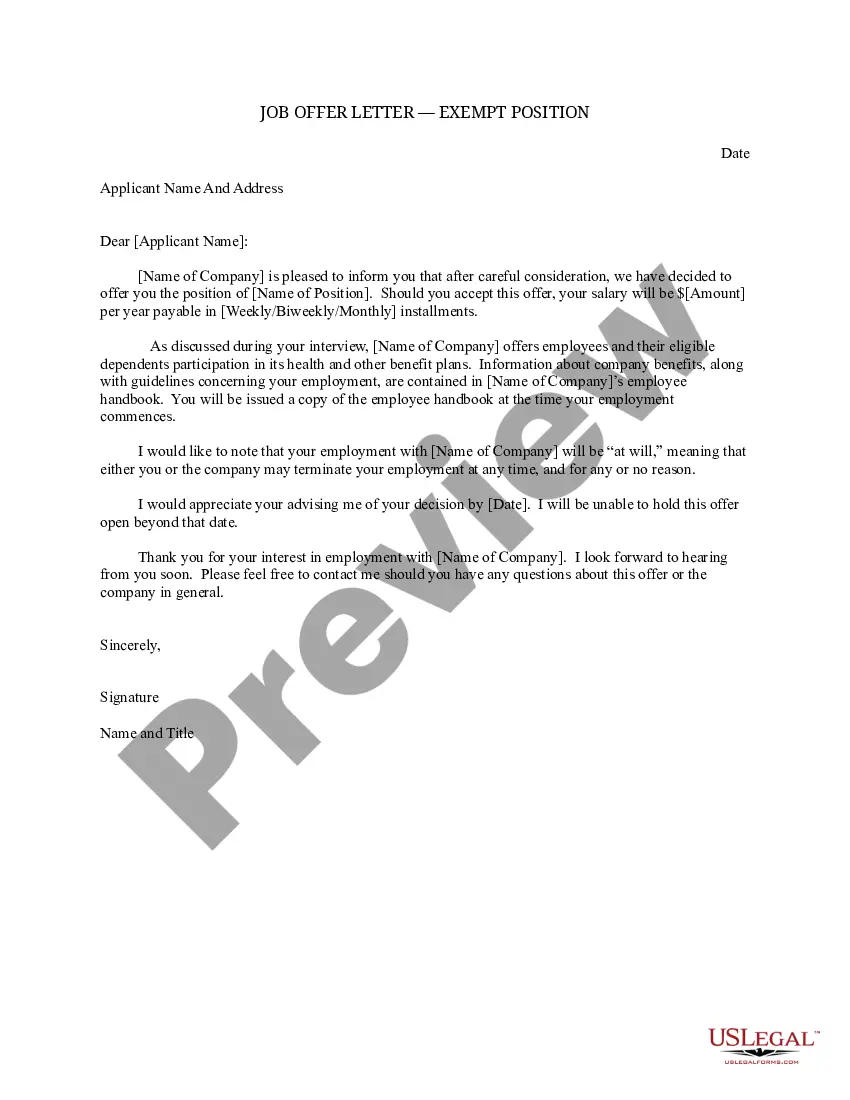

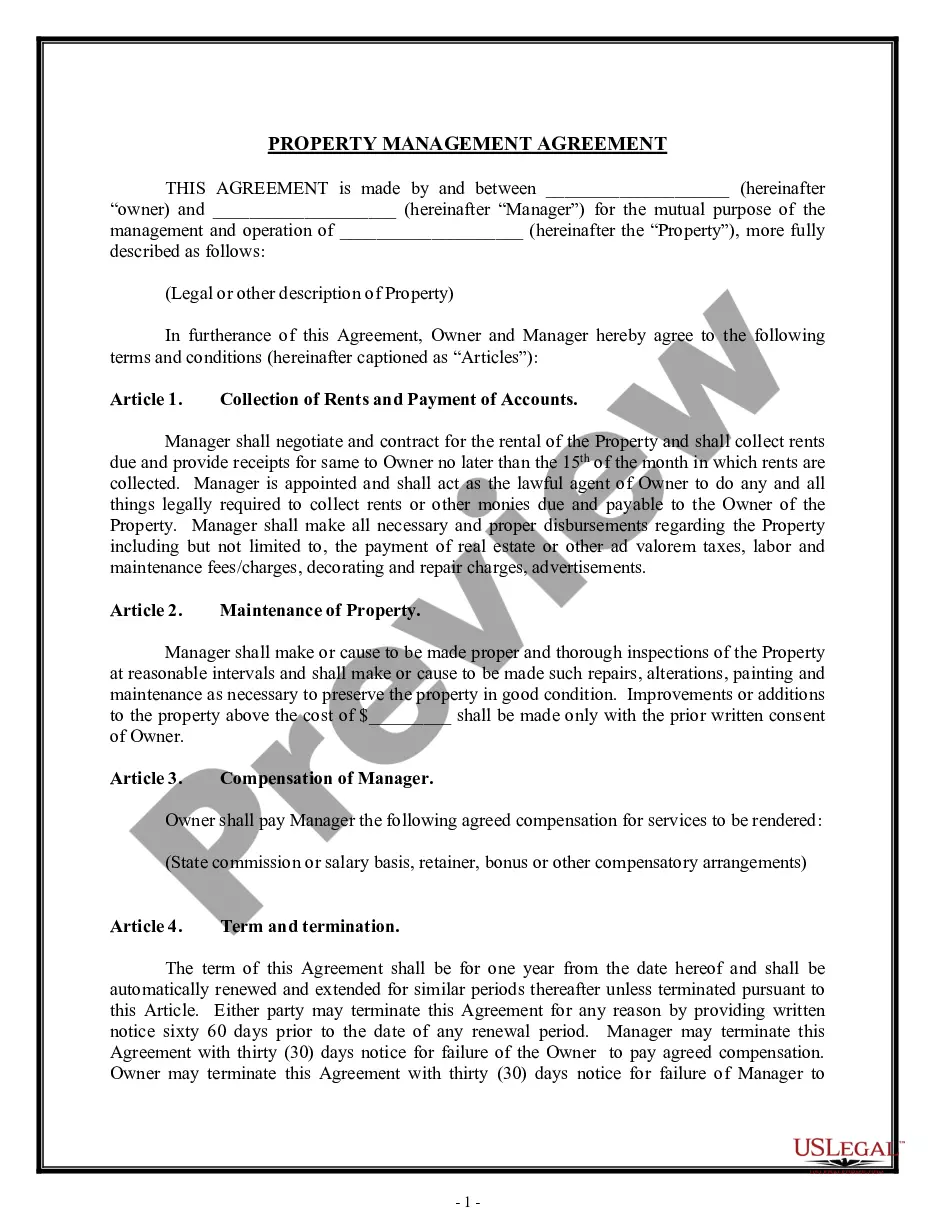
How to fill out Option To Purchase - Residential?
The Option Purchase Real Estate Template that you observe on this site is a versatile formal document crafted by expert attorneys in accordance with federal and state regulations.
For over 25 years, US Legal Forms has offered individuals, companies, and legal experts more than 85,000 confirmed, state-specific documents for any business and personal needs. It’s the fastest, easiest, and most dependable method to acquire the documentation you require, as the service assures the highest standard of data security and anti-malware safeguards.
Select the format you desire for your Option Purchase Real Estate Template (PDF, Word, RTF) and download the sample onto your device.
- Search for the document you require and examine it.
- Browse through the file you searched and preview it or review the form description to verify it meets your needs. If it doesn’t, utilize the search bar to find the correct one. Click Buy Now once you have located the template you want.
- Register and Log In.
- Choose the pricing plan that fits you and create an account. Utilize PayPal or a credit card to make a swift payment. If you already possess an account, Log In and check your subscription to proceed.
- Obtain the editable template.
Form popularity
FAQ
Calculating option period days involves determining the length of time outlined in your contract, typically beginning on the date the seller accepts your offer. Each day, including weekends and holidays, is counted until the option period expires. This calculation is important for sticking to the timelines set forth in the option purchase real estate formula.
While option agreements offer flexibility, they come with certain downsides. You may lose the option premium if you decide not to proceed with the purchase. Additionally, you may face limitations on your ability to negotiate further terms once the option is in place. Understanding these risks and how they relate to the option purchase real estate formula will help you make better investment choices.
The 7 percent rule in real estate is often used by investors to estimate their annual returns on property investments. It indicates that if a property does not offer at least a 7% return, it may not be a wise investment choice. Utilizing the option purchase real estate formula allows investors to analyze potential ROI clearly. By emphasizing this principle, you can make informed decisions that align with your financial goals.
The 7% rule in real estate suggests that investors should expect to earn a return of at least 7% on their investment annually. This guideline helps you gauge potential real estate profits and understand risks associated with property investments. If you’re looking for a way to calculate returns accurately, consider incorporating the option purchase real estate formula. This formula provides clarity in evaluating different investment opportunities.
Lock in a Future Purchase Price Option contracts also allow buyers to lock in a future sale price of a specific property. If an investor identifies a land that can increase its value over the next few months, they can lock in the future buying price through an option to buy.
No matter the format, an option to purchase must: 1) state the option fee, 2) set the duration of the option period, 3) outline the price for which the tenant will purchase the property in the future, and 4) comply with local and state laws.
Option Contracts in Real Estate The contract must be in writing. The contract must specify the location, such as the lot and block, subdivision, city, and state. The agreed-upon time frame of the contract must grant the buyer's right to purchase. The buyer and the seller must agree upon the purchase price.
What Is An Option To Purchase? An option to purchase agreement gives a home buyer the exclusive right to purchase a property within a specified time period and for a fixed or sometimes variable price. This, in turn, prevents sellers from providing other parties with offers or selling to them within this time period.
An option-to-purchase contract must conspicuously state the duration of the option period. There is no correct or preferred unit of time and option periods can range from months to years. Typically, however, in the residential context, option periods range from one-to-five years.