Residential Home Purchase Withins
Description
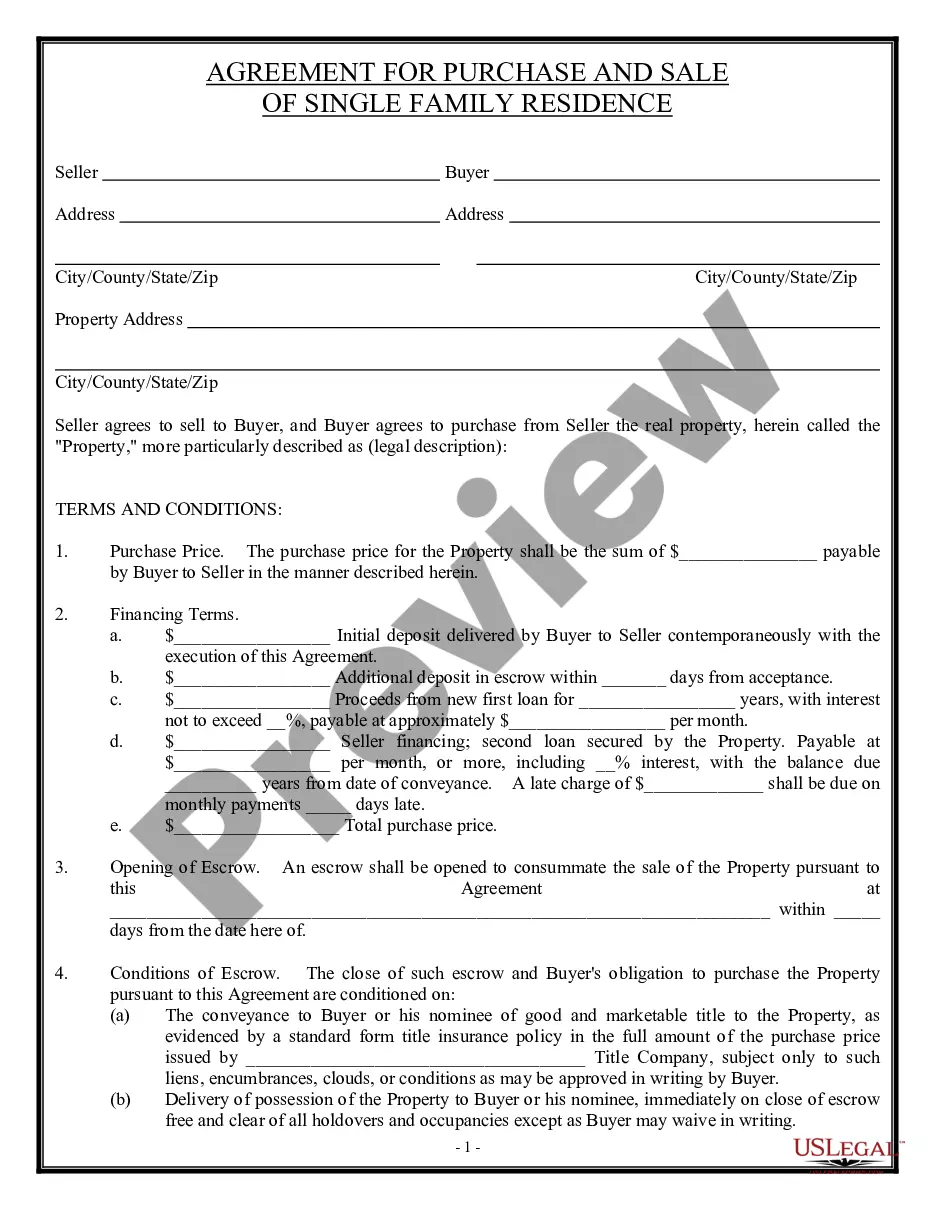
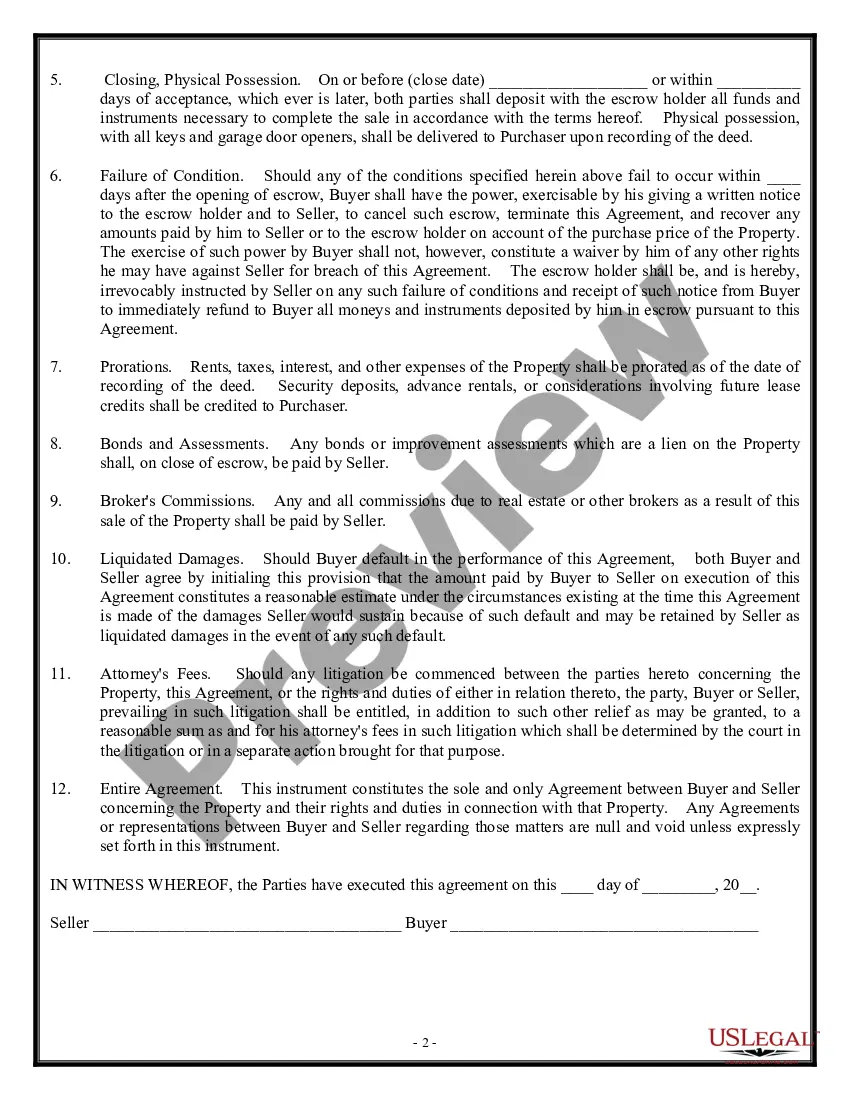

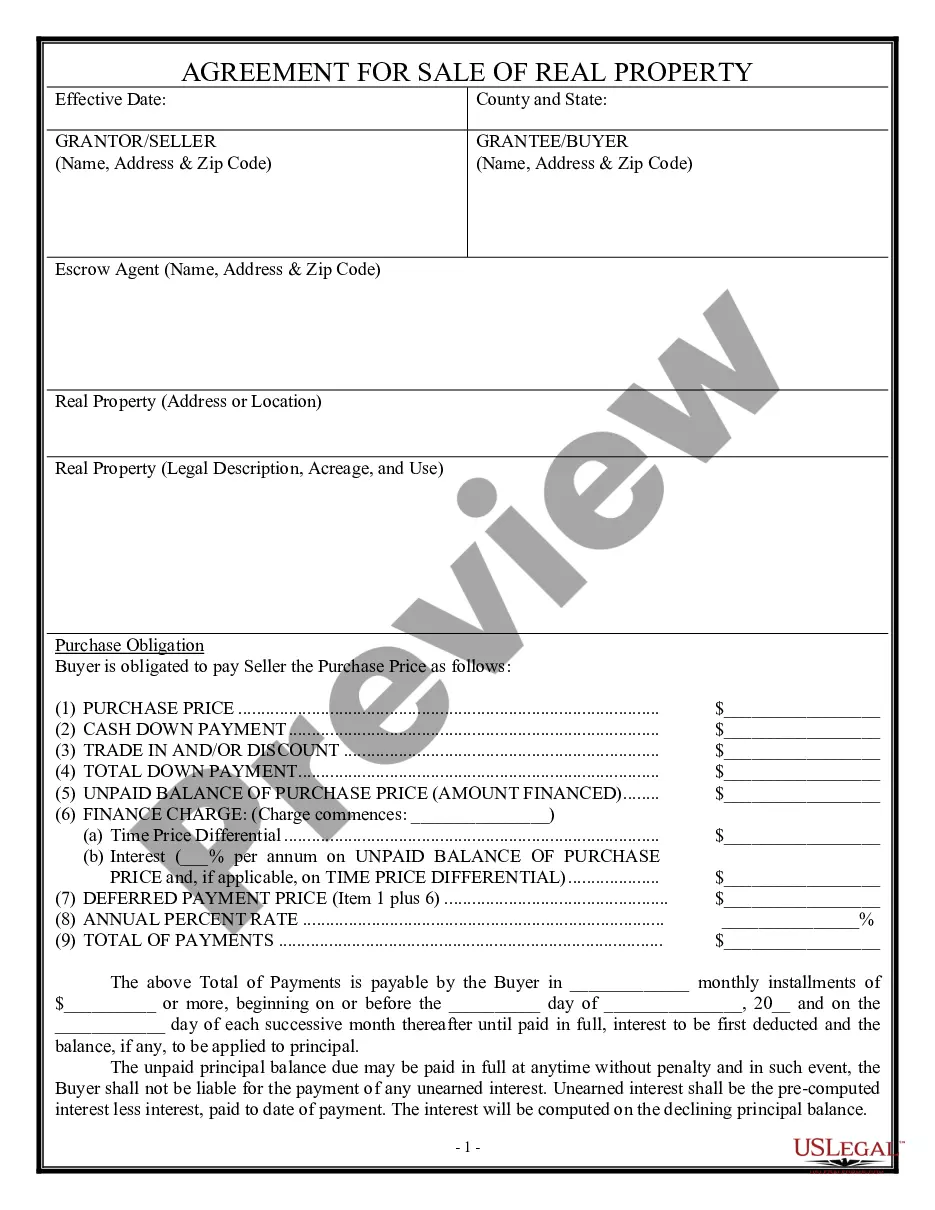
Get your form ready online
Our built-in tools help you complete, sign, share, and store your documents in one place.
Make edits, fill in missing information, and update formatting in US Legal Forms—just like you would in MS Word.
Download a copy, print it, send it by email, or mail it via USPS—whatever works best for your next step.
Sign and collect signatures with our SignNow integration. Send to multiple recipients, set reminders, and more. Go Premium to unlock E-Sign.
If this form requires notarization, complete it online through a secure video call—no need to meet a notary in person or wait for an appointment.
We protect your documents and personal data by following strict security and privacy standards.

Make edits, fill in missing information, and update formatting in US Legal Forms—just like you would in MS Word.

Download a copy, print it, send it by email, or mail it via USPS—whatever works best for your next step.

Sign and collect signatures with our SignNow integration. Send to multiple recipients, set reminders, and more. Go Premium to unlock E-Sign.

If this form requires notarization, complete it online through a secure video call—no need to meet a notary in person or wait for an appointment.

We protect your documents and personal data by following strict security and privacy standards.
Looking for another form?
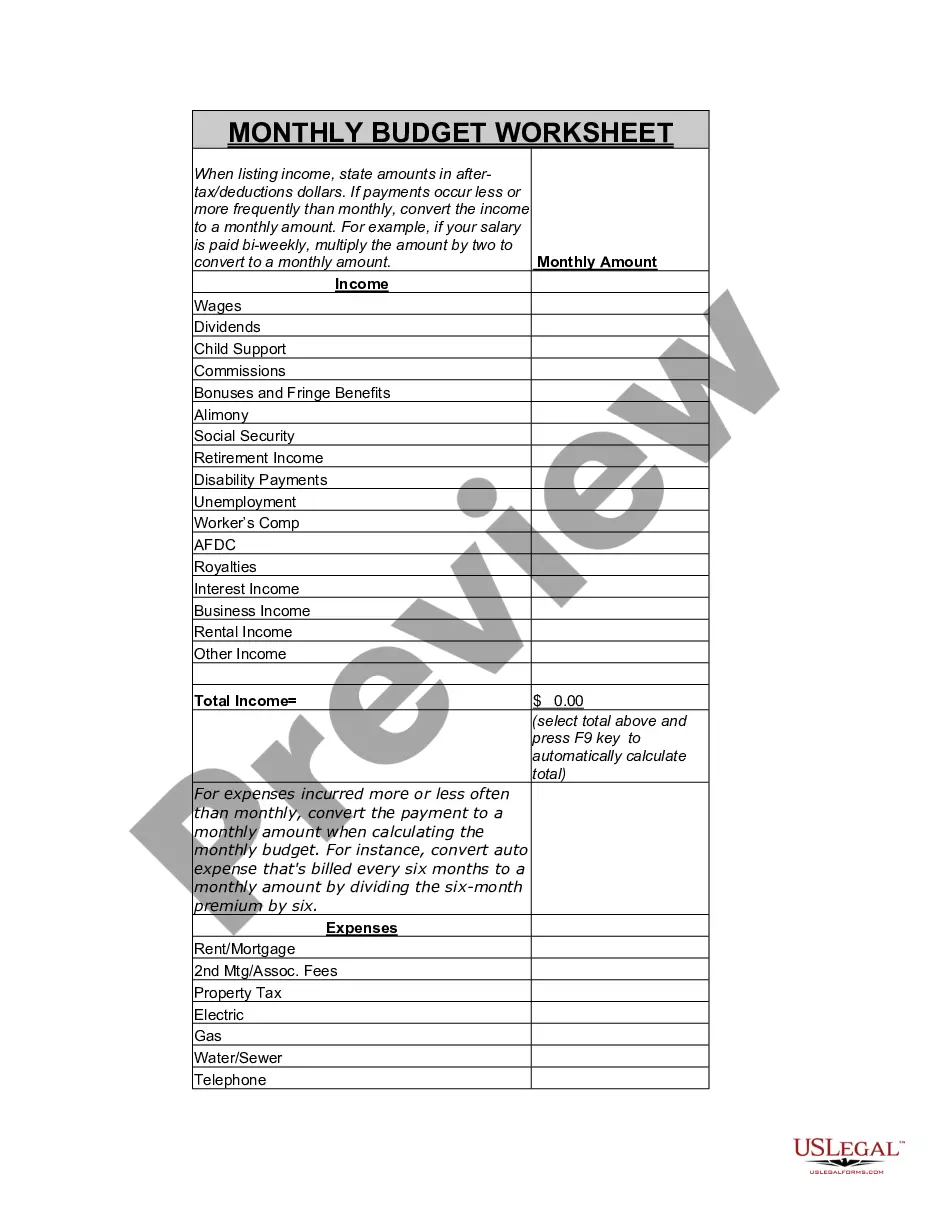
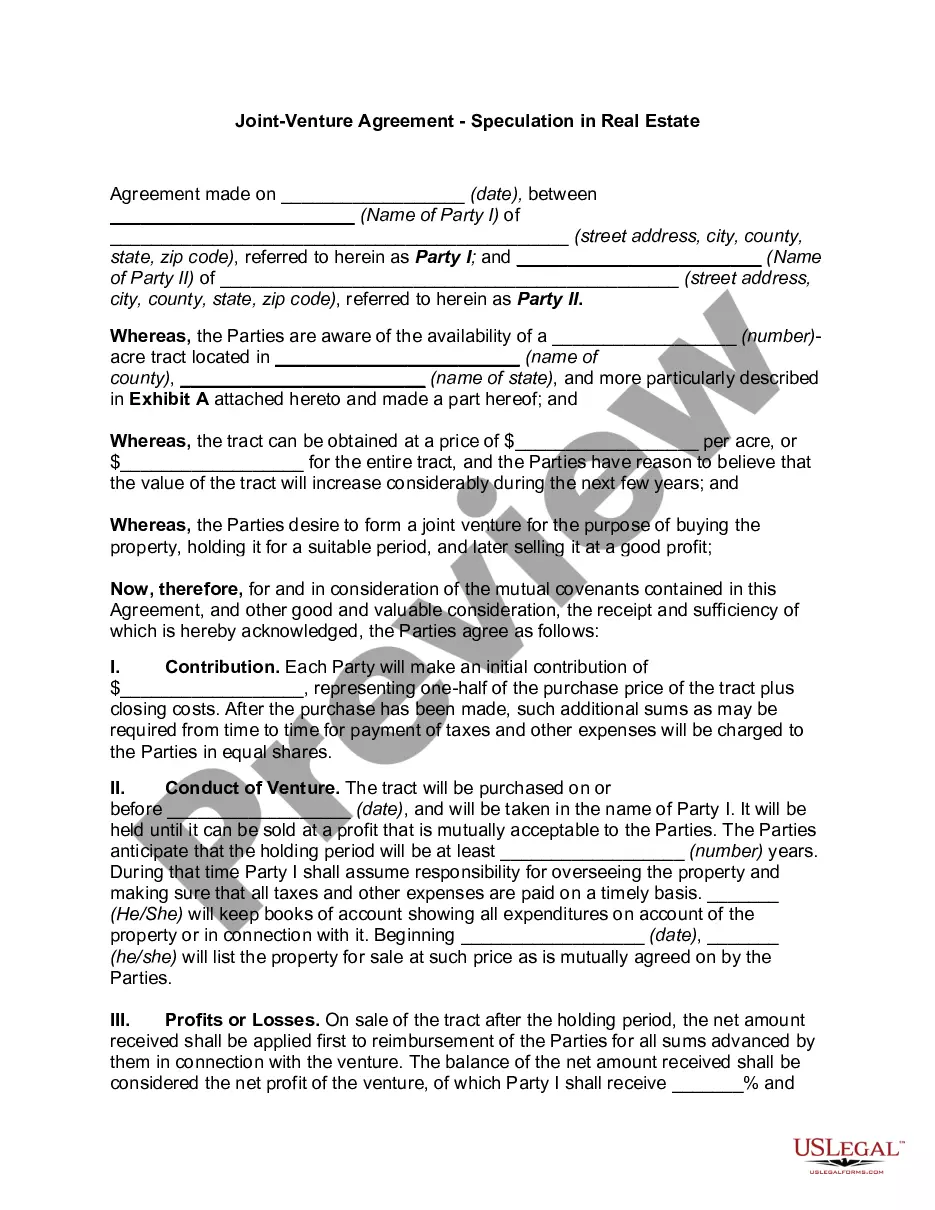



How to fill out Agreement For Sale, Short Form - Residential?
Managing legal documents can be daunting, even for experienced professionals.
When you're in search of a Residential Home Purchase Within and lack the time to find the correct and current version, the process can be stressful.
US Legal Forms meets all your requirements, from personal to business documents, all centralized in a single location.
Utilize cutting-edge tools to complete and manage your Residential Home Purchase Within.
Here are the steps to take after downloading the form you require: Review it to ensure it is the right form by previewing and reading its description. Confirm that the sample is accepted in your state or county. Click Buy Now when you're ready. Choose a subscription option. Locate the format you need, and Download, complete, eSign, print, and submit your document. Leverage the US Legal Forms web directory, supported by 25 years of experience and reliability. Transform your daily document management into a simple and user-friendly procedure today.
- Gain access to a valuable collection of articles, guides, and resources relevant to your circumstances and needs.
- Save time and effort in searching for the necessary documents, and utilize the advanced search and Review tool to find and download Residential Home Purchase Within.
- If you have a membership, Log In to your US Legal Forms account, search for the form, and download it.
- Visit the My documents tab to see the documents you've saved and manage your folders as you wish.
- If it's your first experience with US Legal Forms, create a free account for unlimited access to all the platform’s benefits.
- A comprehensive online form directory can be transformative for anyone looking to handle these situations effectively.
- US Legal Forms stands as a leading provider of online legal documents, offering over 85,000 state-specific legal forms available at any time.
- With US Legal Forms, you can access forms tailored to your state or county needs.
Form popularity
FAQ
The 30% rule suggests that you should spend no more than 30% of your gross monthly income on housing costs. This includes mortgage payments, property taxes, and insurance. By following this guideline, you can ensure a balanced budget while pursuing a residential home purchase within your financial means. It is vital to realistically assess your costs before committing to a purchase.
When a home is contingent, it means that the seller has accepted an offer, but the sale cannot proceed until certain conditions are met. For instance, this often includes passing inspections or securing financing. In the context of a residential home purchase within this framework, buyers should be aware that contingencies can delay the process. Therefore, clarity on contingencies helps buyers navigate the residential home purchase withins smoothly.
The five stages of buying a home include preparation, searching, making an offer, underwriting, and closing. During preparation, assess your finances and determine your budget. In the searching stage, explore available listings that fit your criteria for a residential home purchase within. After making an offer, expect negotiations, then enter underwriting for final approvals before proceeding to the closing table.
The Government of Canada has passed a new law to help make homes more affordable for people living in Canada. The Prohibition on the Purchase of Residential Property by Non-Canadians Act prevents non-Canadians from purchasing residential property in Canada for 2 years.
Exceptions to the Residential Property Flipping Rule A related individual joining a household such as a newborn, an elderly relative in need of care, or an adopted child. The personal safety of the taxpayer or a related person is threatened. The taxpayer or a related person has a serious illness or disability.
What is changing? Starting on January 1, 2023, the new deeming rule applies to flipped property to ensure that profits are subject to full income inclusion. Under the new rule, profits from the sale of a flipped property are deemed to be business income.
In April 2023, the federal government introduced Bill C-47, An Act to implement certain provisions of the budget. Bill C-47 proposed amendments to the Income Tax Act (the Act) mandatory disclosure rules in section 237.3 and added additional mandatory disclosure rules in 237.4 (the New Legislation).
Under the new rules, home owners will only be able to refinance (take money out of their house) for up to 85% of the value of their home. The previous limit was 90%, and a year ago it was 95%. Existing home owners will also only be able to refinance up to 30 years rather than for 35 years.