Writ Mandate Act With Writing
Description
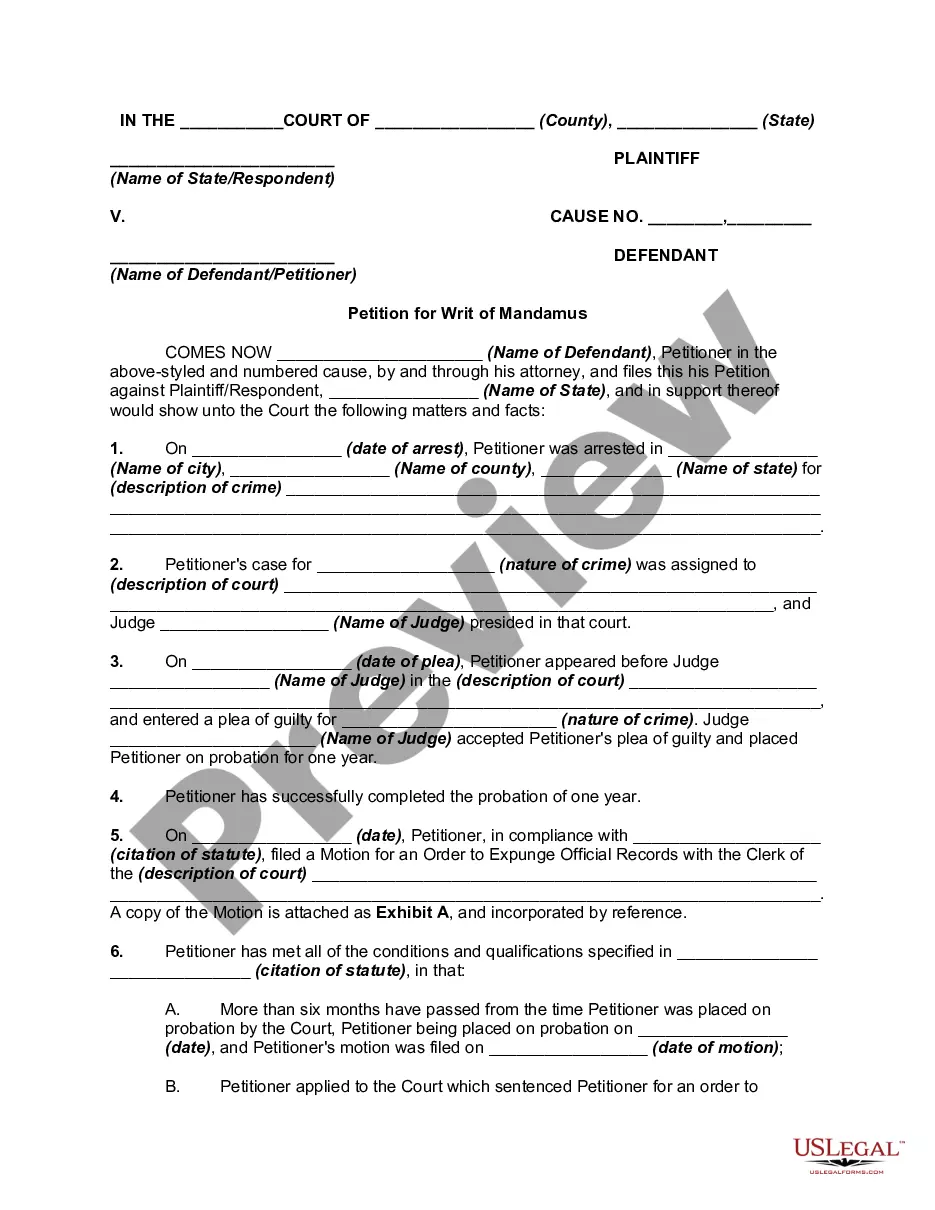
Get your form ready online
Our built-in tools help you complete, sign, share, and store your documents in one place.
Make edits, fill in missing information, and update formatting in US Legal Forms—just like you would in MS Word.
Download a copy, print it, send it by email, or mail it via USPS—whatever works best for your next step.
Sign and collect signatures with our SignNow integration. Send to multiple recipients, set reminders, and more. Go Premium to unlock E-Sign.
If this form requires notarization, complete it online through a secure video call—no need to meet a notary in person or wait for an appointment.
We protect your documents and personal data by following strict security and privacy standards.

Make edits, fill in missing information, and update formatting in US Legal Forms—just like you would in MS Word.

Download a copy, print it, send it by email, or mail it via USPS—whatever works best for your next step.

Sign and collect signatures with our SignNow integration. Send to multiple recipients, set reminders, and more. Go Premium to unlock E-Sign.

If this form requires notarization, complete it online through a secure video call—no need to meet a notary in person or wait for an appointment.

We protect your documents and personal data by following strict security and privacy standards.
Looking for another form?


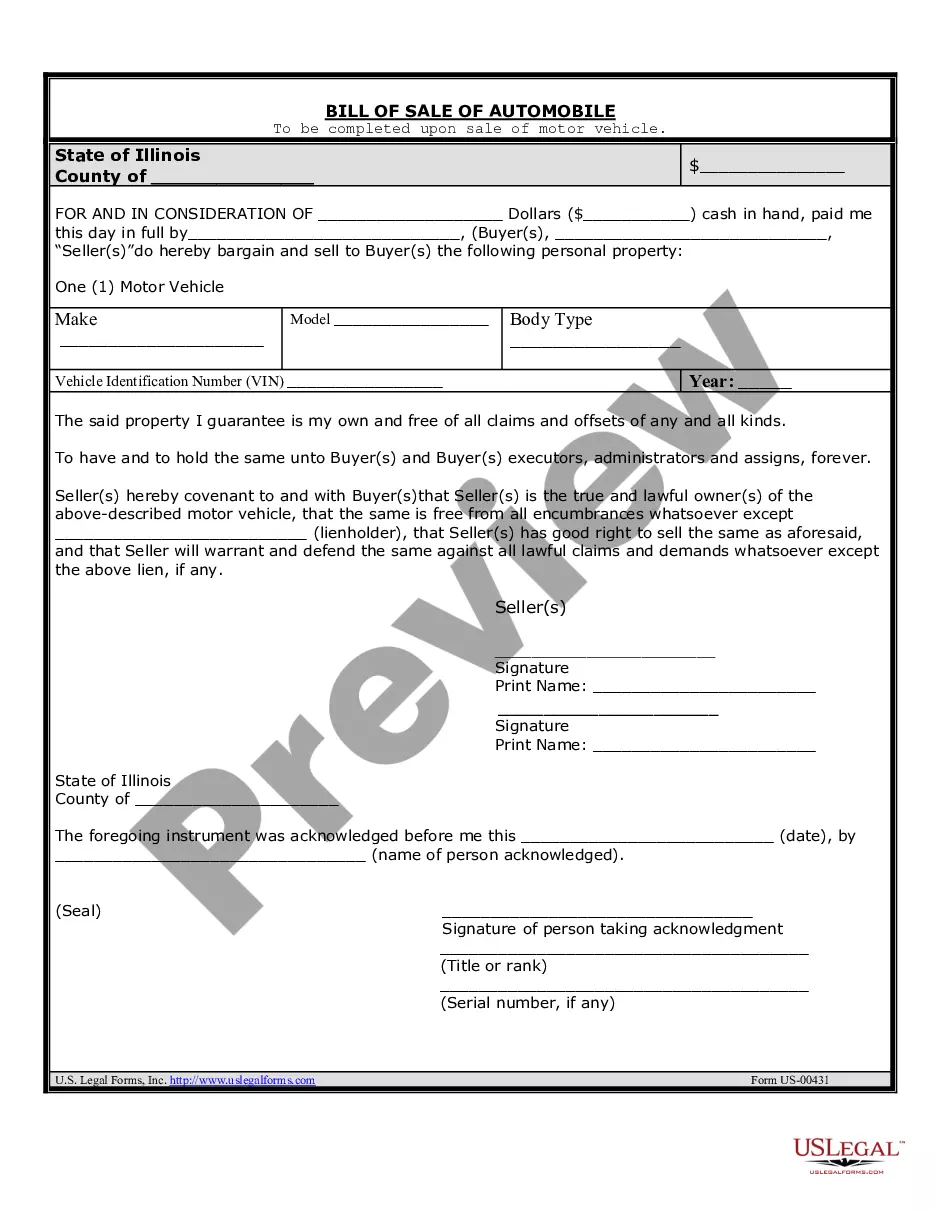
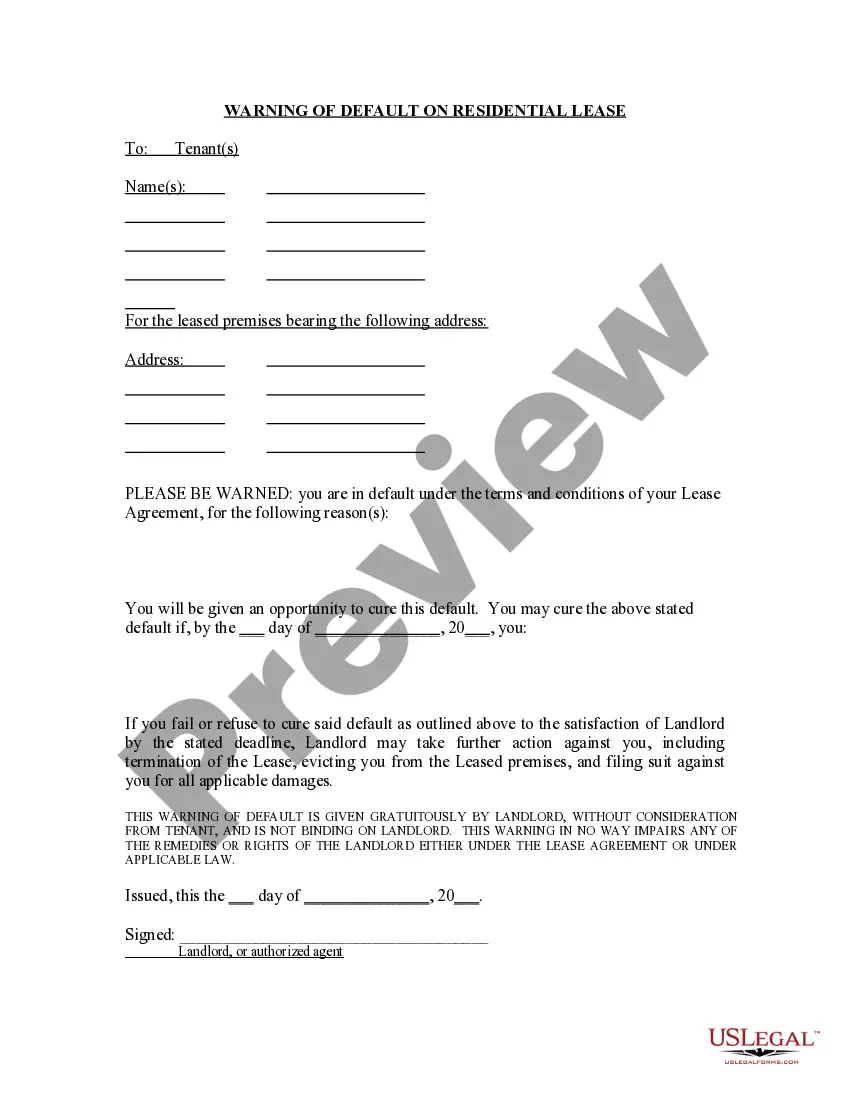
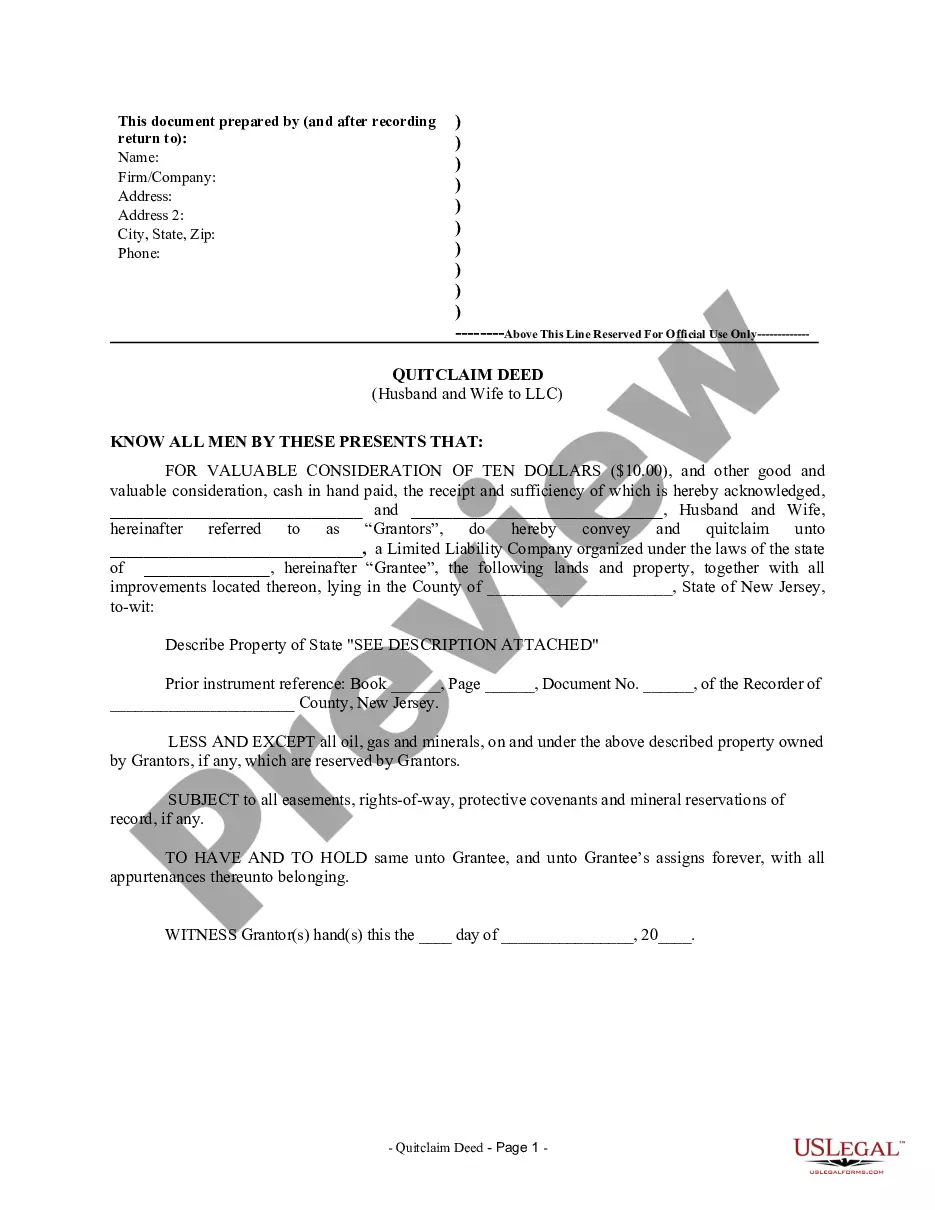

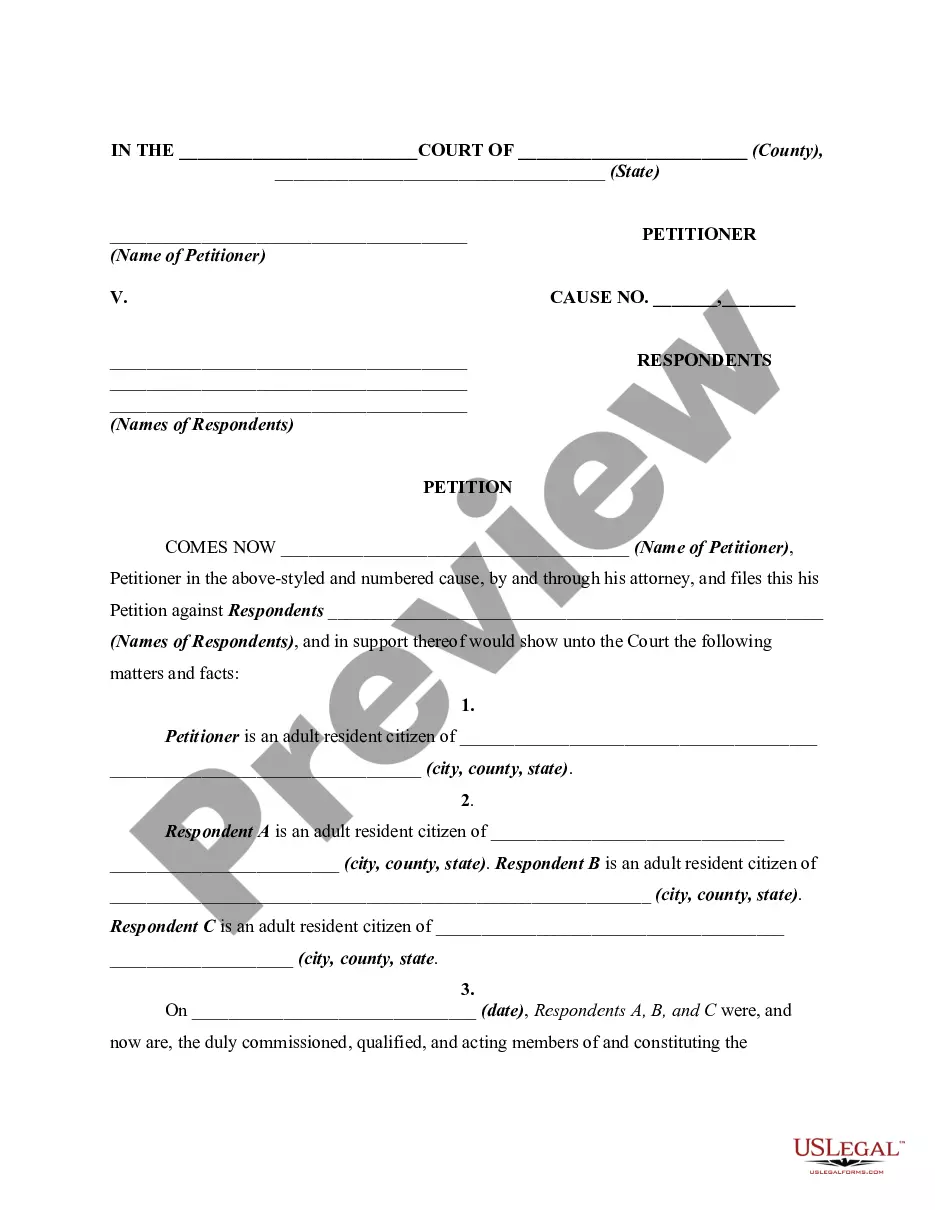
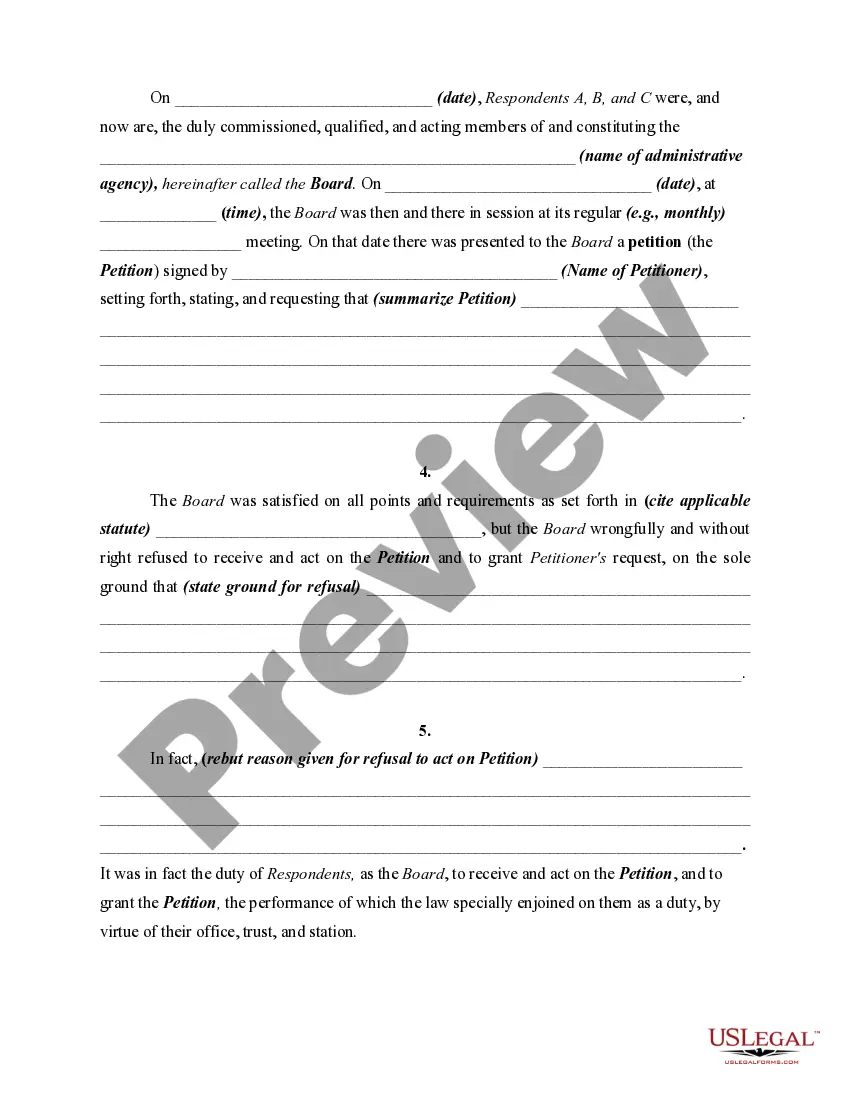
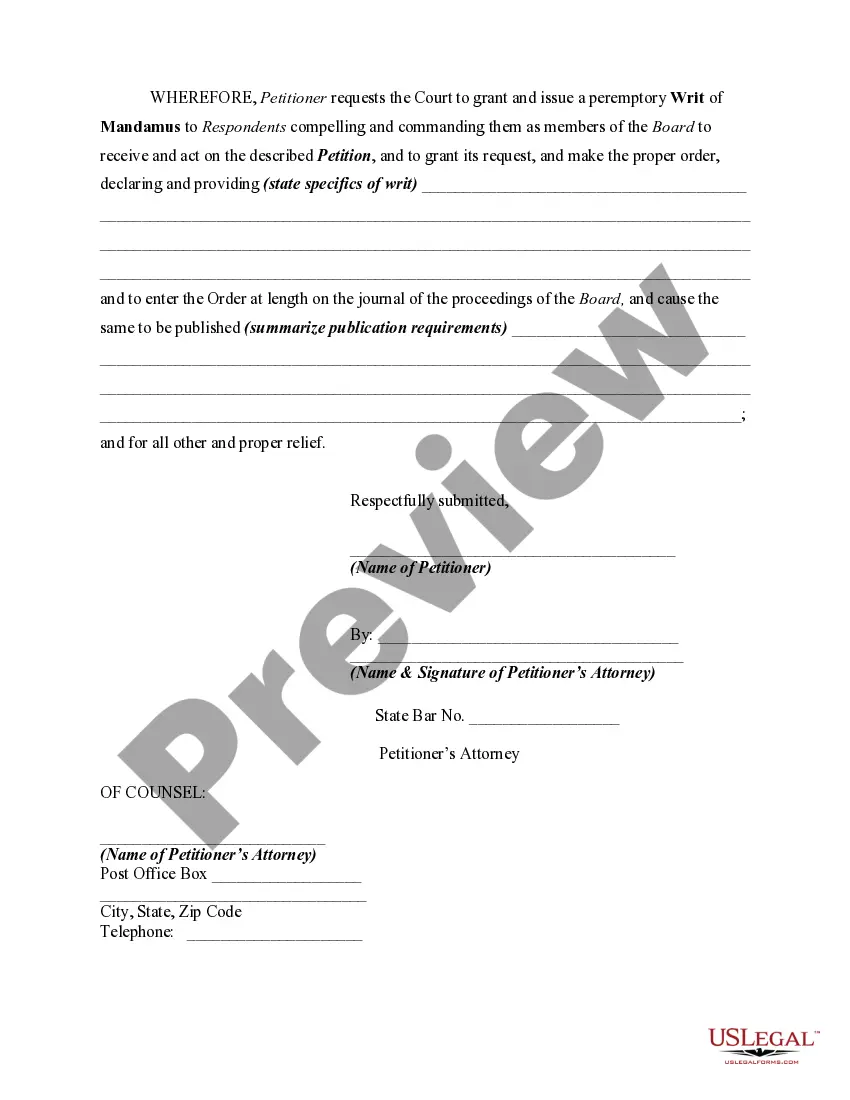
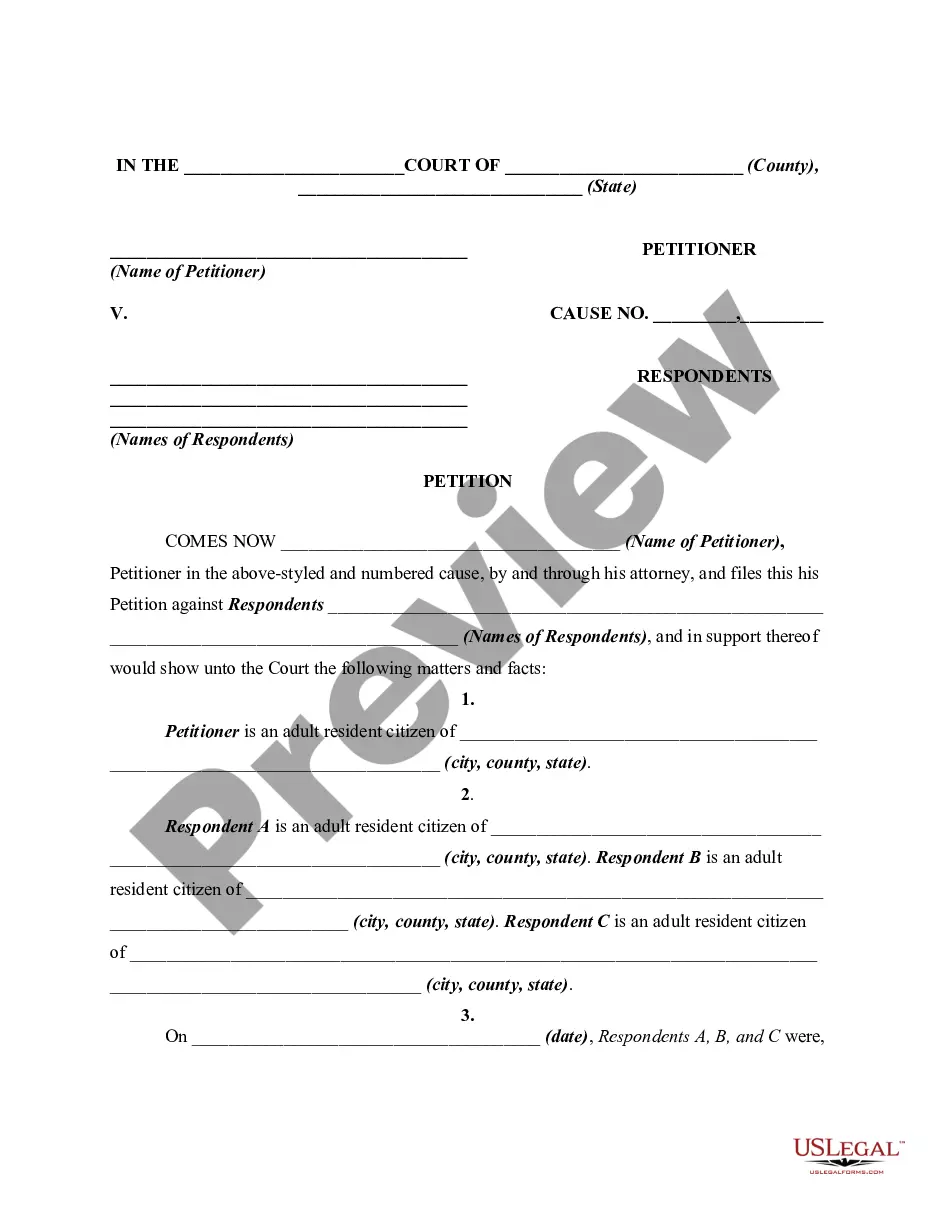
How to fill out Petition Or Application For Writ Of Mandamus Or Mandate For Refusal Of Administrative Agency To Act On Petition?
It’s well-known that you cannot transform into a legal expert instantly, nor can you quickly learn to prepare Writ Mandate Act With Writing without possessing a specialized skill set.
Drafting legal documents is a lengthy procedure that demands a particular education and expertise. So why not entrust the creation of the Writ Mandate Act With Writing to the experts.
With US Legal Forms, one of the most extensive legal template libraries, you can discover anything from court documents to templates for internal communication.
You can re-access your documents from the My documents section at any time. If you’re a current client, you can easily Log In, and find and download the template from the same section.
Regardless of the aim of your documentation—be it financial, legal, or personal—our platform has you covered. Try US Legal Forms today!
- Find the document you require by utilizing the search bar at the top of the page.
- Preview it (if this option is available) and review the accompanying description to determine if Writ Mandate Act With Writing is what you’re looking for.
- Start your search again if you need another document.
- Create a free account and choose a subscription plan to acquire the document.
- Select Buy now. Once the transaction is finished, you can download the Writ Mandate Act With Writing, fill it out, print it, and send or mail it to the relevant individuals or organizations.
Form popularity
FAQ
Generally, a habeas petition must allege: (1) the identity of the petitioner and the location of his custody; (2) the court order which led to the petitioner's restraint; (3) an illegal restraint on the petitioner's liberty; (4) why the petition is being filed in the appellate court; (5) there is no plain, speedy, and ...
The petition shall not exceed 50 pages in length and shall contain: (1) the basis for invoking the jurisdiction of the court; (2) the facts on which the petitioner relies; (3) the nature of the relief sought; and (4) argument in support of the petition and appropriate citations of authority.
In the case of common law writs or statutory writs for which no deadline is specified, there is no absolute deadline for filing the petition. However, you should file the petition as soon as possible and in any event not later than 60 days after the court makes the ruling that you are challenging in the petition.
One example of an appropriately granted writ of prohibition can be seen from the New York Court of Appeals case Soares v. Herrick, 981 N.E. 2d 260 (N.Y. 2012), in which the judge of a county court, in excess of his discretion, disqualified the district attorney from prosecuting a criminal case.
(a) A writ of mandate may be issued by any court to any inferior tribunal, corporation, board, or person, to compel the performance of an act which the law specially enjoins, as a duty resulting from an office, trust, or station, or to compel the admission of a party to the use and enjoyment of a right or office to ...