Purchase Order Format For Services
Description
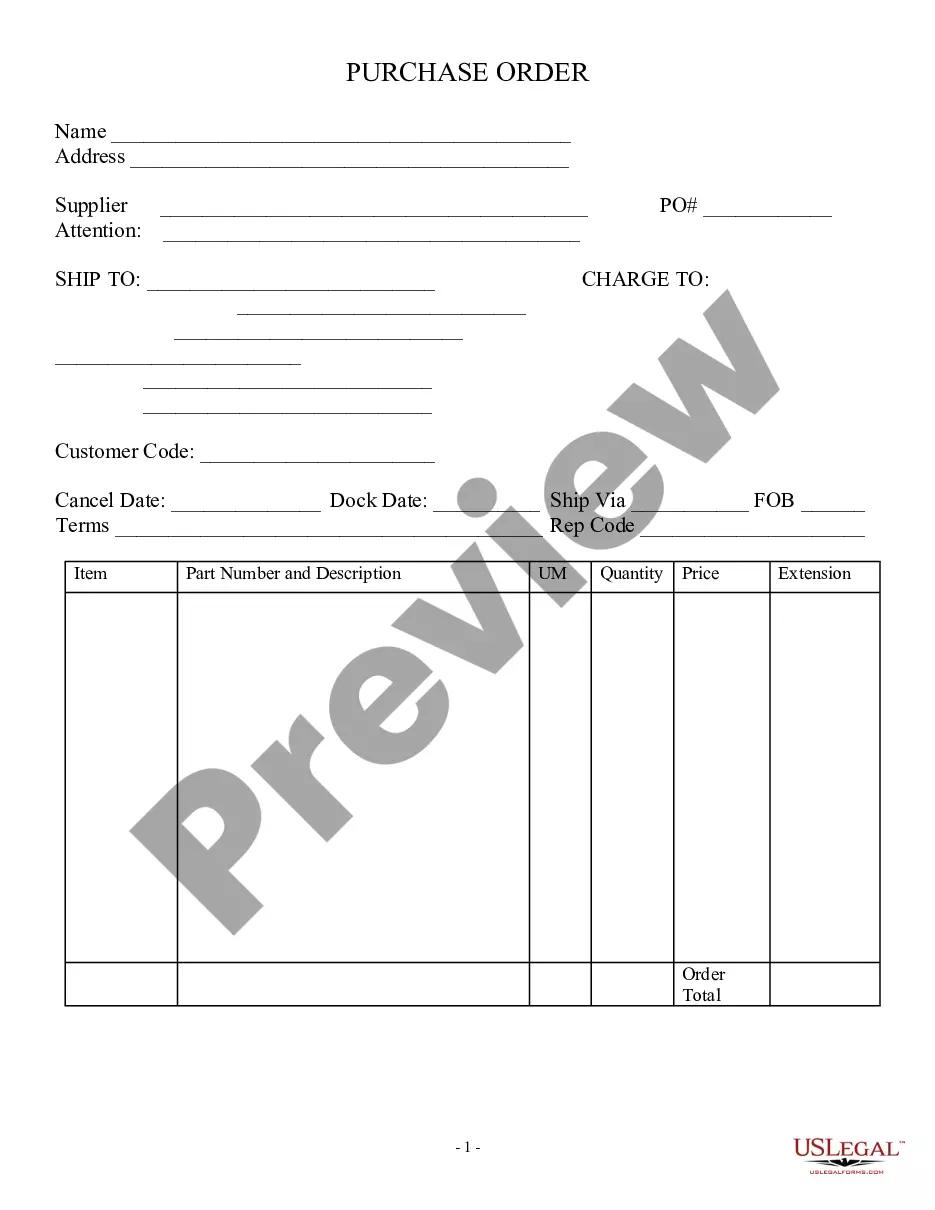
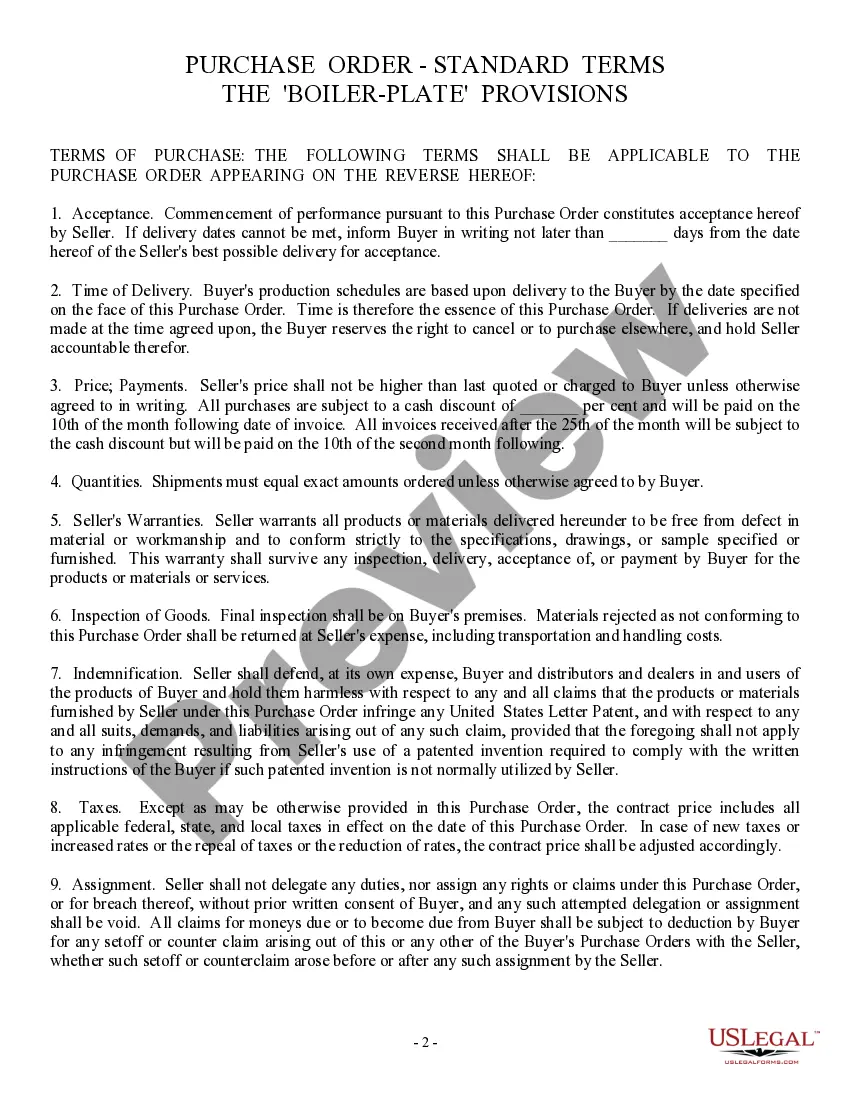
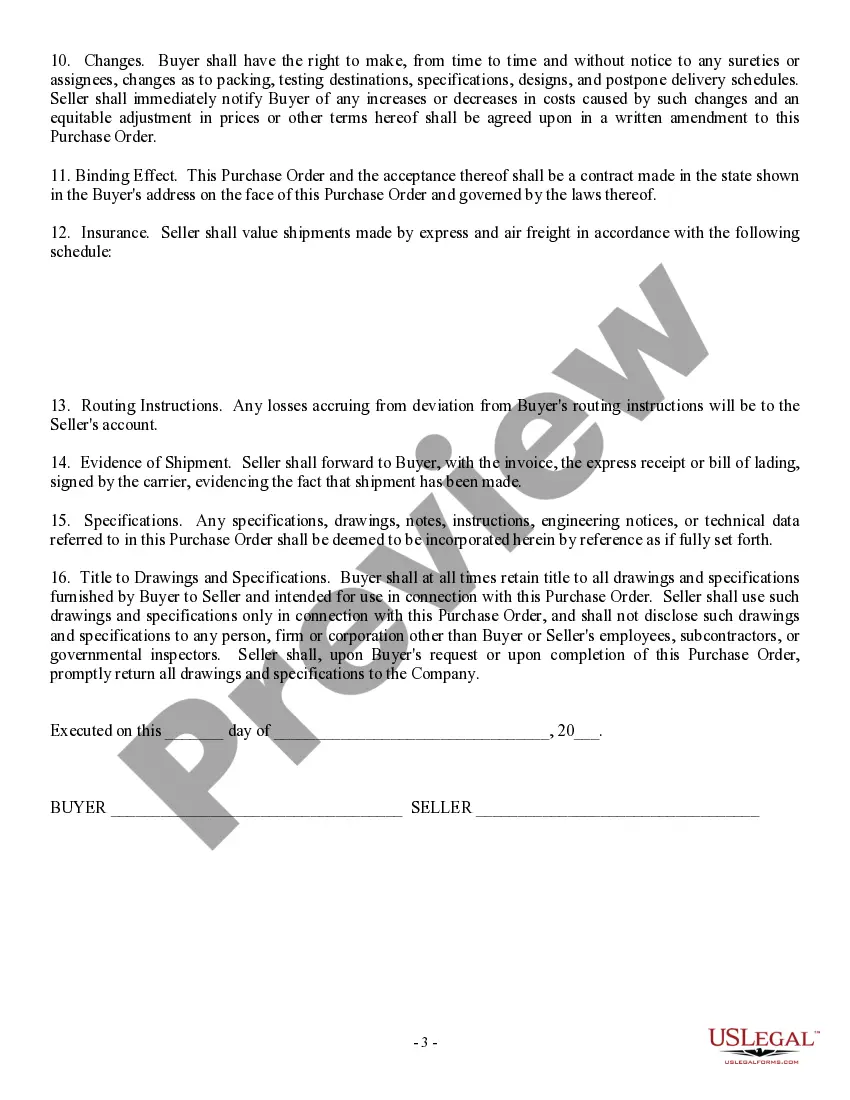
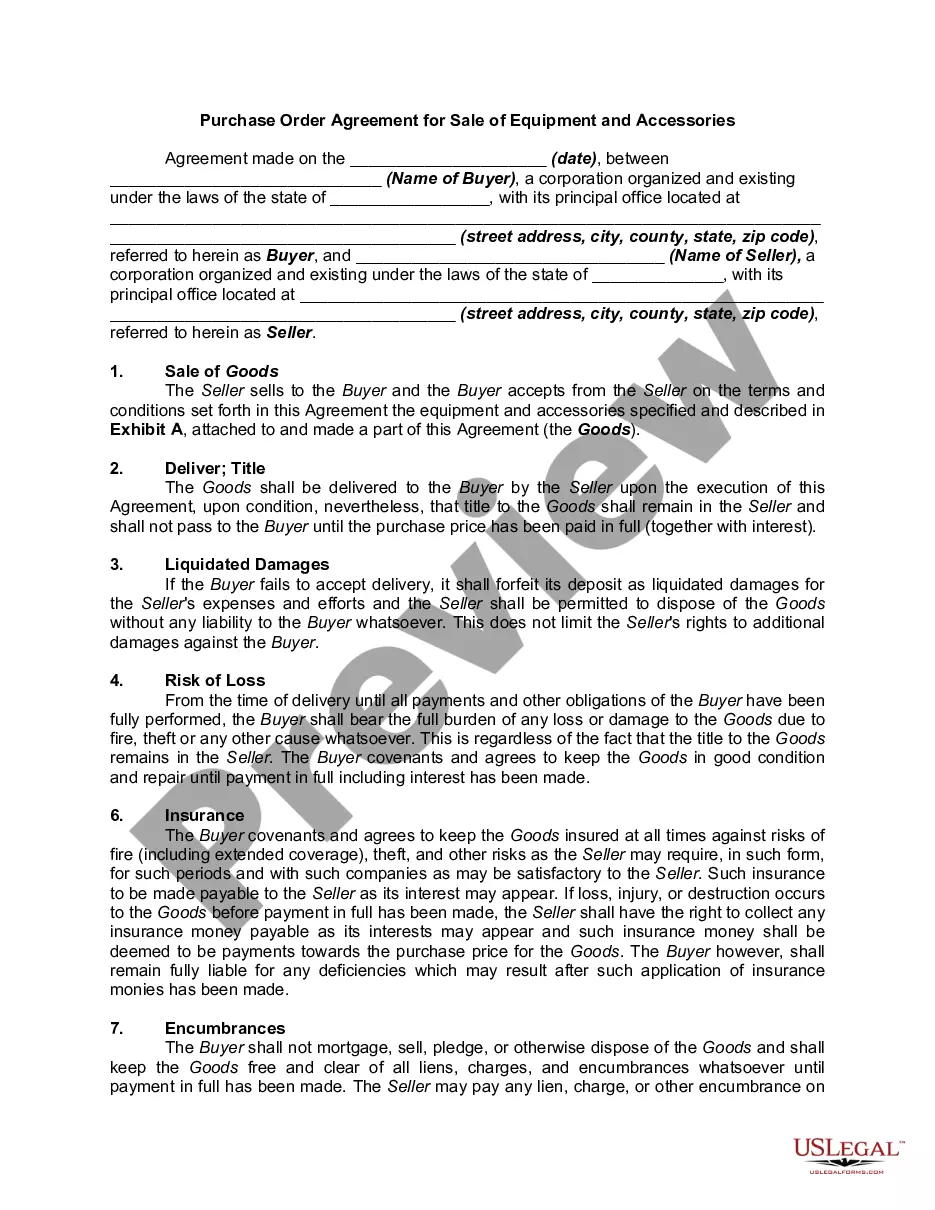
Get your form ready online
Our built-in tools help you complete, sign, share, and store your documents in one place.
Make edits, fill in missing information, and update formatting in US Legal Forms—just like you would in MS Word.
Download a copy, print it, send it by email, or mail it via USPS—whatever works best for your next step.
Sign and collect signatures with our SignNow integration. Send to multiple recipients, set reminders, and more. Go Premium to unlock E-Sign.
If this form requires notarization, complete it online through a secure video call—no need to meet a notary in person or wait for an appointment.
We protect your documents and personal data by following strict security and privacy standards.

Make edits, fill in missing information, and update formatting in US Legal Forms—just like you would in MS Word.

Download a copy, print it, send it by email, or mail it via USPS—whatever works best for your next step.

Sign and collect signatures with our SignNow integration. Send to multiple recipients, set reminders, and more. Go Premium to unlock E-Sign.

If this form requires notarization, complete it online through a secure video call—no need to meet a notary in person or wait for an appointment.

We protect your documents and personal data by following strict security and privacy standards.
Looking for another form?




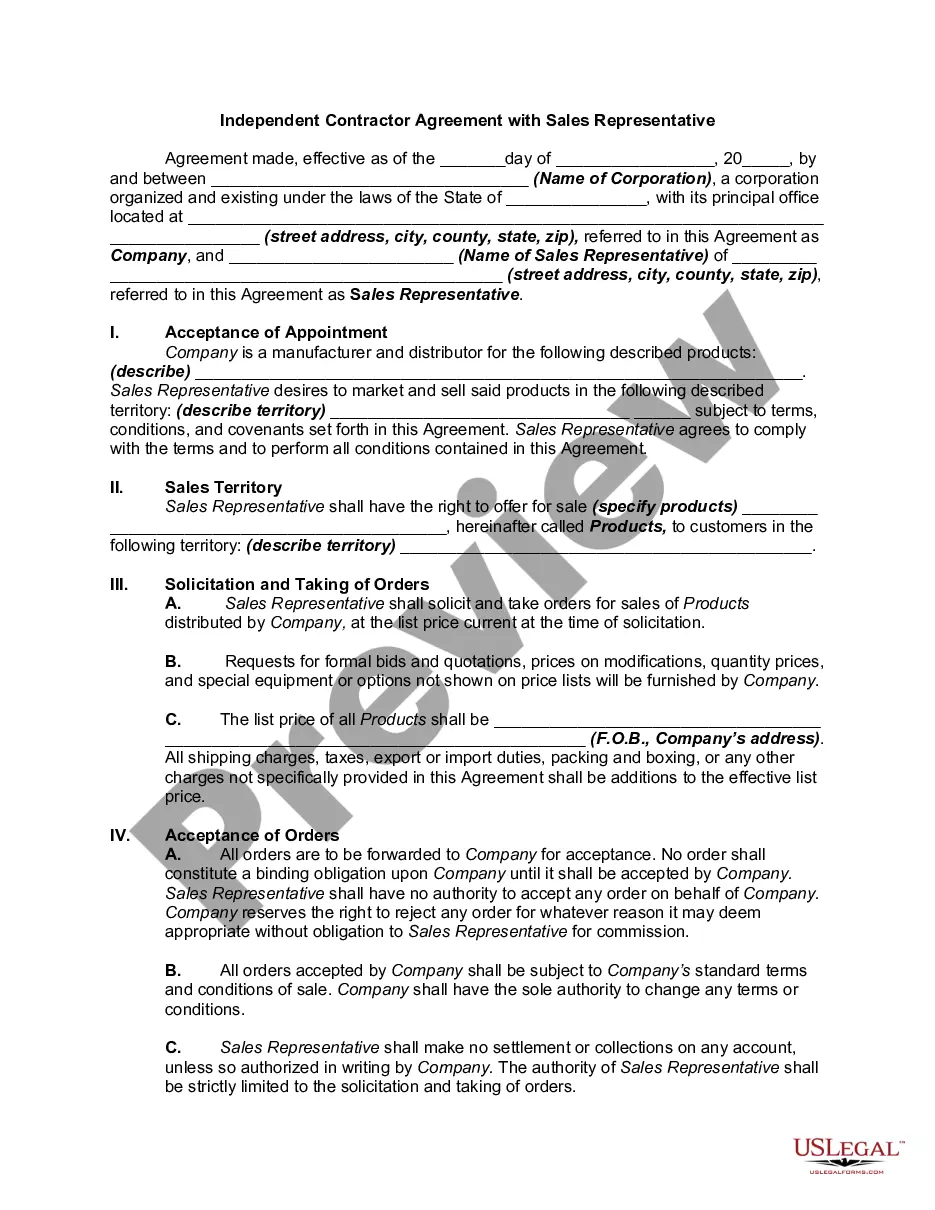
How to fill out Purchase Order, Standard?
The Purchase Order Template For Services you observe on this page is a reusable formal layout prepared by expert attorneys in alignment with federal and state laws.
For over 25 years, US Legal Forms has offered individuals, corporations, and legal experts more than 85,000 verified, state-specific documents for any business and personal situations. It’s the quickest, easiest, and most reliable method to acquire the paperwork you require, as the service assures bank-level data protection and anti-malware measures.
Enroll in US Legal Forms to have authenticated legal templates for all of life’s circumstances at your fingertips.
- Search for the document you require and review it.
- Sign up and Log In.
- Obtain the editable template.
- Fill out and sign the document.
- Download your documentation again.
Form popularity
FAQ
The best way to determine who gets the house in a Massachusetts divorce is for the couple getting the divorce to come to an agreement amongst themselves. If purchased during the marriage, the equity in the house is typically going to be divided in half.
Parties to the divorce may also draft their own Separation Agreements but for those couples who want to ensure the document is drafted correctly the first time should consider consulting an expert. MWI is available at 617-895-4028 to assist or to provide a free consultation.
As long as the desire to seek a divorce is mutual, then you can seek a divorce as long as you have proof that you have been separated from each other physically for at least 18 months.
Both are based on an irretrievable breakdown of the marriage; however, a 1A divorce is an uncontested no-fault divorce whereas a 1B divorce is a contested no-fault divorce. Different procedures are followed depending on whether you file a 1A or 1B divorce.
Massachusetts is one of the remaining 41 states that have an ?equitable distribution? policy. Division of assets is based on what the court decides is ?fair and equitable?. This could result in a 50/50 split, but this is not a given, regardless of how long you have been married.
Other states, including Massachusetts, are ?equitable distribution? states, meaning that assets held by either party acquired either before or during the marriage, including assets received via gift or inheritance or assets held at the time of the marriage, are ?equitably? divided at the time of divorce.
The state of Massachusetts is not a 50/50 state or a community property state. This means that, if the court must decide, all the property, assets, and liabilities are not necessarily divided equally between the two parties, as is the case in some states.
Under the law, only marital property may be divided. These are assets that were acquired by either spouse after the marriage, unless the asset was a gift of inheritance or expressly noted in a prenuptial agreement. Marital property includes wages earned, benefits and profit-sharing as well as debts that were created.