Home Equity Mortgage Reverse Withdrawal
Description
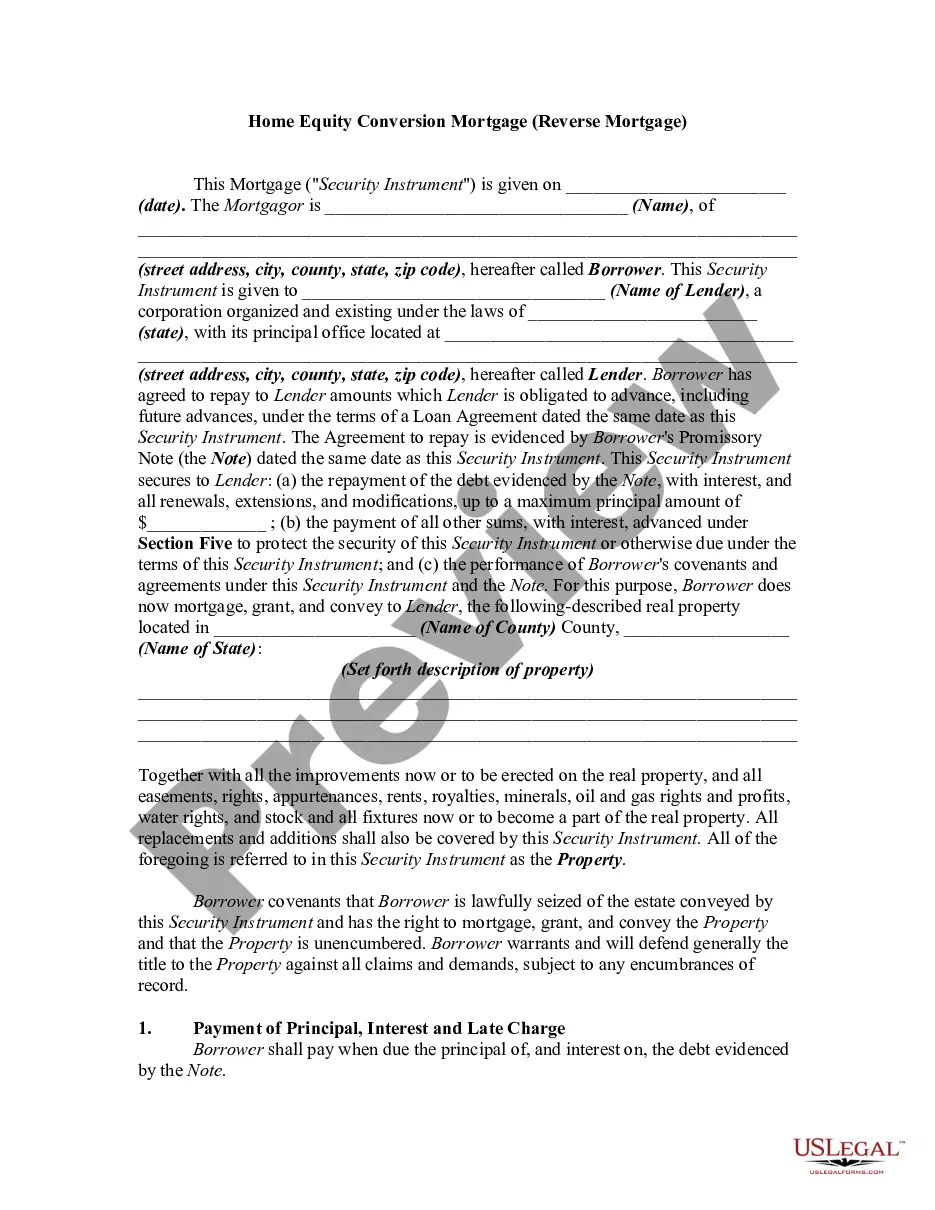
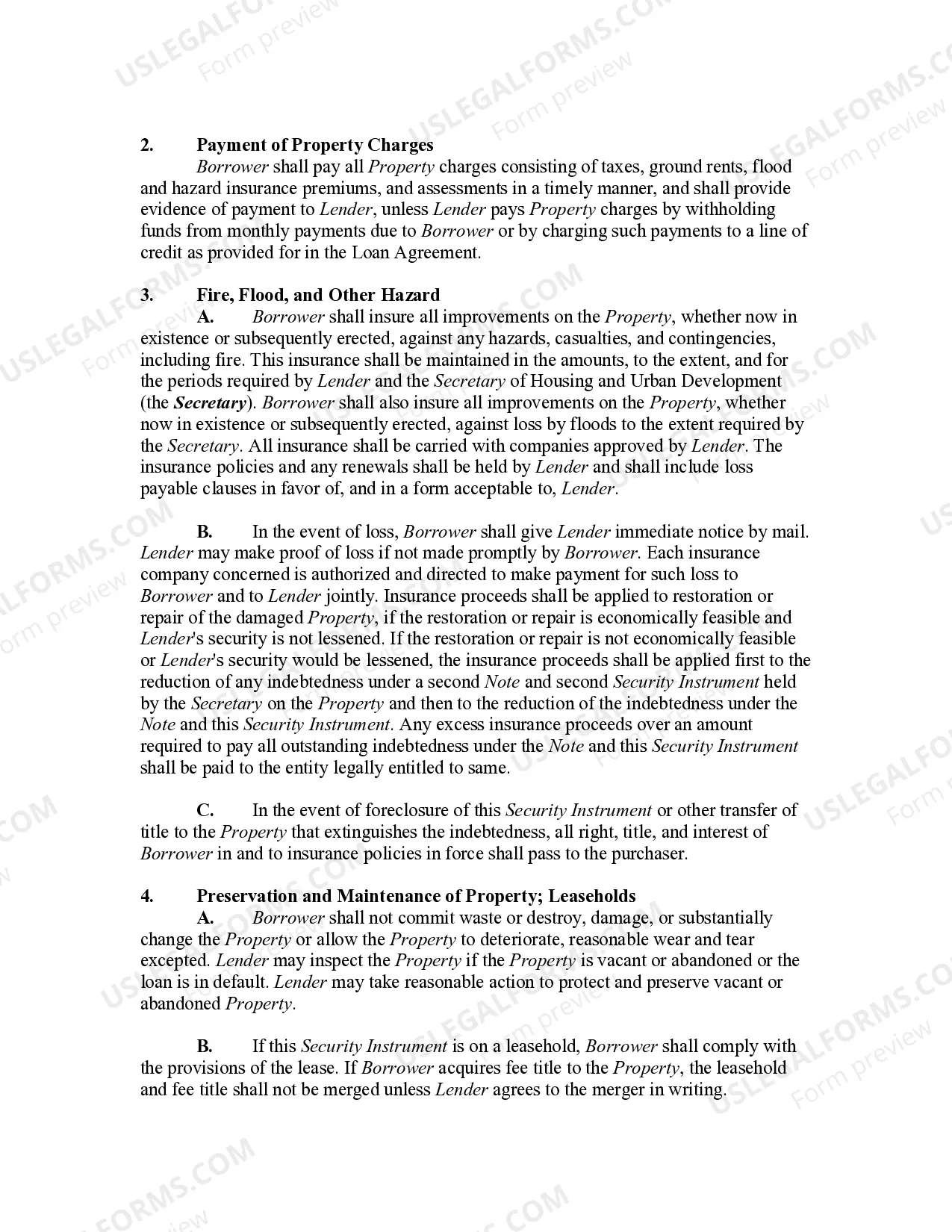
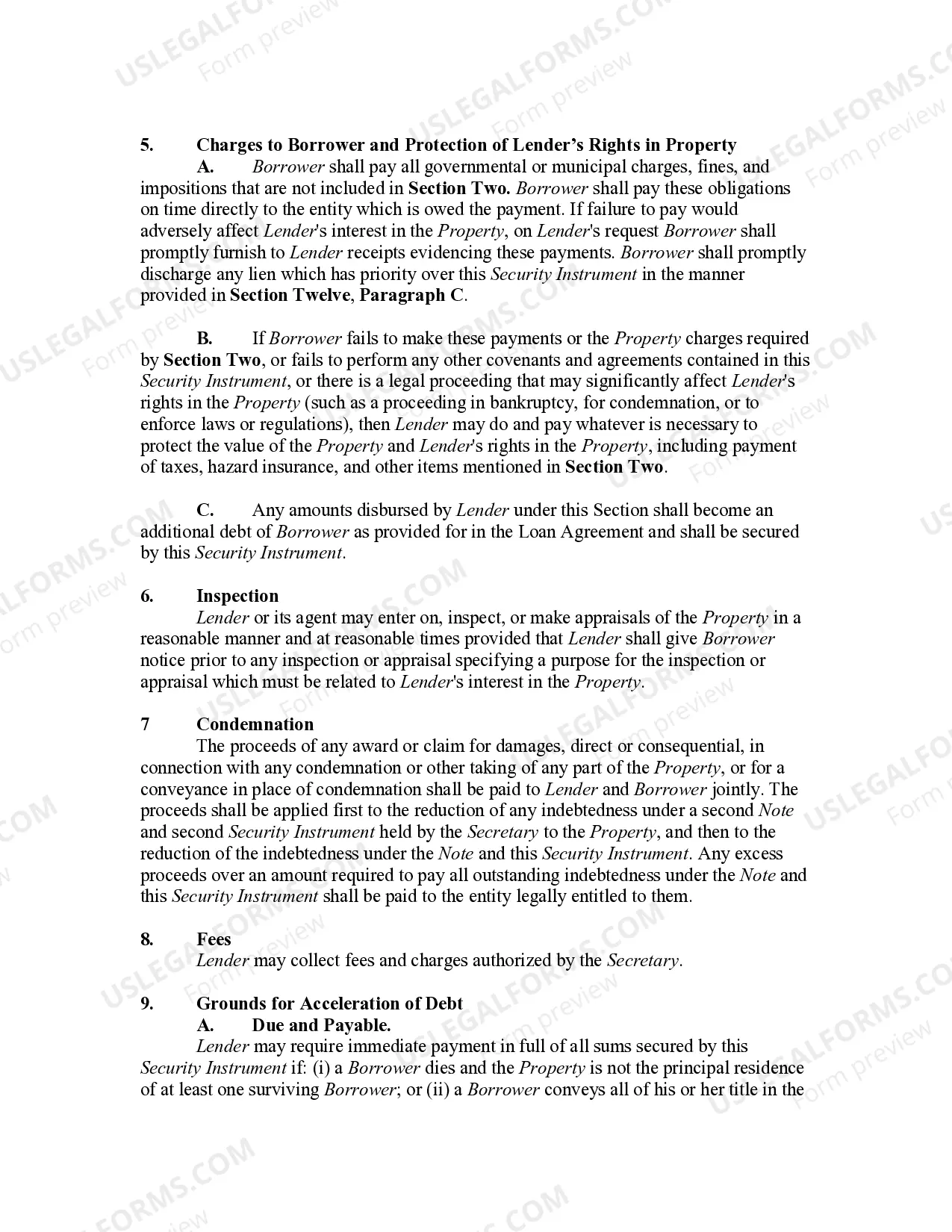
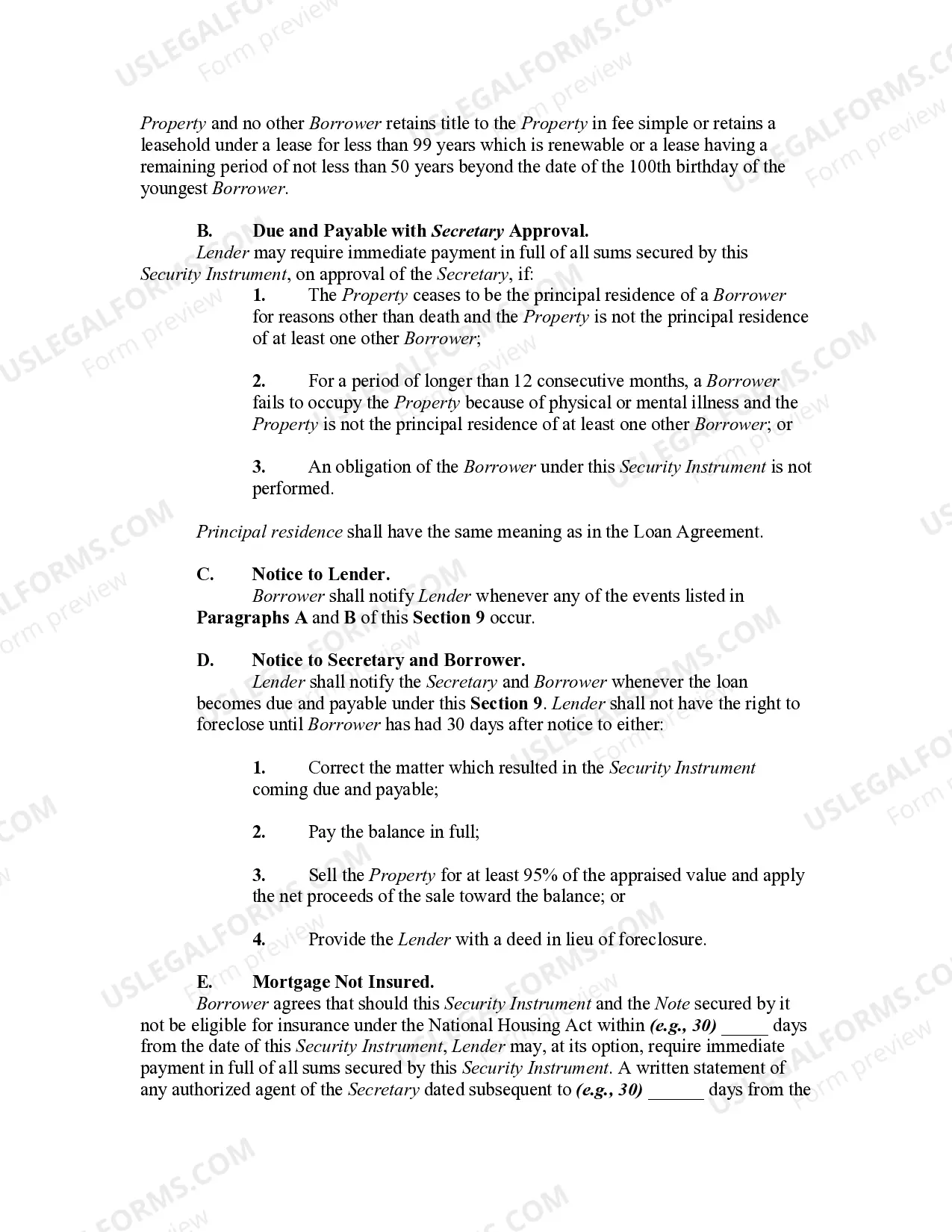

How to fill out Home Equity Conversion Mortgage - Reverse Mortgage?
Managing legal documents can feel daunting, even for seasoned professionals.
When searching for a Home Equity Mortgage Reverse Withdrawal and lacking the time to find the correct and current version, the processes can be strenuous.
Access an extensive collection of articles, guides, and resources tailored to your circumstances and requirements.
Save time and effort in searching for necessary documents, taking advantage of US Legal Forms’ advanced search and Preview option to locate and download your Home Equity Mortgage Reverse Withdrawal.
Make sure the template is valid in your state or county, click Buy Now when ready, select a subscription plan, choose your preferred format, and Download to complete, eSign, print, and send your document. Benefit from the US Legal Forms online library, supported by 25 years of experience and reliability. Streamline your daily document management into a seamless and user-friendly experience today.
- If you have a subscription, Log In to your US Legal Forms account, look for the form, and download it.
- Visit the My documents section to review documents you have previously downloaded and manage your folders as needed.
- If you're a first-time user of US Legal Forms, create a free account for unlimited access to all the platform's features.
- Here are the steps to follow once you locate the desired form.
- Verify that it is the correct form by previewing and reviewing its description.
- Leverage a comprehensive online form library that could revolutionize how anyone handles these matters effectively.
- Access legal and business forms specific to your state or county with US Legal Forms, accommodating various needs from personal to organizational documents in a single place.
- Employ sophisticated tools to finalize and manage your Home Equity Mortgage Reverse Withdrawal.
Form popularity
FAQ
Pulling equity out of your home can be a smart financial move, depending on your situation. A home equity mortgage reverse withdrawal allows you to access funds for significant expenses, such as home improvements or debt consolidation. However, consider the long-term impact on your home’s value and your financial plans. Evaluating your options with a reliable platform like US Legal Forms can help you make informed decisions.
Banks may hesitate to recommend reverse mortgages due to the associated risks and costs. They understand that these loans can overwhelmingly affect your financial future, leading to possible foreclosures if not managed properly. For your protection, it's wise to conduct thorough research and consider alternative solutions, such as those offered by US Legal Forms.
One significant downside of a reverse mortgage is the increasing debt over time. As interest accumulates, the amount owed can grow quickly, potentially leaving less equity for you or your heirs. Furthermore, homeowners are required to keep up with property taxes and insurance; failure to do so could lead to foreclosure.
Typically, seniors who have considerable home equity and need extra funds for living expenses find reverse mortgages beneficial. This financial tool allows them to access the equity tied up in their home without mandating monthly repayments. However, it is crucial to evaluate your financial situation and future needs before deciding if a home equity mortgage reverse withdrawal is right for you.
Suze Orman, a well-known financial expert, has voiced caution regarding reverse mortgages. While she acknowledges that home equity can provide retirees with added income, she emphasizes the importance of understanding the full implications. She believes that many homeowners may not fully grasp the complexities tied to a home equity mortgage reverse withdrawal.
Whether pulling equity out of your house is a good idea depends on your financial goals and situation. If you need funds for important expenses, it can be beneficial. However, always consider the long-term implications of a home equity mortgage reverse withdrawal on your financial stability.
Yes, you can get equity out of your house with a reverse mortgage. This home equity mortgage reverse withdrawal allows you to access funds based on the equity in your home without monthly repayments. However, the total balance will accumulate over time, so it's wise to plan carefully.
An example of equity is the difference between what your home is worth and what you owe on your mortgage. If your home has a market value of $400,000 and you have a mortgage balance of $250,000, your equity stands at $150,000. Leveraging this equity for a home equity mortgage reverse withdrawal can provide the funds you need for expenses like education or emergencies.
An example of equity take out is when a homeowner accesses their built-up equity to finance a large expense. For example, you might take out a $100,000 home equity line of credit for renovations. This action leverages the principle of a home equity mortgage reverse withdrawal by giving you funds while allowing you to remain in your home.
The 95% rule on a reverse mortgage states that you can't borrow more than 95% of your home's appraised value. This rule ensures that lenders maintain a buffer to protect against property value fluctuations. In the context of a home equity mortgage reverse withdrawal, this means you can access a significant amount of your home’s equity while managing risk.