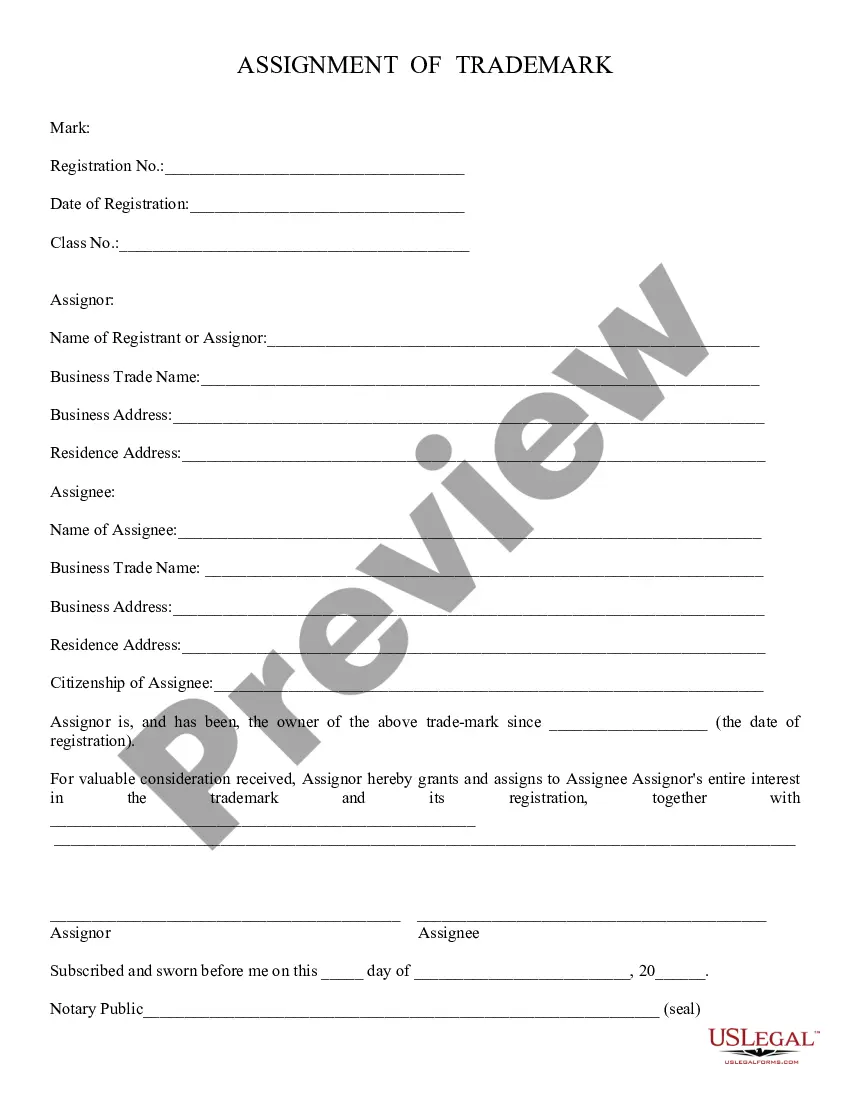
Difference Trademark Patent Copyright
Description
Get your form ready online
Our built-in tools help you complete, sign, share, and store your documents in one place.
Make edits, fill in missing information, and update formatting in US Legal Forms—just like you would in MS Word.
Download a copy, print it, send it by email, or mail it via USPS—whatever works best for your next step.
Sign and collect signatures with our SignNow integration. Send to multiple recipients, set reminders, and more. Go Premium to unlock E-Sign.
If this form requires notarization, complete it online through a secure video call—no need to meet a notary in person or wait for an appointment.
We protect your documents and personal data by following strict security and privacy standards.

Make edits, fill in missing information, and update formatting in US Legal Forms—just like you would in MS Word.

Download a copy, print it, send it by email, or mail it via USPS—whatever works best for your next step.

Sign and collect signatures with our SignNow integration. Send to multiple recipients, set reminders, and more. Go Premium to unlock E-Sign.

If this form requires notarization, complete it online through a secure video call—no need to meet a notary in person or wait for an appointment.

We protect your documents and personal data by following strict security and privacy standards.
Looking for another form?





How to fill out Assignment Of Trademark?
It’s clear that you cannot instantly become a legal authority, nor can you easily understand how to swiftly prepare Difference Trademark Patent Copyright without possessing a specialized background.
Creating legal documents is a labor-intensive task that necessitates specific training and expertise. So why not entrust the preparation of the Difference Trademark Patent Copyright to the specialists.
With US Legal Forms, one of the most extensive legal template repositories, you can locate everything from court documents to templates for in-office correspondence. We understand how vital compliance and adherence to federal and state regulations are.
Sign up for a free account and choose a subscription plan to buy the form.
Click Buy now. Once the payment is processed, you can access the Difference Trademark Patent Copyright, complete it, print it, and send it by mail to the specified individuals or organizations.
- That’s why, on our platform, all forms are location-specific and current.
- Start with our website and obtain the document you require in just a few minutes.
- Find the document you’re looking for using the search bar at the top of the page.
- Preview it (if this option is available) and review the accompanying description to determine if Difference Trademark Patent Copyright is what you seek.
- If you need a different form, restart your search.
Form popularity
FAQ
Unfortunately, despite what you may have heard from late night television commercials, there is no effective way to protect an idea with any form of intellectual property protection. Copyrights protect expression and creativity, not innovation. Patents protect inventions.
Both are legal protections for intellectual property, but not of the same kind. Intellectual property that can be trademarked cannot be copyrighted. Intellectual property that can be copyrighted cannot be trademarked. For example, a company can trademark its name and logo and copyright its videos and books.
What Is the Difference Between a Patent, Copyright, and Trademark? A patent protects new inventions, processes, or scientific creations, a trademark protects brands, logos, and slogans, and a copyright protects original works of authorship.
Patents secure innovation and functionality, trademarks cultivate brand recognition and trust, and copyrights safeguard creative expressions. IP protection goes beyond legal compliance; it serves as a catalyst for innovation, differentiation, and competitiveness in the business landscape.
Anyone, whether an individual or a business, can apply for a trademark registration to protect logos, symbols, or slogans used for goods and services. For copyrights, authors of original works, such as books, music, art, photography, films, and software, can apply for registration.