Revocable Trust For Estate Planning
Description
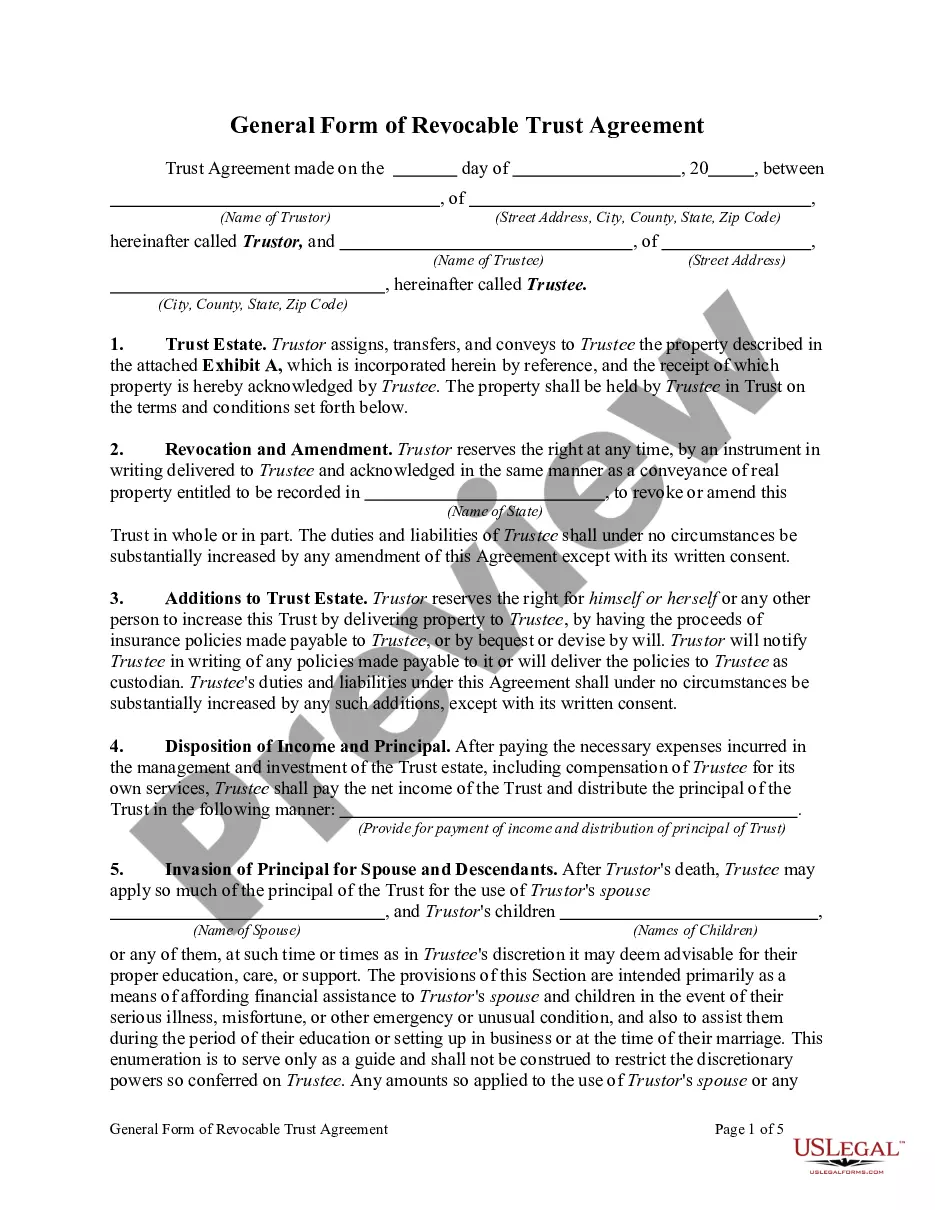
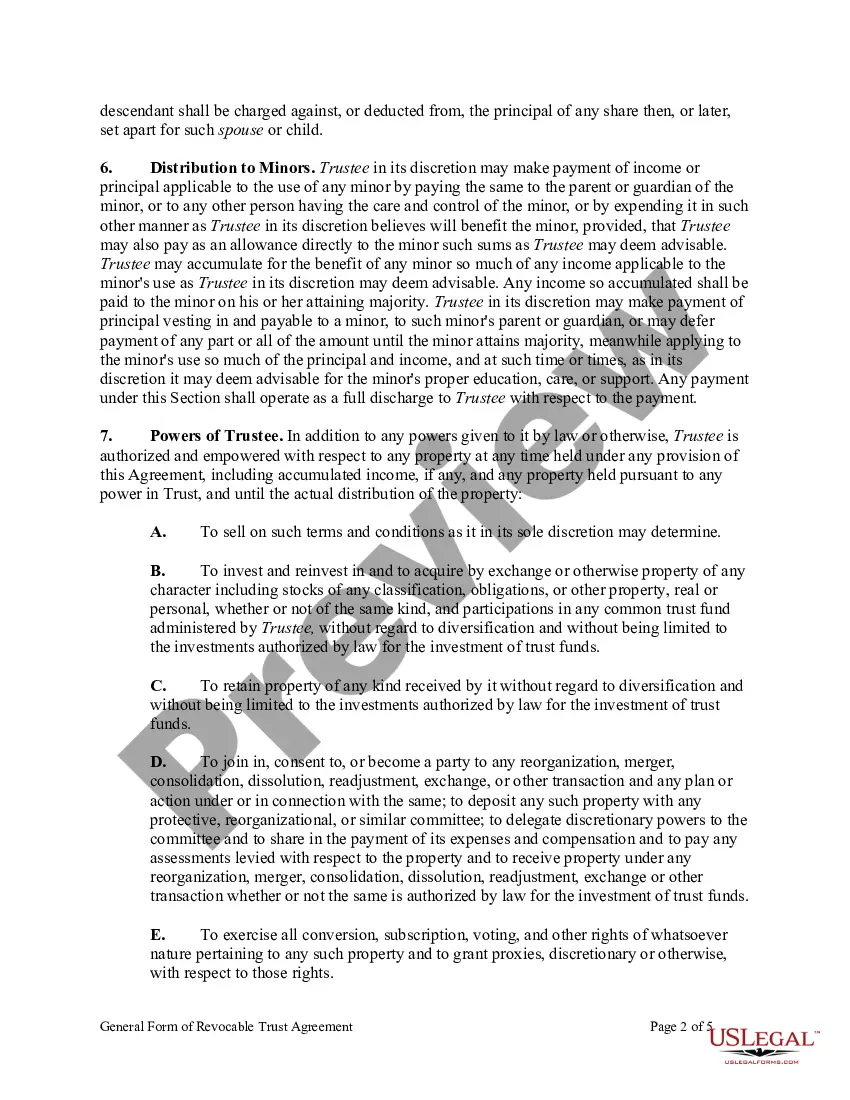
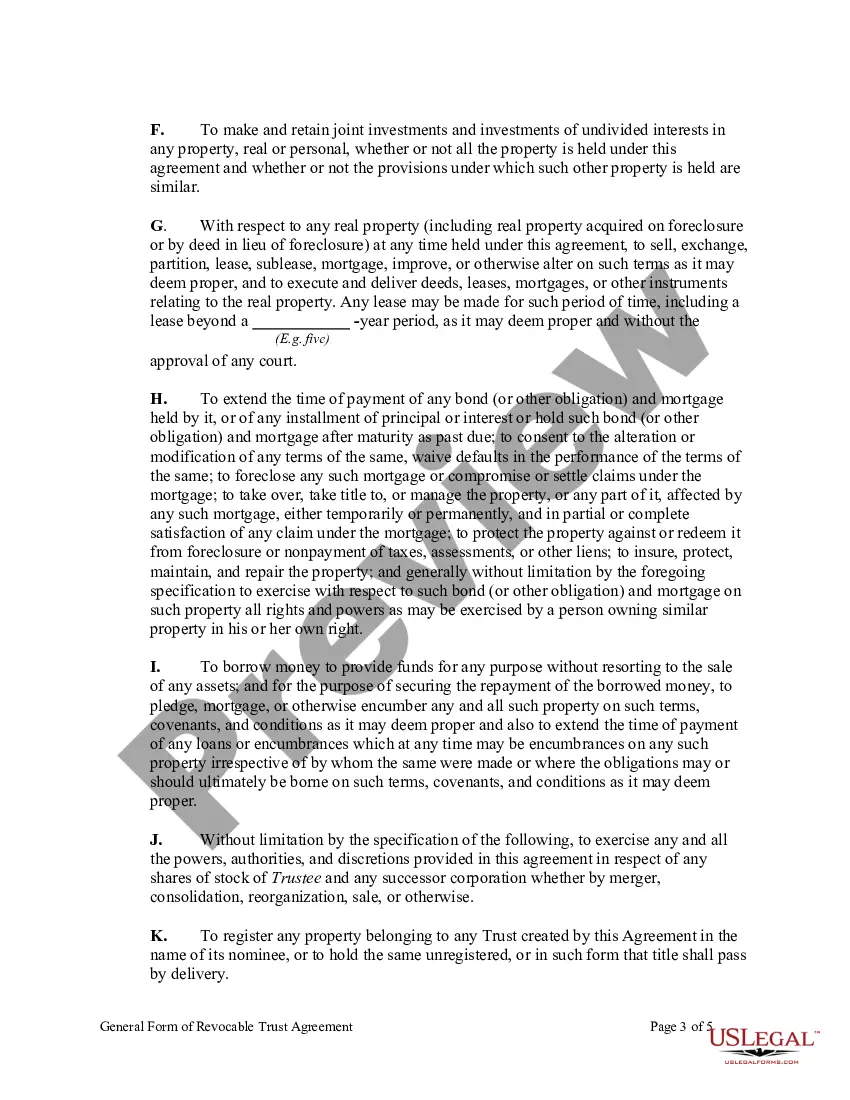
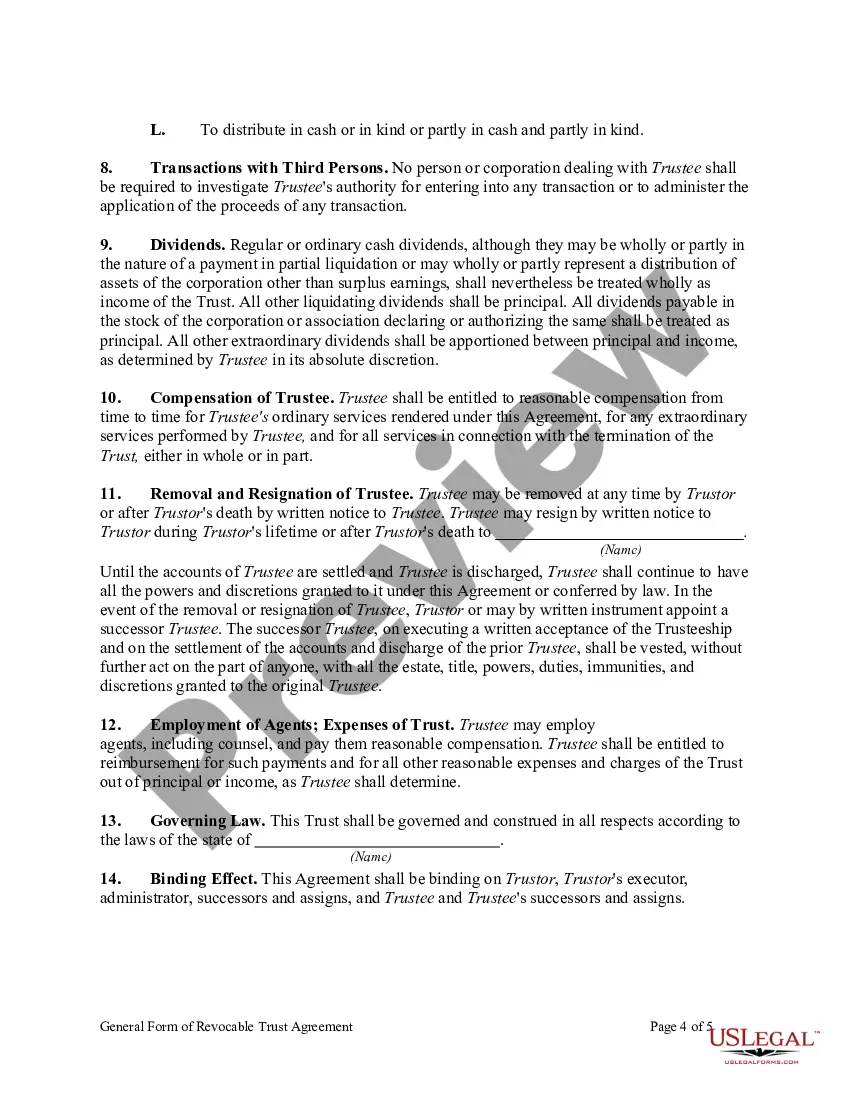
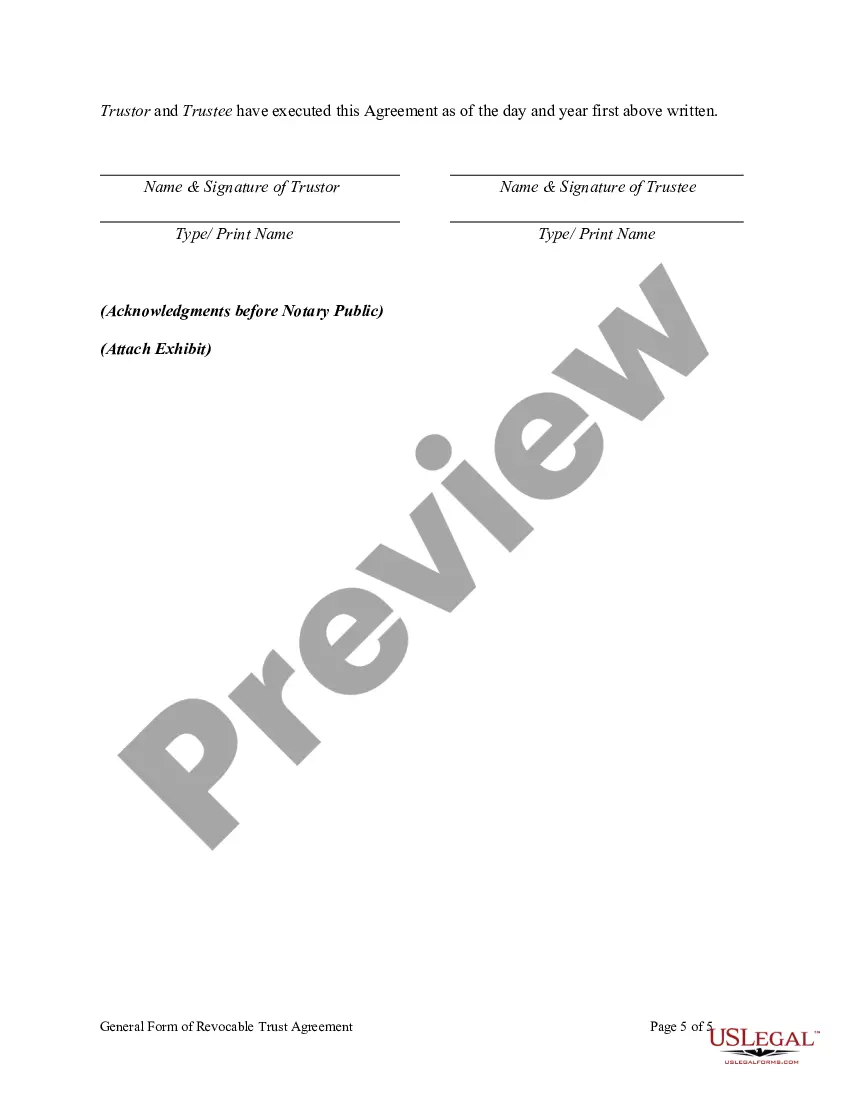
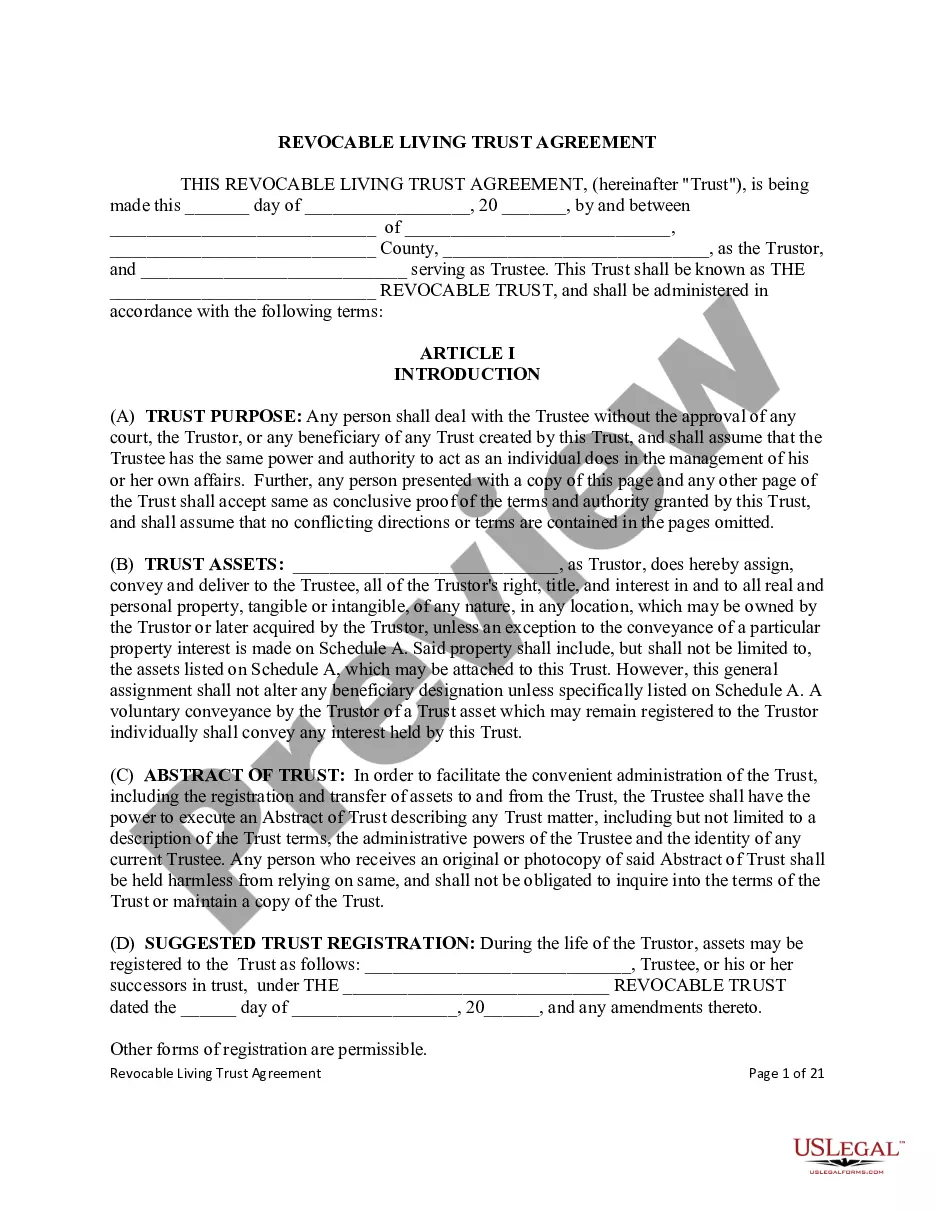
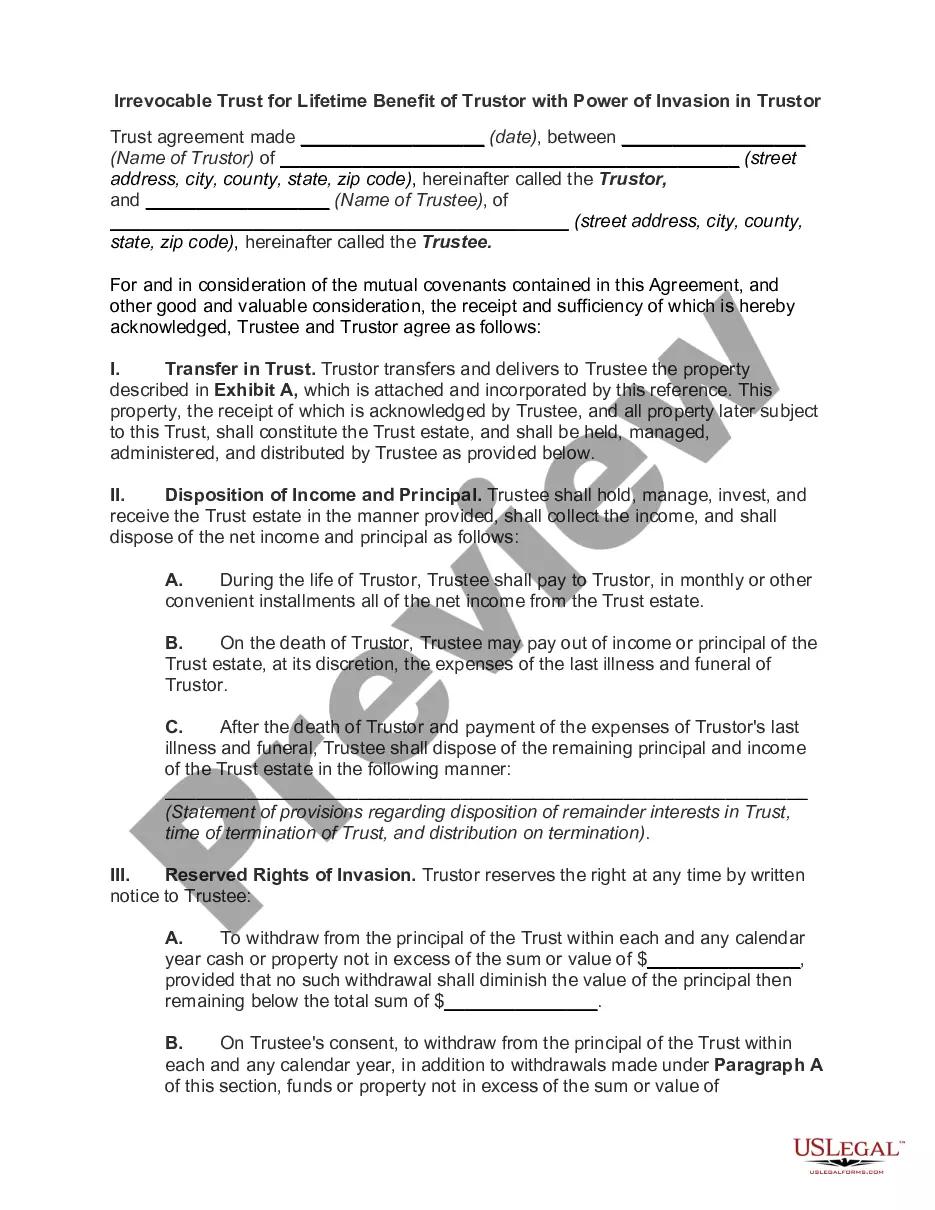
Get your form ready online
Our built-in tools help you complete, sign, share, and store your documents in one place.
Make edits, fill in missing information, and update formatting in US Legal Forms—just like you would in MS Word.
Download a copy, print it, send it by email, or mail it via USPS—whatever works best for your next step.
Sign and collect signatures with our SignNow integration. Send to multiple recipients, set reminders, and more. Go Premium to unlock E-Sign.
If this form requires notarization, complete it online through a secure video call—no need to meet a notary in person or wait for an appointment.
We protect your documents and personal data by following strict security and privacy standards.

Make edits, fill in missing information, and update formatting in US Legal Forms—just like you would in MS Word.

Download a copy, print it, send it by email, or mail it via USPS—whatever works best for your next step.

Sign and collect signatures with our SignNow integration. Send to multiple recipients, set reminders, and more. Go Premium to unlock E-Sign.

If this form requires notarization, complete it online through a secure video call—no need to meet a notary in person or wait for an appointment.

We protect your documents and personal data by following strict security and privacy standards.
Looking for another form?




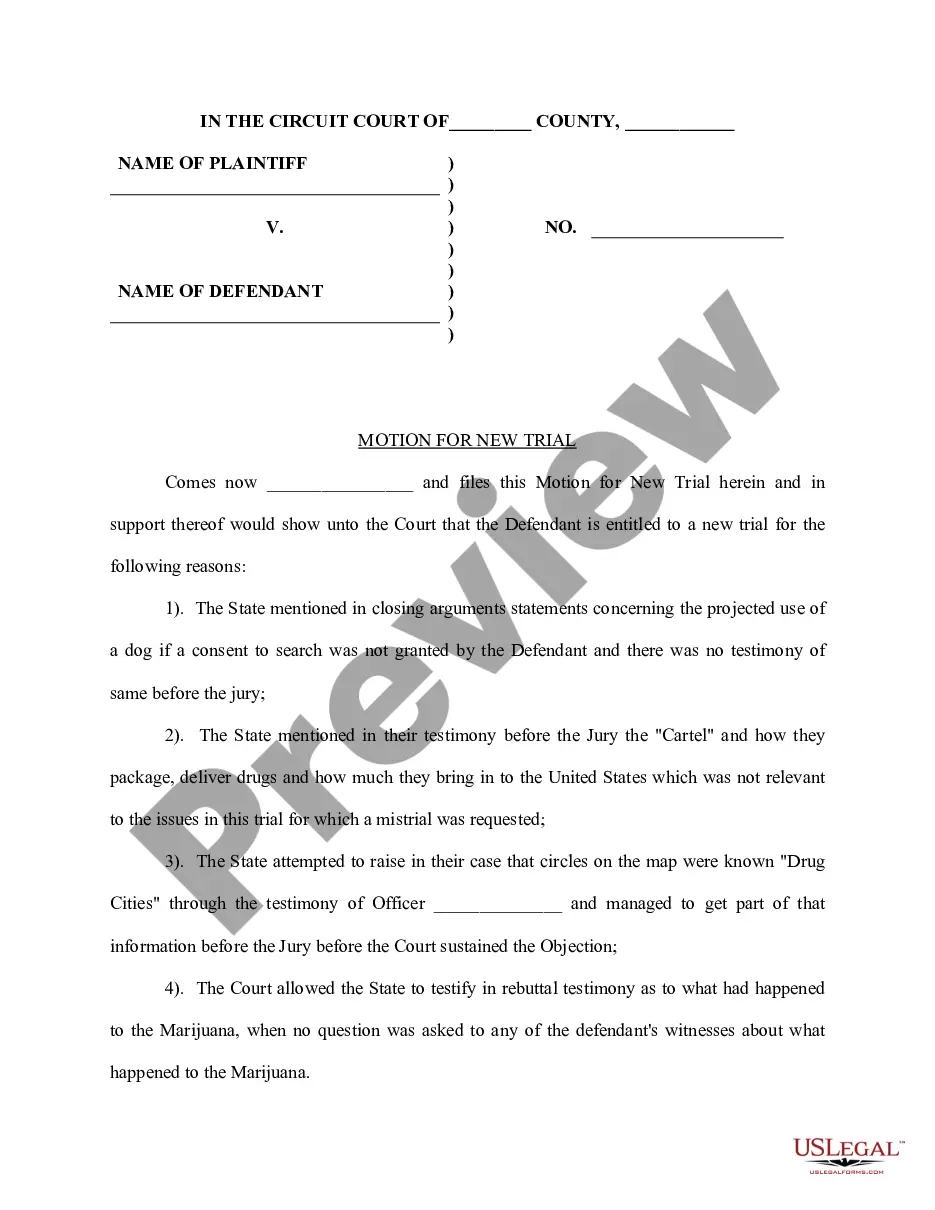
How to fill out Revocable Trust For Asset Protection?
- If you're already a user of US Legal Forms, log in to your account. Confirm your subscription is active before proceeding to download the appropriate form.
- For new users, begin by browsing the extensive form library. Utilize the Preview mode to review the options and find a form that meets your specific requirements and complies with local jurisdiction guidelines.
- If necessary, utilize the Search functionality to locate additional templates. Ensure you're selecting a form that's accurate and suitable for your needs before moving forward.
- Purchase your selected document by clicking the Buy Now button. Choose your preferred subscription plan and create an account to access the full resource library.
- Complete your payment by entering your credit card information or by using your PayPal account. Ensure all details are accurate to avoid any issues with your subscription.
- Finally, download your completed form to your device. Access it anytime via the My Forms section of your profile to continue your estate planning process.
By utilizing US Legal Forms, you gain access to an expansive collection of over 85,000 editable legal templates, surpassing competitors at a similar cost. With the option of consulting premium experts for guidance, you can ensure your legal documents are accurate and robust.
Begin your estate planning journey with US Legal Forms today and protect your legacy!
Form popularity
FAQ
The revocable trust for estate planning is perhaps the most common type of trust used today. Its popularity stems from its versatility and ease of use, making it a go-to choice for many individuals. By establishing a revocable trust, you can manage your assets during your lifetime while simplifying the distribution process for your beneficiaries. This trust type strikes a balance between control and simplicity, appealing to a broad audience.
A revocable trust for estate planning is considered one of the best options for many individuals. It provides flexibility, as you can modify it anytime during your life, and allows for easy distribution of your assets after your passing. Additionally, it helps avoid the lengthy probate process, ensuring your loved ones receive their inheritance more quickly. Choosing the right trust is essential, and a revocable trust often meets diverse needs.
A revocable trust for estate planning is often the best option for managing real estate. This type of trust allows you to maintain control over your property while simplifying the transfer process upon your death. Additionally, it can provide privacy, as properties held in the trust do not go through probate. By integrating your real estate into a revocable trust, you facilitate smoother management and transition.
Setting up a revocable trust for estate planning is generally manageable and straightforward. You will need to gather necessary documents, outline your assets, and decide on the terms of the trust. Many resources, including platforms like US Legal Forms, offer templates and guidance to make the process easier. With the right tools, you can set up your trust efficiently, ensuring your wishes are honored.
A revocable trust for estate planning can effectively help minimize estate taxes. While it won't eliminate them entirely, this type of trust allows you to transfer assets in a way that may reduce your taxable estate. When combined with other estate planning strategies, a revocable trust provides flexibility and control over your assets. It's always wise to consult a professional to navigate the complex tax landscape.
If your parents are considering estate planning, a revocable trust for estate planning can be beneficial. It offers them control over how their assets are managed during their lifetime and can simplify the transfer process after their passing. However, it's vital for them to evaluate their financial situation and consult a legal expert for tailored advice on whether a trust aligns with their goals.
A potential downside of putting assets in a revocable trust for estate planning is that the transfer process can involve significant paperwork and effort. Additionally, while assets in a trust avoid probate, they can still be subjected to taxes and legal fees upon your passing. Proper organization and understanding of the process can help mitigate these issues.
While a family trust can offer considerable benefits in estate planning, its primary disadvantage lies in the ongoing management requirements. Family trusts demand regular oversight, which can become burdensome, especially if family dynamics change over time. Moreover, mismanagement can lead to disputes regarding asset distribution, underscoring the importance of clear communication among family members.
The major downfall of having a trust, particularly a revocable trust for estate planning, is the initial complexity and costs associated with setting it up. Trust creation typically involves legal fees and meticulous paperwork. In some cases, if not properly funded, the trust may not serve its intended purpose, leaving assets out of the trust at your passing.
A revocable trust for estate planning is commonly recommended because it allows for flexibility and control over your assets during your lifetime. Unlike irrevocable trusts, revocable trusts can be altered or dissolved if your circumstances change. It’s wise to assess your goals and consult legal advice to determine the best trust type for your needs.