Separate Account For Bills
Description

Get your form ready online
Our built-in tools help you complete, sign, share, and store your documents in one place.
Make edits, fill in missing information, and update formatting in US Legal Forms—just like you would in MS Word.
Download a copy, print it, send it by email, or mail it via USPS—whatever works best for your next step.
Sign and collect signatures with our SignNow integration. Send to multiple recipients, set reminders, and more. Go Premium to unlock E-Sign.
If this form requires notarization, complete it online through a secure video call—no need to meet a notary in person or wait for an appointment.
We protect your documents and personal data by following strict security and privacy standards.

Make edits, fill in missing information, and update formatting in US Legal Forms—just like you would in MS Word.

Download a copy, print it, send it by email, or mail it via USPS—whatever works best for your next step.

Sign and collect signatures with our SignNow integration. Send to multiple recipients, set reminders, and more. Go Premium to unlock E-Sign.

If this form requires notarization, complete it online through a secure video call—no need to meet a notary in person or wait for an appointment.

We protect your documents and personal data by following strict security and privacy standards.
Looking for another form?
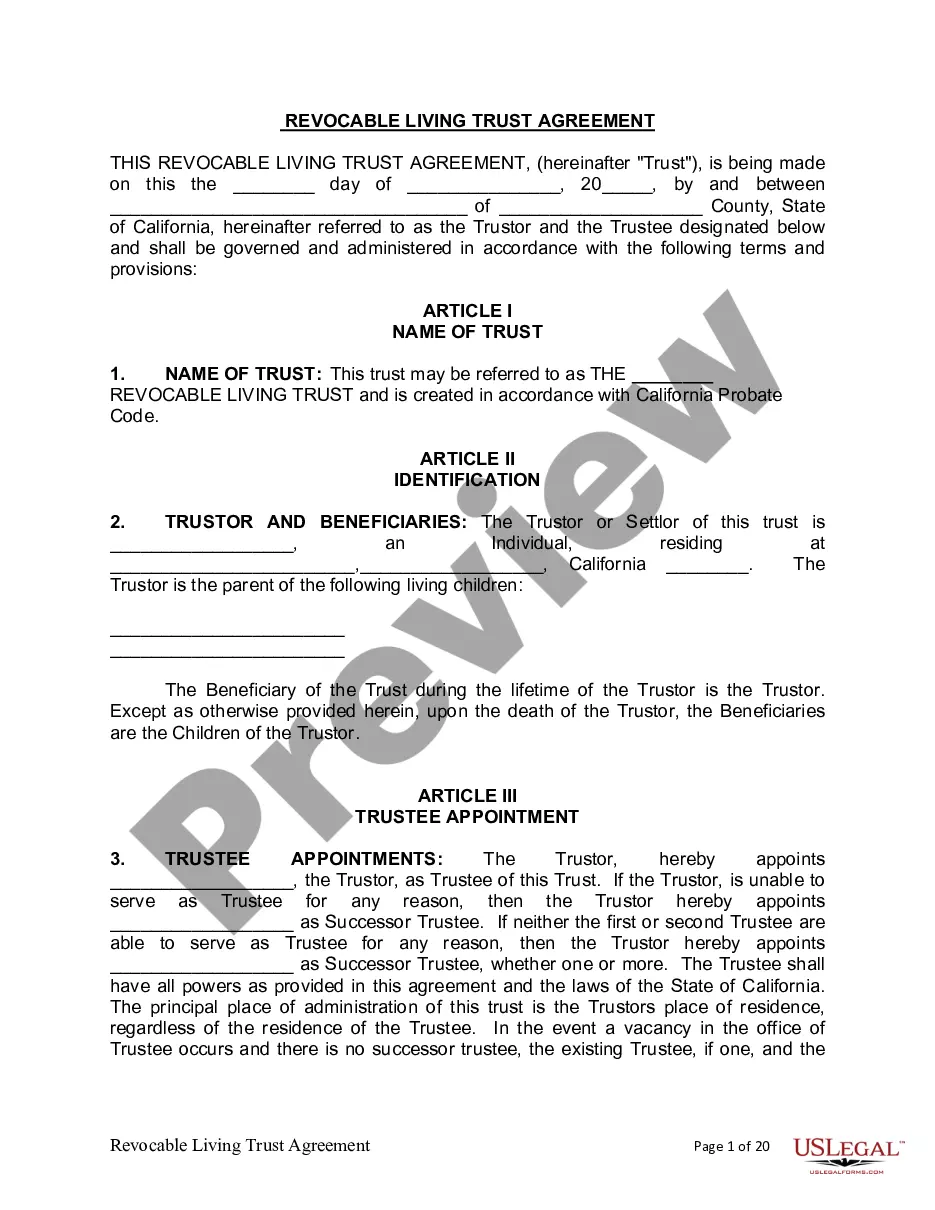







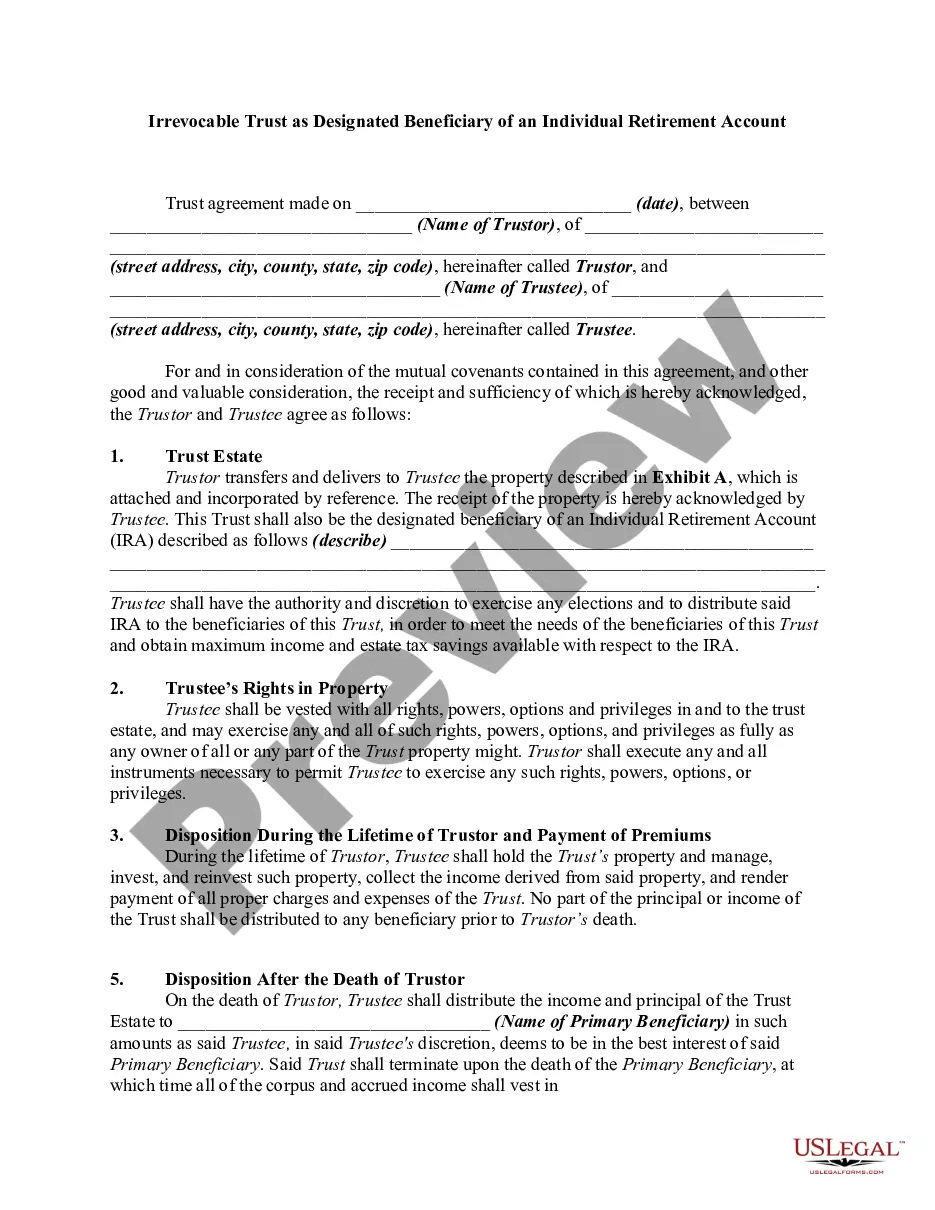
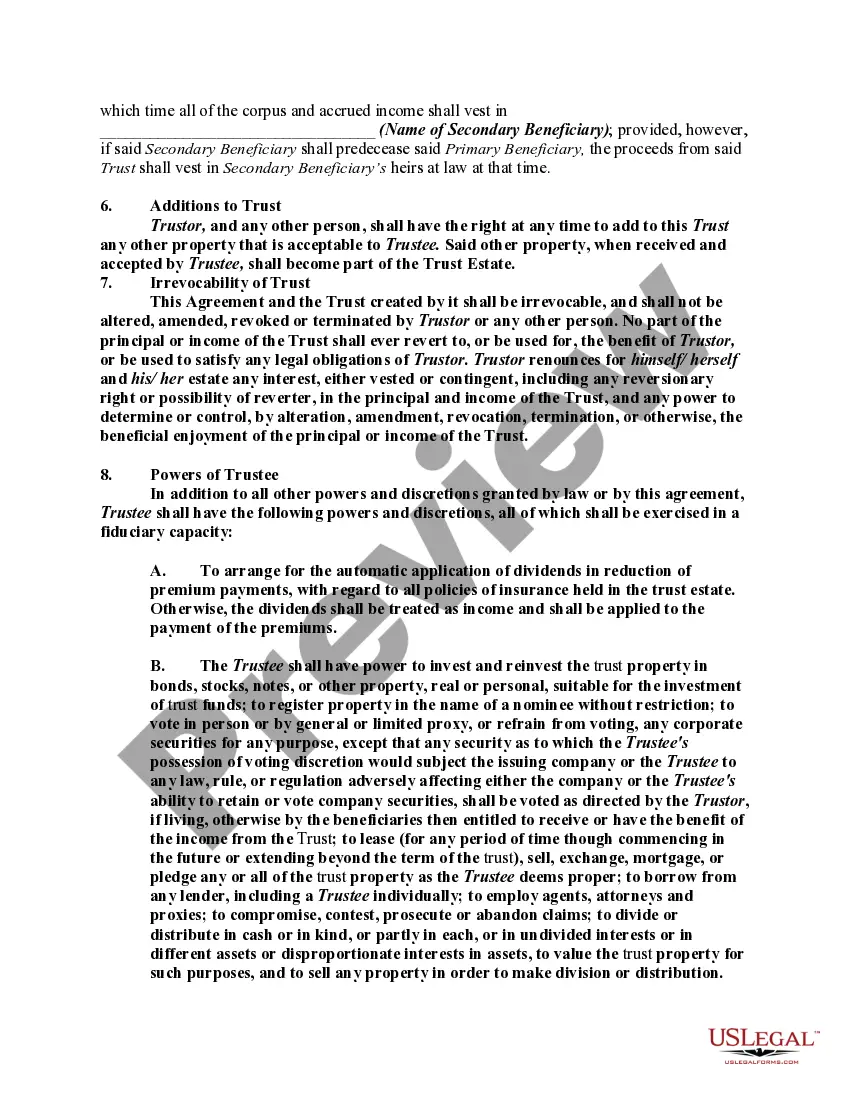
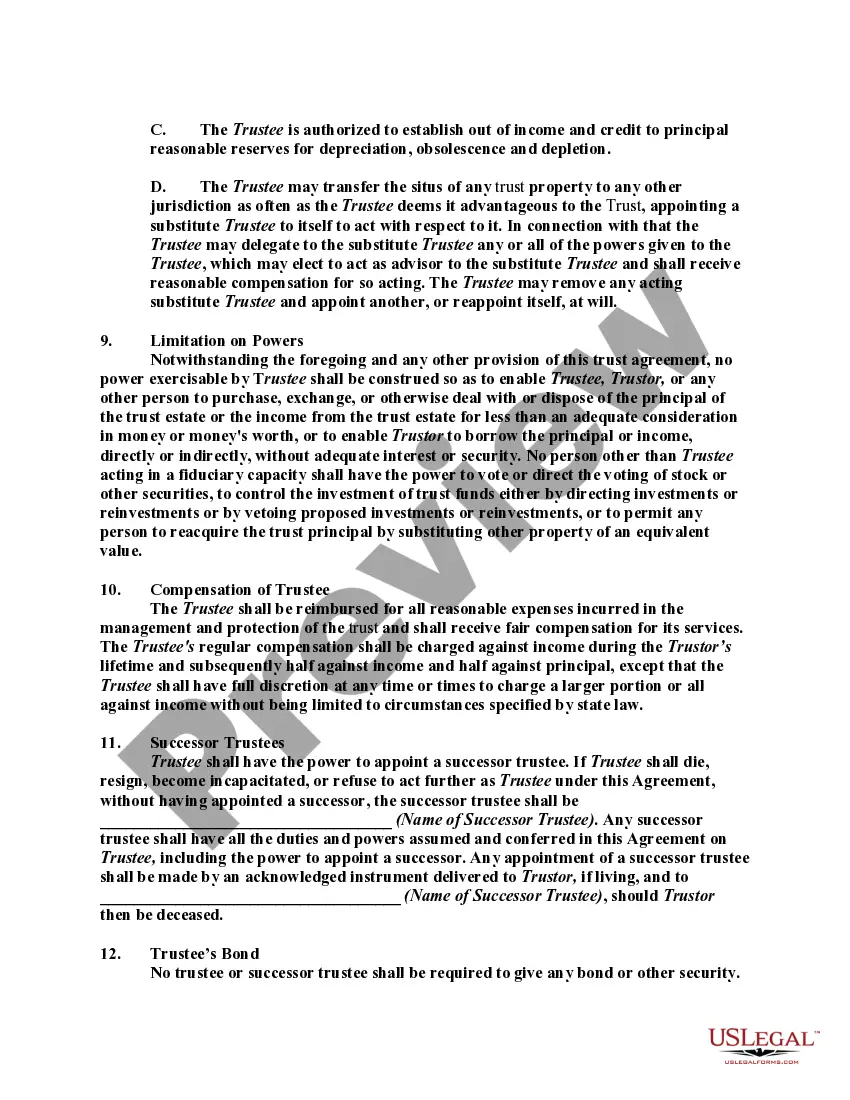
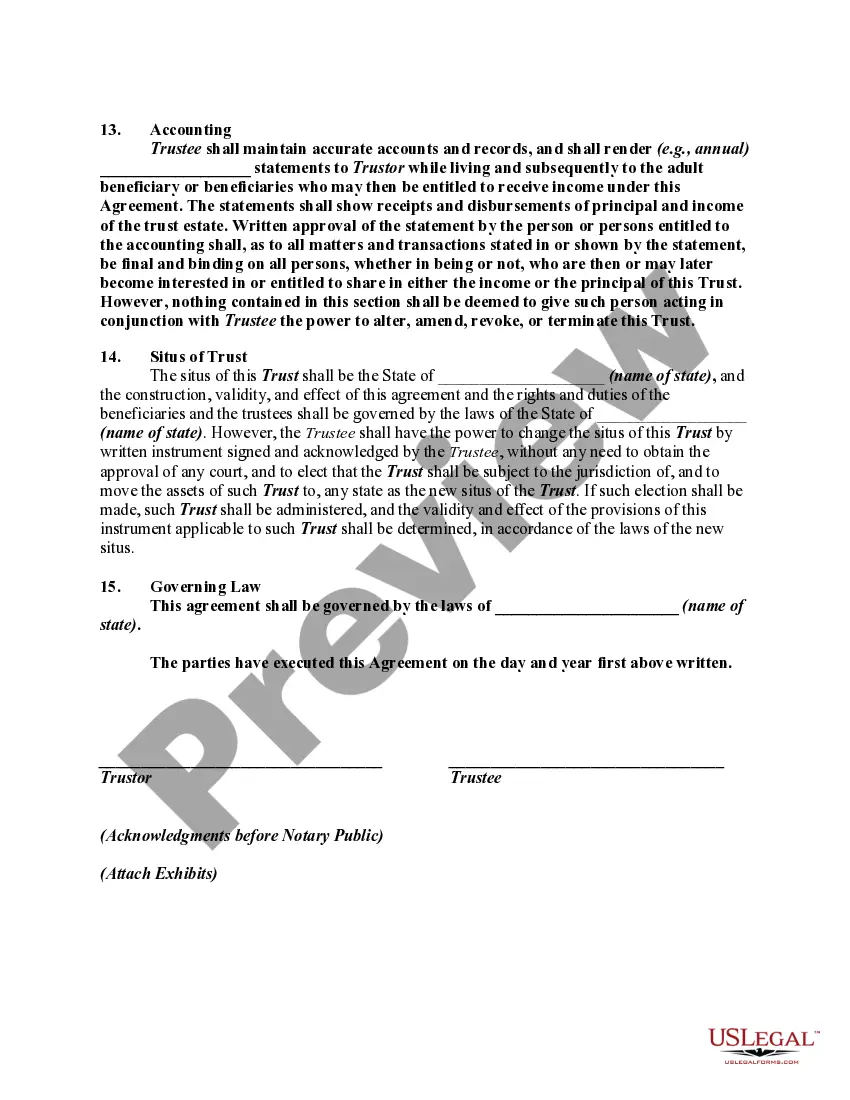
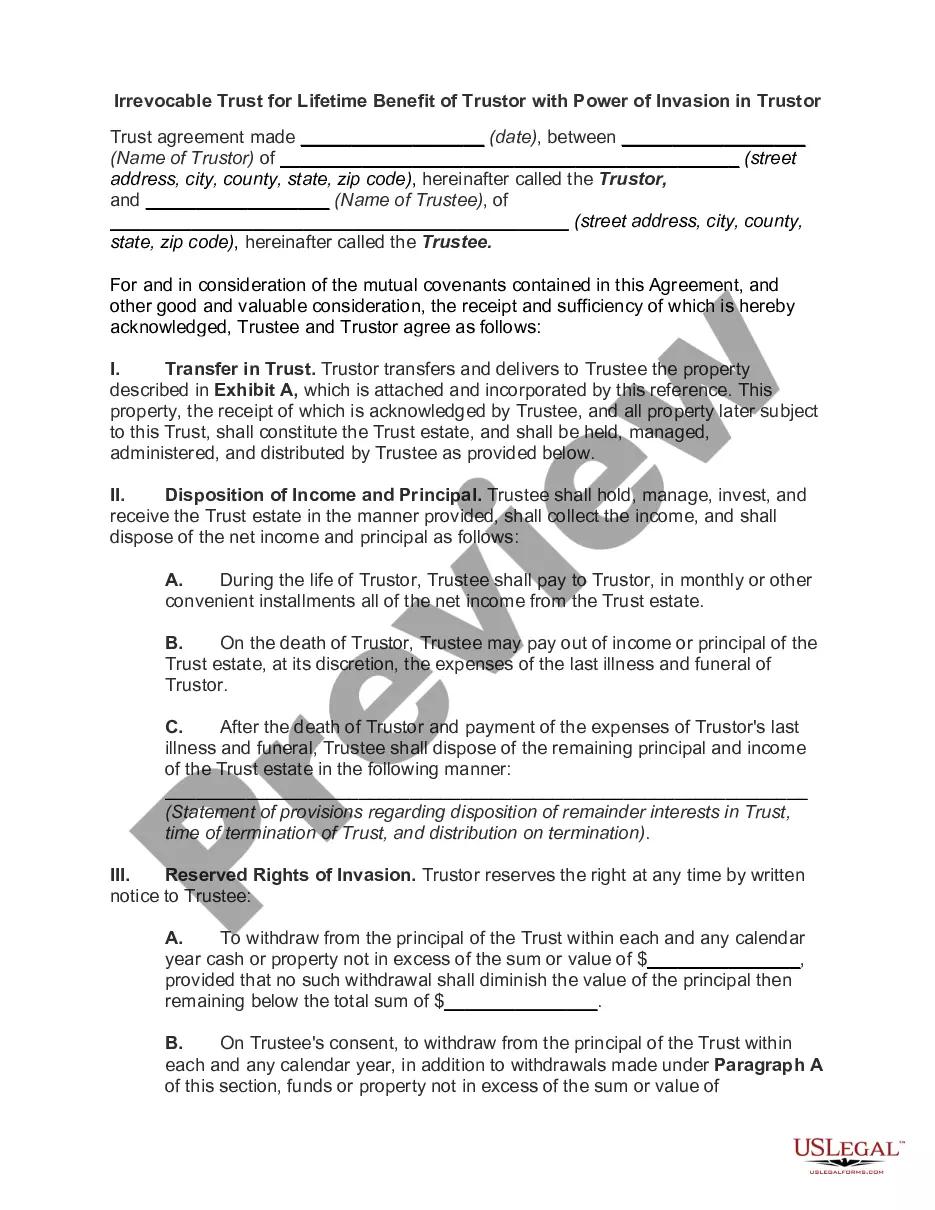
How to fill out Irrevocable Trust As Designated Beneficiary Of An Individual Retirement Account?
Locating a preferred venue to obtain the latest and suitable legal templates is a significant part of navigating bureaucracy.
Identifying the correct legal documents requires precision and meticulous attention, which is why it is crucial to gather Separate Account For Bills samples solely from trustworthy sources, such as US Legal Forms. An incorrect template can squander your time and postpone your current situation.
Once the form is on your device, you can modify it using the editor or print it out and fill it in by hand. Eliminate the complications associated with your legal paperwork. Browse the extensive US Legal Forms catalog to discover legal templates, assess their relevance to your situation, and download them instantly.
- Utilize the catalog navigation or search bar to find your template.
- Review the document's details to verify its compliance with your state and region's needs.
- Check the form preview, if available, to confirm that it is indeed the document you seek.
- Return to the search should the Separate Account For Bills not meet your needs to find the appropriate template.
- Once you are certain of the document's suitability, download it.
- If you are a registered user, click Log in to verify and access your chosen forms in My documents.
- If you do not possess an account yet, click Buy now to acquire the template.
- Select the pricing tier that aligns with your requirements.
- Proceed with the registration to complete your purchase.
- Finalize your transaction by selecting a payment option (credit card or PayPal).
- Choose the document format for downloading the Separate Account For Bills.
Form popularity
FAQ
You can use two checking accounts for different bills, but this may or may not be easier for you. In general, savings accounts offer better interest rates than checking accounts but checking accounts offer more spending flexibility. Separate accounts let you have the best of both worlds.
Some banks will let you open a second account, but it depends on who you're banking with. In most cases, the reason people open a second account is to help manage their bills, with people adding enough to cover their bills to the new account and then paying them from there.
When you've opened a separate account for each area of spending, you need to ask your bank to: set up standing orders that automatically transfers money from your main account into these extra accounts one or two days after you've been paid. set up a Direct Debit for each of your bills.
When using multiple checking accounts for budgeting, each account should have its own specific purpose. Designate one account for paying bills only, and avoid accessing it for everyday spending. Another account would be your ?everyday? spending account for items like groceries, gas, and impulsive purchases.
You may need a separate checking account for bills and expenses, such as rent and utilities, especially if you share these expenses with another person or household. A checking account for bills will help track how much you spend monthly.