Beneficiary Letter For Bank Account
Description

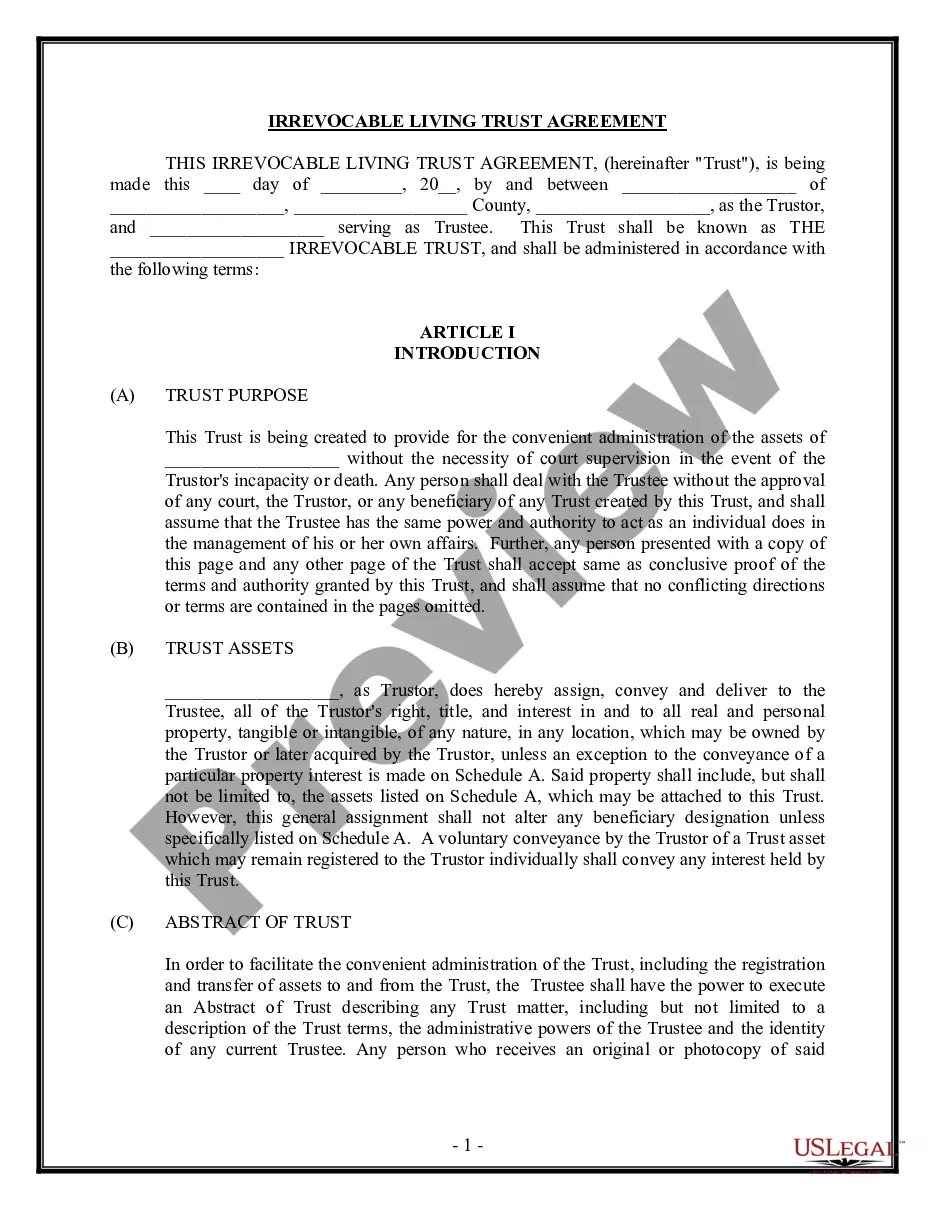
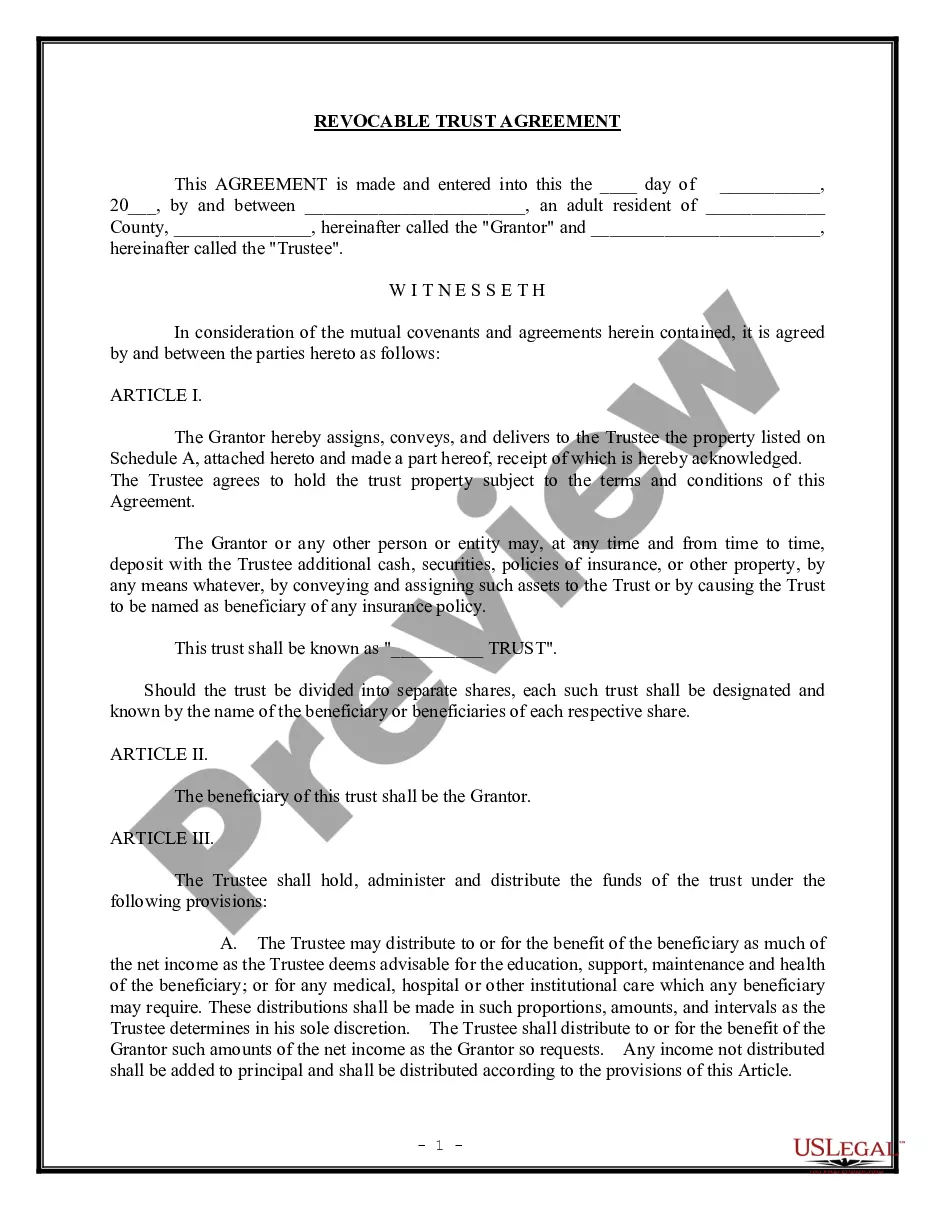
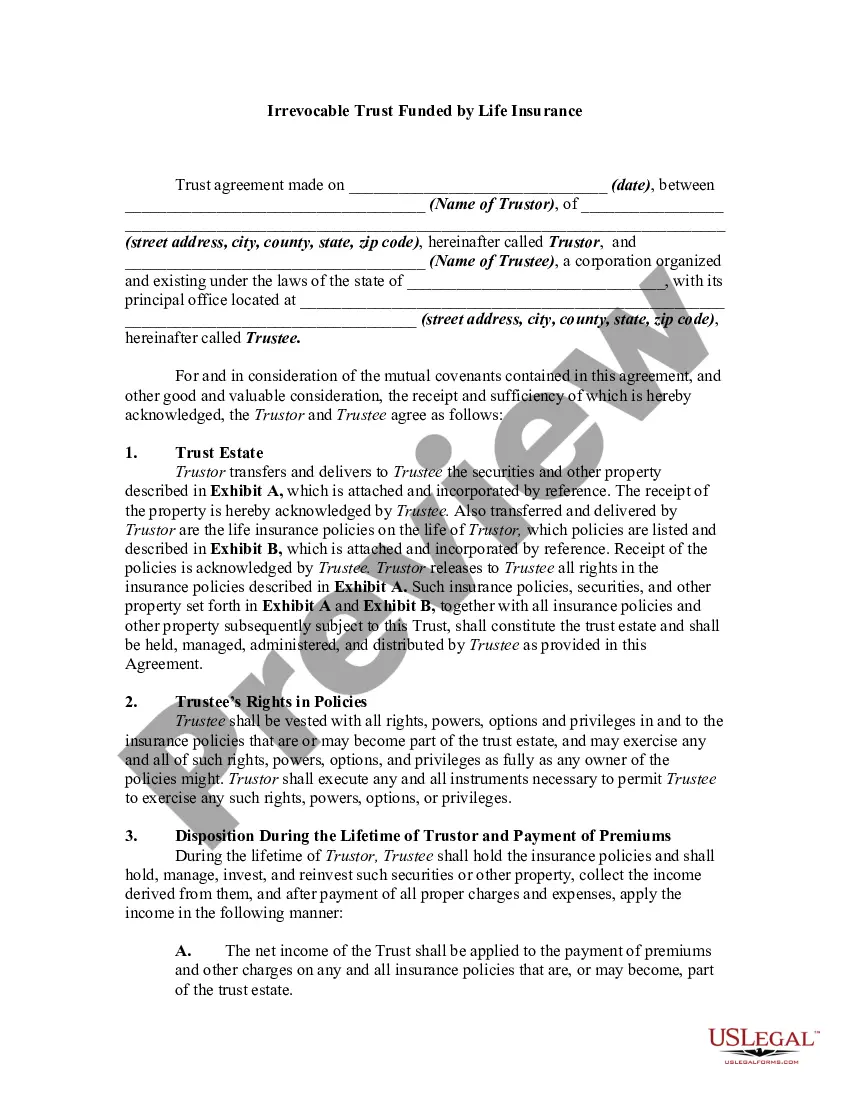
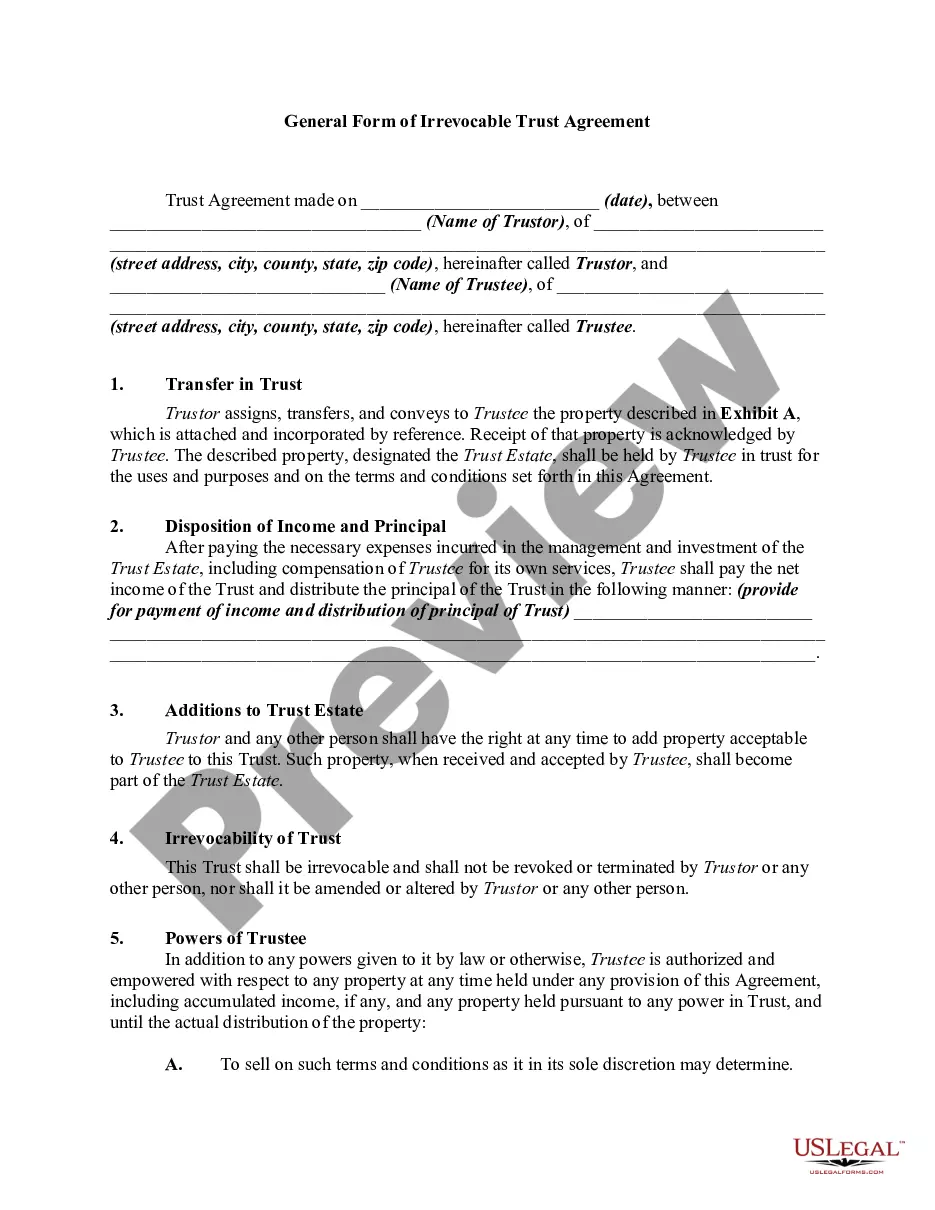
Get your form ready online
Our built-in tools help you complete, sign, share, and store your documents in one place.
Make edits, fill in missing information, and update formatting in US Legal Forms—just like you would in MS Word.
Download a copy, print it, send it by email, or mail it via USPS—whatever works best for your next step.
Sign and collect signatures with our SignNow integration. Send to multiple recipients, set reminders, and more. Go Premium to unlock E-Sign.
If this form requires notarization, complete it online through a secure video call—no need to meet a notary in person or wait for an appointment.
We protect your documents and personal data by following strict security and privacy standards.

Make edits, fill in missing information, and update formatting in US Legal Forms—just like you would in MS Word.

Download a copy, print it, send it by email, or mail it via USPS—whatever works best for your next step.

Sign and collect signatures with our SignNow integration. Send to multiple recipients, set reminders, and more. Go Premium to unlock E-Sign.

If this form requires notarization, complete it online through a secure video call—no need to meet a notary in person or wait for an appointment.

We protect your documents and personal data by following strict security and privacy standards.
Looking for another form?
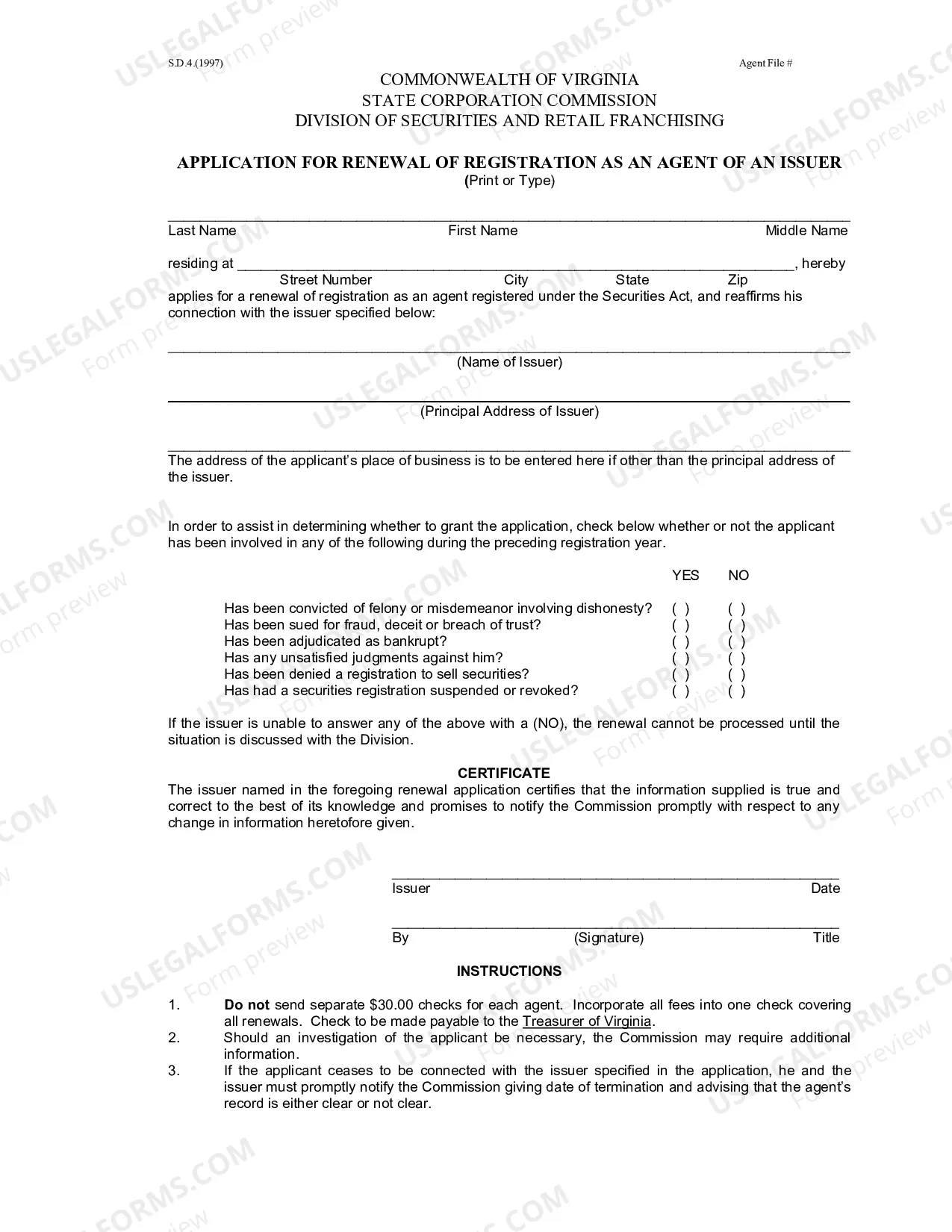
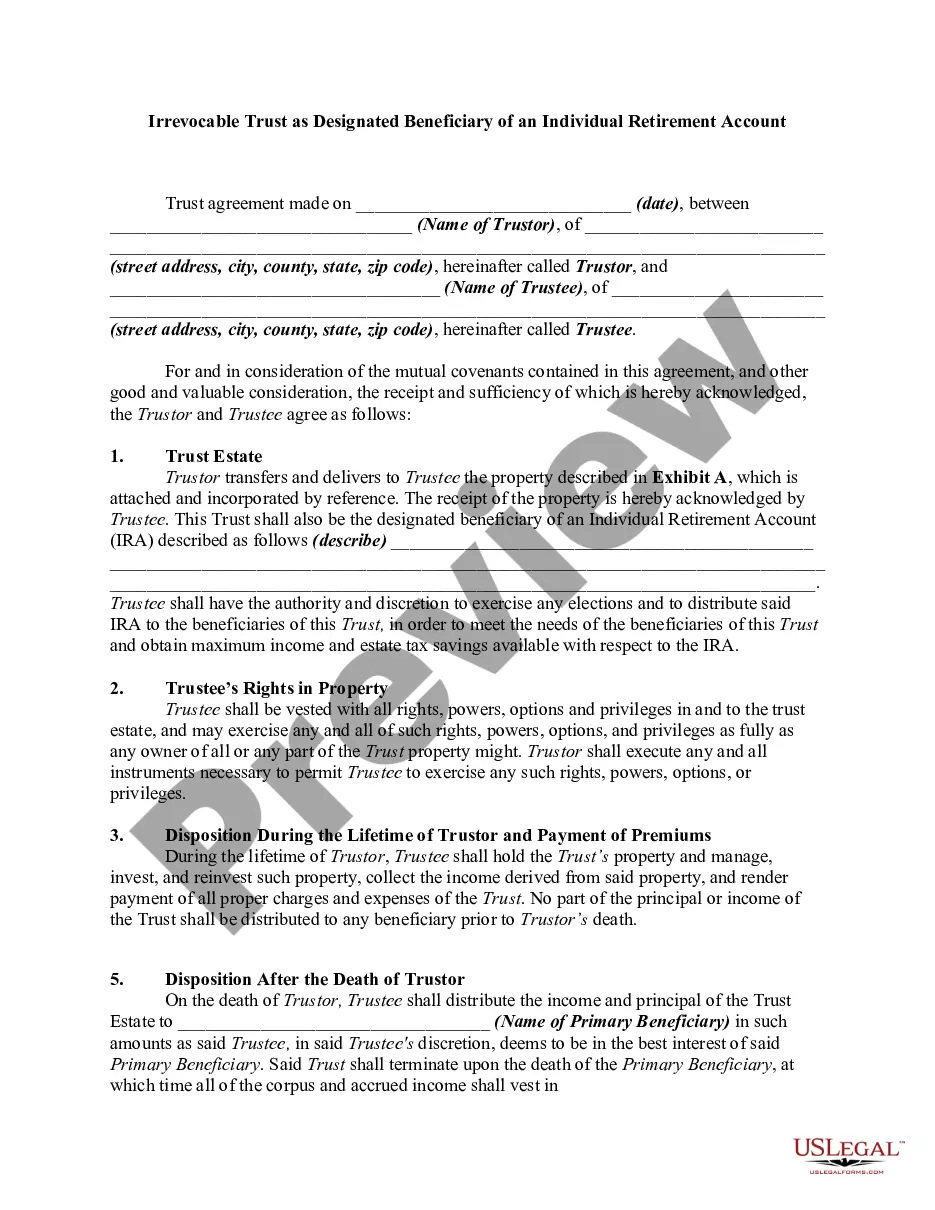
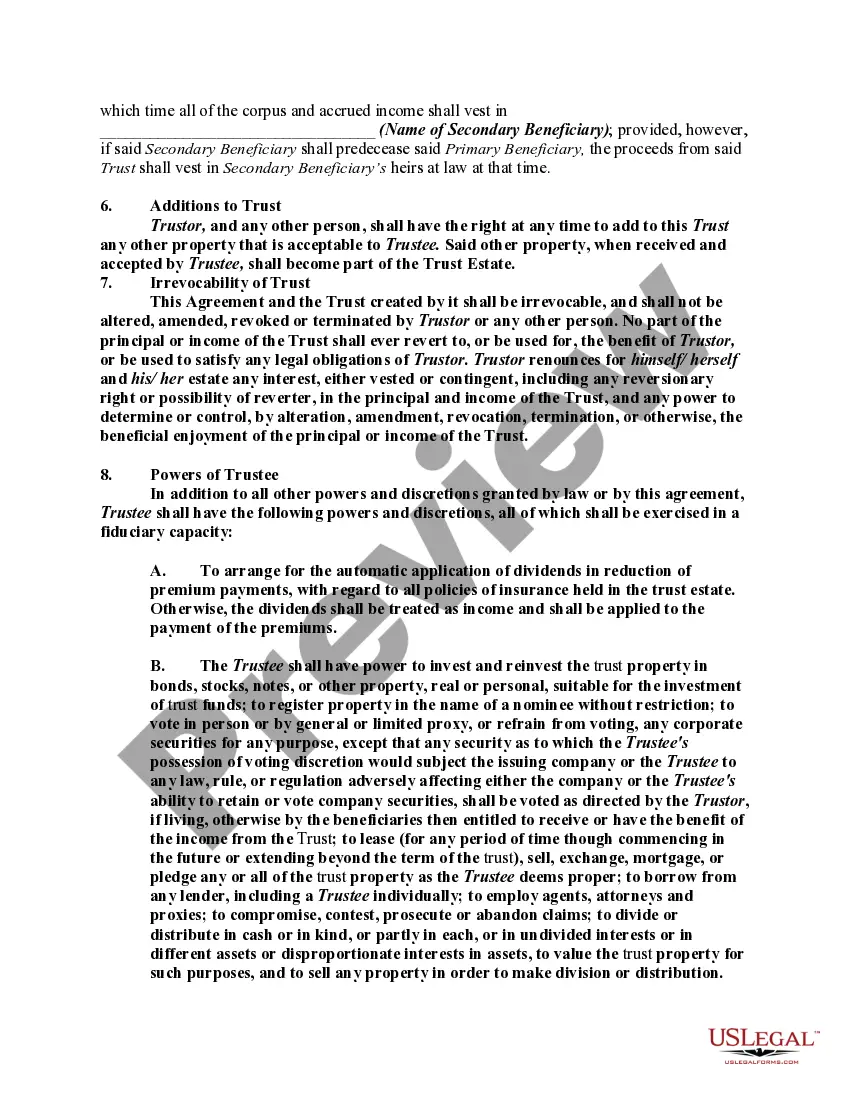
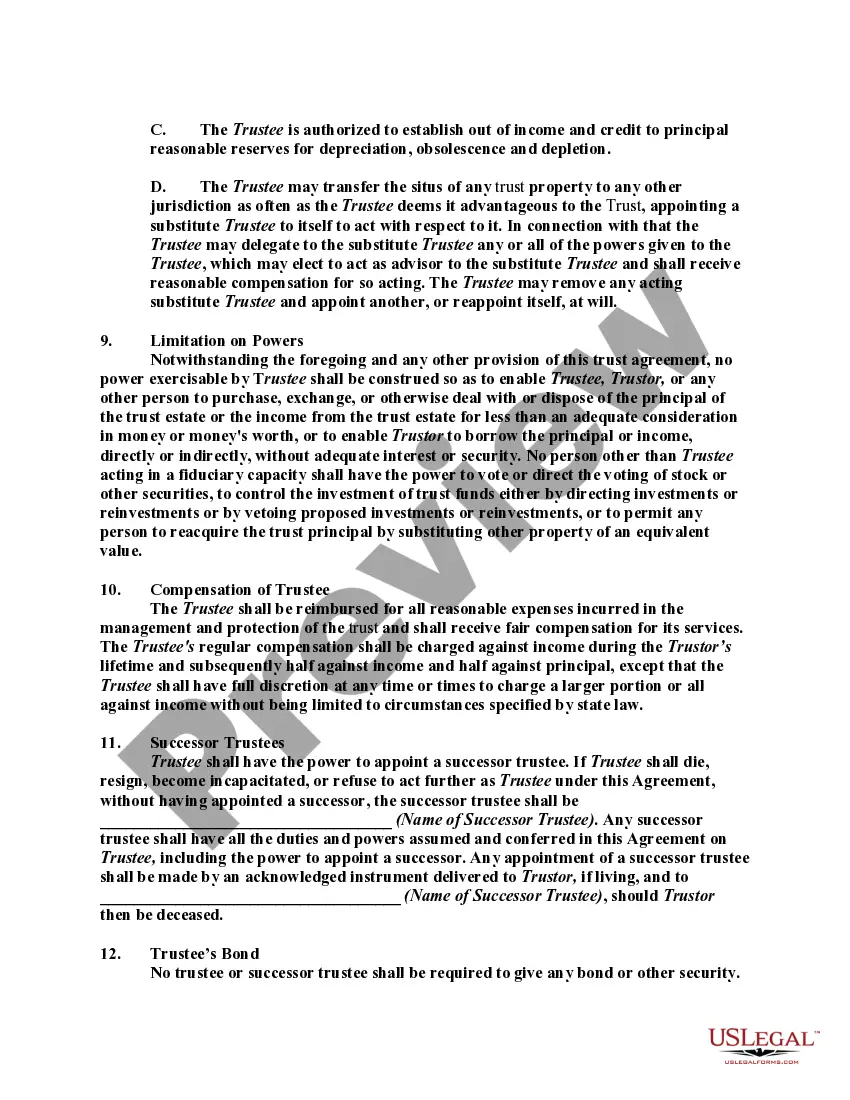
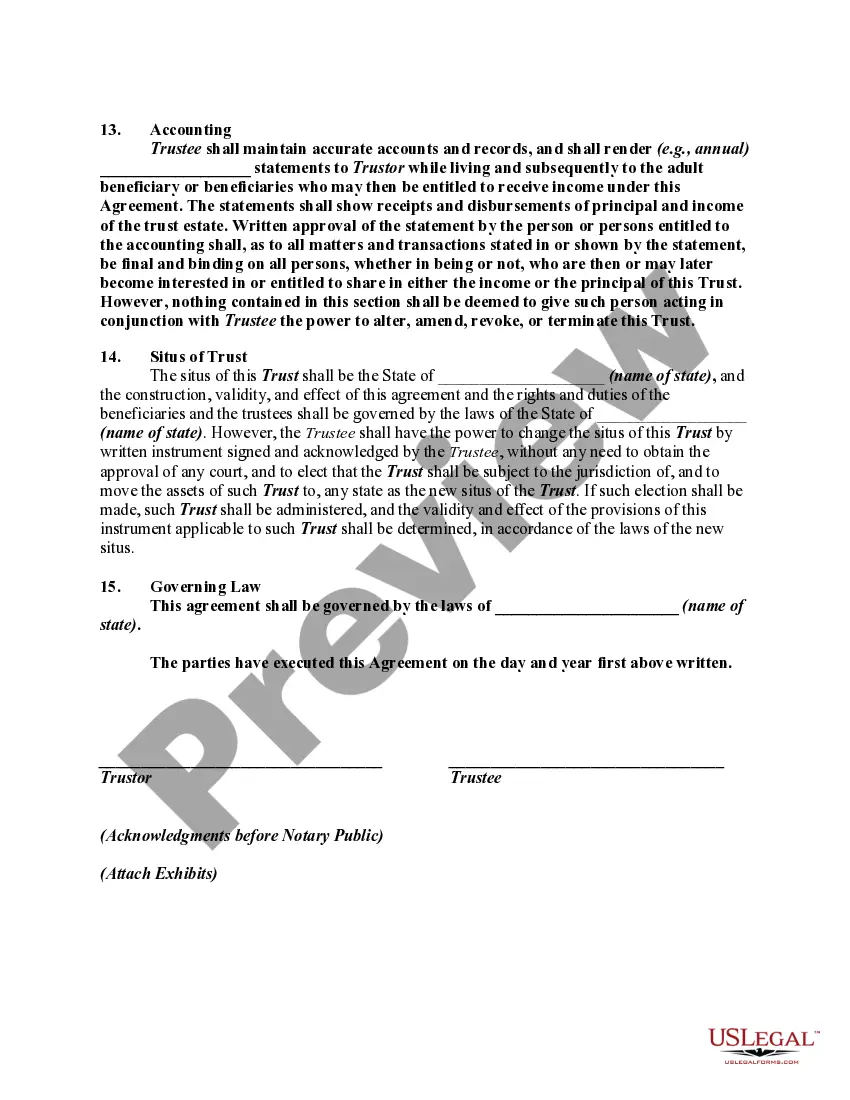
How to fill out Irrevocable Trust As Designated Beneficiary Of An Individual Retirement Account?
Securing a primary location to obtain the latest and suitable legal templates is part of the challenge when navigating bureaucracy.
Locating the correct legal documents necessitates precision and meticulousness, which is why it is crucial to acquire samples of Beneficiary Letter For Bank Account solely from reliable sources, such as US Legal Forms. An incorrect template could squander your time and delay your situation. With US Legal Forms, you have minimal concerns.
Eliminate the hassle associated with your legal documentation. Explore the extensive US Legal Forms catalog to discover legal templates, evaluate their suitability for your situation, and download them immediately.
- Utilize the catalog navigation or search bar to locate your template.
- Examine the details of the form to ensure it meets the requirements of your state and area.
- Preview the form, if available, to confirm it is indeed the one you are looking for.
- Return to the search and seek the appropriate template if the Beneficiary Letter For Bank Account does not align with your needs.
- Once you are confident about the form’s relevance, download it.
- If you are a registered user, click Log in to verify your identity and access your chosen forms in My documents.
- If you do not have an account yet, click Buy now to acquire the template.
- Choose the pricing plan that fits your needs.
- Proceed to registration to finalize your purchase.
- Conclude your transaction by selecting a payment method (credit card or PayPal).
- Choose the file format for downloading Beneficiary Letter For Bank Account.
- After obtaining the form on your device, you may edit it using the editor or print it to fill it out manually.
Form popularity
FAQ
The purpose of the mortgage or deed of trust is to provide security for the loan that's evidenced by a promissory note. Loan Transfers. Banks often sell and buy mortgages from each other. An "assignment" is the document that is the legal record of this transfer from one mortgagee to another.
The most common example of an Assignment of Mortgage is when a mortgage lender transfers/sells the mortgage to another lender. This can be done more than once until the balance is paid. The lender does not have to inform the borrower that the mortgage is being assigned to another party.
An assignment of mortgage documents the transfer of a mortgage from an original lender or borrower to another person or entity. Lenders regularly sell mortgages to other lenders. Less often, a borrower transfers the mortgage to someone else who assumes the mortgage.
In a mortgage assignment, your original lender or servicer transfers your mortgage account to another loan servicer. When this occurs, the original mortgagee or lender's interests go to the next lender. Even if your mortgage gets transferred or assigned, your mortgage's terms should remain the same.
Mortgages are assigned using a document called an assignment of mortgage. This legally transfers the original lender's interest in the loan to the new company. After doing this, the original lender will no longer receive the payments of principal and interest.
Doing so allows your mortgage provider to ensure future financial liquidity so that it can keep extending home loans to other borrowers. Under such a scenario, your original loan holder basically ?flips? the mortgage and assigns its security rights in a home to the new owner of the note instead.
An assignment of mortgage gives the loan seller's rights under the mortgage, including the right to foreclose if the borrower doesn't make payments, to the new owner of the loan.
Under an assignment of loan, a lender (the assignor) assigns its rights relating to a loan agreement to a new lender (the assignee). Only the assignor's rights under the loan agreement are assigned. The assignor will still have to perform any obligations it has under the facility agreement.
Most personal loans cannot be transferred to someone else. There are rare exceptions to this rule, such as mortgages and car loans, but even then, it is easier to qualify for a new mortgage or car loan to pay off the existing loan.
Assignments are generally freely permitted in most modern mortgage agreements. Once the borrower has received proper notice of the assignment, payments will be made to the new creditor. A mortgage assumption occurs when a buyer agrees to take on the seller's current loan and mortgage obligations.