Procedures For Abuse
Description

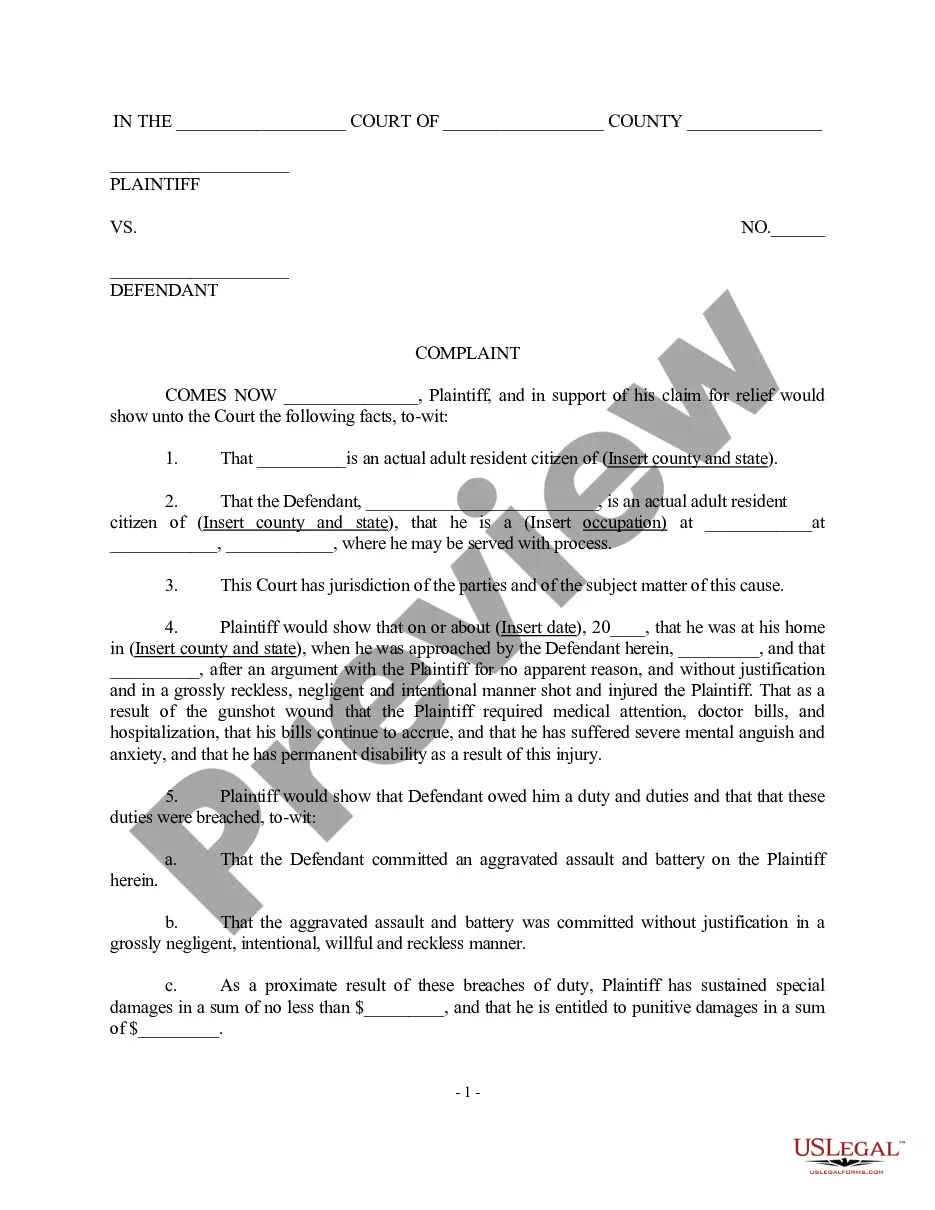
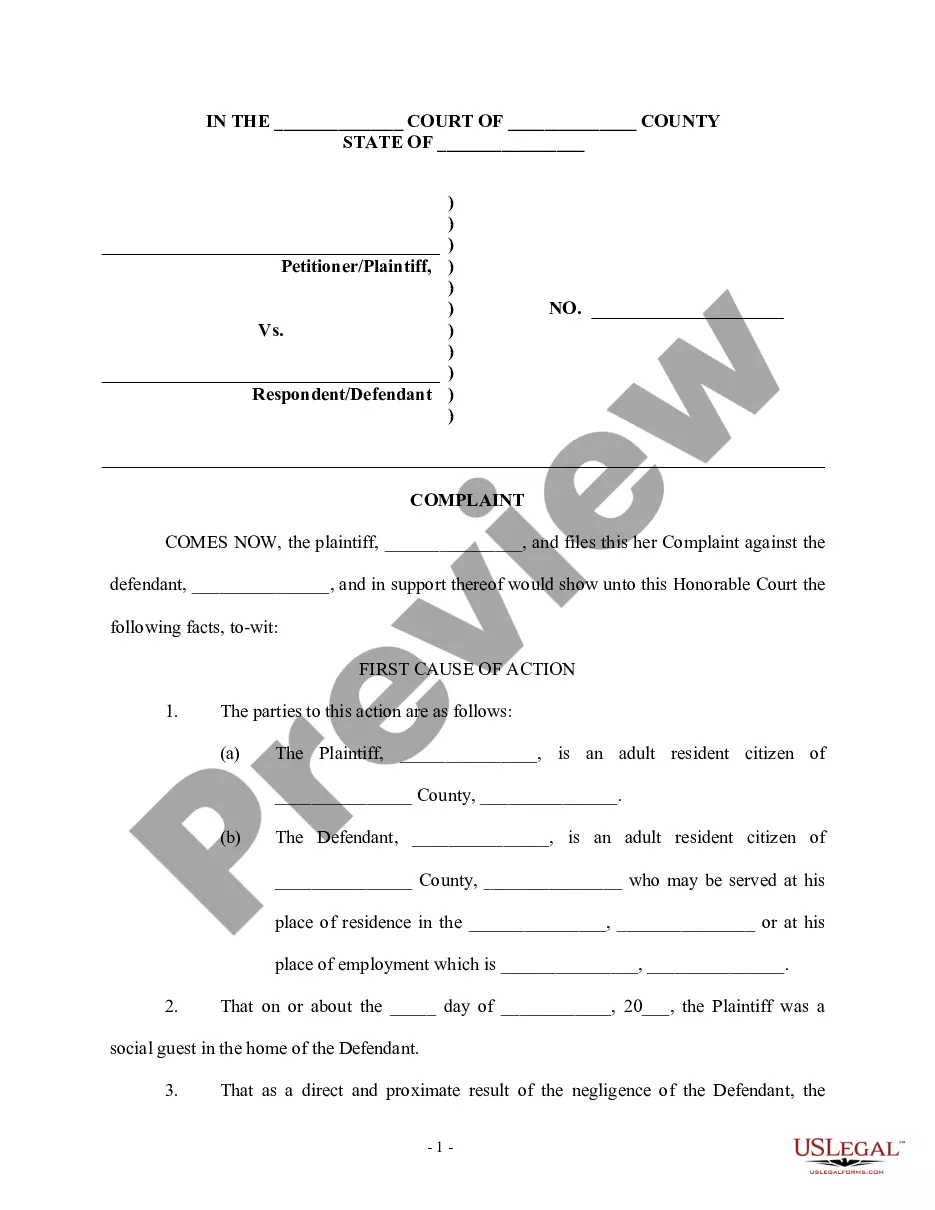
Get your form ready online
Our built-in tools help you complete, sign, share, and store your documents in one place.
Make edits, fill in missing information, and update formatting in US Legal Forms—just like you would in MS Word.
Download a copy, print it, send it by email, or mail it via USPS—whatever works best for your next step.
Sign and collect signatures with our SignNow integration. Send to multiple recipients, set reminders, and more. Go Premium to unlock E-Sign.
If this form requires notarization, complete it online through a secure video call—no need to meet a notary in person or wait for an appointment.
We protect your documents and personal data by following strict security and privacy standards.

Make edits, fill in missing information, and update formatting in US Legal Forms—just like you would in MS Word.

Download a copy, print it, send it by email, or mail it via USPS—whatever works best for your next step.

Sign and collect signatures with our SignNow integration. Send to multiple recipients, set reminders, and more. Go Premium to unlock E-Sign.

If this form requires notarization, complete it online through a secure video call—no need to meet a notary in person or wait for an appointment.

We protect your documents and personal data by following strict security and privacy standards.
Looking for another form?
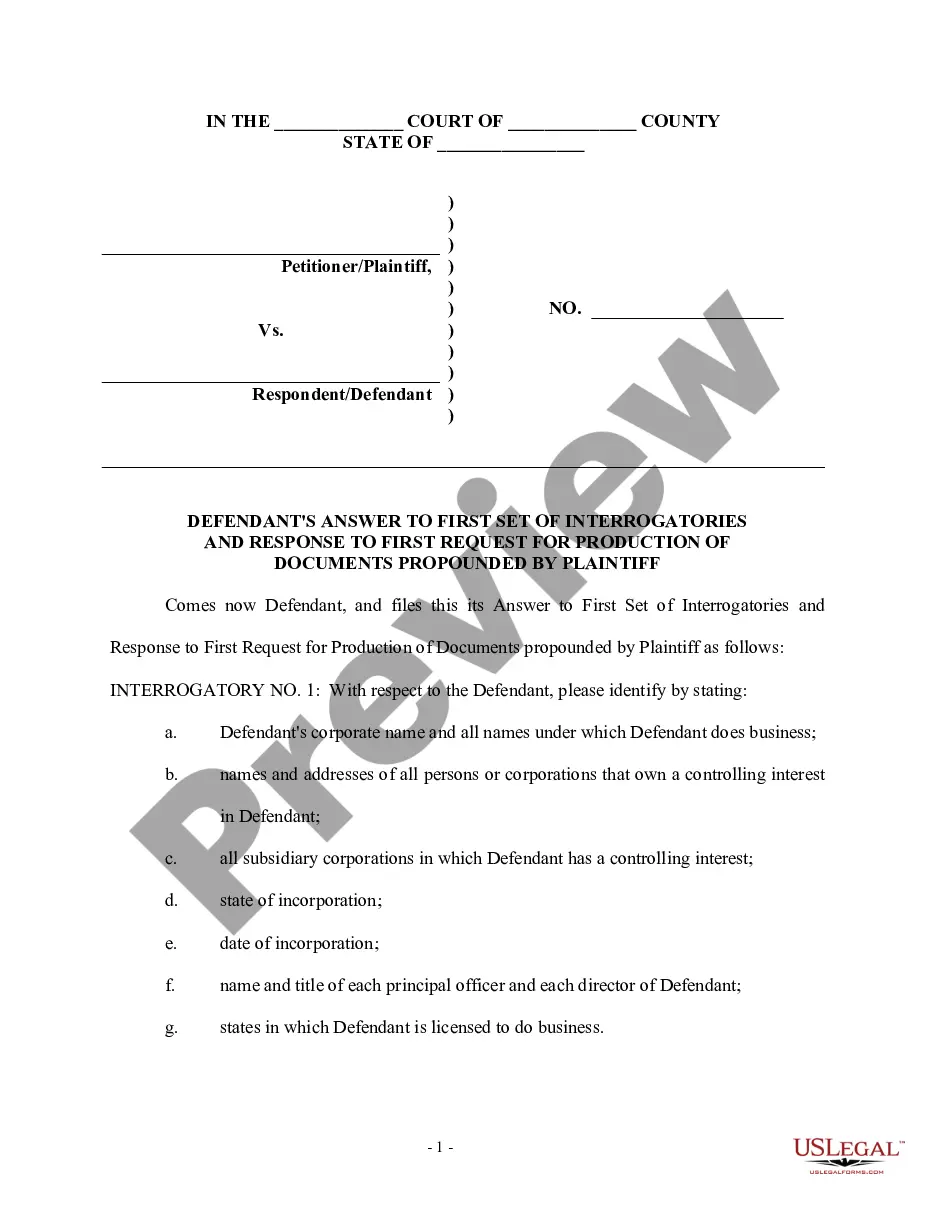
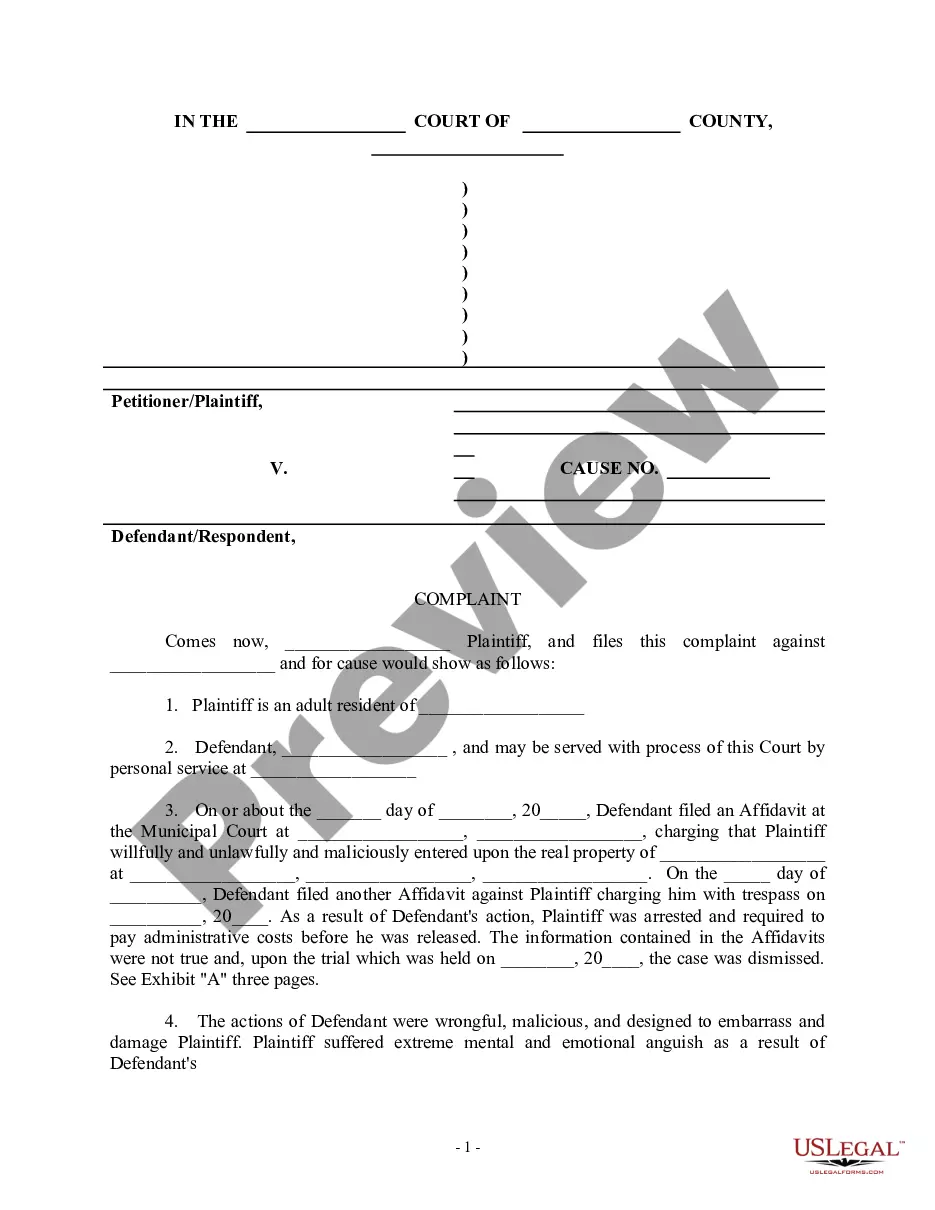
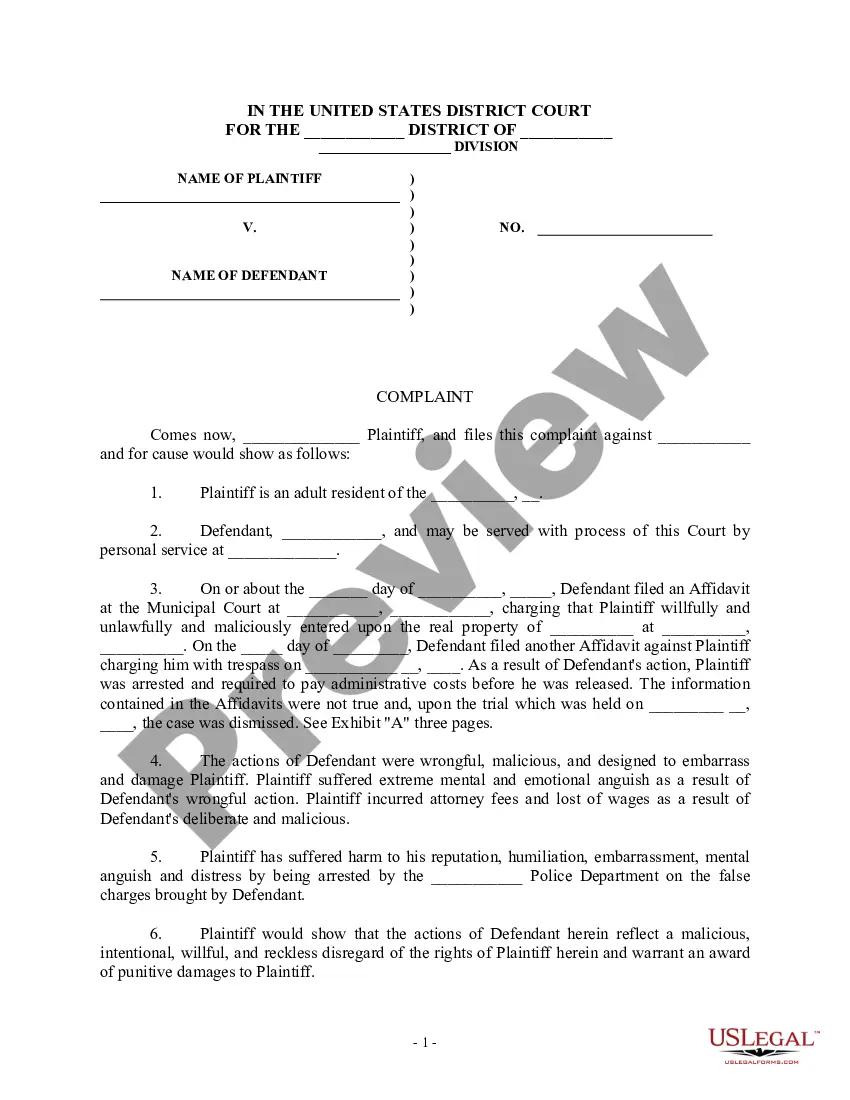
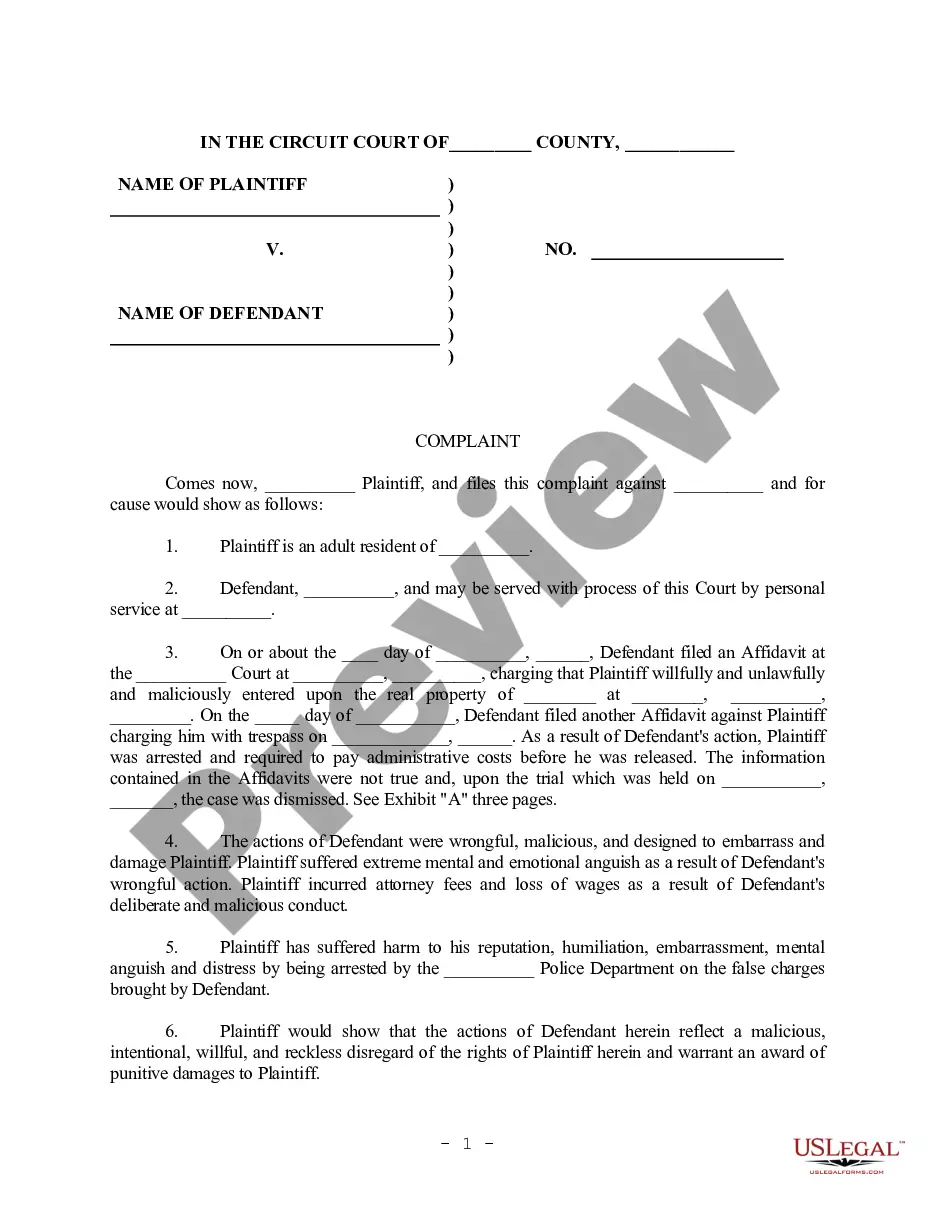
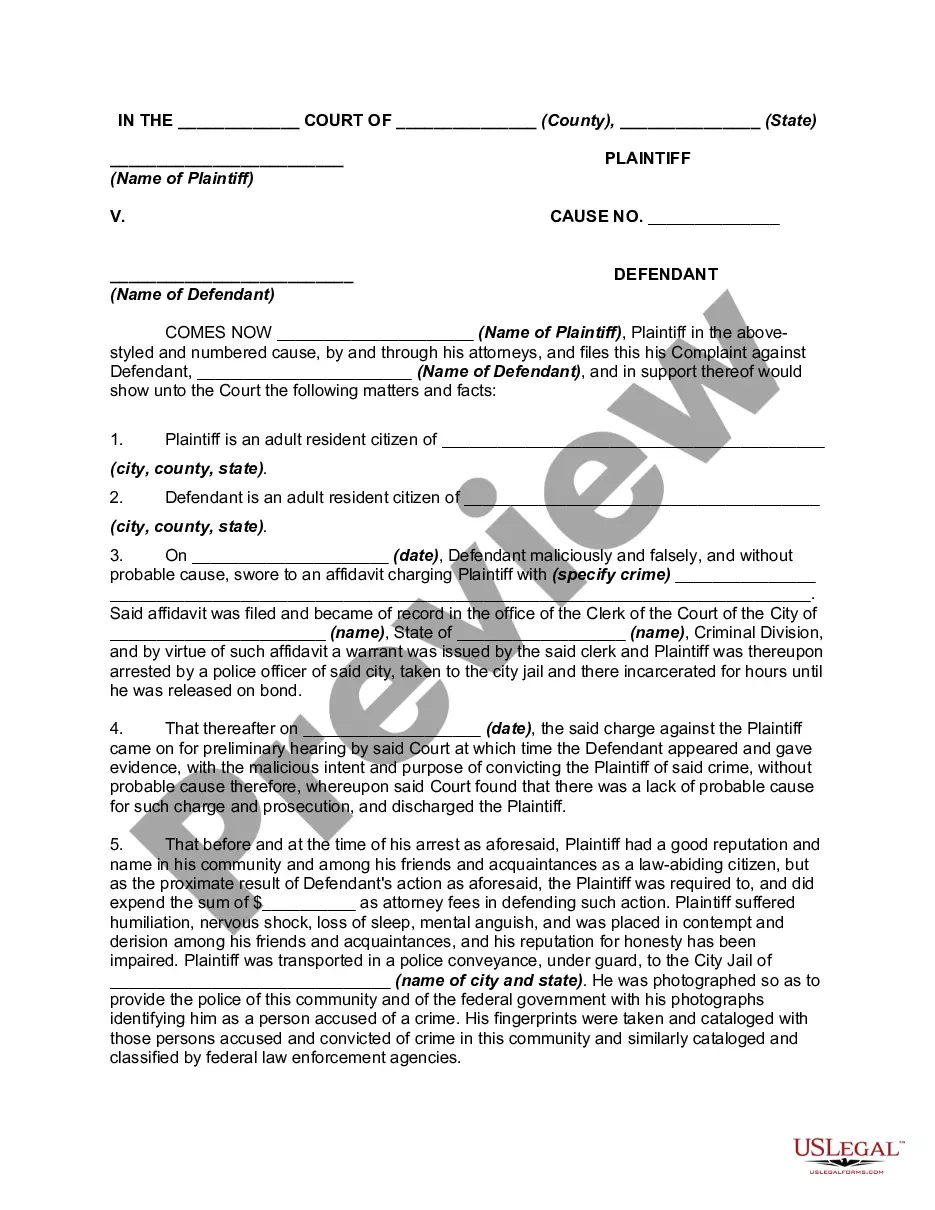
How to fill out Complaint For Malicious Prosecution, False Imprisonment, Abuse Of Process?
The Guidelines For Misconduct you find on this page is a versatile legal template created by qualified attorneys in accordance with federal and regional laws.
For over 25 years, US Legal Forms has supplied individuals, businesses, and legal practitioners with more than 85,000 authenticated, state-specific forms for any professional and personal circumstance.
Choose the format you desire for your Guidelines For Misconduct (PDF, DOCX, RTF) and download the document to your device.
- Search for the document you need and examine it.
- Browse through the sample you looked for and preview it or review the form description to ensure it meets your specifications. If it does not, use the search feature to find the right one. Click Buy Now once you have identified the template you need.
- Register and Log In.
- Select the pricing package that fits you and create an account. Use PayPal or a credit card to make a swift payment. If you already have an account, Log In and check your subscription to continue.
- Obtain the editable template.
Form popularity
FAQ
The procedure for reporting abuse generally involves several steps. Initially, document all relevant information regarding the abuse, including dates and descriptions. Then, contact local authorities or organizations that specialize in handling abuse reports. By following the established procedures for abuse, you can ensure that your concerns are taken seriously and acted upon.
The first stage in reporting abuse is recognizing and documenting the signs of abuse you have observed. This includes noting specific details, such as what happened, when it occurred, and any supporting evidence. Following this initial step, you can proceed to report the abuse to the relevant authorities. Understanding these procedures for abuse will help you navigate the process effectively.
Filing a complaint against abuse requires you to collect all pertinent details and evidence related to the situation. Then, reach out to the appropriate agency or organization that manages abuse complaints. Adhering to the procedures for abuse will help ensure your complaint is handled thoroughly and professionally.
The process for reporting abuse typically starts with gathering information and documenting your observations. Next, you should contact local authorities or specialized organizations that handle abuse cases. It’s important to follow the established procedures for abuse to ensure your report is processed correctly and efficiently.
Proper documentation of abuse is crucial for your report to be credible. Begin by writing down everything you remember about the incidents, including dates, times, and descriptions. If possible, take photographs or collect other forms of evidence. Following proper procedures for abuse in your documentation can strengthen your case and help authorities take appropriate action.
Making a report of abuse involves several key steps. Start by documenting all details related to the abuse, including descriptions of incidents and any evidence available. Then, reach out to local agencies or helplines that specialize in abuse cases. Utilizing the correct procedures for abuse can significantly impact the effectiveness of your report.
To report abuse effectively, you should first identify the type of abuse you are witnessing or experiencing. It is essential to gather all relevant information, including dates, times, and any witnesses. Once you have this information, contact the appropriate authorities or organizations that handle abuse cases. Following established procedures for abuse ensures that your report is taken seriously and addressed promptly.
The time it takes to process abuse cases can vary widely depending on the local laws and the specific circumstances involved. Engaging with legal professionals who are knowledgeable about the Procedures for abuse can help clarify timelines and expectations. While the process may feel daunting, understanding it can lead to a path of healing and safety.
People who have been abused can find help through national and local hotlines, support groups, and legal aid organizations. Websites like US Legal Forms provide resources that explain the Procedures for abuse, offering necessary legal documents to assist in their journey. It's crucial to utilize these resources for safety and recovery.
Victims of abuse have access to a variety of support services, including counseling, legal assistance, and crisis intervention. Community organizations often provide resources to help individuals understand the Procedures for abuse and navigate their options. Reaching out for support is a courageous step towards healing.