Foreclosure Process Abuse Prevention Act
Description
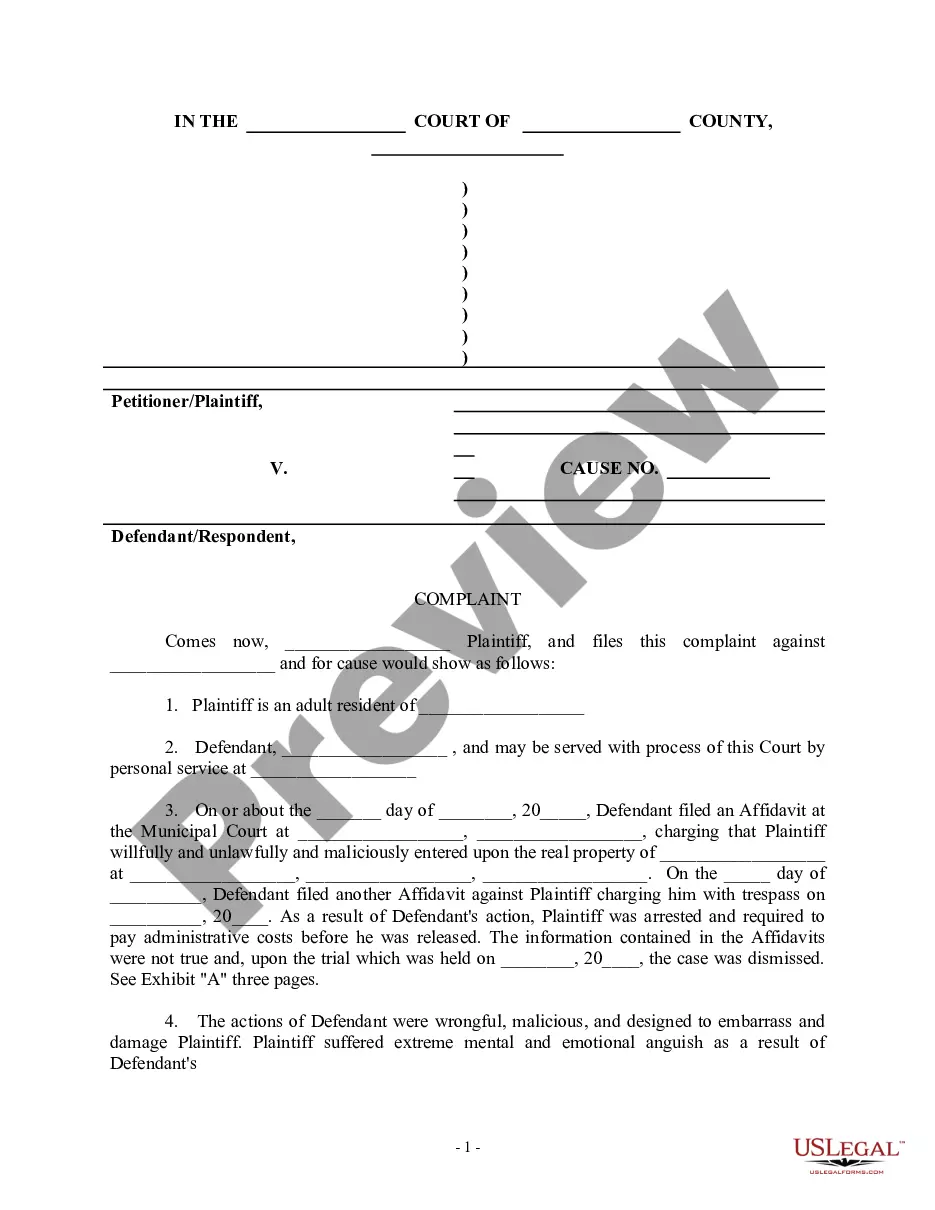

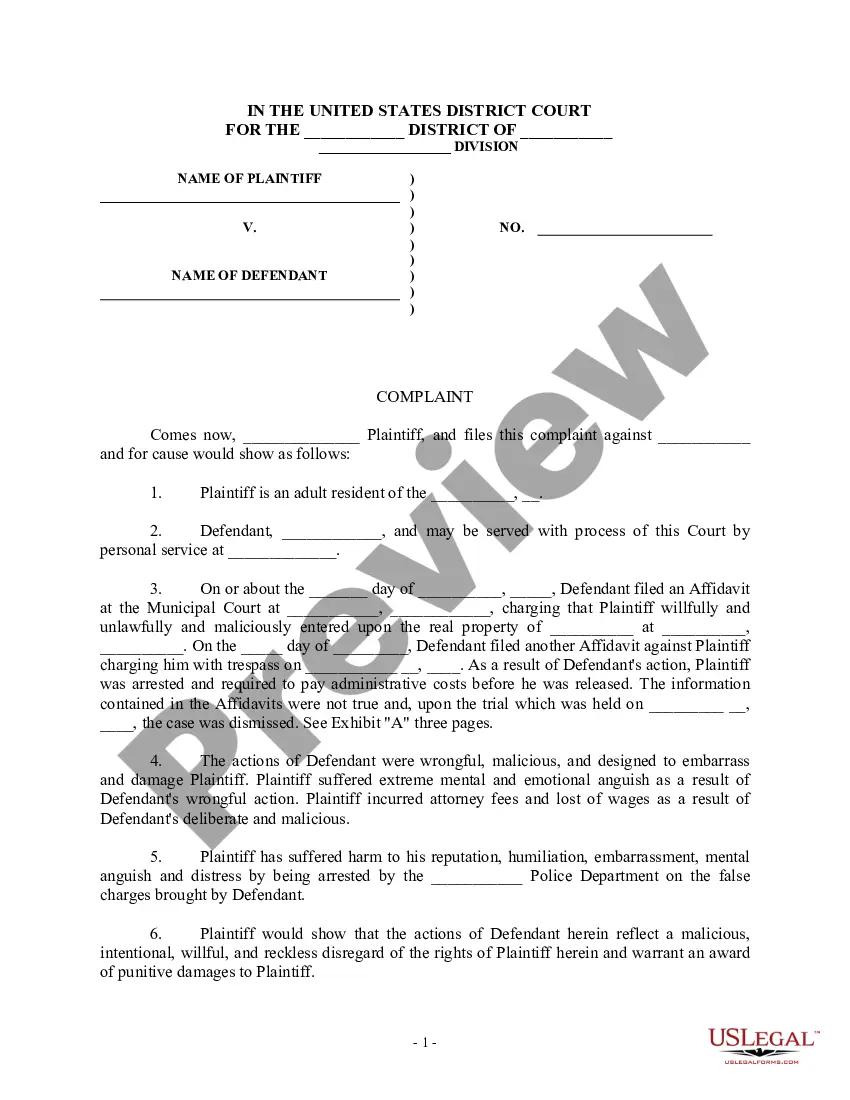
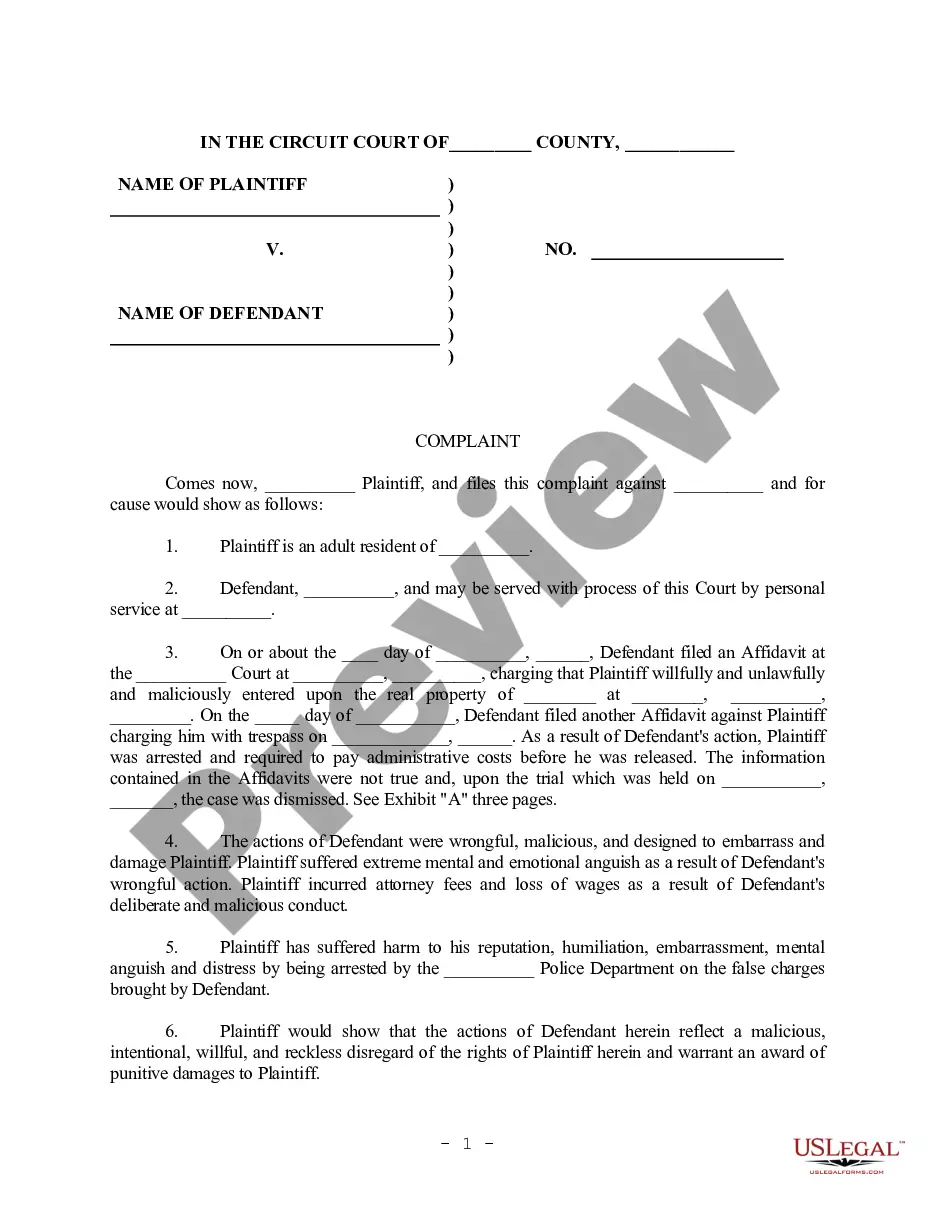
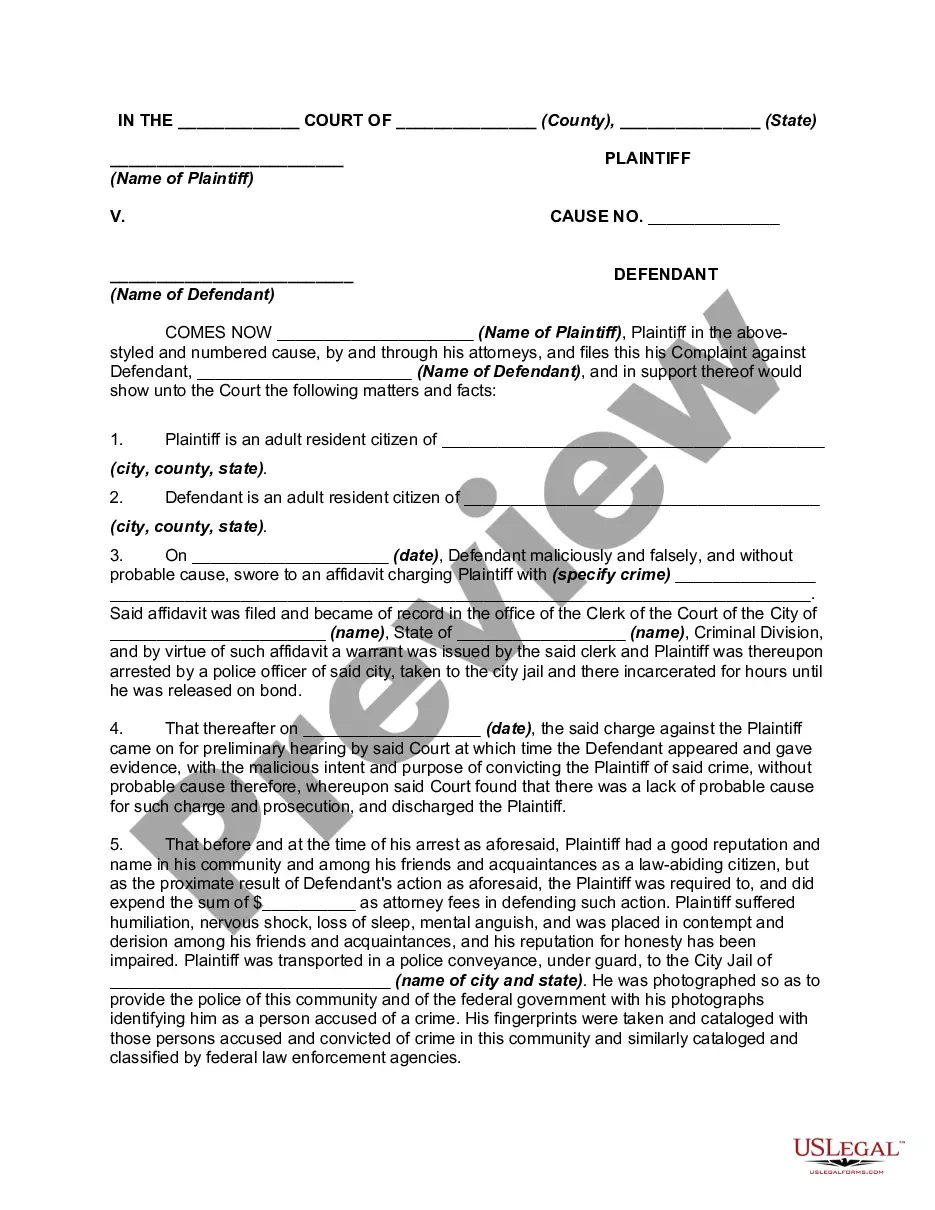
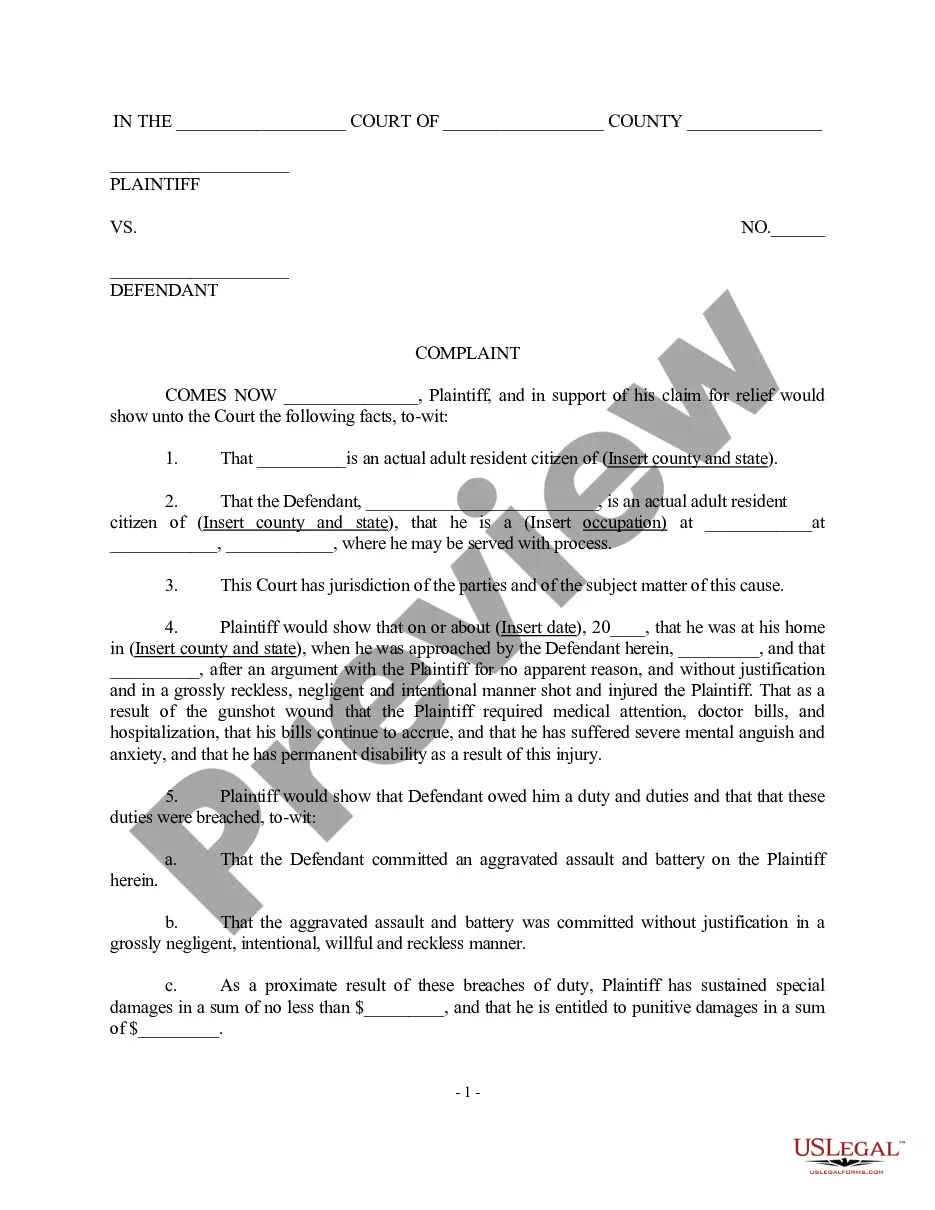
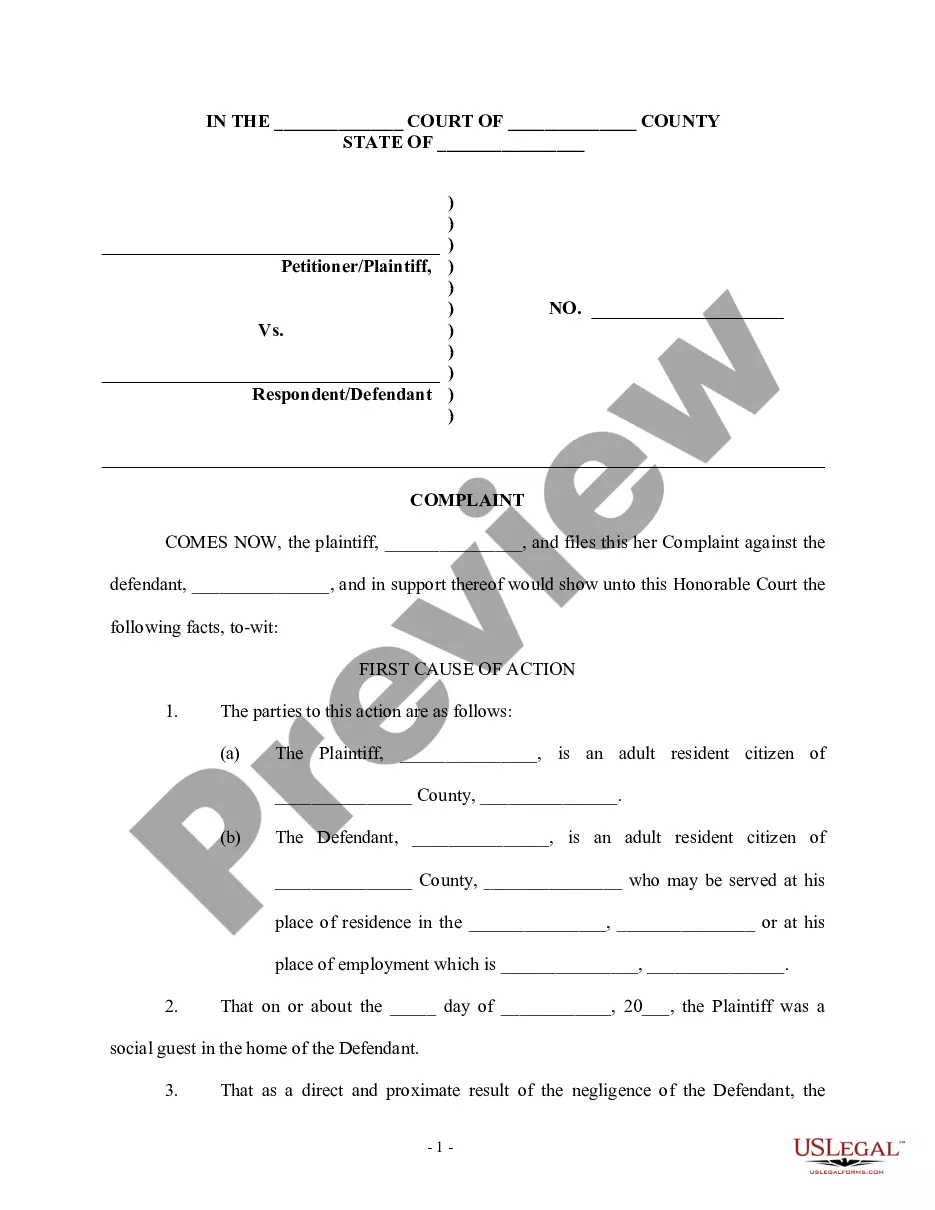
Get your form ready online
Our built-in tools help you complete, sign, share, and store your documents in one place.
Make edits, fill in missing information, and update formatting in US Legal Forms—just like you would in MS Word.
Download a copy, print it, send it by email, or mail it via USPS—whatever works best for your next step.
Sign and collect signatures with our SignNow integration. Send to multiple recipients, set reminders, and more. Go Premium to unlock E-Sign.
If this form requires notarization, complete it online through a secure video call—no need to meet a notary in person or wait for an appointment.
We protect your documents and personal data by following strict security and privacy standards.

Make edits, fill in missing information, and update formatting in US Legal Forms—just like you would in MS Word.

Download a copy, print it, send it by email, or mail it via USPS—whatever works best for your next step.

Sign and collect signatures with our SignNow integration. Send to multiple recipients, set reminders, and more. Go Premium to unlock E-Sign.

If this form requires notarization, complete it online through a secure video call—no need to meet a notary in person or wait for an appointment.

We protect your documents and personal data by following strict security and privacy standards.
Looking for another form?
How to fill out Complaint For Malicious Prosecution, False Imprisonment, Abuse Of Process?
Regardless of whether it's for professional reasons or personal affairs, everyone must confront legal issues at some point in their lives.
Filling out legal documentation requires meticulous care, starting with choosing the suitable form template.
Once saved, you can either fill out the form using editing software or print it and complete it by hand. With a comprehensive US Legal Forms catalog available, you do not need to waste time searching for the right sample online. Utilize the library’s simple navigation to locate the correct template for any situation.
- Utilize the search feature or browse the catalog to find the sample you require.
- Review the form’s details to ensure it aligns with your circumstances, state, and county.
- Select the form’s preview to examine it.
- If it is not the right document, return to the search option to find the Foreclosure Process Abuse Prevention Act sample you seek.
- Acquire the file if it fulfills your needs.
- If you possess a US Legal Forms account, click Log in to access previously stored documents in My documents.
- If you do not have an account yet, you can obtain the form by clicking Buy now.
- Select the appropriate payment option.
- Complete the registration form for the account.
- Choose your payment method: you can use a credit card or PayPal account.
- Select the file format you desire and download the Foreclosure Process Abuse Prevention Act.
Form popularity
FAQ
To answer a foreclosure Complaint, read the document thoroughly and identify the specific allegations. Formulate your responses by admitting, denying, or stating a lack of knowledge regarding each claim. It's crucial to include any defenses, especially those based on the Foreclosure Process Abuse Prevention Act, which may provide you with legal protections. USLegalForms offers templates and guidance that can help you prepare a comprehensive and effective answer.
When writing a response to a foreclosure, begin by reviewing the foreclosure complaint to understand the claims made against you. Address each point clearly and include any defenses you want to assert, particularly those that relate to the Foreclosure Process Abuse Prevention Act. This act provides vital protections, so emphasizing your rights can be beneficial for your case. Consider using resources from USLegalForms to guide you through drafting an effective response.
To serve an Answer to a Complaint, you must deliver it to the plaintiff or their attorney following your local court rules. You can do this by mail, in person, or through a process server, depending on the regulations in your jurisdiction. Ensure you file a proof of service with the court to confirm that you have properly served the Answer. Utilizing services like USLegalForms can simplify this process and ensure compliance with the Foreclosure Process Abuse Prevention Act.
In the Answer to a Complaint, you typically address each allegation made by the plaintiff. You can admit, deny, or state that you lack sufficient knowledge to respond. It's essential to include any defenses you plan to raise, especially those related to the Foreclosure Process Abuse Prevention Act. This act protects homeowners from unfair practices, so referencing it can strengthen your response.
To start the foreclosure process, a lender must file a public notice of default with the county recorder's office, which informs the public of the impending foreclosure. This step is essential for initiating the legal proceedings. It’s important to be aware of the Foreclosure Process Abuse Prevention Act, as it may offer protections against wrongful foreclosure practices. For guidance and necessary forms, US Legal Forms can help you navigate the beginning of this process more smoothly.
The first step in the foreclosure process is usually the lender's decision to initiate foreclosure after a borrower defaults on their mortgage payments. This often involves the lender sending a notice to the borrower, outlining the default and the potential consequences. Familiarity with the Foreclosure Process Abuse Prevention Act can empower homeowners to respond appropriately to such notices. Utilizing US Legal Forms can also assist you in understanding your rights and options during this crucial stage.
The foreclosure process in Colorado typically takes between 110 to 125 days from start to finish. However, this timeline can vary based on factors such as the lender's actions and the borrower's response. Understanding the Foreclosure Process Abuse Prevention Act can help homeowners recognize their rights and the timeline involved. For those looking for additional support, US Legal Forms provides resources to navigate this process more effectively.
The 120 day rule for foreclosure is a crucial timeline that lenders must adhere to after a borrower defaults on their mortgage. This rule, part of the Foreclosure Process Abuse Prevention Act, requires lenders to wait at least 120 days before initiating foreclosure proceedings. Understanding this timeline is essential, as it provides homeowners a chance to seek assistance and potentially resolve their financial issues. USLegalForms can help you access the necessary documents and resources to address your concerns during this period.
To prevent foreclosure, you can explore several options. First, consider reaching out to local housing counseling agencies that can provide guidance and support tailored to your situation. Additionally, utilizing resources like the Foreclosure Process Abuse Prevention Act can help protect your rights during this challenging time. USLegalForms offers valuable tools and documents to assist you in understanding and navigating this process effectively.
In Arizona, the foreclosure process can take anywhere from 90 to 120 days after a notice of default is issued. Factors such as the lender's actions and the homeowner's response can influence the timeline. Knowing your rights under the Foreclosure Process Abuse Prevention Act can empower you to act within this period. Utilizing platforms like USLegalForms can help you understand your options and protect your interests.