Written Response To Complaint Example
Description
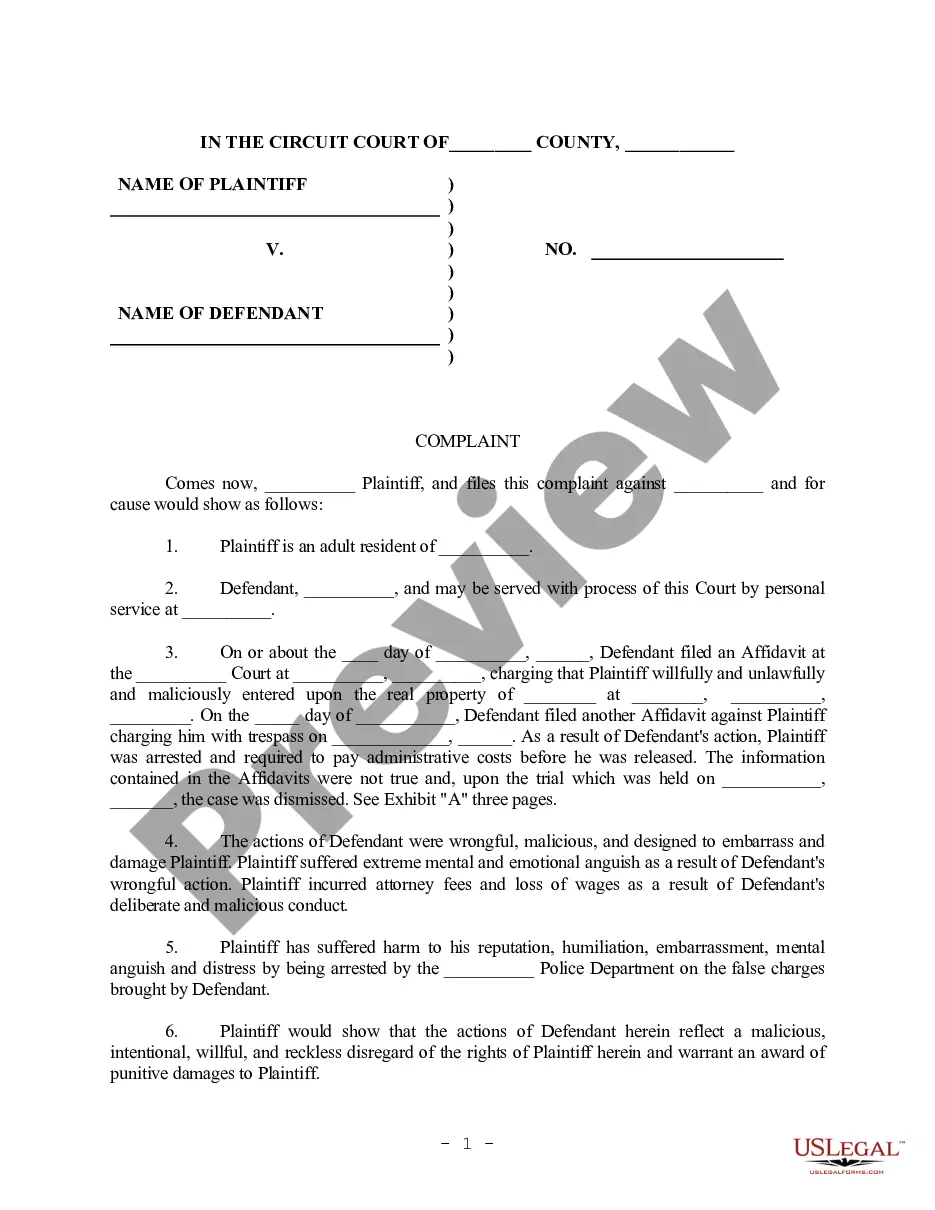
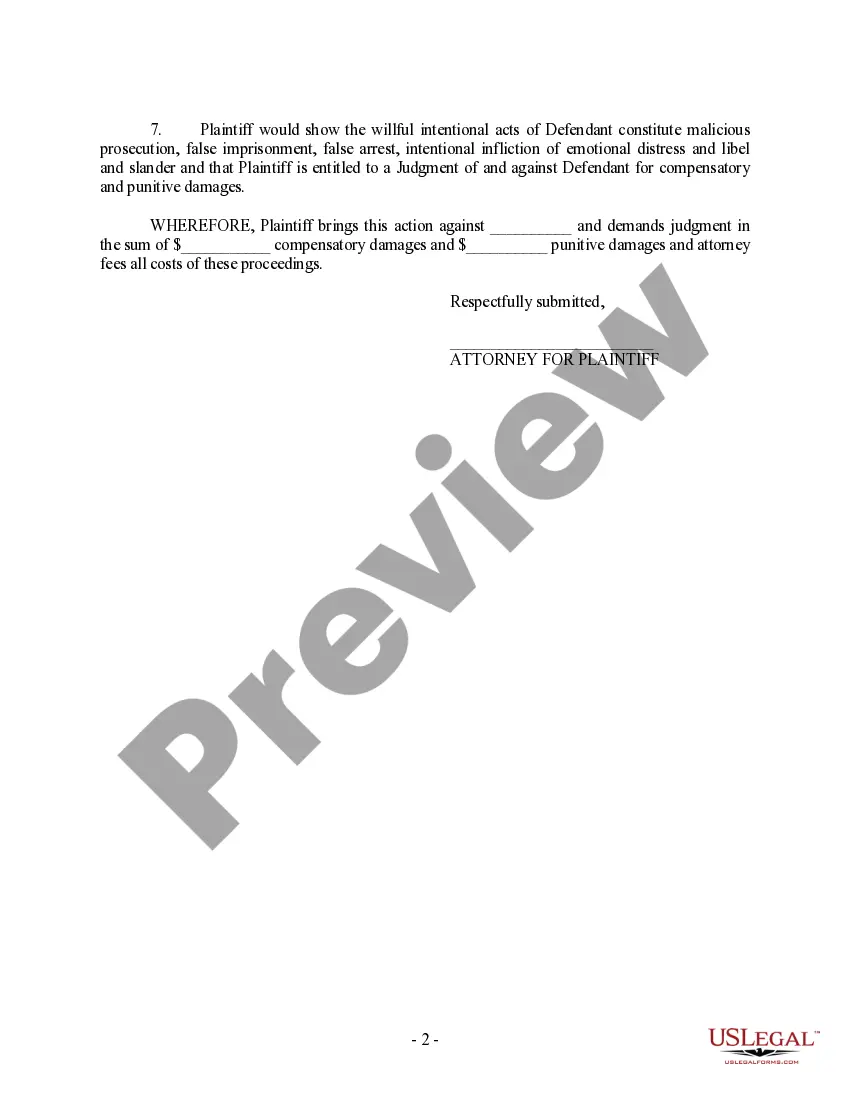

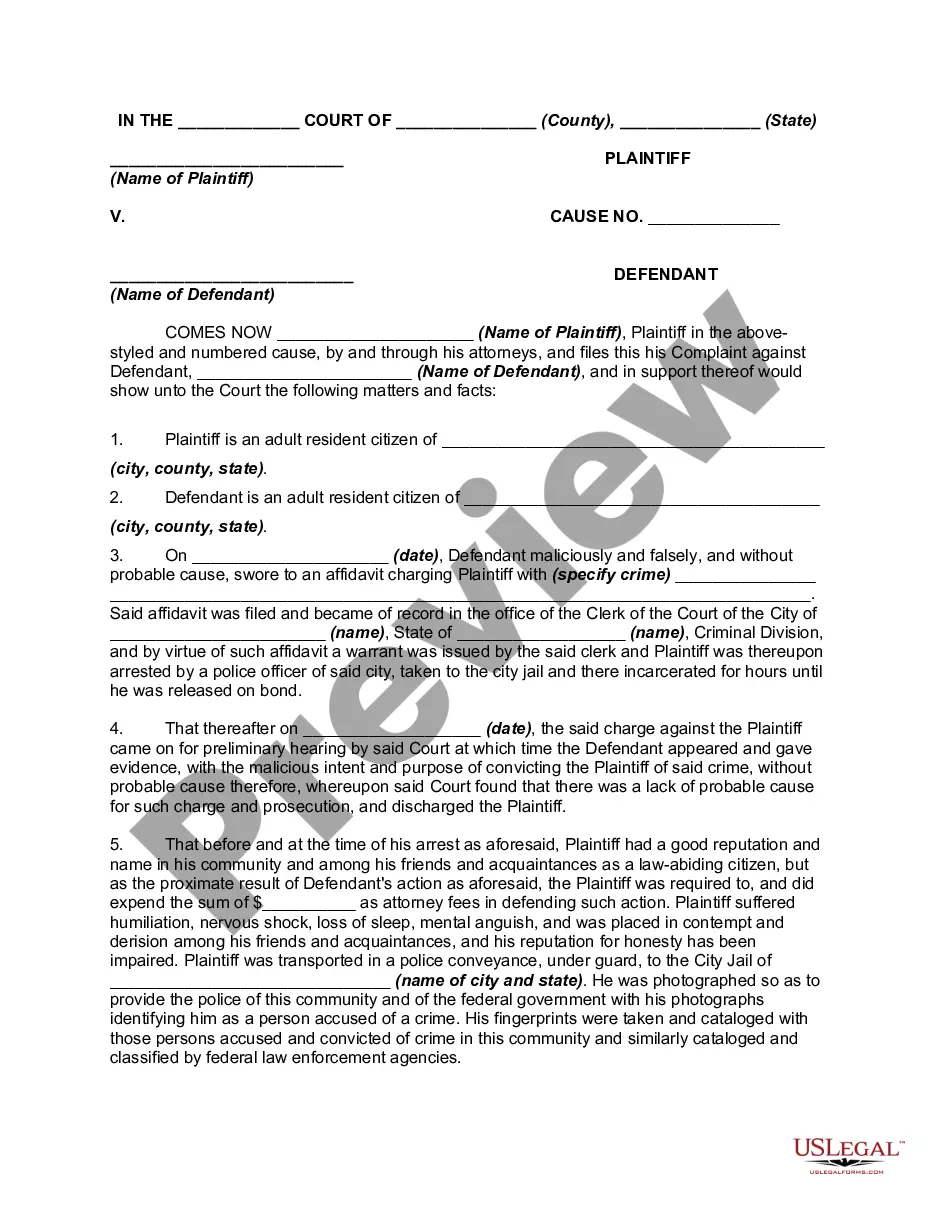
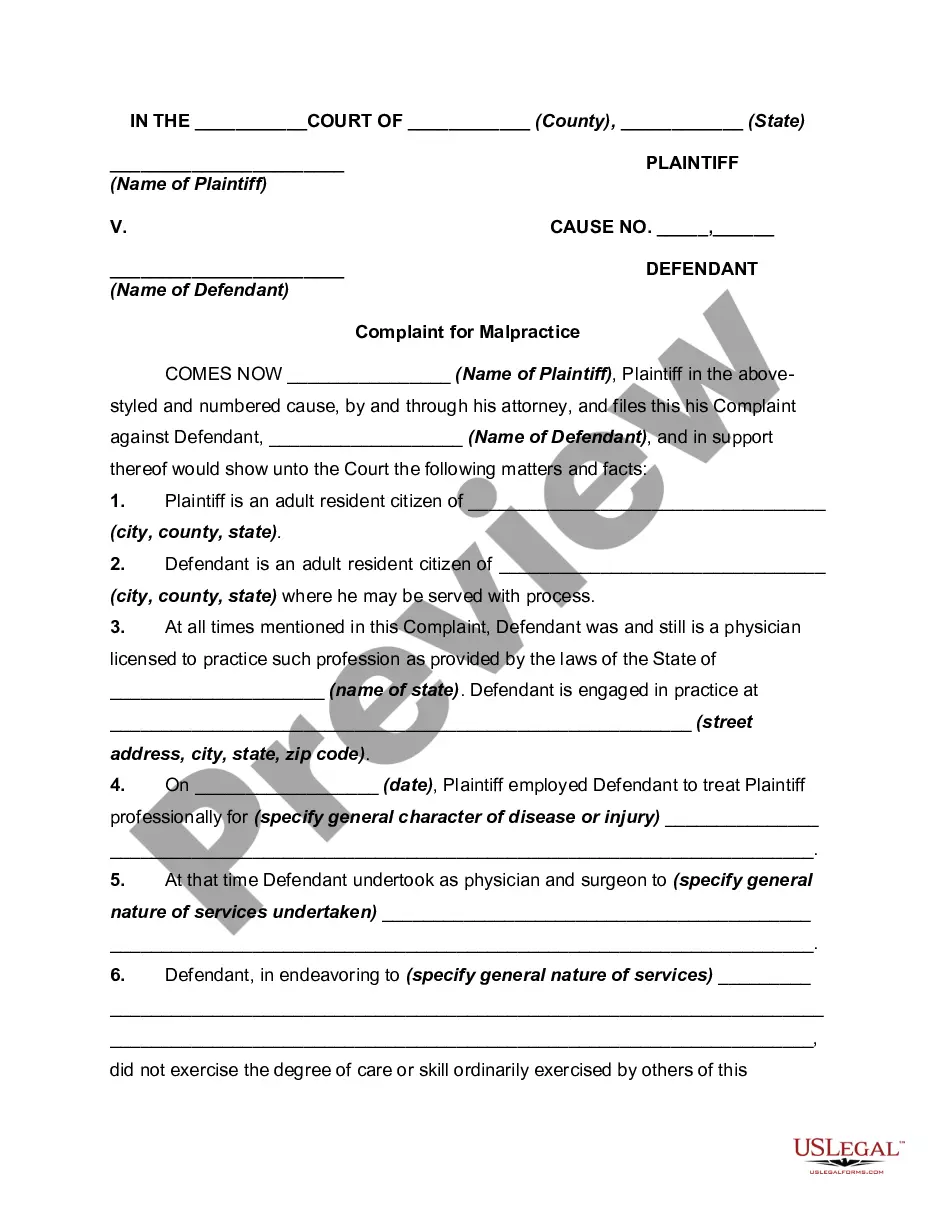

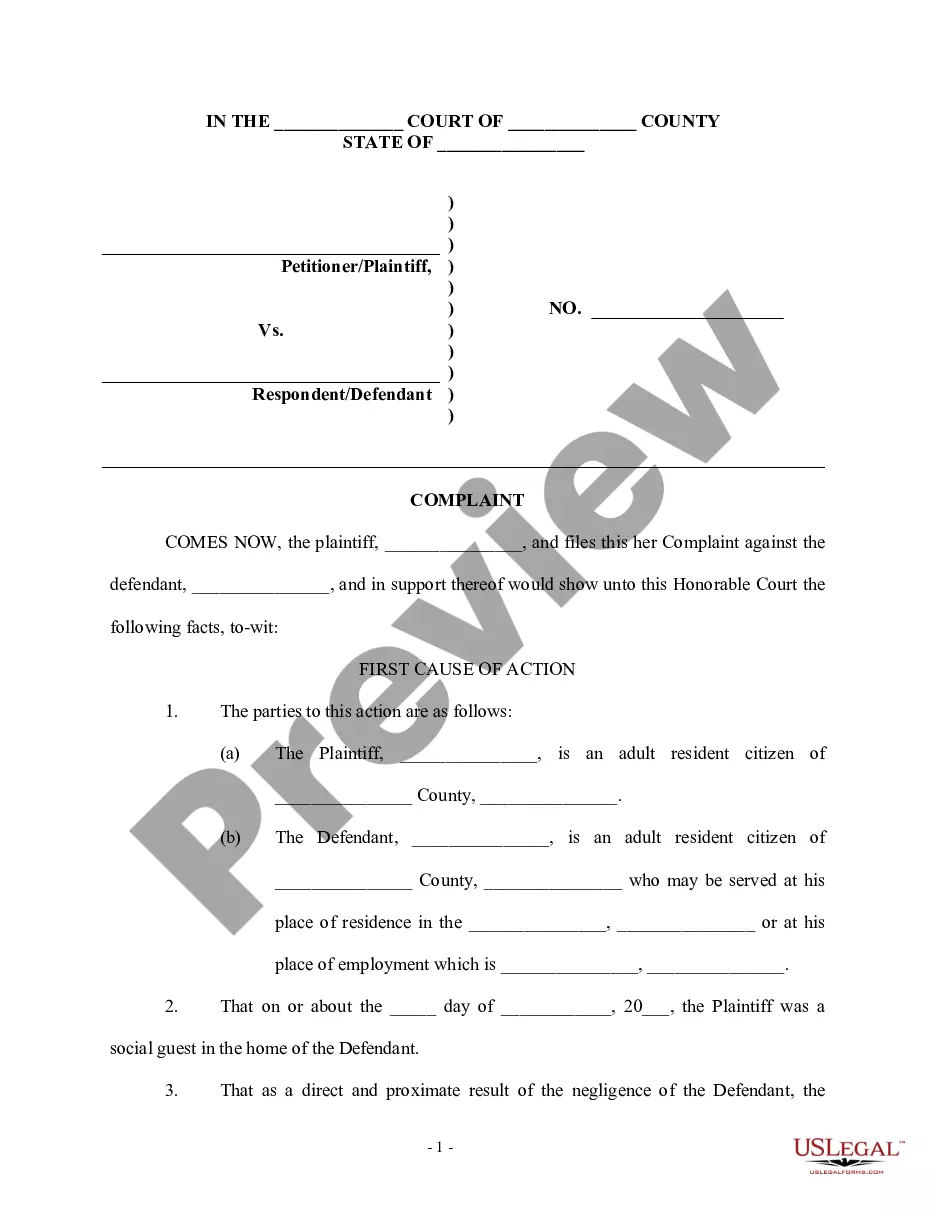
Get your form ready online
Our built-in tools help you complete, sign, share, and store your documents in one place.
Make edits, fill in missing information, and update formatting in US Legal Forms—just like you would in MS Word.
Download a copy, print it, send it by email, or mail it via USPS—whatever works best for your next step.
Sign and collect signatures with our SignNow integration. Send to multiple recipients, set reminders, and more. Go Premium to unlock E-Sign.
If this form requires notarization, complete it online through a secure video call—no need to meet a notary in person or wait for an appointment.
We protect your documents and personal data by following strict security and privacy standards.

Make edits, fill in missing information, and update formatting in US Legal Forms—just like you would in MS Word.

Download a copy, print it, send it by email, or mail it via USPS—whatever works best for your next step.

Sign and collect signatures with our SignNow integration. Send to multiple recipients, set reminders, and more. Go Premium to unlock E-Sign.

If this form requires notarization, complete it online through a secure video call—no need to meet a notary in person or wait for an appointment.

We protect your documents and personal data by following strict security and privacy standards.
Looking for another form?
How to fill out Complaint For Malicious Prosecution?
- If you're a returning user, log in to your account. Ensure your subscription is active to download the necessary form template.
- For first-time users, start by exploring the Preview mode and detailed description of the form. Confirm it aligns with your needs and complies with local legal requirements.
- If adjustments are needed, utilize the Search tab at the top of the page to locate the correct template that fits your criteria.
- Select the document by clicking on the Buy Now button. Choose your desired subscription plan and create an account to gain full access.
- Complete your purchase using either your credit card or PayPal account to activate your subscription.
- Once purchased, download the form to your device for completion. You can also access it later via the My Forms section of your profile.
Using US Legal Forms not only saves time but also ensures access to a collection of over 85,000 editable legal forms. This extensive library is designed to meet diverse legal needs efficiently.
Are you ready to create your written response to a complaint? Start now with US Legal Forms and streamline your legal documentation process.
Form popularity
FAQ
When responding to a complaint example, it is essential to start by expressing appreciation for the feedback. Take a moment to summarize the main points of the complaint to show understanding. Then, provide a clear and actionable resolution aligned with the provided written response to complaint example. This approach reassures the complainant that their concerns are valued and taken seriously.
To write a strong response letter for a complaint, you should first acknowledge the issue presented by the complainant. Begin your letter with a clear statement about the complaint, then address each point concisely. Include an apology if necessary, and provide a solution that highlights a written response to complaint example. By being direct and respectful, you can effectively communicate your willingness to resolve the issue.
You can start a complaint sentence with a phrase that clearly indicates your issue. Begin with expressions like 'I want to address...' or 'I would like to inform you about...' to set a constructive tone. This type of phrasing helps frame your complaint more positively and opens the door for productive dialogue. Using a written response to complaint example as a reference can help you structure your sentence effectively.
Here are five examples of complaint sentences: 1. 'I received the incorrect item in my order.' 2. 'The customer service representative was unhelpful during my call.' 3. 'My issue has not been resolved despite multiple follow-ups.' 4. 'I was charged incorrectly on my last bill.' 5. 'The product did not meet the quality I expected.' Each of these examples shows how to express dissatisfaction clearly, and using a written response to complaint example can guide how you frame your concerns.
When writing a strongly worded complaint, it is vital to be specific about the issue and your expectations. Focus on the facts and include relevant details that support your case. Avoid emotion-driven language but maintain a firm tone to emphasize the seriousness of the situation. A well-structured written response to complaint example can illustrate your concerns effectively and compel action.
To write a good response to a complaint, begin by acknowledging the issue and showing empathy. Let the person know you understand their feelings and offer a solution or steps you will take to resolve the issue. Being clear and professional while maintaining a positive tone is crucial. A well-crafted written response to complaint example involves thanking the individual for their feedback and stating how you plan to address their concern.
An easy sentence to express a complaint could be, 'I am unhappy with the service I received during my visit.' This straightforward language clearly communicates your dissatisfaction. Writing such sentences can be an essential part of any complaint process. Utilizing a written response to complaint example can help you convey your message effectively.
To write a letter acknowledging a complaint, start by addressing the sender and thanking them for their feedback. Clearly restate their concern to show that you understand the issue. Following that, you can express your commitment to addressing the matter promptly. A written response to complaint example might begin with, 'Thank you for reaching out regarding your experience.'
A good sentence for a complaint can be, 'I would like to express my concern about the delay in my order.' This sentence is clear and directly conveys your dissatisfaction while remaining polite. It also prepares the groundwork for a thoughtful response, hopefully leading to a resolution. Using a well-structured written response to complaint example can significantly improve your chances of being heard.
You can refer to a complaint as a concern or issue. This approach conveys a more positive tone while still addressing the problem at hand. It encourages open communication and shows you are willing to find a solution. For example, stating, 'I have a concern regarding my recent experience,' can set a constructive environment.