Malicious Prosecution Claims Format
Description
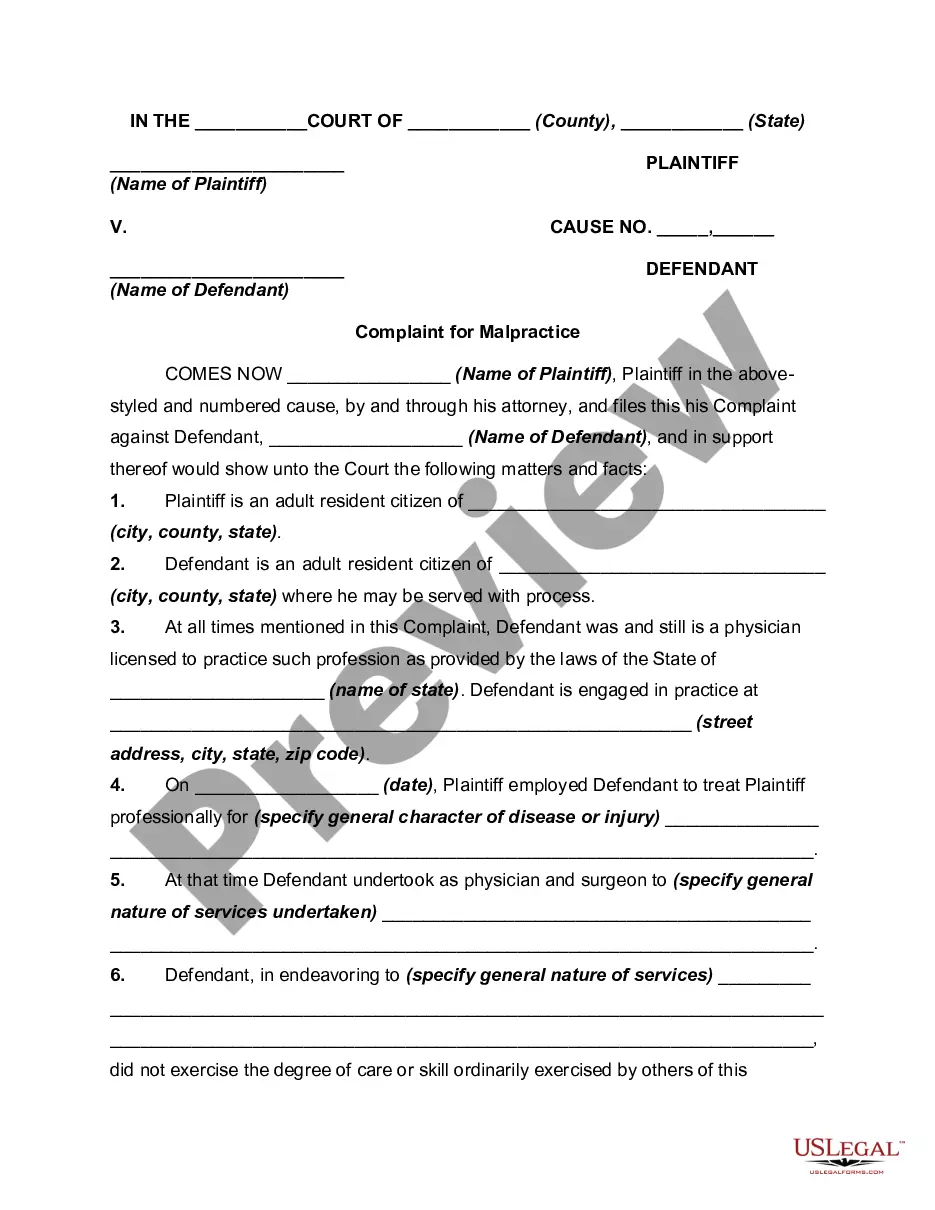
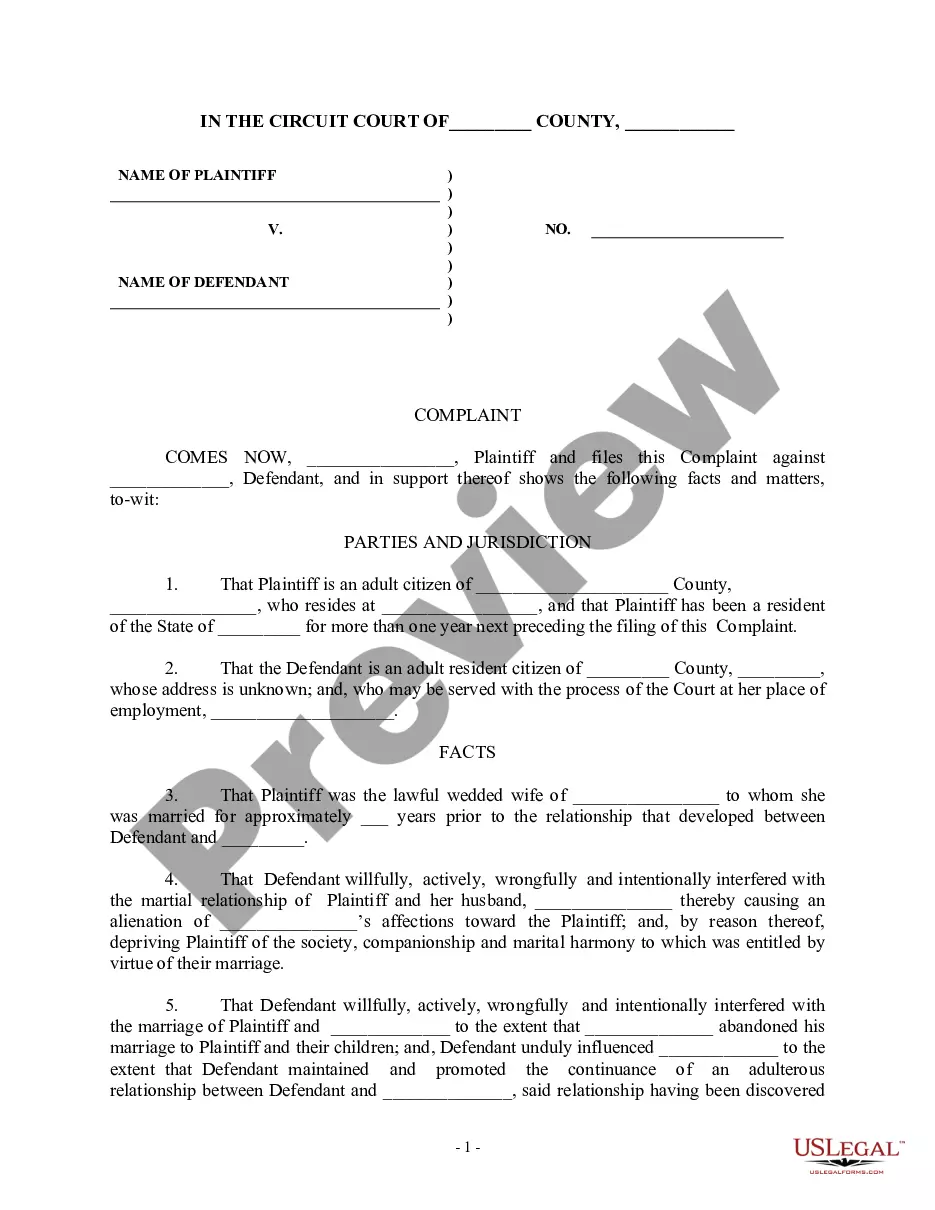
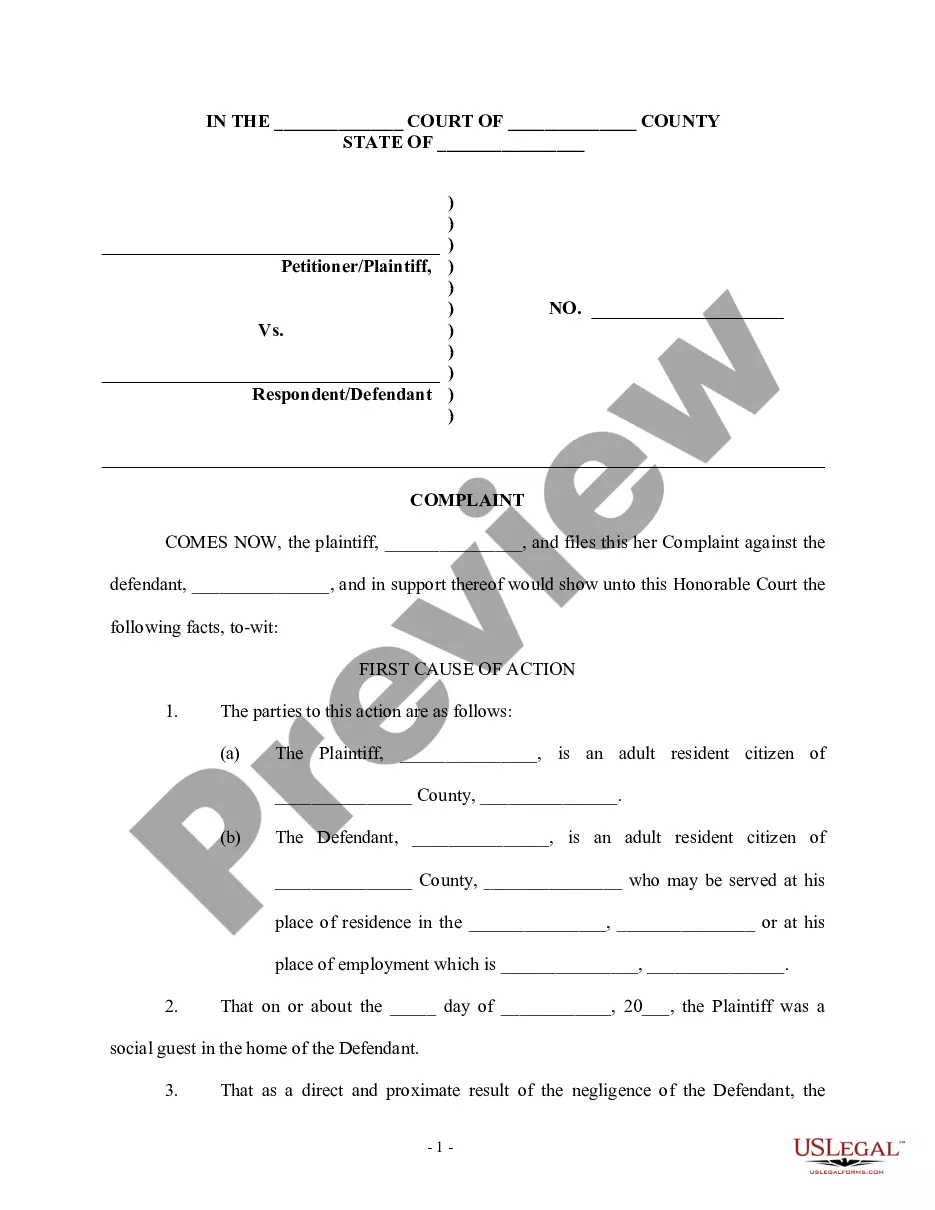
Get your form ready online
Our built-in tools help you complete, sign, share, and store your documents in one place.
Make edits, fill in missing information, and update formatting in US Legal Forms—just like you would in MS Word.
Download a copy, print it, send it by email, or mail it via USPS—whatever works best for your next step.
Sign and collect signatures with our SignNow integration. Send to multiple recipients, set reminders, and more. Go Premium to unlock E-Sign.
If this form requires notarization, complete it online through a secure video call—no need to meet a notary in person or wait for an appointment.
We protect your documents and personal data by following strict security and privacy standards.

Make edits, fill in missing information, and update formatting in US Legal Forms—just like you would in MS Word.

Download a copy, print it, send it by email, or mail it via USPS—whatever works best for your next step.

Sign and collect signatures with our SignNow integration. Send to multiple recipients, set reminders, and more. Go Premium to unlock E-Sign.

If this form requires notarization, complete it online through a secure video call—no need to meet a notary in person or wait for an appointment.

We protect your documents and personal data by following strict security and privacy standards.
Looking for another form?
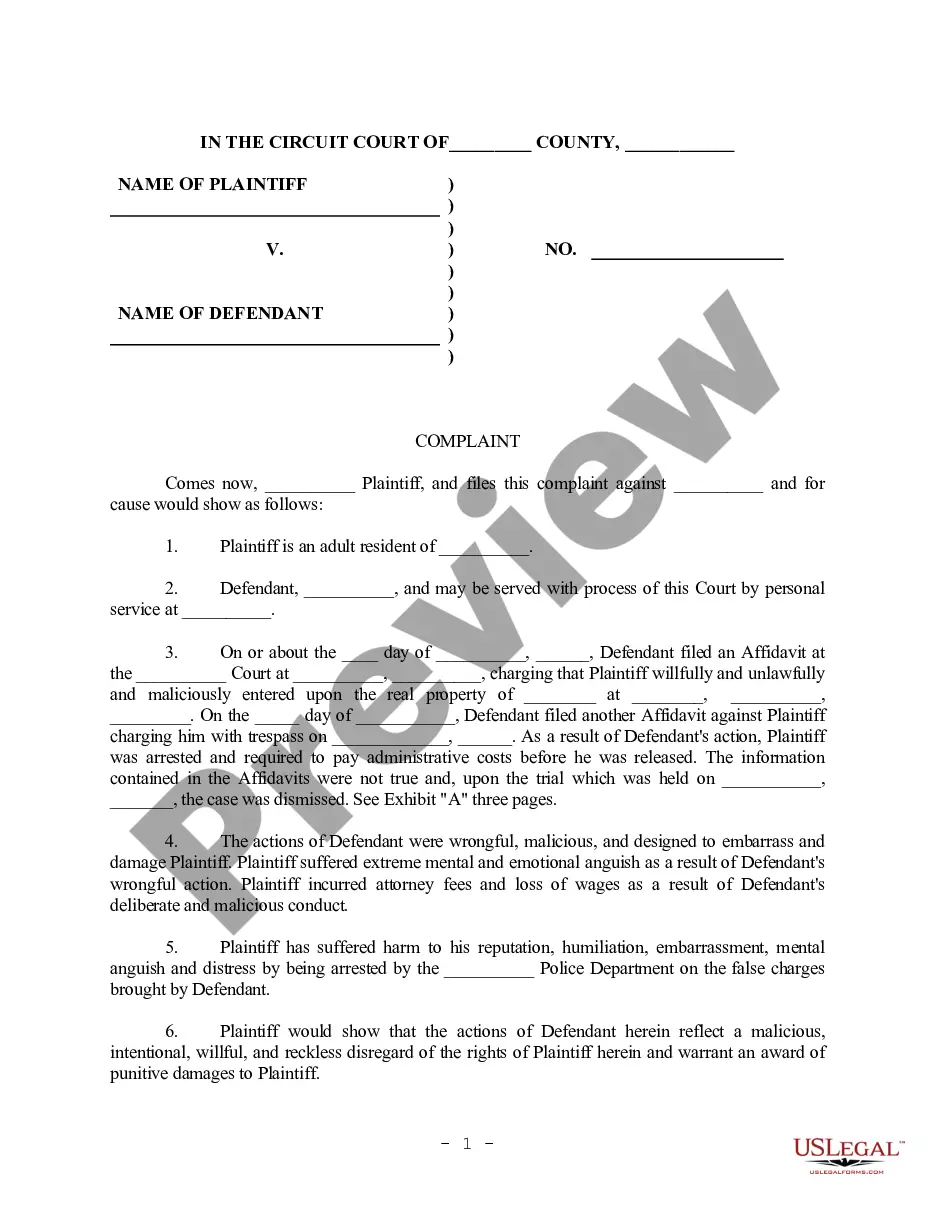
How to fill out Complaint For Malicious Prosecution?
It's clear that you cannot turn into a legal specialist instantly, nor can you learn how to swiftly draft Malicious Prosecution Claims Format without the necessity of a specialized background.
Producing legal documents is a lengthy process that demands specific education and expertise.
So why not entrust the creation of the Malicious Prosecution Claims Format to the professionals.
You can regain access to your forms from the My documents tab at any time.
If you’re an existing customer, you can simply Log In, and find and download the template from the same tab. Regardless of the purpose of your forms—whether they are financial, legal, or personal—our website has you covered. Try US Legal Forms today!
- Find the document you require using the search bar at the top of the webpage.
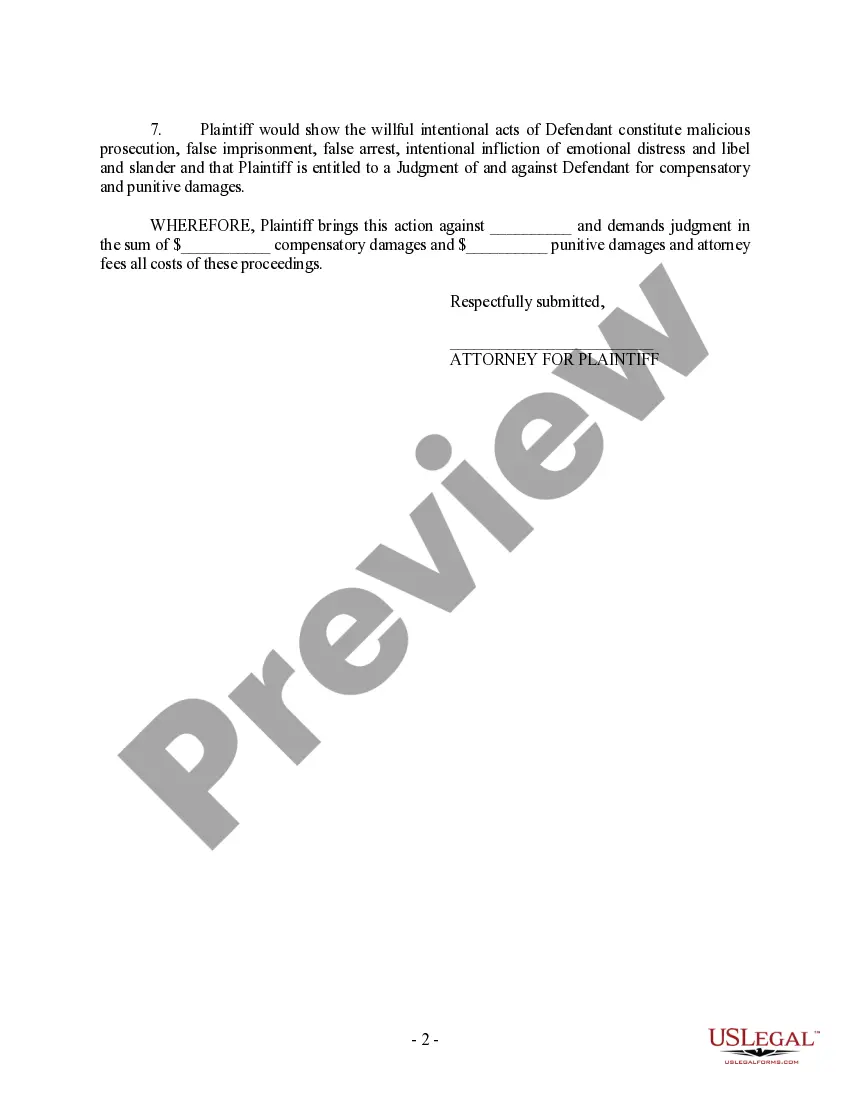
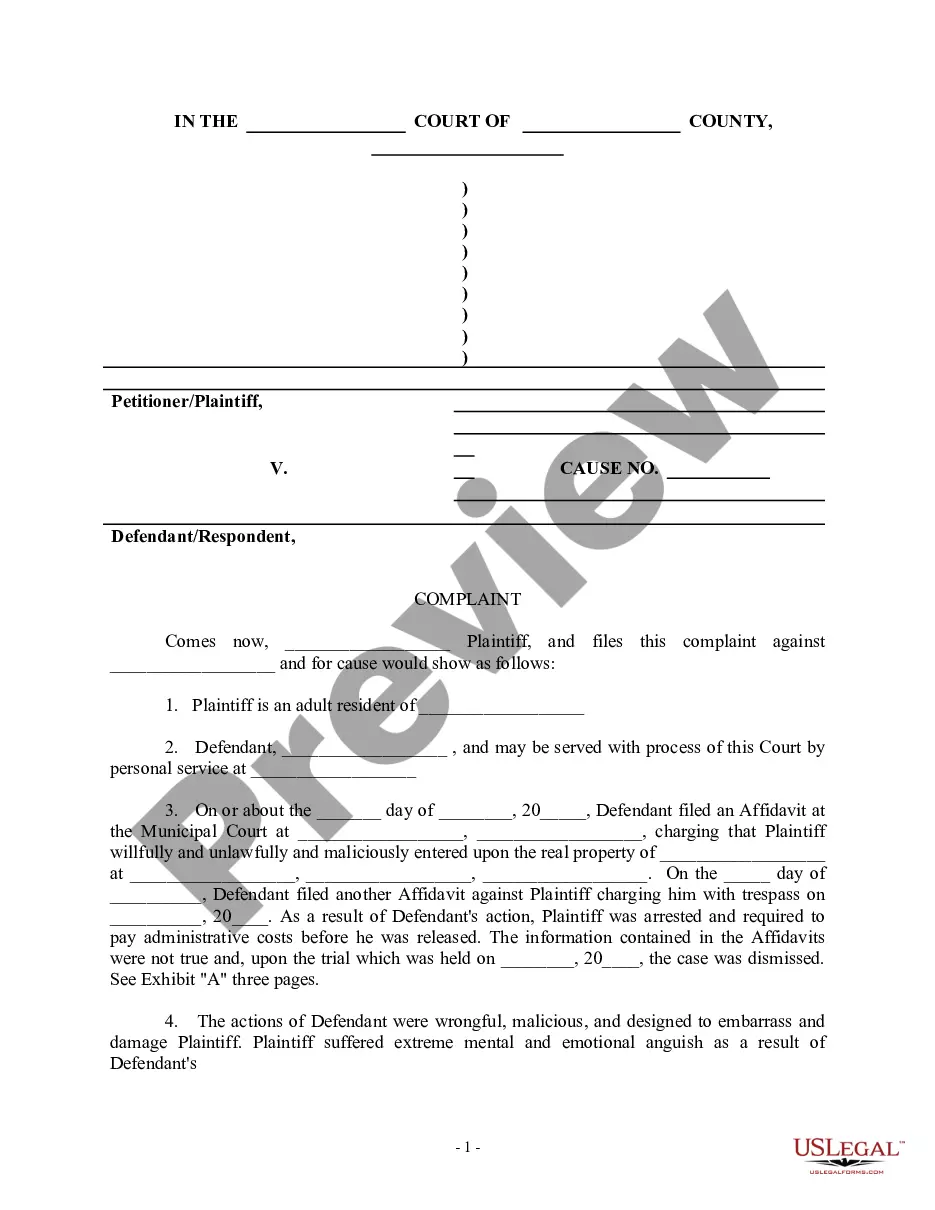
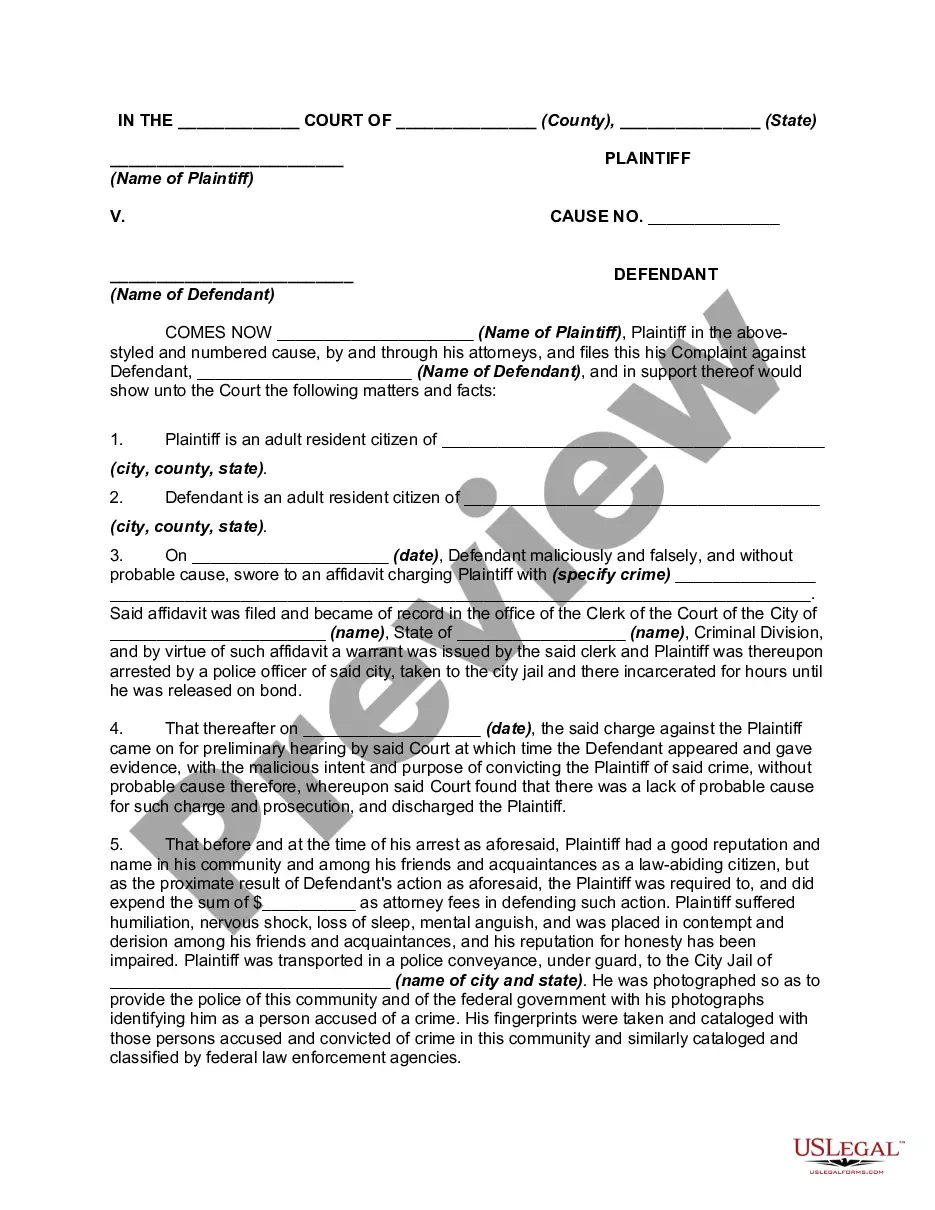
- Preview it (if this option is available) and review the accompanying description to determine if Malicious Prosecution Claims Format is what you are looking for.
- Begin your search anew if you need a different template.
- Create a complimentary account and choose a subscription plan to purchase the template.
- Select Buy now. Once the transaction is completed, you can obtain the Malicious Prosecution Claims Format, complete it, print it, and send or post it to the required individuals or organizations.
Form popularity
FAQ
Proving malicious prosecution can be challenging, particularly under malicious prosecution claims format, as it requires meeting specific legal criteria. You must establish that the prior legal action lacked probable cause and was motivated by malice. This demands a thorough understanding of legal standards and sufficient evidence. The right legal assistance can help streamline this process and strengthen your case against potential obstacles.
Damages awarded in malicious prosecution claims format can encompass a range of areas, including compensation for lost income, emotional suffering, and legal expenses. Courts recognize that wrongful prosecution can lead to significant financial and personal hardships. You may also receive punitive damages if the conduct of the defendant was especially egregious. It’s important to discuss potential damages with a qualified attorney to understand what you might be entitled to.
To establish malice within malicious prosecution claims format, various types of evidence can be presented. This may include communications that reflect intent, witness testimonies, and the absence of probable cause in the initial prosecution. Documentation proving the opposing party's awareness of the lack of merit can significantly strengthen your position. Legal guidance can help you navigate the complexities of presenting this evidence.
In the context of malicious prosecution claims format, the burden of proof typically lies with the plaintiff, or the person filing the suit. This means you must demonstrate that the prosecution was initiated without probable cause and with malicious intent. Gathering substantial evidence to support your claims is vital. Utilizing platforms like uslegalforms can provide necessary resources to build a strong case.
When considering malicious prosecution claims format, a fair amount for pain and suffering often reflects the emotional toll and life disruption caused by the wrongful prosecution. Many factors, such as severity and duration of distress, play a role in calculating this figure. It helps to have well-documented evidence of how the experience has affected your life. Engaging with legal experts can further clarify your options and optimize your claim.
The amount you can sue for in malicious prosecution claims format often varies based on the specifics of your case. Generally, damages can include compensation for emotional distress, lost wages, and legal fees. It's crucial to assess both economic and non-economic damages to come up with an appropriate amount. Consulting an experienced attorney can help you determine a fair figure tailored to your situation.
Winning a malicious prosecution lawsuit hinges on proving that the original case lacked probable cause. You also need to show that the previous claims were filed out of malice or without sufficient evidence. Thorough documentation and a solid understanding of the malicious prosecution claims format will greatly aid in presenting a strong case. Utilizing experts or resources from US Legal Forms can significantly enhance your approach.
Filling out a statement of claim regarding malicious prosecution requires clear and concise information. Start by detailing the facts of your case, including the events leading to the original lawsuit. Next, include how the claims were unfounded and caused you harm. Make sure to follow the malicious prosecution claims format to ensure all necessary components are addressed.
The standard of proof for malicious prosecution typically requires you to establish your case by a preponderance of evidence. This means you should provide sufficient evidence to show that it's more likely than not that your claims are valid. Understanding this standard within the malicious prosecution claims format can clarify your path forward in legal proceedings. Engaging with experienced legal resources can further enhance your chances of success.
To prove malicious prosecution, you must demonstrate several key elements outlined in the malicious prosecution claims format. This includes showing that the original prosecution lacked probable cause, that the case was resolved in your favor, and that the prosecuting party acted with malice. Collecting relevant evidence and maintaining detailed records will strengthen your claim. Consulting with a legal professional can help you ensure you meet all required criteria.