Request Response With Mqtt
Description




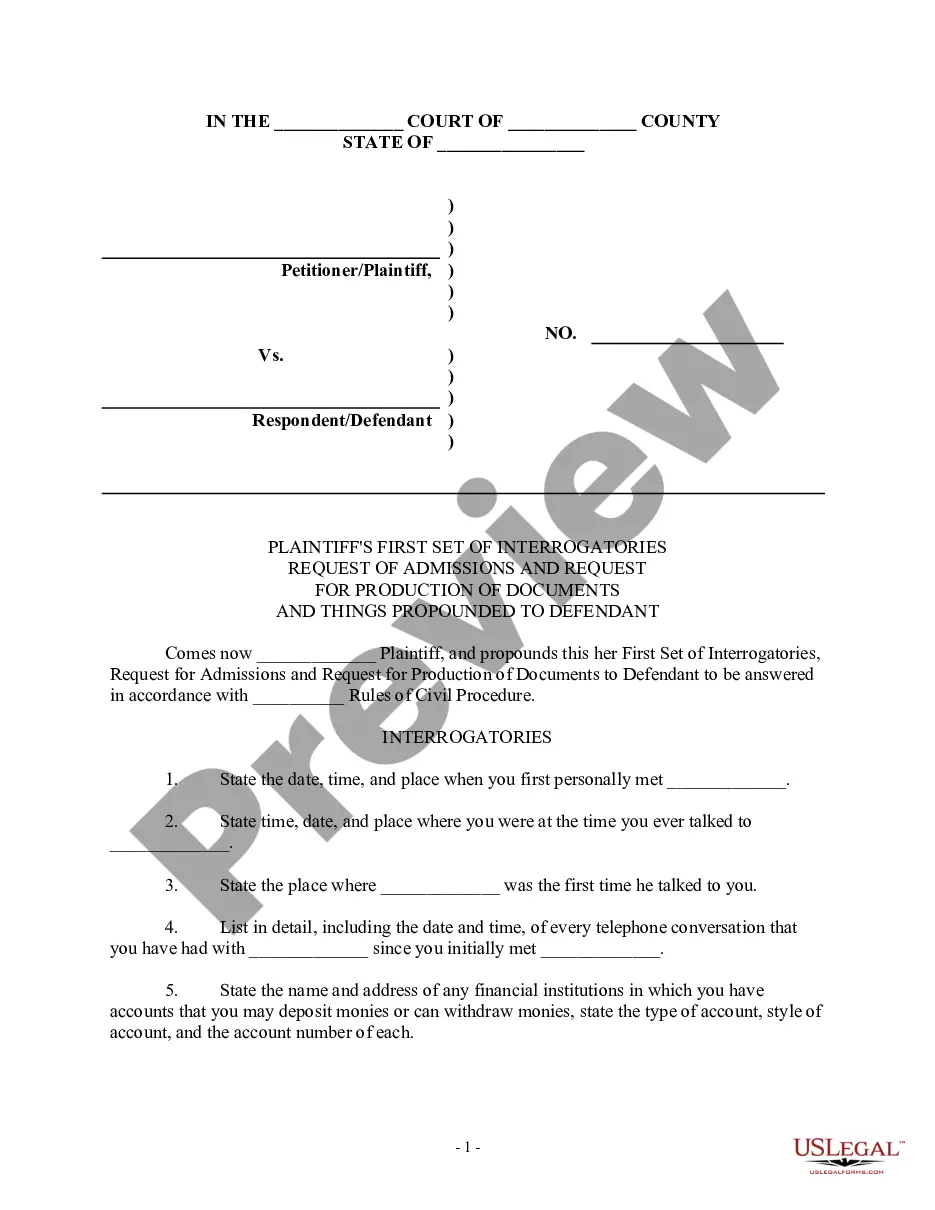
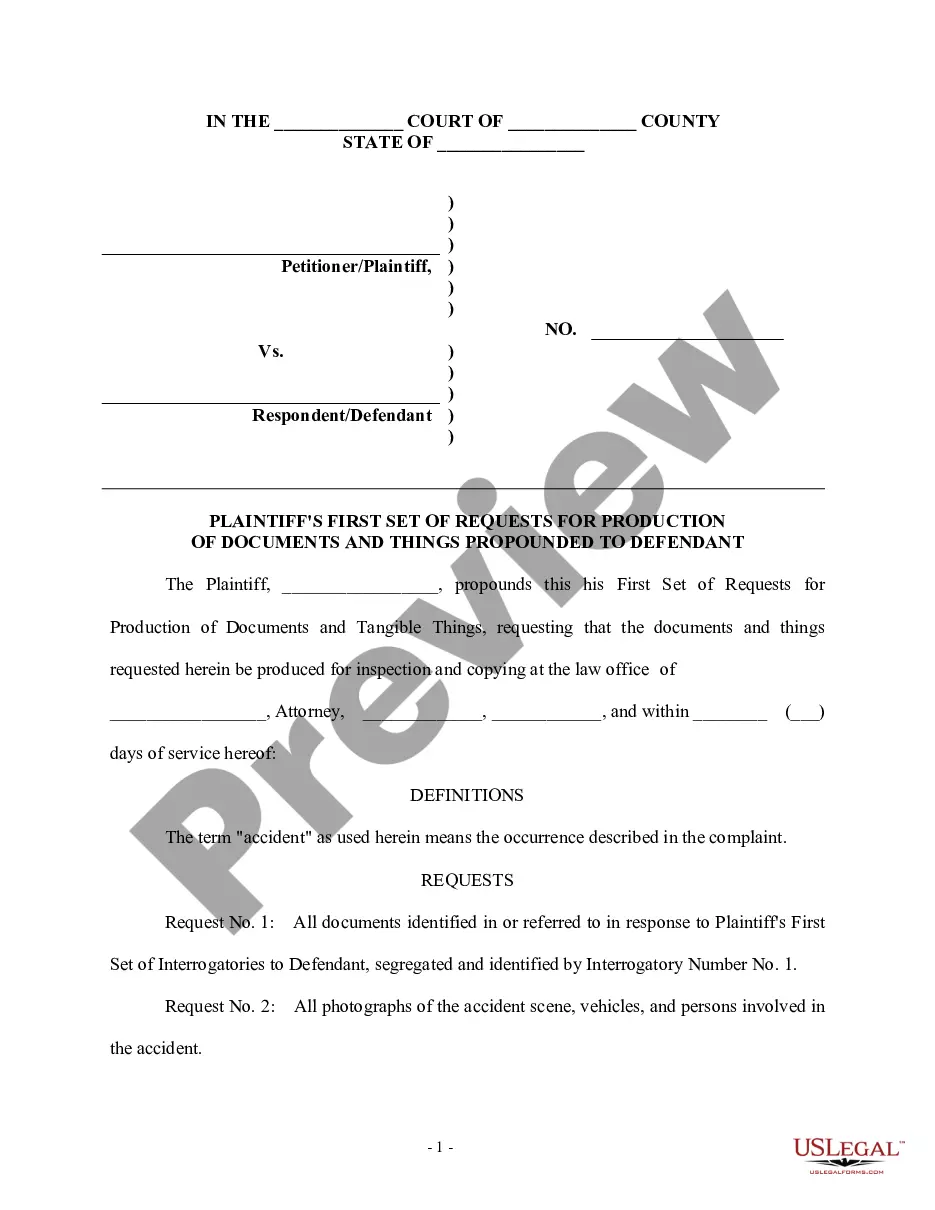


Get your form ready online
Our built-in tools help you complete, sign, share, and store your documents in one place.
Make edits, fill in missing information, and update formatting in US Legal Forms—just like you would in MS Word.
Download a copy, print it, send it by email, or mail it via USPS—whatever works best for your next step.
Sign and collect signatures with our SignNow integration. Send to multiple recipients, set reminders, and more. Go Premium to unlock E-Sign.
If this form requires notarization, complete it online through a secure video call—no need to meet a notary in person or wait for an appointment.
We protect your documents and personal data by following strict security and privacy standards.

Make edits, fill in missing information, and update formatting in US Legal Forms—just like you would in MS Word.

Download a copy, print it, send it by email, or mail it via USPS—whatever works best for your next step.

Sign and collect signatures with our SignNow integration. Send to multiple recipients, set reminders, and more. Go Premium to unlock E-Sign.

If this form requires notarization, complete it online through a secure video call—no need to meet a notary in person or wait for an appointment.

We protect your documents and personal data by following strict security and privacy standards.
Looking for another form?

How to fill out Responses To Defendant's First Request For Production To Plaintiff?
The Request Response With Mqtt presented on this page is a versatile legal template crafted by experienced attorneys in line with federal and local laws.
For over 25 years, US Legal Forms has supplied individuals, companies, and lawyers with more than 85,000 validated, state-specific forms for any business and personal circumstances. It’s the quickest, most direct, and most dependable method to acquire the documents you require, as the service ensures the utmost level of data protection and anti-malware security.
Register for US Legal Forms to access verified legal templates for every situation in life.
- Browse for the document you need and review it.
- Choose the subscription plan that fits you and set up an account.
- Select the format you prefer for your Request Response With Mqtt (PDF, DOCX, RTF) and download the document to your device.
- Complete and sign the document.
- Make use of the same document again whenever required.
Form popularity
FAQ
The four stages of MQTT include connection, subscription, publishing, and disconnection. During the connection stage, the client establishes a link with the broker. Next, subscribing allows the client to receive messages from specific topics. Finally, publishing sends messages to those topics, completing the communication cycle. Understanding these stages can significantly enhance your ability to request response with MQTT effectively.
You can check MQTT messages by using a client tool that connects to the broker and subscribes to relevant topics. Many tools provide features to monitor incoming messages and display them in real time. Additionally, logging features within your applications can help you keep track of message flow. This is particularly useful when you need to request response with MQTT to troubleshoot or analyze data.
To get data from MQTT, you need to subscribe to a topic that the data is published to. Once subscribed, your client will receive messages according to the defined QoS level. Always ensure that your client is properly connected to the broker for seamless data retrieval. This process is crucial when you want to request response with MQTT for real-time data updates.
MQTT can save messages depending on the Quality of Service (QoS) level you choose. With QoS 1 and 2, messages can be retained until they are successfully received by the subscriber. If you need reliable messaging, using the right QoS settings for your applications is essential. Consider exploring how to effectively request response with MQTT to enhance message management.
To send a message to an MQTT server, start by connecting your MQTT client to the server. Once connected, you can publish messages to specific topics. Ensure that your message payload is formatted correctly, such as in JSON, to facilitate seamless communication. This process supports a reliable request response with MQTT.
The best way to share JSON files is to use an API or messaging protocol like MQTT. By publishing your JSON data to a topic, you can ensure that it reaches all subscribed clients efficiently. This method allows for real-time data sharing and reduces the overhead associated with traditional file transfer methods. Therefore, you can effectively request response with MQTT while sharing JSON.
Yes, MQTT includes an acknowledgment feature through its Quality of Service (QoS) levels. These levels determine how messages are sent and confirmed between the client and broker. Depending on your selected QoS level, you can ensure that messages are received, enhancing the reliability of your communication. This is crucial for achieving a consistent request response with MQTT.
To send data over MQTT, you must connect to an MQTT broker using an MQTT client. After establishing a connection, you can publish messages to specific topics. Ensure that your data is formatted correctly, such as in JSON, to enhance compatibility. This method facilitates effective request response with MQTT.
Absolutely, sending JSON over MQTT is a common practice. This format allows for easy data representation and is widely supported. You can structure your data as a JSON object and publish it to your MQTT broker. This makes it simple to request response with MQTT using JSON.
To process MQTT messages, first, subscribe to the relevant topic using an MQTT client. Once subscribed, your client will receive messages published to that topic. You can then parse the message payload, whether it's JSON or another format, and execute your desired actions based on the content. This approach allows for a smooth request response with MQTT.