Request Admission Responses With Others
Description
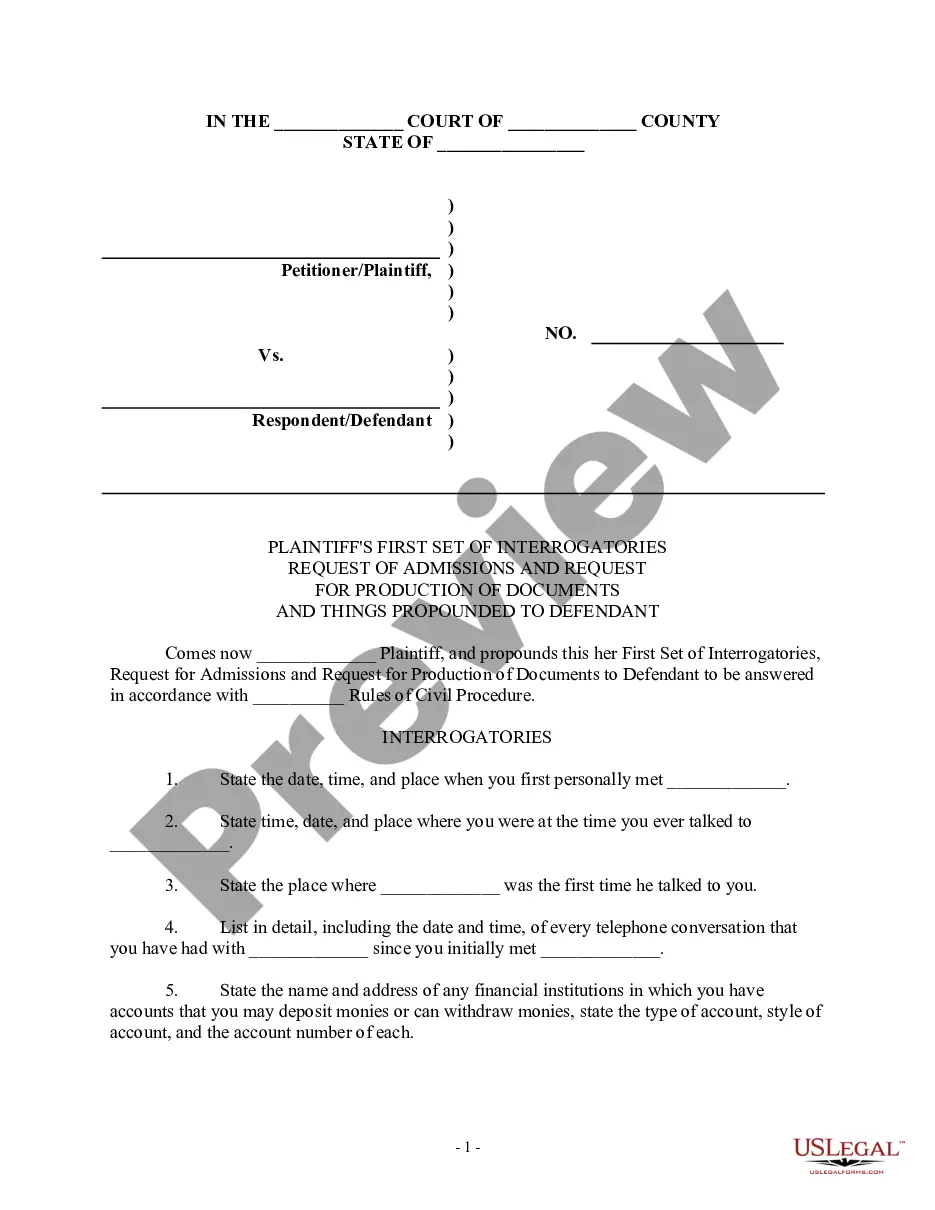
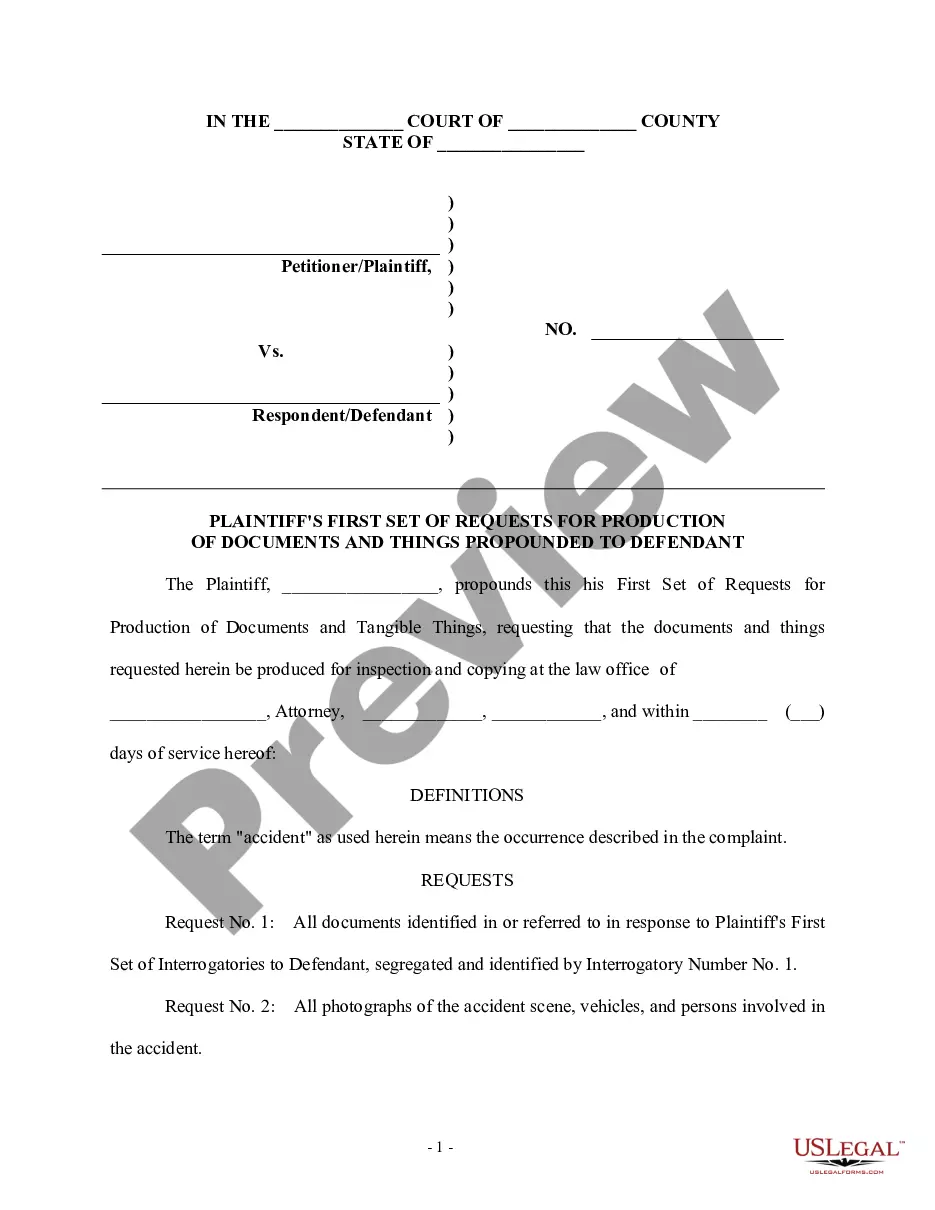
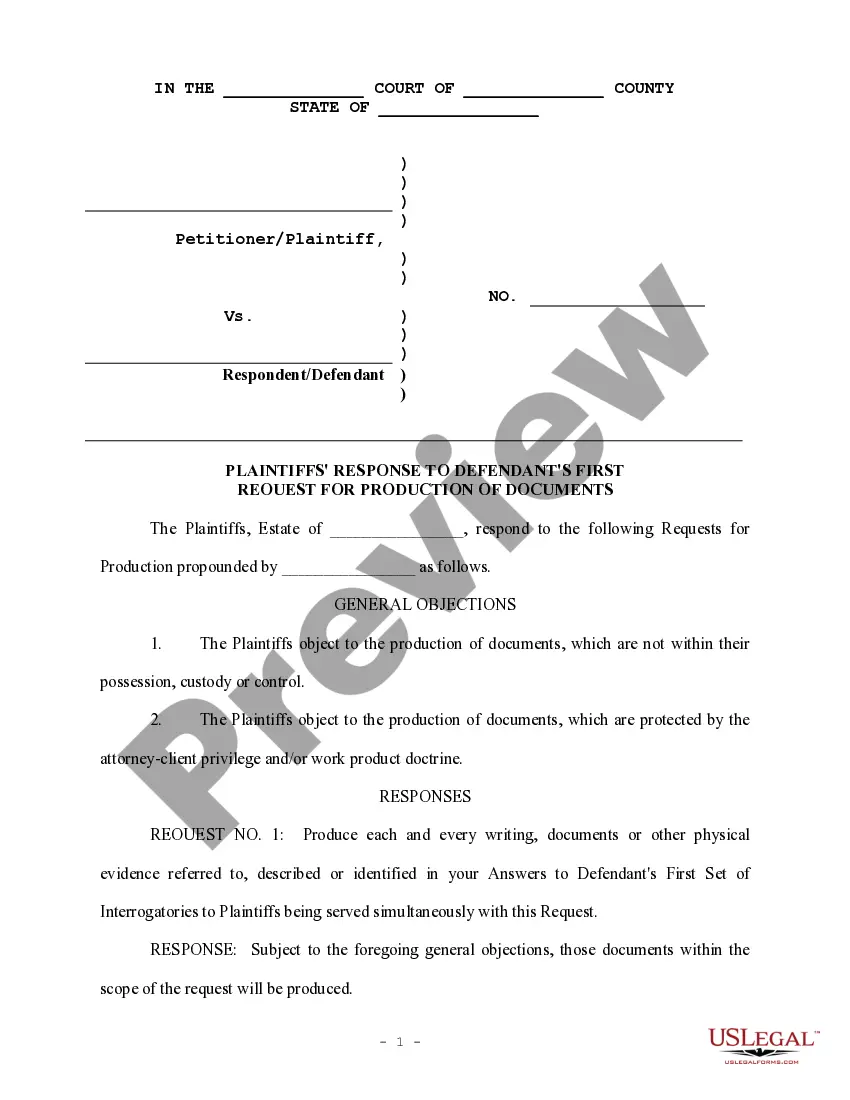

Get your form ready online
Our built-in tools help you complete, sign, share, and store your documents in one place.
Make edits, fill in missing information, and update formatting in US Legal Forms—just like you would in MS Word.
Download a copy, print it, send it by email, or mail it via USPS—whatever works best for your next step.
Sign and collect signatures with our SignNow integration. Send to multiple recipients, set reminders, and more. Go Premium to unlock E-Sign.
If this form requires notarization, complete it online through a secure video call—no need to meet a notary in person or wait for an appointment.
We protect your documents and personal data by following strict security and privacy standards.

Make edits, fill in missing information, and update formatting in US Legal Forms—just like you would in MS Word.

Download a copy, print it, send it by email, or mail it via USPS—whatever works best for your next step.

Sign and collect signatures with our SignNow integration. Send to multiple recipients, set reminders, and more. Go Premium to unlock E-Sign.

If this form requires notarization, complete it online through a secure video call—no need to meet a notary in person or wait for an appointment.

We protect your documents and personal data by following strict security and privacy standards.
Looking for another form?






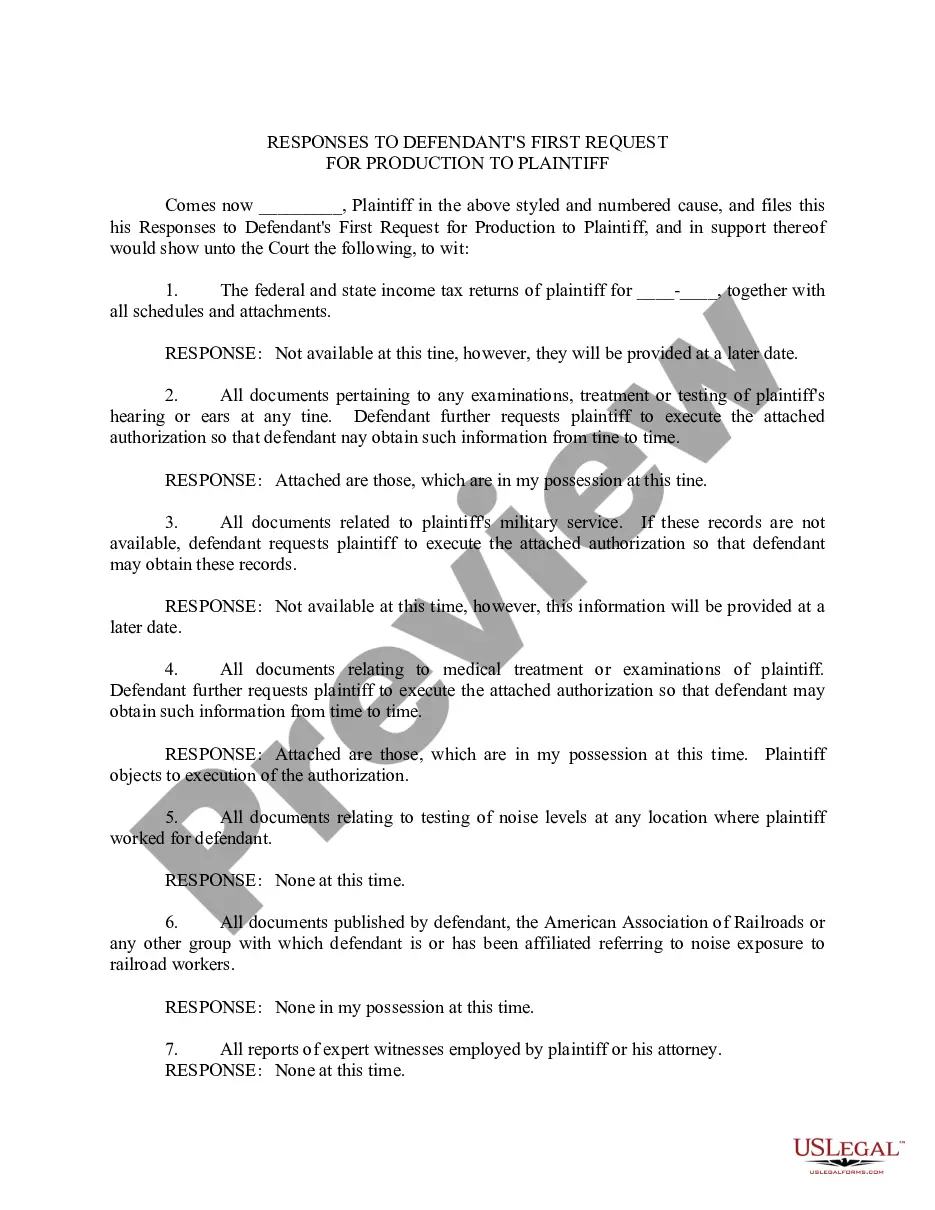
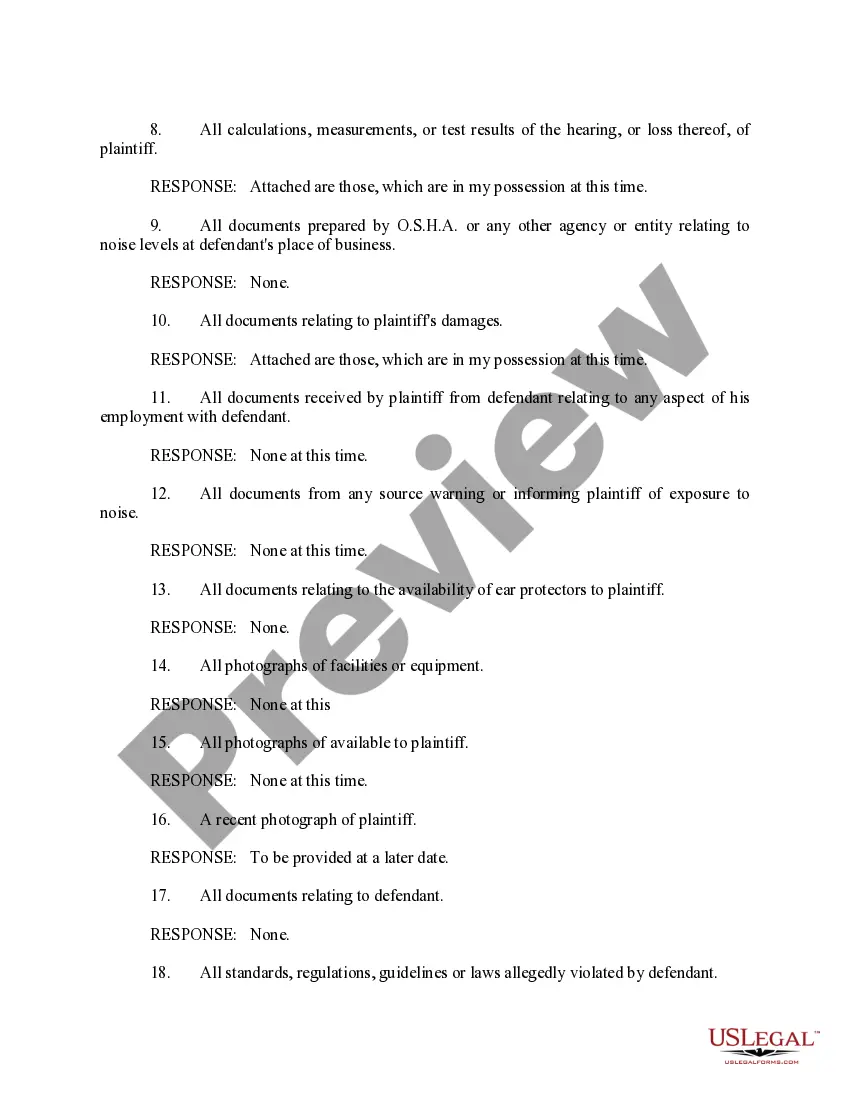
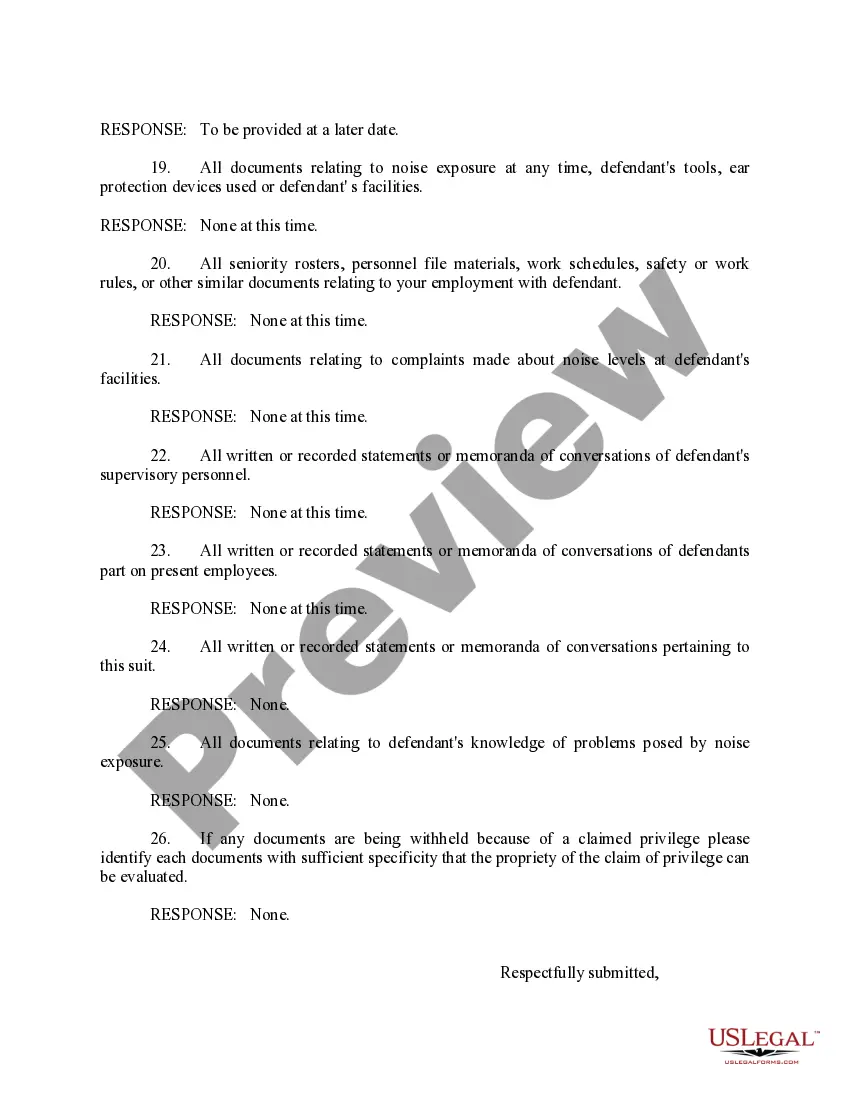
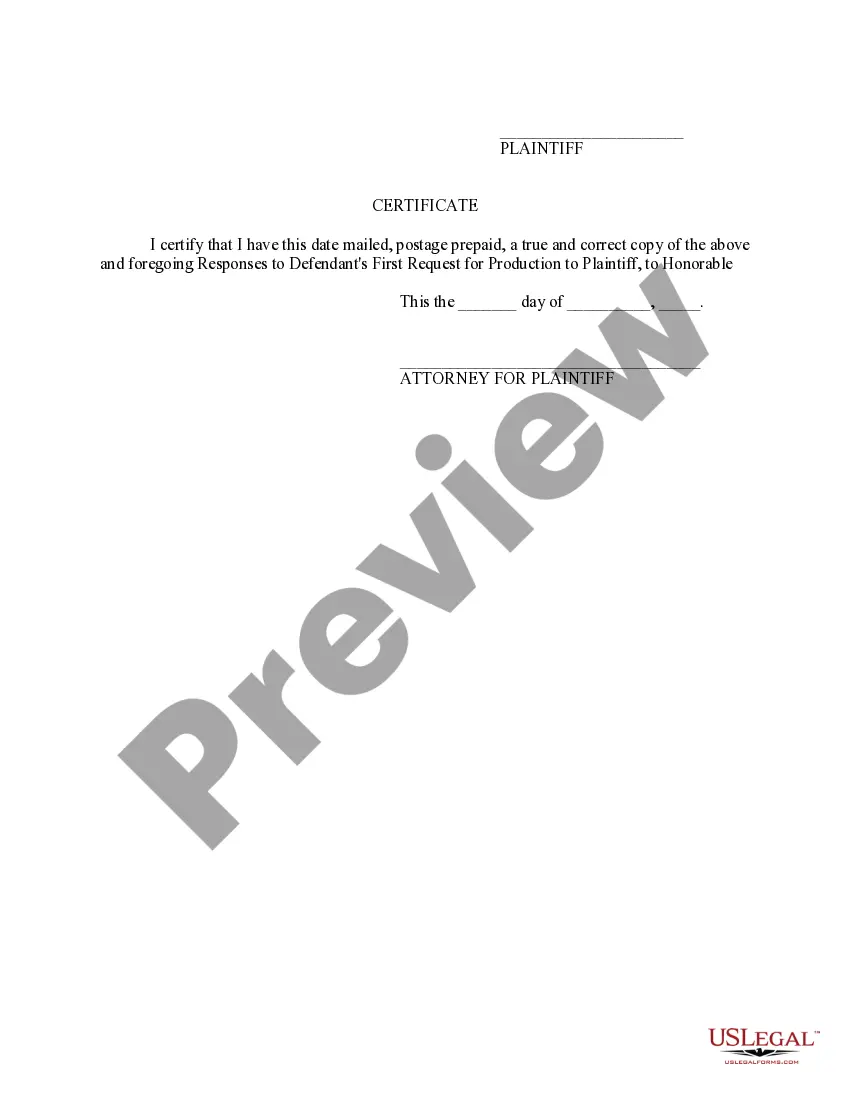
How to fill out Responses To Defendant's First Request For Production To Plaintiff?
The Request Admission Responses With Others displayed on this page is a versatile legal template crafted by expert attorneys in accordance with federal and state laws.
For over 25 years, US Legal Forms has supplied individuals, organizations, and legal experts with more than 85,000 authenticated, state-specific forms for any business and personal situation. It’s the quickest, simplest, and most dependable way to acquire the documents you require, as the service ensures bank-level data security and anti-malware safeguards.
Select the desired format for your Request Admission Responses With Others (PDF, DOCX, RTF) and download the sample to your device.
- Search for the document you require and review it.
- Browse through the file you searched and preview it or read the form description to confirm it meets your requirements. If it does not, use the search function to find the correct one. Click Buy Now once you have found the template you need.
- Subscribe and Log In.
- Choose the pricing plan that best fits you and create an account. Use PayPal or a credit card to make a swift payment. If you already possess an account, Log In and check your subscription to move forward.
- Obtain the fillable template.
Form popularity
FAQ
If you answer "Admit," you establish that you did not dispute the charges, and you would be prevented from saying that you disputed any charges at trial. You might answer ?Deny? if you did contact the plaintiff to dispute one or more of the charges. If you deny it, the plaintiff must prove this fact to the court.
2033.020. (a) A defendant may make requests for admission by a party without leave of court at any time. (b) A plaintiff may make requests for admission by a party without leave of court at any time that is 10 days after the service of the summons on, or appearance by, that party, whichever occurs first.
(a) The party to whom requests for admission have been directed shall respond in writing under oath separately to each request. (b) Each response shall answer the substance of the requested admission, or set forth an objection to the particular request.
Requests for Admissions are used to ask a party to admit or deny facts of the case, or confirm whether a document is authentic. If admitted as true or authentic, these facts and documents do not need to be proven or authenticated at trial.
Responses to Requests for Admissions The party to whom requests for admissions have been directed must respond separately to each item by admitting the truth of the statement, by denying the item, or by explaining why it cannot specifically admit or deny the item.