Petition For Withdrawal Of Funds From Blocked Account
Description

Get your form ready online
Our built-in tools help you complete, sign, share, and store your documents in one place.
Make edits, fill in missing information, and update formatting in US Legal Forms—just like you would in MS Word.
Download a copy, print it, send it by email, or mail it via USPS—whatever works best for your next step.
Sign and collect signatures with our SignNow integration. Send to multiple recipients, set reminders, and more. Go Premium to unlock E-Sign.
If this form requires notarization, complete it online through a secure video call—no need to meet a notary in person or wait for an appointment.
We protect your documents and personal data by following strict security and privacy standards.

Make edits, fill in missing information, and update formatting in US Legal Forms—just like you would in MS Word.

Download a copy, print it, send it by email, or mail it via USPS—whatever works best for your next step.

Sign and collect signatures with our SignNow integration. Send to multiple recipients, set reminders, and more. Go Premium to unlock E-Sign.

If this form requires notarization, complete it online through a secure video call—no need to meet a notary in person or wait for an appointment.

We protect your documents and personal data by following strict security and privacy standards.
Looking for another form?
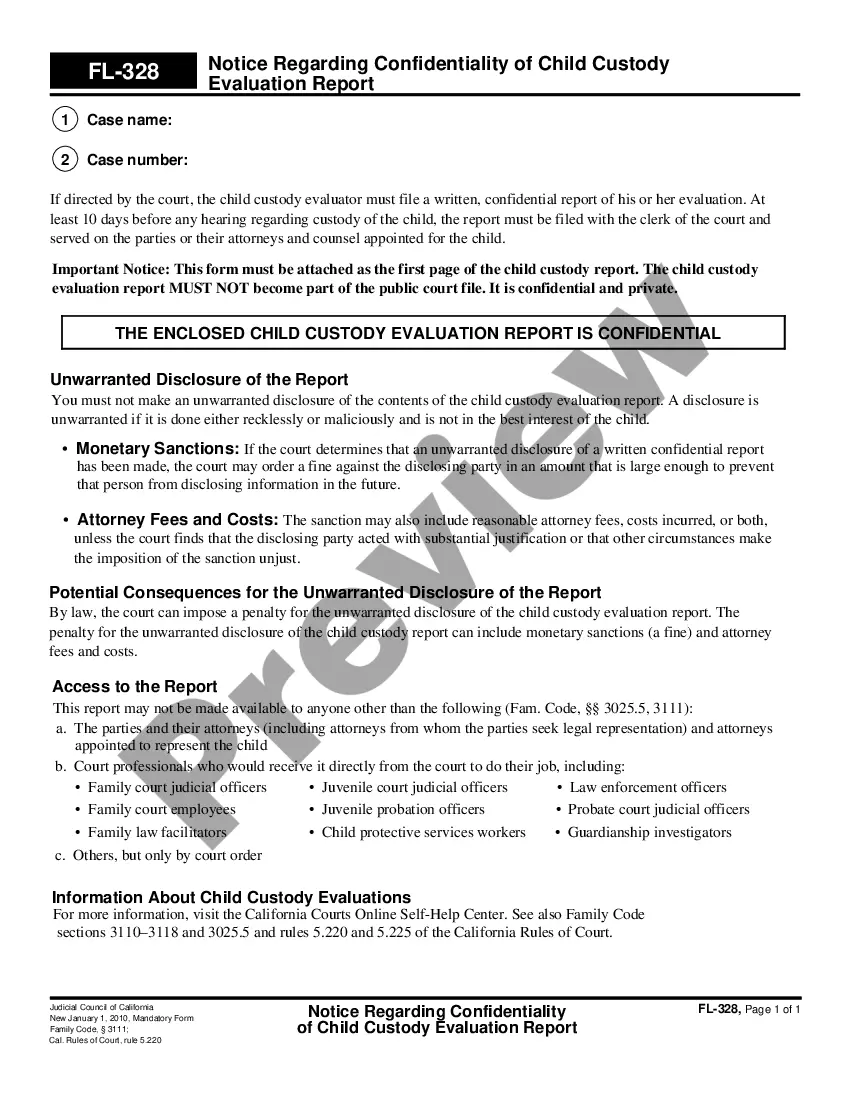
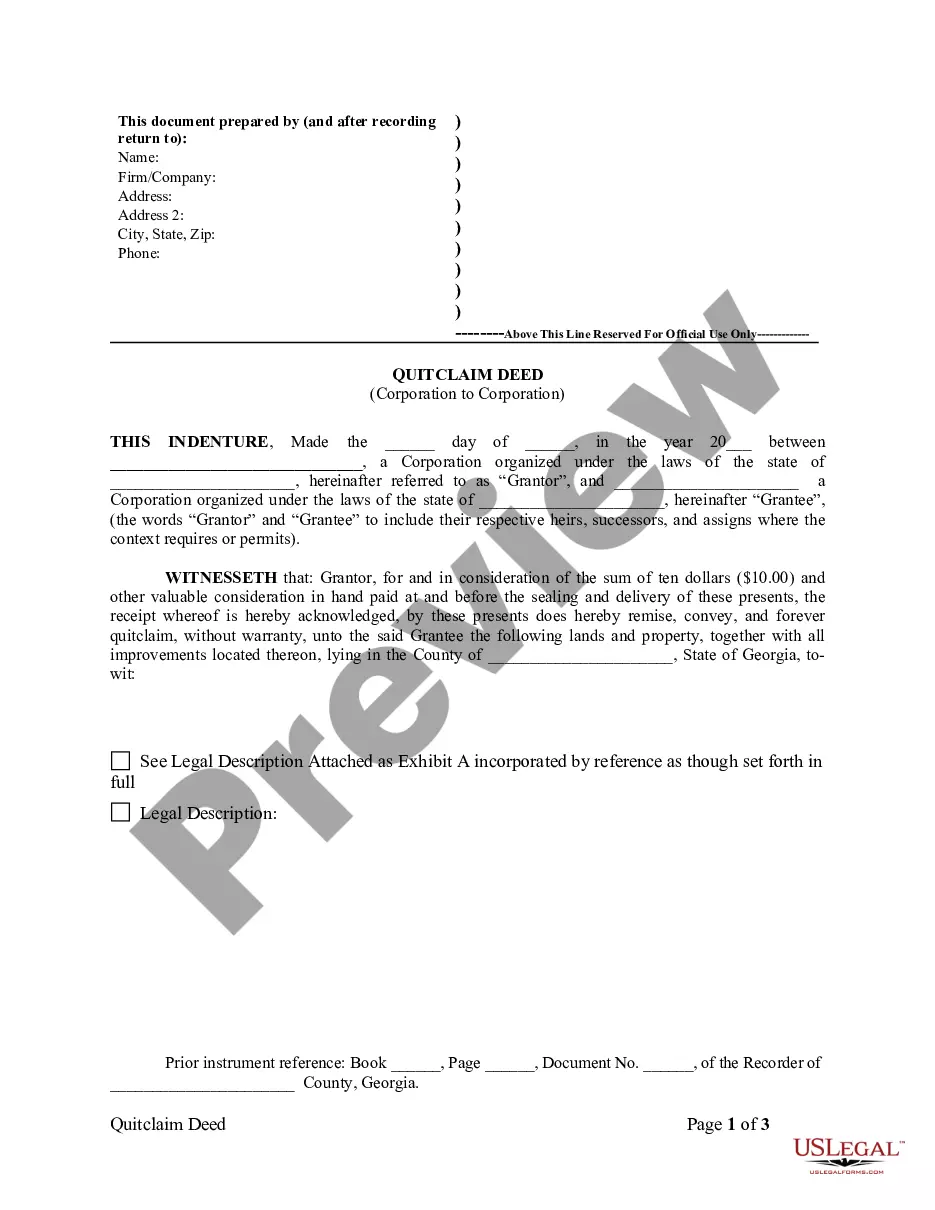
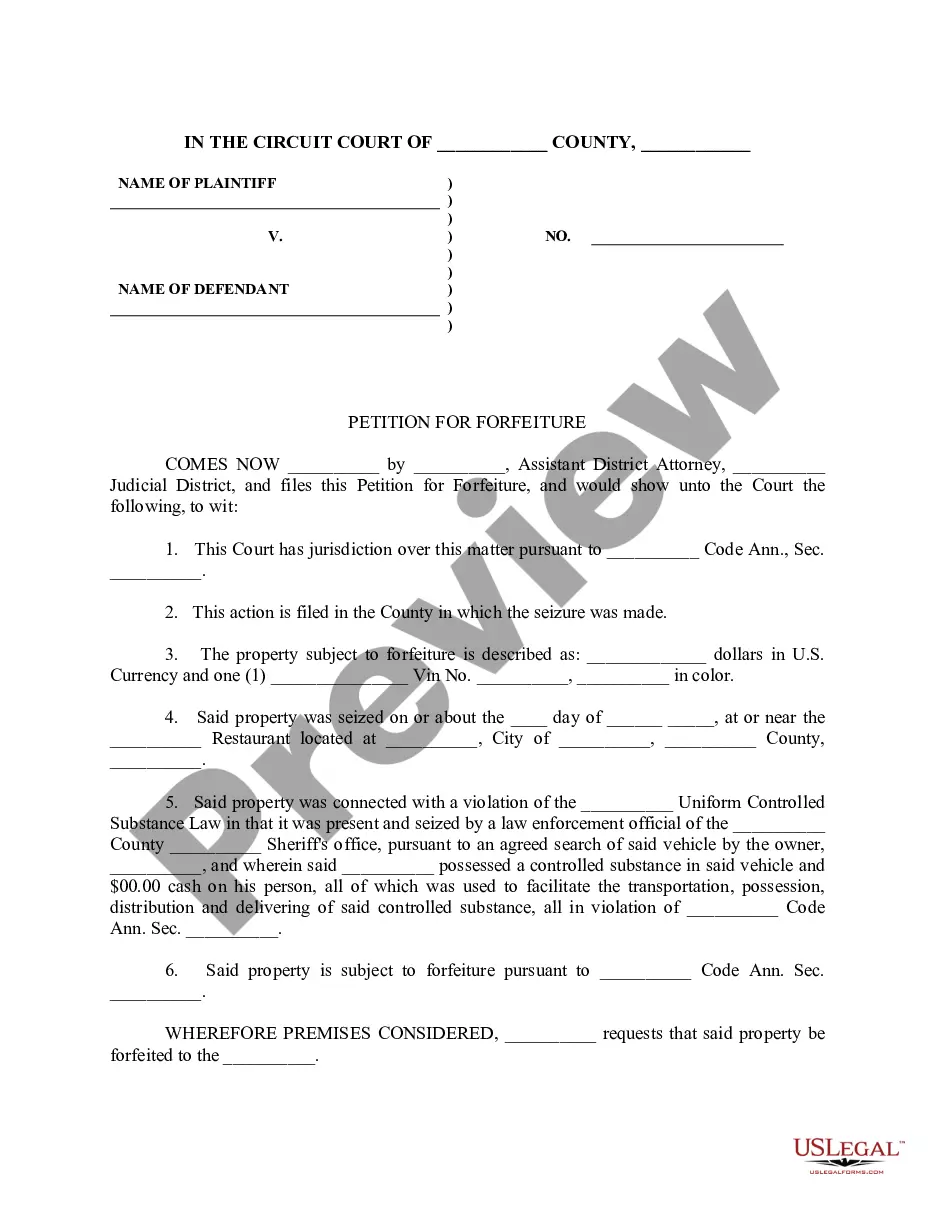
How to fill out Petition For Forfeiture?
Regardless of whether for corporate goals or personal matters, everyone must confront legal circumstances at some stage of their existence.
Filling out legal documents requires meticulous focus, starting with selecting the appropriate form template.
With a comprehensive US Legal Forms catalog available, there is no need to waste time searching for the right sample online. Use the library's straightforward navigation to find the suitable template for any scenario.
- Search for the sample you require using the search box or the catalog browsing.
- Review the description of the form to ensure it aligns with your circumstances, state, and county.
- Click on the form's preview to inspect it.
- If it is the incorrect document, return to the search feature to find the Petition For Withdrawal Of Funds From Blocked Account template you seek.
- Download the document if it fulfills your requirements.
- If you possess a US Legal Forms account, simply click Log in to access previously stored templates in My documents.
- If you do not have an account yet, obtain the form by clicking Buy now.
- Select the correct pricing option.
- Fill out the account sign-up form.
- Choose your payment method: utilize a credit card or PayPal account.
- Select the file format you require and download the Petition For Withdrawal Of Funds From Blocked Account.
- Once downloaded, you can fill out the form using editing software or print it and complete it by hand.
Form popularity
FAQ
A withdrawal petition is a request made formally to retract a previous petition. In the context of a petition for withdrawal of funds from a blocked account, this document serves to inform the court of your desire to remove your request for those funds. Filing a withdrawal petition may be necessary due to changed circumstances or personal decisions. Understanding this process can be vital when navigating legal systems, and platforms like U.S. Legal Forms can help streamline the necessary paperwork.
When you withdraw an immigration petition, it effectively cancels your request for immigration benefits, whether for a visa, adjustment of status, or other purposes. This action can have significant implications, including affecting your eligibility for future benefits. If your withdrawal relates to a petition for withdrawal of funds from a blocked account, it might have further financial implications. It's advisable to seek legal advice to fully understand the consequences of this withdrawal.
A notice of withdrawal of petition is a formal document that indicates a petitioner’s intent to retract a previously filed petition, such as a petition for withdrawal of funds from a blocked account. This notice alerts the court and all involved parties about the decision to withdraw. When you submit this notice, it helps to ensure that your legal matters are updated accurately in the court's records. Being clear about this intent can prevent misunderstandings in legal transactions.
Yes, a petitioner can withdraw a petition at any stage of the process, including a petition for withdrawal of funds from a blocked account. This means you can decide to discontinue your request if it's no longer in your best interest. However, it's essential to understand any consequences this might have on your case before making a decision. Consulting with legal services can provide clarity on how this action affects your situation.
In court terms, a withdrawal refers to the act of a party retracting a motion, petition, or legal filing. When you file a petition for withdrawal of funds from a blocked account, you can initiate a withdrawal to formally remove that request from consideration. This action may occur for various reasons, including changes in circumstances or reconsidering legal strategies. Understanding the implications of withdrawal is crucial to manage your legal matters effectively.
When a bank account is blocked, the account holder loses access to withdraw funds or make transactions. This action can prevent unauthorized access to the funds, often due to legal actions, debt collection, or disputes. If you find yourself in this situation, you may consider filing a petition for withdrawal of funds from blocked account to regain access. At US Legal Forms, we provide the necessary tools and resources to help you navigate this process effectively.
To withdraw funds from a blocked account, you should first file a Petition for withdrawal of funds from blocked account with the appropriate court. This petition should detail why you need to access the funds and provide relevant documentation. After the court reviews your petition, they will either grant or deny your request. If granted, you will receive instructions on how to proceed with the withdrawal.
A blocked account means that the funds within it cannot be accessed due to legal restrictions. This often occurs due to estate proceedings or other legal considerations. The process to access these funds usually requires a Petition for withdrawal of funds from blocked account, where you request a court's approval to regain access.
A blocked account in probate is a financial account that prohibits transactions until the probate process is complete. This measure secures the estate's assets, protecting them from premature distribution. To access these funds, you must submit a Petition for withdrawal of funds from blocked account, which will be reviewed by the probate court.
A probate court may require a blocked account to protect assets during the estate administration process. This is often done to prevent mismanagement or unauthorized access to funds. Filing a Petition for withdrawal of funds from blocked account allows heirs to access funds while ensuring compliance with the court's requirements.