Types Of Protection Orders
Description
Get your form ready online
Our built-in tools help you complete, sign, share, and store your documents in one place.
Make edits, fill in missing information, and update formatting in US Legal Forms—just like you would in MS Word.
Download a copy, print it, send it by email, or mail it via USPS—whatever works best for your next step.
Sign and collect signatures with our SignNow integration. Send to multiple recipients, set reminders, and more. Go Premium to unlock E-Sign.
If this form requires notarization, complete it online through a secure video call—no need to meet a notary in person or wait for an appointment.
We protect your documents and personal data by following strict security and privacy standards.

Make edits, fill in missing information, and update formatting in US Legal Forms—just like you would in MS Word.

Download a copy, print it, send it by email, or mail it via USPS—whatever works best for your next step.

Sign and collect signatures with our SignNow integration. Send to multiple recipients, set reminders, and more. Go Premium to unlock E-Sign.

If this form requires notarization, complete it online through a secure video call—no need to meet a notary in person or wait for an appointment.

We protect your documents and personal data by following strict security and privacy standards.
Looking for another form?


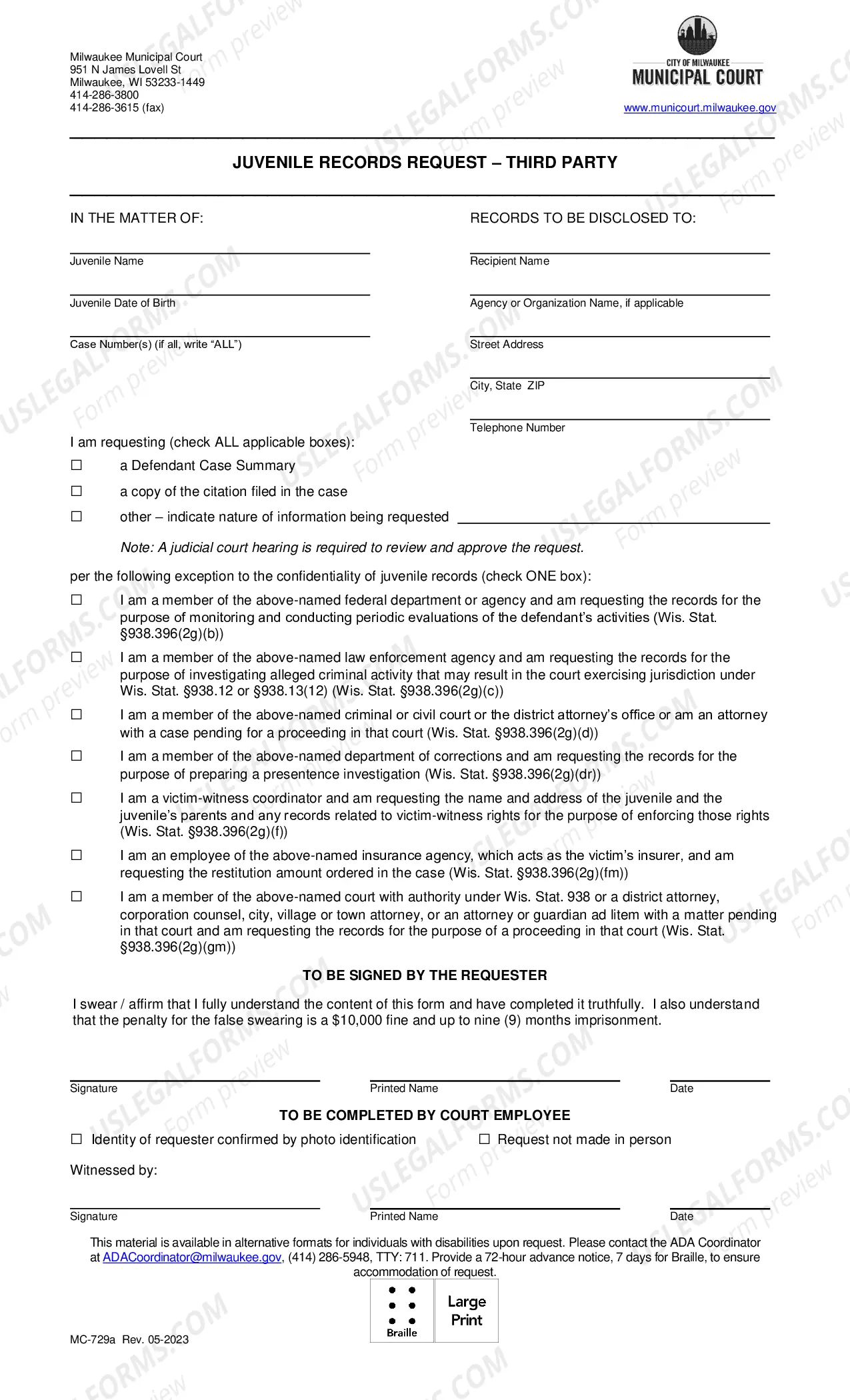
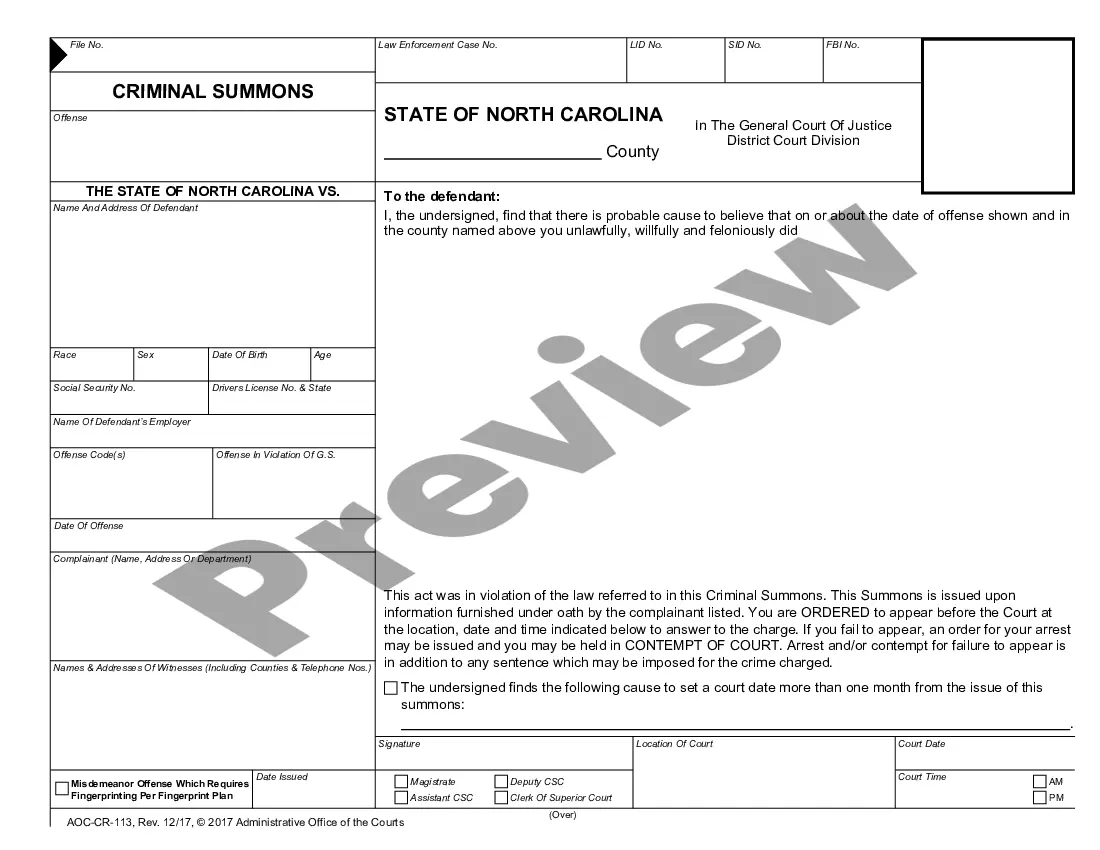



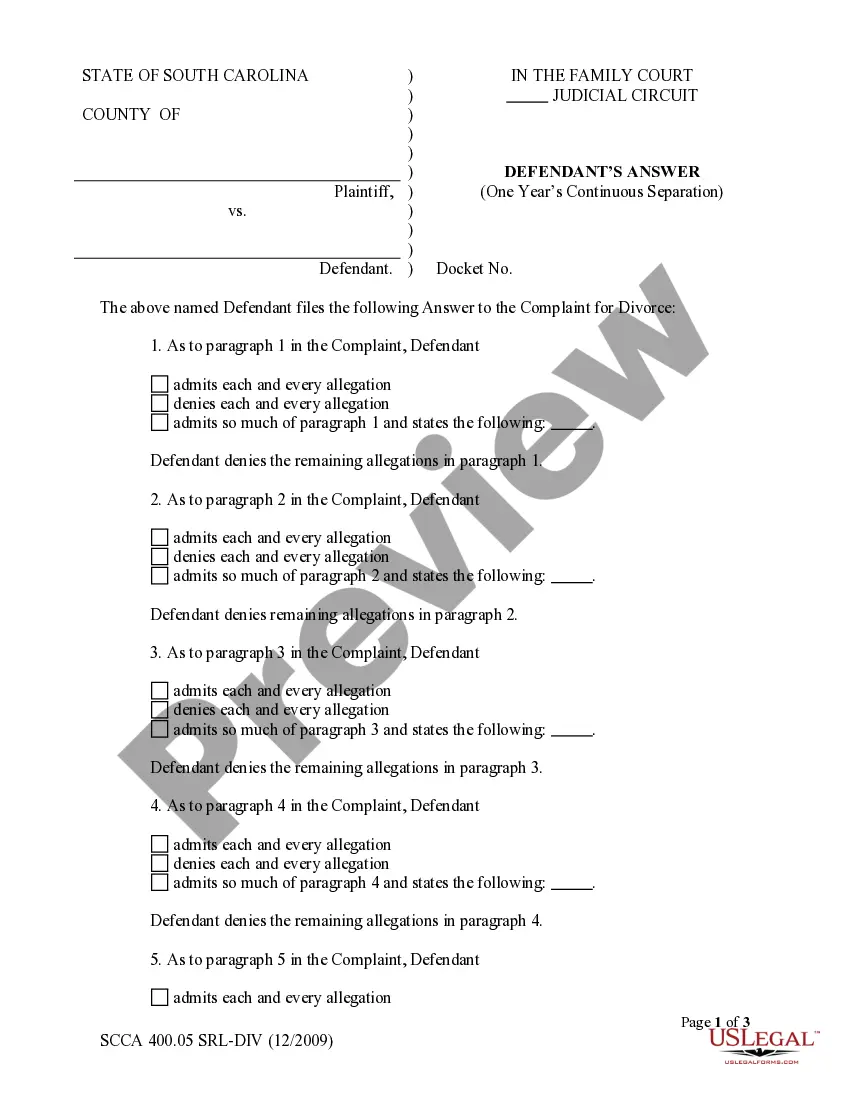
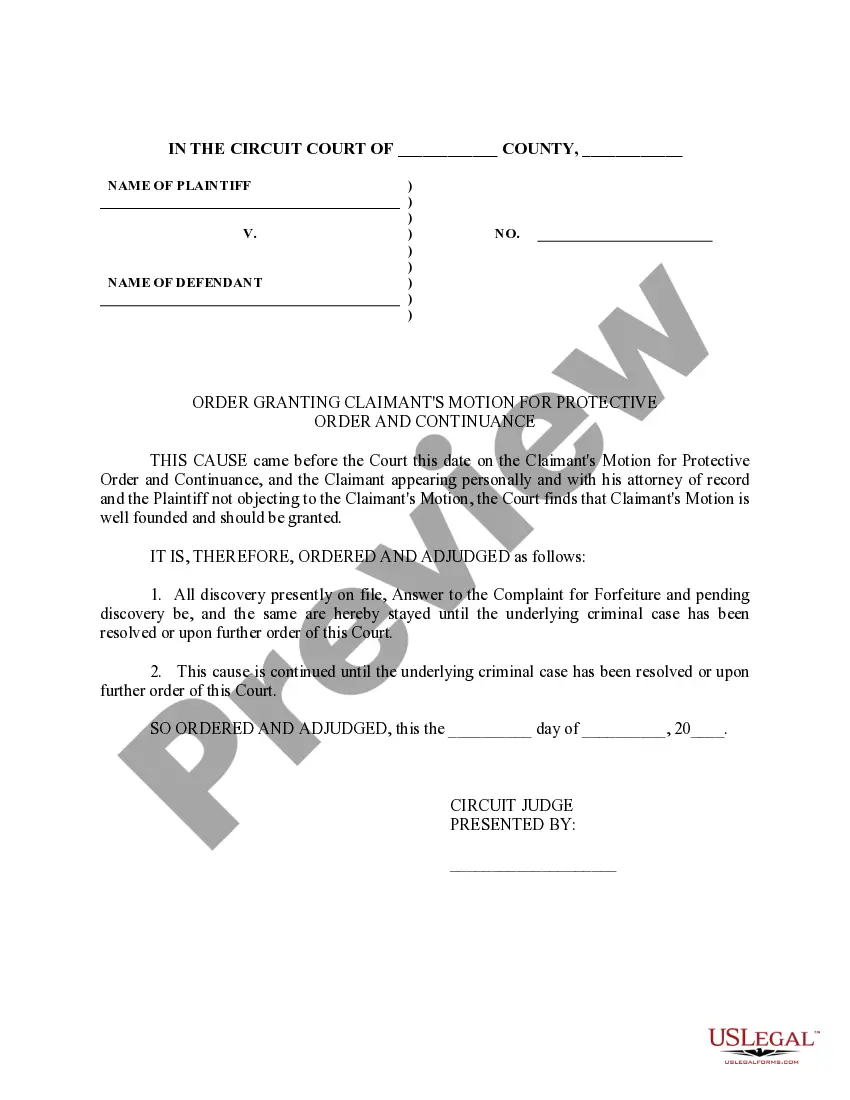
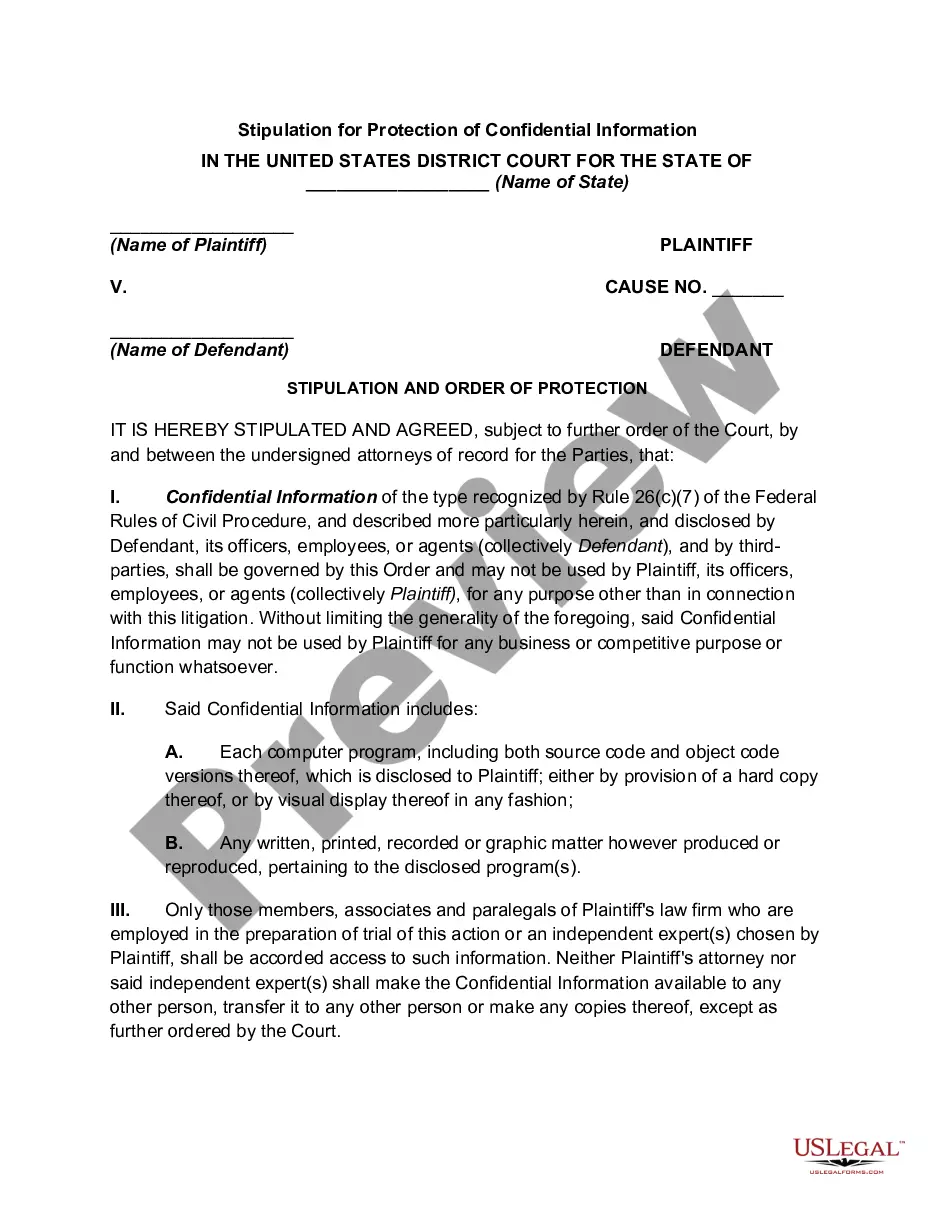
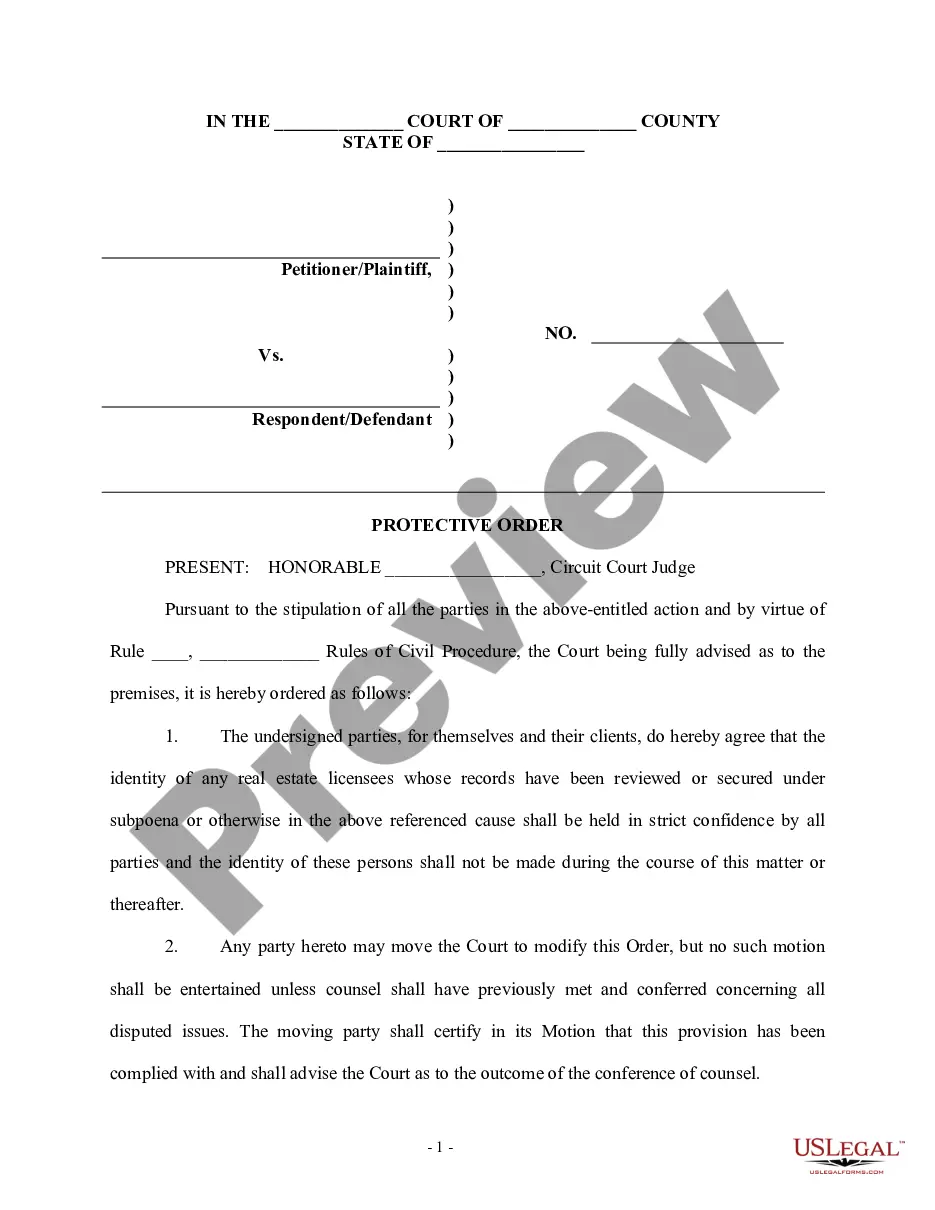
How to fill out Order Granting Protective Order?
Creating legal documents from the ground up can frequently be somewhat daunting. Specific situations may require extensive investigation and substantial financial expenditure.
If you’re looking for a simpler and more economical method of generating Types Of Protection Orders or any other documents without unnecessary complications, US Legal Forms is always available to assist you.
Our online collection of over 85,000 current legal forms encompasses nearly every facet of your financial, legal, and personal concerns. With just a few clicks, you can promptly access state- and county-compliant templates meticulously prepared by our legal professionals.
Utilize our site whenever you require a dependable and trustworthy resource through which you can effortlessly locate and download the Types Of Protection Orders. If you’re already familiar with our site and have previously registered an account with us, simply Log In to your account, find the template, and download it immediately or re-download it at any time later in the My documents section.
Ensure that the form you select adheres to the regulations of your state and county. Choose the most appropriate subscription plan to acquire the Types Of Protection Orders. Download the form, then complete, validate, and print it. US Legal Forms boasts an impeccable reputation and over 25 years of expertise. Become a member today and simplify the process of completing forms!
- Not registered yet? No problem.
- Setting it up only takes a few minutes to explore the catalog.
- However, before proceeding directly to downloading Types Of Protection Orders, keep these suggestions in mind.
- Examine the form preview and descriptions to confirm you have located the form you need.
Form popularity
FAQ
When seeking a restraining order, many individuals overlook crucial details that can impact their case. Common mistakes include failing to provide sufficient evidence of harassment or abuse, not understanding the specific types of protection orders available, and missing deadlines for filing paperwork. Additionally, some may neglect to seek legal advice, which can lead to misunderstandings about the process. Utilizing platforms like USLegalForms can help you avoid these pitfalls and navigate the legal landscape more confidently.
Filling out a protection order involves several steps to ensure your request is valid and complete. First, gather necessary information about the situation, including details about the parties involved and any incidents that prompted the request. Then, you can use resources like USLegalForms to access templates and guidance on completing the types of protection orders accurately. Finally, submit the completed form to the appropriate court and prepare for a hearing, if required.
Protection orders and restraining orders are often used interchangeably, but they have distinct purposes. Protection orders typically focus on safeguarding individuals from abuse or harassment, especially in cases involving domestic violence. In contrast, restraining orders can apply to various situations, such as preventing someone from contacting you or coming near your property. Understanding the types of protection orders available can help you choose the right legal avenue for your situation.
A harassment order primarily targets behavior that causes alarm or distress without necessarily involving threats of physical harm, while a restraining order typically involves a broader range of issues, including violence or the potential for harm. Both orders provide legal avenues for protection, but their specific applications can vary significantly. It’s beneficial to seek advice on which order best suits your unique circumstances.
The three types of prevention generally refer to primary, secondary, and tertiary prevention. Primary prevention aims to stop violence before it occurs, secondary prevention focuses on minimizing harm after an event, and tertiary prevention seeks to manage long-term effects. Knowing these prevention types can guide you in choosing appropriate measures, including types of protection orders.
In the legal hierarchy, a protection order can be considered a more comprehensive form of legal safety than a standard restraining order. Protection orders typically offer more robust measures against specific forms of violence or harassment, ensuring enhanced protection for individuals at risk. Consulting a legal expert can help you determine the most suitable option for your needs.
A Personal Protection Order (PPO) specifically addresses threats or acts of violence, often linked to intimate relationships, while a restraining order can encompass a broader range of situations, including disputes between neighbors or business partners. Both serve to keep individuals safe, but the legal processes and criteria for each may differ. Understanding these distinctions is crucial when seeking legal help.
Types of protection orders vary based on the nature of the threat or violence. Common types include temporary protective orders, which offer immediate safety, and permanent protection orders, which last for an extended period. Additionally, jurisdictions may have specific orders tailored to unique circumstances, emphasizing the need to consult legal resources for clarity.
The three primary types of protection orders include domestic violence protection orders, harassment protection orders, and sexual violence protection orders. Each type addresses specific situations where individuals seek legal protection from harm or threats. Understanding these categories can help you choose the right type of protection order for your situation.
Creating a protection order involves several critical steps that vary based on the types of protection orders you seek. First, you must gather evidence and complete a petition outlining your situation. Then, submit the petition to the court and attend a hearing where a judge will review your case. With platforms like USLegalForms, you can access user-friendly resources and templates to help you navigate this process effectively.