Petition For Interpleader
Description
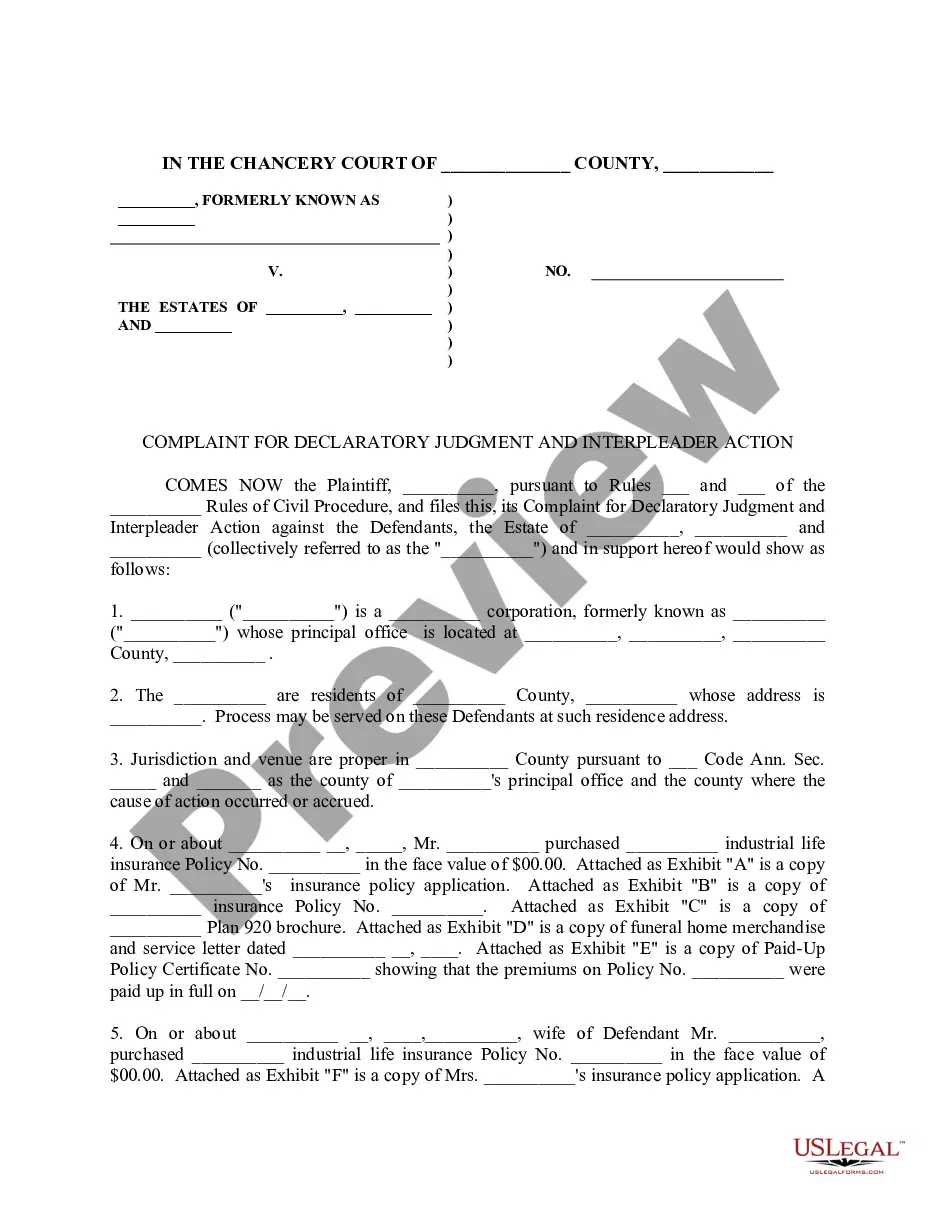
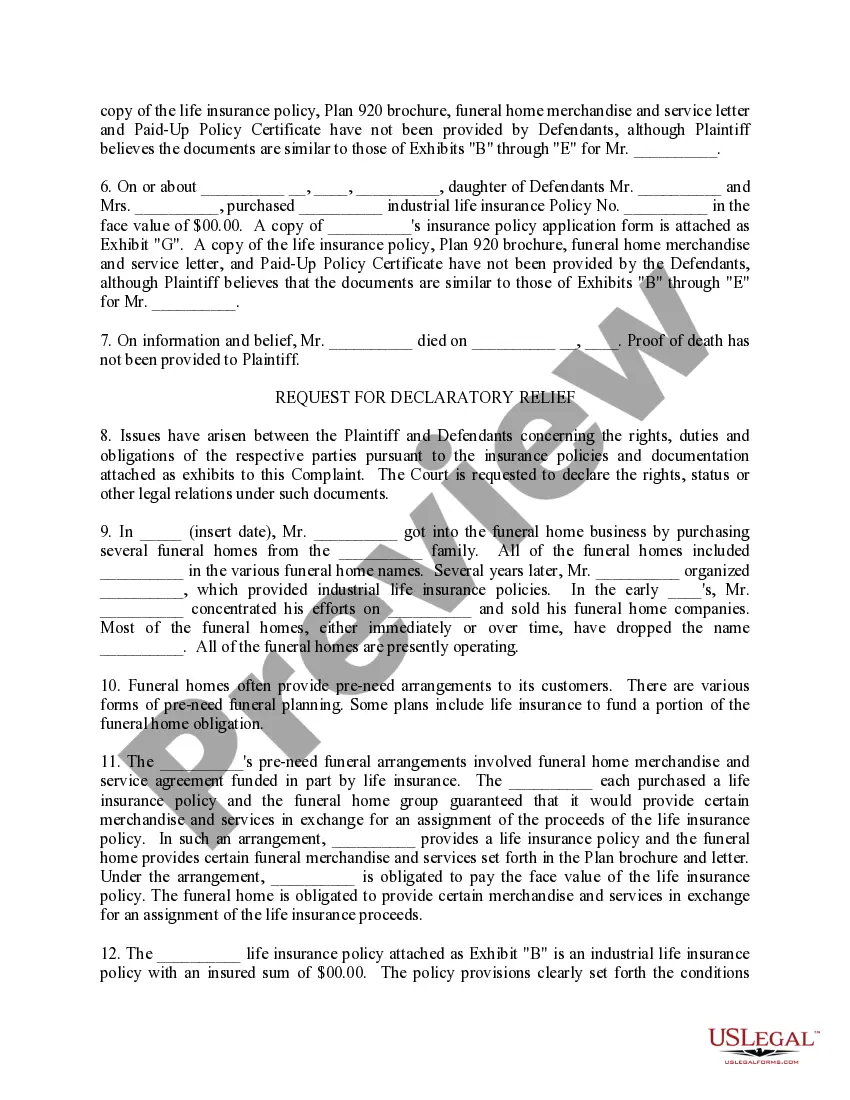
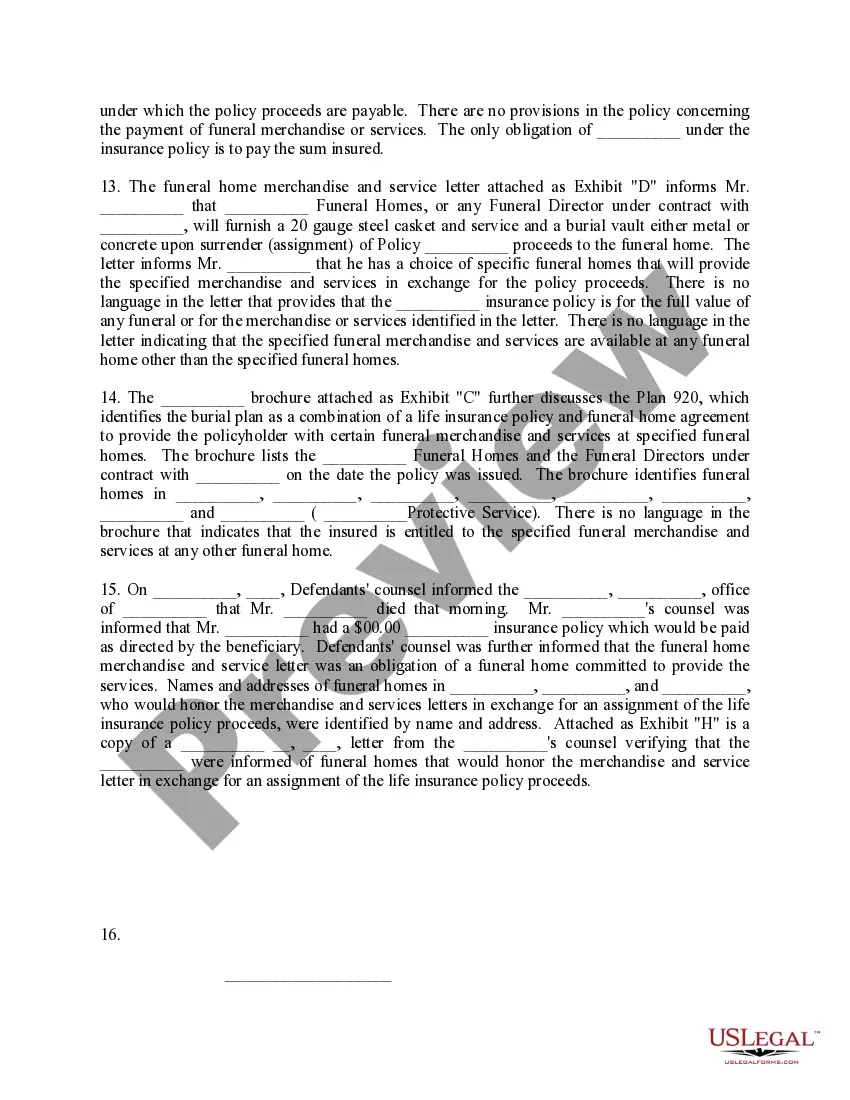
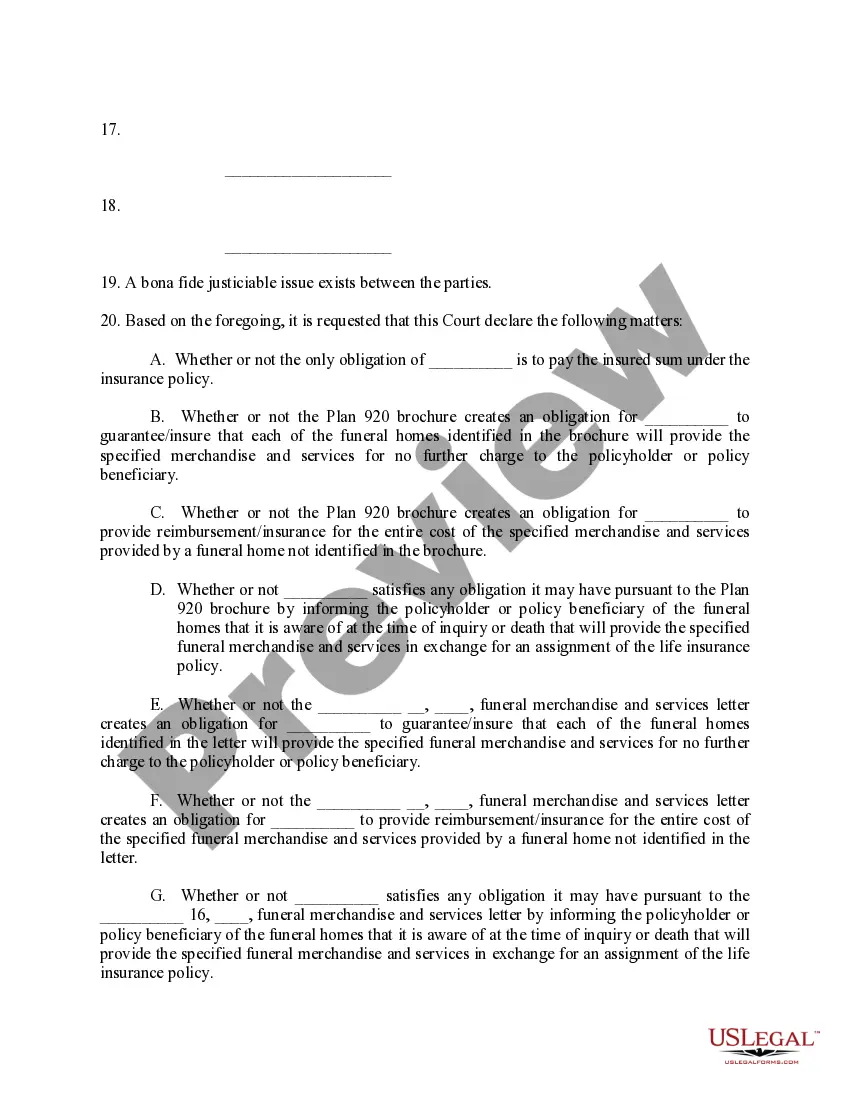
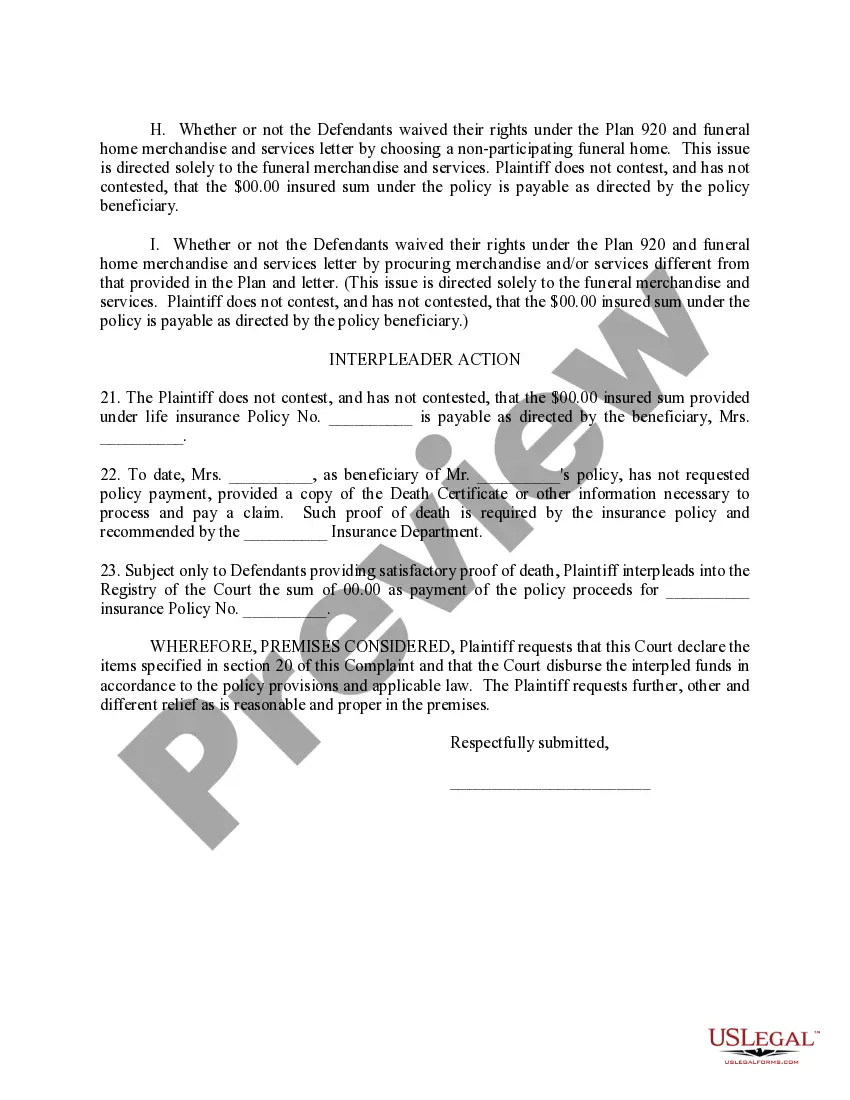
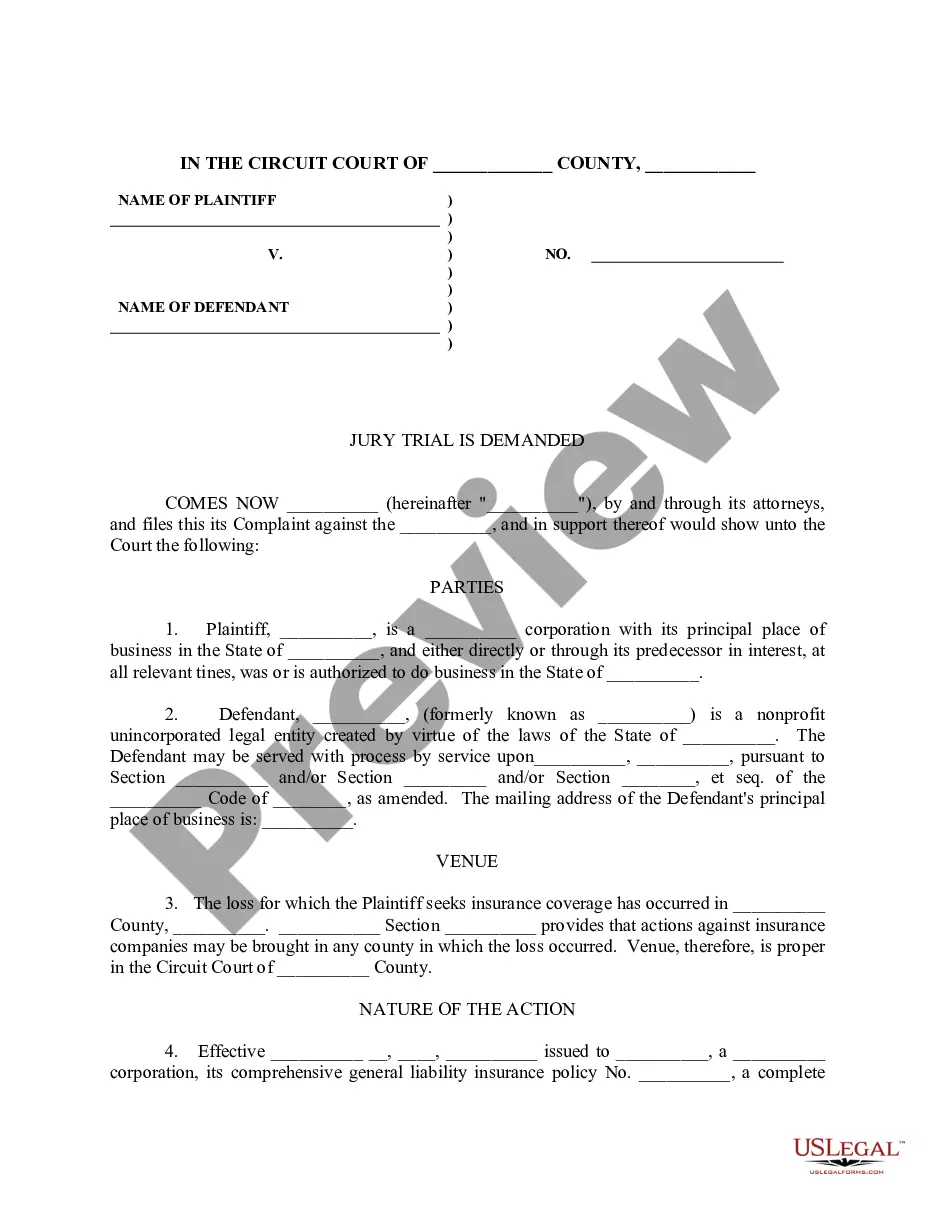
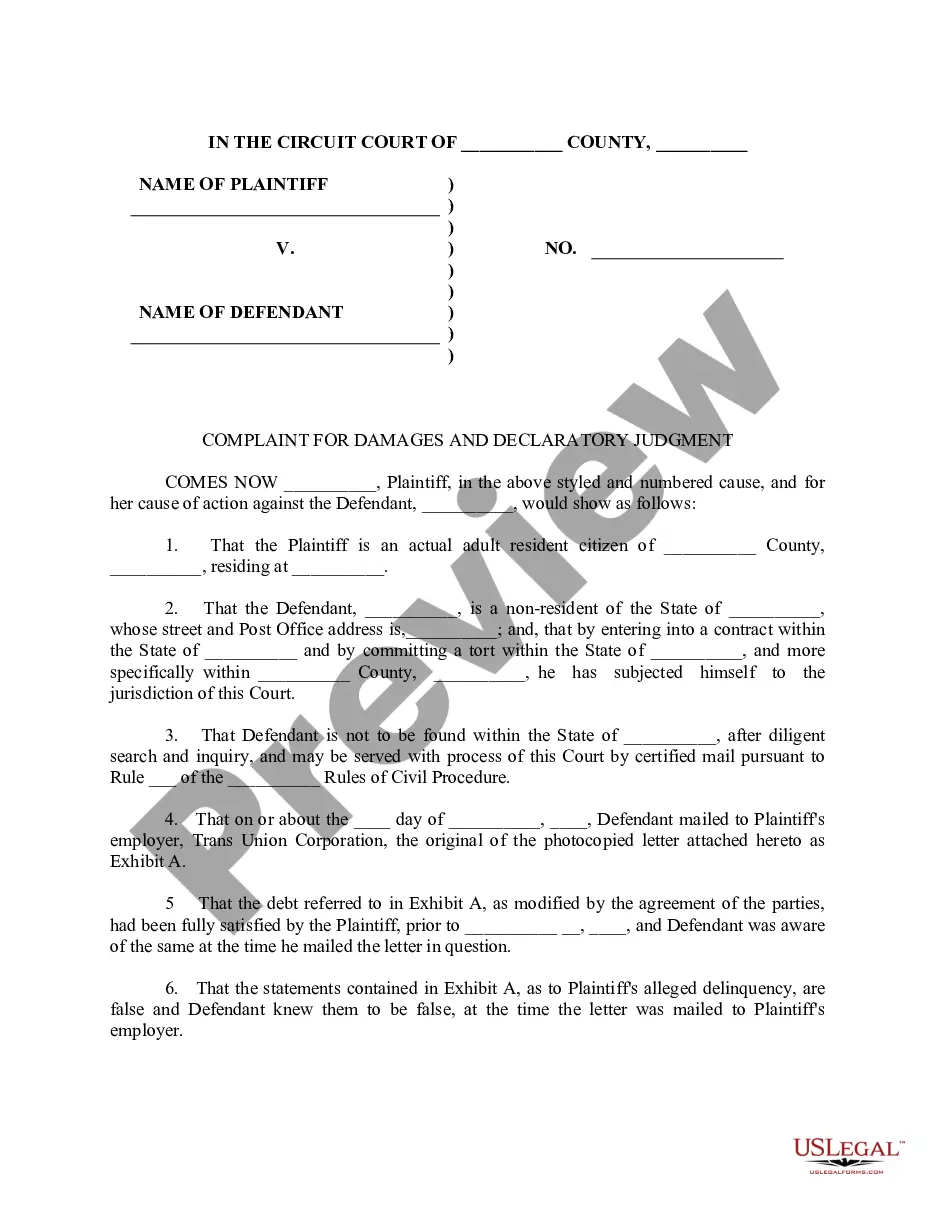
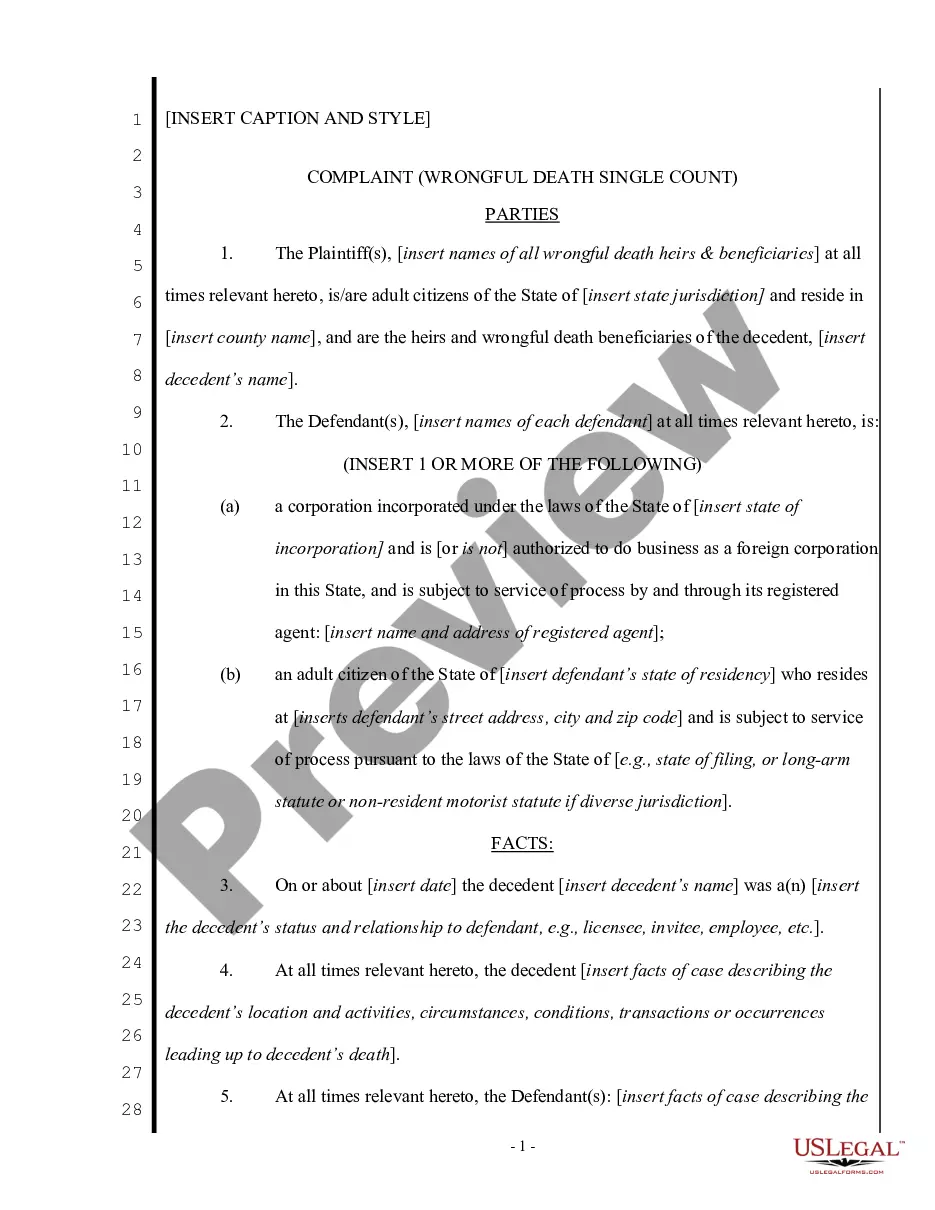
Get your form ready online
Our built-in tools help you complete, sign, share, and store your documents in one place.
Make edits, fill in missing information, and update formatting in US Legal Forms—just like you would in MS Word.
Download a copy, print it, send it by email, or mail it via USPS—whatever works best for your next step.
Sign and collect signatures with our SignNow integration. Send to multiple recipients, set reminders, and more. Go Premium to unlock E-Sign.
If this form requires notarization, complete it online through a secure video call—no need to meet a notary in person or wait for an appointment.
We protect your documents and personal data by following strict security and privacy standards.

Make edits, fill in missing information, and update formatting in US Legal Forms—just like you would in MS Word.

Download a copy, print it, send it by email, or mail it via USPS—whatever works best for your next step.

Sign and collect signatures with our SignNow integration. Send to multiple recipients, set reminders, and more. Go Premium to unlock E-Sign.

If this form requires notarization, complete it online through a secure video call—no need to meet a notary in person or wait for an appointment.

We protect your documents and personal data by following strict security and privacy standards.
Looking for another form?
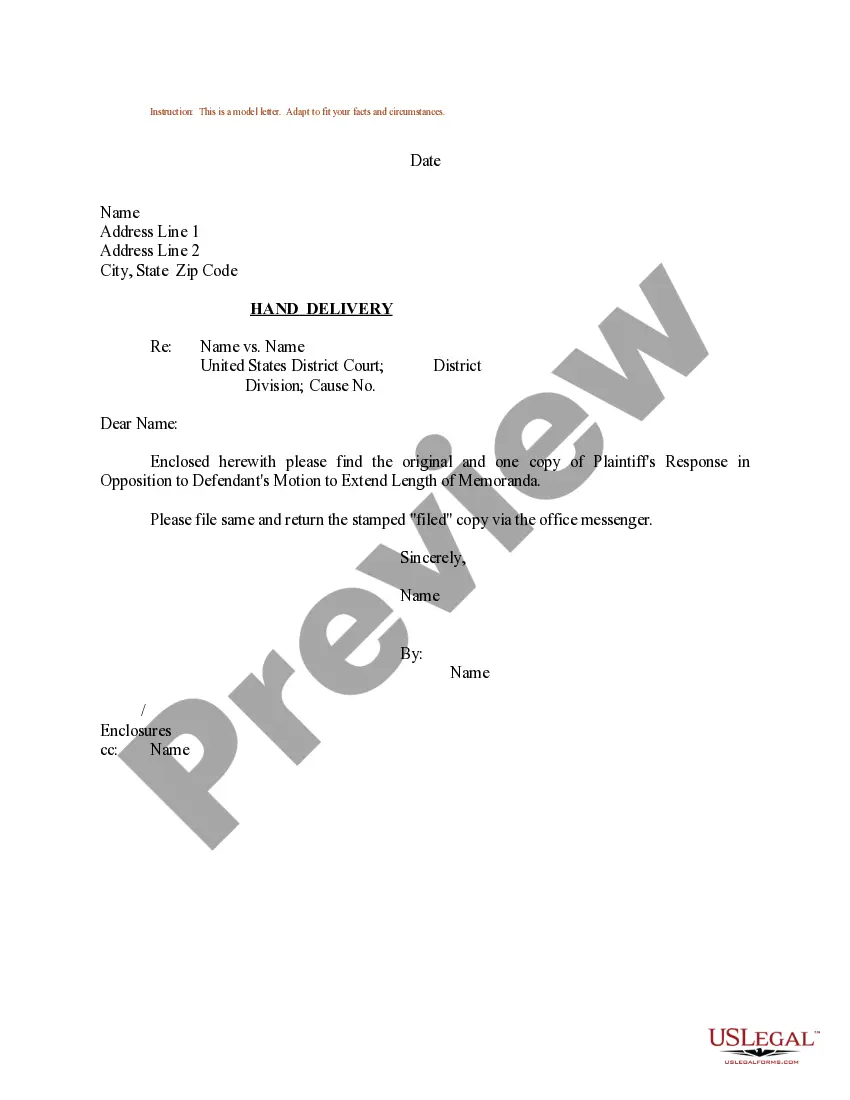
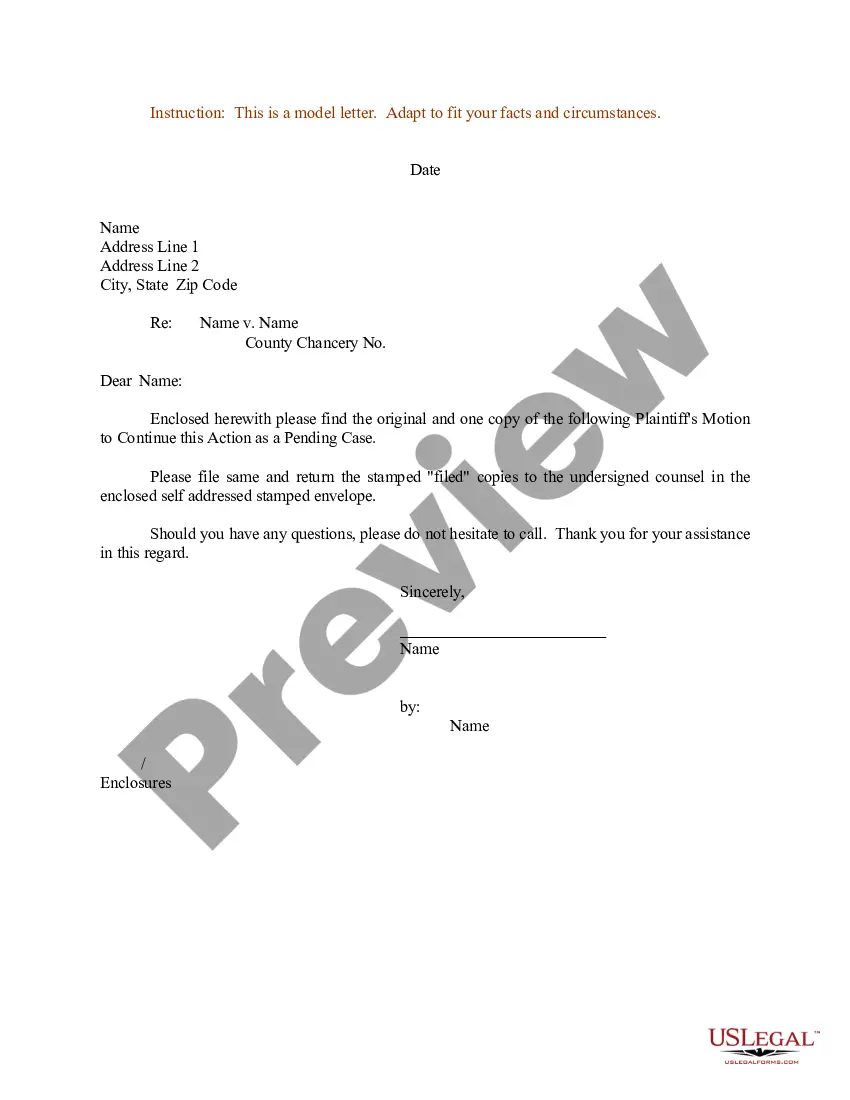
How to fill out Complaint For Declaratory Judgment And Interpleader Action Or Burial Policy?
Acquiring legal documents that align with federal and state regulations is vital, and the web provides a multitude of choices to choose from.
However, what’s the use of spending time searching for the appropriate Petition For Interpleader example online when the US Legal Forms online repository already contains such documents compiled in one location.
US Legal Forms is the largest digital legal repository with over 85,000 fillable forms created by attorneys for various business and personal circumstances.
Review the template using the Preview option or via the text description to confirm it meets your requirements.
- They are simple to navigate with all files categorized by state and intended use.
- Our experts keep current with legal developments, ensuring your form is always up to date and compliant when you retrieve a Petition For Interpleader from our site.
- Acquiring a Petition For Interpleader is straightforward and fast for both existing and new customers.
- If you already have an account with an active subscription, Log In and save the document template you need in the correct format.
- If you are a newcomer to our site, follow the steps outlined below.
Form popularity
FAQ
In an interpleader action, there are two phases to determine rightful ownership: The first step determines if the stakeholder is entitled to an interpleader and thus relieved of liability. The next step is the action of law determining with claimant should be granted the res (money or property).
An interpleader is a way for a party who holds property (a stakeholder) to initiate a suit between all claimants, who are parties claiming a right to that property. An interpleader allows the stakeholder to bring all claimants into the same action, instead of litigating against claimants in separate actions.
There are two specific types of interpleader actions in the United States federal courts. Statutory Interpleader governed by 28 U.S.C. § 1335, and Rule Interpleader established by Federal Rules of Civil Procedure 22.
An interpleader is a way for a party who holds property (a stakeholder) to initiate a suit between all claimants, who are parties claiming a right to that property. An interpleader allows the stakeholder to bring all claimants into the same action, instead of litigating against claimants in separate actions.
Another example is that an escrow holder in a real estate transaction holds a deposit and the parties are arguing about whether one or the other should receive the deposit back. In such cases, the escrow holder will often file an interpleader action.