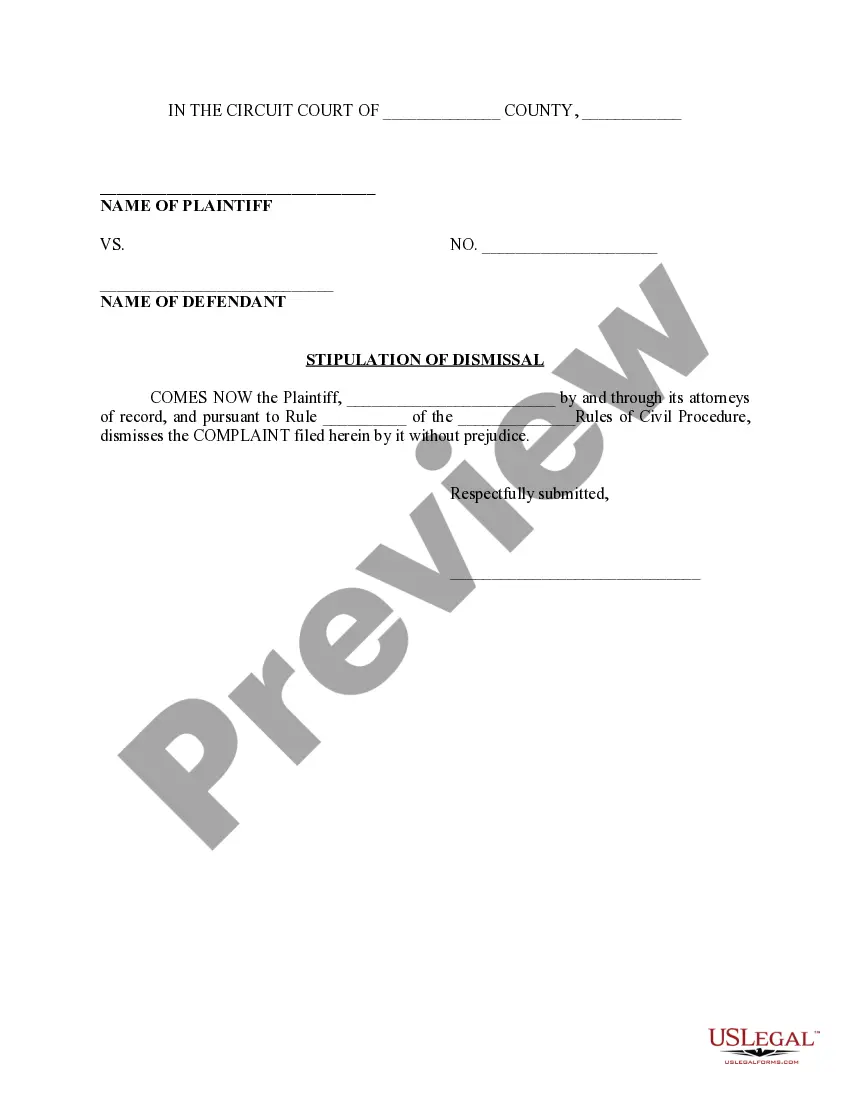
Rule Complaint Procedure With Output Parameter
Description
Get your form ready online
Our built-in tools help you complete, sign, share, and store your documents in one place.
Make edits, fill in missing information, and update formatting in US Legal Forms—just like you would in MS Word.
Download a copy, print it, send it by email, or mail it via USPS—whatever works best for your next step.
Sign and collect signatures with our SignNow integration. Send to multiple recipients, set reminders, and more. Go Premium to unlock E-Sign.
If this form requires notarization, complete it online through a secure video call—no need to meet a notary in person or wait for an appointment.
We protect your documents and personal data by following strict security and privacy standards.

Make edits, fill in missing information, and update formatting in US Legal Forms—just like you would in MS Word.

Download a copy, print it, send it by email, or mail it via USPS—whatever works best for your next step.

Sign and collect signatures with our SignNow integration. Send to multiple recipients, set reminders, and more. Go Premium to unlock E-Sign.

If this form requires notarization, complete it online through a secure video call—no need to meet a notary in person or wait for an appointment.

We protect your documents and personal data by following strict security and privacy standards.
Looking for another form?







How to fill out Stipulation For Dismissal?
Utilizing legal templates that comply with federal and state laws is essential, and the internet provides a plethora of options to select from.
However, what is the benefit of spending time searching for the appropriate Rule Complaint Procedure With Output Parameter example online when the US Legal Forms online library already houses such templates in one location.
US Legal Forms is the largest online legal repository with over 85,000 editable templates created by attorneys for various business and life situations.
All documents accessed through US Legal Forms are reusable. To re-download and complete previously obtained forms, navigate to the My documents section in your account. Experience the most comprehensive and user-friendly legal paperwork service!
- They are user-friendly with all documents organized by state and purpose.
- Our experts keep up with legislative updates, ensuring you can always rely on your form being current and compliant when obtaining a Rule Complaint Procedure With Output Parameter from our site.
- Acquiring a Rule Complaint Procedure With Output Parameter is straightforward and swift for both existing and new users.
- If you have an account with a valid subscription, Log In and download the document sample you require in the desired format.
- If you are a newcomer to our website, follow the steps outlined below.
Form popularity
FAQ
A stored procedure does not necessarily need parameters. You can create procedures that perform actions without any input or output parameters. However, using parameters often enhances the procedure's functionality, particularly when implementing a Rule complaint procedure with output parameters to handle various cases effectively.
No, SQL Server does not support out parameters in functions. Functions can only return a single value directly, which differs from stored procedures that can use both input and output parameters. If you need to implement a Rule complaint procedure with output parameters, consider using stored procedures instead.
To get an output parameter in a stored procedure, declare the parameter as an output in both the procedure and the calling statement. After executing the procedure, you can access the output value through the variable you declared. This method is effective in optimizing processes, such as managing a Rule complaint procedure with output parameters.
To use an out parameter in a stored procedure, you first need to define the parameter in the procedure declaration. When calling the procedure, ensure to declare a variable to hold the output value. This technique is essential for retrieving specific results, especially when dealing with a Rule complaint procedure with output parameters.
You can call a stored procedure without parameters by simply using its name followed by parentheses. This method is straightforward and works well when the procedure does not require any input or output parameters. This approach can be beneficial when implementing a Rule complaint procedure, streamlining your workflow.
Yes, a stored procedure can have both input and output parameters. Input parameters allow you to pass values into the stored procedure, while output parameters enable the retrieval of values after the procedure executes. This feature is particularly useful in managing data effectively, especially when implementing a Rule complaint procedure with output parameter.
To call a procedure with parameters, start by specifying the procedure name followed by the parameters in parentheses. If the procedure includes both input and output parameters, ensure that you provide the appropriate variable for the output. Using this approach enables you to utilize the Rule complaint procedure with output parameter effectively, enhancing your ability to retrieve specific data. For users seeking a streamlined process, the US Legal Forms platform offers tools to simplify the handling of such procedures.
To pass an output parameter in a stored procedure, you first define the parameter in the procedure's signature, marking it as an output. Then, when you call the stored procedure, you must declare a variable to hold the output value. After executing the procedure, you can retrieve the output value from this variable. This method is essential when working with a Rule complaint procedure with output parameter, as it allows you to effectively manage and utilize the results.
Yes, stored procedures can have both input and output parameters. Input parameters allow you to pass data into the procedure, while output parameters return data to the calling code. In the context of a Rule complaint procedure with output parameter, this flexibility enables efficient data manipulation, making it easier for users to manage and analyze the results of their procedures effectively.
The output parameter of a procedure is a variable that receives data from the procedure after its execution. It is designed to return values that are generated during the procedure's operation. In scenarios involving a Rule complaint procedure with output parameter, these parameters can provide essential feedback, such as confirmation messages or computed results, enhancing decision-making and process management.