Declaratory Order Example
Description

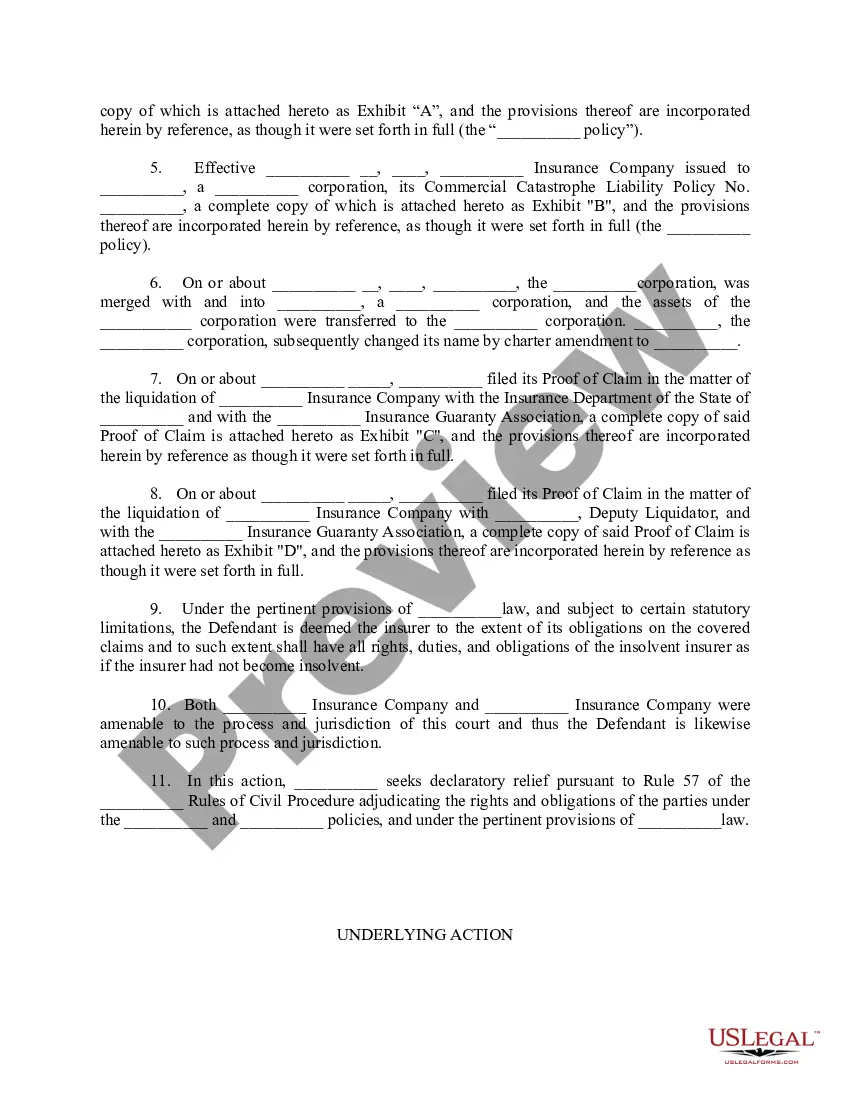
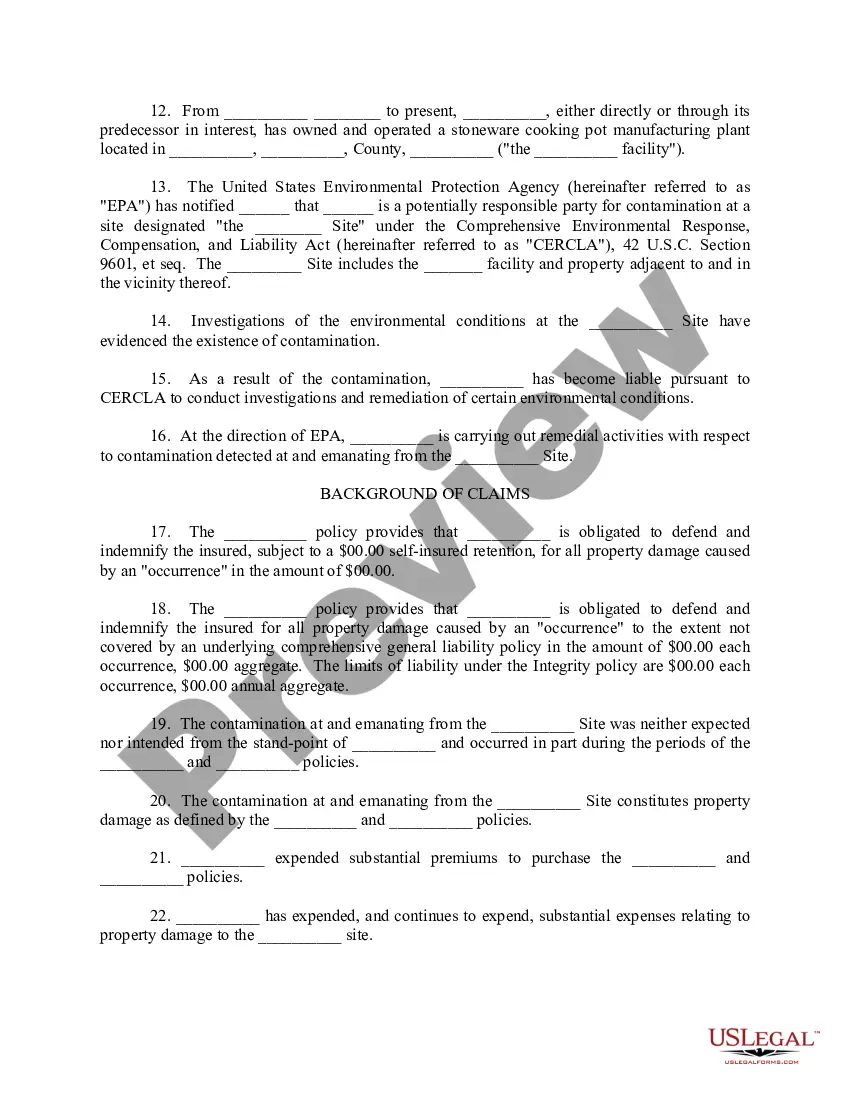
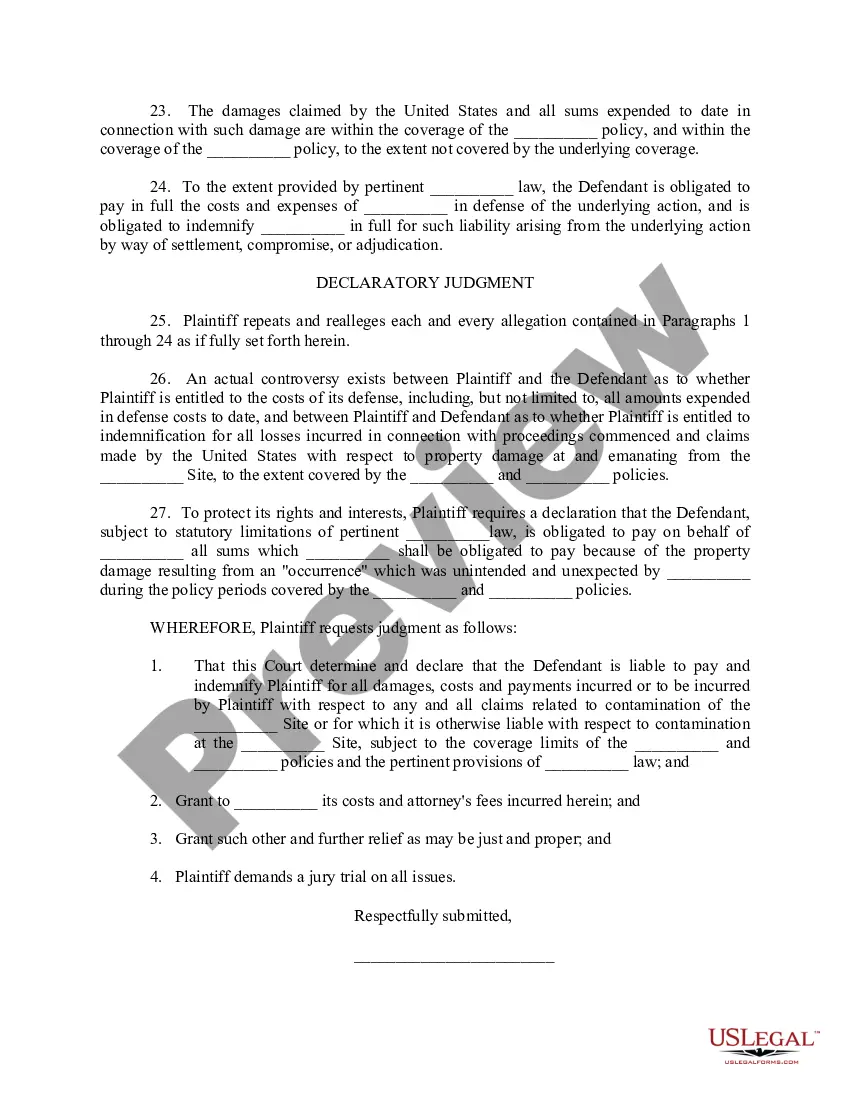

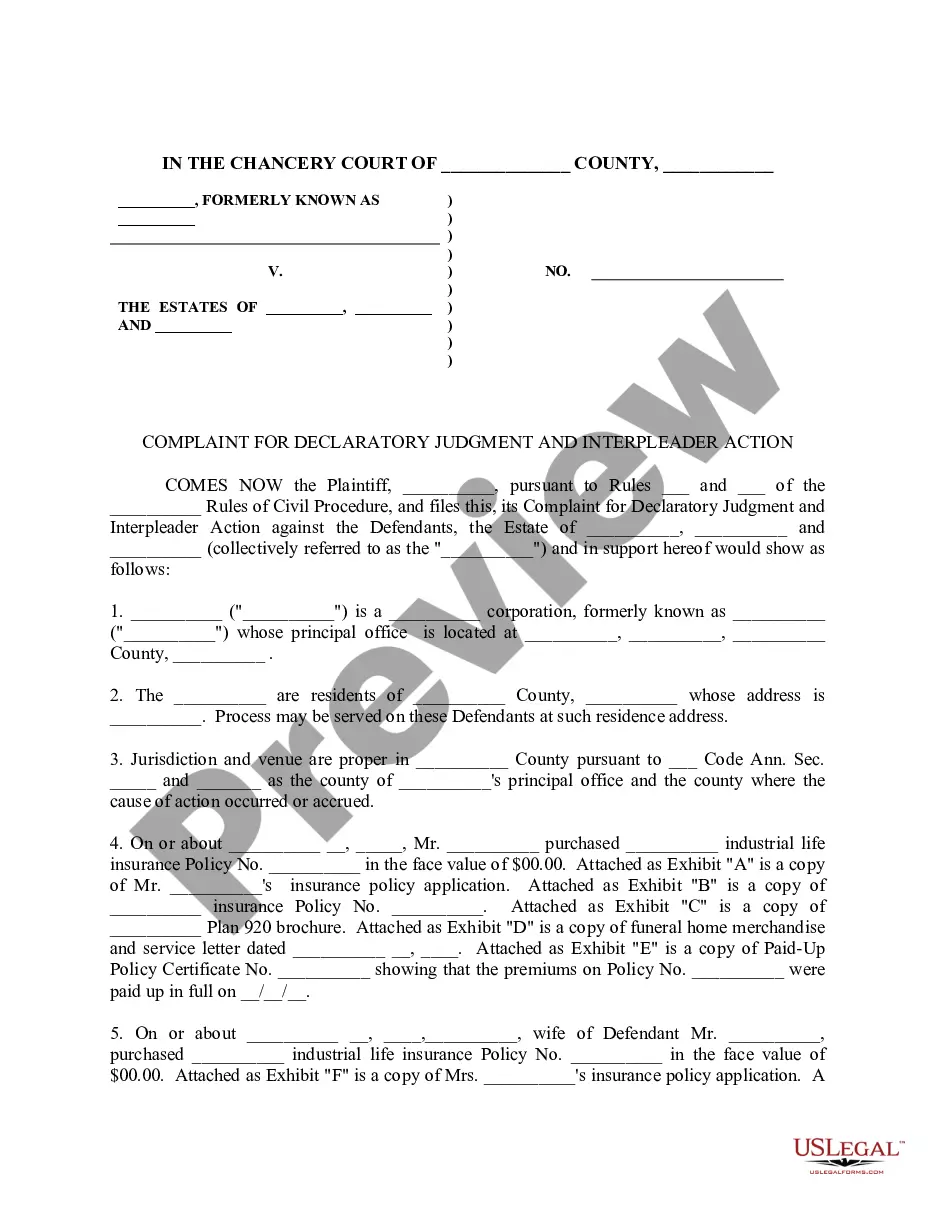


Get your form ready online
Our built-in tools help you complete, sign, share, and store your documents in one place.
Make edits, fill in missing information, and update formatting in US Legal Forms—just like you would in MS Word.
Download a copy, print it, send it by email, or mail it via USPS—whatever works best for your next step.
Sign and collect signatures with our SignNow integration. Send to multiple recipients, set reminders, and more. Go Premium to unlock E-Sign.
If this form requires notarization, complete it online through a secure video call—no need to meet a notary in person or wait for an appointment.
We protect your documents and personal data by following strict security and privacy standards.

Make edits, fill in missing information, and update formatting in US Legal Forms—just like you would in MS Word.

Download a copy, print it, send it by email, or mail it via USPS—whatever works best for your next step.

Sign and collect signatures with our SignNow integration. Send to multiple recipients, set reminders, and more. Go Premium to unlock E-Sign.

If this form requires notarization, complete it online through a secure video call—no need to meet a notary in person or wait for an appointment.

We protect your documents and personal data by following strict security and privacy standards.
Looking for another form?
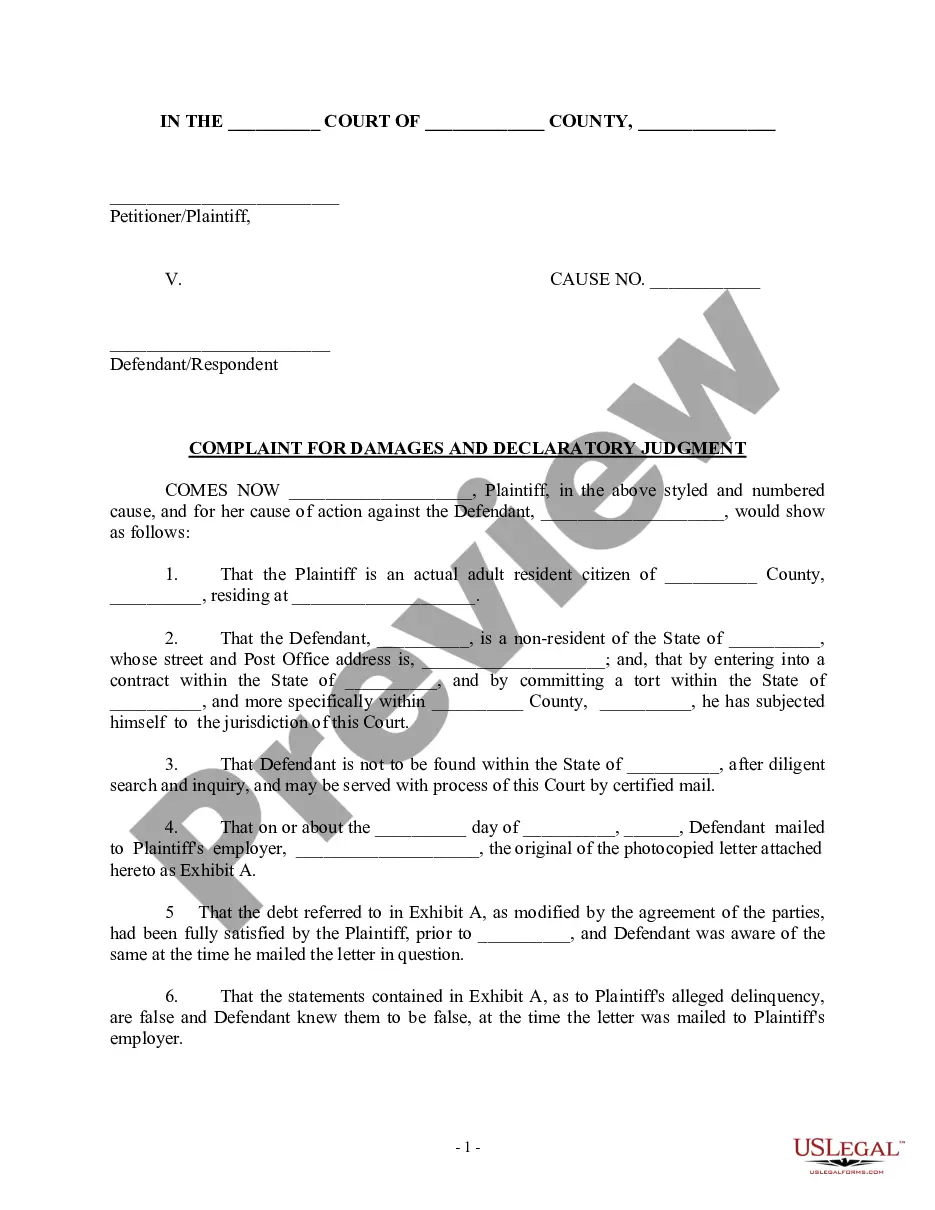
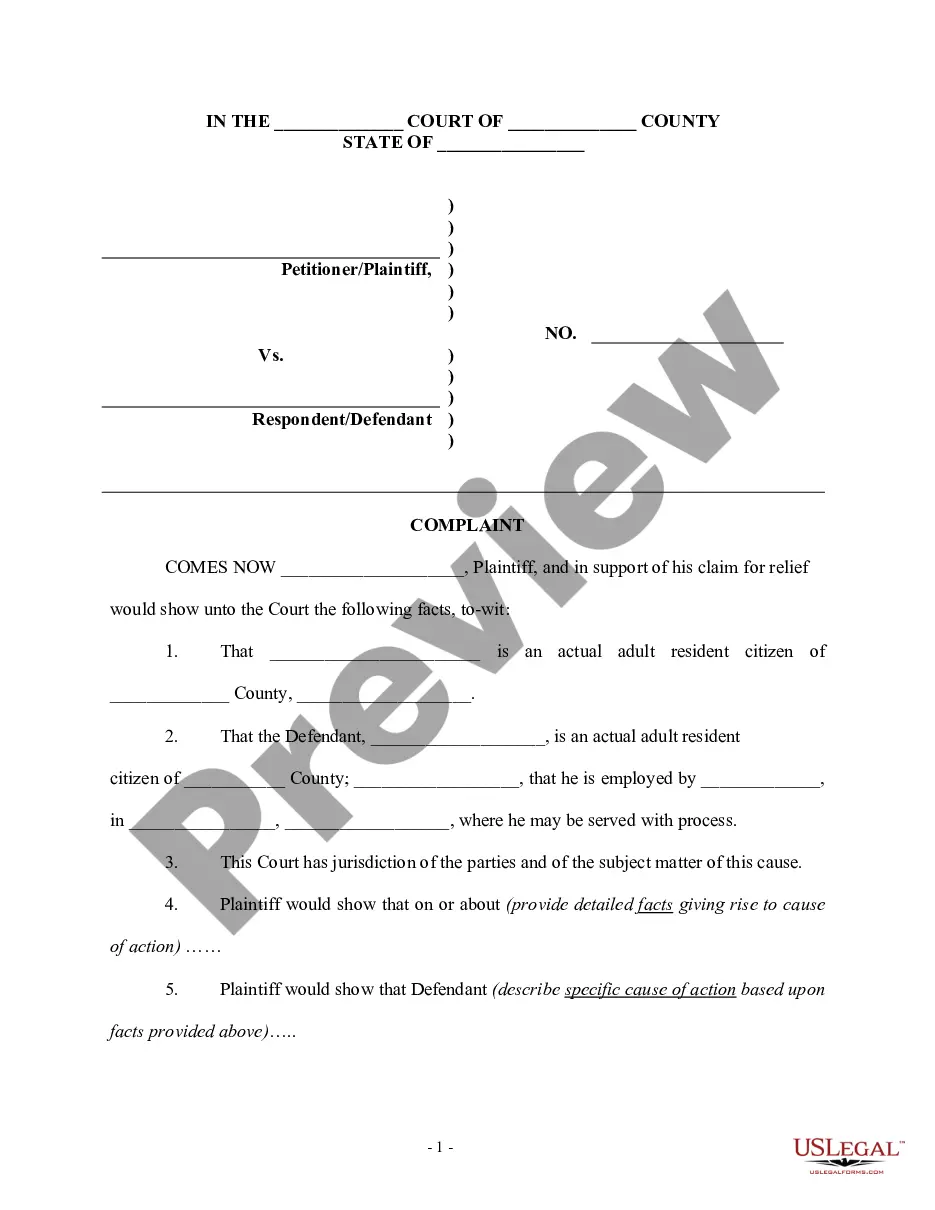
How to fill out Complaint For Declaratory Judgment?
Managing legal paperwork and processes may be a lengthy addition to your entire day.
Sample Declaratory Order and similar forms often necessitate searching for them and figuring out the most effective way to fill them out.
Thus, whether you are handling financial, legal, or personal issues, utilizing a thorough and straightforward online repository of forms at your disposal will be extremely beneficial.
US Legal Forms is the premier online source of legal templates, showcasing over 85,000 state-specific documents and a variety of tools to assist you in efficiently completing your paperwork.
Is this your first experience with US Legal Forms? Sign up and create a free account in just a few minutes, granting you access to the form library and Sample Declaratory Order. Then, follow the instructions below to complete your document.
- Explore the assortment of relevant documents available with just a single click.
- US Legal Forms offers state- and county-specific forms available for download at any time.
- Protect your document management processes with a quality service that enables you to create any form within minutes without any additional or concealed fees.
- Simply Log In to your account, find the Sample Declaratory Order and download it directly from the My documents section.
- You can also access previously downloaded documents.
Form popularity
FAQ
To file a declaratory judgment, you need to prepare a complaint that outlines your case and what you wish the court to declare. After completing the complaint, you file it with the clerk of court, paying any required fees. It is crucial to follow your jurisdiction's rules, which may vary. To simplify this process, consider using the tools available on US Legal Forms, where you can find templates and guidance tailored to your needs.
The procedure for a declaratory judgment begins with filing a complaint in the appropriate court. The complaint should state the legal issue and the desired declaration, often accompanied by necessary documents. After filing, the court will schedule a hearing where both parties can present their cases. Following the hearing, the court issues a declaratory order example that clarifies the legal standings of the parties involved.
A declaratory relief example typically involves a legal process where a court clarifies the rights and obligations of parties in a dispute. For instance, if two businesses have differing views on a contract, a declaratory order example may be sought to determine which interpretation is correct. This type of relief helps avoid further conflict by providing a clear legal stance. You can find relevant forms and guidance on platforms like US Legal Forms.
A declaratory order is a court's judgment that clarifies the legal rights and obligations of parties involved in a dispute. It does not require an action or award damages but serves as a formal statement about legal issues. For example, a declaratory order example might involve clarifying if a contract is enforceable under specific circumstances. You can explore uslegalforms to find resources that help you understand how to request or respond to a declaratory order effectively.
To obtain a declaratory judgment, you typically need to file a petition or complaint in the appropriate court. This document outlines your case and the specific legal questions you want the court to address. If you are unsure how to navigate this process, uslegalforms offers valuable resources that can help guide you through obtaining a declaratory order example.
An insurance company may seek a declaratory judgment when there is uncertainty about coverage related to a claim. This often occurs when a policyholder disputes whether a specific incident falls under policy terms. In such cases, a court’s ruling serves as a declaratory order example, clarifying obligations and rights.
The main purpose of a declaratory judgment is to provide legal certainty and clarity without enforcing any actions. It helps parties understand their rights and obligations, thereby reducing the risk of future litigation. A declaratory order example can significantly aid individuals and businesses in navigating complex legal landscapes.
In a governmental context, declaratory refers to statements or rulings that clarify legal obligations or rights. It often involves public agencies seeking judicial guidance on the interpretation of laws or policies. A relevant declaratory order example could be a state agency requesting a court ruling on how a new law should be applied in practice.
Declaratory relief is a legal remedy that allows a party to seek a court's affirmation of their rights or legal status without requiring damages or injunctions. An example of declaratory relief is when a business queries the legality of a new regulation affecting its operations. Obtaining this clarity can guide effective compliance and strategic planning, exemplifying the utility of a declaratory order.
A declarative order is a judicial declaration that defines the legal status or rights of a party in a specific situation. It serves to clarify ambiguities in the law or contracts, preventing future disputes. A declaratory order example might involve a decision regarding the enforceability of a non-compete clause in a job contract.