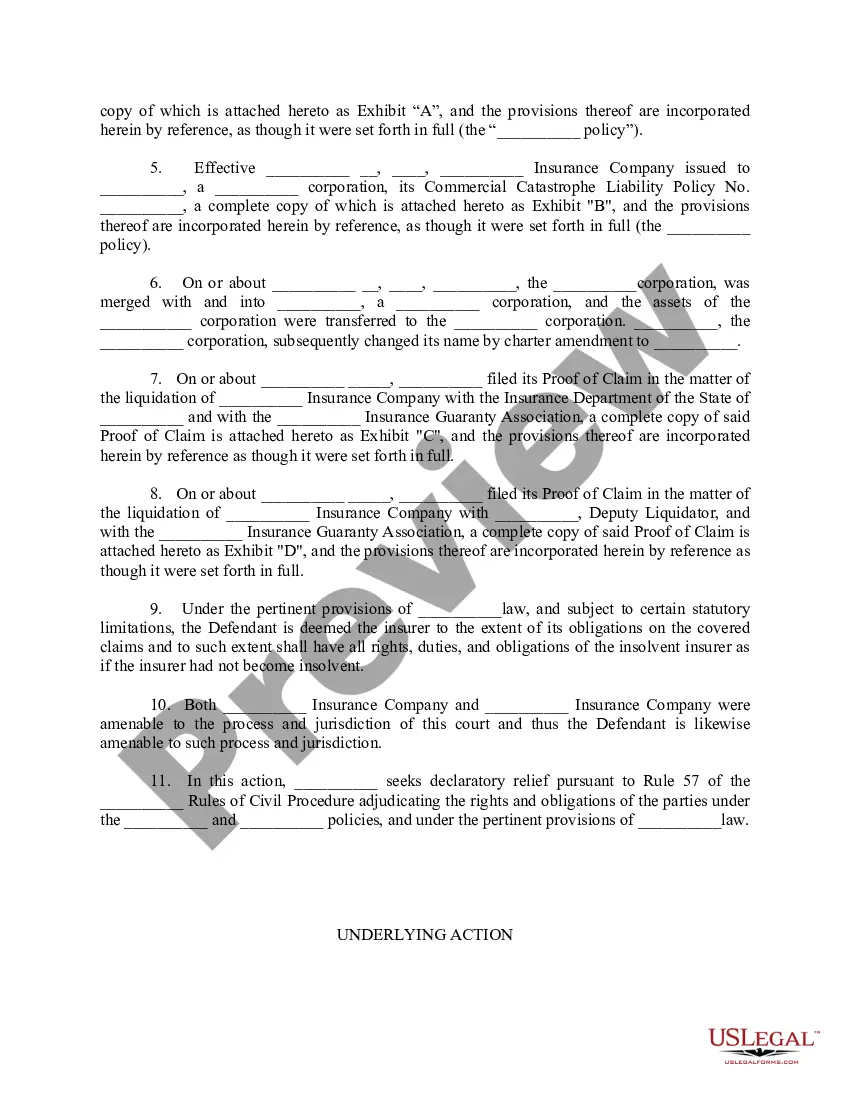
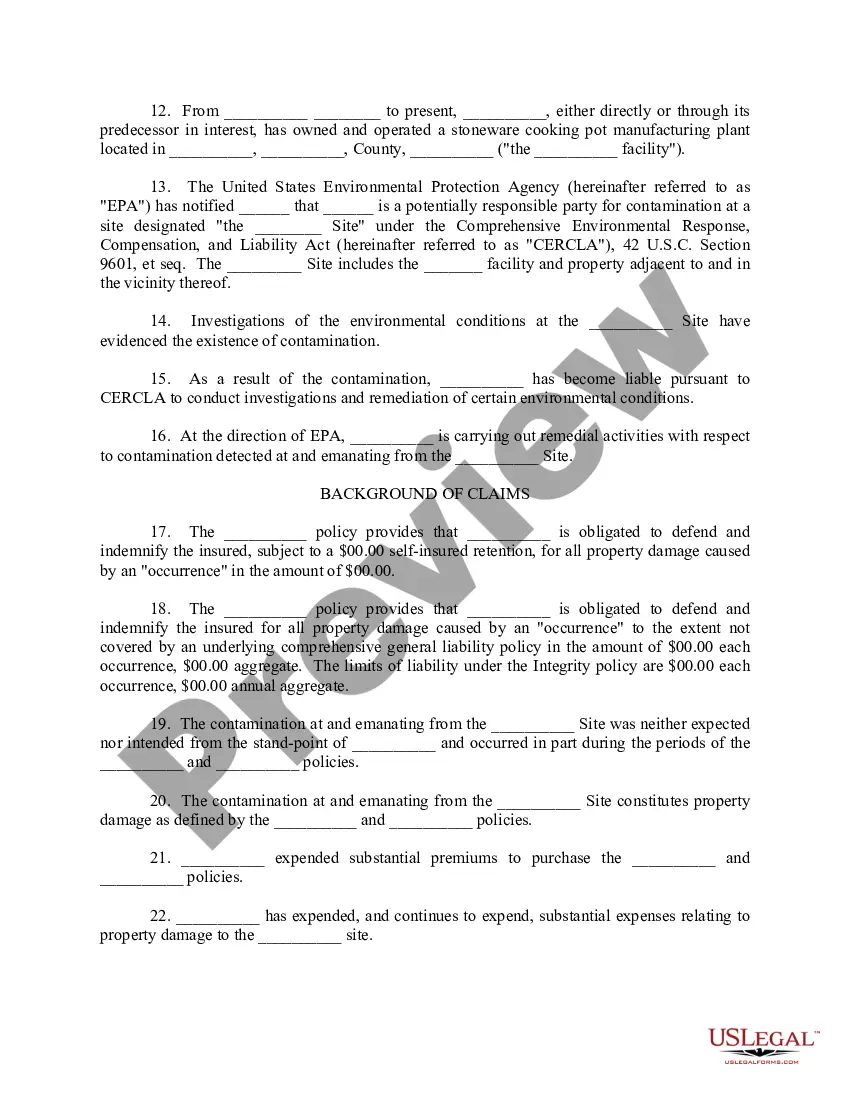
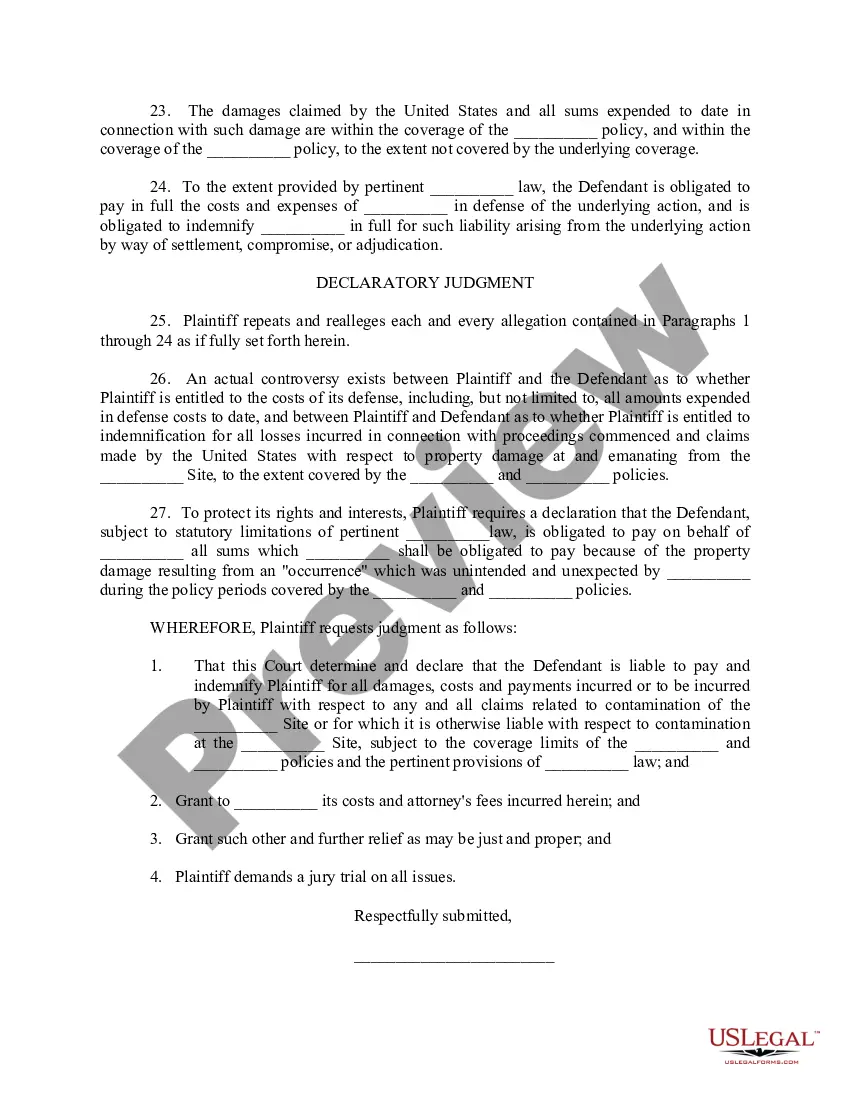
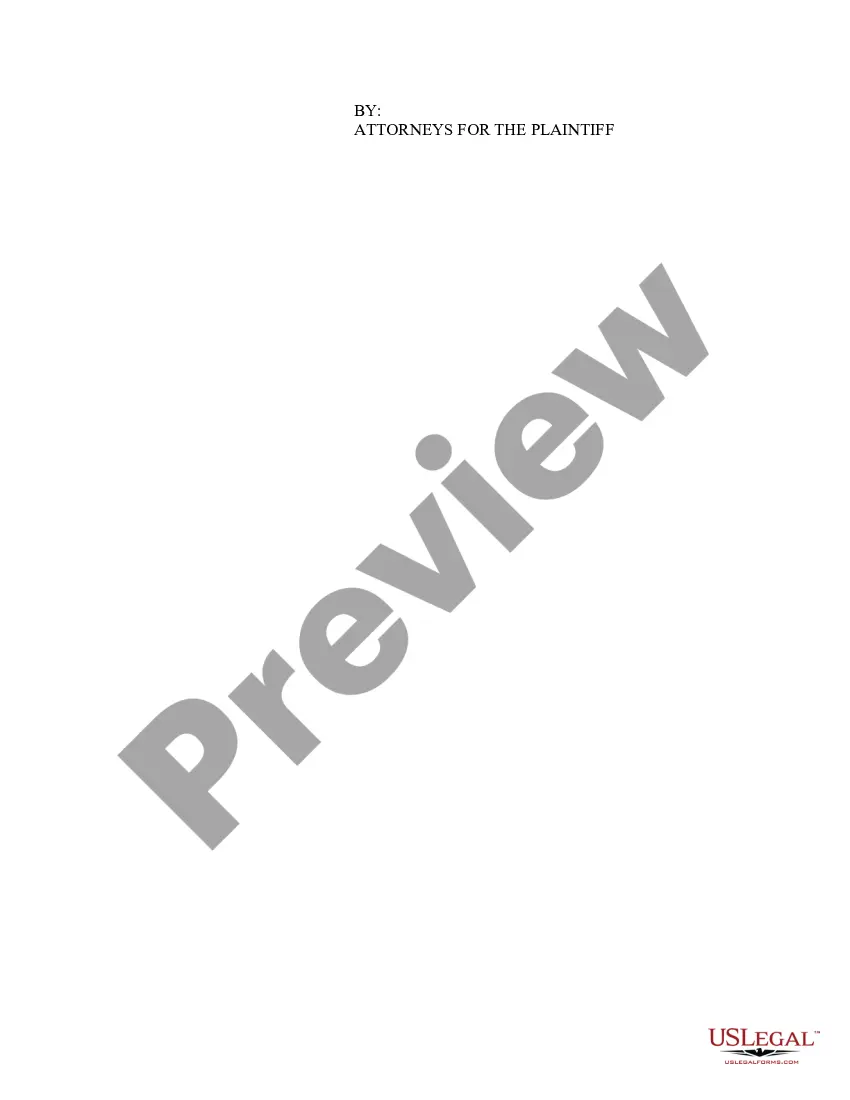
Declaratory Judgment Template For Civil Cases
Description

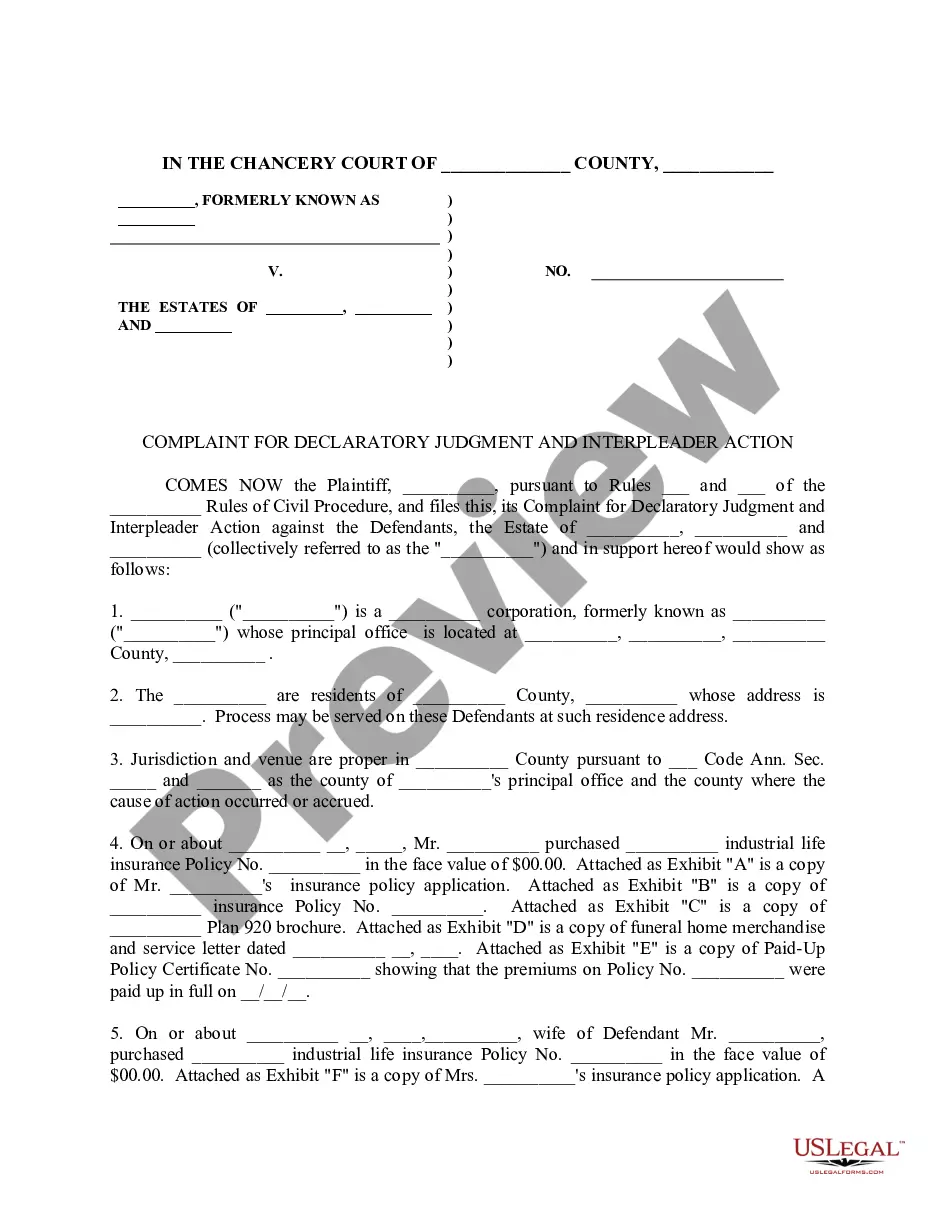


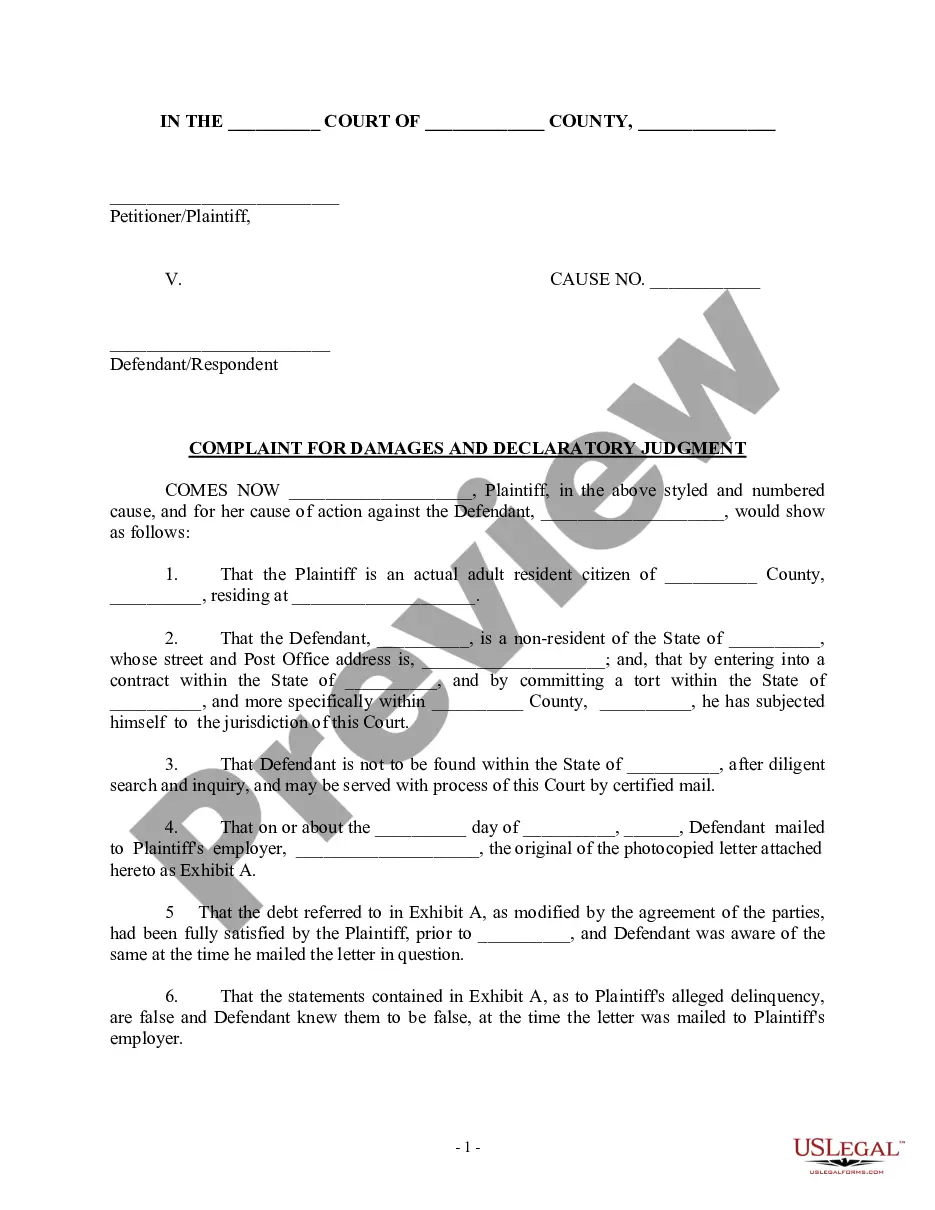
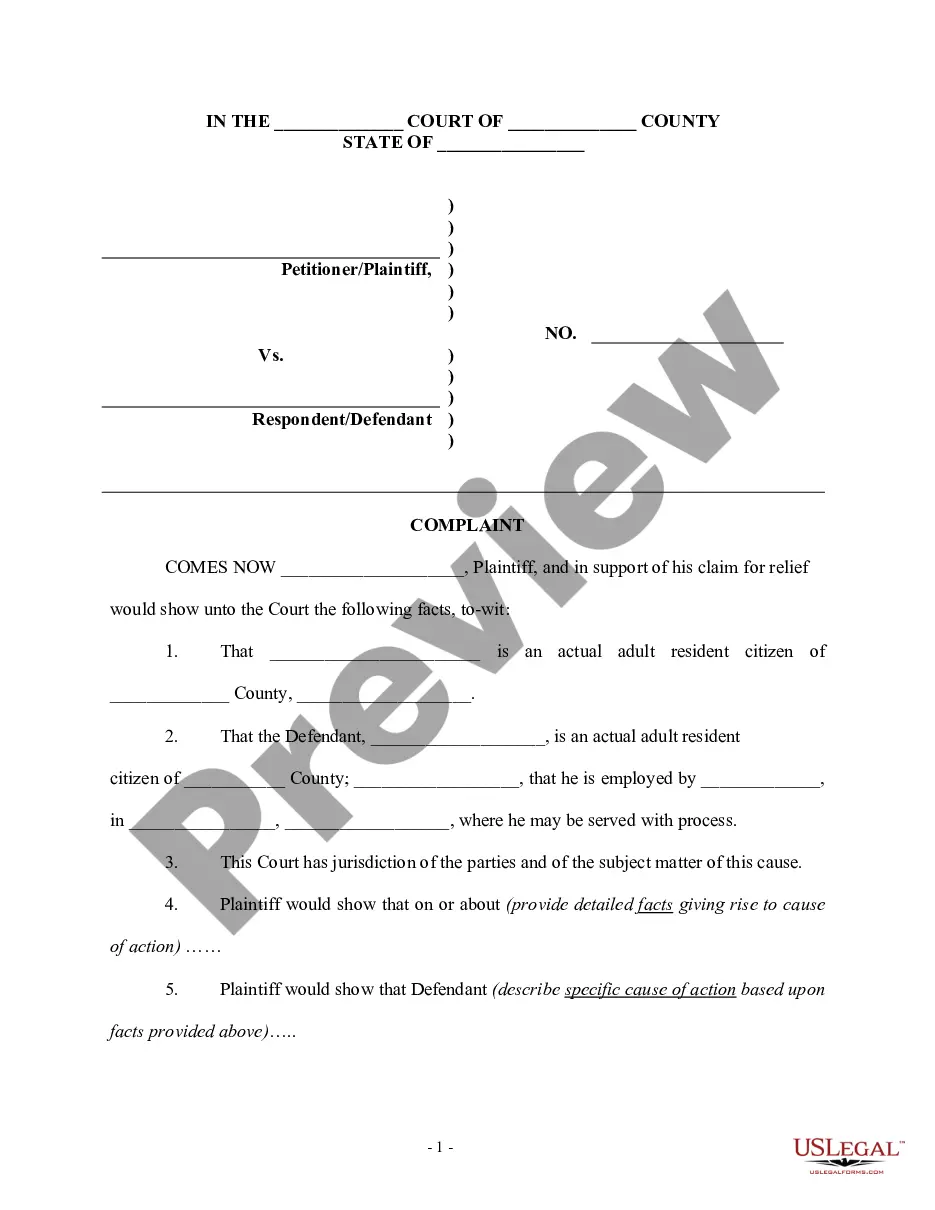
Get your form ready online
Our built-in tools help you complete, sign, share, and store your documents in one place.
Make edits, fill in missing information, and update formatting in US Legal Forms—just like you would in MS Word.
Download a copy, print it, send it by email, or mail it via USPS—whatever works best for your next step.
Sign and collect signatures with our SignNow integration. Send to multiple recipients, set reminders, and more. Go Premium to unlock E-Sign.
If this form requires notarization, complete it online through a secure video call—no need to meet a notary in person or wait for an appointment.
We protect your documents and personal data by following strict security and privacy standards.

Make edits, fill in missing information, and update formatting in US Legal Forms—just like you would in MS Word.

Download a copy, print it, send it by email, or mail it via USPS—whatever works best for your next step.

Sign and collect signatures with our SignNow integration. Send to multiple recipients, set reminders, and more. Go Premium to unlock E-Sign.

If this form requires notarization, complete it online through a secure video call—no need to meet a notary in person or wait for an appointment.

We protect your documents and personal data by following strict security and privacy standards.
Looking for another form?
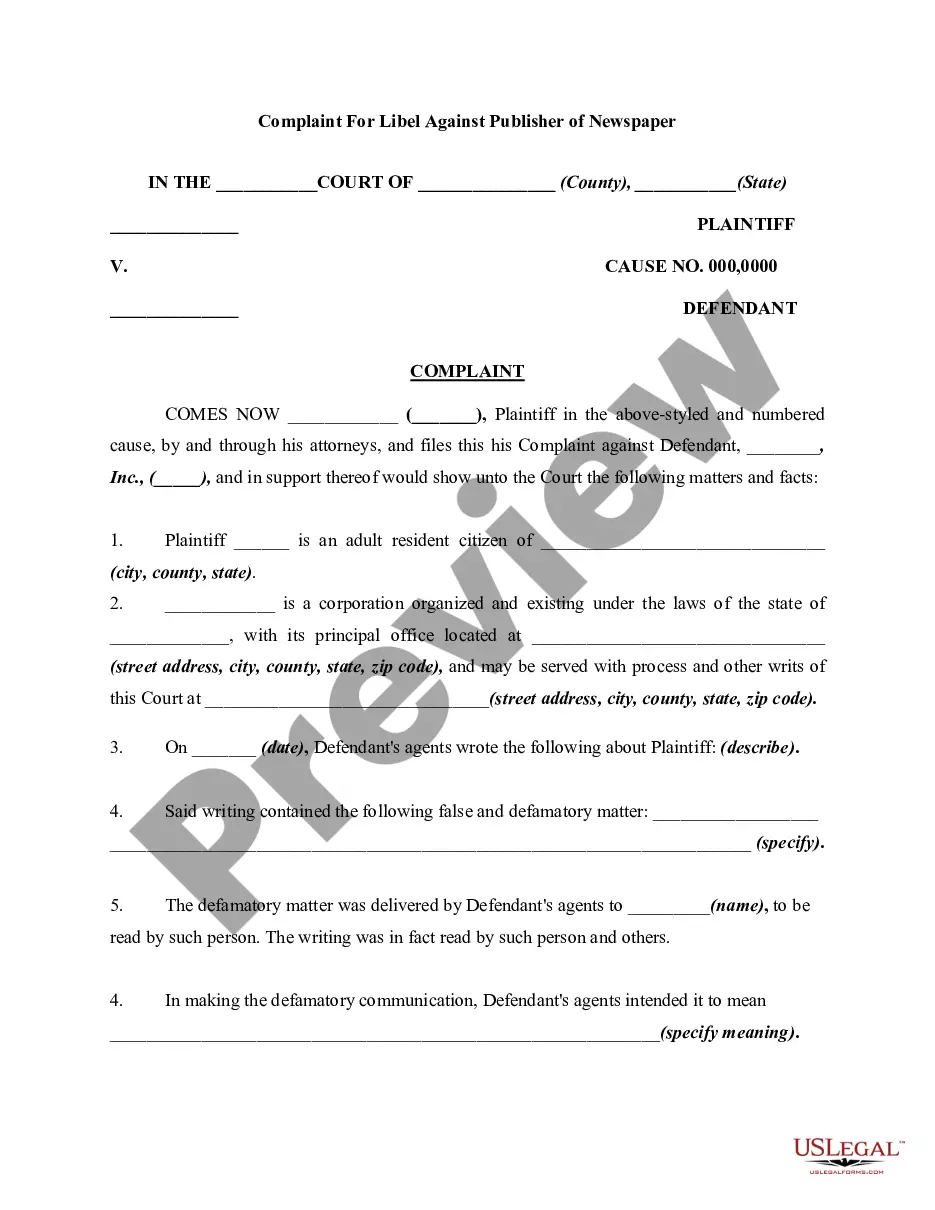
How to fill out Complaint For Declaratory Judgment?
Dealing with legal paperwork and operations might be a time-consuming addition to the day. Declaratory Judgment Template For Civil Cases and forms like it often require you to search for them and navigate the best way to complete them correctly. Therefore, regardless if you are taking care of financial, legal, or personal matters, using a extensive and convenient online library of forms at your fingertips will significantly help.
US Legal Forms is the best online platform of legal templates, featuring more than 85,000 state-specific forms and a variety of tools to assist you complete your paperwork quickly. Check out the library of pertinent documents available with just a single click.
US Legal Forms offers you state- and county-specific forms offered by any time for downloading. Protect your papers managing operations using a high quality service that allows you to put together any form within a few minutes without any extra or hidden cost. Just log in in your profile, locate Declaratory Judgment Template For Civil Cases and acquire it right away within the My Forms tab. You may also access previously downloaded forms.
Would it be your first time making use of US Legal Forms? Sign up and set up your account in a few minutes and you’ll gain access to the form library and Declaratory Judgment Template For Civil Cases. Then, stick to the steps listed below to complete your form:
- Make sure you have discovered the right form using the Review feature and looking at the form information.
- Pick Buy Now when ready, and select the subscription plan that is right for you.
- Choose Download then complete, eSign, and print out the form.
US Legal Forms has twenty five years of expertise helping users handle their legal paperwork. Obtain the form you want today and improve any process without breaking a sweat.
Form popularity
FAQ
For example, a policyholder believes that their denied claim is unjust. As a result, they inform the insurer that they are considering a lawsuit to recover losses. The insurer seeks a declaratory judgment to clarify its rights and obligations with hopes of preventing the lawsuit.
A declaratory judgment is a binding judgment from a court defining the legal relationship between parties and their rights in a matter before the court. When there is uncertainty as to the legal obligations or rights between two parties, a declaratory judgment offers an immediate means to resolve this uncertainty.
The declaratory judgment plaintiffhas the burden of proving an actual controversy exists. 12 However, it is the declaratory judgment defendant who has the burden of proving patent infringement exists. That is, the burden of proving patent infringement is on the patentee, regardless of who brings the lawsuit.
The Burden of Proof Remains on the Patentee Taken together these three legal propositions indicate that, in a licensee's declaratory judgment action, the burden of proving infringement should remain with the patentee.?
To establish federal jurisdiction in a declaratory judgment action, two conditions must be satisfied. First, is the constitutional inquiry - the case must be a 'case or controversy' pursuant to Article III of the US Constitution. Second is the prudential inquiry ? declaratory relief must be appropriate.