Declaratory Judgment For Trust
Description

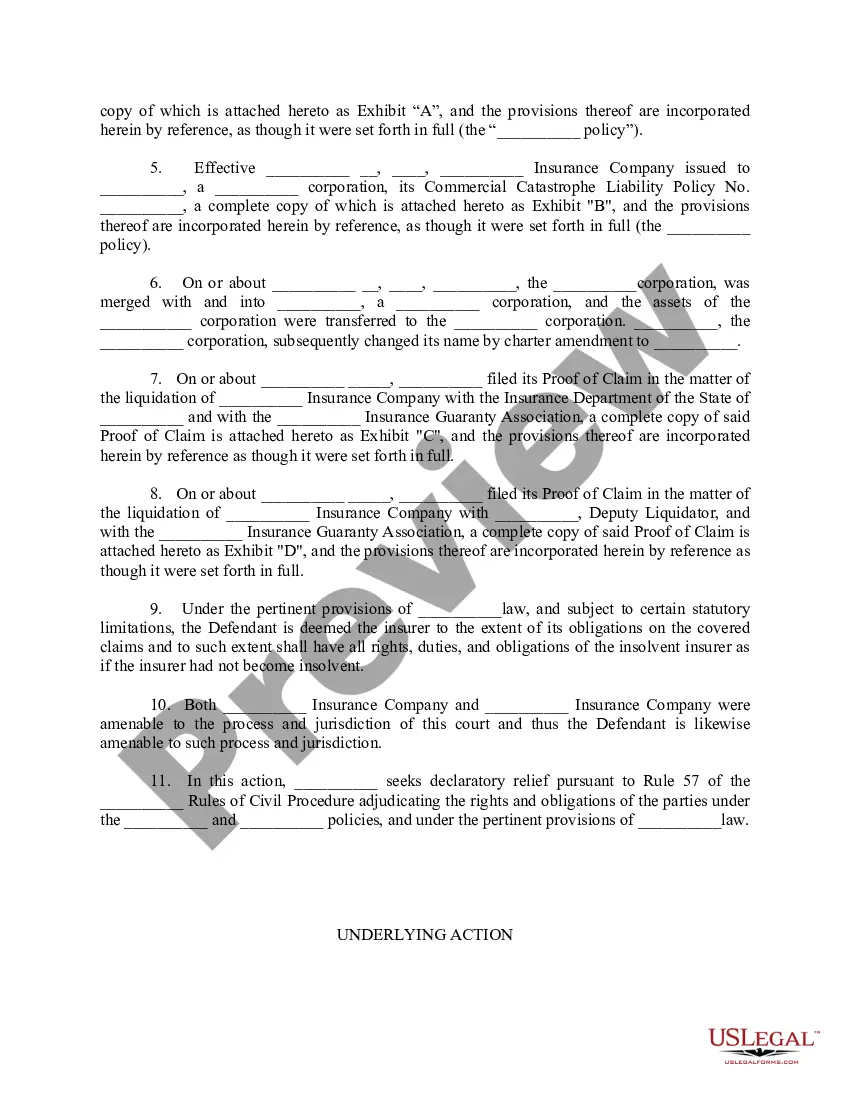
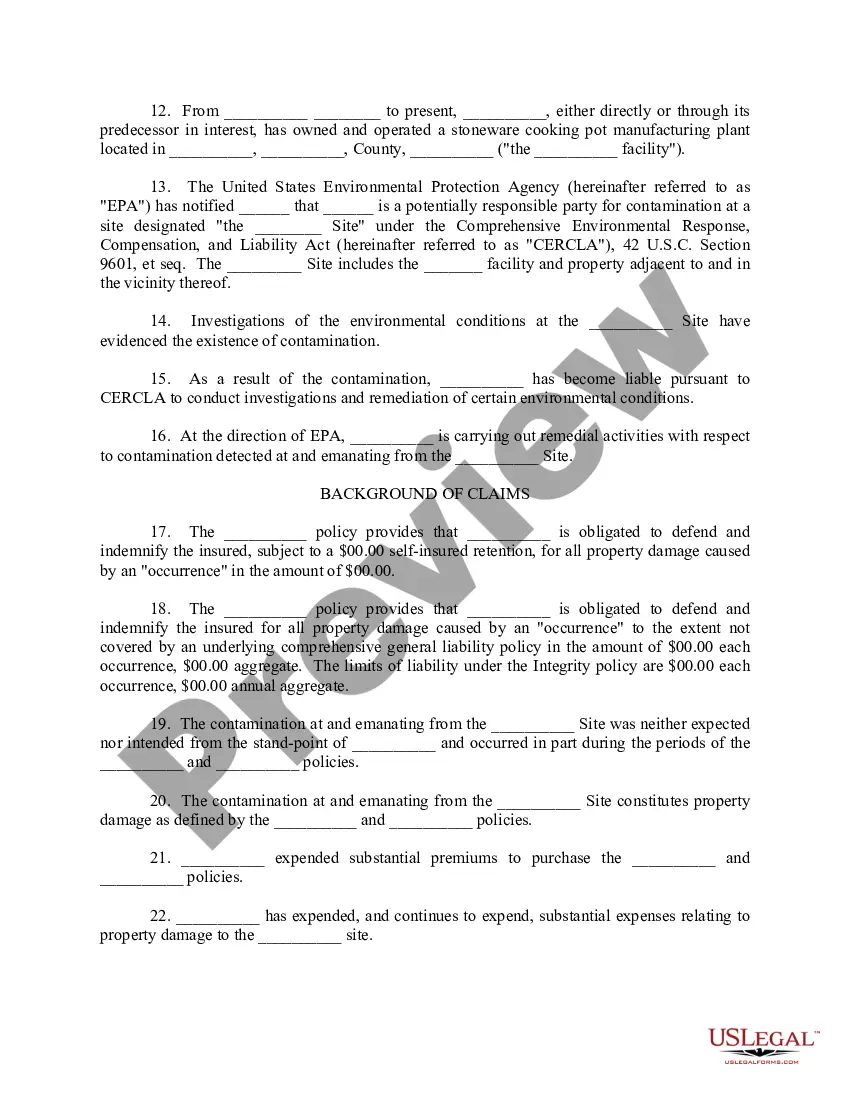
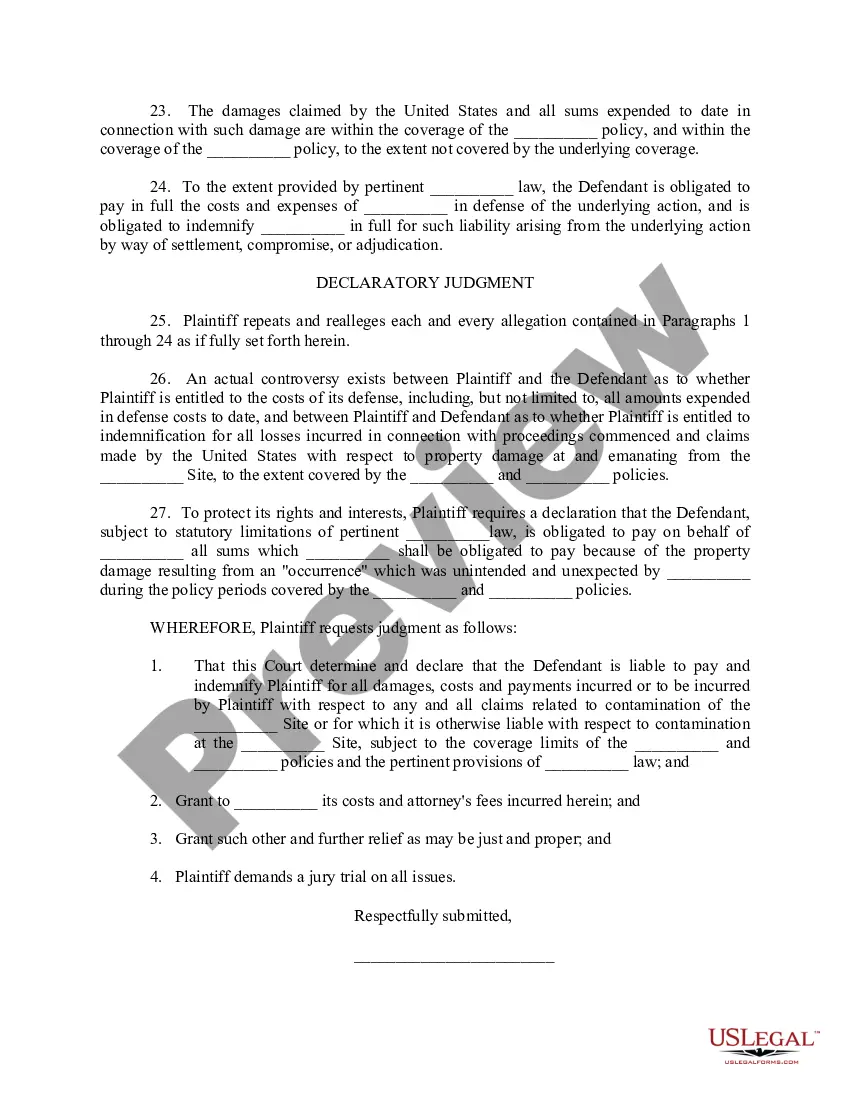

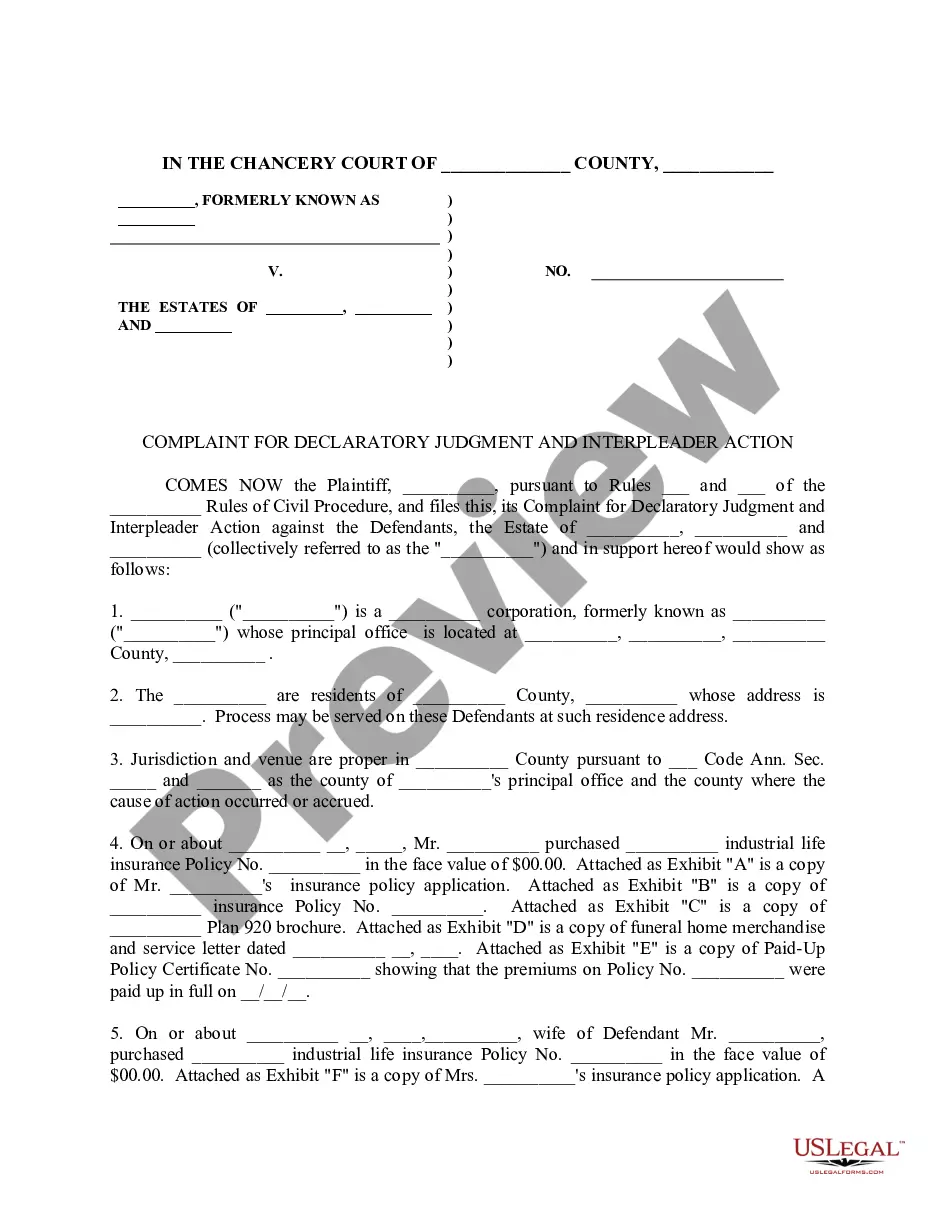


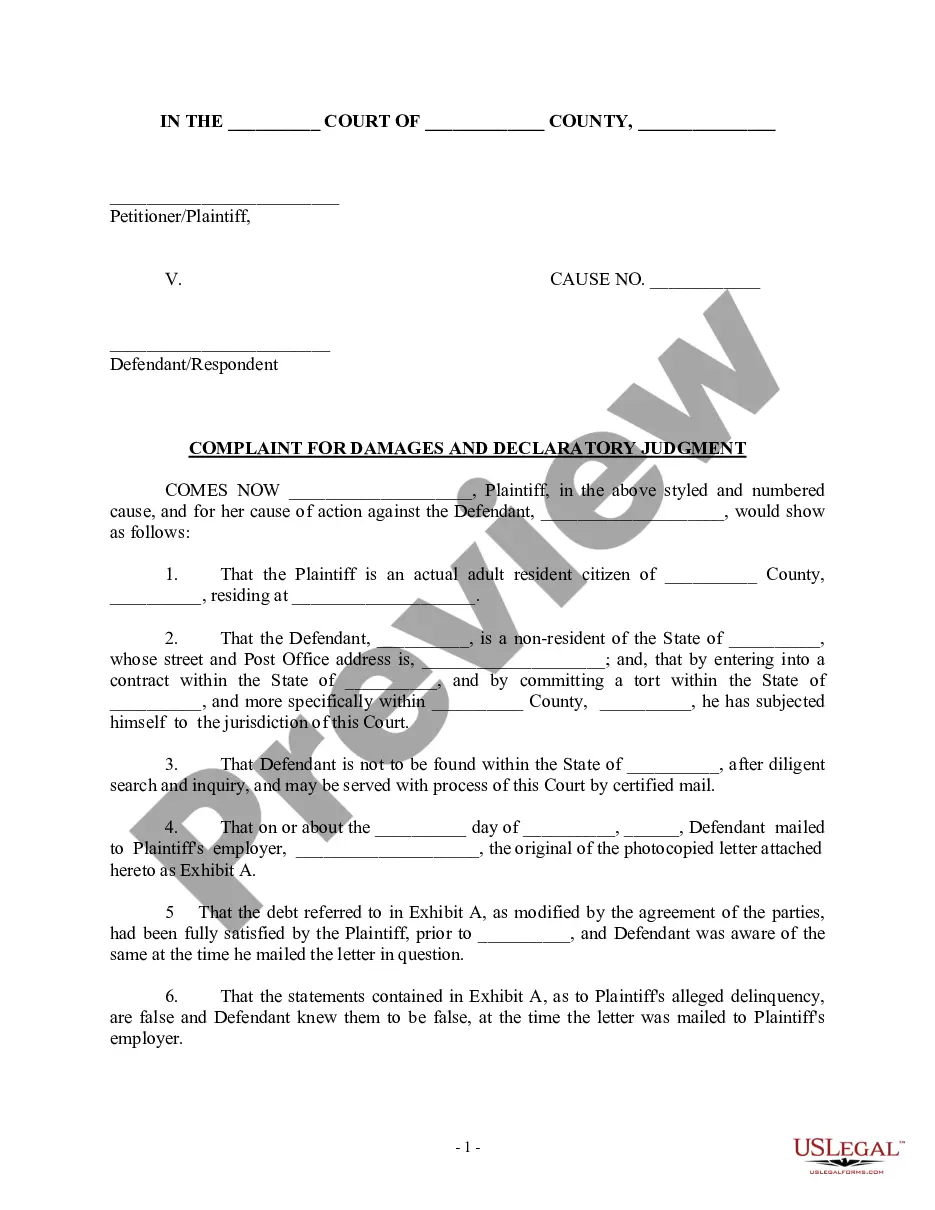
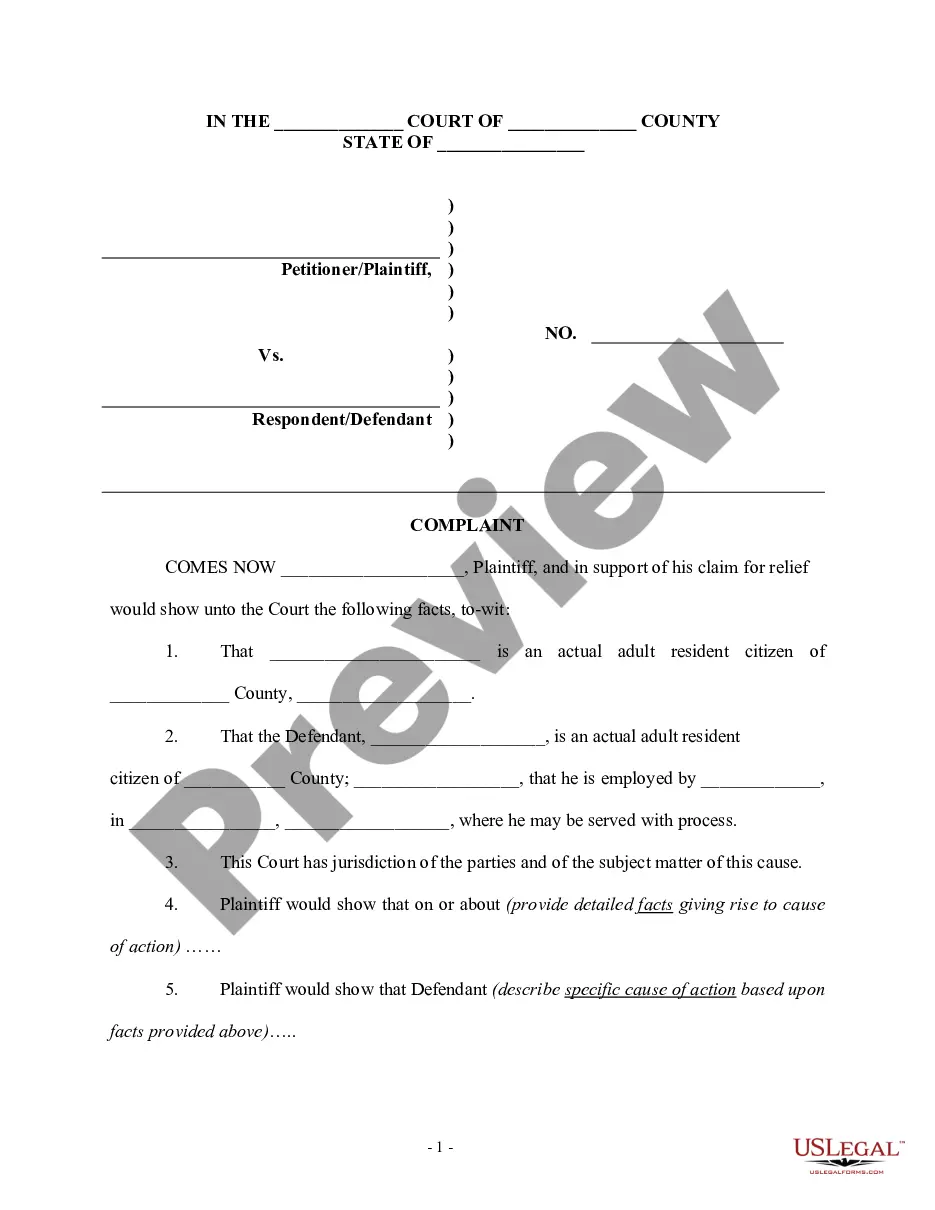
Get your form ready online
Our built-in tools help you complete, sign, share, and store your documents in one place.
Make edits, fill in missing information, and update formatting in US Legal Forms—just like you would in MS Word.
Download a copy, print it, send it by email, or mail it via USPS—whatever works best for your next step.
Sign and collect signatures with our SignNow integration. Send to multiple recipients, set reminders, and more. Go Premium to unlock E-Sign.
If this form requires notarization, complete it online through a secure video call—no need to meet a notary in person or wait for an appointment.
We protect your documents and personal data by following strict security and privacy standards.

Make edits, fill in missing information, and update formatting in US Legal Forms—just like you would in MS Word.

Download a copy, print it, send it by email, or mail it via USPS—whatever works best for your next step.

Sign and collect signatures with our SignNow integration. Send to multiple recipients, set reminders, and more. Go Premium to unlock E-Sign.

If this form requires notarization, complete it online through a secure video call—no need to meet a notary in person or wait for an appointment.

We protect your documents and personal data by following strict security and privacy standards.
Looking for another form?
How to fill out Complaint For Declaratory Judgment?
Locating a reliable source for acquiring the latest and pertinent legal templates is a significant part of managing bureaucracy.
Identifying the appropriate legal documents requires accuracy and meticulousness, which is why it is crucial to obtain samples of Declaratory Judgment For Trust solely from reputable sources like US Legal Forms.
Eliminate the hassle associated with your legal documentation. Explore the extensive US Legal Forms collection to discover legal templates, assess their applicability to your scenario, and download them immediately.
- Utilize the catalog navigation or search field to locate your template.
- Access the form’s details to ensure it meets the standards of your state and locality.
- View the form preview, if available, to confirm the form aligns with your interests.
- Return to the search and identify the correct document if the Declaratory Judgment For Trust does not fulfill your needs.
- When you are confident about the form’s applicability, download it.
- If you are a registered user, click Log in to verify and access your selected templates in My documents.
- If you do not have an account yet, click Buy now to acquire the form.
- Choose the pricing plan that meets your preferences.
- Proceed to the registration to complete your purchase.
- Conclude your purchase by selecting a payment method (credit card or PayPal).
- Select the file format for downloading Declaratory Judgment For Trust.
- Once you possess the form on your device, you can modify it with the editor or print it and fill it out manually.
Form popularity
FAQ
An example of a declaratory judgment for trust might involve a dispute over the distribution of assets after the death of a trustee. A court may be asked to determine whether a beneficiary is entitled to specific property or funds based on the language of the trust document. This ruling clarifies the intentions of the trust and provides peace of mind to all parties involved. If you find yourself in a similar situation, consulting US Legal Forms can help simplify the process.
To file a declaratory judgment for trust, start by gathering all relevant documents related to the trust and the specific issues at hand. You will then complete a petition and submit it to the appropriate court, along with any required filing fees. It’s essential to ensure that you have served all interested parties with notice of your filing. For guidance, consider using US Legal Forms, which provides templates and support for filing your petition.
The procedure for a declaratory judgment for trust typically begins with filing a petition in the relevant court. You will need to outline the nature of the trust dispute and include all necessary details. Following the filing, the court will schedule a hearing where interested parties can present their arguments. Ultimately, the court will issue a judgment that clarifies the rights and duties regarding the trust.
A declaratory trust is a specific type of trust where the court defines the rights and interests of the parties involved. This can arise in situations where there is confusion or disagreement about the management or distribution of trust assets. By clarifying these issues, a declaratory trust ensures that all parties operate with a clear understanding of their roles and responsibilities, supporting effective trust administration.
The benefit of a declaratory judgment for trust includes providing clarity and certainty in legal matters, thereby avoiding future disputes. This legal tool can help parties understand their rights, obligations, and potential liabilities upfront. Consequently, declaratory judgments encourage cooperation and can significantly reduce litigation costs.
To obtain a declaratory judgment, the requesting party must demonstrate a real and justiciable controversy that requires resolution. In the context of a trust, this might involve proving that the existing ambiguity affects the administration of the trust. Courts also look for parties who have a legitimate stake in the outcome to ensure the case is valid.
After a declaratory judgment, the court's decision serves as a binding interpretation of the issues at hand. For a trust, this means that the trustee must act according to the court's ruling, ensuring compliance with the law. If any party disagrees with the judgment, they may seek further appeal or clarification, but the initial ruling typically sets the course for subsequent actions.
The point of a declaratory judgment is to clarify legal uncertainties regarding rights and obligations. This can be particularly valuable in complex situations, such as those involving trusts. By providing a court's interpretation, a declaratory judgment can effectively guide individuals and organizations in making informed decisions, minimizing potential conflicts.
The purpose of declaratory relief is to provide parties with a clear understanding of their legal rights and responsibilities without waiting for a breach of contract. By obtaining a declaratory judgment for trust, individuals can proactively address uncertainties before they escalate into larger disputes. This approach encourages peaceful resolutions and enhances the predictability of legal outcomes.
An insurance company often seeks a declaratory judgment for trust when it needs clarity on coverage issues or policy interpretations. This legal process helps to determine whether a claim is valid under the terms of the policy. It can prevent prolonged disputes by providing a definitive answer from the court regarding the rights and obligations of each party involved.